Perseids week in 2026: what else is happening in the sky around the eclipse (without distracting from eye safety)
The August 12, 2026 total solar eclipse is already a huge sky event on its own. Add the Perseids peaking right around the same date, and it is easy to imagine one giant all-in-one spectacle. The reality is better, and a little more nuanced: you may get an extraordinary eclipse day and an excellent meteor night in the same trip, but they are different experiences with different timing, different conditions, and very different safety rules.
That is the right frame for a practical perseid meteor shower august 2026 eclipse plan. Treat the eclipse as the main event on August 12, especially if you are traveling into totality. Treat the Perseids as a separate nighttime bonus, most rewarding after dark under a clear sky. If you are still building your eclipse plan, start with our Eclipse Explorer / 3D map and our full August 12, 2026 total solar eclipse planning guide.
The overlap is real. NASA’s 2026 sky calendar lists the total solar eclipse on August 12 and the Perseids on August 12–13. Space.com’s 2026 eclipse guide notes that maximum totality lasts about 2 minutes 18 seconds somewhere along the track, while its Perseids guide points to a strong shower with dark-sky help from a new-moon period. But “same week” does not mean “guaranteed simultaneous fireworks.” What matters is where you are, what time it is, and whether you are looking at the Sun or the night sky.
First, keep the hierarchy straight: eclipse first, meteors second
If you are traveling to Greenland, Iceland, or Spain for August 12, 2026, your daylight planning should revolve around the eclipse path, local horizon, and cloud strategy. The Moon’s shadow crosses Earth in about 96 minutes, and the best on-the-ground experience depends on being inside totality, not merely near it.
A few concrete examples show why the eclipse deserves your full attention. Space.com’s eclipse guide gives Reykjavík about 1 minute 1 second of totality around 5:48 p.m. GMT, while Snæfellsjökull National Park in Iceland gets about 2 minutes 10 seconds around 5:45 p.m. GMT. In Spain, Gijón gets about 1 minute 46 seconds around 8:26 p.m. CEST, A Coruña about 1 minute 15 seconds around 8:27 p.m. CEST, and Burgos about 1 minute 44 seconds around 8:28 p.m. CEST. Those are not tiny differences when totality is so brief.
That is why we do not recommend mentally blending the eclipse into a generic “big astronomy day.” The eclipse is a short, geometry-driven event. The Perseids are a broad nighttime shower that rewards patience over hours, not seconds. If your eclipse site has a blocked western horizon, or if you are outside totality, the meteor shower does not make up for that loss.
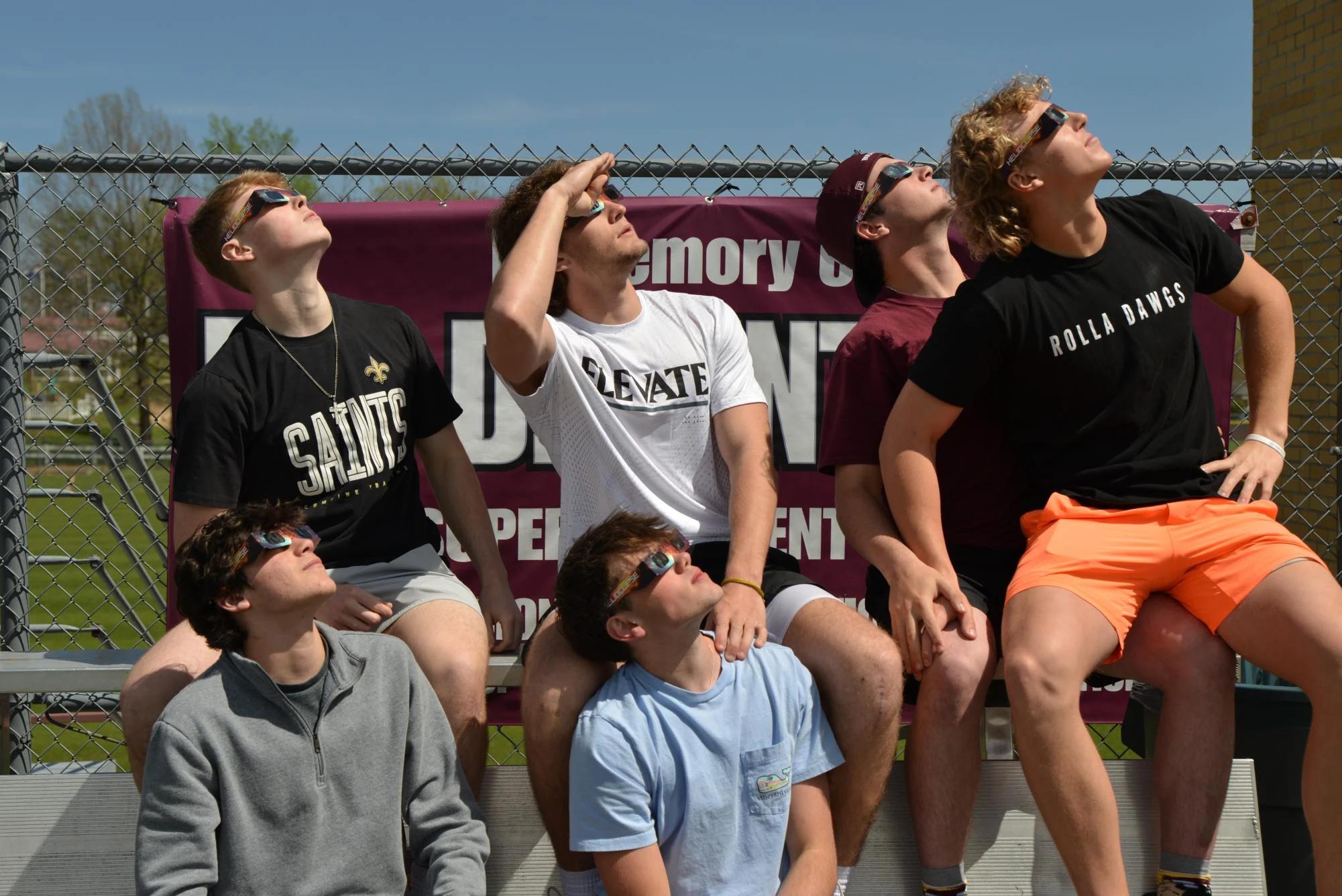
For first-timers, this is also the moment to review when glasses on, when glasses off before you travel. The most common planning mistake is not underestimating the beauty of the eclipse. It is underestimating how exact the safety rules are.
What the Perseids are doing in 2026
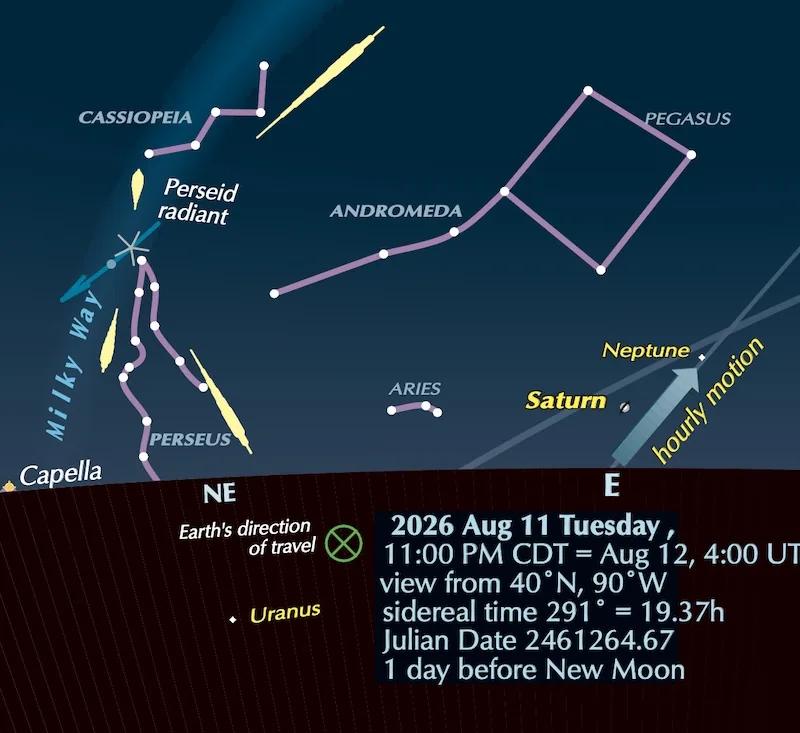
The Perseids are one of the year’s best-known meteor showers, produced when Earth passes through debris left by Comet 109P/Swift-Tuttle. In practical terms, that means fast, bright meteors that often leave persistent streaks, with the shower active from mid-July into late August and strongest around August 11–12 or the night leading into August 13, depending on the source and your location.
Space.com’s 2026 guide describes the Perseids as active from July 14 to August 24, with a peak around August 11–12 and a nominal zenithal hourly rate of about 100 under ideal dark-sky conditions. That idealized number is not what most people will literally count. Real-world rates depend on sky darkness, radiant altitude, local light pollution, clouds, and how much of the sky you can actually see.
The good news is the perseid meteor shower 2026 moon phase looks favorable. NASA’s 2026 sky-events roundup highlights August 12–13 as a strong Perseids window and specifically notes a New Moon, which is exactly what meteor watchers want. No bright moon washing out the fainter streaks means the shower has a better chance to look rich and lively from a dark site.
So yes, the timing is genuinely exciting. A perseid meteor shower august 2026 eclipse 2026 guide should say that clearly. But it should also say something equally important: the eclipse happens in daylight, and the meteor shower is best after the sky gets fully dark. They complement each other across the trip rather than merging into one single guaranteed spectacle.
The timing question everyone asks
The phrase perseid meteor shower august 2026 eclipse time sounds simple, but it actually bundles together two different clocks.
For the eclipse, the relevant time is your local eclipse schedule on August 12: when partial phases begin, when totality starts if you are inside the path, how long totality lasts, and how high the Sun is above the horizon. In Spain especially, the low Sun is a major planning factor. In Mallorca, for example, Space.com cites totality at only about 2.7 degrees above the west-northwest horizon. That is dramatic if you have a perfect sea horizon, but unforgiving if you do not.
For the Perseids, the relevant time is late night through pre-dawn, when the radiant climbs higher and meteor rates improve. Space.com advises that observers usually do best from around 11 p.m. local time onward, with the pre-dawn hours often strongest. That means your best meteor session may come many hours after the eclipse itself, not during it.
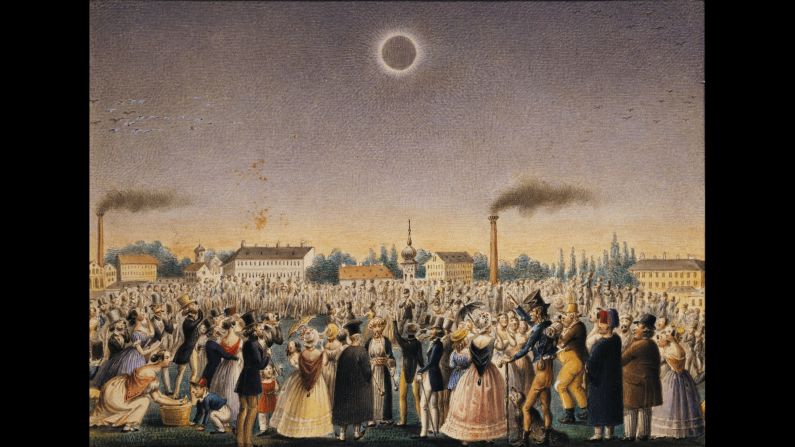
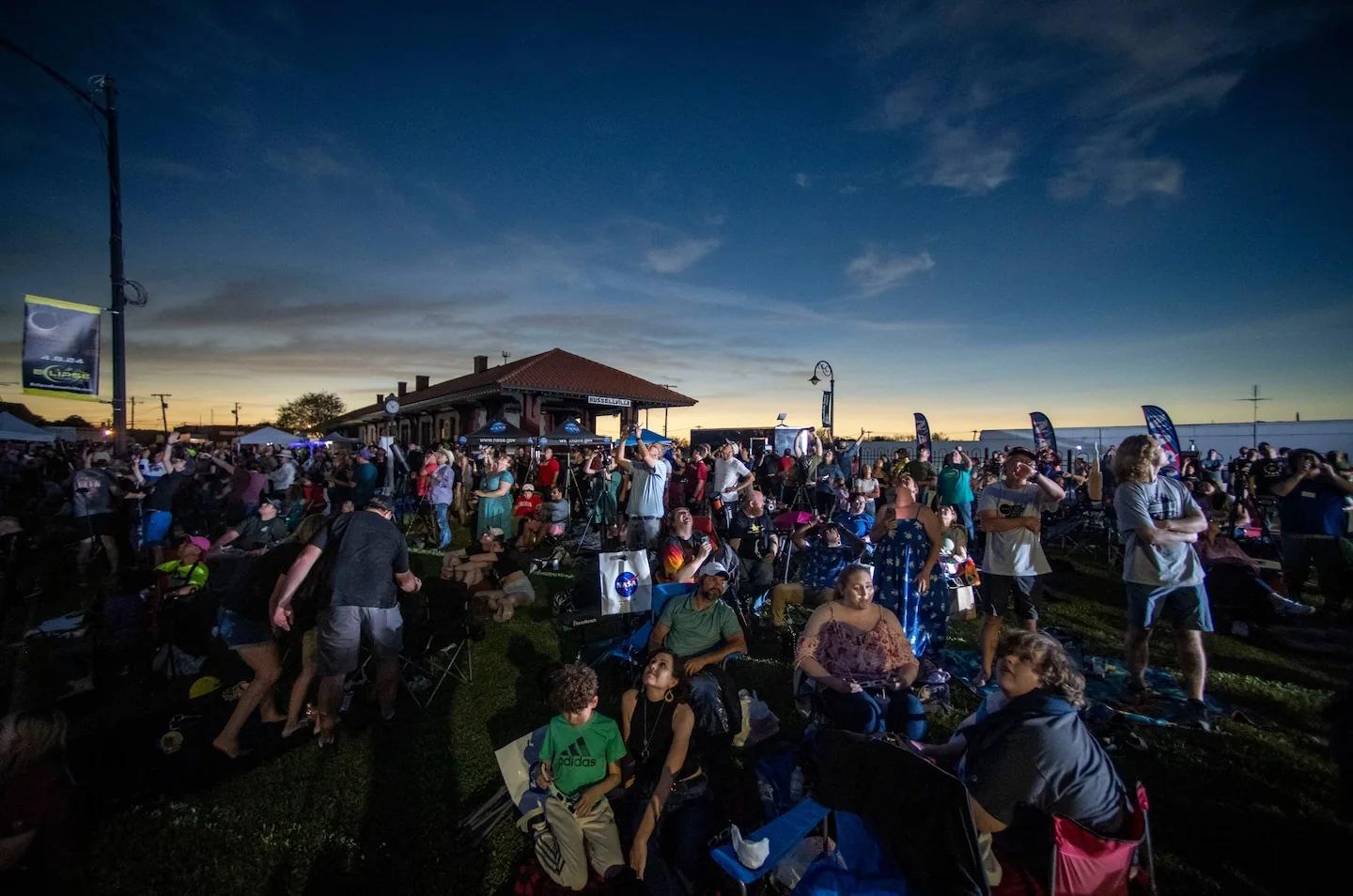
There is one narrow point of overlap worth mentioning honestly. During totality, the sky darkens enough that bright planets and a few stars can appear, and in rare circumstances a meteor could be seen. The AAS notes that planets and stars may become visible during totality if they are above the horizon. Space.com even says some lucky viewers may spot a Perseid during totality. But that is a bonus, not a promise. Do not build your expectations around catching meteors in those brief minutes. Build them around the corona, the changing light, the horizon glow, and the emotional shock of totality itself.
Location matters even more than usual
The phrase perseid meteor shower august 2026 eclipse location can mislead people into thinking there is one perfect place for both. In reality, the best eclipse location and the best meteor location may overlap only partly.
For the eclipse, you want to be inside totality with a strong weather and horizon strategy. In Iceland, the Sun is higher than in Spain, which helps sight lines, but cloud risk is often worse. In Spain, especially north-central areas, the cloud outlook may be better than on some coasts, but the Sun is lower late in the day and terrain matters more. In Greenland, some sites offer excellent eclipse geometry but involve much more demanding travel.
For the Perseids, you want darkness, open sky, and time to stay out late. Rural inland Spain may be especially appealing because you can chase the eclipse in the evening and then remain under darker skies for the meteor peak that night. That does not mean every eclipse site in Spain is automatically a great meteor site; local light pollution, haze, and fatigue all matter. Coastal urban areas may be fantastic for eclipse access and much less ideal for meteor counts.
This is also where readers from North America need a reality check. The phrase solar eclipse in usa 2026 shows up in searches because people are trying to connect the year’s big sky events. But the August 12, 2026 total solar eclipse is not a U.S. totality event. Space.com’s partial-eclipse table gives New York City only about 9% of the Sun covered. That is a real partial eclipse, but it is nowhere near totality. If you are in the United States, the Perseids may still be excellent from a dark site, but the eclipse side of the week is a much smaller show unless you travel.
Could you see a meteor during totality?
Technically, yes. Reliably, no.
This is where it helps to separate “possible” from “worth planning around.” During totality, the Sun’s bright face is fully covered, the corona appears, the landscape drops into an eerie twilight, and bright planets may pop out. Under those conditions, a bright meteor is not impossible. But totality is short. Even the maximum eclipse lasts only about 2 minutes 18 seconds somewhere along the track, and many named locations get less than that.
That is not enough time to turn your attention into a meteor hunt without sacrificing the main event. The AAS is blunt in a different context but the principle applies here too: totality is fleeting, and it is easy to waste it by chasing side quests. We would rather you spend those seconds looking at the corona, horizon colors, shadow effects, and the people around you losing their minds in the best possible way.
If a Perseid flashes during totality, wonderful. Enjoy the luck. But do not let the possibility pull your eyes and your attention away from the eclipse you traveled for.
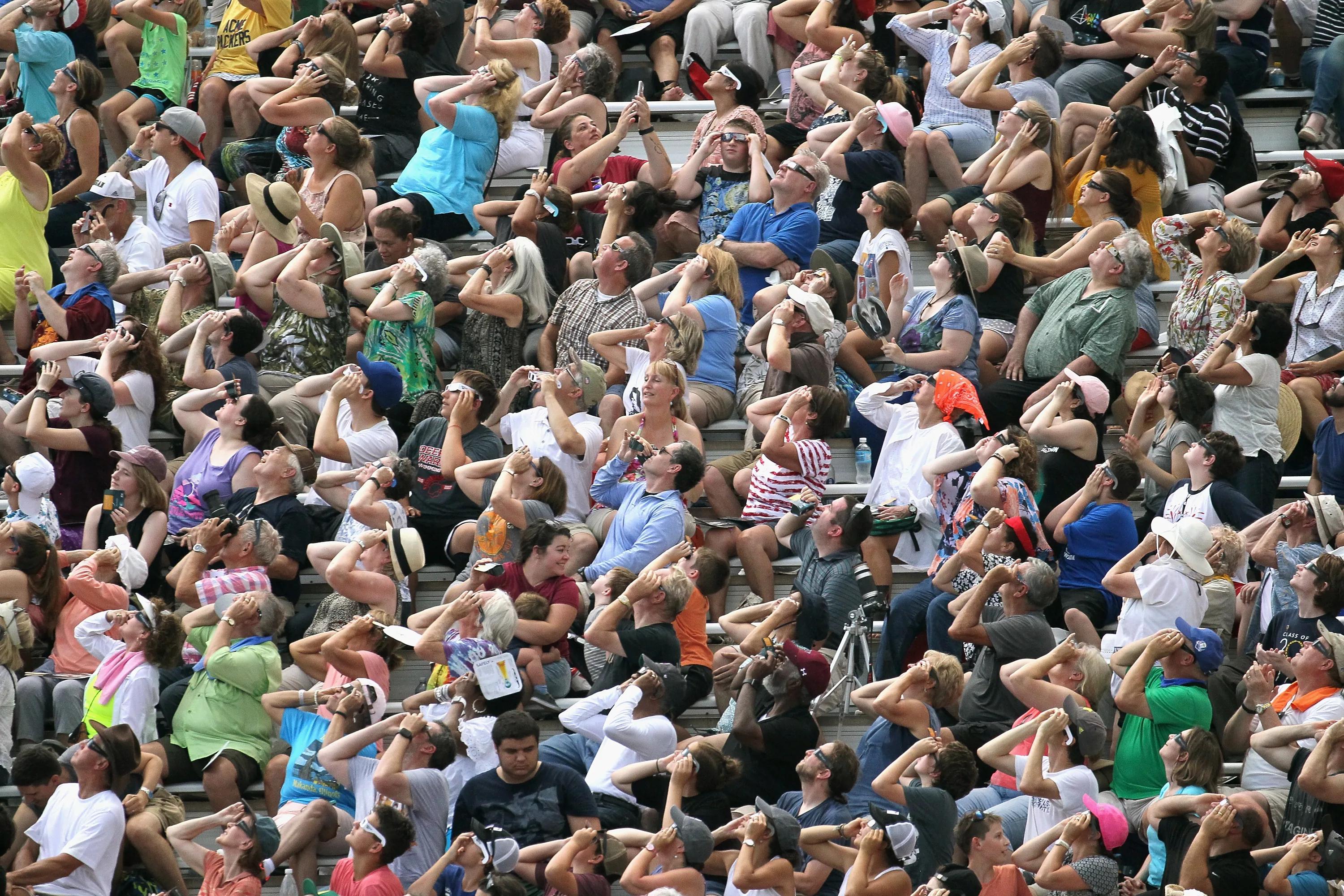
Eye safety does not relax just because the week is astronomically busy
This is the part we do not soften: meteor-shower excitement changes nothing about solar safety.
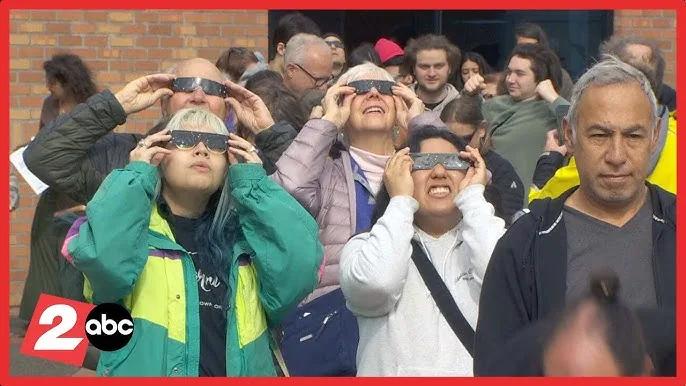
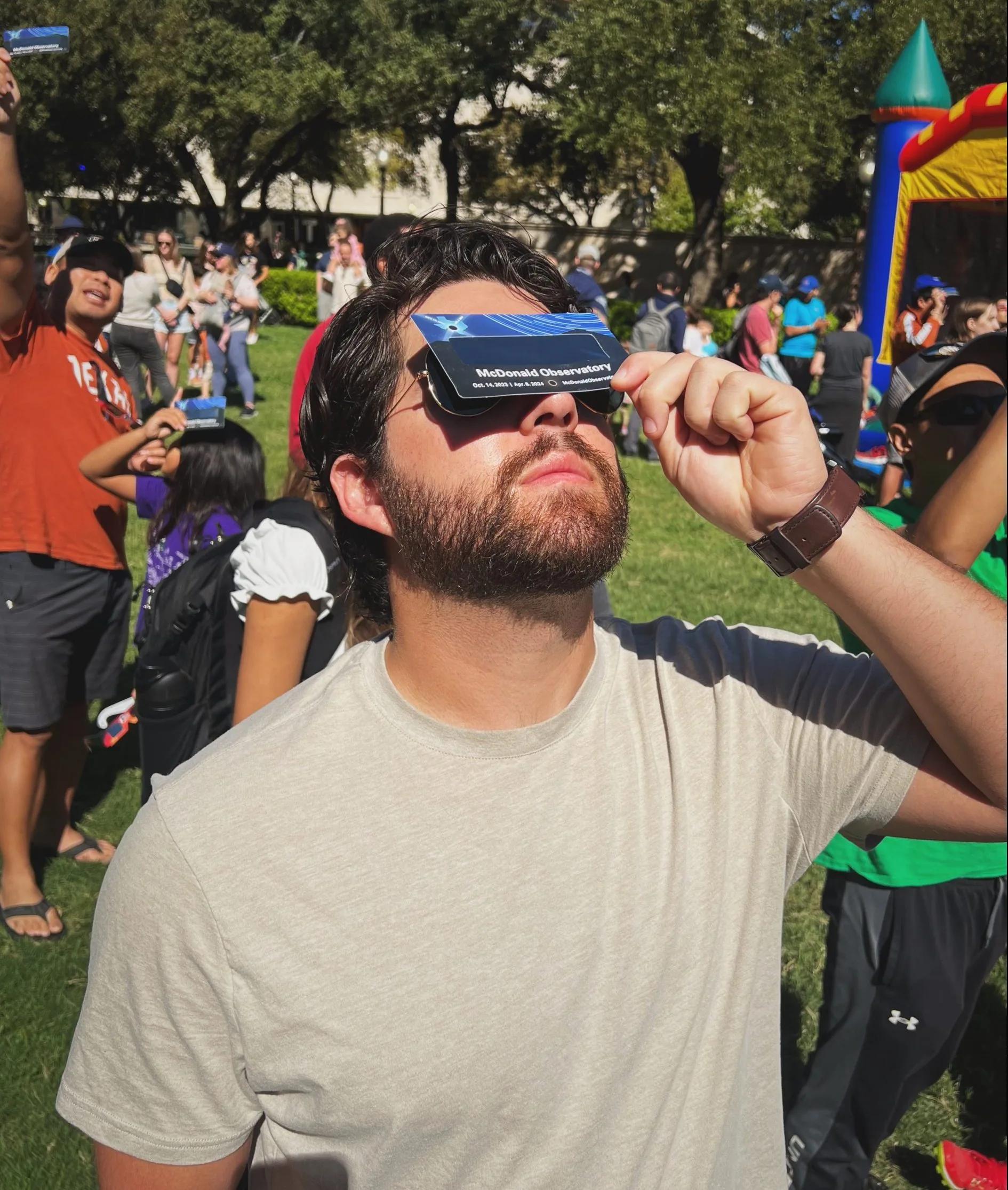
The AAS guidance is clear. During a total solar eclipse, looking directly at the Sun is unsafe except during the brief total phase, and only if you are actually inside the path of totality. At all other times during the partial phases, and everywhere outside totality, you need a special-purpose solar filter that conforms to ISO 12312-2. Ordinary sunglasses are not safe.
That means if you are in Madrid, Barcelona, London, Paris, or anywhere else outside the narrow totality track, there is no “quick look” moment without protection. Even Madrid’s extremely deep partial eclipse is still partial. If any part of the bright solar surface remains visible, your eclipse viewers stay on.
If you want a deeper safety refresher, read our guide to ISO 12312-2 and eclipse viewers and our explainer on why staring at the Sun without protection is never “just a quick look”.
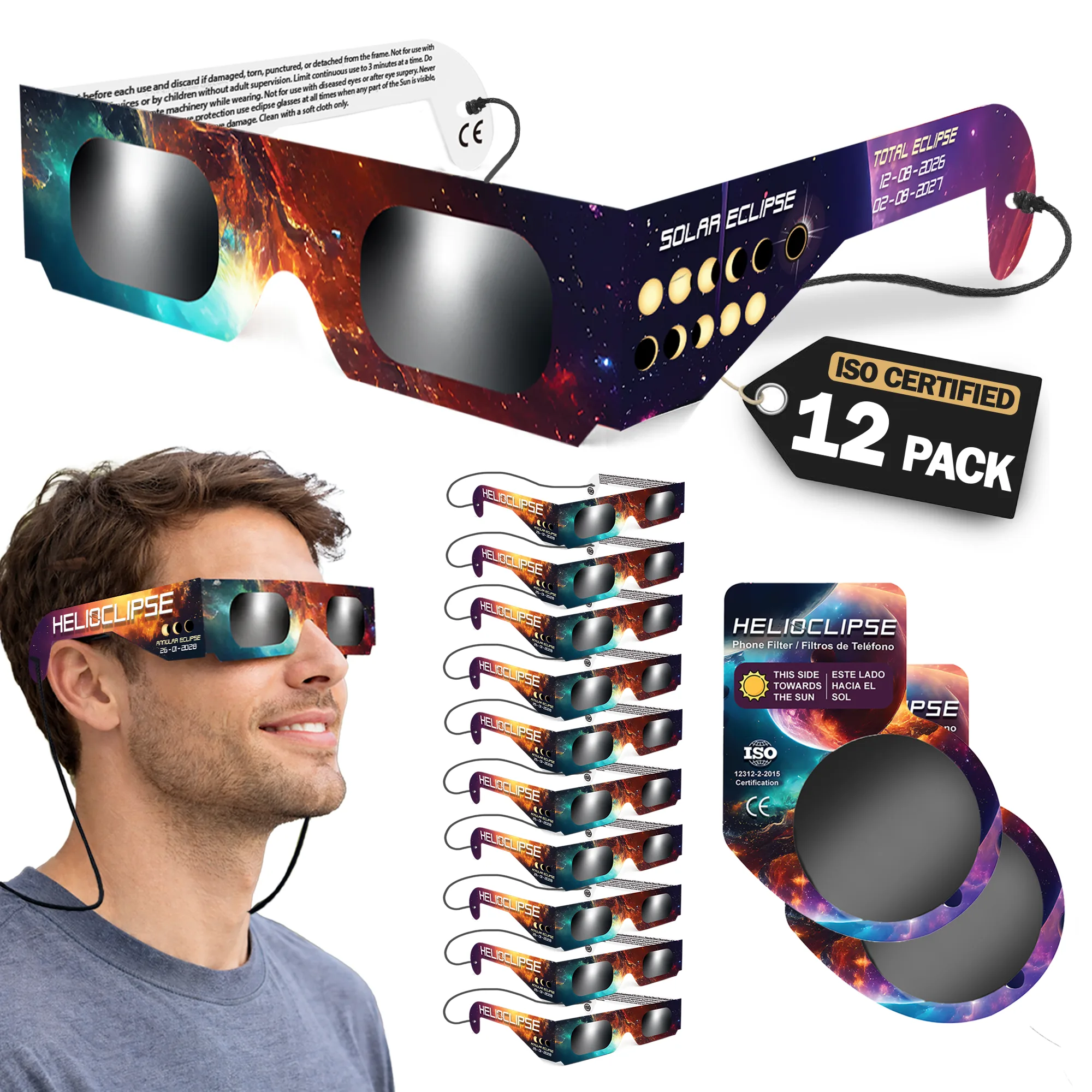
And because people really do shop using messy phrases, it is worth translating marketplace language into something useful. Terms like approved solar eclipse glasses, eclipse glasses nasa approved, and solar eclipse glasses iso 12312-2 certified are trying to get at the same core question: are these viewers genuinely meant for direct solar viewing, and can you trace them to a trustworthy source? If you need viewers for your group, our shop eclipse glasses page is the cleanest place to start.
If you are bringing cameras, binoculars, or telescopes, the rules get stricter
Meteor observing is wonderfully simple: for the Perseids, your eyes are usually better than a telescope. Eclipse observing is the opposite. The moment optics enter the picture, safety becomes more technical.
The AAS warns that you must never look at the Sun through an unfiltered camera, telescope, binoculars, or other optical device. Wearing eclipse glasses behind unfiltered optics is not a workaround; it is dangerous. Solar filters for optics need to be mounted securely on the front of the instrument, not at the eyepiece end.
That matters because some travelers will pack one kit for the whole trip: camera for the eclipse, then the same camera for meteor photos later. That is fine, but treat those as separate setups. Solar filters for daytime eclipse work. No solar filter for ordinary nighttime meteor photography. And if you are in totality and planning to remove a filter for the corona, rehearse that sequence in advance so you are not fumbling during the most precious minute of the trip.
What else is happening in the sky that week?
The short answer is: enough to make the trip feel like a whole sky festival, but not so much that you should dilute your eclipse plan.
NASA’s 2026 roundup places the August 12 total solar eclipse and the August 12–13 Perseids in the same standout stretch of the year. Earlier in 2026 there is a six-planet evening lineup on February 28, a total lunar eclipse on March 3 for parts of North America, and a Venus-Jupiter conjunction on June 8–9. Later in the year come the Geminids in December and several planetary oppositions.
That broader 2026 astronomical events calendar context is fun because it reminds you the eclipse is part of a living sky, not an isolated headline. But for travelers, the practical takeaway is simpler: if you are already making the effort to be under clear skies in mid-August 2026, stay an extra night if you can. The eclipse gives you the unforgettable daylight drama. The Perseids give you the slow, dark-sky afterparty.
A realistic plan for families, friends, and first-time skywatchers
If you are organizing a trip for more than just yourself, simplicity wins.
Pick your eclipse site first. Use path geometry, horizon, and mobility as your main criteria. Our 2026 totality in Spain guide and cloud cover and eclipse day guide can help if Spain is on your shortlist.
Then decide whether you can stay into the night. If yes, scout a darker nearby location with a broad view of the sky, away from direct lights. Bring layers, water, and something comfortable to lie on. Tell your group in advance that meteor watching is a patience game. You may get bursts, then quiet stretches, then a sudden bright streak that makes everyone yell at once.
Most importantly, do not let the meteor-shower buzz create sloppy eclipse behavior. Share viewers if you need to during the partial phases, as the AAS notes you can do safely because the eclipse evolves slowly. But make sure the viewers are in good condition, children are supervised, and everyone knows the rule: no direct Sun without proper solar protection except during totality, and only inside totality.
If you are still checking your gear, this is also a good time to read our guide on fake and low-quality eclipse glasses. Mid-August 2026 will be busy. Busy markets are exactly when you want to be calm and picky.
So what should you expect emotionally?
Expect two different kinds of awe.
The eclipse is concentrated. It builds slowly, then suddenly the world changes. Shadows sharpen, the light turns strange, the temperature may dip, and if you are in totality the corona appears where your brain insists the Sun should be. It is theatrical and brief.
The Perseids are the opposite. They ask you to settle in, let your eyes adapt, and give the sky time. One meteor can be faint and quick; the next can tear across half the sky. The pleasure is cumulative. You are not waiting for one exact second. You are letting the night keep surprising you.
That is why the pairing works so well, even though it is not one combined super-event. August 12, 2026 can give you a once-in-years eclipse in the late day and, under the right sky, one of the year’s best meteor nights after dark. That is plenty. You do not need to exaggerate it to make it worth planning now.
The biggest astronomy events of 2026
Dr. Becky
Frequently asked questions
What are the next five solar eclipses after this one?
The excerpt does not list the next five solar eclipses, so I can’t name them from this source alone. It does say the August 12, 2026 total solar eclipse is the main event to plan around, and that the Moon’s shadow crosses Earth in about 96 minutes.
What time does the solar eclipse happen on February 17?
The excerpt does not mention any solar eclipse on February 17, so there is no time given for that date here. The only eclipse timing information provided is for August 12, 2026, including examples such as Reykjavík around 5:48 p.m. GMT and Gijón around 8:26 p.m. CEST.
How should I plan for the Perseids during eclipse week in August 2026?
Treat the eclipse as the main daytime event on August 12 and the Perseids as a separate nighttime bonus. The excerpt says the shower peaks around August 12–13, but it is most rewarding after dark under a clear sky, so the timing and safety rules are very different from the eclipse.
What does the 2026 guide say about seeing the Perseids and the eclipse together?
It says the overlap is real, but it is not a guaranteed all-in-one spectacle. You may get an extraordinary eclipse day and an excellent meteor night in the same trip, but what matters is where you are, what time it is, and whether you are looking at the Sun or the night sky.
What else is happening in the sky during eclipse week in 2026?
The main additional event mentioned is the Perseids, which NASA’s 2026 sky calendar places on August 12–13. The excerpt also notes that a new-moon period should help dark-sky viewing for the meteor shower, but it emphasizes that the eclipse still deserves first priority.
On-site next steps
- Explore the Helioclipse Eclipse Explorer / 3D map to check whether your chosen site is inside totality, how long totality lasts there, and what the local geometry looks like.
- Browse our blog hub for safety, weather, and first-timer planning guides before you lock in travel.
- If your group still needs viewers, visit our solar eclipse glasses shop early rather than leaving safety gear to the last minute.
Sources & further reading
- Perseid meteor shower 2026 — When, where and how to see it
- Total solar eclipse 2026 — Everything you need to know
- Solar and Lunar Eclipses in 2026
- Perseid Meteor Shower 2026 Guide | When & How to See It
- Most Notable 2026 Astronomical Events: A Year of Watching the Skies
- How to View a Solar Eclipse Safely
- Phenomena You'll Experience at a Total or Annular Eclipse
- Solar Filters for Optics: Telescopes, Binoculars & Cameras
- Suppliers of Safe Solar Viewers & Filters
- Solar Eclipse Eye Safety (PDF)