Nodes, eclipse seasons, and ‘why not every new moon’: orbital mechanics without the semester course
Eclipses can feel dramatic enough to seem random. One month the Moon quietly slips through its usual phases, and then suddenly the sky serves up a total solar eclipse, a lunar eclipse two weeks later, and a flood of countdown posts. But the pattern is not random at all. If you want the short version of lunar nodes eclipse seasons explained, it is this: the Moon has to be in the right phase and in the right place in its tilted orbit.
That is why not every new moon becomes a solar eclipse, and not every full moon becomes a lunar eclipse. The missing ingredient is the Moon’s crossing points with the ecliptic, called the nodes. Once you see that geometry, a lot of eclipse timing stops looking mysterious. It also makes the big 2026 events feel less like cosmic luck and more like clockwork. If you want to connect this idea to real-world viewing, our Eclipse Explorer / 3D map is the fastest way to see how geometry turns into an actual path on Earth.
This is our lunar nodes eclipse seasons explained 2026 guide for readers who want the real mechanics without a semester of celestial mechanics. We are aiming for plain-language, NASA-level clarity: enough precision to trust, not enough algebra to ruin your coffee.
Start with the one fact that answers almost everything
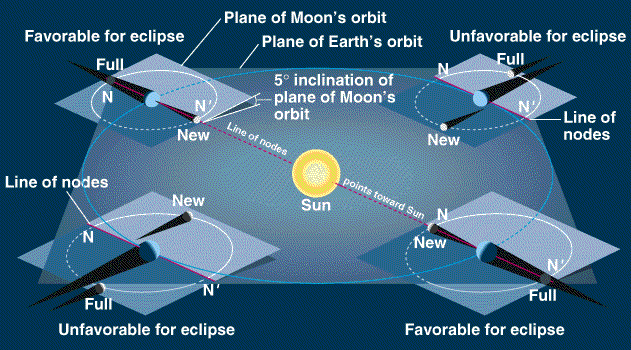
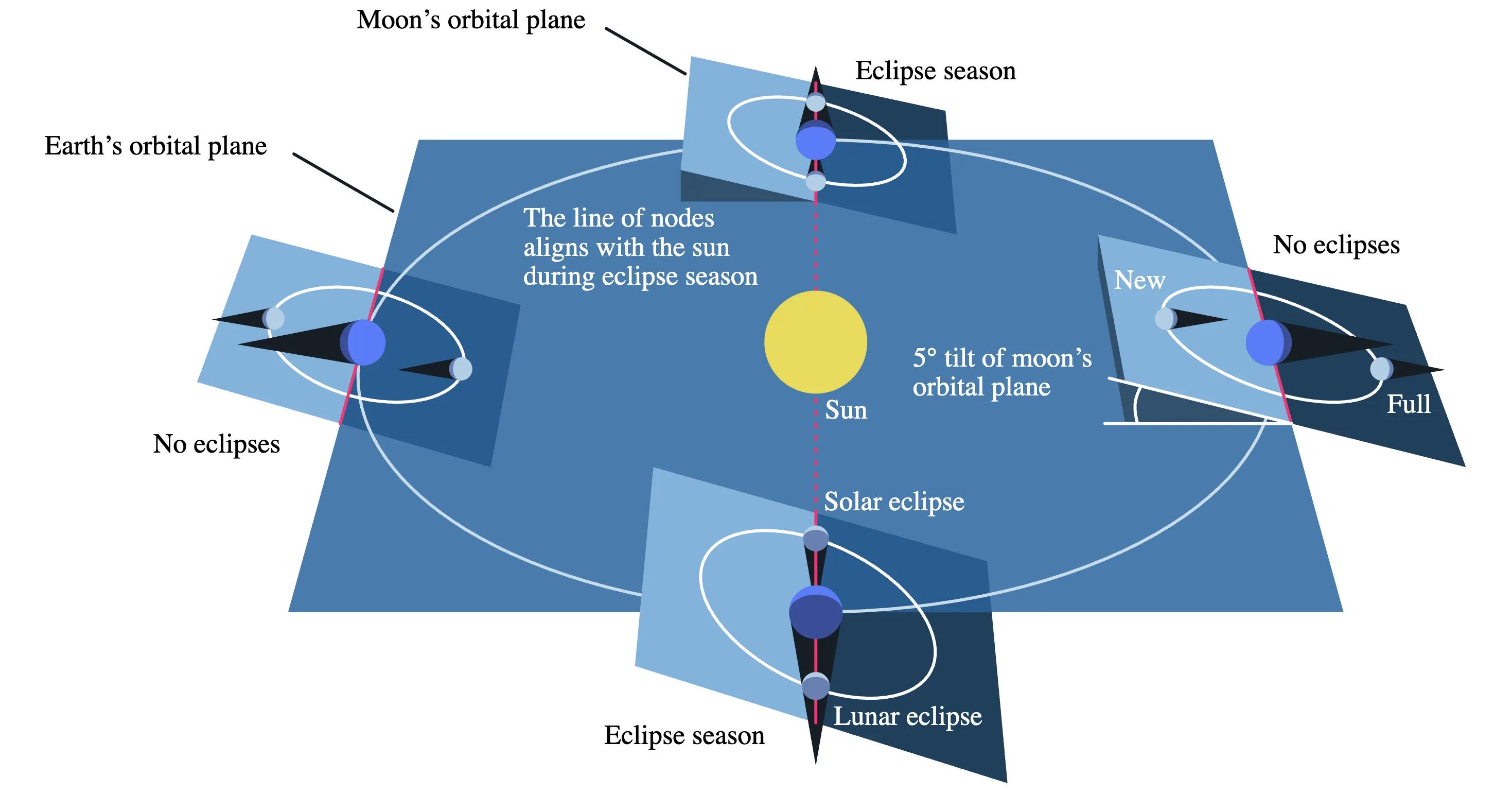
The Moon’s orbit is tilted by about 5 degrees relative to Earth’s orbital plane around the Sun. That sounds tiny. In sky geometry, it is huge.
If the Moon orbited in exactly the same plane as Earth’s path around the Sun, we would get a solar eclipse at every new moon and a lunar eclipse at every full moon. The lineup would happen every month. But because of that tilt, the Moon usually passes a little above or a little below the exact Sun-Earth line at new moon, and a little above or below Earth’s shadow at full moon.
That is the whole answer to “why solar eclipse not every month.” The phase alone is not enough. New moon tells you the Moon is roughly between Earth and the Sun. It does not guarantee perfect alignment.
NASA puts this plainly: eclipses happen only when the Sun, Earth, and Moon line up closely enough, and the Moon’s tilted orbit is why that does not happen every month. So when people ask “is there an eclipse every new moon?” the honest answer is no, because most new moons miss the necessary plane crossing.
What the lunar nodes actually are
The phrase lunar nodes and eclipses can sound more mystical than it is. In astronomy, the nodes are simply the two points where the Moon’s orbit crosses the ecliptic, the plane of Earth’s orbit around the Sun.
Think of the Moon’s orbit as a slightly tilted hoop around Earth. Think of the ecliptic as a flat reference plane. Where that tilted hoop cuts through the flat plane, you get two crossing points. Those are the nodes.
One is the ascending node, where the Moon moves from south of the ecliptic to north of it. The other is the descending node, where it moves from north to south. That is all “lunar nodes nasa” material really means in a science context: not symbolism, not personality traits, just orbital crossing points.
This matters because eclipses can happen only when the Moon is near one of those nodes at the same time it is new or full:
- New moon near a node: possible solar eclipse.
- Full moon near a node: possible lunar eclipse.
That is the core of lunar nodes eclipse geometry. The phase gives you the rough lineup. The node gives you the precision.
Eclipse seasons: the sky’s recurring window of opportunity
Now we can define the phrase that makes eclipse calendars make sense: an eclipse season is a short period when the Sun is close enough to one of the Moon’s nodes that a new moon or full moon can produce an eclipse.
Typical eclipse seasons last about 31 to 37 days and recur roughly every 173 days, so usually about twice a year. Outside those windows, the geometry is off and eclipses cannot happen.
This is why lunar eclipse seasons and solar eclipse seasons tend to produce pairs. If a new moon falls near a node and gives you a solar eclipse, then about two weeks later the full moon is often still close enough to the opposite node to give you a lunar eclipse. Or the order can reverse: lunar first, solar second.
That pairing is one of the most satisfying things to notice once you know the geometry. Eclipses stop looking like isolated events and start looking like episodes in a repeating orbital rhythm.
Why 2026 is not random at all
If you have been seeing searches for lunar nodes 2026, lunar nodes in 2026, or nasa solar eclipse 2026, the important thing to know is that 2026 is not special because the universe suddenly decided to be theatrical. It is special because the normal eclipse machinery produces two notable seasons that year.
According to NASA’s eclipse material, 2026 includes:
- a total solar eclipse on August 12, 2026 (UTC), visible along a path crossing Greenland, Iceland, northern Spain, parts of Russia, and a small area of Portugal, with a much wider partial eclipse visible across large parts of the Northern Hemisphere;
- a partial lunar eclipse on August 28, 2026 (UTC), visible across broad regions including the Americas, Europe, and Africa;
- earlier in the year, another eclipse season that includes an annular solar eclipse and a total lunar eclipse.
So if you are wondering about the lunar eclipse 2026 date and time, the broad year-level answer from NASA’s public-facing pages is that one key lunar eclipse falls on August 28, 2026 (UTC), and another major lunar eclipse occurs in the February–March season. Exact local clock times depend on where you are, which is why we always recommend checking event-specific tables and maps rather than memorizing one global hour.
The point here is bigger than the date list: 2026 fits the expected pattern of eclipse seasons. It is not a cosmic surprise. It is orbital bookkeeping.
If you are planning for the August total solar eclipse specifically, our guide to August 12, 2026 total solar eclipse: what to expect and how to plan ahead connects this geometry to what you will actually experience on the ground.
Why the nodes move, and why eclipse seasons drift through the calendar
The nodes are not fixed in space. They slowly slide westward along the ecliptic, a motion called regression of the nodes.
That motion completes a full cycle in about 18.6 years. Because of it, eclipse seasons do not land on exactly the same calendar dates every year. They shift earlier by roughly 19 days from one year to the next.
This is one reason the phrase lunar nodes 2026 is meaningful in astronomy: the node positions in a given year help determine when the eclipse seasons occur. The nodes are part of a moving system, not painted marks on the sky.
This drift also helps explain why eclipse planning has both a short rhythm and a long rhythm. The short rhythm is the roughly half-year spacing between seasons. The long rhythm includes cycles like the Saros, which links similar eclipses about 18 years, 11 days, and 8 hours apart. If you want the next layer beyond this article, the Saros is where “similar geometry returns” becomes especially satisfying.
New moon is not the same thing as solar eclipse
A lot of confusion comes from treating moon phase as if it guarantees an event. It does not.
The difference between new moon and solar eclipse is that every solar eclipse happens at new moon, but not every new moon becomes a solar eclipse. New moon is a phase. Solar eclipse is a special alignment during that phase.
You can think of it this way:
- New moon means the Moon is roughly in the Sun’s direction in our sky.
- Solar eclipse means the Moon is not only in that direction, but aligned closely enough with the ecliptic that its shadow actually reaches Earth.
The same logic works for full moon and lunar eclipses. Every lunar eclipse happens at full moon, but most full moons miss Earth’s shadow because the Moon is a little too high or too low relative to the ecliptic plane.
That is why “why does an eclipse not occur on every new moon and full moon?” has the same answer in both cases: orbital tilt plus imperfect alignment.
Solar versus lunar eclipses: same geometry family, different experience
Solar and lunar eclipses are siblings, not twins.
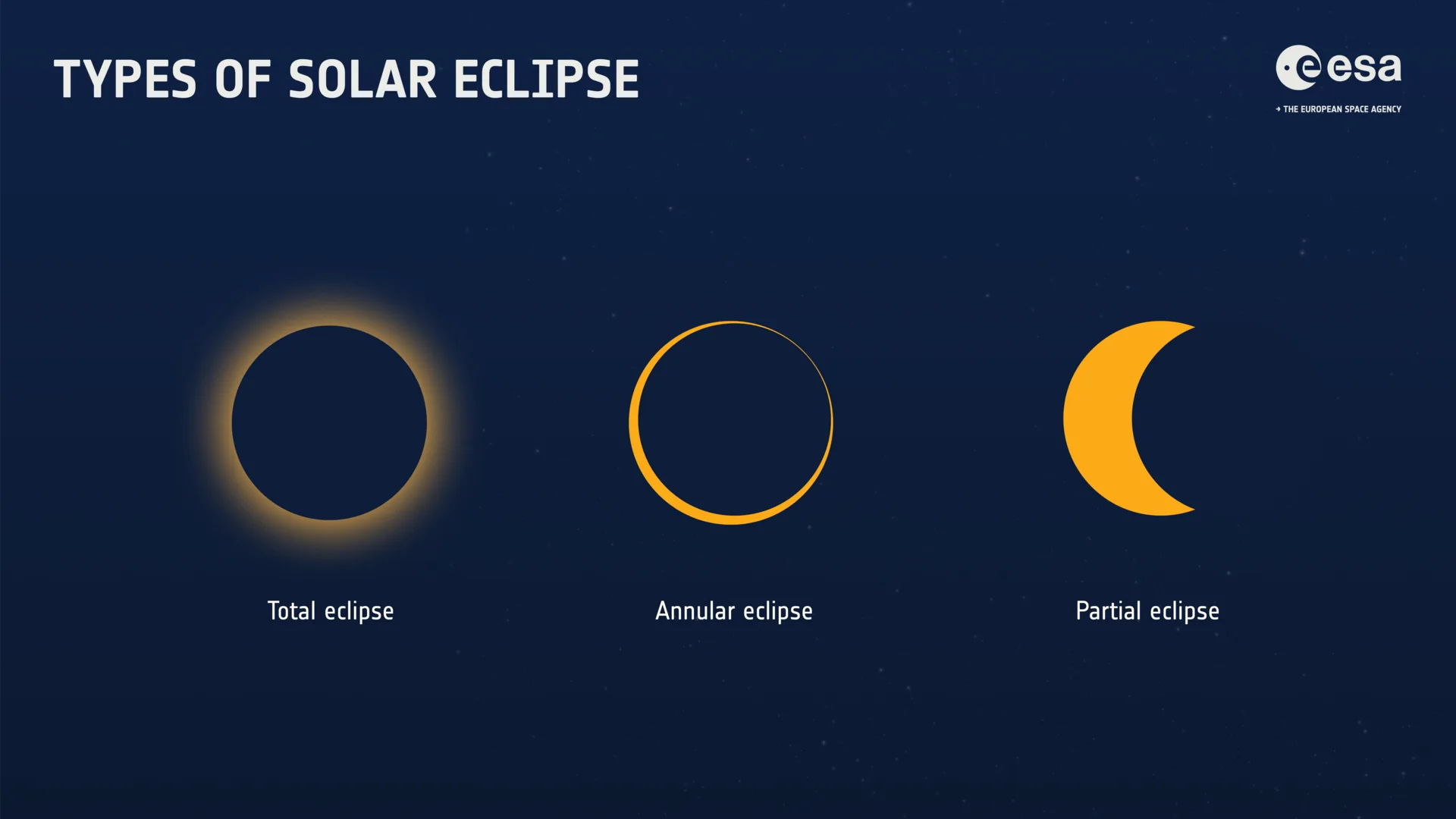
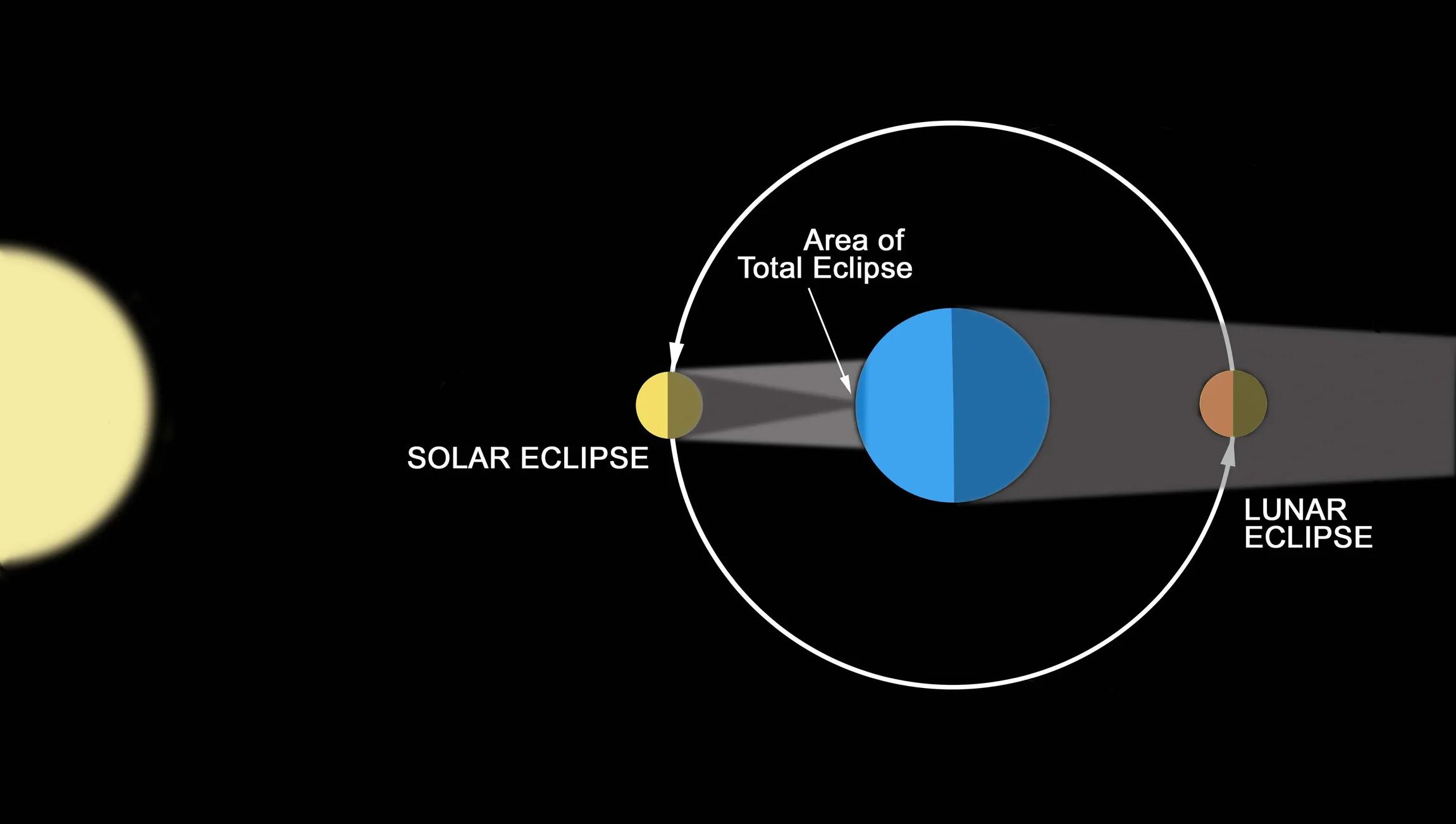
A solar eclipse happens when the Moon gets between Earth and the Sun at new moon. The Moon’s shadow falls on Earth. Because that shadow is narrow, the path of totality is narrow too. NASA notes that the umbral path for a total solar eclipse may be less than about 50 miles wide, while the broader partial zone can span a thousand miles or more. That is why totality is rare for any one location even though solar eclipses happen somewhere on Earth fairly often.
A lunar eclipse happens when Earth gets between the Sun and the full Moon. Earth’s shadow falls on the Moon. Since the Moon is visible from an entire night-side hemisphere, a lunar eclipse is visible from a much larger region of Earth than a solar eclipse.
This is also why the emotional experience is so different. A total solar eclipse is local, sudden, and physically uncanny. A lunar eclipse is slower, broader, and easier to share across continents.
A quick note on language: astronomy, not astrology
We should say this directly because search behavior blurs categories. You may run into phrases like lunar nodes eclipse seasons explained astrology. We are not using “nodes” in that sense here.
In astronomy, nodes are geometric crossing points in an orbit. They are measurable, calculable, and essential for predicting eclipses. They are not a personality framework, not a destiny marker, and not a substitute for orbital mechanics.
That distinction matters because eclipse education gets muddy fast when scientific terms are borrowed into non-scientific systems. If you want lunar nodes eclipse seasons explained, the clean version is orbital geometry: tilted orbit, crossing points, phase timing, and moving nodes.
For readers who care about standards in science communication, this article is intentionally built around conceptual correctness aligned with public-facing nasa explainer eclipse plannin. That awkward phrase may look like search-engine debris, but the underlying goal is real: use the same plain-language geometry you would trust from NASA or the AAS, not astrology-adjacent fog.
What eclipse seasons feel like in a real calendar
One reason eclipse seasons surprise people is that ordinary moon phases keep happening all year, but eclipse-worthy alignments are clustered.
That means you can go months with nothing unusual, then get a solar eclipse and a lunar eclipse within about two weeks. Space.com described this well in public-facing coverage: eclipses often arrive in pairs because the season stays open long enough for both a new moon and a full moon to land near the nodes.
This is the practical value of lunar nodes eclipse seasons explained 2026 guide thinking. It helps you stop treating each eclipse as a one-off headline. Instead, you start asking better questions:
- Which eclipse season is this part of?
- Is the Moon near a node at new moon or full moon?
- Is this season producing two eclipses or three?
- Where does the geometry place the shadow, and who is inside or outside it?
That mindset is useful whether you are a parent planning with kids, a teacher building a classroom demo, or the person in the group chat trying to convince everyone to book early.
“New moon and eclipse twilight” are not the same thing either
The phrase new moon and eclipse twilight can mash together two different ideas.
A new moon is a phase geometry. Twilight is a lighting condition in Earth’s atmosphere before sunrise or after sunset. They are not interchangeable. A solar eclipse can create a strange, localized dimming that people often compare to twilight, but it is not ordinary dawn or dusk.
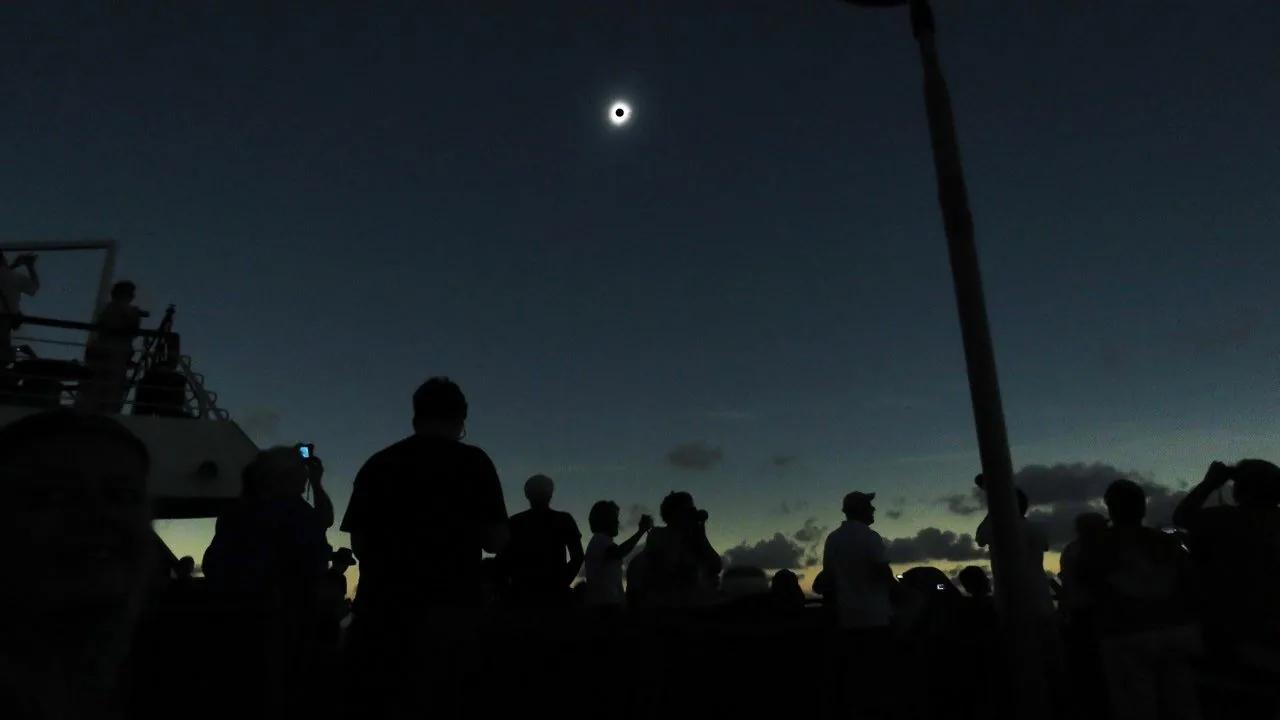
During a total solar eclipse, the light can drop with startling speed, colors flatten, the horizon may glow in multiple directions, and the sky can look like an unnatural 360-degree twilight. During an annular eclipse, the sky may take on a twilight cast, but the Sun is never fully covered, so the effect is weaker and the eye-safety rules stay strict the entire time.
So if you are wondering “is new moon or eclipse after twilight” or mixing those ideas together, separate them this way: phase tells you where the Moon is in its cycle; twilight tells you how sunlight is scattering through Earth’s atmosphere at your location.
How scientists predict eclipses so far ahead
This is where the story gets even better. Eclipses are not guessed. They are calculated.
NASA explains that astronomers model the motions of Earth and the Moon in three-dimensional space under gravity, using current positions and velocities and then integrating those equations forward or backward in time. Modern eclipse forecasts are accurate to well under a minute over spans of hundreds of years.
That is why we can talk confidently about the August 12, 2026 total solar eclipse years in advance. It is also why detailed path maps exist, why totality durations vary predictably from centerline to edge, and why you can compare locations before you ever leave home.
If you want to turn the mechanics into planning, our Eclipse Explorer / 3D map lets you see the difference between being inside totality, near the edge, or entirely outside the path. That “inside versus outside” distinction is not a minor detail. It is the difference between seeing the corona and seeing only a partial bite taken out of the Sun.
Why this matters for real eclipse viewing in 2026
Understanding nodes and seasons is not just trivia. It helps you make better decisions.
For the nasa solar eclipse 2026 event on August 12, the path of totality is narrow and precious. Northern Spain is in the path; many other parts of Europe are not. That means two people in the same country can have completely different experiences: one gets minutes or seconds of totality, the other gets a dramatic but still partial eclipse and must keep certified eye protection on the entire time.
That is why we keep pushing readers toward path-specific planning and not just date awareness. If you are outside totality, there is no safe “glasses off” moment. If you are inside totality, there is a brief interval when the Sun’s bright face is fully covered and the rules change. We explain that timing in more detail in When glasses on, when glasses off: eclipse phases explained for first-time viewers.
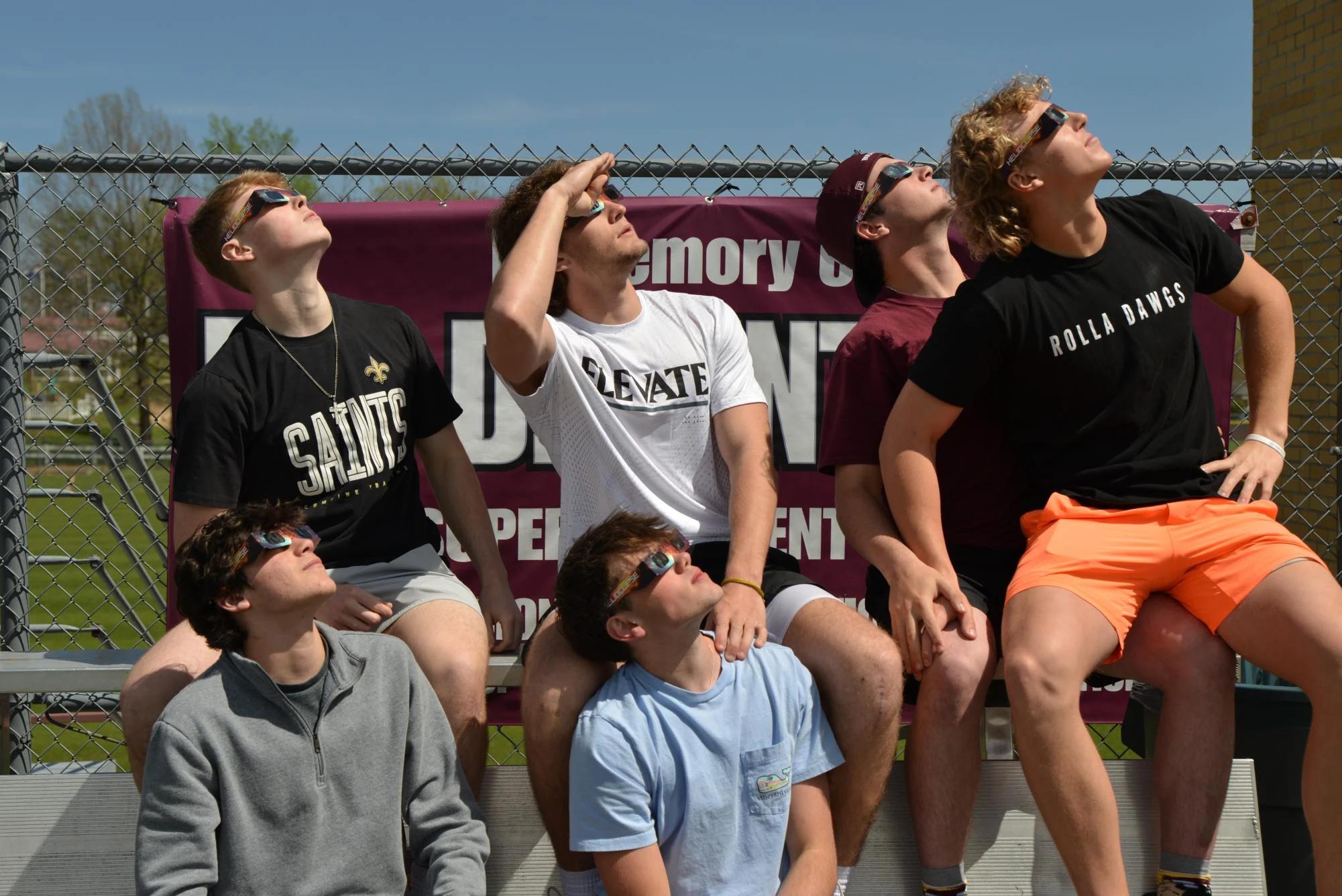
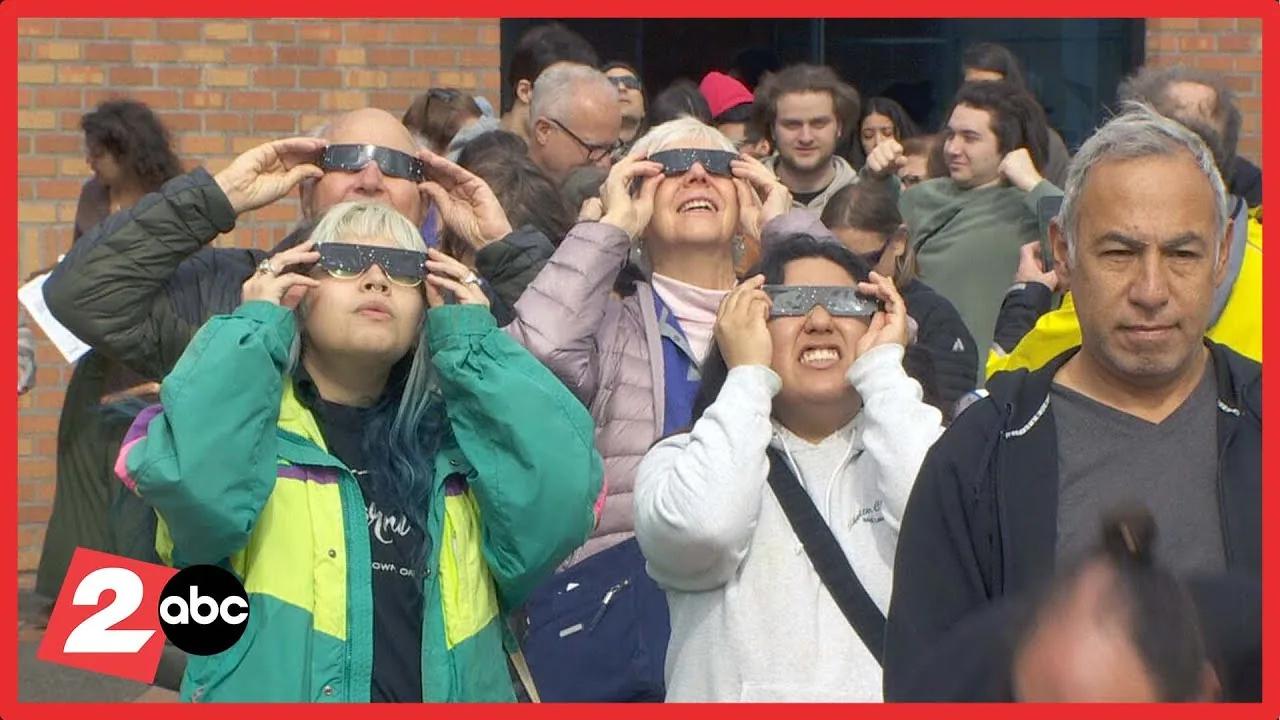
And yes, if you are organizing a family, school, or friend group, this is the moment to sort viewers early. Look for clear labeling and trustworthy sourcing, and remember that NASA does not approve brands. The standard to verify is ISO 12312-2. If you need approved solar eclipse glasses, solar eclipse glasses iso 12312-2 certified, or reliable eclipse viewing glasses, our Shop eclipse glasses is built around that safety-first reality rather than vague marketplace language.
The simplest mental model to keep
If you forget everything else, keep this four-step model:
- The Moon’s orbit is tilted.
- The two places where that tilted orbit crosses the ecliptic are the nodes.
- Eclipses can happen only when the Moon is near a node at new moon or full moon.
- Those opportunities cluster into eclipse seasons about twice a year.
That is lunar nodes eclipse seasons explained in its most compact useful form.
And if you want the headline version of nodes, eclipse seasons, and ‘why not every new moon’: orbital mechanics, it is simply that phase is necessary, but node alignment is what turns an ordinary month into eclipse season.
Eclipse Safety Video - How to Safely View the Sun
Saint Louis Science Center
Frequently asked questions
How do eclipse seasons happen, and why do eclipses come in clusters instead of every month?
Eclipse seasons happen when the Sun, Earth, and Moon line up closely enough near the Moon’s orbital nodes, so eclipses can occur in a short window rather than randomly. Because the Moon’s orbit is tilted by about 5 degrees, most new moons and full moons miss that alignment, which is why eclipses do not happen every month.
Is there a spiritual meaning to eclipse season, or is it mainly an astronomy term?
In the excerpt, eclipse season is presented as an astronomy term, not a spiritual one. It refers to the geometry of the Moon’s tilted orbit and the points where it crosses Earth’s orbital plane, which makes eclipses possible during certain periods.
What has to line up for a solar eclipse to occur?
A solar eclipse needs more than a new moon; the Moon also has to be near one of its nodes so the Sun, Moon, and Earth line up closely enough. Without that extra alignment, the Moon usually passes slightly above or below the Sun from our point of view.
Did NASA confirm a lunar eclipse at the time of Jesus’ crucifixion?
The excerpt does not address that historical claim, so it does not confirm it. What it does say is that lunar eclipses happen only when the Moon is full and near the right orbital alignment, not every month.
What should readers take away from the 2026 eclipse-season guide?
The main takeaway is that eclipse timing follows orbital geometry, not luck: the Moon must be in the right phase and near the nodes. The guide is meant to explain that pattern in plain language and help readers connect the geometry to real-world viewing.
On-site next steps
- Explore the Helioclipse Eclipse Explorer / 3D map to see how orbital geometry becomes a real path, including the difference between total and partial viewing.
- Browse our blog hub for more eclipse basics, planning guides, and safety explainers.
- If August 2026 is already on your calendar, read our planning guide for the August 12, 2026 total solar eclipse and our phase guide on when glasses on, when glasses off.
- If you are getting a group ready, order certified viewers in time from our eclipse glasses shop so nobody is improvising on eclipse week.
Sources & further reading
- Why Do Eclipses Happen? - NASA Science
- Why Don't Eclipses Happen Every Month? - NASA Science
- Why solar and lunar eclipses come in pairs — and what an eclipse season really is | Space
- The Amazing Mechanics of How and When Solar Eclipses Occur | Space
- Solar and Lunar Eclipses in 2026 - Sky & Telescope
- Eclipses - NASA Science
- Eclipses Frequently Asked Questions - NASA Science
- Eclipses and the Moon - NASA Science
- How to View a Solar Eclipse Safely | Solar Eclipse Across America
- About the ISO 12312-2 Standard for Solar Viewers | Solar Eclipse Across America