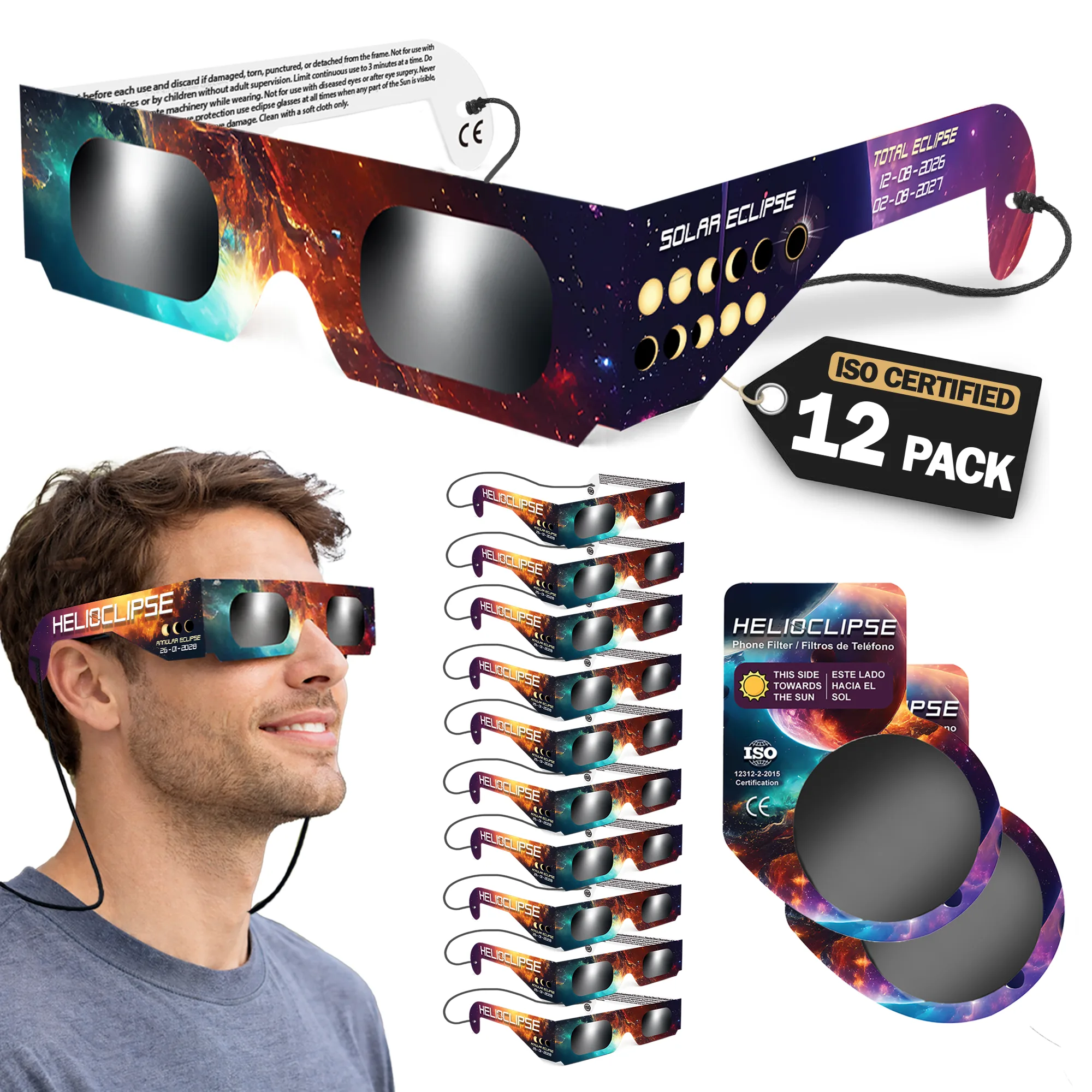
Eclipse glasses safety: storing, inspecting, and knowing when to replace your viewers
The easiest way to undermine eclipse glasses safety is not the weather. It is pulling a pair of viewers out of a drawer, glove box, or school supply bin and realizing too late that the filters are scratched, bent, damp, loose, or simply not trustworthy anymore.
That is why checking your solar eclipse safety glasses before the event should be part of your eclipse routine, not an afterthought. Good eclipse prep is not only about buying viewers once. It is about keeping them in good condition, inspecting them before the event, and being willing to discard a damaged pair without trying to rescue it.
If you are already planning for a future event, keep our eclipse glasses page handy for replacements and extras, and use the Helioclipse Eclipse Explorer / 3D map to keep the bigger plan moving. A viewer that was fine last year is only fine this year if it still passes inspection.
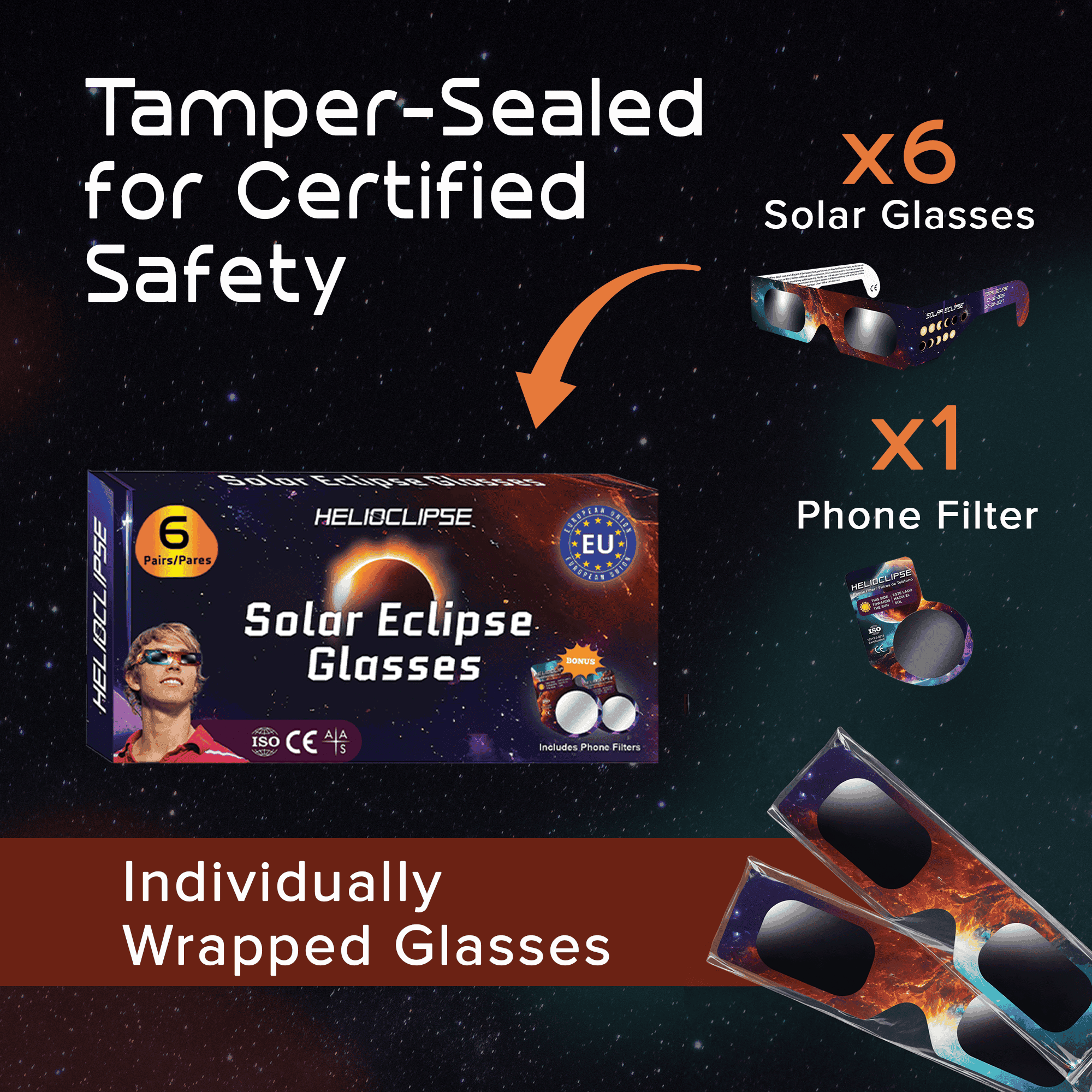
The key rule for eclipse glasses safety: labels matter, but condition matters too
A lot of readers start with the right question about ISO labeling, but stop one step too early. Solar eclipse glasses are only safe when both things are true: they were made to the right standard, and the actual filter in your hand is still in good condition.
That is the heart of current AAS and NASA guidance. A compliant viewer should meet ISO 12312-2 for direct observation of the Sun, but that does not give it magical immunity from wear, bad storage, or rough handling. A viewer can begin life compliant and still become unfit for use if the filter gets scratched, punctured, torn, warped, detached from the frame, or otherwise compromised.
That is where the distinction matters: the standard tells you what a proper solar viewer is supposed to be. Inspection tells you whether your specific pair is still safe to trust.
If you want the deeper standards background, our guide to ISO 12312-2 and eclipse viewers: what the standard means for your family is the next read after this one.
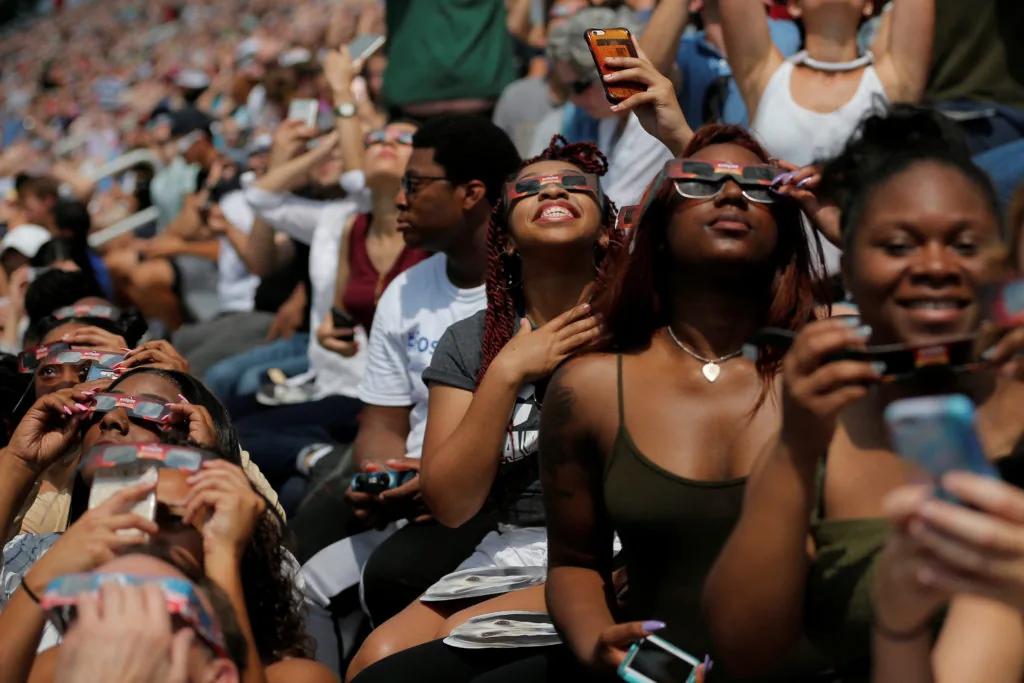
Do solar eclipse glasses go bad?
The short version: do solar eclipse glasses go bad? Not automatically with age alone, but they absolutely can become unusable through damage, poor storage, moisture, or questionable origin.
The American Astronomical Society says reuse can be reasonable if the viewers are less than 10 years old, the manufacturer had them properly tested to conform to ISO 12312-2, and the filters are not scratched, punctured, torn, loose, or otherwise damaged. That is more nuanced than the old “throw them away after three years” warning some people still see printed on older products.
So if you are wondering how long are eclipse glasses good for?, the honest answer is not “three years” or “forever.” It is condition-dependent. A carefully stored pair in its original sleeve or envelope at room temperature may be fine years later. A pair that spent one hot season sliding around in a car door pocket, rubbing against keys and receipts, is a different story.
This is one reason people often keep viewers between eclipse cycles and revisit them years later with no clear memory of how they were stored. The chain of custody matters far more than how long they have been sitting on a shelf.
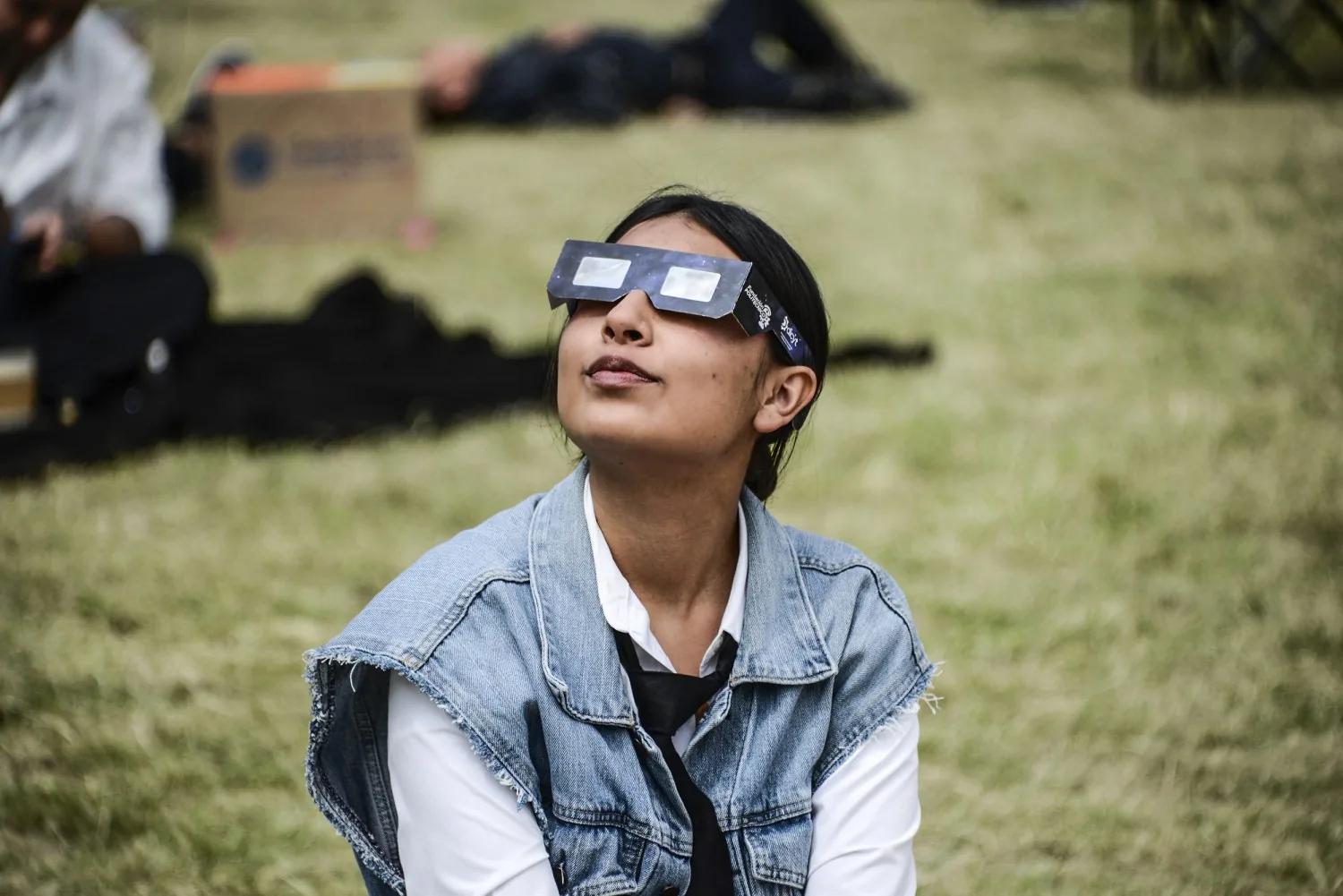
What does eclipse damage look like?
If you are asking what does eclipse damage look like?, think less about dramatic breakage and more about small defects in exactly the wrong place.
The AAS guidance is blunt: if the filter is scratched, punctured, torn, or otherwise damaged, discard it. Their standard explainer also notes that acceptable filters should be free from defects likely to impair vision in use, including scratches, dull spots, pitting, scouring, scaling, and undulations. In plain English, you are looking for anything that suggests the filter surface is no longer uniform and intact.
Common examples include:
- visible scratches across the dark filter material
- pinholes or tiny bright leaks
- creases, dents, or warped filter film
- filter material pulling away from the cardboard frame
- softened, swollen, or distorted cardboard after getting wet
- rough handling damage around the eye openings or nose bridge that makes the viewer sit badly
- haze, scuffing, or abrasion from being rubbed against other objects
This is why damaged eclipse glasses matter more than they might appear. A scratch is not cosmetic in the way a scuff on a sunglasses frame might be cosmetic. With eclipse viewers, the filter is the safety-critical part.
If the viewer looks questionable, do not try to talk yourself into keeping it because “it’s probably fine.” That is exactly the moment to replace it.
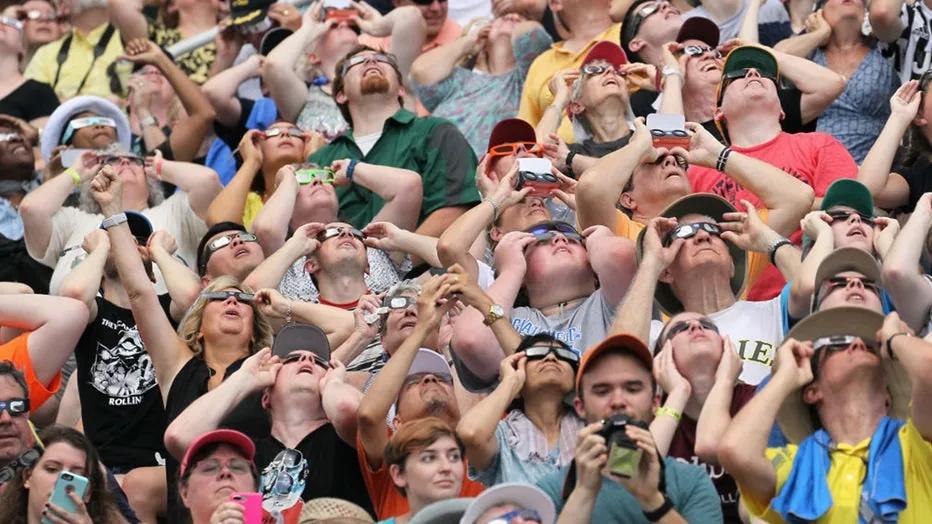
Storage is where most preventable damage happens
Most damaged viewers are not destroyed on eclipse day. They are damaged in the months or years before it.
The pattern of preventable failure is simple: friction, pressure, moisture, and heat are your enemies. Cardboard viewers are light and convenient, but that also makes them easy to crush, bend, or soak. Hard-plastic viewers can be more durable, but their filters still need protection from abrasion and careless cleaning.
AAS guidance recommends storing viewers at room temperature in the case or package they came in, or in an envelope or similar container that keeps them clean, dry, and protected from scratches and punctures. That is the baseline. For families, teachers, scout leaders, and event organizers, it helps to go one step further and treat viewers like delicate printed materials rather than tossable party favors.
Good storage habits:
- keep each batch in a clean envelope, sleeve, or box
- store flat, not folded into a crowded drawer
- avoid glove compartments, dashboards, and other hot car storage
- keep them dry; cardboard and moisture do not mix
- do not let pens, clips, keys, batteries, or chargers rub against the filters
- label school or group kits with purchase date and supplier information
- inspect again before packing for travel
That is the practical reality. It is not a mysterious failure mode. It is ordinary wear from ordinary clutter.
This is the habit to build well before the next big event: inspect early enough that replacing a bad batch is straightforward, not stressful.

Cleaning: gentle, dry, and only when needed
People often damage viewers while trying to “help.” They wipe the filters with a shirt hem, use a wet wipe, spray cleaner on cardboard, or scrub at a smudge as if they were cleaning ordinary glasses.
That is not what manufacturer and institutional guidance recommends. AAS-linked care advice says some hard-plastic viewers come with a microfiber pouch that can be used to wipe lenses clean. Soft, nonabrasive dry tissues or cloths may also be suitable. But cardboard viewers must be kept dry, and water, glass cleaner, solvents, baby wipes, and other wet cleaning products are not appropriate for cardboard eclipse glasses or handheld viewers.
That point matters because “cleaning” can quietly become damage. Wet cardboard can swell and detach from the filter. Abrasive wiping can create the very scratches you were trying to remove.
If a viewer is dusty, a gentle dry wipe may be enough. If it is grimy, sticky, damp-stained, or visibly abraded, replacement is usually the smarter call.
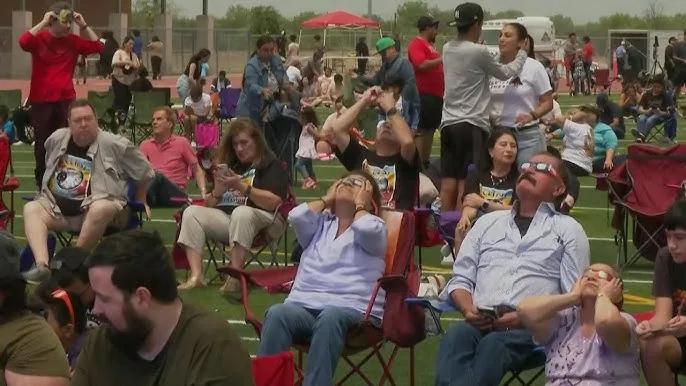
Never repair damaged eclipse glasses
This is one of the clearest places where institutional and manufacturer guidance should override DIY instinct.
Do not tape over a tear and call it fixed. Do not glue a loose filter back into a cardboard frame unless the manufacturer explicitly provides a safe method and the viewer remains fully intact and secure. Do not color in a pinhole. Do not laminate a bent pair. Do not stack sunglasses behind it. Do not improvise with smoked plastic, exposed film, or random dark material.
Damaged eclipse glasses are not a craft project. They are a discard decision.
If you need a backup method because a batch fails inspection, use indirect viewing such as pinhole projection rather than trying to salvage compromised viewers. And if you are planning for a total solar eclipse, make sure everyone in your group understands when glasses on, when glasses off: eclipse phases explained for first-time viewers. Outside totality, or outside the path of totality altogether, the rule is simple: keep certified viewers on for direct viewing.
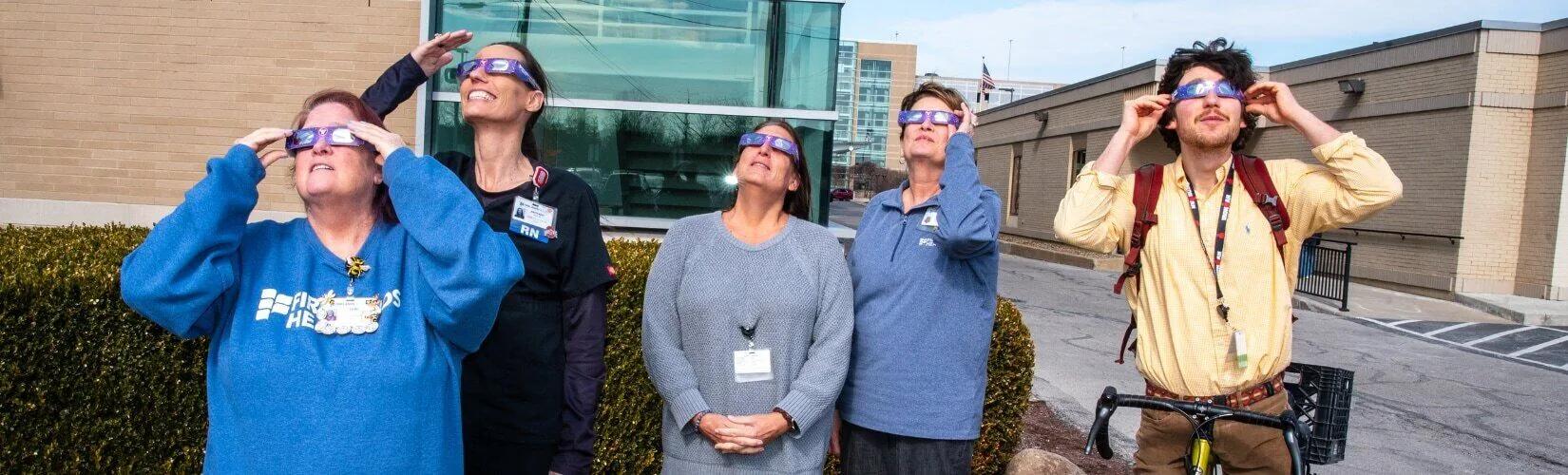
A pre-eclipse inspection checklist for families, schools, and bulk kits
The best time to inspect viewers is not five minutes before first contact. It is days or weeks earlier, when you still have time to replace what fails.
For a household, that may mean checking a few pairs at the kitchen table. For a school, library, camp, or workplace event, it means building inspection into the event plan. Bulk kits especially need a system, because the risk is not only one bad pair. It is dozens of viewers with mixed ages, mixed suppliers, and unknown storage history.
Quick inspection routine
- Confirm the source if you can. Keep packaging, supplier records, or purchase notes.
- Check the frame. Is the filter seated securely? Is the cardboard intact and dry?
- Check the filter surface under normal room light. Look for scratches, punctures, tears, creases, haze, or peeling.
- Reject anything with obvious damage, even if the rest of the batch looks fine.
- Separate “passed” and “discard” piles immediately so they do not get mixed again.
- Repack the good viewers in clean, dry protection for transport.
For schools and community groups, NASA’s educational safety materials are useful because they turn this into a repeatable habit rather than a last-minute guess. That matters when you are responsible for children or for a large public event.
The best storage location is a clean, dry, room-temperature container where the filters are not rubbing against anything. The best timing for inspection is well before eclipse day, with a second quick check when you unpack on site.
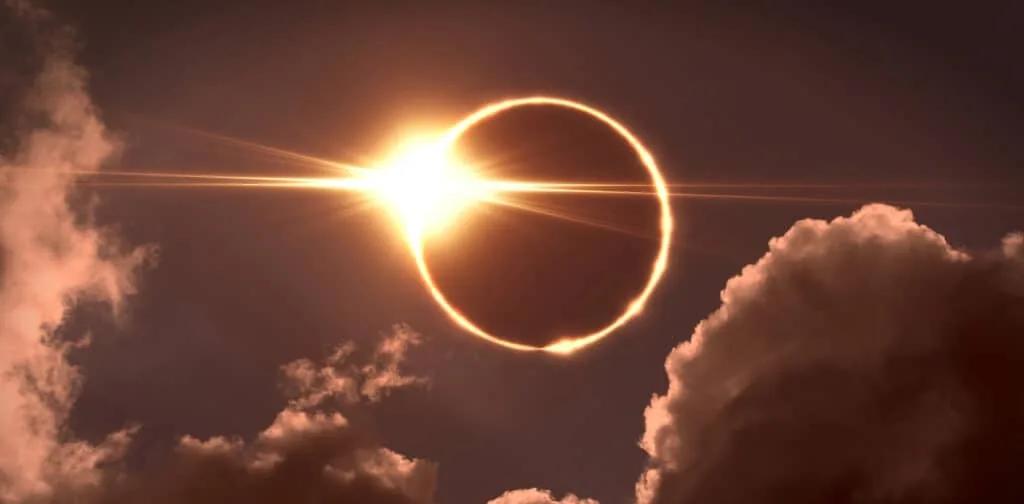
What you should and should not be able to see through them
Safe viewers are extremely dark. Through a proper viewer, ordinary indoor scenes should not look normal. The Sun should appear comfortably bright, sharp, and set against a dark background.
AAS guidance notes that you generally should not be able to see ordinary household lights through safe solar viewers, though very bright sources comparable to the Sun can be visible. If the Sun looks painfully bright, fuzzy, washed out, or surrounded by a murky haze, that is a warning sign.
But do not turn this into a home lab test with risky improvisation. Visual impressions can help flag obvious problems, but they do not replace trusted sourcing and physical inspection. If the origin is questionable or the filter is damaged, retire it.
Buying replacements without getting lost in bad labeling
When you replace viewers, focus on traceable sourcing and current standards, not vague marketplace claims. NASA explicitly says it does not approve any particular brand of solar viewers, so phrases like eclipse glasses nasa approved or nasa certified solar eclipse glasses are not the standard you should rely on.
What you do want is clear product information, proper ISO 12312-2 compliance context, and a seller you trust. In practical shopping language, readers often look for approved solar eclipse glasses, solar eclipse glasses iso 12312-2 certified, or certified solar eclipse glasses. Those phrases are useful only if the product behind them is real, traceable, and undamaged when it reaches you.
If your old batch fails inspection, replace it early rather than panic-buying the week of the event. Our eclipse glasses page is the straightforward place to start if you need fresh viewers for family kits, classroom prep, or group sharing.
And if you are also trying to avoid counterfeit or low-quality products, read Fake and low-quality eclipse glasses: how to sanity-check what you are about to trust.
What to do with old eclipse glasses?
So, what to do with old eclipse glasses? First, sort them into two categories: safe to keep, or not safe to keep.
Keep them only if you know where they came from, they still meet the relevant standard context, and they pass inspection with no scratches, punctures, tears, looseness, moisture damage, or other defects. Store those carefully for the next event.
Discard them if they fail any of those checks. Do not donate failed viewers. Do not pass them to a classroom because "kids will only use them for a second." Do not keep them in the junk drawer as a maybe.
If a batch is still in excellent condition and you have a legitimate reuse or redistribution path through a trusted educational or astronomy program, that can make sense. But the first duty is not reducing waste. It is protecting eyes.
That is the real answer to what to do with old eclipse glasses? Keep the trustworthy ones protected. Retire the doubtful ones without guilt.
A few safety confusions worth clearing up
Some search traffic around eclipse viewing comes from adjacent questions that can muddy the issue.
First, how to watch a solar eclipse safely without glasses: if you do not have safe viewers, do not look directly at the Sun. Use indirect projection, such as a pinhole projector. That is a real alternative. Looking through improvised dark materials is not.
Second, safety precautions when viewing a lunar eclipse are different because a lunar eclipse is safe to watch with the naked eye. This article is about solar viewing, where the Sun itself is the hazard.
Third, if you are wondering what happens if you look at the solar eclipse for 1 second, the risk is that even a brief unprotected look at the bright Sun can injure the retina. We cover the mechanism in more detail in Why staring at the Sun without protection is never “just a quick look”.
The calm habit that makes eclipse day better
The most useful habit for eclipse glasses safety is boring in the best possible way: inspect early, store carefully, replace without hesitation.
That habit scales beautifully. It works for one pair in a backpack, six pairs for a family road trip, or hundreds for a school event. It also lowers stress. You do not want the first serious look at your viewers to happen under a countdown clock while everyone around you is already looking up.
If you are building toward 2026 and beyond, think of this as part of the same planning mindset as route choices, weather backups, and knowing whether you are in totality or only a partial zone. Our broader August 12, 2026 total solar eclipse: what to expect and how to plan ahead guide can help you connect the gear side to the full day-of plan.
The underlying idea is exactly right: check your viewers before the trip, not after you arrive.
Survivor - Eye Of The Tiger (Official HD Video)
SurvivorVEVO
Frequently asked questions
Can old eclipse viewers still be safe to use, or should they be replaced?
Yes, they can still be safe if they are less than 10 years old, were properly tested to meet ISO 12312-2, and the filters are not scratched, punctured, torn, loose, bent, damp, or otherwise damaged. Age alone does not make them unsafe, but poor storage or rough handling can.
Could a scratched pair of eclipse viewers trigger eye strain or headaches?
The excerpt does not say that scratches cause migraines, but it does say scratched filters are not trustworthy and should not be used. If a viewer is scratched, punctured, torn, warped, or loose, it should be retired rather than risk unsafe viewing.
How can I tell if my eclipse viewers have been damaged?
Look for visible scratches, punctures, tears, bending, warping, dampness, or a filter that has come loose from the frame. The key point is that a viewer may have been compliant when new, but any of those problems can make it unfit for use.
What should I do with eclipse viewers that are too worn out to trust?
Throw them out and do not try to rescue or repair them. The article is clear that a damaged pair should be retired, and that a viewer is only worth keeping if it still passes inspection before the event.
What are the most important safety checks before using eclipse viewers?
Make sure the viewers were made to the correct standard and that the actual filters are still in good condition. Before the eclipse, inspect them for scratches, punctures, tears, looseness, warping, or moisture, and replace any pair that fails that check.
Do solar eclipse glasses expire?
Eclipse glasses do not expire on a fixed timeline, but they can become unsafe through damage, moisture, or poor storage. The American Astronomical Society says reuse is reasonable if viewers are less than 10 years old, were properly tested to meet ISO 12312-2, and the filters are free from scratches, punctures, tears, looseness, and moisture damage. Condition, not age, is the deciding factor.
How do you know if your eclipse glasses are safe?
Check two things: source and condition. You want viewers from a trusted supplier who confirmed ISO 12312-2 compliance. Then inspect the filters for scratches, punctures, tears, warping, creases, or any sign the film is lifting from the frame. If either is in doubt, the right answer is to replace them before eclipse day, not to hope for the best.
On-site next steps
- Replace any questionable viewers now at our Shop eclipse glasses.
- Use the Eclipse Explorer / 3D map to plan where you will actually be standing when the eclipse happens.
- Browse more safety and planning explainers in the Helioclipse blog.
Sources & further reading
- How to View a Solar Eclipse Safely, American Astronomical Society guidance on inspection, reuse, cleaning, and safe viewing rules.
- About the ISO 12312-2 Standard for Solar Viewers, AAS explainer on what the standard covers and what defects matter.
- Eclipse Viewing Safety, NASA's current safety hub for partial, annular, and total solar eclipses.
- How to care for your eclipse glasses, practical care guidance adapted from professional eye-care safety messaging.
- How to Tell if Your Eclipse Glasses Are Unsafe (and What To Do About It), accessible inspection-focused explainer from Space.com.
- What to Do with Your Eclipse Glasses, overview of storage and reuse decisions between eclipse events.
- How to Safely View the Eclipse flyer, concise NASA handout for families and educators.
- Final NASA HEAT Eclipse Glasses Safety Activity, classroom-friendly inspection and safety activity.
- Eclipse Essentials: Safe and Stylish Solar Viewing Glasses, NASA educational resource on safe solar viewing.