CE marking, ISO 12312-2, and eclipse viewers: what European shoppers should understand
If you are shopping for eclipse viewers in Europe, the label question gets confusing fast. You may see CE marks, ISO claims, safety warnings, importer addresses, and marketplace listings that sound reassuring without actually telling you the one thing you need to know: is this product appropriate for direct viewing of the Sun?
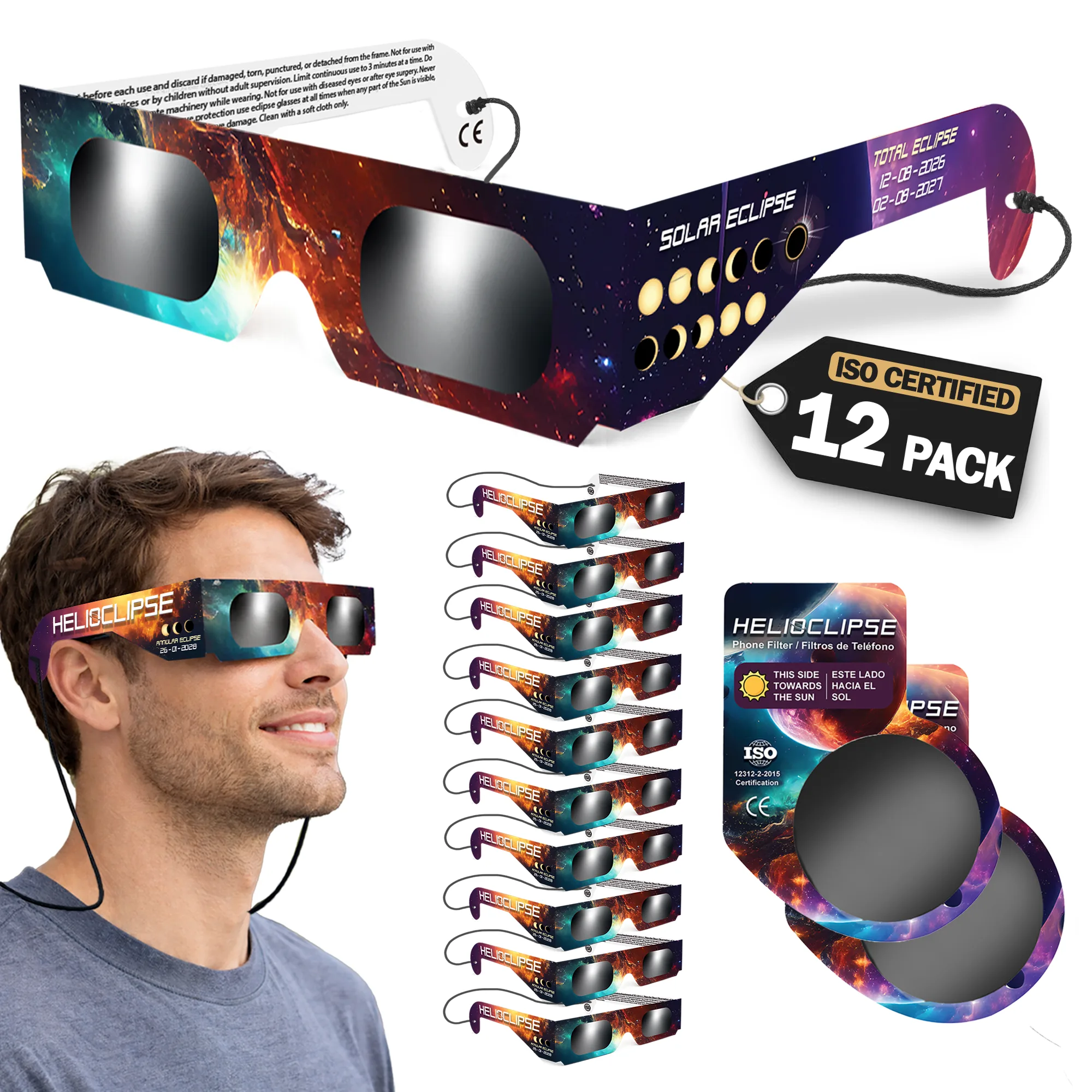
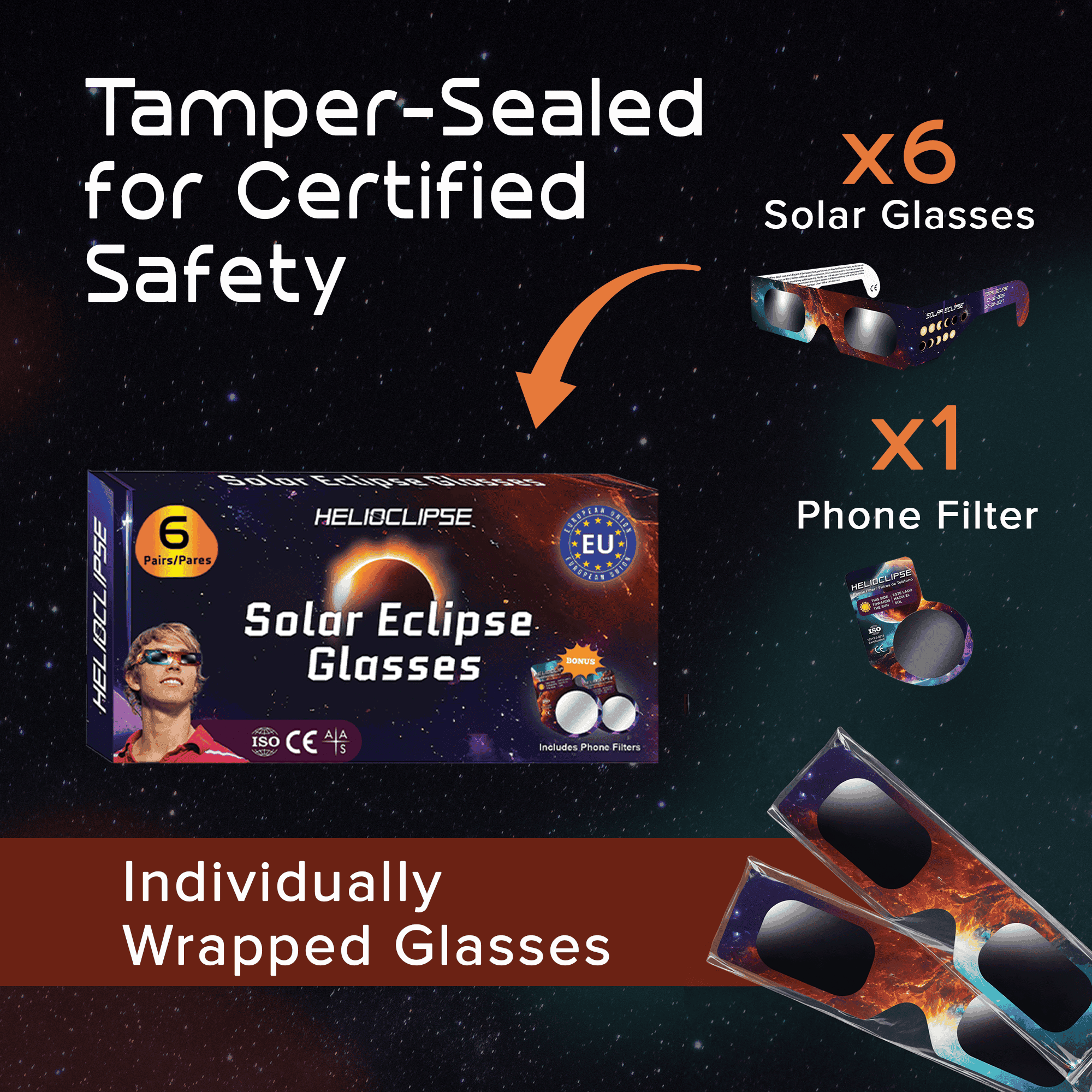
That is the heart of the ce mark vs iso 12312-2 eclipse glasses europe 2026 guide problem, and it matters more as families, schools, and travel groups start preparing early for upcoming eclipses. If you want a practical next step while you read, you can browse Helioclipse eclipse glasses and compare what a purpose-built solar-viewing product page should make clear.
The short version is simple. CE marking and ISO 12312-2 do not mean the same thing, and CE marking by itself should not be treated as proof that eclipse glasses are safe for looking directly at the Sun. For that use, the relevant standard is ISO 12312-2. The rest of this guide will explain product-safety labeling at a general level eclipse planning readers actually need, without pretending to give legal advice.
You may also have landed here because you searched ce mark vs iso 12312-2 eclipse glasses europe or even the awkward but very real phrase ce marking, iso 12312-2, and eclipse viewers: what european shoppers need to know. Fair enough. Let’s make it clear.
The first distinction: CE marking is not a solar-viewing standard
European shoppers are used to seeing a CE mark on many consumer products. That can create a dangerous shortcut in the mind: “It has CE, so it must be safe for eclipse viewing.” That shortcut is exactly what you should avoid.
At a general level, CE marking is part of the European product-compliance world. It signals that a product is being placed on the market under applicable EU rules. But that is not the same as saying the product has been shown to meet the specific optical requirements for staring at the Sun. Direct solar viewing is a very narrow, unusually demanding use case. A product can sit inside ordinary consumer expectations and still be completely wrong for eclipse use.
That is why the better question is not “Does it have CE?” but “Does it clearly state conformity with the standard relevant to direct observation of the Sun, and does the seller provide credible manufacturer information and instructions?”
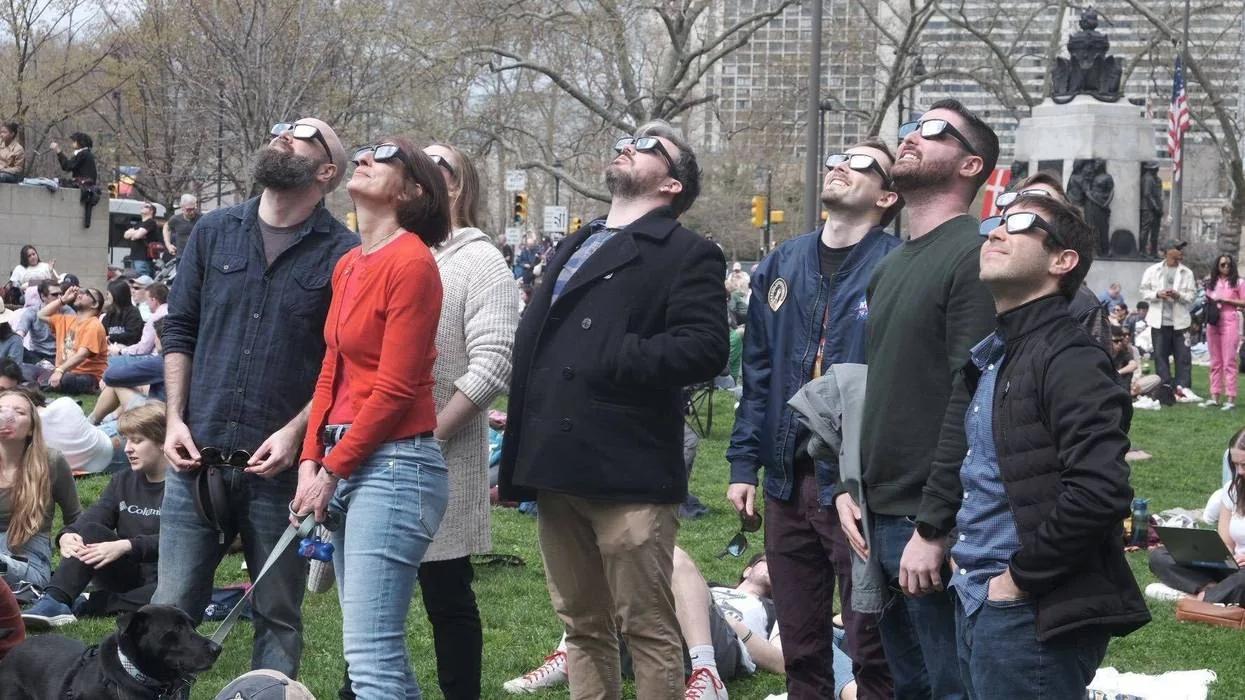
If you are planning for a future eclipse trip, especially something as high-stakes as the August 2026 event, it helps to pair shopping with planning. Our Eclipse Explorer / 3D map lets you see whether you will be in totality or only a partial eclipse, which matters because outside totality you need proper solar protection the entire time.
What ISO 12312-2 is actually about
When people ask, what is iso 12312-2 standard for solar eclipse glasses? they are asking the right question.
ISO 12312-2 is the international standard specifically associated with filters for direct observation of the Sun in the kind of non-magnifying viewers most people use: eclipse glasses and handheld solar viewers. The American Astronomical Society’s eclipse safety material is especially useful here because it spells out what the standard is for, what kinds of products it applies to, and what it does not cover.
In plain English, ISO 12312-2 is about whether a solar viewer has the optical properties and product characteristics needed for safe, comfortable direct solar viewing. That includes limits on transmitted light, requirements around filter quality and uniformity, mounting, and labeling. It is not a generic “good eyewear” badge. It is a standard tied to a very specific job.
So if someone asks what is the iso standard for eclipse glasses? the answer is ISO 12312-2, not a sunglasses standard and not a vague claim that the product is “dark enough.” And if someone asks what is the iso rating for eclipse glasses? the practical answer is that shoppers should be looking for a credible ISO 12312-2 conformity claim for direct solar viewing, not inventing their own brightness test at home.
The AAS also stresses an important limit: ISO 12312-2 applies to nonmagnifying viewers used with the eyes. It is not the standard for every solar accessory in astronomy. Telescope and camera filters are a different category, even if some filter materials overlap in performance.
Why CE alone is not enough for eclipse safety
This is the part many listings blur on purpose.
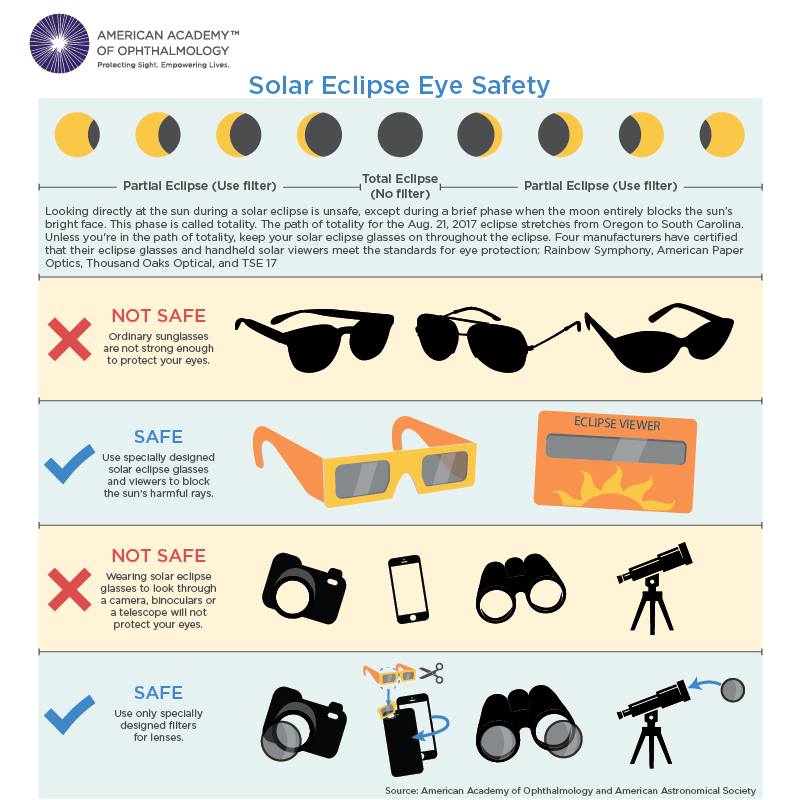
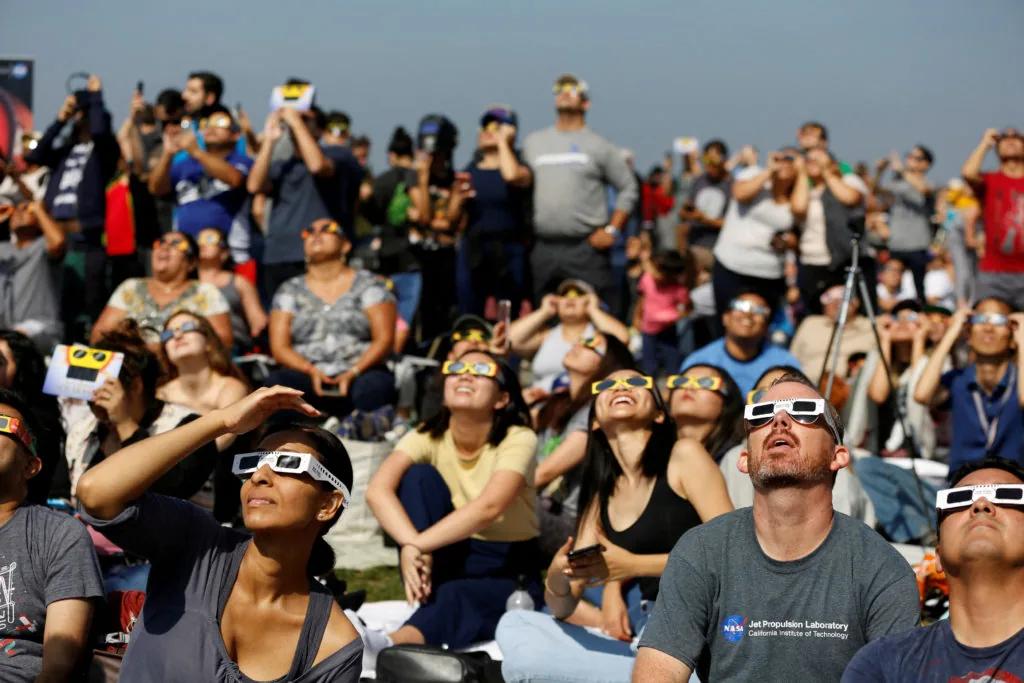
A marketplace page may imply that a CE mark plus reassuring language equals solar safety. But for eclipse viewing, that is not enough. Ordinary sunglasses are the classic example: they may be perfectly normal consumer eyewear, yet they are absolutely not safe for looking directly at the Sun. The AAS eye-safety guidance says this plainly. Even very dark sunglasses transmit far too much sunlight.
That is the practical answer to the phrase ce & iso certified eclipse glasses. Those words are not interchangeable. If a seller highlights CE but is vague about ISO 12312-2, or buries the solar-viewing claim in unclear wording, you should slow down.
Likewise, iso 12312 2 compliant and ce certified eclipse glasses may sound stronger than either claim alone, but the value depends on whether the product information is specific, coherent, and traceable to a real manufacturer or responsible seller. Labels are useful only when they connect to documentation, instructions, and a product that is actually built for direct solar viewing.
A good shopper mindset is this: CE may be part of the compliance picture in Europe, but ISO 12312-2 is the standard you care about for the solar-viewing function itself.
What to look for on the product and packaging
You do not need to become a standards lawyer to shop more safely. You do need to read the product information like it matters, because it does.
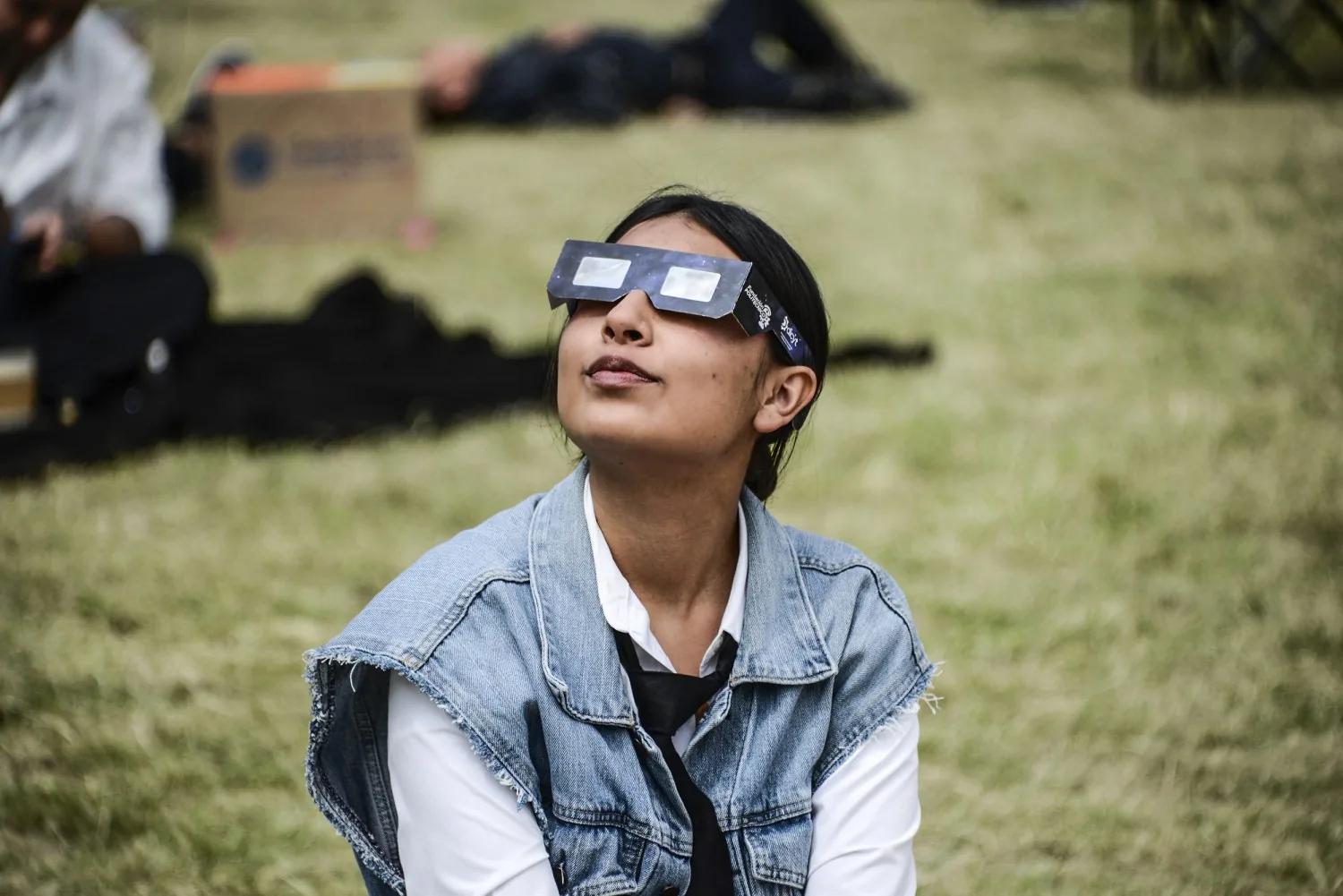
According to AAS guidance on ISO 12312-2 and eclipse eye safety, a credible solar viewer should include clear labeling and instructions. In practice, European shoppers should expect to see:
- a clear statement that the viewer is intended for direct observation of the Sun
- reference to ISO 12312-2 or ISO 12312-2:2015
- manufacturer and/or responsible economic operator information, including contact details appropriate to the market
- instructions for safe use
- warnings about damaged filters and improper use
That does not mean every safe product page will look identical. It does mean vague listings should make you uneasy. If the page is mostly lifestyle photos, generic claims, and marketplace buzzwords, with no serious product information, that is not a trust signal.
This is also where counterfeit and low-quality products become a real issue. The consumer problem is not only fake printing; it is also sloppy sourcing, incomplete documentation, and sellers who appear only when demand spikes before a major eclipse. We go deeper on that in our guide to fake and low-quality eclipse glasses.
The labels that should make you pause
Some warning signs are obvious once you know them.
If a listing talks about “solar sunglasses” but never clearly says the product conforms to ISO 12312-2 for direct solar viewing, pause. If it leans on fashion language, “UV protection,” or “dark lenses” without the eclipse-specific standard, pause. If the seller cannot tell you who made the product, who imported it, or what instructions apply, pause.
And if the only reassurance is a CE mark, pause again.
This is where shoppers often ask versions of what are the best glasses for viewing a solar eclipse? The best answer is not a brand roundup. The best glasses are purpose-built solar viewers from reputable sellers, with clear ISO 12312-2 conformity claims, proper instructions, intact filters, and documentation that makes sense from listing to packaging to product.
That is also why we do not recommend treating marketplace star ratings as a safety test. A five-star review cannot measure optical transmittance. A cheerful unboxing photo cannot verify filter quality. For eclipse gear, trust comes from standards context, documentation, and seller reputation.
A simple comparison shoppers can remember
If you only remember one table in your head, make it this one.
CE marking
CE marking belongs to the broader European product-compliance environment. It can matter for market placement and regulatory context, but by itself it does not tell you that a viewer is suitable for direct observation of the Sun.
ISO 12312-2
ISO 12312-2 is the standard specifically associated with solar viewers for direct observation of the Sun in the eclipse-glasses / handheld-viewer category. For eclipse shopping, this is the key safety context.
The practical takeaway
For direct solar viewing, do not treat CE as a substitute for ISO 12312-2. If you see both, good — but the solar-viewing claim still needs to be specific, credible, and supported by proper labeling and instructions.
That is the real-world meaning behind phrases like ce & iso 12312 2 and certified iso 12312 2 international standard eclipse glasses. The presence of the words is not enough; the product information has to hold together.
Why reputable sellers matter so much
The uncomfortable truth is that most shoppers cannot independently test eclipse viewers. The AAS makes this point clearly: meaningful verification requires proper lab testing, not a home flashlight trick or a quick glance indoors.
That is why seller reputation matters so much. A reputable seller should know what they are selling, identify the product clearly, provide instructions, and avoid fuzzy claims that collapse under basic questions. If a listing is evasive before purchase, it will not become more trustworthy after the parcel arrives.
This is especially important in the run-up to a big eclipse season, when demand spikes and low-effort listings multiply. Families often buy late, schools buy in batches, and group organizers suddenly need dozens of viewers. That is exactly when bad listings thrive.
If you are buying for a household, classroom, or travel group, order early enough that you can inspect what arrives. Check that the filters are not scratched, punctured, torn, loose, or otherwise damaged. If the product arrives with poor print quality, missing instructions, or packaging that does not match the listing, do not talk yourself into using it anyway.
Proper use still matters, even with a compliant viewer
A safe viewer can still be used unsafely.
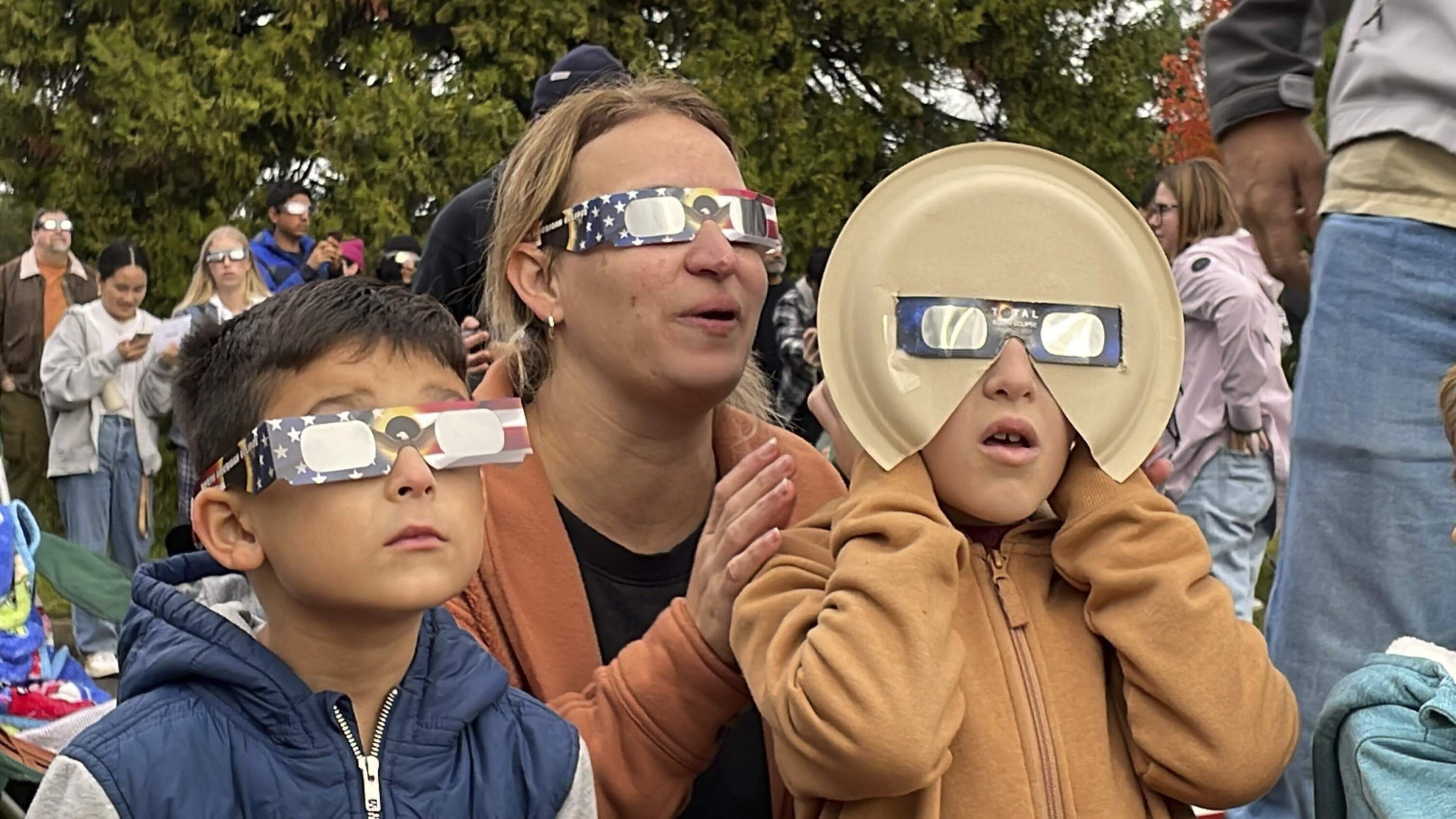
The AAS eye-safety guidance is straightforward: inspect the viewer before use, supervise children, put the viewer on before looking up, and turn away before removing it. Never use eclipse glasses or a handheld viewer together with an unfiltered camera, telescope, or binoculars. Magnifying optics need their own properly mounted front-end solar filters.
And remember the totality rule. During a total solar eclipse, it is safe to remove eclipse glasses only during the brief period when the Sun’s bright face is completely covered — and only if you are actually inside the path of totality. Outside that path, there is no safe naked-eye interval. If you want a clean explanation for first-time viewers, our guide on when glasses are on and when glasses are off is worth sharing with your group chat before eclipse day.
That distinction matters in Europe because many people will be in partial-eclipse territory while hearing dramatic coverage from places in totality. The experience is not the same, and the eye-safety rule is not the same either.
What this means for European shoppers in 2026
The phrase ce mark vs iso 12312-2 eclipse glasses europe 2026 guide sounds clunky, but the timing behind it is real. As the 12 August 2026 total solar eclipse gets closer, European demand for viewers will rise well beyond the narrow path of totality.
Spain will be one of the headline destinations for totality, while many other parts of Europe will see a partial eclipse. That means millions of people will need to understand a simple but crucial point: if you are not in totality, you keep your certified viewer on the whole time. If you are in totality, the safe no-glasses interval is brief and location-dependent. Our August 12, 2026 total solar eclipse planning guide walks through the broader event, and our Spain path guide helps with the geography.
This is also why buying early is not just a convenience move. It gives you time to verify what you received, to buy enough for family and friends, and to avoid the last-minute scramble when questionable listings start looking “good enough.” They are not.
Near the shopping stage, you will see buyer-language such as approved solar eclipse glasses, solar eclipse glasses iso 12312-2 certified, eclipse viewing glasses, and certified solar eclipse glasses. Those phrases are common because they describe what people want, but you should still read past the headline words and check the actual product information.

A few myths worth clearing up
“If it is very dark, it must be safe”
No. Darkness alone is not the test. Ordinary sunglasses, smoked materials, exposed film, and improvised filters are not safe for direct solar viewing.
“If it says NASA approved, that settles it”
Be careful. NASA provides safety guidance, but shoppers should be wary of loose marketplace phrasing such as “NASA approved” when it is used as a sales shortcut. What matters is whether the product is a genuine solar viewer with credible ISO 12312-2 conformity claims and proper instructions.
“I can test it myself”
Not in any meaningful compliance sense. You can inspect for visible damage, bad assembly, and missing information. You cannot verify full optical performance at home.
“CE means it passed the eclipse test”
No. That is the central misunderstanding this article is trying to prevent.
The calm shopper checklist
If you want a practical filter for decision-making, use this checklist before you buy or before you trust what arrived:
- Is the product clearly intended for direct observation of the Sun?
- Does it clearly reference ISO 12312-2?
- Is the manufacturer or responsible seller identified in a way that makes sense?
- Are there instructions and warnings for safe use?
- Does the seller look reputable, established, and reachable?
- When the product arrives, are the filters intact and securely mounted?
- Are you avoiding any attempt to use these viewers with binoculars, cameras, or telescopes?
If several of those answers are weak or missing, keep shopping.
For a deeper family-focused explainer, see our guide to ISO 12312-2 and what the standard means for your family. And if you want the blunt version of why shortcuts are not worth it, read why staring at the Sun without protection is never “just a quick look”.
So what should you trust?
Trust specificity over vibes.
Trust a seller that tells you what standard applies, what the product is for, how to use it, and who stands behind it. Trust instructions that match established eclipse-safety guidance. Trust your own willingness to walk away from a listing that feels fuzzy.
And do not let a CE mark do all the talking in your head. For eclipse viewers, the solar-viewing question is narrower than that.
If you came here asking what is iso 12312-2 standard for solar eclipse glasses?, what is the iso rating for eclipse glasses?, or what is the iso standard for eclipse glasses?, the practical answer is the same: for direct solar viewing, look for credible ISO 12312-2 context, buy from reputable sellers, inspect what arrives, and use the viewer correctly.
What Eclipse Glasses do I Need? ISO 12312-2
learningscienceisfun
Frequently asked questions
What does the ISO 12312-2 standard mean for eclipse glasses?
ISO 12312-2 is the relevant standard for products intended for direct viewing of the Sun. It is not the same as CE marking, and a CE mark alone should not be treated as proof that eclipse glasses are safe for solar viewing.
Is there an ISO rating I should look for on eclipse glasses?
Yes: the key reference is conformity with ISO 12312-2. The article says shoppers should look for clear evidence that the product meets the standard for direct observation of the Sun, rather than relying on CE marking by itself.
How can I tell whether eclipse glasses are properly certified?
Look for clear labeling that states conformity with the solar-viewing standard and check that the seller provides credible manufacturer information and instructions. A CE mark alone is not enough, because it does not by itself show that the product is suitable for looking directly at the Sun.
What should I look for when choosing glasses for a solar eclipse?
Choose glasses that clearly state they are intended for direct solar viewing and that reference ISO 12312-2. The article warns that ordinary consumer labels can be misleading, so the important question is whether the product is specifically appropriate for observing the Sun.
What is the safest way to watch a solar eclipse?
Use proper solar-viewing protection whenever you are looking at the Sun, especially outside totality. The article emphasizes that direct solar viewing is a narrow, demanding use case, so you should not assume a product is safe just because it has a CE mark.
On-site next steps
- Browse Helioclipse eclipse glasses if you want purpose-built viewers with clear solar-viewing context and enough time to order before demand spikes.
- Use the Helioclipse 3D eclipse map to check whether your location will be in totality or only a partial eclipse, because that changes when glasses stay on.
- Keep learning in the Helioclipse blog, especially our guides on eclipse phases and glasses timing and spotting fake or low-quality eclipse glasses.
Sources & further reading
- About the ISO 12312-2 Standard for Solar Viewers — American Astronomical Society explainer on what the standard covers and how it applies to solar viewers.
- How to View a Solar Eclipse Safely — AAS eye-safety guidance, including when filters are required and how to use them correctly.
- Solar Eclipse Eye Safety — technical background document by Ralph Chou for readers who want more detail.
- Downloads — AAS repository of safety flyers, planning handouts, and educational materials.
- Fake Solar Eclipse Glasses Are Flooding the Market: How to Stay Safe — consumer-facing warning about counterfeit and low-quality eclipse viewers.
- Solar eclipse glasses: How to check safety and use them correctly — accessible overview of safe use and what to check before buying.
- How to observe the Sun safely during a solar eclipse — practical observing guidance, including the difference between eclipse glasses and optical-device filters.
- AAS's Advice for Safe Solar-Eclipse Viewing — editorial summary of AAS safety advice.
- Comment observer sans risque — French-language eclipse safety handout useful for multilingual European outreach.
- ISO 12312-2:2015—Solar Eclipse Glasses — standards-context explainer on the ISO designation.