Pets, crowds, and eclipse day: planning for stress (not pet 'eclipse glasses')
A solar eclipse can feel magical for us and deeply unremarkable for a lot of pets — right up until humans add the parts animals actually find stressful: travel, heat, traffic, crowd noise, disrupted routines, and being dragged into a strange place because we want a better view. That is the real heart of pets solar eclipse crowds fireworks stress 2026 guide planning. The eclipse itself is usually not the main problem. The human behavior around it often is.
If you are building your eclipse plan now, use our Eclipse Explorer / 3D map to decide whether you are staying local or traveling, and make the pet decision early. In many cases, the best eclipse plan for your dog, cat, or bird is not “bring them along for the experience.” It is “keep their day boring.”
This matters because a lot of online chatter about pets solar eclipse 2024, pets and solar eclipse 2023, and now 2026 has mixed together two very different questions: will animals notice the strange light, and should you take a pet to an eclipse event? The first answer is sometimes yes, briefly. The second answer is often no, especially for anxious animals, indoor cats, heat-sensitive dogs, and any pet that does not already handle crowds well.
What pets actually notice during an eclipse
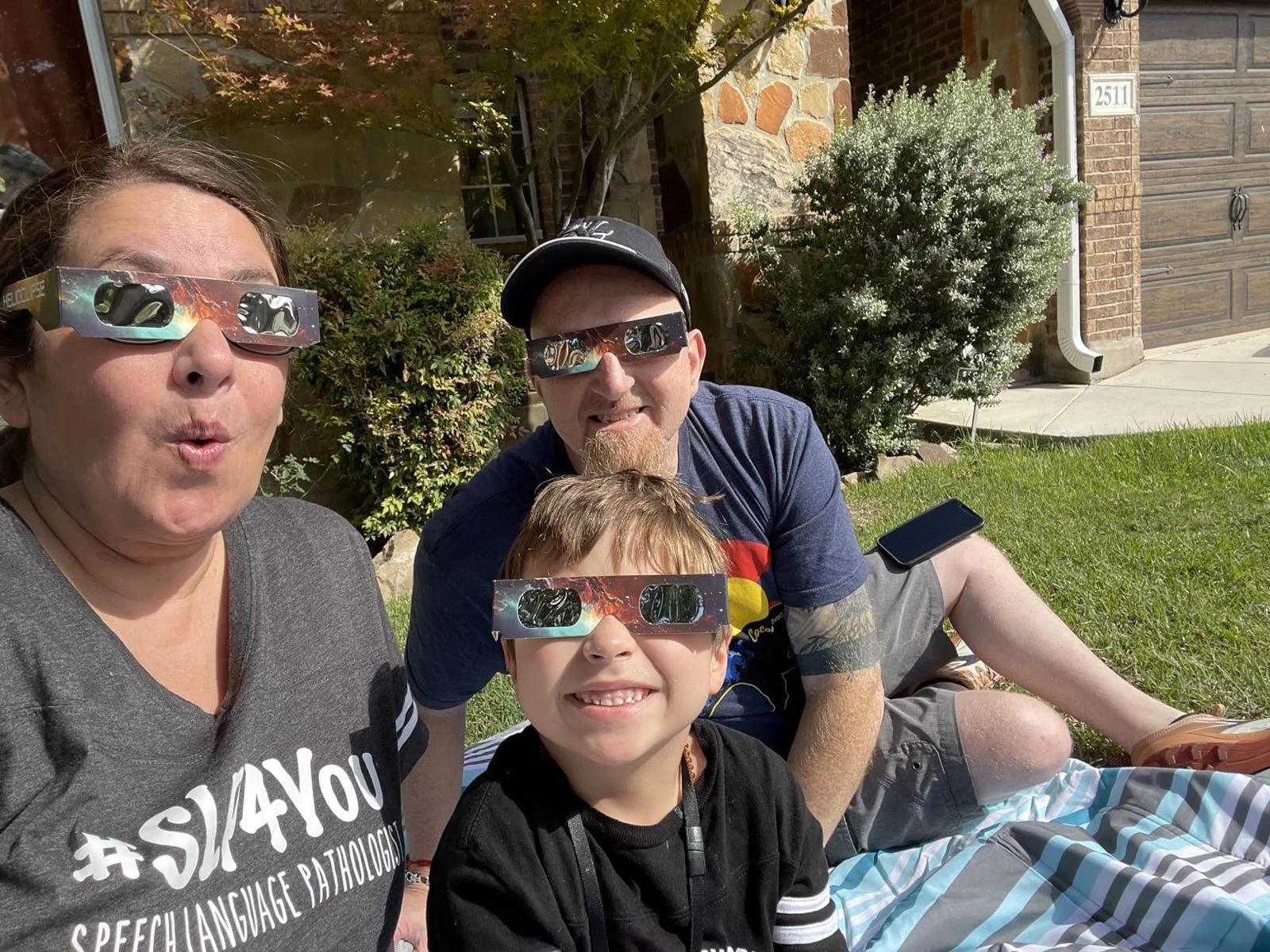
Veterinary and animal-behavior sources are pretty consistent on the big picture: some animals respond to the sudden dimming of light as if dusk has arrived early. Birds may quiet down. Insects may change their activity. Some pets may pause, pace, hide, become clingy, or look for their usual evening routine before it is actually evening.
That does not mean most pets are staring at the sky in existential confusion. It means they are responding to environmental cues — light, temperature, human excitement, unusual sounds, and routine disruption. Texas A&M veterinary educators note that animals with storm anxiety may be especially unsettled because rapid daytime darkening can resemble the lead-up to bad weather. That is a useful comparison for owners: if your dog already struggles with thunderstorms, a crowded eclipse outing is not a cute experiment.
The evidence base for animal reactions is still limited and often anecdotal. Phys.org’s eclipse Q&A with veterinary and zoological experts makes that point clearly: unusual behavior has been reported, but the strongest, most consistent stressors are often not the celestial mechanics. They are the conditions around the event — more people, more cars, more noise, more chances for a frightened animal to bolt.
So when people ask whether pets are affected by solar eclipse conditions, the honest answer is: sometimes, briefly, and unevenly. Some animals barely react. Others switch into a dusk-like routine for a few minutes. A smaller group becomes anxious because the whole scene feels wrong.
No, your pet does not need human eclipse viewers
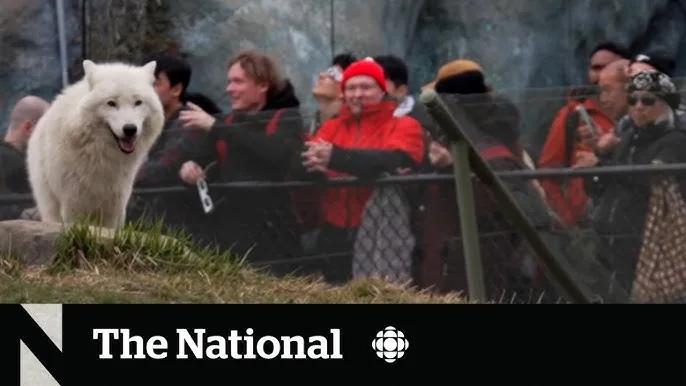
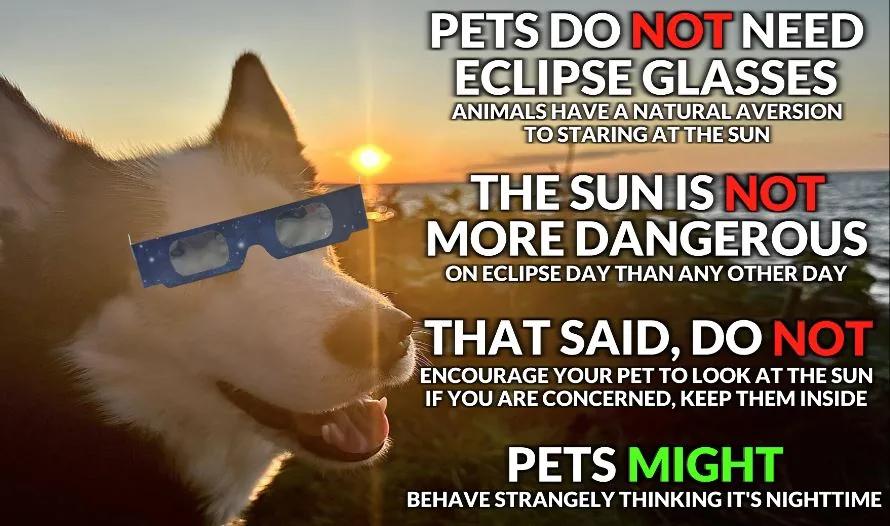
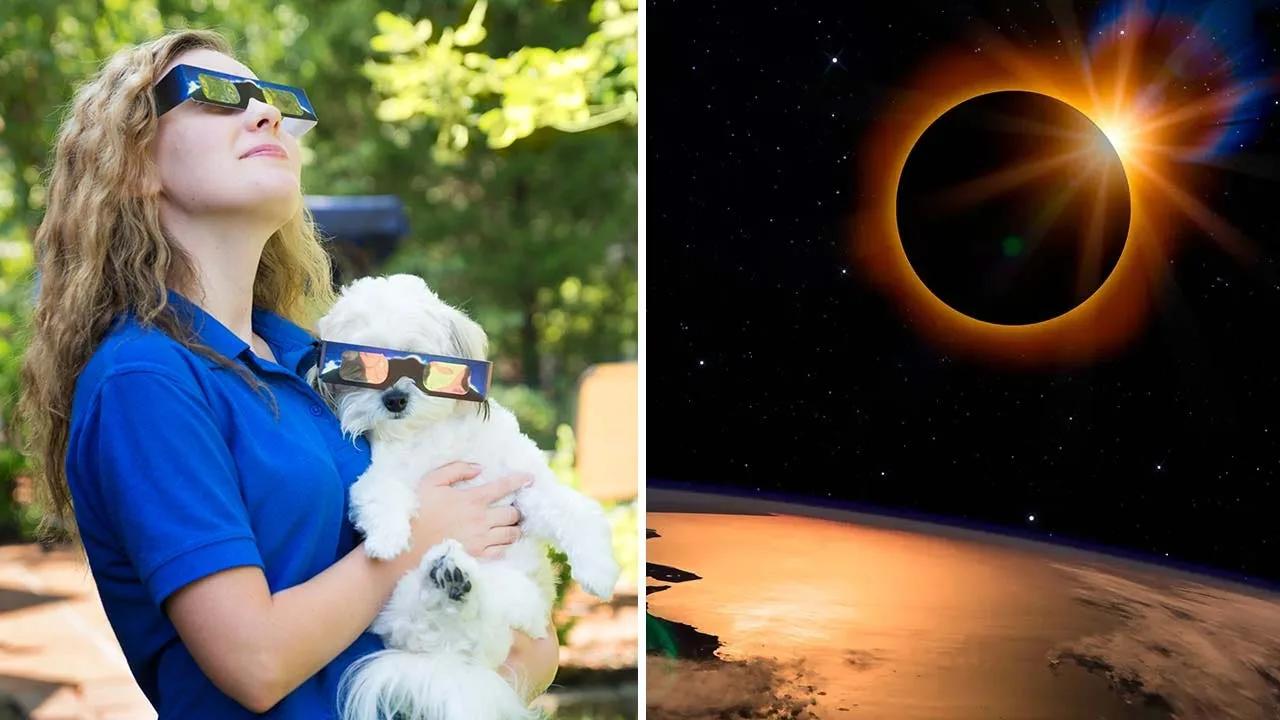
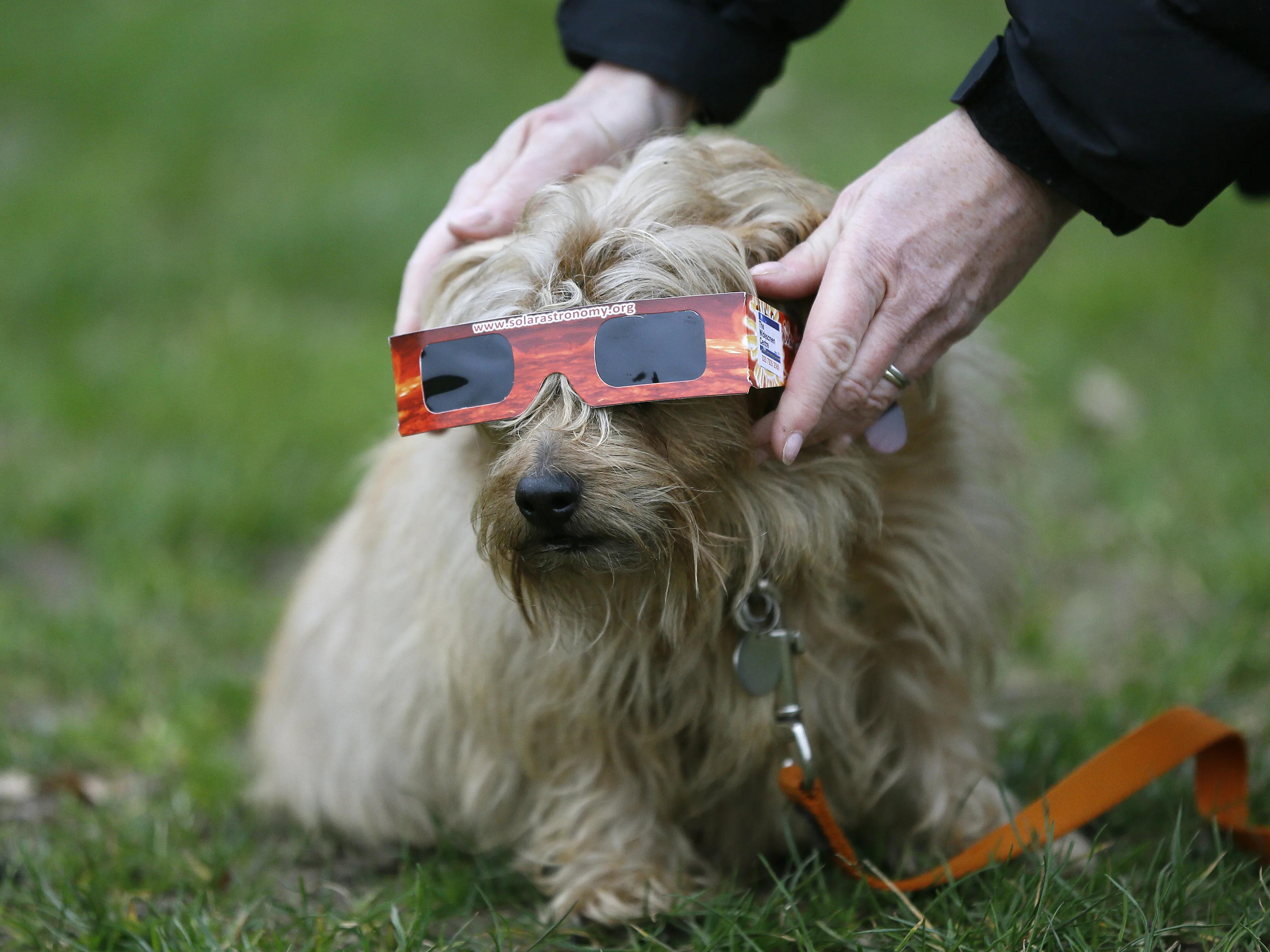
Let’s say this plainly: eclipse glasses are made for human solar viewing, not for pets. NASA and the American Astronomical Society are explicit that safe solar viewers are specialized products for direct observation of the Sun by people, and that they should conform to ISO 12312-2 for that purpose. They are not a costume accessory, not a joke prop, and not something to strap onto an unwilling dog.
That is why pets eclipse safety is mostly not about finding tiny goggles. It is about preventing stress, escape, overheating, and traffic exposure.
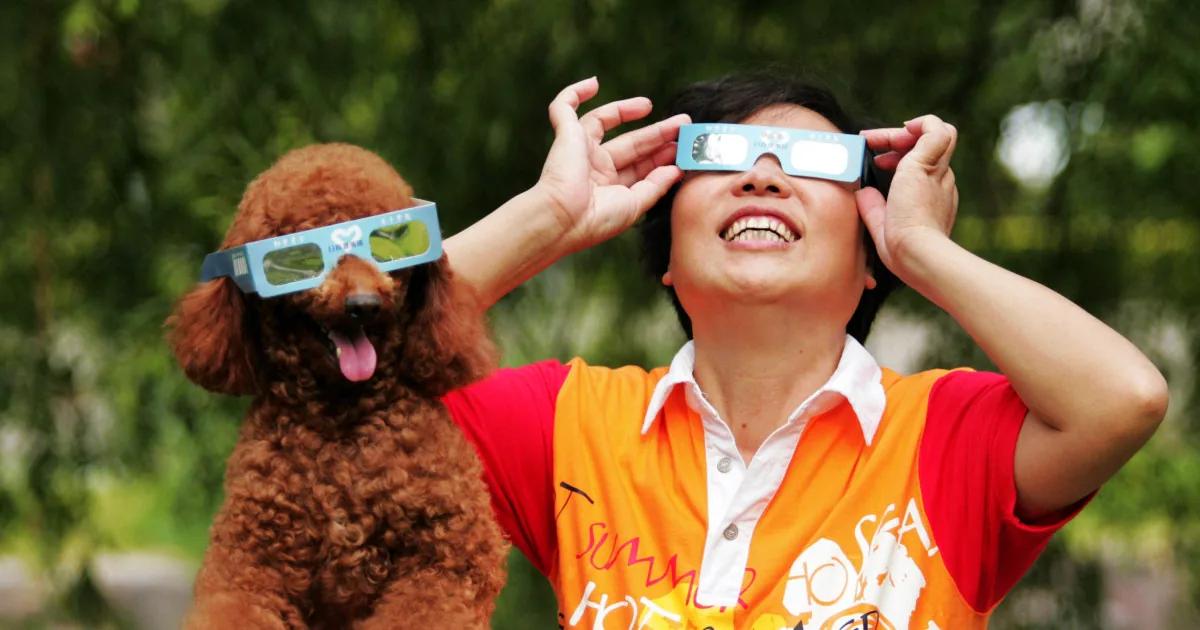
There is also a basic behavioral point here. Veterinary guidance notes that pets usually do not stare up at the Sun out of curiosity the way humans do. They may follow your gaze for a moment, but they are not generally trying to watch the eclipse as an event. Putting cardboard viewers on a pet’s face creates a new problem — restraint, discomfort, panic, pawing, chewing, and a photo-op mindset that distracts you from real safety.
If you are shopping for your household, keep the products for the humans. Look for approved solar eclipse glasses and solar eclipse glasses iso 12312-2 certified for the people in your group, and keep your pet plan separate. If you need a refresher on what those labels mean and what they do not, our guide to ISO 12312-2 and eclipse viewers: what the standard means for your family and our post on fake and low-quality eclipse glasses: how to sanity-check what you are about to trust are the right next reads.
One more important nuance: phrases like eclipse glasses nasa approved and eclipse viewing glasses show up everywhere online, but NASA does not approve specific brands of viewers. What matters is whether the product is appropriate for direct solar viewing and whether it genuinely meets the relevant standard. That is a human-eye question, not a pet-accessory question.
The biggest risk is not the sky. It is the day around the sky.
For most companion animals, eclipse day risk looks a lot like holiday or event risk. Think less “astronomy emergency” and more “crowd-management and routine-management day.”
A dog that tolerates a normal neighborhood walk may not tolerate a packed overlook, strangers stepping over its leash, hours in a hot car queue, or a burst of cheering at totality. A cat that is normally calm indoors may be at higher risk if doors are opening constantly, visitors are coming and going, or traffic outside is heavier than usual. A bird may react to abrupt light changes, but it may react even more to a noisy household full of excited humans.
This is where the phrase pets solar eclipse crowds fireworks stress is actually useful. Fireworks are not part of most eclipse events, of course, but the comparison helps because many owners already understand noise sensitivity, anticipatory anxiety, pacing, panting, hiding, and the long recovery some animals need after overstimulation. If your pet has a “fireworks brain,” plan eclipse day with the same seriousness.
Veterinary advice from Texas A&M is especially practical here: avoid taking pets to eclipse viewing events, keep cats indoors, and stock enough food, water, medications, litter, and essentials if your area expects major crowding or supply disruption. That is not overkill. In a high-traffic eclipse corridor, local roads can clog, shops can run short, and a quick errand can stop being quick.
Should you bring your pet to an eclipse event?
Usually, only if the answer would also be yes on a busy summer festival day.
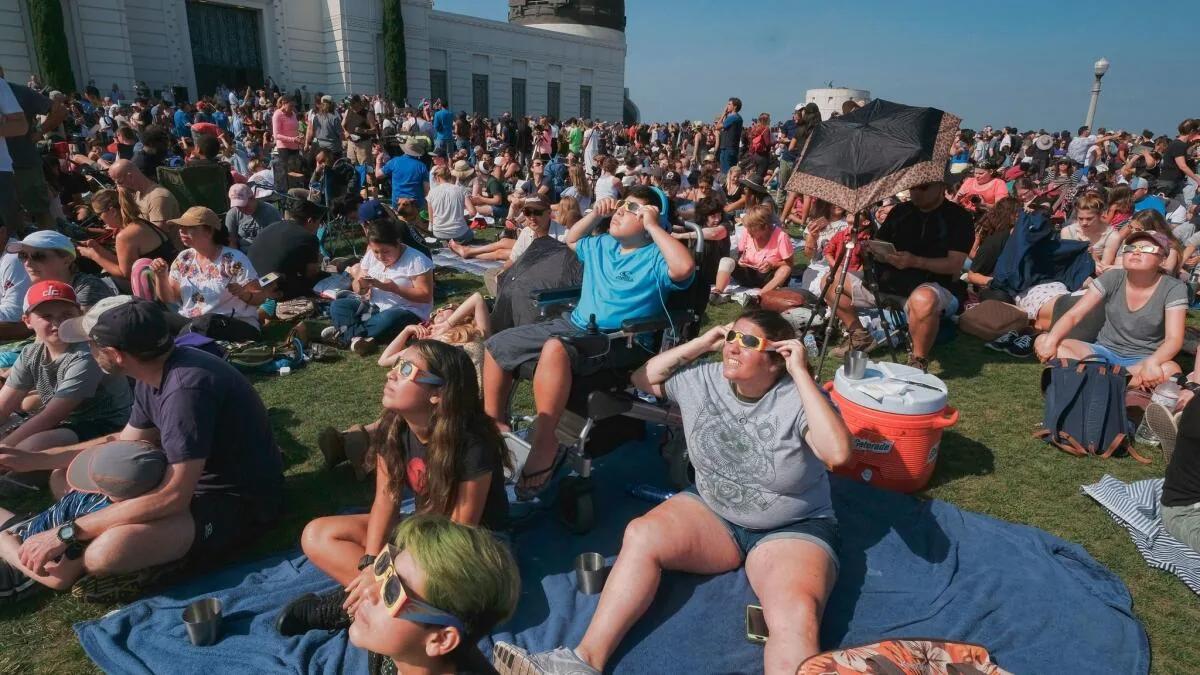
That is a better test than asking whether your pet likes being with you. Plenty of animals love their people and still hate crowds. If your dog is calm around strangers, reliable on leash, comfortable resting in shade, unfazed by applause, and able to settle without constant stimulation, you may have more flexibility. If your dog startles easily, guards resources, barks at other dogs, overheats fast, or becomes frantic in traffic, eclipse travel is probably not worth it.
For cats, the answer is simpler. In most cases, do not bring them to a viewing site. Keep them indoors, in a familiar environment, with doors and windows managed carefully. Increased traffic alone is a good enough reason.
For small mammals and birds, routine and enclosure security matter more than spectacle. If they are safest at home, leave them at home. If you are traveling with them because you must, prioritize temperature control, quiet, and a secure setup over any attempt to “let them experience” the event.
If you are still undecided, read our broader travel piece, Eclipse travel without the chaos: routes, crowds, and backup plans for 2026, and ask a blunt question: would bringing this animal make the day safer and calmer for them, or just more complicated for everyone?
A calm home plan is often the best pet plan
For many households, the smartest move is to split the plan in two: humans watch the eclipse, pets keep a normal day.
That can mean an indoor room with familiar bedding, water, climate control, and the usual sounds of home. It can mean feeding on schedule, walking earlier than usual to avoid heat and crowds, and closing curtains if outside activity will be unusually stimulating. For dogs with known anxiety, it may mean using the same veterinarian-approved strategies you already use for storms or fireworks — not improvising on eclipse morning.
The key word is familiar. Veterinary sources repeatedly emphasize that animals do better when their routine stays recognizable. If your pet hides, do not force interaction. If they are food-motivated, a favorite treat or enrichment toy may help. If they want quiet contact, sit with them calmly instead of turning them into part of the show.
This is also why animal behavior and travel safety basics from eclipse planning belong in the same conversation. The eclipse itself is brief. The logistics around it can consume the whole day.
If you must travel with a pet, plan like delays are guaranteed
Some eclipse trips are local. Others are all-day drives with uncertain parking, long waits, and last-minute weather pivots. If your pet is coming because there is no safe alternative, build the plan around delay tolerance.
Bring more water than you think you need. Bring food, medications, waste bags, litter if relevant, and any comfort items your animal already knows. Do not assume you can buy supplies easily near a popular viewing zone. Texas A&M’s recommendation to think in terms of one to two weeks of essentials in heavily impacted areas may sound dramatic until you imagine gridlocked roads, crowded stores, and a pet that cannot simply “make do.”
Never leave an animal in a parked car while you watch the eclipse. That should be obvious, but eclipse days often involve long waits in open areas under summer sun. Even if the light dims later, the dangerous part may be the hours before and after maximum eclipse.
For dogs, schedule bathroom breaks before the most crowded period. Use a secure collar or harness that fits properly. Double-check ID tags and microchip information. Stress plus unfamiliar surroundings is a classic recipe for escape.
And if weather forces a move, be realistic. Chasing a gap in the clouds can be fun with two adults and a tank of fuel. It is much less fun with an anxious dog, a crate, medication timing, and no clear rest stop. If you want the freedom to relocate for better skies, that is often an argument for arranging pet care rather than bringing the pet.
Heat, pavement, restraint, and noise matter more than eclipse mythology
A lot of eclipse content gets weirdly mystical about animals. The practical hazards are more ordinary.
Heat is one of them. Many eclipses are watched in open places with little shade. Your pet does not care that totality lasts a few minutes if the rest of the day means hot pavement, warm asphalt parking lots, and delayed access to water. The common “5 second rule” for pavement is not a scientific standard, but the underlying idea is sound: if a surface is painfully hot to your hand, it is too hot for paws.
Restraint is another. An excited crowd can make even a friendly dog unpredictable. A sudden cheer, a dropped picnic item, another dog lunging, or a child running up for a pet can turn a manageable outing into a mess in seconds. Short leash, good fit, calm distance, and an exit route matter more than whether your pet seems “interested” in the sky.
Noise is the third. Totality can be quiet in one field and loud in another. Some groups gasp and go silent. Others count down, clap, shout, play music, or set off a chain reaction of human excitement. If your pet struggles with sudden noise, assume the louder version.
That is why the best places and timing for pets solar eclipse crowds fireworks stress planning are usually not the most famous public hotspots. If a pet must be present, a quiet private yard, a shaded rural stop with minimal foot traffic, or a familiar family property is far better than a packed landmark.
What about totality versus a partial eclipse?
This distinction matters for humans and only indirectly for pets.
For people, the rules change depending on whether you are inside the path of totality. During a total solar eclipse, you can remove certified viewers only during the brief interval when the Sun’s bright face is completely covered. Outside totality, and during any partial eclipse, viewers stay on for direct solar viewing. If you want that explained clearly, read When glasses on, when glasses off: eclipse phases explained for first-time viewers.
For pets, totality may produce a stronger environmental cue because the light drop is more dramatic, the temperature can dip, and animal dusk-like behavior is more noticeable. The AAS eclipse phenomena guide and NASA’s Eclipse Soundscapes material both describe these changes well: birds may quiet, insects may shift, and the atmosphere can feel briefly uncanny.
But again, that does not automatically mean danger. It means novelty. The danger comes when novelty is layered onto crowding, transport stress, and poor handling.
What online advice gets wrong
A lot of pets solar eclipse reddit discussion gets one thing right: many owners instinctively feel their pet would be happier at home. Trust that instinct. Where online advice goes wrong is in treating every eclipse question as an eye-protection question or in assuming that because wildlife sometimes changes behavior, your pet needs special eclipse gear.
Another mistake is over-reading anecdote. Yes, there are reports of animals becoming quiet, vocal, clingy, or confused. Yes, some observers notice that pets are affected by solar eclipse conditions. But “affected” can mean “paused and looked around for a minute,” not “in crisis.”
The most useful line in all of this may be the simplest: pets can be safe during the solar eclipse experts say — if owners manage the day sensibly. That means familiar surroundings when possible, crowd avoidance when practical, and no gimmicks.
And if you are wondering whether your pet is “helping” your own stress, that is a separate question from whether the outing is good for them. Do pets or friends help reduce stress? Often yes, for humans. But your comfort is not the same as your animal’s comfort. A pet should not become your eclipse-day emotional support prop if the environment is wrong for them.
Special notes for dogs, cats, birds, and larger animals
Dogs
Dogs are the most likely pets to be brought along, which means they are also the most likely to be overexposed to heat, crowds, and leash stress. Watch for panting beyond normal heat response, pacing, trembling, refusal of treats, tucked tail, scanning, or repeated attempts to leave. Those are not signs that your dog is “awed by astronomy.” They are signs to create distance or go home.
If you already know what helps dogs with anxiety during fireworks?, use that knowledge here: familiar gear, predictable handling, quiet space, and veterinarian-guided medication if your dog already has a plan. Eclipse day is not the time to test a new supplement, a novelty hood, or improvised face gear.
Cats
Keep them indoors. That is the cleanest advice in this whole article. More traffic, more visitors, more open doors, and more neighborhood activity all increase risk. A cat does not need a front-row seat.
Birds
Birds may be especially responsive to light cues. Veterinary guidance suggests some may become more vocal before and after peak darkness and quieter during it. That is interesting, but it is not a reason to move them into a chaotic environment. Stable enclosure, familiar room, and minimal disturbance are the better plan.
Horses and herd animals
For larger outdoor animals, familiar surroundings matter even more. Veterinary educators warn that reactions can range from no response at all to spooking, freezing, or erratic movement. Keep them away from hazards, avoid unnecessary handling during the event, and do not add loud noises or flashes that could amplify a startle response.
A simple eclipse-day checklist for pet owners
If you want the short version, here it is:
- Decide early whether your pet is staying home. For many households, that is the best answer.
- Keep routines as normal as possible: feeding, walks, medication, rest.
- Avoid crowded public viewing events for anxious pets.
- Keep cats indoors.
- Do not put human eclipse viewers on pets.
- Prepare for traffic and delays if your area is in or near a major eclipse corridor.
- Bring extra water, food, medications, and comfort items if travel is unavoidable.
- Never leave a pet in a parked car.
- Use secure identification and well-fitted restraint for dogs.
- Have an exit plan if your animal shows stress.
That is the practical meaning of pets solar eclipse planning. Not costumes. Not viral photos. Not trying to make your pet participate in a human sky ritual they did not ask for.
Why this is worth planning now
The best eclipse days feel effortless because the decisions were made early. You know where you are going, who is coming, what the weather backup is, and whether the pet is part of the plan or happily not part of it.
That is especially true if you are organizing for family or friends. One person may assume the dog is coming. Another may assume someone else is staying back. Make the call now, not in a crowded driveway while everyone is already late.
And if your group is still deciding where to watch from, start with the map. A quieter site a little farther from the social-media hotspot can be better for humans too, not just animals. Less traffic, less noise, less pressure, more room to actually notice the eclipse.
The phrase pets, crowds, and eclipse day: planning for stress (not pet gimmicks may sound almost comically specific, but it captures a real editorial problem: too much eclipse advice treats pets as a novelty sidebar. They are not. They are part of your logistics, your safety planning, and your responsibility.
Caring for pets during the eclipse
FOX59 News
Frequently asked questions
What should I keep in mind if I’m planning eclipse day with a pet and a crowd around me?
The main stressors are usually not the eclipse itself, but the human side of the event: travel, heat, traffic, crowd noise, disrupted routines, and being taken to an unfamiliar place. For many pets, the safest plan is to keep the day boring and leave them at home rather than bringing them to a crowded viewing spot.
Did pets react to the 2024 eclipse, and does that mean I should take mine to watch the next one?
Some animals may notice the sudden dimming and briefly act as if dusk arrived early, but reactions are uneven and often mild. That does not mean a pet should be brought to an eclipse event; anxious animals, indoor cats, heat-sensitive dogs, and pets that do not handle crowds well are better off staying home.
What is the safest way to watch a solar eclipse?
The safest approach is to observe it in a way that does not add unnecessary risk or stress, especially for pets. If you are deciding whether to travel or stay local, make the pet decision early and avoid turning the day into a crowded outing for an animal that may find it stressful.
How should I plan if the weather or visibility might change on eclipse day?
Plan early and decide whether you are staying local or traveling before the day arrives. The excerpt notes that animals can react to rapid daytime darkening like the lead-up to bad weather, so if your pet is already sensitive to storms, a changing sky and a busy event can be especially unsettling.
What common mistakes should first-time eclipse viewers avoid?
A major mistake is assuming the eclipse itself is the biggest issue for pets, when the surrounding conditions are often the real problem. Another is bringing an anxious or crowd-averse animal along for the experience instead of keeping its routine calm and familiar.
On-site next steps
- Use our Eclipse Explorer / 3D map to decide whether you are staying local, traveling, or choosing a quieter backup site.
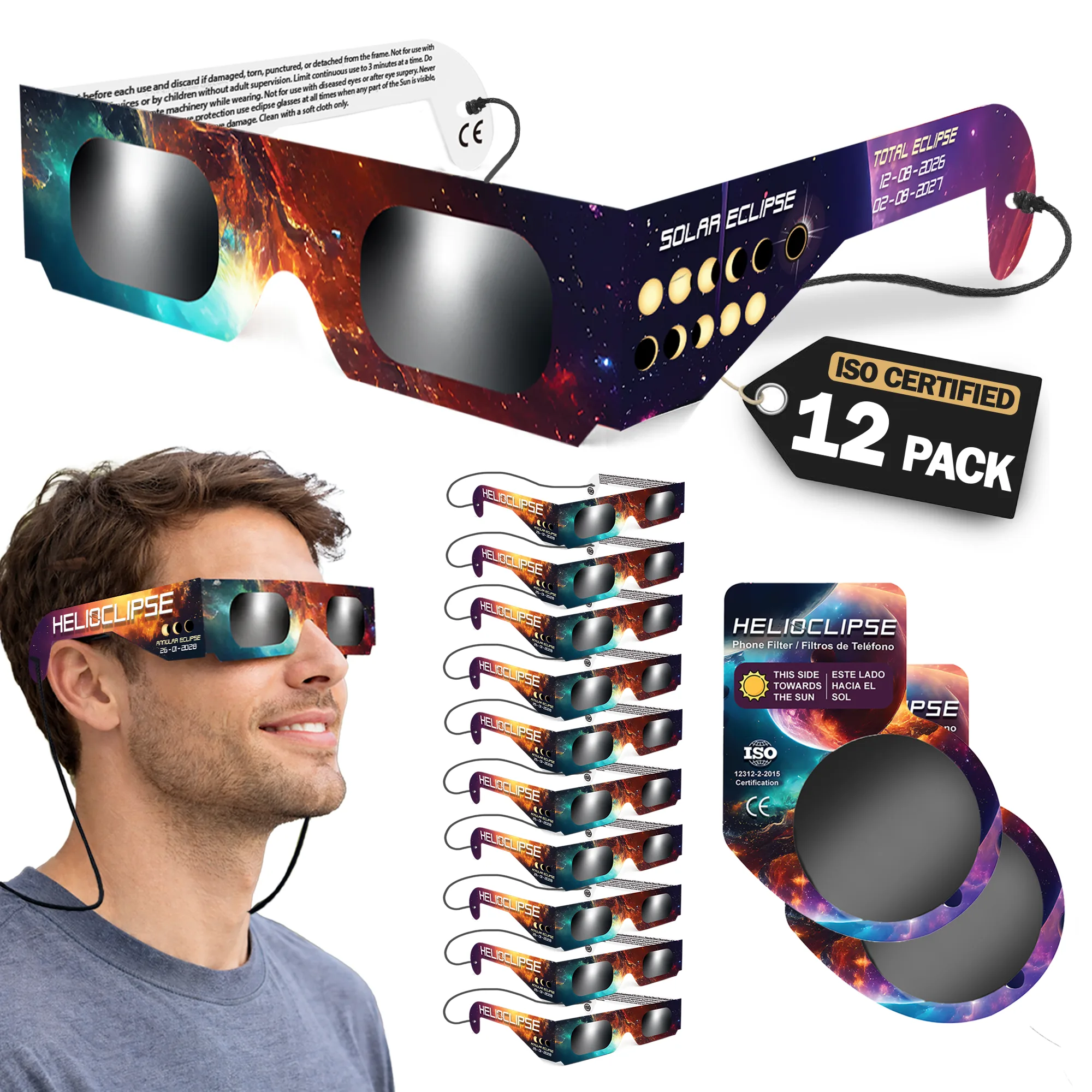
- If people in your group still need viewers, shop Helioclipse solar eclipse glasses early and keep the plan focused on human eye safety, not pet accessories.
- For the bigger picture on timing, travel, and safe viewing, browse the Helioclipse blog and our planning guide for August 12, 2026 total solar eclipse: what to expect and how to plan ahead.
Sources & further reading
- Animal Behavior During Solar Eclipses: What to Expect — Texas A&M University School of Veterinary Medicine & Biomedical Sciences
- How to Keep Your Pets Safe During the Solar Eclipse — Time
- Q&A: How do animals react to a solar eclipse? — Phys.org
- Q&A: Experiencing the solar eclipse from an animal’s perspective — Phys.org
- Studying nature’s eclipse reactions — Astronomy Magazine
- Eclipse Viewing Safety — NASA Science
- How to View a Solar Eclipse Safely — American Astronomical Society
- About the ISO 12312-2 Standard for Solar Viewers — American Astronomical Society
- Sense the Solar Eclipse with NASA’s Eclipse Soundscapes Project — NASA Science
- Phenomena You’ll Experience at a Total or Annular Eclipse — American Astronomical Society