Chronic conditions and long outdoor eclipse days: planning wins that are not ‘push through it’
A solar eclipse can be unforgettable. It can also be a surprisingly long, hot, logistically messy day even before the sky does anything dramatic. If you live with a chronic condition, the smartest plan is rarely “be tough and deal with it.” It is to reduce friction early: pick a site with shade and toilets, protect your routine, know where you can cool down, and leave yourself an easy way out.
That is the heart of this chronic illness heat eclipse day planning 2026 guide, and it applies well beyond 2026. Whether you are aiming for totality or a serious partial eclipse, use the Helioclipse Eclipse Explorer / 3D map to compare locations before you commit. Then build the day around your body, not around someone else’s idea of what a “real” eclipse trip should look like.
The big mindset shift: plan for endurance, not heroics
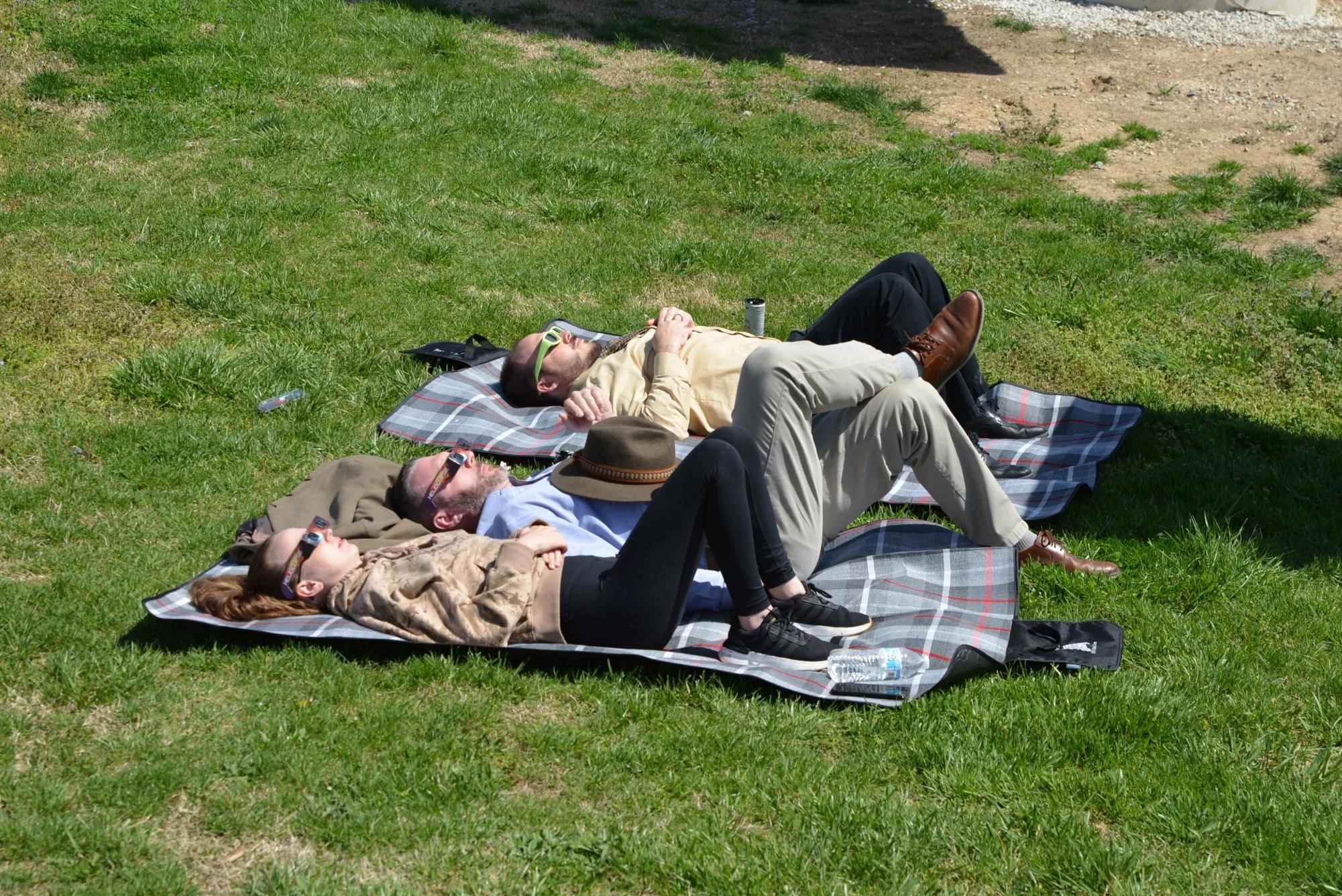
The phrase chronic conditions and long outdoor eclipse days: planning wins that matter most is awkward, but the idea is solid: the best eclipse day often comes from removing small problems before they stack up. Heat, bright sun, delayed meals, long walks from parking, crowded restrooms, missed medication timing, nowhere to sit, and the pressure to stay put “just a little longer” can turn a beautiful event into a rough one.
The CDC notes that hot days can be especially dangerous for people with chronic medical conditions, in part because some people are less able to sense and respond to temperature changes, and because some medications can worsen the effects of heat. That does not mean you should stay home by default. It means eclipse and chronic illness planning should start with realistic conditions on the ground.
Think of your viewing plan as an energy budget. If standing in an exposed field for four hours would cost too much, do not build your day around an exposed field. If a late-afternoon drive home in traffic would be the hardest part, solve that before you get excited about the sky.
Why eclipse days can hit harder than ordinary summer outings
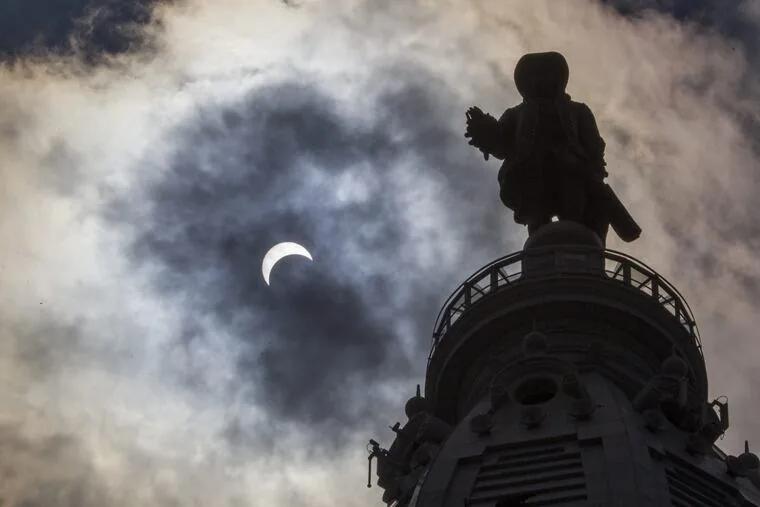
An eclipse is not just “a few minutes outside.” Even when totality lasts only a minute or two, the full event is much longer. You may arrive early to avoid traffic, wait through the partial phases, stay for the main moment, and then sit in post-event congestion. Astronomy Magazine’s eclipse planning advice makes this point well: treat eclipse day as a long outdoor event, not a quick stop.
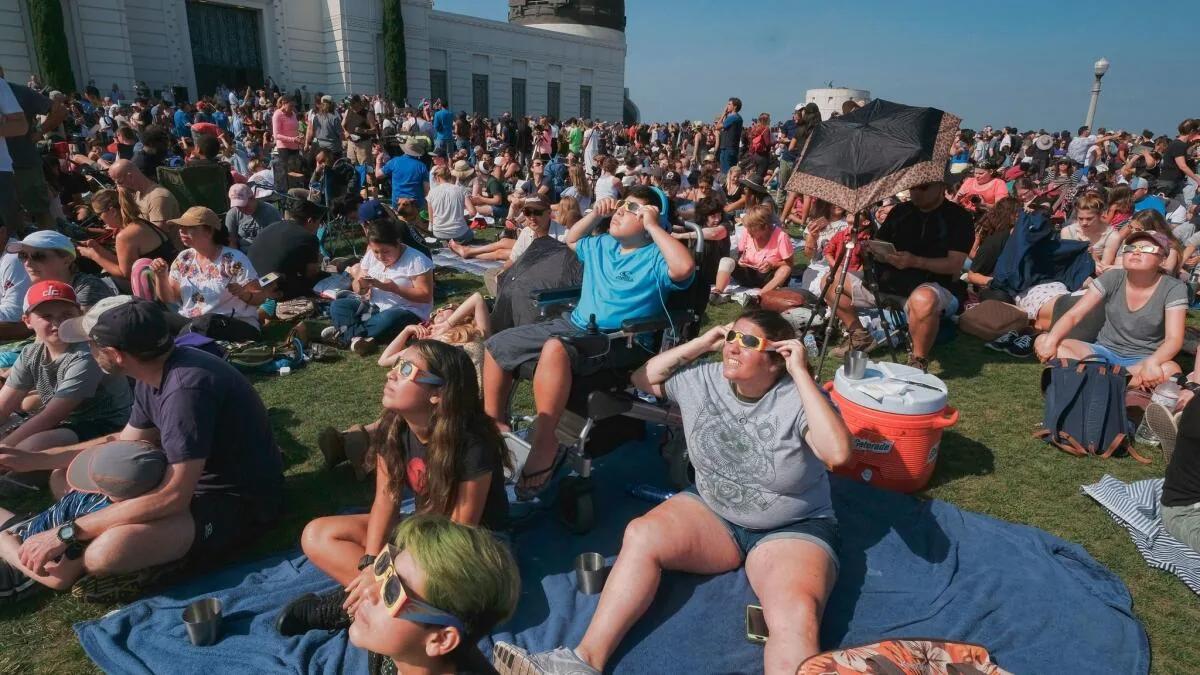
That matters because chronic illness heat, fatigue, pain, dizziness, sensory overload, and routine disruption often build gradually. You can feel fine at noon and much worse by mid-afternoon. NASA also reminds viewers that if you watch an entire eclipse, you may be in direct sunlight for hours, so skin protection, hats, and protective clothing matter too.
For some readers, the phrase chronic eclipse may sound odd, but the real issue is cumulative stress. The eclipse itself is brief. The exposure around it is not.
Heat and chronic conditions: the practical risks to respect
The CDC’s guidance on heat and chronic conditions is one of the clearest anchors for this topic. It highlights several reasons hot weather can be tougher when you have an ongoing medical condition: reduced ability to sense temperature changes, impaired cooling, and medication effects that can increase vulnerability.
That does not create one single health risk eclipse profile for everyone. It creates many different ones. Some people struggle most with dehydration. Others with overheating, orthostatic symptoms, swelling, migraines, fatigue, pain flares, or the mental load of being off schedule. Some conditions make sun exposure itself a problem. Others make long lines, missed meals, or poor sleep the bigger issue.
This is why broad internet questions like what are the big 5 chronic conditions?, what are the 27 chronic conditions?, or what are the top 3 chronic conditions? are not very useful for eclipse planning. A better question is: what usually makes your symptoms worse on a hot, disrupted day, and how can you lower that load before you leave home?
If you already know you deal with chronic illness heat intolerance, believe that information. You do not need to earn the eclipse by suffering through conditions that predictably make you unwell.
Medication, cooling gear, and routine protection
This is where good planning becomes quietly powerful.
First, do not change medication timing or dosing based on a blog post. We are not giving medical advice, and your own clinician or pharmacist is the right source for personal guidance. But it is absolutely reasonable to ask ahead of time whether heat, dehydration, sun exposure, or schedule disruption could affect how you feel on eclipse day.
Second, store medications according to the manufacturer’s instructions. That sounds basic, but eclipse days are full of hot cars, backpacks left in the sun, and long waits in open areas. If a medicine should not be exposed to high heat, build a storage plan before the trip. That may mean an insulated pouch, a cooler setup that keeps items within the allowed range, or simply choosing a viewing site close enough to an air-conditioned vehicle or indoor stop that you are not gambling with storage conditions.
Third, protect the routine that keeps you stable. Pack food you know you tolerate. Bring more water than you think you need. If you rely on regular snacks, electrolytes, cooling towels, mobility aids, or a specific seat cushion, those are not “extras.” They are part of the plan.
A good eclipse bag for many readers includes:
- water and any clinician-approved hydration support
- familiar snacks or a meal that fits your routine
- a hat, sunscreen, and light breathable layers
- a folding chair with back support
- cooling towels or a small fan
- medication storage that follows label instructions
- a printed list of essentials and emergency contacts
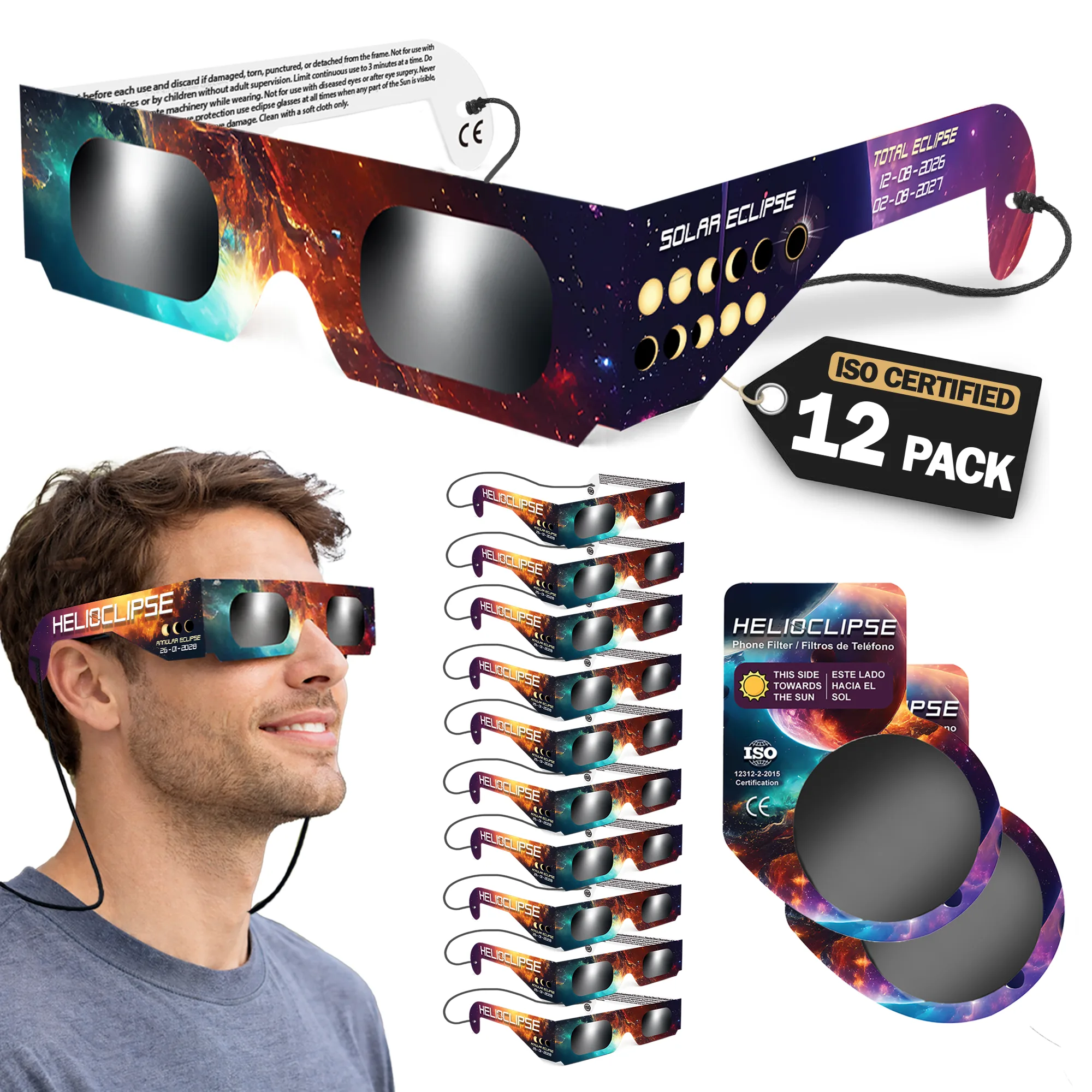
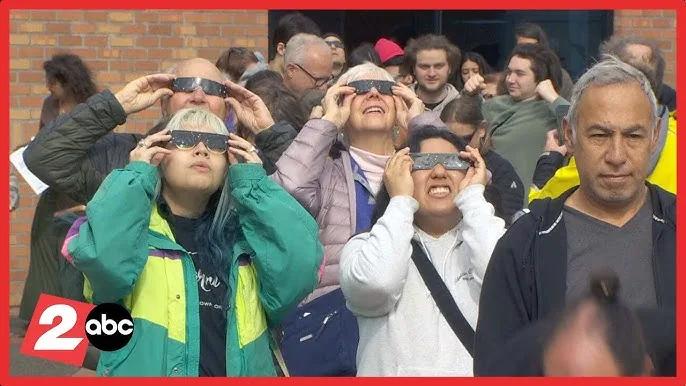
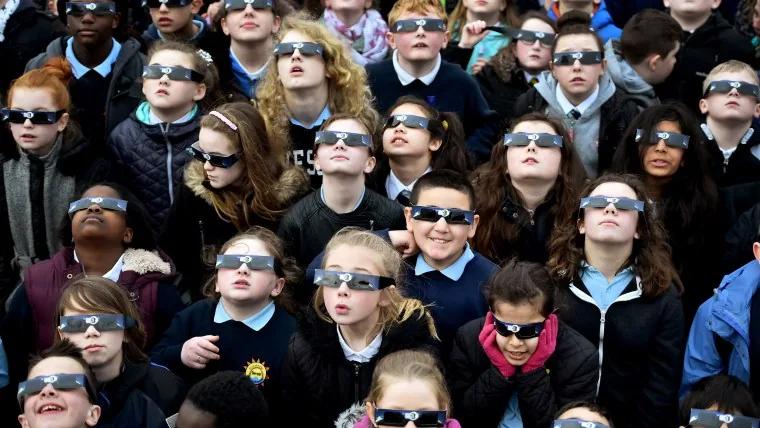
- certified eclipse viewers for the partial phases
For eye safety, use only special-purpose solar viewers that meet ISO 12312-2 guidance, and remember that ordinary sunglasses are never enough. If you need viewers for your group, our shop eclipse glasses is the straightforward place to start. Readers often look for approved solar eclipse glasses or solar eclipse glasses iso 12312-2 certified products; the important thing is to verify the standard and buy from a source you trust, not to rely on vague marketplace wording.
If you want a deeper safety refresher before you buy, our guide to ISO 12312-2 and eclipse viewers: what the standard means for your family is a useful next read.
Choose the site for your body, not just for the sky map
The best places and timing for chronic illness heat eclipse day planning are not always the places with the most romantic photos online. Sometimes the best site is the one with a shorter walk, nearby shade, a bathroom you can actually reach, and a fast exit to a cooler environment.
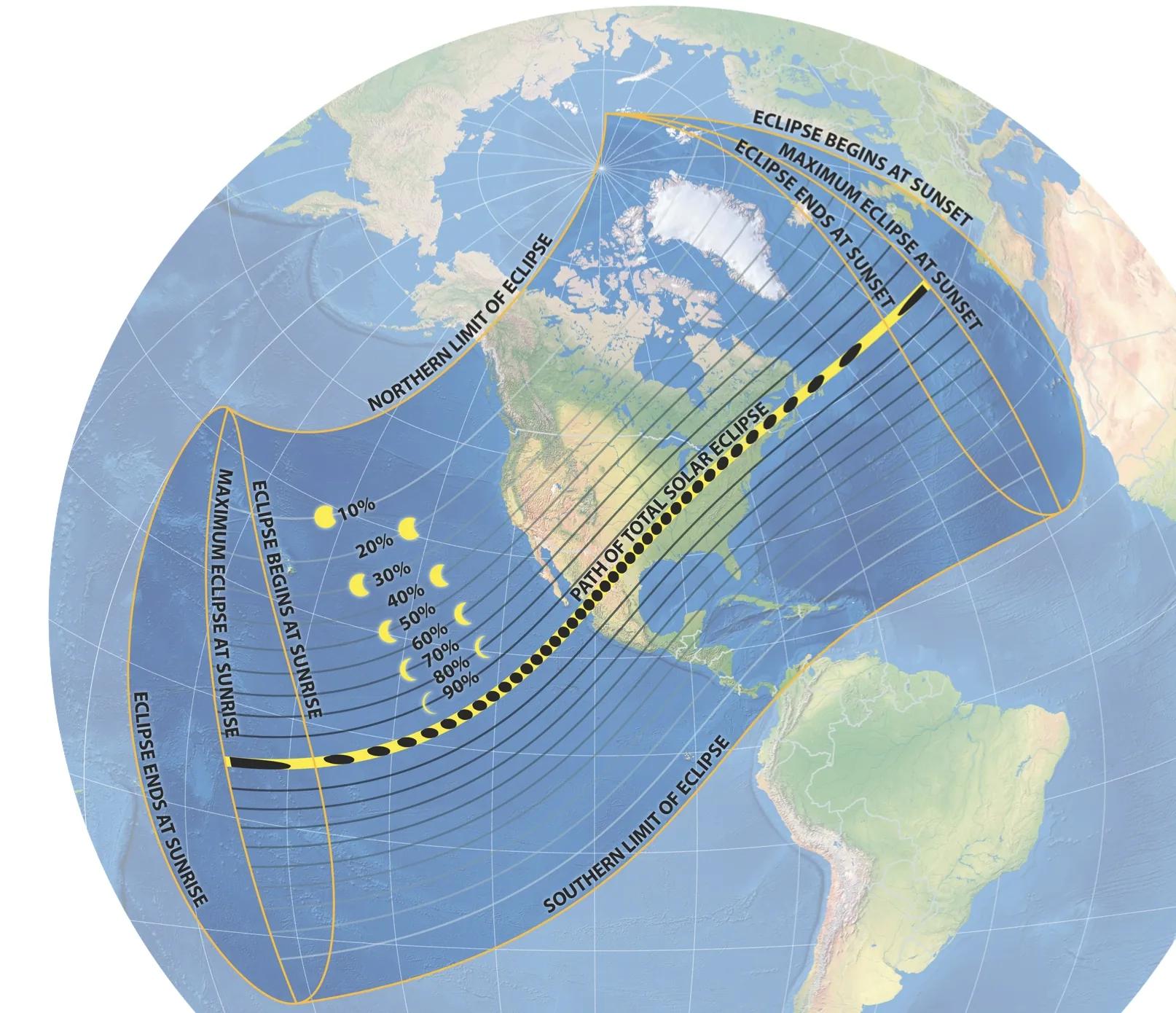
For the August 12, 2026 total solar eclipse, for example, Spain offers real tradeoffs. Space.com notes that totality in Spain happens late in the day with the Sun low in the northwest sky, and that the maximum totality anywhere on Earth is about 2 minutes 18 seconds. It also notes that Burgos, near the centerline, gets about 1 minute 44 seconds of totality, while Valladolid, farther from the centerline, gets about 1 minute 29 seconds. That 15-second difference is real, but for some viewers it may matter less than parking, sight lines, crowd density, or access to shade.
That is a perfect example of planning without macho nonsense. If one site gives you a cleaner horizon but requires a long uphill walk, and another gives you slightly shorter totality but easier access and a faster retreat to air conditioning, the second site may be the better eclipse choice for you.
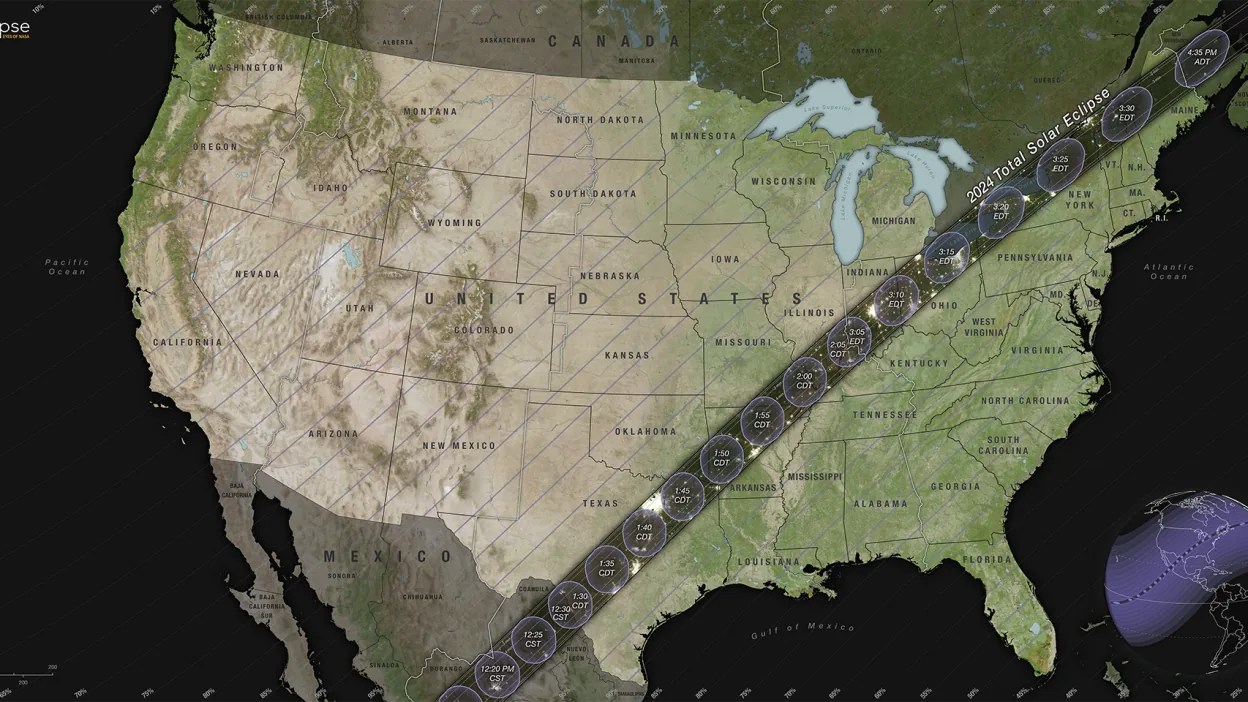
Use the Helioclipse Eclipse Explorer / 3D map to compare whether you are inside totality or outside it, and how far you are from the centerline. Then ask practical questions:
- How far is the walk from parking to viewing?
- Is there real shade, not just a hope of shade?
- Can you sit comfortably for a long wait?
- Is there a bathroom nearby?
- Can you leave quickly if symptoms start building?
- Will you be stuck in a traffic trap after sunset?
If you are planning around Spain specifically, our guide to 2026 totality in Spain: path basics, timing, and what “on the centerline” really means can help you think through those tradeoffs without obsessing over tiny duration gains.
Shade, seating, and the “cool-down radius” rule
One of the simplest planning upgrades is to define your cool-down radius before eclipse day. In plain language: how far can you comfortably go before you can sit, cool off, hydrate, and reassess?
For some people that radius is a few minutes’ walk. For others it needs to be measured in seconds, not minutes. There is no shame in that. It is useful information.
Phys.org’s eclipse safety coverage, drawing on Mayo Clinic advice, emphasizes sunscreen, broad-brimmed hats, breathable clothing, shade, and hydration during long periods outside. Those are not cosmetic add-ons. They are part of preventing heat-related illness.
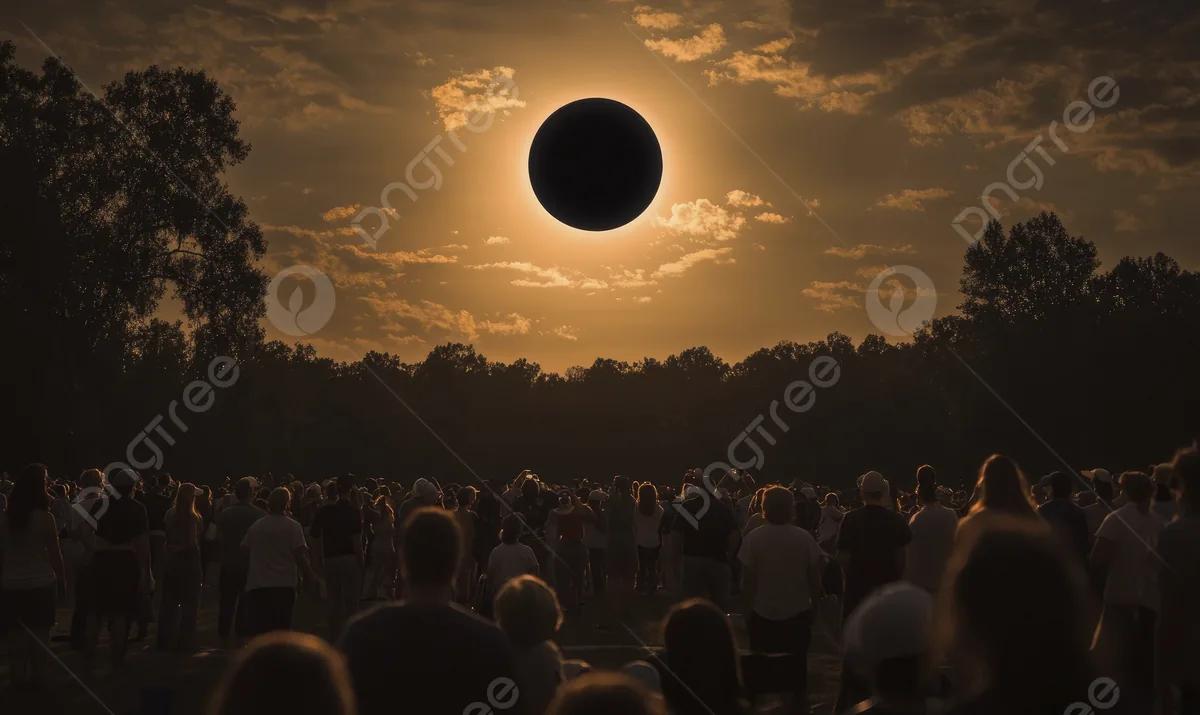
A folding chair is often the highest-value piece of eclipse gear after safe viewers. So is a site where you can stay in partial shade for most of the wait and step into full view only when you need the sky. If you are traveling with family, assign roles: one person tracks timing, one manages water and snacks, one keeps the seating area organized, one watches for signs that someone needs a break.
If you are supporting an older adult, a child, or someone with mobility limits in addition to your own needs, it is worth reading our related guide on cloud cover and eclipse day: how to read the sky and when to move and our broader travel planning coverage in Eclipse travel without the chaos: routes, crowds, and backup plans for 2026. The overlap is real, but your angle here is different: not just crowds and comfort, but symptom prevention and routine protection.
Build an exit plan before you need one
A lot of bad eclipse days happen because people treat leaving as failure.
It is not failure. It is planning.
Your exit plan should answer three questions:
1. When do we call it?
Decide in advance what counts as a stop signal. That might be dizziness, rising pain, confusion, nausea, unusual fatigue, overheating, a missed medication window, or simply the feeling that you are starting to slide. If you wait until things are unmistakably bad, you have waited too long.
2. Where do we go?
Name the nearest cool indoor place, shaded vehicle, hotel, visitor center, café, pharmacy, or medical facility before the event starts. Save it offline. Do not assume mobile service will be great in a crowd.
3. Who knows the plan?
Tell your group. If you say, “If I need to leave during the partial phases, we leave,” that is not being difficult. That is being clear.
The CDC also recommends checking on people at risk during extreme heat and making sure they have access to cooling. That is especially relevant on eclipse day because everyone’s attention is pulled skyward. Make a point of looking at each other, not just at the Sun.
Eye safety still matters when comfort planning is the focus
When people are tired, overheated, or distracted, mistakes get easier.
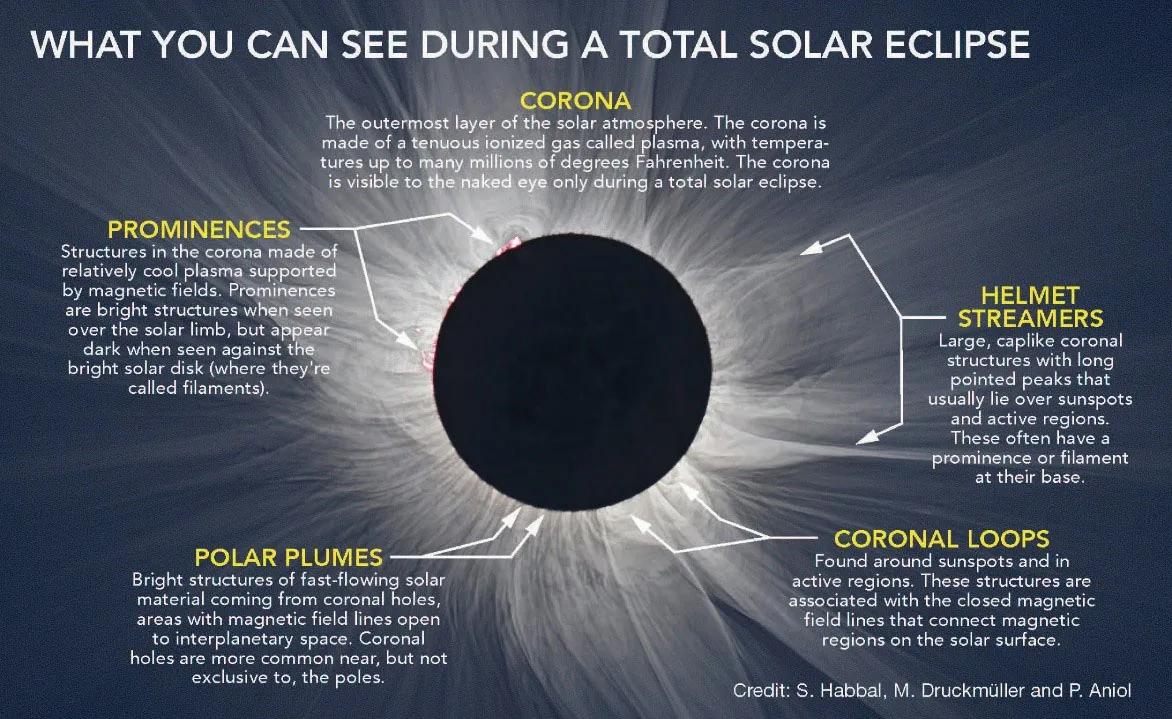
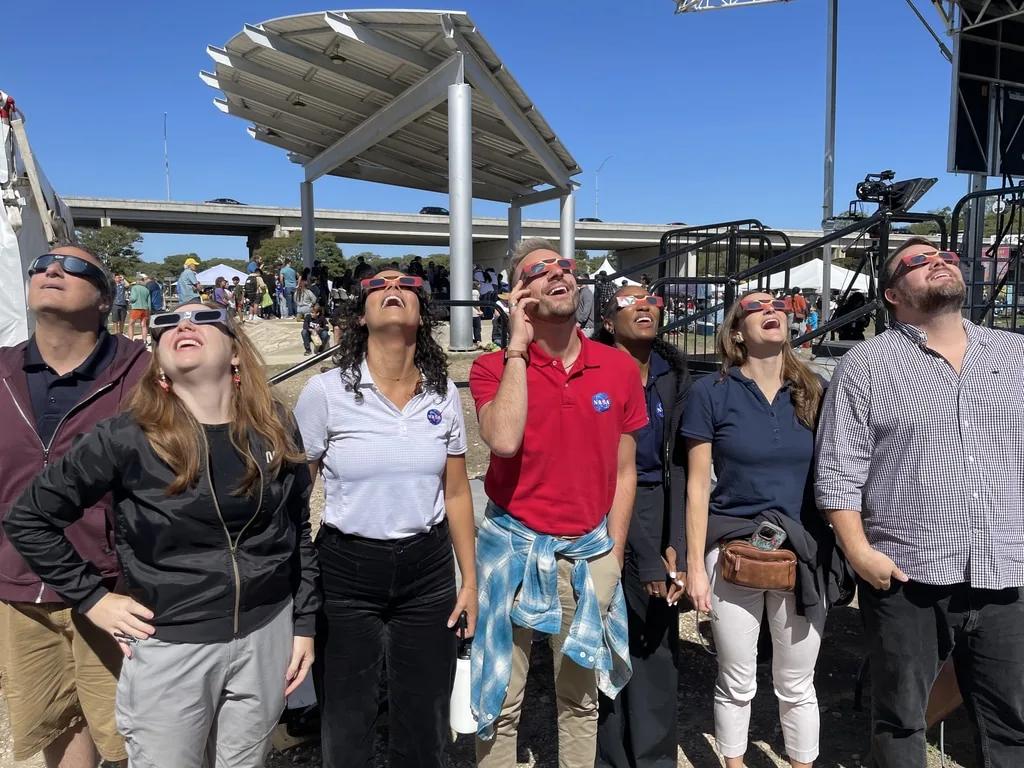
The American Astronomical Society and NASA are both clear: except during the brief total phase of a total solar eclipse, when the Moon completely covers the Sun’s bright face and only if you are inside the path of totality, you need proper solar viewing protection to look directly at the Sun. During a partial eclipse, or outside totality, there is no safe unprotected moment.
That means your comfort plan should reduce rushed behavior. Keep viewers easy to reach. Inspect them before use. Supervise children. Do not try to look through binoculars or a camera while wearing eclipse glasses unless the optics themselves have the correct front-mounted solar filter.
This is also a good place to clear up a strange search phrase: what is the eclipse treatment planning system? In medical settings, “Eclipse” can refer to a radiation treatment planning platform. That is unrelated to solar-eclipse viewing. For eclipse day, the planning system you need is much simpler: shade, seating, hydration, timing, safe viewers, medication storage, and a clean exit.
If you want a plain-language refresher on when viewers stay on and when they can come off during totality, read When glasses on, when glasses off: eclipse phases explained for first-time viewers.
What to watch for if the day starts going wrong
We are not diagnosing anything here, but it helps to know the broad warning signs of heat stress and escalating trouble. CDC and clinical heat-safety guidance consistently point readers toward symptoms such as dizziness, fainting, nausea, headache, heavy sweating, weakness, confusion, or skin changes depending on the situation.
If you are wondering about health issues eclipse planning, this is the practical version: do not argue with early warning signs. Move to a cooler place. Sit or lie down if needed. Follow the advice you have already been given by your own clinician for symptom management. Seek urgent medical help when symptoms are severe or escalating.
The internet is full of broad questions like what are the 5 stages of heat stress? or how to flush out heat from the body? Those can oversimplify a real situation. What matters more on eclipse day is recognizing that overheating and dehydration can worsen quickly, especially when you are distracted, standing in sun, or trying not to “ruin the day” for others.
A good group norm is this: anyone can call for shade, water, a sit-down, or an early departure without debate.
You do not need to watch continuously
This is one of the most freeing pieces of official eye-safety guidance. The AAS notes that partial phases move slowly, and there is no point in staring continuously. Brief glances every few minutes are enough to see the Moon’s progress across the Sun.
That matters for comfort. Sit in the shade. Look up briefly with your viewers on. Look away. Cool down. Reset. If you are using safe filters, NASA’s eclipse FAQ also notes that looking away frequently can help reduce discomfort from the Sun’s heat while viewing.
In other words, chronic illness heat eclipse day planning is not about maximizing every second of exposure. It is about protecting the experience that matters most.
A sample low-friction eclipse-day plan
If you want a template, here is a calm version that works for many people:
The day before
- confirm your site, parking, toilets, and shade options
- check weather and heat alerts
- pack water, food, seating, cooling items, and viewers
- set medication reminders
- store medicines as directed by the manufacturer
- tell your group what your exit triggers are
Arrival
- get there early enough to avoid a rushed setup
- choose the shortest practical walk, not the most dramatic photo spot
- set up chairs first, then everything else
- identify your nearest cool-down location immediately
During the partial phases
- stay in shade as much as possible
- use viewers for brief checks rather than constant watching
- drink and eat on schedule, not “later”
- reassess how you feel every 20 to 30 minutes
Near totality, if you are inside the path
- move into your best viewing position only when needed
- keep viewers on until totality actually begins
- enjoy the main event without rushing
- put viewers back on as soon as the bright Sun reappears
After the peak
- do not assume the hard part is over
- traffic, fatigue, and heat can still be the toughest stretch
- leave early if your body is telling you to leave early
That is the opposite of “push through it,” and it is often how people end up having a better day.
Planning with family, friends, and caregivers
If you are not going alone, share the plan now, not in the parking lot.
Tell people what helps you stay well. Maybe that is a seat with back support, a predictable snack time, a shaded wait, a shorter walk, or the freedom to leave before everyone else. Most groups do better when expectations are explicit.
This is also where buying gear early helps. If your group still needs eclipse viewing glasses, do not leave it to the last week. People often search for eclipse glasses nasa approved, but NASA does not approve specific brands; what matters is using special-purpose solar viewers that conform to ISO 12312-2 and buying from a trustworthy source. Our solar eclipse glasses page keeps that step simple.
And if someone in your group is bringing infants, older adults, or multiple people with different heat tolerance, plan the day around the most heat-sensitive person, not the most enthusiastic one.
The goal is not toughness. It is being there for the part that matters.
A total solar eclipse can be one of the most moving things you will ever see. A deep partial eclipse can still be worth real effort. But neither experience requires self-neglect.
The strongest version of chronic illness heat eclipse day planning is not a harder plan. It is a kinder, more precise one.
Pick the site you can actually manage. Bring the chair. Protect your meds from heat. Keep your routine as intact as possible. Build in shade, water, and an exit. Tell your people the plan. Then let the sky do its part.
Expert Advice: Solar Eclipse's Effect on Arthritis
Dr. Diana Girnita - Rheumatologist OnCall
Frequently asked questions
How should I plan an eclipse day if I have a chronic condition?
Plan around your body, not around a “push through it” mindset. The article recommends reducing friction early by choosing a site with shade and toilets, protecting your routine, knowing where you can cool down, and leaving yourself an easy way out.
What should I know before using a chronic illness heat eclipse day planning guide?
Treat the eclipse as a long outdoor event, not a short stop. Hot weather can be especially risky for people with chronic conditions, and some medications can make heat effects worse, so planning should start with realistic conditions on the ground.
What is the safest way to watch a solar eclipse outdoors?
The safest approach is to build in protection from the sun and heat for the whole day, not just the moment of totality. The article says to use shade, hats, and protective clothing, and to make sure you have a place to cool down and an easy way to leave if needed.
How should I choose a viewing location if the weather may be hot or the view may be limited?
Compare locations before you commit, and pick the one that best fits your needs rather than the one that sounds most dramatic. The article recommends using a map tool to compare sites and prioritizing shade, toilets, and a practical way to manage heat and crowds.
What mistakes do first-time eclipse viewers often make?
A common mistake is assuming you can just endure the day and deal with problems later. The article warns against long walks from parking, missed medication timing, crowded restrooms, nowhere to sit, and staying put “just a little longer” when you should be leaving.
On-site next steps
- Explore your location in the Helioclipse Eclipse Explorer / 3D map to compare total vs partial viewing, path position, and whether a slightly different site gives you an easier setup or exit.
- If your group still needs safe viewers, shop Helioclipse solar eclipse glasses and order early so eye protection is one less thing to worry about.
- For more planning help, browse the Helioclipse blog for guides on eclipse phases, travel backups, weather decisions, and family safety.
Sources & further reading
- Heat and Chronic Conditions | Heat Health
- How to Manage a Chronic Illness in the Summer Heat
- Tips to safely watch the total solar eclipse
- How to see the April 8 eclipse: A step-by-step planning guide
- 10 tips for planning your 2026 solar eclipse trip
- How to View a Solar Eclipse Safely
- Eclipse Viewing Safety
- Total Solar Eclipse FAQ
- Eclipses Frequently Asked Questions
- How to observe the sun safely (and what to look for)