Volunteer stewards and educators: crowd-energy management without becoming the ‘fun police’
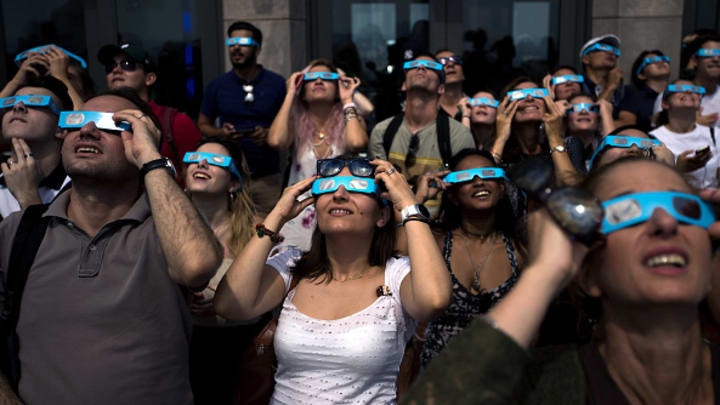
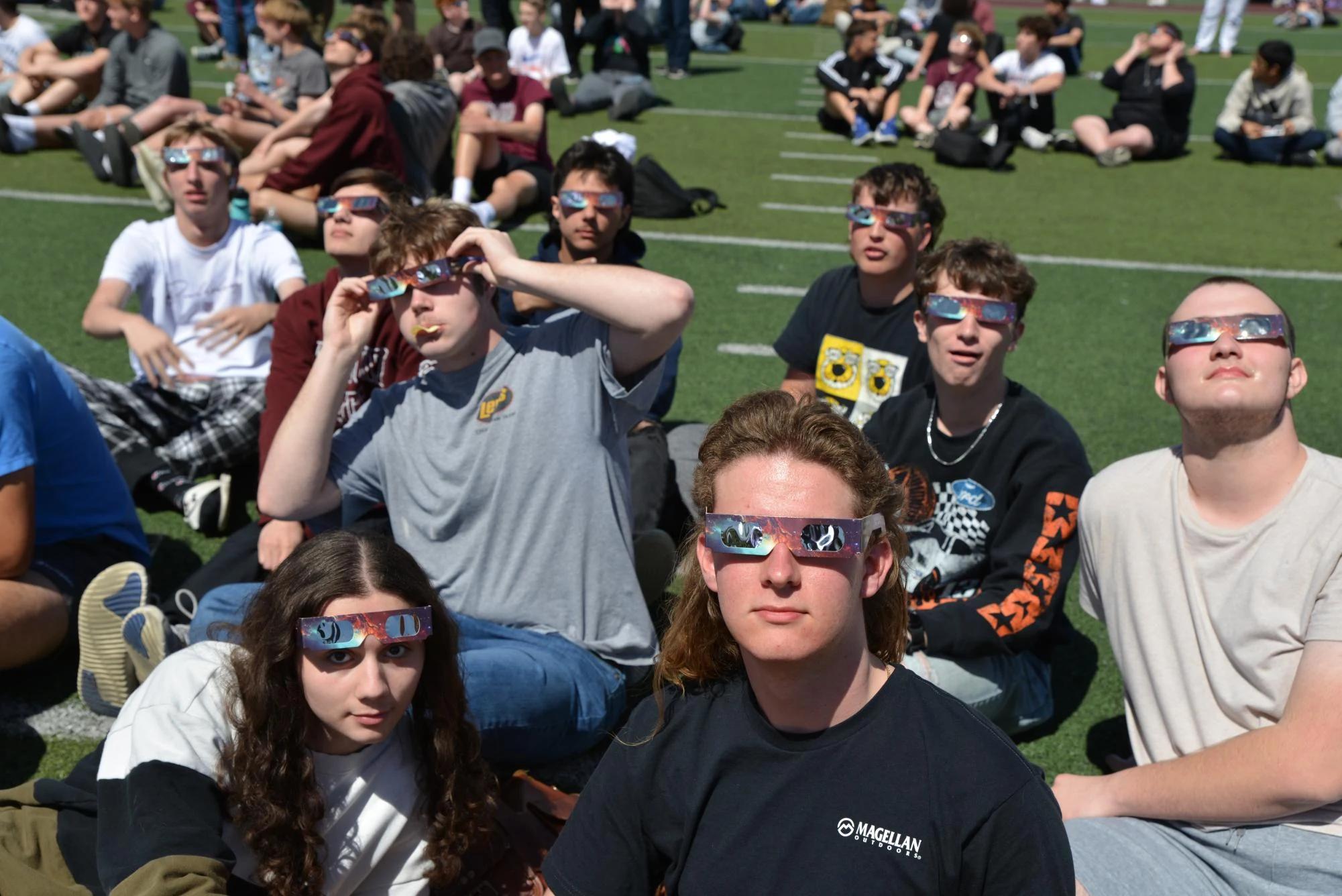
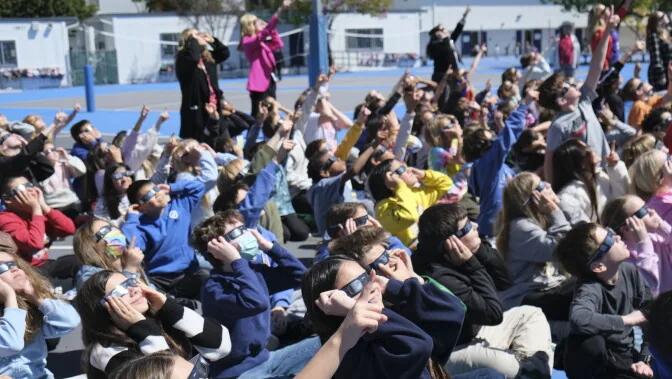
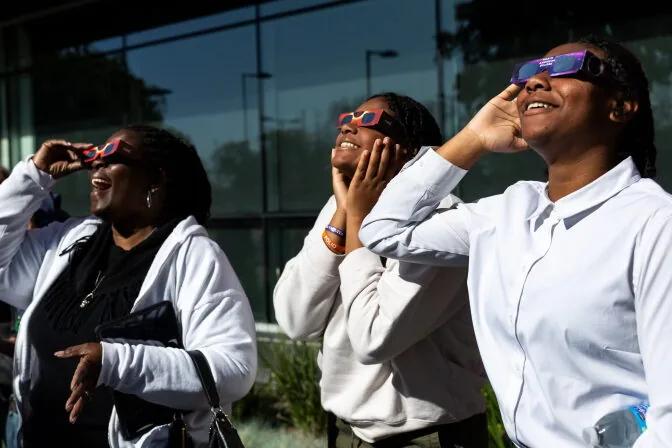
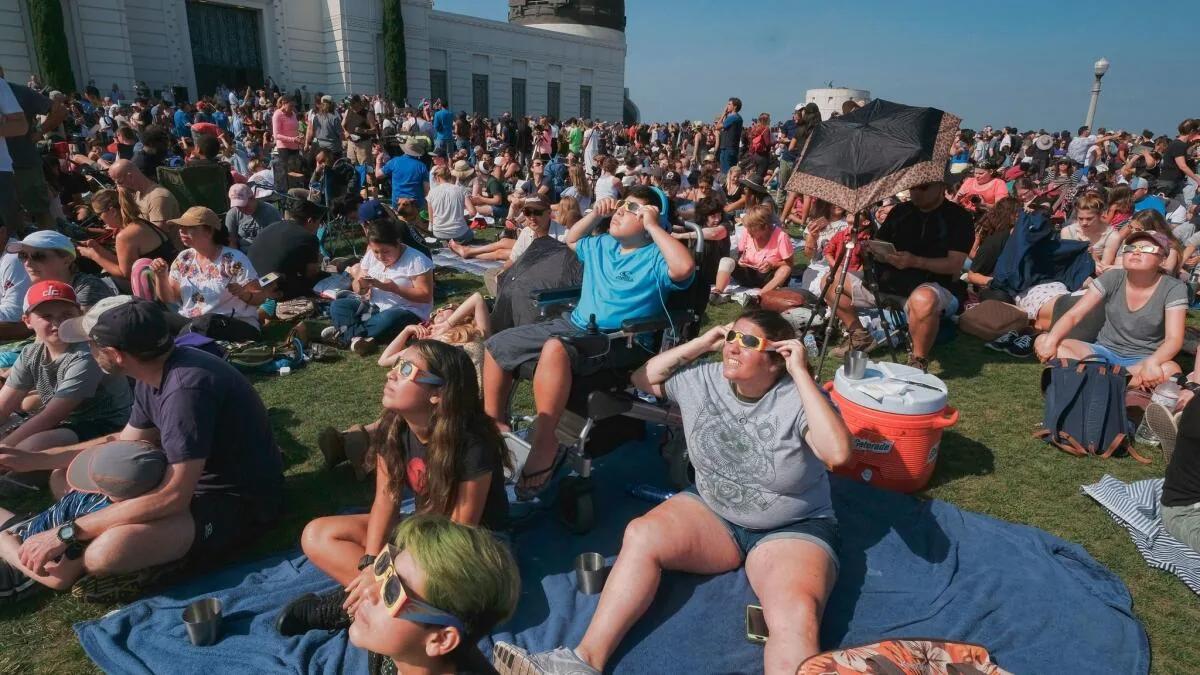
A solar eclipse crowd is not an ordinary audience. People arrive carrying picnic blankets, cameras, restless children, half-remembered safety advice, and enough anticipation to turn a quiet field into a festival. As the light changes, conversations stop. During totality, if your site is inside the path, thousands of people may react at once.
Good stewardship preserves that energy instead of suppressing it. An eclipse volunteer should be visible, approachable, and consistent: someone who can point out the toilets, keep an access lane clear, repeat a short eye-safety message, and know exactly whom to call when a situation exceeds a non-medical role.
This eclipse event volunteer safety steward training 2026 guide is designed for that practical middle ground. It is not a substitute for the organizer’s approved event plan, local emergency procedures, safeguarding policy, or professional medical training. It gives volunteers a shared way to welcome, remind, redirect, and refer.
For the August 12, 2026 eclipse, organizers should also confirm whether their venue is inside the narrow path of totality or will see only a partial eclipse. Greenland, Iceland, northern Russia, parts of Spain, and a small corner of Portugal lie along the total-eclipse path, while much of Europe and other parts of the Northern Hemisphere will see a partial eclipse. Use our Eclipse Explorer to check the geometry for the actual venue rather than building a safety script around a country name alone.
Define the role before handing out a high-visibility vest
The best eclipse event staffing plan starts with boundaries. Volunteers are there to help the public navigate the event, not to invent policy, diagnose illness, physically enforce rules, or give instructions that contradict the control room. A written role card should state what each person may do, what they must not do, and how they contact a supervisor.
A steward’s ordinary tasks may include:
- welcoming visitors and explaining the layout;
- pointing out water, shade, toilets, exits, first aid, accessible viewing areas, and information points;
- keeping established cordons, emergency routes, and equipment zones unobstructed;
- sharing the organizer-approved solar-viewing message;
- watching for crowd-flow problems and reporting them early;
- following the venue’s lost-child and vulnerable-person procedure;
- referring medical, security, safeguarding, or technical issues to the designated professionals;
- helping with calm dispersal after the eclipse.
Eclipse event staff should not be told simply to “use common sense.” Common sense varies under pressure. A named supervisor, a working radio or other communication method, a site map, and specific escalation triggers are much more dependable.
That distinction matters especially when a volunteer is also a teacher, nurse, police officer, or astronomer in everyday life. Unless the event has formally assigned that professional function, the person should operate within the role given for the day. Expertise can help someone recognize a concern, but the event’s command and referral structure still applies.
Build a briefing people can actually remember
Effective eclipse event volunteer safety steward training does not require an hour of policy slides. It requires a short live briefing, a walk around the site, opportunities to practise key phrases, and a one-page reference card. Volunteers should know the plan well enough to act without pretending to know everything.
A useful briefing covers seven points:
- Who is in charge? Name the shift lead and the people responsible for medical response, safeguarding, security, astronomy, accessibility, and site operations.
- How do we communicate? Test radios or phones, define channel discipline, and establish a backup if the network becomes congested.
- Where are the essentials? Physically visit entrances, exits, toilets, water, shade, first aid, family-reunification points, accessible areas, and emergency lanes.
- What is the viewing rule? Rehearse one approved eye-safety script and identify the astronomer or science lead who handles detailed questions.
- What triggers escalation? Give concrete examples: a collapsed attendee, a missing child, smoke, a damaged barrier, a blocked emergency route, aggressive behavior, or an unsafe telescope setup.
- What changes near maximum eclipse or totality? Set positions, cordon checks, announcement cues, and post-eclipse duties in advance.
- When does the shift end? Include relief, breaks, equipment return, incident notes, and a short debrief.
An eclipse safety powerpoint can support this briefing, but it should not become a wall of text read aloud. An eclipse safety presentation works best when it shows the site map, the command structure, the approved viewing sequence, and two or three realistic scenarios. Then take volunteers outside and rehearse them where they will work.
Internal labels also need explanation. If a rota or radio list uses a code such as ecl volunteer, every person must know what it means, which zone it covers, and who supervises it. Abbreviations that are obvious to planners can be meaningless to someone joining for a single shift.
Manage the energy, not the personality
Crowd management often fails when every instruction sounds like a reprimand. Most visitors are not trying to cause trouble; they are looking for the best view, trying to keep their group together, or copying what someone else has done. Begin with the shared goal, make the request specific, and offer a workable alternative.
Instead of “You can’t stand there,” try: “We need to keep this lane open for emergency access. There’s a clear viewing area just beyond the blue flag.” Instead of shouting “Stop running,” a family-zone steward might say: “Please walk here—the ground cables start beside the barrier.” The rule stays intact, but the person hears a reason and a next step.
Use the lightest intervention that works:
- Welcome: Make eye contact and establish that you are there to help.
- Remind: State the relevant instruction briefly and calmly.
- Redirect: Point to the safe or permitted alternative.
- Refer: Call the appropriate lead when the issue involves refusal, aggression, illness, safeguarding, or a decision outside your authority.
Consistency matters more than sternness. If one steward allows people to cross a cordon while another blocks them, the second volunteer looks arbitrary. Supervisors should circulate, answer edge cases quickly, and update the whole team when instructions change.
Remember that accessibility is not an inconvenience to crowd flow. Keep step-free routes usable, do not move mobility equipment without permission, and communicate announcements in the formats the organizer has planned. A person may need more time or a different route without owing a volunteer a medical explanation.
Give one calm, accurate eye-safety message
Volunteers do not need to deliver a lecture on retinal biology every time someone approaches. They do need wording that agrees with the American Astronomical Society and NASA.
A suitable public script is:
> Use special-purpose solar viewers that conform to ISO 12312-2 whenever any part of the Sun’s bright face is visible. Ordinary sunglasses are not safe. Inspect the viewer before use and discard it if it is torn, punctured, scratched, or otherwise damaged. Supervise children. Never look at the Sun through an unfiltered camera, telescope, or binoculars, and do not place eclipse glasses between your eyes and a magnifying optical device.
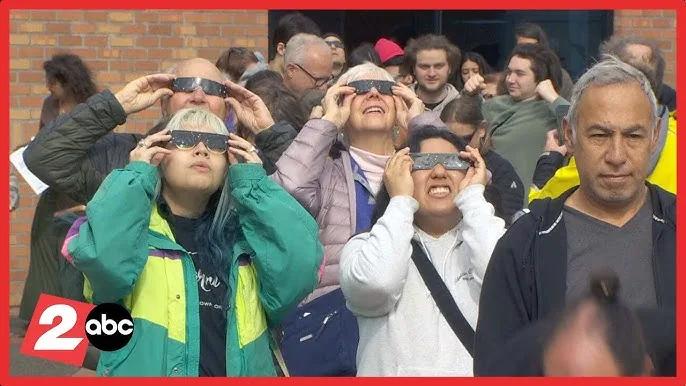
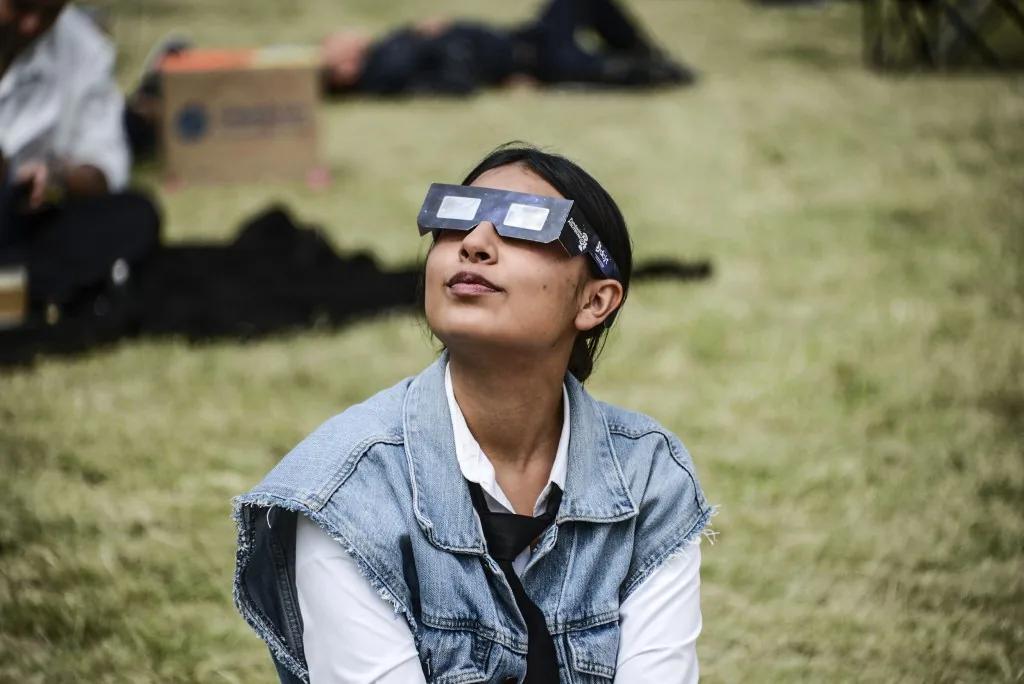
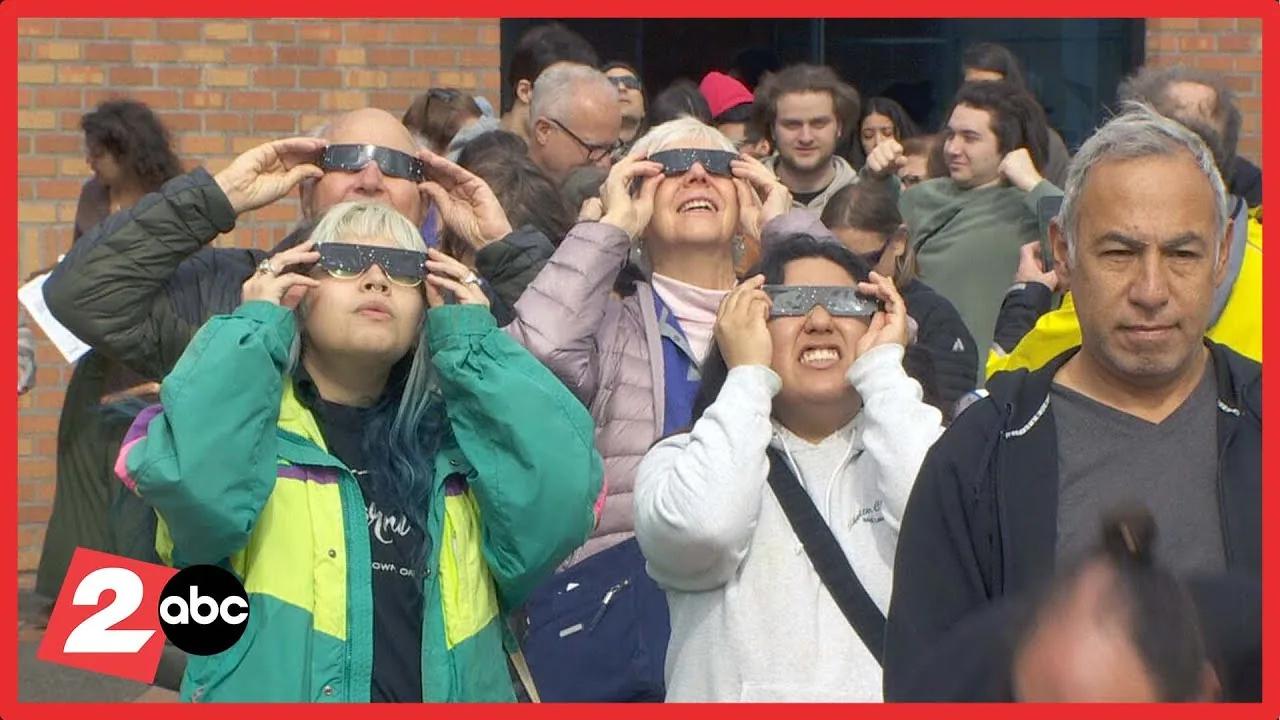
At a partial or annular eclipse, that rule applies throughout the event: there is no glasses-off phase. At a total solar eclipse, unaided viewing without a solar viewer is appropriate only during the brief total phase, when the Moon completely covers the Sun’s bright face, and only from inside the path of totality. Viewers must go back on as soon as the bright Sun begins to reappear.
The event’s astronomy lead should control any totality countdown and glasses-off/glasses-on announcements. Individual stewards should not estimate contact times from the dimness of the sky. A site outside the path can become dramatically darker while remaining partial, and even a very deep partial eclipse never becomes safe for direct, unfiltered viewing.
Our guide to eclipse phases and when to use solar glasses can help teams understand the sequence before they teach it. Organizers should also rehearse what to say if clouds part unexpectedly: the viewing rule depends on whether the bright Sun is visible, not on how cloudy the day has generally been.
Procurement language deserves care too. Phrases such as approved solar eclipse glasses or eclipse glasses nasa approved can create a false impression that NASA endorses individual products; NASA explicitly says it does not approve particular brands. The relevant product claim is conformity with ISO 12312-2, supported by responsible sourcing and the manufacturer’s information—not a NASA logo or a marketplace headline. Our ISO 12312-2 explainer covers what the standard does and does not mean.
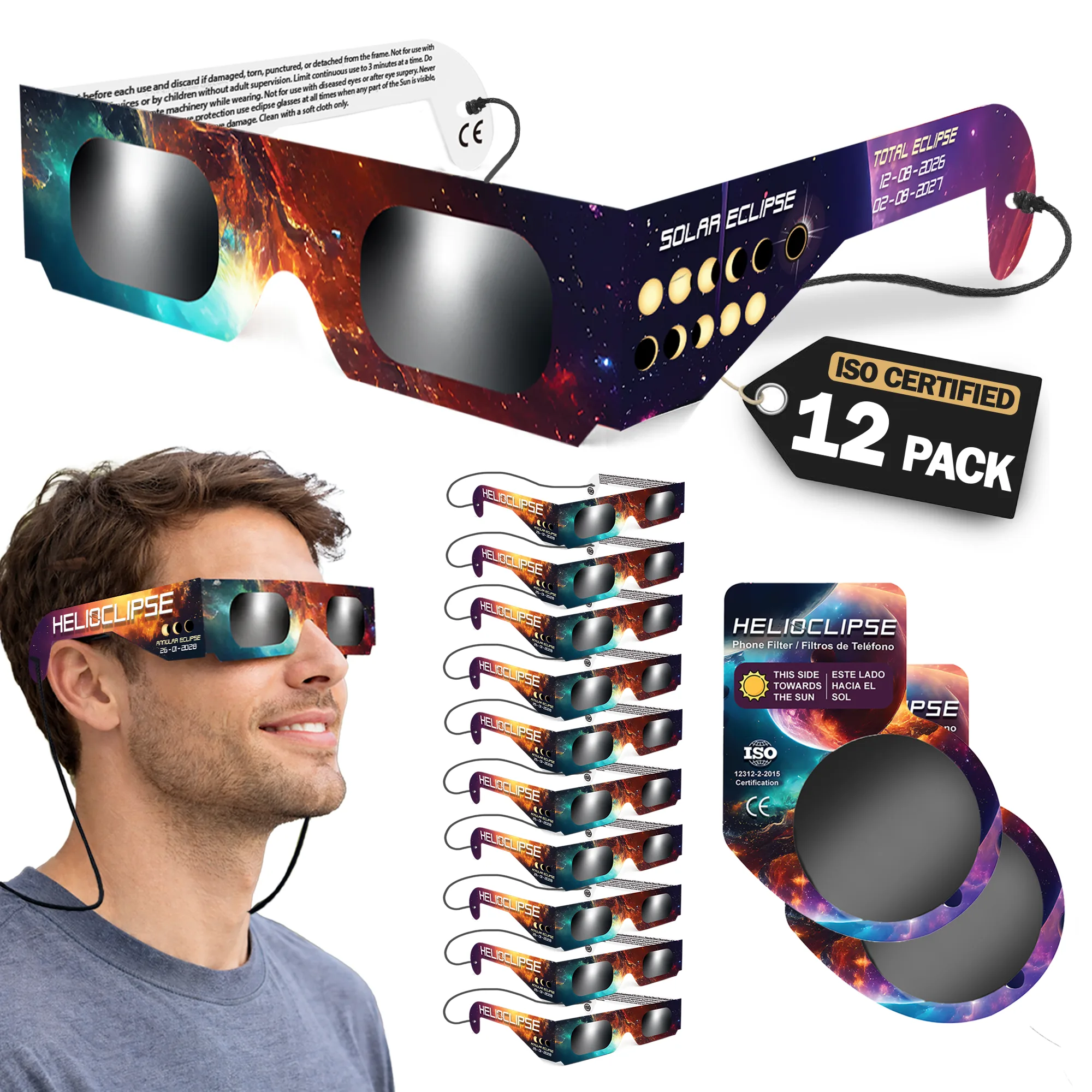
When organizers need solar eclipse glasses iso 12312-2 certified for planned distribution, source them early, retain purchasing records, keep them dry and protected from damage, and decide who will distribute them. You can review Helioclipse solar eclipse glasses when preparing your event supply plan.

Comfort reminders are useful; medical improvisation is not
Eclipse events can keep people outdoors for hours. NASA’s event-planning guidance highlights drinking water, shade or a cool break area, adequate toilets, hats, sunscreen, and other ordinary outdoor preparations. Stewards can point to those facilities and offer friendly reminders without diagnosing anyone.
Useful language includes: “Water is available beside the information tent,” “The shaded rest area is behind the library stand,” or “You have been in direct sun for a while—would you like me to show you the cool area?” These are offers and directions, not medical judgments.
If someone appears seriously unwell, collapses, reports sudden vision changes, has difficulty breathing, or shows another condition covered by the event’s emergency triggers, contact the designated medical team or emergency service immediately according to the organizer’s plan. Give the location, the observable situation, and any immediate hazards. Do not speculate about a diagnosis over the radio, promise an outcome, or delay referral while looking for a supervisor who is not the medical contact.
The same principle applies to eclipse safety at work. A workplace viewing session still needs a responsible organizer, a known emergency process, suitable viewing equipment, safe access, and clear instructions. Calling an activity informal does not make planning unnecessary.
Volunteers need breaks too. A dehydrated, hungry, or overstimulated steward is more likely to miss a radio call or speak sharply to a visitor. Rotas should include water access, shade, toilet breaks, and relief during the eclipse so nobody feels forced to abandon a post without cover.
Lost children and vulnerable people: follow the local plan exactly
A missing child is not the moment to invent a search system. The organizer’s safeguarding and reunification procedure must define who receives the report, what details are collected, how staff communicate without broadcasting sensitive information, where reunification happens, and which trained person verifies the collecting adult’s identity.
A front-line steward’s first actions should be simple: remain calm, stay with the child or reporting adult when safe to do so, alert the designated safeguarding contact through the approved channel, and follow instructions. Do not post a child’s image or identifying details on personal social media. Do not take a child to an improvised meeting point, conduct an unsanctioned vehicle search, or hand the child to someone merely because that person appears familiar.
Organizers should decide in advance whether terms such as “lost child,” a neutral radio code, or another phrase will be used. They should also plan for adults who become separated from carers or support workers. Whatever system is chosen, volunteers must practise it and know that safeguarding information is shared only with those who need it.
Family groups can reduce risk by agreeing on a visible meeting point before the eclipse begins. Educators can make that part of the welcome: “If your group becomes separated, speak to anyone in this color vest and meet at the signed family point.” It is practical, non-alarming, and far more useful than waiting for a separation to happen.
Choreograph the most intense ten minutes
Even when partial phases last for hours, attention concentrates around maximum eclipse. At a total-eclipse site, the final minutes before totality add rapidly changing light, excited movement, camera adjustments, and a strong temptation for volunteers to watch the sky instead of their zone. The operations plan should acknowledge that human reality.
Schedule a final position check well before the critical phase. Confirm that emergency lanes and accessible routes are open, barriers are stable, radio contacts work, children’s activity areas are settled, and optical equipment is supervised by competent operators. Distribute viewers before the crowd becomes focused on the sky, not during the last frantic minute.
The science lead should give short, timed announcements. Stewards reinforce them rather than creating competing countdowns. For a partial event, the message remains “viewers on for every direct look.” For a total event, only the official cue should mark the beginning and end of the brief naked-eye totality window.
After maximum eclipse or totality, expect movement. Some people will leave immediately even though the eclipse is not over. Others will remain to watch the later partial phases. Keep exit lanes distinct from viewing areas where possible, maintain eye-safety reminders while the bright Sun is still partly covered, and avoid dismantling cordons before the operations lead gives approval.
A field checklist for volunteer leads
Before visitors arrive
- Sign in every volunteer and record the assigned zone and supervisor.
- Walk the site rather than relying only on a diagram.
- Test primary and backup communications.
- Identify water, shade, toilets, first aid, exits, accessible routes, reunification points, and emergency access.
- Inspect public cordons and report defects instead of attempting unapproved repairs.
- Confirm the event’s exact eclipse type and official timing source.
- Rehearse the eye-safety script and escalation phrases.
- Check that viewer-distribution teams understand stock control and damaged-item disposal.
- Explain break arrangements and shift handovers.
While the public is present
- Welcome first; correct behavior without humiliation.
- Keep directions short and point to a clear alternative.
- Monitor bottlenecks before they become confrontations.
- Give hydration and shade reminders without making diagnoses.
- Supervise viewer use by children in the manner assigned by the organizer.
- Report damaged cordons, blocked emergency routes, unsafe optics, or changing conditions.
- Follow the approved lost-child procedure exactly.
- Refer medical, security, and safeguarding incidents promptly.
- Record significant incidents through the official system, not personal messaging accounts.
After the main viewing moment
- Stay at the assigned post until released.
- Continue solar-viewing reminders during all remaining partial phases.
- Support the planned exit flow and keep emergency access open.
- Return radios, vests, signs, and unused supplies.
- Report damaged viewing equipment separately so it cannot be redistributed.
- Join a short debrief: what happened, what was escalated, and what should change next time?
Volunteer-management questions worth answering honestly
“What are the 3 r's of volunteer management?” has no single universal answer. A common organizational model is recruitment, retention, and recognition. For eclipse-day operations, we add a practical memory aid: remind, redirect, and refer. Remind visitors of the agreed rule, redirect them toward a safe alternative, and refer anything outside the volunteer role.
“What are the skills of volunteer management?” is best answered through observable behavior rather than personality labels. Strong team leads give clear instructions, listen, assign realistic roles, make information accessible, notice fatigue, resolve contradictory messages, and thank people specifically for what they contributed. Strong volunteers communicate calmly, follow procedure, maintain boundaries, and escalate early.
The question “how can i prepare for the eclipse?” should be answered for both visitors and staff. Check the event’s local circumstances and timing, learn whether the site will experience totality or only a partial eclipse, arrange viewers and facilities early, make a weather and crowd plan, and share the essential instructions before event day. For 2026 planning, our complete August 12 eclipse guide provides broader context.
Likewise, “do and don'ts during eclipse?” should lead to a concise operational answer. Do use suitable solar viewers whenever the bright Sun is visible, inspect them, supervise children, drink water, follow cordons, and ask stewards for help. Do not use ordinary sunglasses, look through unfiltered magnifying optics, cross restricted areas, or assume that a dark sky means totality has begun.
The best practice in volunteer management is not relentless control. It is preparation that lets people be warm and flexible without becoming inconsistent. Recruit enough people, give them usable information, support them through the shift, and make escalation feel like competent teamwork rather than failure.
How to Pick Safe Eclipse Glasses for Any Solar Eclipse
Natural Portraits Global
Frequently asked questions
What are the most important safety actions for volunteers during an eclipse event?
Stay visible and approachable, keep access lanes and established cordons clear, and repeat the organizer-approved solar-viewing message. Report crowd-flow concerns early and refer medical, security, safeguarding, or technical issues to the designated professionals.
What should eclipse event stewards do—and avoid doing—while on duty?
Stewards should welcome visitors, explain the site layout, point out essential facilities, and help with calm dispersal after the eclipse. They should not invent policy, diagnose illness, physically enforce rules, or give instructions that conflict with the control room.
How should volunteers prepare before an eclipse viewing event begins?
Volunteers should receive a written role card that defines what they may do, what they must not do, and how to contact a supervisor. They also need a site map, a working radio or other communication method, and clear escalation triggers.
How should an event plan account for weather, visibility, and eclipse type?
Confirm whether the actual venue is inside the path of totality or will experience only a partial eclipse before preparing the safety script. Do not base the plan on a country name alone; the venue’s eclipse geometry should guide the event information.
What mistakes should first-time eclipse viewers and volunteers avoid?
Avoid relying on half-remembered safety advice or assuming that general common sense will be enough under pressure. Visitors should follow the organizer-approved viewing message, while volunteers should use the established reporting and escalation procedures rather than trying to handle situations beyond their role.
On-site next steps
- Estimate attendance and decide how many viewers will be issued, where distribution will happen, and who will supervise it.
- Shop Helioclipse solar eclipse glasses early enough to inspect, store, and organize event supplies before the crowd arrives.
- Use the Eclipse Explorer to verify whether your venue is inside or outside totality and build the correct viewing script.
- Turn the checklist above into a one-page role card, then align every lost-child, medical, evacuation, and incident-reporting step with the host organization’s approved documents.
Sources & further reading
- American Astronomical Society, The Sun, Moon, and You: Guide to Planning Eclipse Events
- American Astronomical Society, Community Solar Eclipse Planning, Second Edition
- American Astronomical Society, 2024 Total Solar Eclipse Planning
- NASA Science, Host a Sun Party
- American Astronomical Society, Eclipses Again Will Darken the Sky in 2023 and 2024
- American Astronomical Society, How to View a Solar Eclipse Safely
- American Astronomical Society, About the ISO 12312-2 Standard for Solar Viewers
- American Astronomical Society, Suppliers of Safe Solar Viewers & Filters
- NASA Science, Eclipse Viewing Safety
- NASA Science, Eclipses