Sensory load and big crowds: eclipse day strategies for neurodivergent kids and adults
A solar eclipse can be one of the most memorable things you ever do together. It can also be a lot: travel, heat, waiting, strangers, cheering, traffic, bright daylight, last-minute schedule changes, and the pressure of not wanting to miss a once-in-years moment.
That mix matters for many families and adults planning around autism and eclipse experiences, ADHD, sensory sensitivities, anxiety, or just a low tolerance for noisy, crowded public events. If you are thinking about autism and eclipse planning right now, the goal is not to force a “perfect” big public outing. The goal is to build a day that is predictable enough, flexible enough, and safe enough that the eclipse is still worth it.
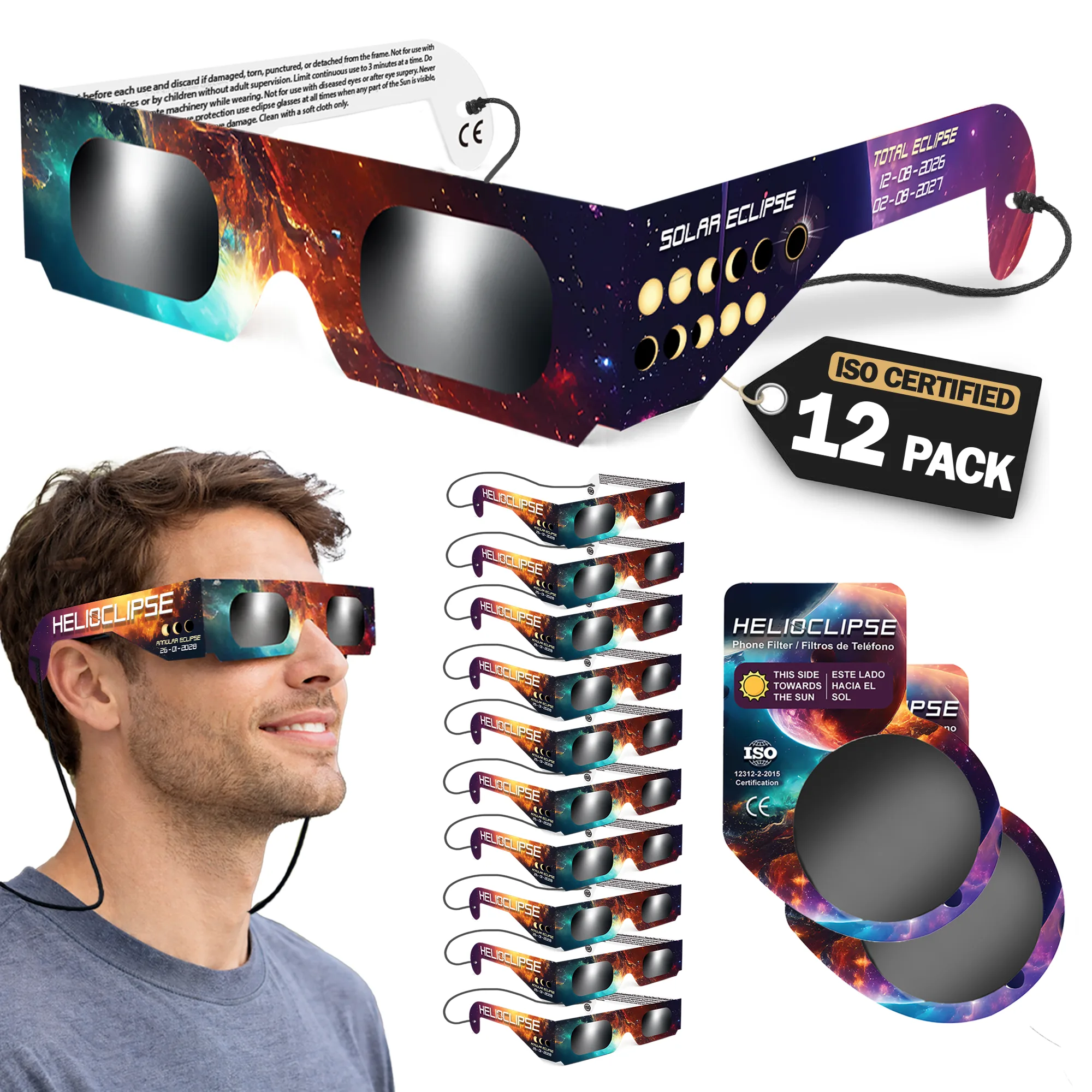
We recommend starting with the Helioclipse Eclipse Explorer / 3D map to choose a viewing spot with fewer unknowns, then making a simple sensory plan before you ever pack the car. For eye safety, keep one rule fixed no matter how the day feels: during any partial phase, viewers stay on. If glasses feel uncomfortable, solve that with breaks in shade, indirect viewing, or stepping away for a few minutes—not by looking at the Sun unprotected. Our guide on when glasses on, when glasses off is worth reading before eclipse week.
Start with the environment, not the person
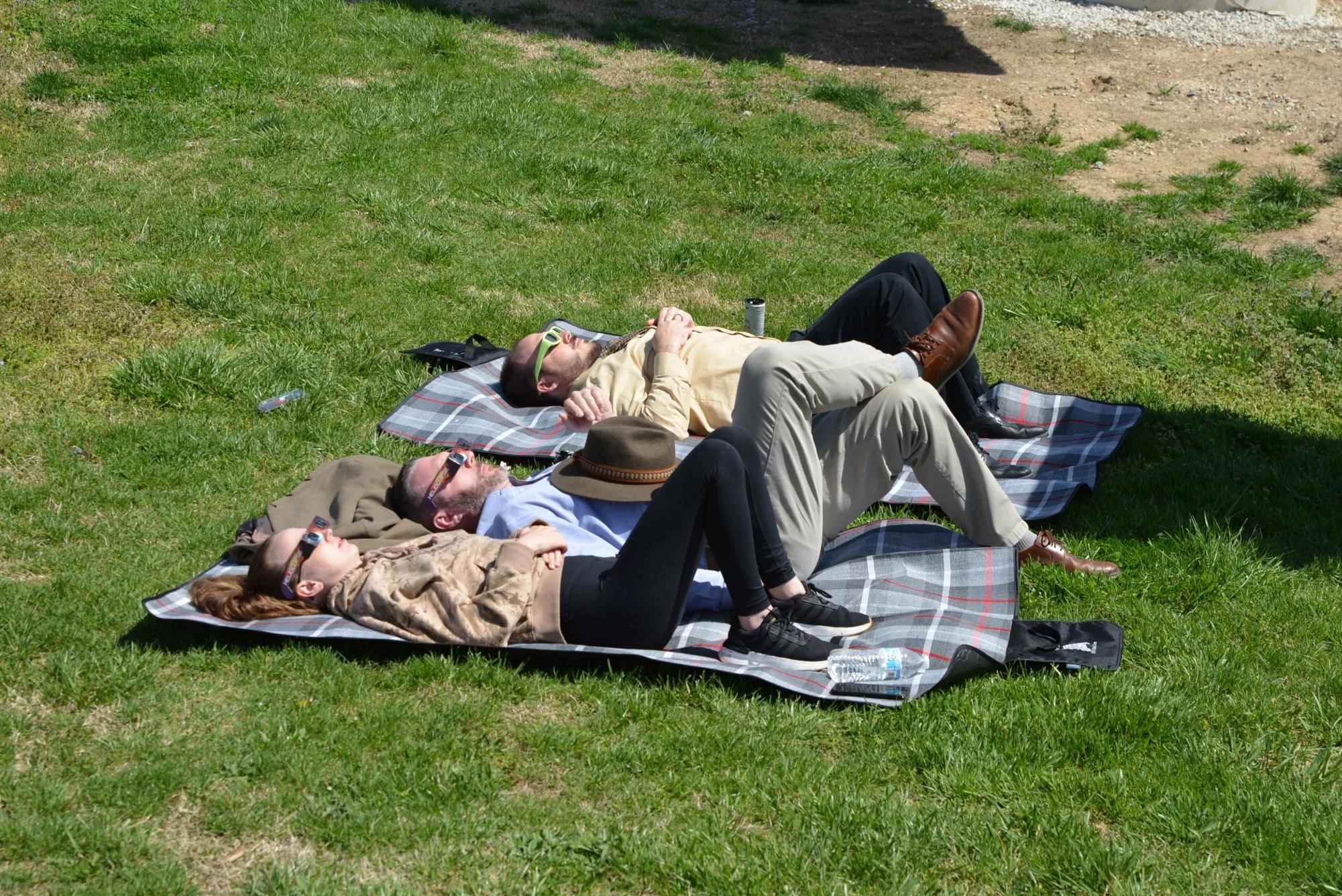
One of the most useful ideas from accessibility and educational psychology is that distress is often shaped by the environment, not by a personal failure to “cope better.” Research on autistic adults in public spaces consistently points to the same pressure points: noise, crowd density, unpredictability, limited escape routes, confusing layouts, judgment from other people, and not enough recovery time.
That is why the best eclipse planning often looks less like therapy language and more like event design. You do not need to medicalize personality to say that a packed town square with amplified announcements, car horns, and shoulder-to-shoulder spectators may be a bad fit for someone who does better with space, control, and a clear exit.
This is the heart of general inclusion strategies from educational psychology / eclipse planning: reduce unnecessary input, increase predictability, offer choices, and make recovery possible. Those same principles help autistic kids, autistic adults, many ADHD viewers, people with migraine triggers, and plenty of non-neurodivergent first-timers too.
In other words, sensory load and big crowds: eclipse day strategies for neurodivergent viewers are not about lowering expectations. They are about making the experience more accessible so the sky can stay the main event.
What can make eclipse day overwhelming?
A lot of eclipse advice focuses on astronomy, weather, and traffic. All of that matters. But from a sensory point of view, the overload often comes from stacking many inputs at once.
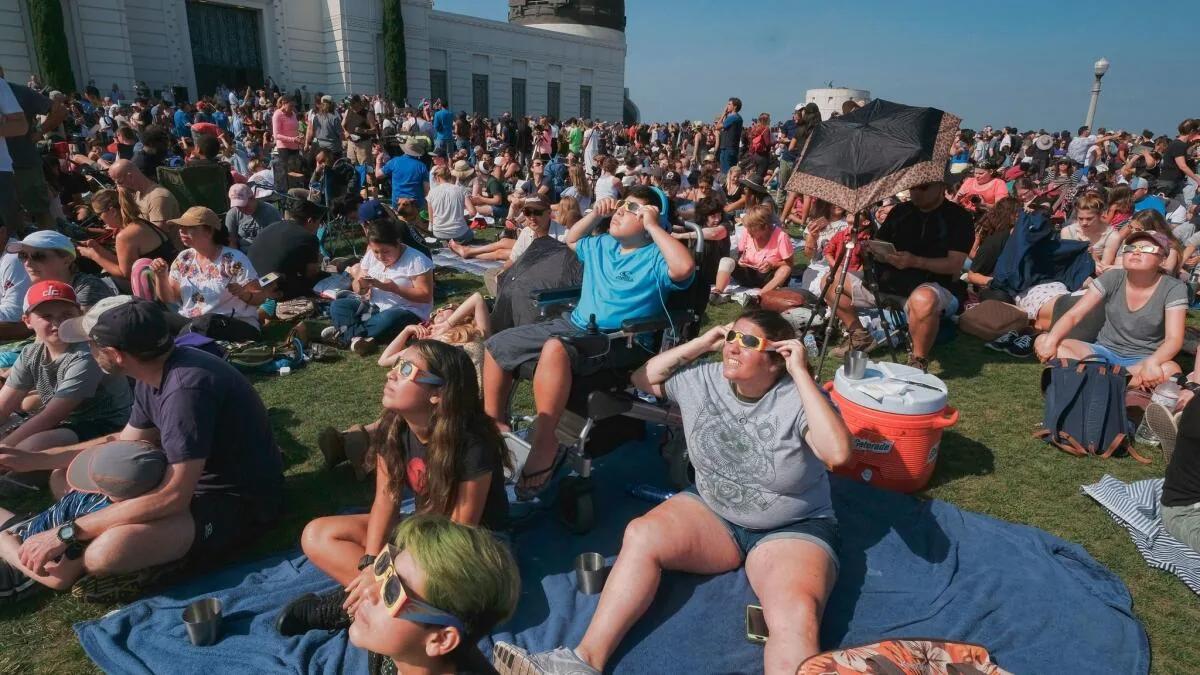
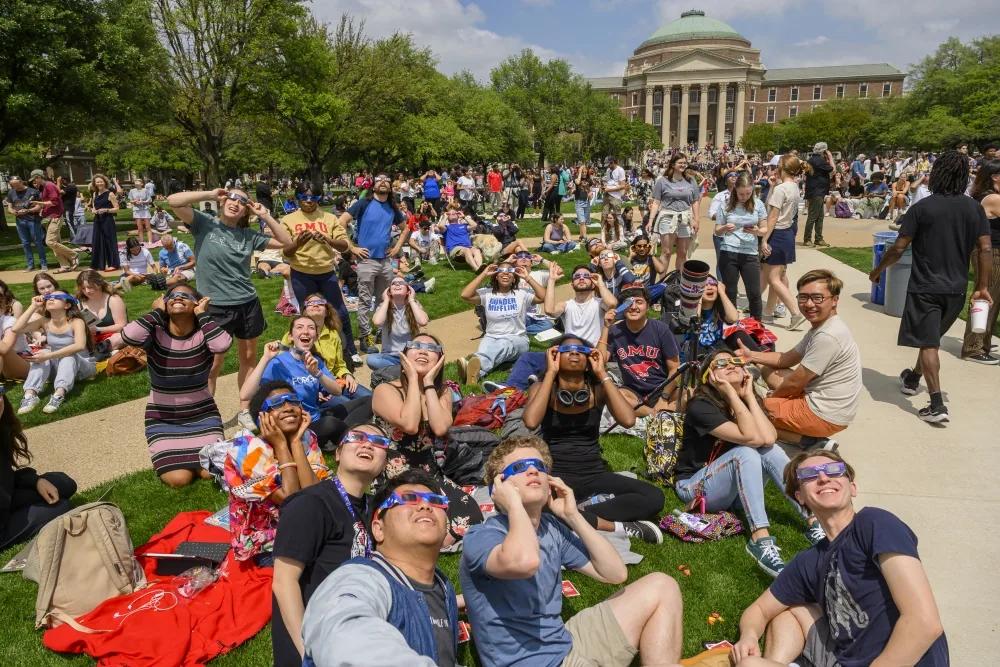
Think about what a public eclipse event can include: bright sun and glare before the eclipse deepens, people talking behind you, children running nearby, loud countdowns, applause at maximum eclipse, scratchy grass or hot pavement, sunscreen smell, portable speakers, drones, sirens, long queues for toilets, hunger, and the stress of waiting for a precise moment. Even if each input is manageable alone, the combination can tip into neurodivergent sensory overload.
That is why autism sensory overload eclipse crowds is a real planning issue, not an overreaction. The crowd itself may not be the only problem. The harder part can be uncertainty: Where do we stand? How long are we staying? What happens if the site gets louder than expected? Can we leave without losing the whole experience?
For some people, the answer is not “avoid the eclipse.” It is “change the setup.” A quieter field edge, a schoolyard instead of a festival stage, a parked-car basecamp, or a backyard watch party can completely change the day.
Pick the viewing site for sensory comfort, not just hype
The best places and timing for autism sensory overload eclipse crowds are usually not the most famous places on social media. They are the places where you can control distance, arrival time, sound level, and exit options.
When you use the Helioclipse map, do not only ask, “Am I in the path?” Also ask:
- Can we arrive early without a stressful queue?
- Is there shade or a nearby indoor fallback?
- Can we watch from the edge of the gathering instead of the center?
- Is there a car, room, or quiet corner available for breaks?
- Can we leave quickly if the crowd mood changes?
- Are we choosing totality because we truly want it, or because we feel pressured to do the biggest possible version?
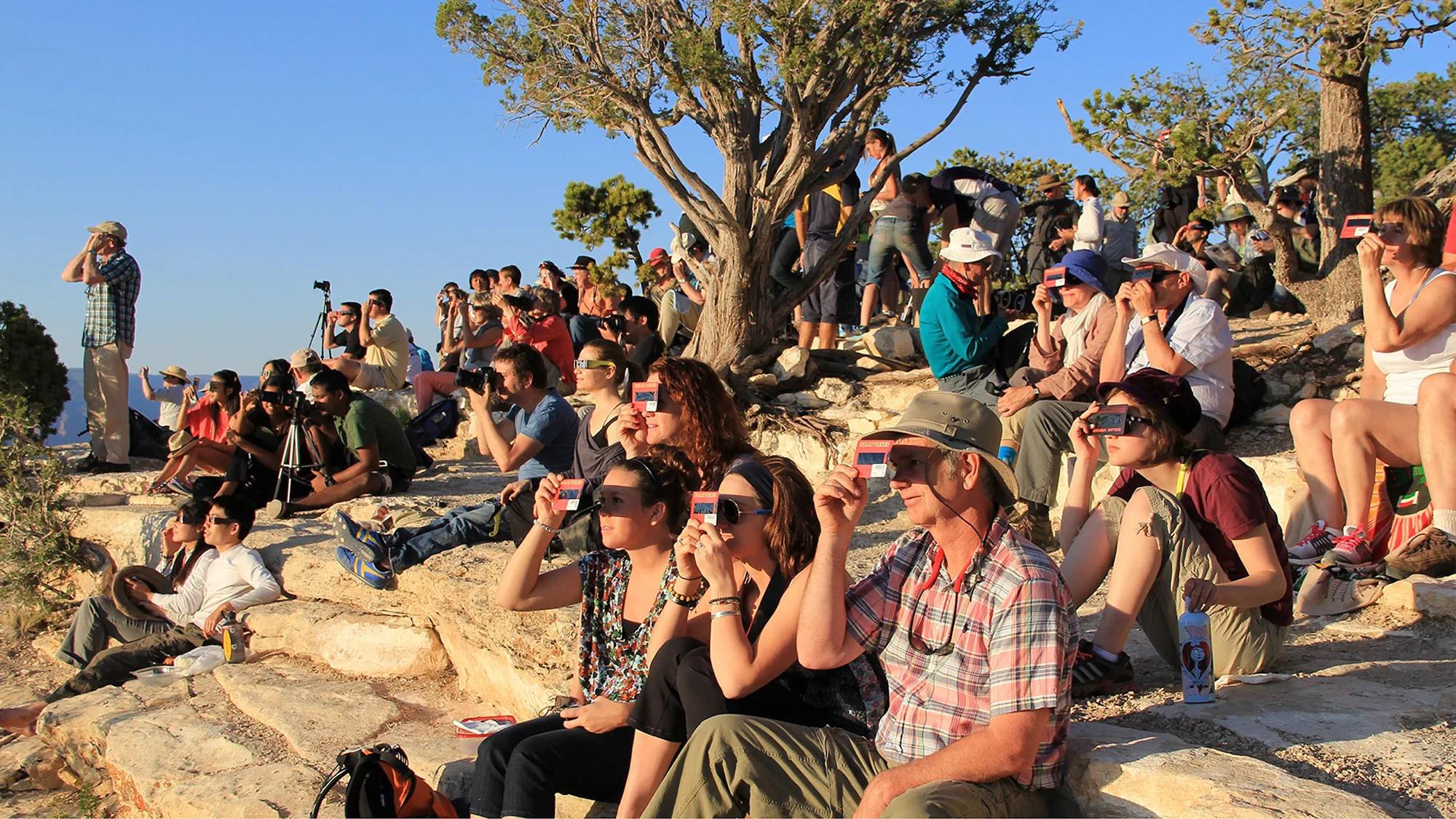
For a total solar eclipse, being inside the path matters enormously. But within that path, you still have choices. A huge official event may offer toilets, staff, and a festive atmosphere, yet it may also bring microphones, parking stress, and dense crowds. A smaller town park or rural pull-off may feel calmer, though you need to think harder about shade, facilities, and backup plans.
If you are planning for August 12, 2026, our broader 2026 planning guide and our article on eclipse travel without the chaos can help you compare the astronomy with the logistics.
A useful rule: if a location sounds exciting mainly because it will be packed, keep looking.
Build a predictable schedule before the day
Predictability lowers stress. That is true in classrooms, workplaces, and public events, and it works beautifully for eclipse planning.
A simple visual or written schedule can help kids and adults alike:
- Wake up
- Travel
- Arrive and find quiet base
- Snack and toilet break
- Practice with glasses
- Watch short check-ins during partial phase
- Quiet break
- Main eclipse moment
- Leave or recover before traffic
This is where general inclusion strategies from educational psychology eclipse planning exampl become practical instead of abstract. You are not making the day rigid for the sake of it. You are reducing the number of surprise transitions.
If you are bringing children, rehearse the sequence once or twice in advance. Put on the glasses indoors. Practice “glasses on before looking up, turn away before taking them off.” Walk through what cheering might sound like. Explain whether you are staying for the whole event or only for maximum eclipse. If you expect to leave before traffic peaks, say that early so it does not feel like a sudden loss.
For adults, the same principle applies. A note on your phone with times, gear, and exit triggers can be enough. General inclusion strategies from educational psychology eclipse planning qui sounds awkward as a phrase, but the underlying question is useful: what quick supports make participation easier? Usually the answer is structure, choice, and fewer decisions in the moment.
Pack for regulation, not just for astronomy
Most eclipse packing lists focus on chairs, water, and viewers. Keep those, but add a sensory kit.
A good kit might include noise-reducing headphones or ear defenders, a brimmed hat, familiar snacks, water, sunscreen that the person already tolerates, a comfort object, sunglasses for non-viewing moments, wipes, a small blanket or seat pad, and one or two calming tools such as a fidget or textured item. If screens are part of regulation, preload what you need so you are not depending on mobile data in a crowded area.
For many people, especially kids, comfort starts with clothing. Choose fabrics and layers that are already trusted. Eclipse day is not the time to test a new shirt, stiff camping chair, or scratchy event wristband.
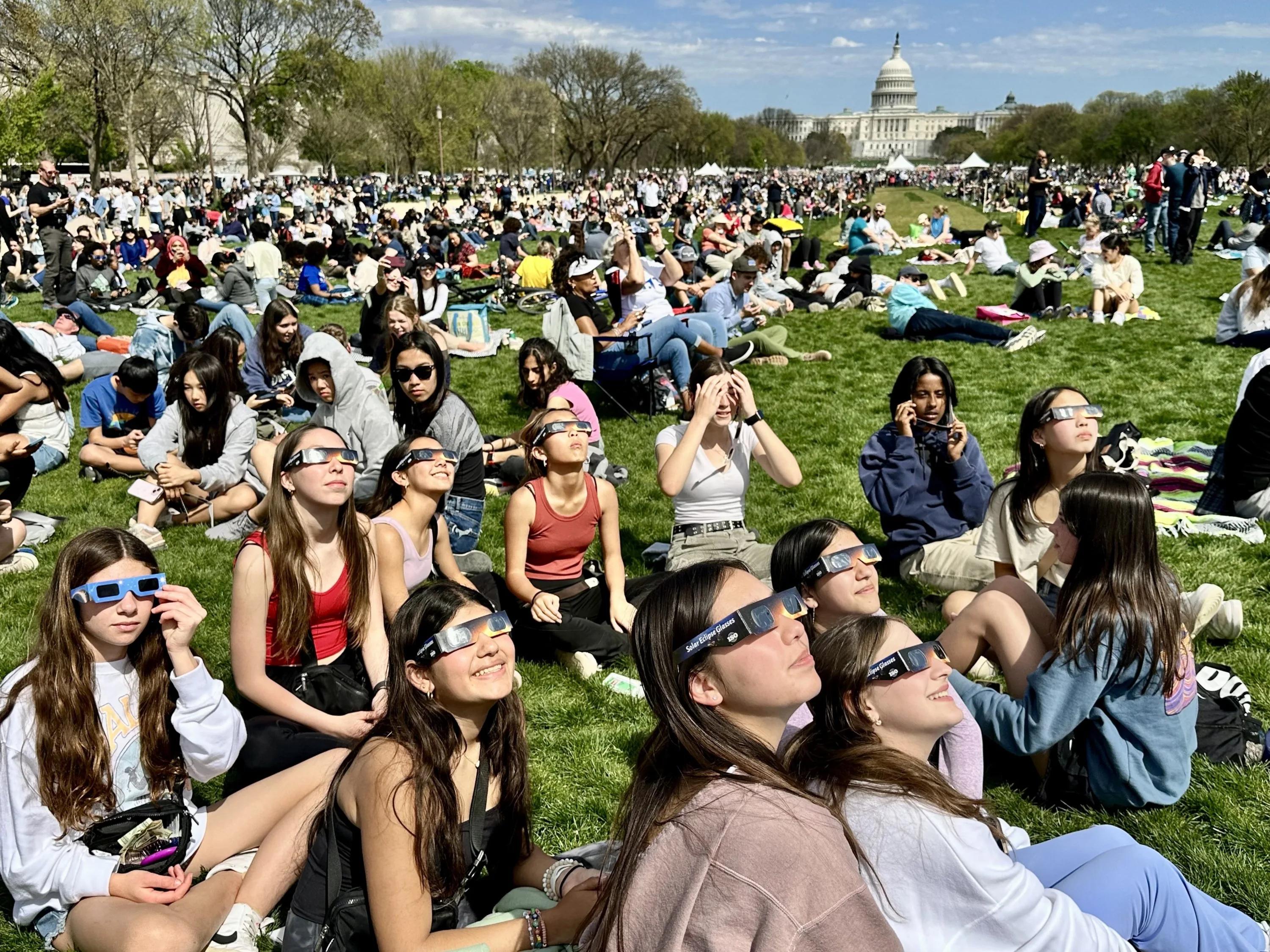
And yes, bring enough certified viewers for the group. Near your planning or CTA section, it is reasonable to think in the same product language people use when shopping: approved solar eclipse glasses, solar eclipse glasses iso 12312-2 certified, and comfortable eclipse viewing glasses that you have already checked and practiced with. If you still need them, our shop for eclipse glasses is the right place to sort that early rather than days before the event.
The non-negotiable safety rule when glasses feel uncomfortable
This point deserves its own section because it is easy to get wrong under stress.
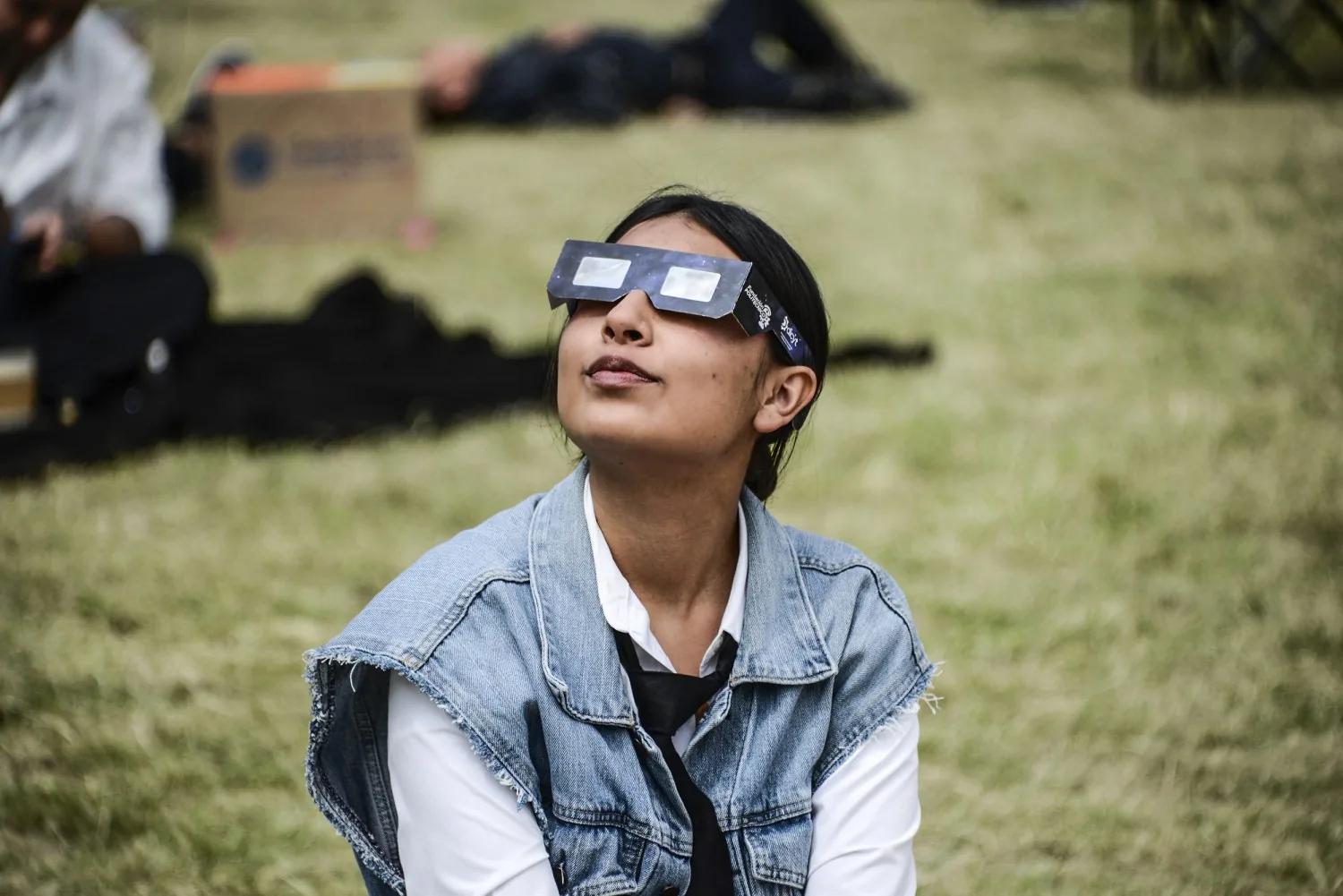
During a partial solar eclipse—or during the partial phases before and after totality in a total solar eclipse—it is never safe to look directly at the Sun without proper solar viewing protection. The American Astronomical Society and NASA are both very clear on this. If someone is uncomfortable, overloaded, or needs a break, the safe response is to stop looking, turn away, move to shade, use a pinhole or other indirect method, or take a full pause.
Do not remove eclipse viewers mid-look because they feel hot, tight, or annoying. Turn away first. Then take them off.
That matters in every family, but especially when a child or adult is trying to push through discomfort to avoid missing out. We would much rather you miss a few minutes of the partial phase than risk eye injury. If you want the full explanation, read our guide to ISO 12312-2 and eclipse viewers and the AAS safety page linked below.
For some readers searching autism solar eclipse advice, this is the key adaptation: make safety automatic, and make breaks acceptable.
Use “low-demand viewing” during the partial phases
A partial phase unfolds slowly. You do not need to stare continuously.
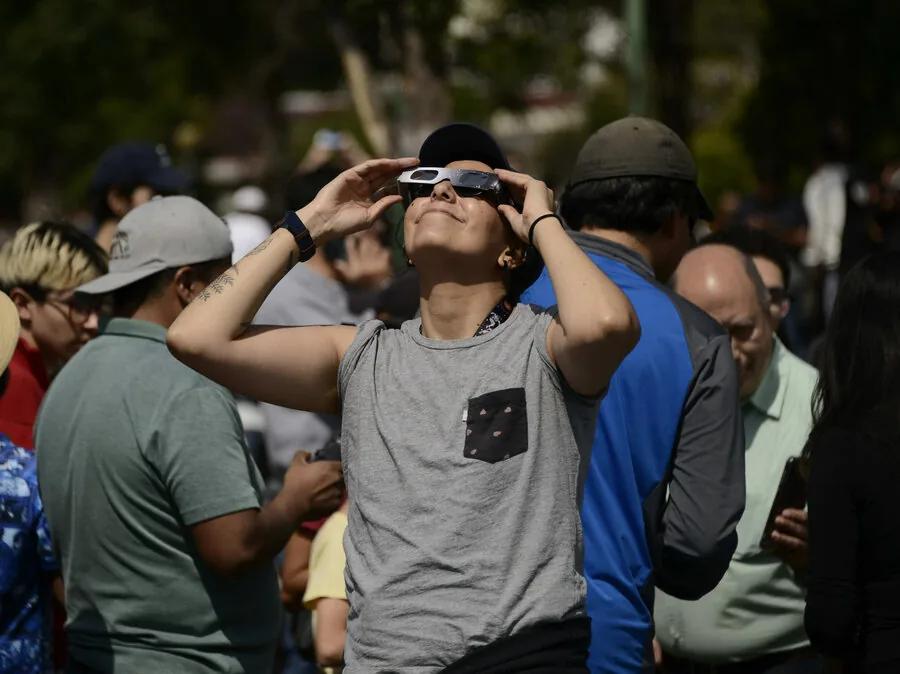
That is good news for anyone managing overload. The AAS explicitly notes that brief glances every few minutes are enough to notice the Moon’s motion across the Sun. That means you can turn eclipse viewing into a lower-demand rhythm:
A calmer pattern
- Check the Sun briefly with certified viewers
- Turn away
- Sit in shade
- Drink water
- Use headphones or a comfort item
- Check again later
This approach works especially well for kids who do better with short, clear tasks. It also helps adults who know that sustained vigilance can become exhausting. In practical terms, it reduces the chance that autism sensory overload exhaustion becomes the main memory of the day.
Indirect viewing can help too. Crescent-shaped sunlight under leafy trees or a simple pinhole projector lets people stay engaged without direct viewing every time. That can be a great bridge for children who are curious but not ready to keep glasses on for long.
Plan your exit before you need it
One of the strongest findings from sensory-access research is that recovery matters. A place can feel much more manageable when you know you can leave it.
So build an exit plan that is specific, not vague. Decide in advance:
- who can call for a break,
- where the quiet spot is,
- whether one adult can leave with one child while others stay,
- what phrase means “I need out now,”
- and whether you are willing to miss part of the event if the environment becomes too much.
This is not negativity. It is what makes participation possible.
For kids, a simple script helps: “If it gets too loud, we go to the car.” For adults: “If the crowd closes in or the sound spikes, I’m stepping back for ten minutes.” If you are in a group, tell everyone this before the eclipse starts. That removes the social pressure to endure distress for the sake of politeness.
Many autism sensory overload adults already know that the hardest part of a public event is not the event itself but the feeling of being trapped in it. A visible path out changes that.
Give people jobs, choices, and control
Inclusion is easier when people have a role.
A child might be the “time checker,” the snack helper, or the person who reminds everyone to turn away before removing glasses. An adult might handle the checklist, weather updates, or the decision about when to move to shade. Small roles can replace helpless waiting with purposeful participation.
Choice matters too. Offer real options when you can:
- sit in the chair or on the blanket,
- wear headphones now or later,
- watch directly with viewers or use indirect projection for this check-in,
- stay for post-eclipse traffic or leave early.
This is one reason universal-design thinking is so useful. The same setup that helps one autistic family member may also help a grandparent, a tired child, or someone dealing with sensory overload in adults after a long travel day.
If you have ever wondered, “why do neurodivergent people struggle with crowds?” the answer is not that crowds are morally bad or that neurodivergent people are doing public life incorrectly. Crowds often combine noise, motion, unpredictability, social pressure, and limited recovery space all at once. Reduce those, and the experience often improves.
Prepare for the emotional side of the eclipse too
Not all overload looks dramatic.
Some people get quiet. Some become silly or hyper. Some become irritable, tearful, or unusually rigid. Some seem fine during the event and crash afterward. That is why autism sensory overload explained in plain language is so important: overwhelm can be physical, emotional, and delayed.
You may notice autism sensory overload emotions that do not match the beauty of the moment. Someone might be thrilled by the eclipse and still need to leave. Someone might have wanted to come for months and then refuse to put the glasses back on after one loud cheer from the crowd. That does not mean the plan failed.
A few common sensory overload autism examples on eclipse day might include covering ears during applause, refusing to stand in a dense group, needing repeated reassurance about the schedule, or becoming distressed when the plan changes because of clouds. Those are not character flaws. They are signals that the environment or pacing needs adjustment.
For many families, the best post-eclipse plan is not a restaurant or a long debrief in traffic. It is quiet recovery.
You do not have to chase the biggest crowd to have a meaningful eclipse
This may be the most freeing idea in the whole article.
A successful eclipse is not measured by how close you stood to the loudest countdown. It is measured by whether the people with you could actually experience it.
For some readers, the best answer to best places and timing for autism sensory overload eclipse crowds will be a small local partial eclipse with a calm setup instead of a stressful trip to totality. For others, totality is absolutely worth the effort—but only with a quieter site, an early arrival, and permission to step away.
That is why this piece can function as an autism sensory overload eclipse crowds 2026 guide without pretending there is one perfect template. The right plan depends on the person, the site, the weather, the travel load, and how much uncertainty your group can absorb.
If you are still deciding between a major event and a lower-key location, use the map first, then work backward from sensory needs. Astronomy tells you what is possible. Accessibility tells you what is realistic.
A simple eclipse-day checklist
Here is a compact version you can save:
Before the day
- Choose a site with space, shade, and an exit route
- Check whether you are seeing total or partial eclipse conditions
- Practice with viewers in advance
- Make a visual or written schedule
- Tell everyone the break plan and exit phrase
- Pack food, water, comfort items, headphones, and backup activities
During the day
- Arrive early enough to avoid a rushed setup
- Establish a quiet base spot first
- Use short viewing check-ins during partial phases
- Turn away before removing viewers
- Take shade breaks before distress escalates
- Use indirect viewing if direct viewing becomes too demanding
After maximum eclipse or totality
- Expect a noise spike from the crowd
- Decide whether to leave early or recover in place
- Keep food, water, and decompression time available
- Do not schedule too much immediately afterward
For families searching autism and eclipse advice, this kind of checklist usually helps more than inspirational slogans.
5 Coping Strategies For Sensory Overload
The Aspie World
Frequently asked questions
What should families and adults know about managing sensory overload in crowds on eclipse day?
The main goal is not to force a big public outing, but to make the day predictable, flexible, and safe enough to enjoy. The excerpt recommends choosing a viewing spot with fewer unknowns, making a simple sensory plan in advance, and remembering that crowds, noise, heat, and last-minute changes can all add to overload.
How do inclusion strategies from educational psychology apply to eclipse planning?
They apply by reducing unnecessary input, increasing predictability, offering choices, and making recovery possible. In practice, that means designing the day around the environment—such as crowd density, escape routes, and quiet breaks—rather than expecting a person to simply cope better.
What practical planning steps can make an eclipse easier for neurodivergent viewers?
Start by choosing a viewing location with fewer unknowns and then build a simple sensory plan before you travel. The excerpt also suggests keeping the day flexible enough to allow breaks, stepping away when needed, and avoiding settings that are packed, loud, or hard to leave.
What is the safest way to watch a solar eclipse?
During any partial phase, viewers should keep their eclipse glasses on. If the glasses feel uncomfortable, the excerpt says to use breaks in shade, indirect viewing, or a few minutes away from the Sun rather than looking at the Sun unprotected.
How should we plan for weather and visibility on eclipse day?
Weather and visibility should be part of the plan, but the excerpt emphasizes choosing a viewing spot with fewer unknowns and keeping the day flexible. That way, if conditions change, you can adjust without adding unnecessary stress or sensory overload.
On-site next steps
- Use the Helioclipse Eclipse Explorer / 3D map to compare viewing locations and choose a site with better space, access, and backup options.
- If you still need viewers, order from our solar eclipse glasses shop early so you can test comfort and fit before eclipse day.
- For safety refreshers, read our blog guides on when glasses on, when glasses off, ISO 12312-2, and travel without the chaos.
Sources & further reading
- Sensory Experiences of Autistic Adults in Public Spaces
- How To Manage (and Even Overcome) Sensory Overload
- How Adults With Autism Can Manage Sensory Overload
- Reducing Overstimulation During School Assemblies
- Sensory Overload is a Struggle for Countless Neurodivergent People
- How to View a Solar Eclipse Safely
- Eclipse Viewing Safety
- About the ISO 12312-2 Standard for Solar Viewers
- What to Expect: A Solar Eclipse Guide
- Phenomena You'll Experience at a Total or Annular Eclipse