Organized public viewing: what to expect, what to bring, and how early is early
A good public eclipse event can feel wonderfully communal: kids pointing at crescent shadows under trees, strangers counting down together, someone cheering when the light turns strange, and a whole field going quiet at once. A bad one usually fails in more ordinary ways. Not enough shade. Confusing parking. A blocked horizon. Too few restrooms. No clear safety briefing. People arriving late and discovering the Sun is behind a building.
That is why an organized public eclipse viewing event what to bring 2026 guide should not just be a packing list. It should help you choose the right kind of event, understand what organizers may or may not provide, and avoid the classic mistake of treating “public event” as a synonym for “someone else has handled everything.” Before you commit, use the Helioclipse Eclipse Explorer / 3D map to confirm what the eclipse actually looks like from that site: total, partial, or not worth the trip.
If you are searching for an organized public eclipse viewing event what to bring checklist, start with one rule: bring the essentials you would need even if the event is well run. Public programs can add experts, atmosphere, and shared excitement. They do not repeal physics, weather, or eye safety.
Not all public eclipse events are the same
The biggest planning mistake is assuming every event offers the same experience. In practice, public viewings usually fall into a few recognizable types.
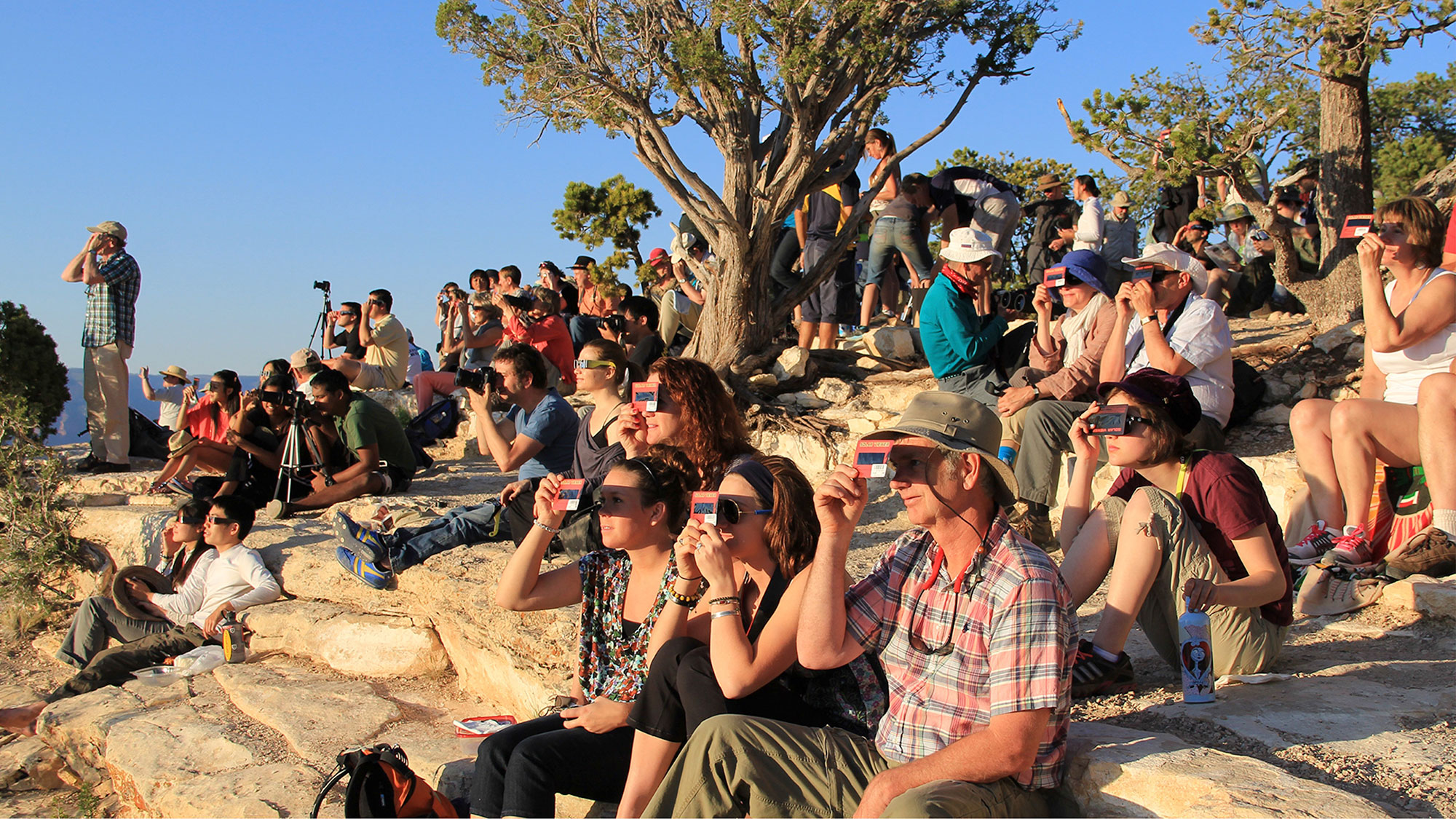
A city festival or museum-style event is the easiest for first-timers. You may get emcees, science activities, food vendors, family programming, and volunteers explaining what is happening. The tradeoff is density: more people, more lines, more noise, and a greater chance that the best viewing spots are claimed early. These events are often ideal if you want a social atmosphere and do not mind that the eclipse shares the stage with everything else.
A park, school, observatory, or astronomy-club gathering is often calmer and more focused. These can be excellent if you want interpretation without the festival feel. You may find telescopes with proper front-mounted solar filters, volunteers who know the phases, and better etiquette around the actual observing. But these events may also have stricter rules about parking, setup, and where you can stand.
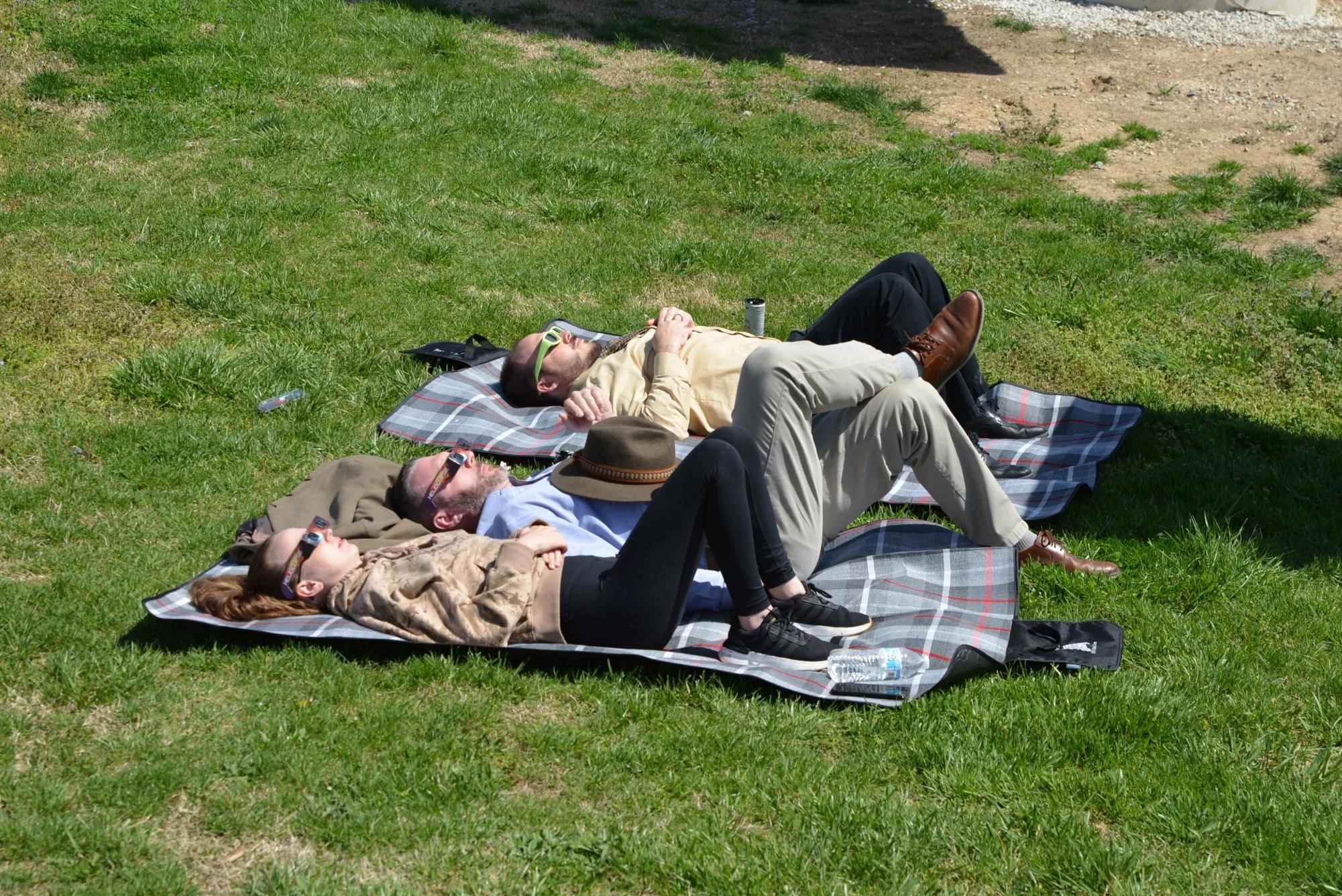
Then there is the quiet field version: a farm stay, rural pull-off, open meadow, or community field where the main attraction is simply sky access. This can be the most rewarding format if the site is genuinely open and the organizers have thought through basics like toilets, shade, and traffic flow. It can also be the least forgiving if they have not.
That is the real meaning behind all the chatter about event typologies, city festivals vs quiet fields, and eclipse planning. The question is not which format sounds coolest. It is which format matches your group. Families with small children often do better where there are bathrooms, shade, and room for breaks. Serious observers may prefer quieter sites with fewer distractions. Mixed groups usually want something in between.
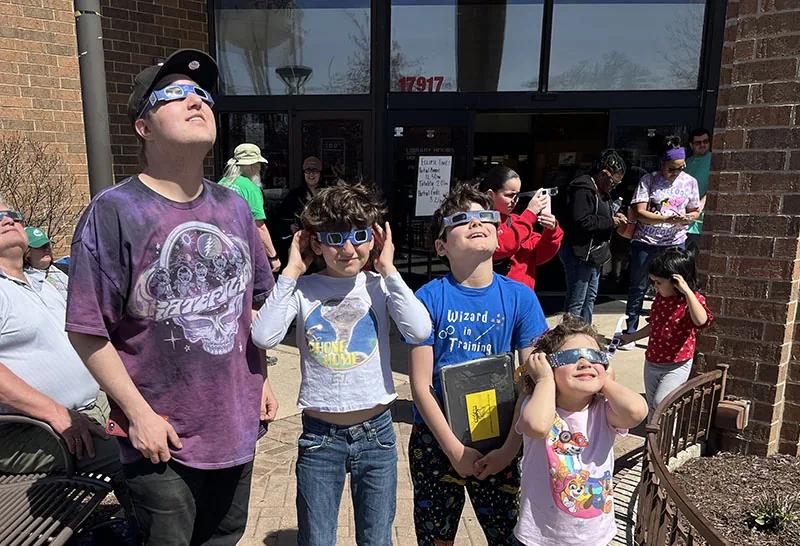
What a well-run event should tell you before eclipse day
You should be able to learn the essentials before you ever get in the car. If the event page is vague, treat that as useful information.
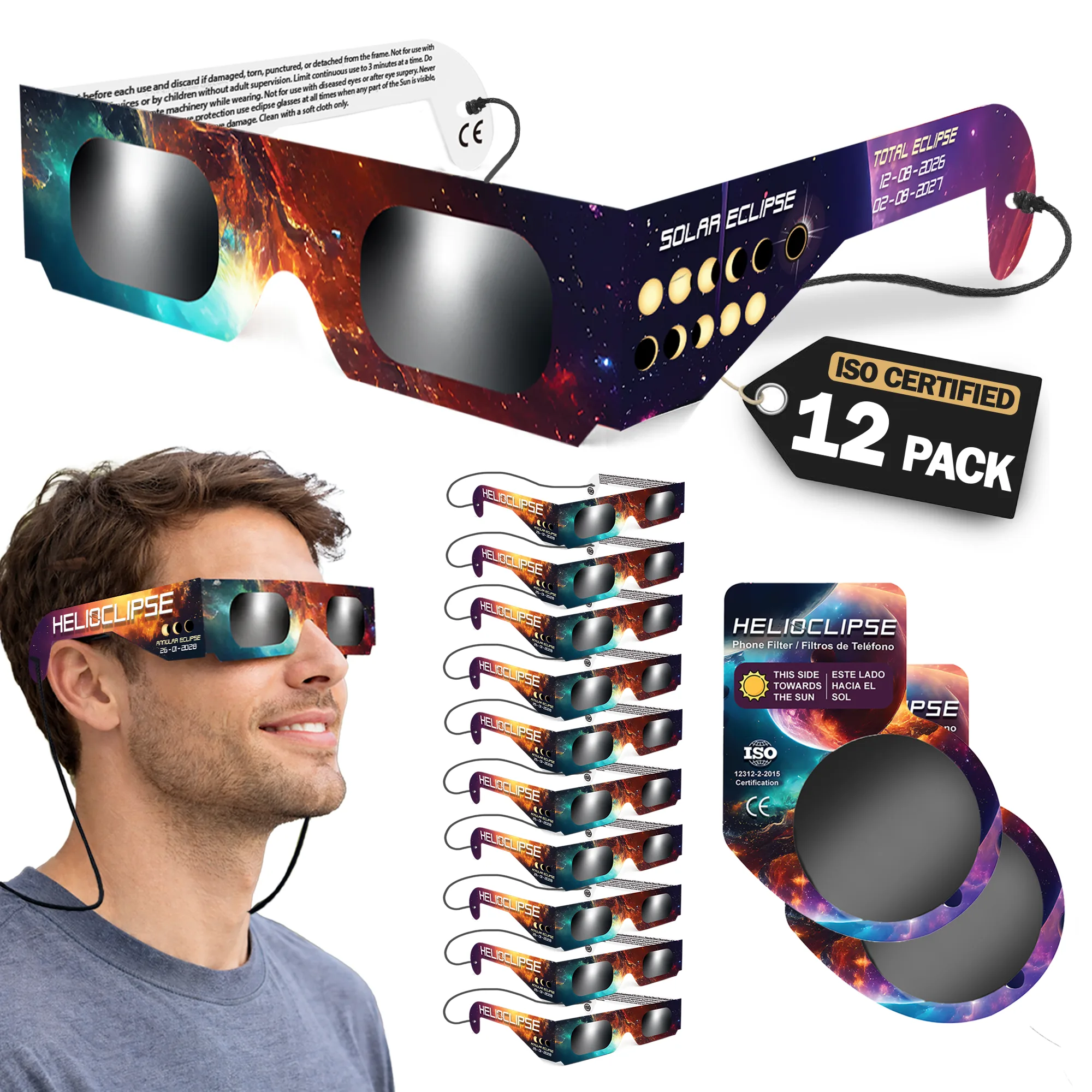
At minimum, organizers should clearly state the location, start time, whether registration is required, whether parking is on-site or remote, whether restrooms are available, and whether they will distribute safe solar viewers. If they say glasses are provided, great. Still bring your own if you can. If they do not say, assume they are not.
A good organizer will also tell you what kind of eclipse you are seeing from that exact site. This matters more than many first-time attendees realize. A total solar eclipse and a partial solar eclipse are not the same experience, and the safety rules are not the same either. Outside the path of totality, or during any partial phase, you need proper solar viewing protection whenever you look directly at the Sun. If you want a clean explanation of those transitions, our guide to when glasses on, when glasses off is worth reading before you go.
The event page should also help you answer a practical version of where is the best place to view the 2026 eclipse? Not “best” in the abstract, but best for your needs: easiest access, best odds of an unobstructed Sun, best support for children or older relatives, or best chance to stay mobile if clouds threaten. For the August 12, 2026 total solar eclipse, for example, Spain, Iceland, and Greenland sit on the path of totality, while many nearby regions will see only a partial eclipse. That is a huge difference in experience, and it is worth verifying on a map rather than trusting a poster.
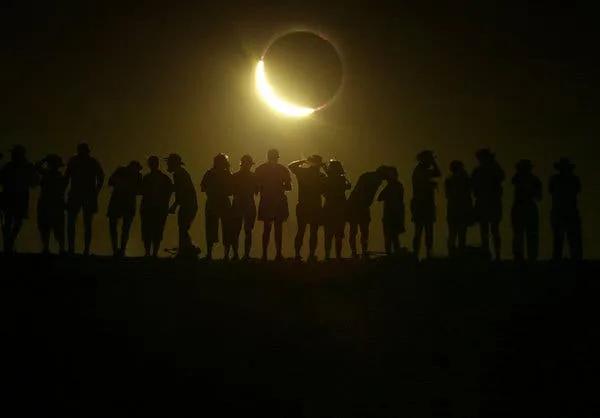
How early is early?
Earlier than you think.
For a small local event in a park with plenty of space, arriving 60 to 90 minutes before first contact may be enough. That gives you time to park, find the Sun’s position, test your viewers, settle children, and notice whether a tree or building will block the view later.
For a popular city event, observatory program, or any site inside the path of totality, two to three hours early is more realistic. Not because you will stare at the Sun the whole time, but because public events fail gradually before they fail dramatically. Parking fills. Cell service slows. Food lines grow. The last shady spots disappear. If you arrive just before the eclipse begins, you are accepting all of those risks at once.
For a major total-eclipse destination, “early” can mean arriving in the area the night before, not the morning of. That is especially true if the site is remote, the road network is limited, or the event is being advertised far beyond the local community. If you are planning around the 2026 eclipse, our eclipse travel without the chaos guide can help you think through traffic, backup sites, and exit strategy.
The simplest test is this: if being 30 minutes late would ruin your day, your plan is too tight.
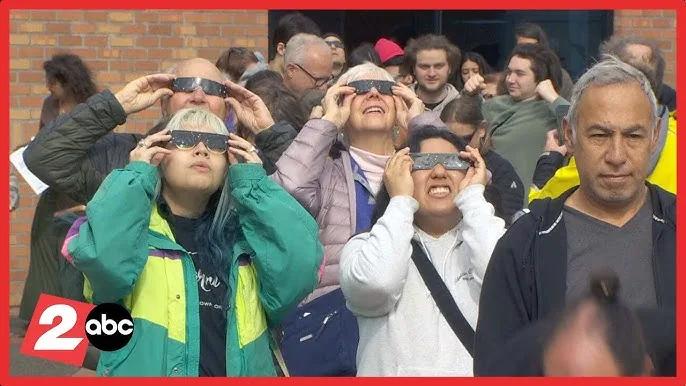
What to bring to see the eclipse?
The short answer to what to bring to see the eclipse? is: eye protection, water, weather protection, and patience. The better answer depends on whether you are attending a festival, a field event, or a science-centered program.
Here is the core kit we recommend for almost everyone:
- Certified solar viewers for each person who may want to look up at once. Do not assume sharing will always be convenient in a crowded moment.
- A backup pair or two. Glasses get bent, dropped, or sat on.
- Water. More than you think you need, especially for summer events.
- Sun protection. Hat, sunscreen, light layers, and shade if the site allows it.
- A folding chair or blanket. Standing for hours is not a badge of honor.
- Snacks. Particularly if you are bringing children.
- Any medications you may need. Keep them accessible, not buried in the car.
- A small power bank. Phones drain faster when networks are overloaded.
- Wet wipes or hand sanitizer. Public events make this obvious very quickly.
- A simple backup viewing method. A pinhole projector or even a colander for crescent shadows can save the day if something goes wrong with your glasses.
If you are bringing children, add boredom management. The eclipse itself is thrilling, but the waiting can be long. A notebook, snacks, quiet games, and a clear explanation of what they are about to see will do more for family morale than any last-minute souvenir.
If you are bringing older relatives, think about seating, walking distance from parking, access to toilets, and whether the event has shade. Comfort is not secondary. It is what lets people stay present for the part they came to see.
The safety check that matters most at public events
At a public event, the most important question is not whether the organizers seem enthusiastic. It is whether the viewing setup is safe.
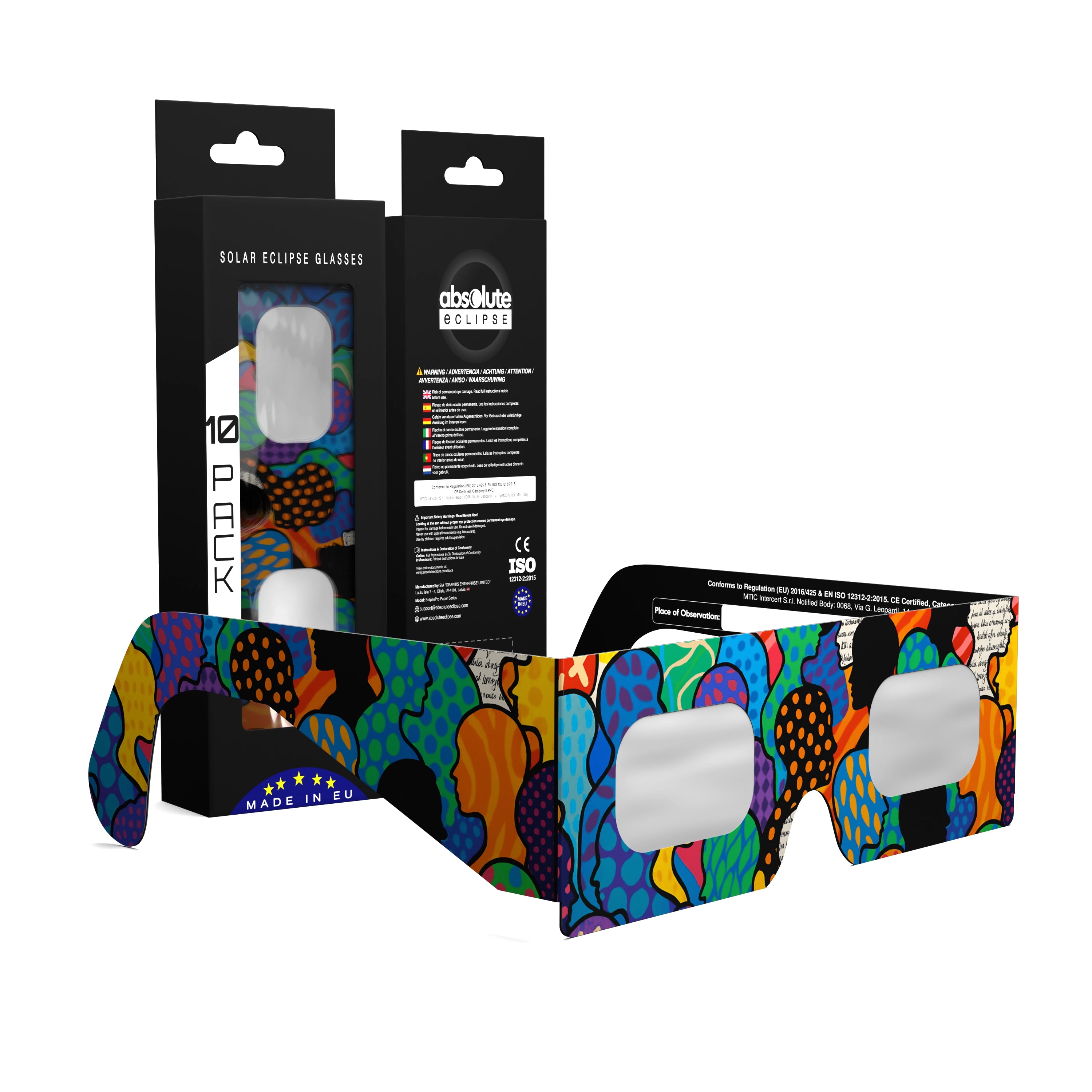
If organizers distribute viewers, verify that they are intended for solar viewing and meet the ISO 12312-2 standard. The American Astronomical Society and NASA both emphasize that ordinary sunglasses are not safe, no matter how dark they look. NASA also makes an important point that many people miss: NASA does not approve any particular brand of solar viewers. So phrases like eclipse glasses nasa approved or nasa certified solar eclipse glasses are common shopping language, but they are not a literal NASA certification program.
What you actually want is clear labeling and trustworthy sourcing. In practical buying language, people often look for approved solar eclipse glasses or solar eclipse glasses iso 12312-2 certified products, and that points in the right direction: proper solar viewers, not fashion sunglasses, not improvised tinted plastic, and not damaged leftovers of uncertain origin. If you want a deeper explanation of what the standard does and does not mean, read our guide to ISO 12312-2 and eclipse viewers.
Also remember the optics rule. You must never look at the Sun through binoculars, a telescope, or a camera while wearing eclipse glasses alone. Magnifying optics need their own proper solar filters mounted on the front. If a public event offers telescope views, that can be wonderful, but the equipment should be operated by people who clearly know what they are doing.
And inspect your viewers before use. If they are scratched, torn, punctured, or coming loose from the frame, do not trust them.
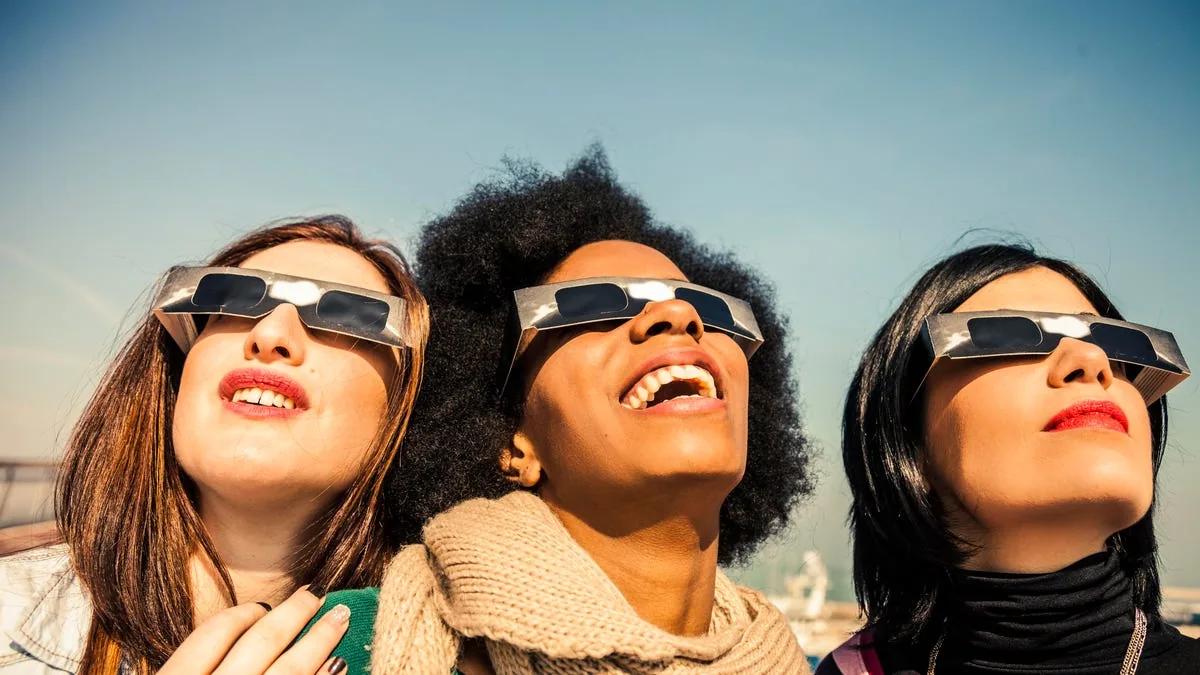
What organizers may provide — and what they usually do not
Some public events are generous and well supplied. Some are basically a field and a Facebook post.
You may get eclipse glasses, a safety talk, volunteers, filtered telescopes, a livestream backup, restrooms, food trucks, and family activities. Or you may get none of those. NASA’s public-event guidance for Sun parties includes basics that sound almost boring until they are missing: a large outdoor space, a shady area, restrooms, water, trash bins, first aid, and volunteers. Those are exactly the details that separate a memorable day from a draining one.
Do not assume seating. Do not assume shade. Do not assume food. Do not assume mobile data will work. And definitely do not assume that because an event is “official,” it will have enough viewers for everyone who shows up.
This is one reason older search phrases like organized public eclipse viewing event what to bring 2023 still matter conceptually even when you are planning for a newer eclipse. The year changes; the failure modes do not. Crowds still arrive underprepared. Supplies still run short. The Sun is still overhead for hours.
The same goes for location-specific searches like organized public eclipse viewing event what to bring california. Even if your event is nowhere near California, the underlying concern is valid: local climate, local crowd size, and local infrastructure change what “prepared” means. A dry inland site may demand more water and shade planning. A coastal site may add wind layers and fog uncertainty. A rural site may require cash, offline directions, and a fuller car kit.
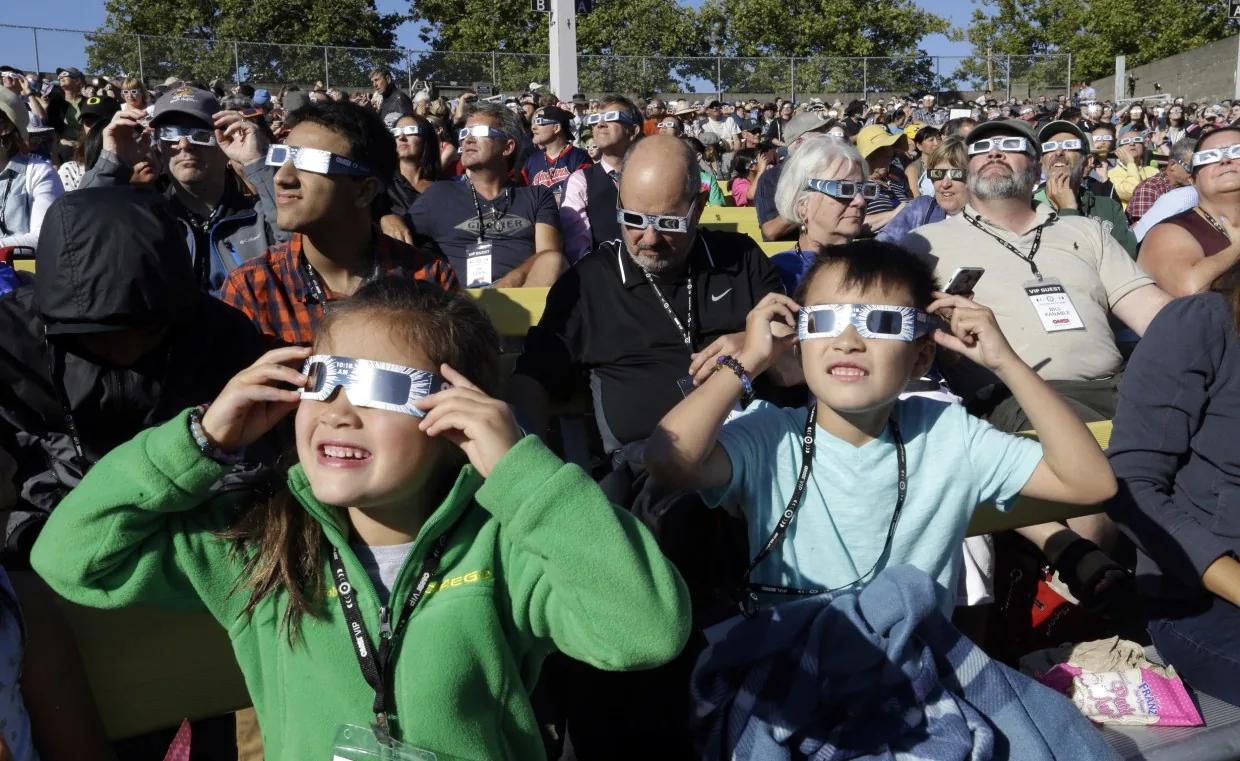
Festival energy vs quiet-field focus
There is no universal winner here. The right choice depends on what kind of memory you want.
A festival-style event gives you atmosphere. There may be countdowns, talks, music, kids’ activities, and a sense that the whole town has decided to look up together. For many families and first-time viewers, that shared energy is a feature, not a distraction.
A quieter field or club-run event gives you space to notice subtler things: the changing quality of light, the drop in temperature, the behavior of shadows, the reactions of birds and insects, the way people around you go from chatty to hushed. If you are inside totality, that quieter setting can make the emotional shift of the event feel even sharper.
This is the practical heart of organized public viewing: what to expect, what to bring, and how to choose. Ask yourself whether you want a public celebration, a science lesson, or a sky-first experience. Then pack for that version of the day.
If you are still deciding where to go, use the Helioclipse Eclipse Explorer / 3D map to compare sites and confirm whether you are inside totality, near the centerline, or outside the path entirely. For 2026 in particular, that distinction is the difference between a few minutes of totality and a serious but still partial eclipse.
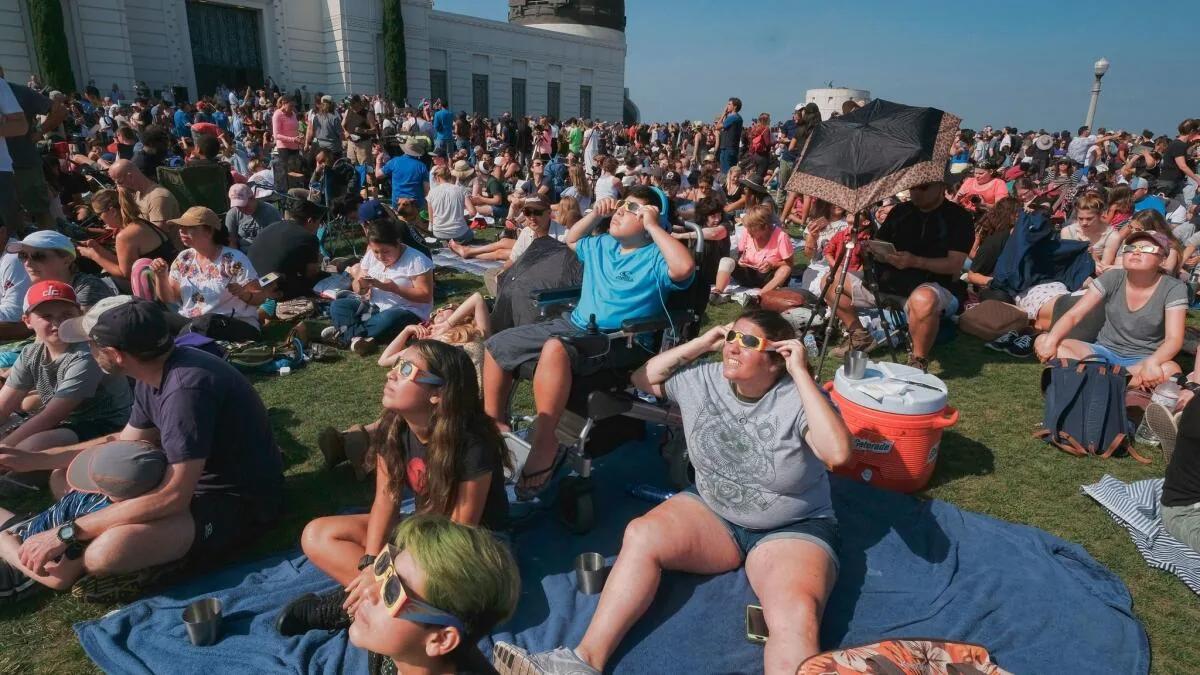
What not to overpack — and what not to do
You do not need to bring a full astrophotography rig to enjoy a public event. In fact, for many first-time viewers, complicated camera plans are the fastest route to frustration. If you are not already comfortable with solar imaging, let the eclipse be an experience first. A phone pointed at your group’s reactions is often a better memory than a shaky, overexposed Sun.
You also do not need to watch continuously. The partial phases move slowly. The AAS notes that groups can share viewers because brief glances every few minutes are enough to see the Moon’s progress across the Sun. That is useful at crowded events, especially with children.
And since odd search traffic always appears around eclipse season, let’s clear up one unrelated question directly: what not to do during lunar eclipse 2026? The answer is mostly “don’t confuse it with solar-eclipse safety.” A lunar eclipse is safe to watch with the naked eye. The eye-protection rules in this article are for solar eclipses, where you are dealing with the Sun’s bright face.
One more planning trap: do not assume a future eclipse is interchangeable with the one you are preparing for now. If you are already thinking ahead to the solar eclipse 2027 path of totality, that is fine for long-range dreaming, but it should not distract you from the logistics of the event in front of you. Each eclipse has its own path, timing, weather risks, and crowd pattern.
A simple decision framework for families, schools, and friend groups
If you are choosing for a group, keep it simple.
Choose a festival-style event if:
- you have young children
- you want bathrooms, activities, and structure
- you are happy to trade some sky focus for convenience
- you want experts on hand to explain what is happening
Choose a quieter field, park, or club event if:
- your group is comfortable being more self-sufficient
- you care about sight lines and a calmer atmosphere
- you want to hear the environment change as the eclipse unfolds
- you may need flexibility to move if clouds become a problem
Choose your own semi-independent setup near an organized site if:
- you want nearby support without being in the densest crowd
- you have your own supplies and viewers
- you have already checked parking, Sun angle, and local rules
This is also where some event-planning jargon becomes useful. People ask things like what are the 4 types of festivals?, what are the 7 types of events?, or even mention the getz typology of events. For eclipse day, you do not need a textbook classification. You just need to know whether your event is built for throughput, education, celebration, or observation. Once you know that, the packing list and arrival time become much easier to judge.
A realistic eclipse-day checklist
Use this the night before, not in the car.
Must-have
- solar viewers in good condition
- water
- hat and sunscreen
- seating or blanket
- snacks
- medications
- charged phone and backup battery
- offline directions or printed address
Very smart to bring
- spare viewers
- hand sanitizer or wipes
- tissues or toilet paper
- bug spray if the site is grassy or near water
- light layers for wind or temperature drop
- a simple pinhole projector or colander
- cash for parking or vendors
Nice to have
- notebook for kids
- small umbrella or shade item if allowed
- a radio for weather or event updates where mobile service may fail
- binoculars only if you know the event has proper solar-filtered viewing options and you are not improvising
That is the practical version of best places and timing for organized public eclipse viewing event what to bring: choose a site that fits your group, arrive early enough to solve problems slowly, and carry the basics yourself.
If the event says glasses are provided, should you still bring your own?
Yes.
Bring your own if you can, even if the organizers promise distribution. Supplies can run out. Boxes can arrive late. Volunteers can be overwhelmed. A public event is a great place to share excitement, but it is not the place to discover that your family’s eye protection depends on a folding table with a line around the block.
If you still need viewers, visit our shop eclipse glasses early rather than waiting for eclipse week. Last-minute buying is when people make rushed decisions, trust vague labeling, or end up with nothing and have to rely entirely on indirect viewing.
And if you are unsure whether a pair you already own is worth trusting, our guide on fake and low-quality eclipse glasses can help you sanity-check them before the day that matters.
How to pack for concerts and queuing essentials || The ...
Simone Driessen (theSimonelife)
Frequently asked questions
What should I pack for a public eclipse viewing event?
Bring the essentials you would need even if the event is well run, including what you need for eye safety and basic comfort. The excerpt also points out that public events may not provide enough shade, restrooms, or clear parking, so it is wise to plan for those basics yourself.
What do I need to watch the eclipse safely?
You need a clear safety briefing and proper eye protection; the article says public programs do not repeal eye safety. It also notes that some events may have telescopes with proper front-mounted solar filters, but you should not assume the event has handled everything for you.
What equipment should I bring to an eclipse viewing?
At minimum, bring the essentials you would need even if the gathering is organized well. The excerpt does not give a full equipment list, but it does emphasize planning for shade, parking, and eye safety rather than assuming the venue will cover those needs.
Is there anything special I should do during a solar eclipse for spiritual reasons?
The excerpt does not discuss spiritual practices or recommend any specific spiritual actions during an eclipse. It focuses on practical planning, safety, and choosing a site with good sky access and clear logistics.
What should I know before using a public eclipse event planning guide for 2026?
A good guide should help you choose the right kind of event, understand what organizers may or may not provide, and avoid assuming a public event has handled everything. Before you go, the excerpt recommends checking the site with a map tool so you know whether the eclipse will be total, partial, or not worth the trip.
On-site next steps
- Use the Helioclipse Eclipse Explorer / 3D map to confirm exactly what the eclipse looks like from your planned event site — especially whether you are in totality or only seeing a partial eclipse.
- If you still need viewers for your group, head to our shop eclipse glasses and order early so you are not depending on event-day distribution.
- For more planning help, browse the Helioclipse blog for safety, travel, weather, and first-timer guides.
Sources & further reading
- 25 things to bring to the eclipse
- How to prepare for a star party
- How to host an eclipse party
- What To Do If Your Solar Eclipse Glasses Won't Arrive in Time
- Eclipse viewing made simple
- Eclipse Viewing Safety
- Eclipses Frequently Asked Questions
- Host a Sun Party
- Eyewear & Handheld Viewers
- How to view a solar eclipse safely