Drone solar eclipse filming: crowds, privacy, and the checklist for eclipse day
If you are already imagining the shot, the darkening sky, the crowd reaction, the sudden cheer when totality hits: good. That excitement is real. But eclipse day is exactly when ordinary bad habits with cameras, phones, and drones turn into avoidable problems: blocked sightlines, unsafe viewing, privacy complaints, stressed pilots, and people so busy recording that they barely experience the event.
This is our drone solar eclipse guide for 2026, and it comes with one important limit: everything here covers EU and UK regulatory concepts at a high level only. Use it as a starting point, not as legal clearance. Rules change. Local restrictions differ. Temporary event controls can appear late. If you plan to fly, film, or organize a group in Europe or the UK for the 2026 eclipse, verify the current national and local rules yourself before you leave home.
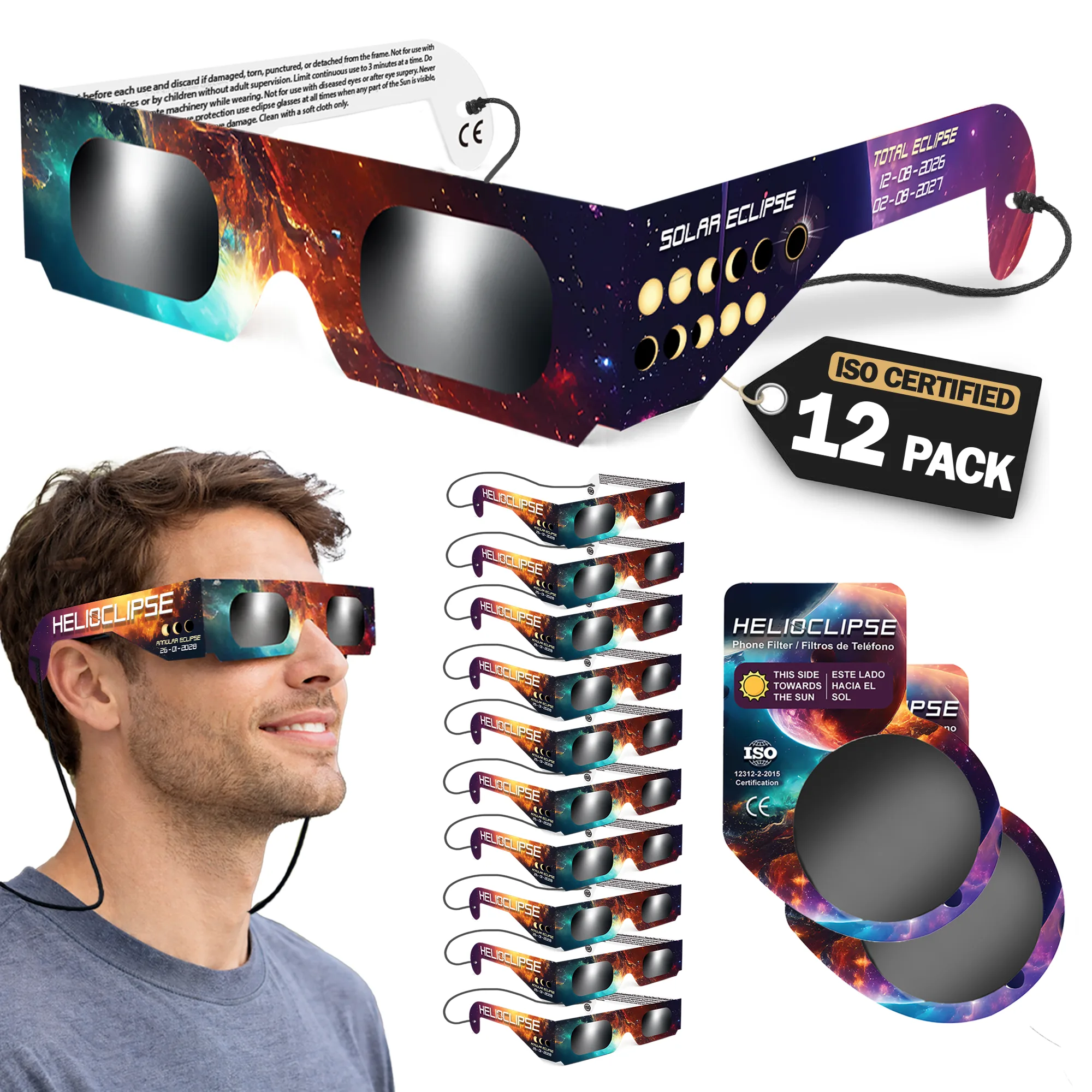
And before anything else: your eyes matter more than your footage. If you need a refresher on eclipse phases, read our guide to when glasses are on and when they come off during a total eclipse. If you still need viewers for your group, get them early so you are not making safety decisions in the final days before the event.

Start with the question most people skip: should you film at all?
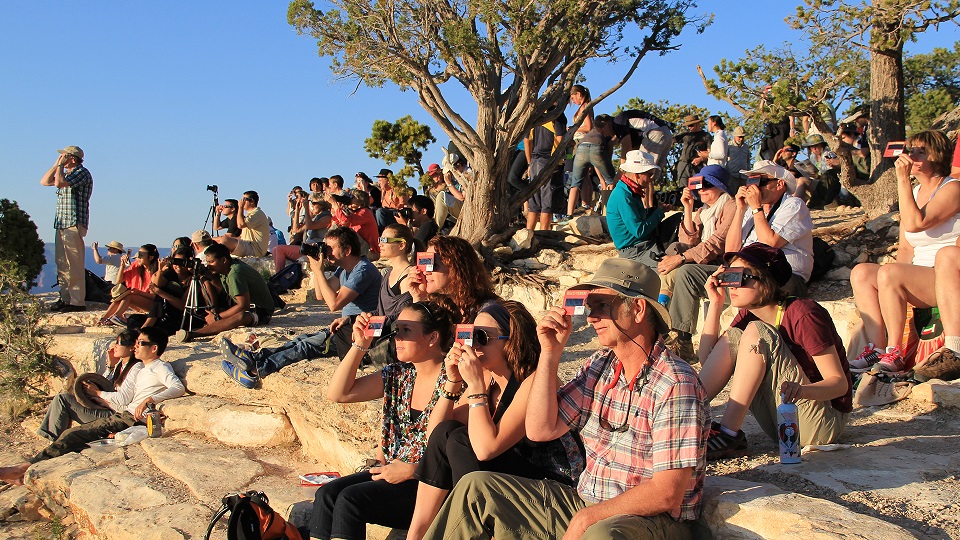
The American Astronomical Society gives first-timers very good advice: if this is your first eclipse, especially your first total solar eclipse, you may be happier watching than trying to capture everything. That is not anti-camera snobbery. It is a realistic warning about attention.
A total eclipse changes fast. Partial phases take time, but the most emotionally overwhelming moments, the last bright beads, the drop into darkness, the corona, the crowd noise, and the return of sunlight, arrive on a short clock. If you spend those minutes troubleshooting a gimbal, relaunching an app, or arguing about takeoff space, you can miss the part you actually traveled for.
That is why the best eclipse filming plan is usually the least ambitious one. A locked-off phone on a tripod filming your group reaction can be more valuable than a complicated aerial attempt. The AAS imaging guidance makes the same broader point: almost any camera can capture something, but not every setup is worth the distraction.
So before you ask can you film solar eclipse with drone, ask three better questions:
- Will this reduce my own chance of safely seeing the eclipse?
- Will this make the experience worse for nearby people?
- Do I fully understand the rules where I am standing, not just the rules in my home country?
If any answer is shaky, simplify.
The safety rule that outranks every filming plan
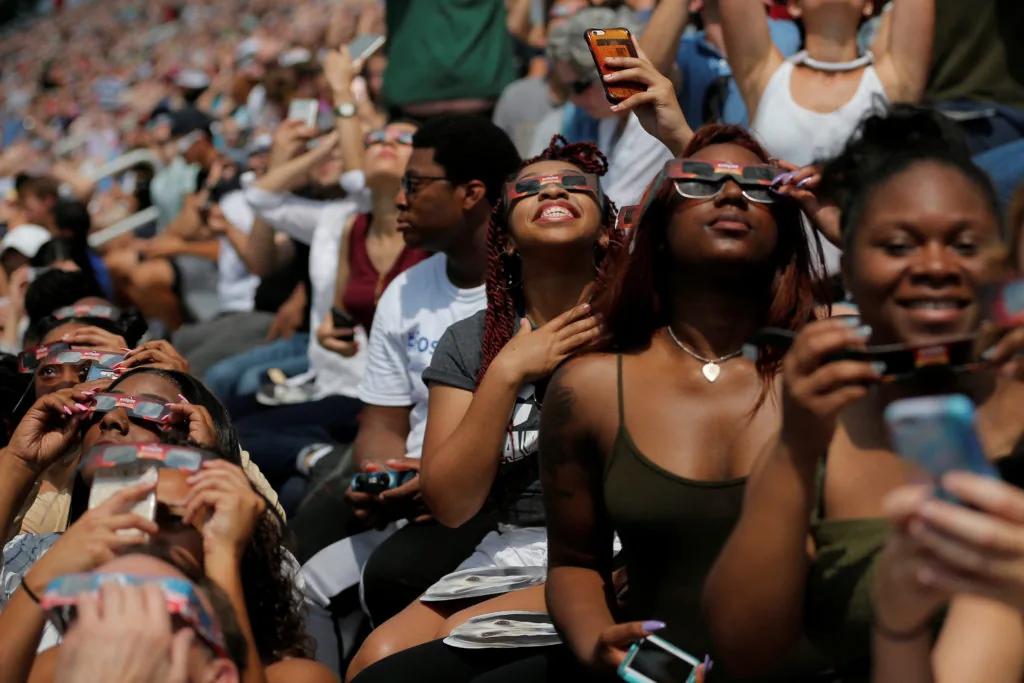
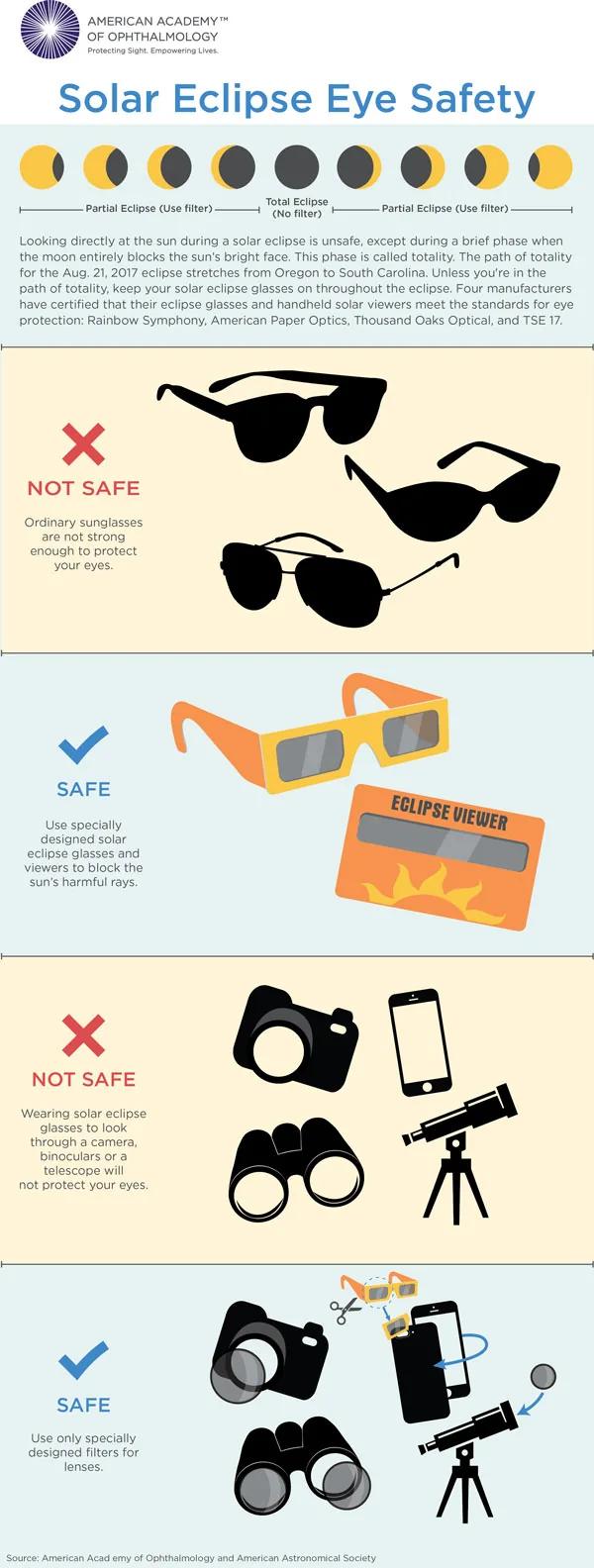
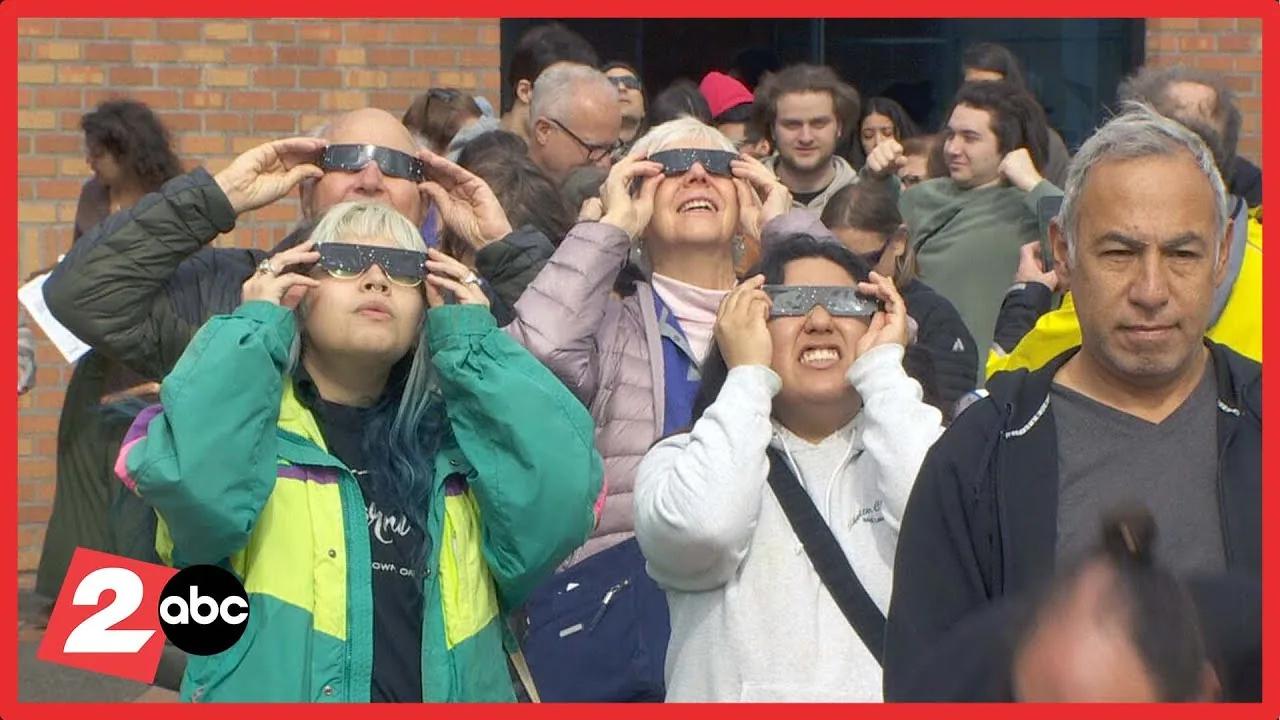
Let's make the non-negotiable part boring and clear. During any partial eclipse, including the partial phases before and after totality in a total eclipse, you must not look at the Sun without proper solar protection. The AAS and NASA both say the same thing in slightly different words: ordinary sunglasses are not enough, and unfiltered optics are dangerous.
That means the answer to what is the eclipse you can't look at? is simple: any uneclipsed or partially eclipsed Sun. Only during the brief total phase of a total solar eclipse, and only if you are actually inside the path of totality, can you look directly without eclipse viewers. Outside totality, glasses stay on.
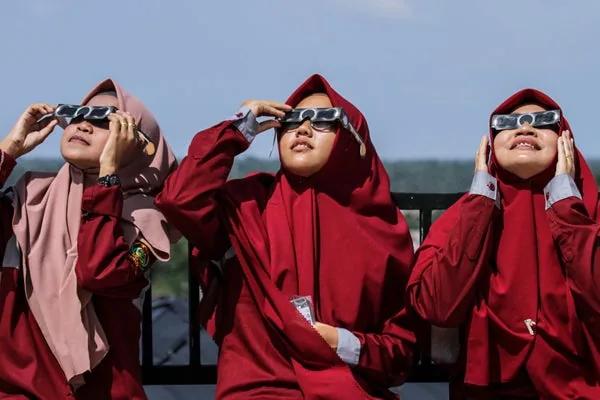
People still ask can you look at a solar eclipse with sunglasses. No. Regular sunglasses are not safe for direct solar viewing, no matter how dark they feel. You need eclipse viewers that conform to ISO 12312-2. If you are buying for a family or group, look for ISO 12312-2 certified eclipse glasses from a source you trust, and inspect them before use.
The same logic applies to cameras and phones. People also ask can you look at a solar eclipse through your phone. Your phone screen is not magic eye protection, and your camera lens is not a safe solar filter. If you are pointing optics at the Sun during partial phases, the filter belongs securely over the front of the optical path, not as an afterthought and not in your hand while you improvise.
This is the part where eclipse filming goes wrong in a very modern way: someone tries to monitor a shot, glance at the sky, direct friends, and manage gear all at once. Don't do that. Build your plan around safety precautions when viewing a solar eclipse, then fit filming around the plan, never the other way around.
Drone solar eclipse rules: the high-level EU and UK reality
Here is the short version. In both the EU and the UK, drone rules are structured around risk, aircraft characteristics, operating category, location, and the people around you. That does not mean one neat “eclipse exception” exists. It usually means the opposite: eclipse day can make a legal flight less practical because crowds, temporary restrictions, sensitive sites, and public-safety concerns all increase.
The most common need here is not a loophole. It is a checklist mindset.
At a high level, expect these issues to matter:
- whether you are allowed to fly in that airspace at all
- whether the site has local restrictions, event rules, or landowner bans
- whether your drone class, registration, competency, or operator status affects what you may do
- whether you are flying near uninvolved people or dense gatherings
- whether your operation creates a nuisance, hazard, or privacy complaint even if it is technically airborne for only a short time
For UK readers, do not assume that “European rules” and “UK rules” are interchangeable in detail. For EU readers, do not assume one member state’s enforcement culture matches another’s. If you are crossing borders for the August 12, 2026 eclipse, treat every country as a fresh compliance check.
And because eclipse travel often pushes people toward dramatic viewpoints, remember that scenic places are frequently the worst places for casual drone use: coasts, historic centers, protected landscapes, beaches, ports, and crowded hilltops tend to come with extra restrictions or extra scrutiny.
Crowds change the ethics even when the law looks quiet
A drone can be legal and still be a bad idea.
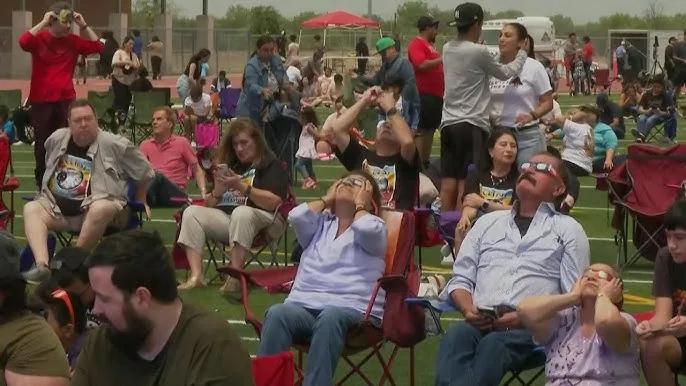
That matters on eclipse day because the event is intensely social. Families bring children. Schools organize outings. People who have driven for hours are trying to protect a once-in-years experience. The sound of a drone during the final minutes before totality is not just background texture. It can be the thing everyone remembers for the wrong reason.
That is why eclipse-day filming is mostly about restraint. If your plan depends on launching over a packed public viewpoint, hovering above strangers, or repositioning during the most dramatic minutes, you are already too close to the line.
A better standard than “can I get away with this?” is “would a reasonable person nearby feel imposed on?” If the answer is yes, stand down.
Think about what people are actually doing in those last minutes. They are checking viewers for children. They are watching the crescent shrink. They are listening for the crowd change. They are trying not to miss the transition. That is not the moment to add propeller noise, overhead movement, or uncertainty about where your aircraft is going.
Privacy is not just about faces in frame
Most readers hear “privacy” and think only of close-up filming. But eclipse-day privacy is broader than that.
If you are filming solar eclipse with drone, you may capture:
- identifiable faces in a crowd
- children at a school or family event
- vehicle registration plates in parking areas
- private gardens, terraces, or rural properties near a viewing site
- audio of people who did not expect to be recorded in an emotional moment
That does not automatically make every shot unlawful. But it does mean you should act like a responsible publisher, not a tourist collecting whatever is available from the air.
At a high level, good privacy practice means minimizing what you collect, avoiding intrusive hovering, not singling out individuals without a clear reason, and being especially careful around minors. If you are filming for anything beyond private personal use, club media, school content, brand content, monetized channels, or public posting tied to an organization, your obligations may be higher than you think.
The easiest way to stay out of trouble is to avoid the most intrusive shot types entirely. Wide establishing views from a lawful, non-crowded location are one thing. Low hovering over a packed public lookout is another.
The eclipse-specific mistake: sacrificing your own view to manage gear
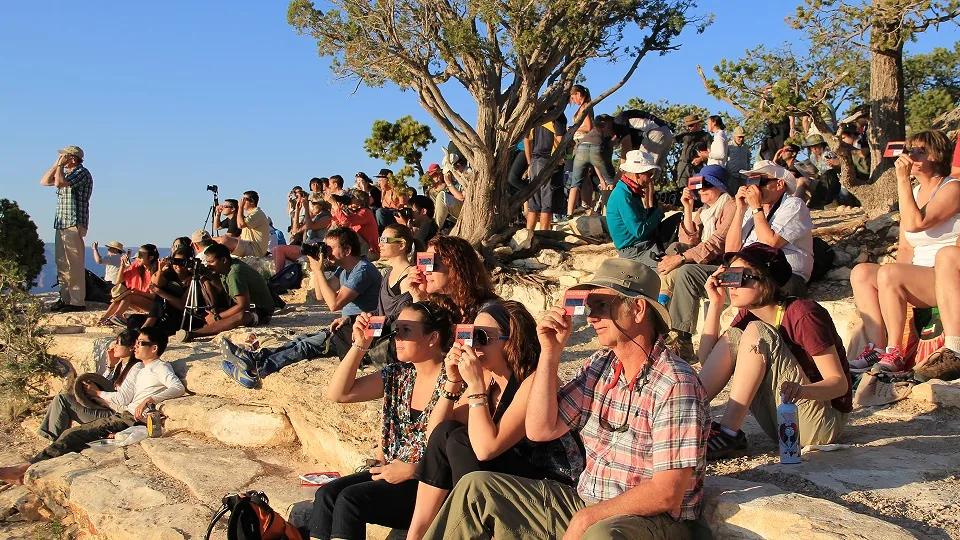
The AAS imaging pages are refreshingly honest: first-timers often underestimate how much there is to see. That matters even more if you are trying to pilot, monitor exposure, and watch the sky.
During partial phases, any direct solar imaging requires proper front-mounted filtering on the relevant optics. During totality, the rules change only if you are truly in totality, and only for that brief interval. If you are outside the path, there is no safe “glasses off” moment at all. Confirm your geometry using the Eclipse Explorer map before eclipse day, and if you are planning Europe 2026, our August 12, 2026 planning guide is the right place to start.
This is also why a drone is often the wrong tool for the Sun itself. Aerial footage of the landscape darkening, the horizon glow, or the crowd reaction may be conceptually interesting, but it does not remove the need to protect your own eyes or your camera system. And it absolutely does not create extra seconds in totality.
If your setup requires you to keep looking down at a controller while the sky is doing something extraordinary, you are not really filming the eclipse. You are managing a device during an eclipse.
A practical decision tree for eclipse day
If you want the practical version without legal jargon, here it is.
Green light: probably reasonable
- You have already verified current national and local drone rules.
- The site is not crowded and not becoming crowded.
- You have permission from the landowner or organizer where relevant.
- Your flight can be completed without flying over uninvolved people.
- You are not relying on the drone to capture the Sun itself during partial phases.
- You have a second person handling eclipse timing and safety for the group.
- You are fully prepared to cancel the flight on the spot.
Yellow light: simplify hard
- The location is filling up faster than expected.
- You are near a public event, school group, or family-heavy viewing area.
- You are unsure about privacy expectations on the ground.
- You are crossing a border and assuming your usual rules still apply.
- You have not practiced the exact setup before.
- You are tempted to launch “just for a minute” during the most dramatic phase.
Red light: do not fly
- You cannot clearly verify the rules.
- The site is packed.
- You would need to fly near or above uninvolved people.
- You are depending on the drone while also being responsible for children or first-time viewers.
- You are already stressed, rushed, or improvising.
- You are treating eclipse day as the day to try a new workflow.
That is the real answer to can you film solar eclipse with drone for most readers: sometimes yes in principle, often no in practice, and very often “not worth it.”
Phones, tripods, and reaction shots usually win
The most reliable eclipse footage is often the least glamorous on paper.
A smartphone on a tripod, pointed at your group in wide view, can record the light change, the crowd sound, the moment everyone gasps, and the sky behind them. The AAS and mainstream photography guides both push readers toward this kind of realism: capture your experience without forgetting to actually have one.
If you want a souvenir, this is the sweet spot:
- one locked phone video for reactions
- one simple stills setup if you already know how to use it safely
- no mid-eclipse gear changes unless you have practiced them
- one person in the group explicitly responsible for reminding everyone about eye safety
That last point matters more than people expect. Someone always asks how to safely view the 2026 solar eclipse? The answer is not complicated, but it is easy to fumble in a crowd: know whether you are in totality, use proper viewers during all partial phases, supervise children, and do not look through unfiltered optics. If you need a deeper safety refresher, read our guide on why solar eye injuries happen and our explainer on ISO 12312-2 eclipse viewers.
If you are traveling for Europe 2026, crowd pressure will change your plan
On August 12, 2026, the total solar eclipse will cross parts of Greenland, Iceland, and Spain, while much of western Europe sees a partial eclipse. Some large cities are in or near the action, and that alone should tell you something: crowd density will not be theoretical.
For example, parts of northern Spain are expected to draw serious attention because totality is accessible there, while many other European locations will only get a partial eclipse. That difference matters. Inside totality, viewers may briefly come off only during the fully covered phase; outside it, they stay on throughout. If you are comparing locations, use our Spain path guide and the Eclipse Explorer map to check whether your exact site is on the centerline, near the edge, or outside totality altogether.
That geometry also affects filming behavior. A crowded centerline site with a few minutes of totality is not the same operational environment as a quieter partial-eclipse site elsewhere in Europe. The more people have traveled for a narrow path event, the less tolerant they are likely to be of intrusive flying.
And remember the timing pressure. A total eclipse gives you a short peak experience after a long buildup. That is exactly the kind of event where “I’ll just launch quickly” becomes a bad decision.

The checklist nobody posts, but everyone should use
Here is the version we would actually want in a group chat the night before.
Before you leave home
- Confirm whether your site is total or partial.
- Check current national drone rules and local site restrictions.
- Check whether the land is public, private, protected, or event-managed.
- Decide in advance that you will cancel the drone plan if the site is crowded.
- Pack eclipse viewers for everyone who needs them.
- Test every camera setup on an ordinary sunny day, with proper solar filtering where relevant.
When you arrive
- Reassess the crowd, not just the sky.
- Look for signs, marshals, or event rules.
- Ask yourself whether your plan would annoy you if someone else did it nearby.
- Set up your simple ground-based backup immediately.
- Brief children and first-timers before the eclipse starts.
During the eclipse
- Prioritize watching safely over recording.
- Keep viewers on during all partial phases.
- Do not look through unfiltered optics.
- Do not improvise with phones, lenses, or taped-on materials at the last minute.
- If anything feels rushed, noisy, or uncertain, stop filming and watch.
During totality, if you are truly in totality
- Experience it.
- Keep the plan simple.
- Put viewers back on the instant bright Sun reappears.
That is the spirit of any careful drone solar eclipse plan: less swagger, more margin.
What not to do, even if someone online says it worked for them
Do not use regular sunglasses as eclipse protection.
Do not assume your phone makes direct viewing safe.
Do not wear eclipse viewers and then look through unfiltered binoculars, a telescope, or a camera viewfinder.
Do not assume a legal takeoff means an ethical flight over a crowd.
Do not ask strangers to tolerate noise during the most emotional minute of the event because you want a cinematic clip.
Do not try to solve uncertainty with confidence. On eclipse day, uncertainty is your signal to simplify.
Say Goodbye to Boring Drone Shots: Enter the Hyperlapse
Frequently asked questions
Which kind of eclipse should I never look at directly?
You should never look directly at the Sun during a solar eclipse unless you are in the brief totality phase and know exactly when that phase begins and ends. The article stresses that your eyes matter more than any photo or video, so use proper eclipse viewing guidance and do not guess.
What should I know before using a drone to film the eclipse in 2026?
Treat any drone plan as a starting point, not legal clearance. The article says rules can change, local restrictions can differ, and temporary event controls may appear late, so you need to verify current national and local rules yourself before you travel or fly.
Is there a free guide I can rely on for drone and filming rules?
No free guide should be treated as final legal advice. The excerpt says this high-level guide is only a starting point for Europe and the UK, and that you still need to check the current national and local rules yourself before the eclipse.
What should I know about getting eclipse glasses for my group?
Get eclipse glasses early if you still need them for your group. The article recommends using proper viewers and checking whether your location is in totality or only seeing a partial eclipse, because that affects how you should observe the event.
What are the most important safety steps for watching a solar eclipse?
The main safety step is to protect your eyes and follow the timing of the eclipse phases carefully. The article also advises keeping your plan simple, because trying to film, launch drones, or troubleshoot equipment can distract you from safe viewing and from the eclipse itself.
On-site next steps
- Explore your exact viewing geometry with our Eclipse Explorer / 3D map so you know whether your site is in totality or only seeing a partial eclipse.
- Build your safety basics from the Helioclipse blog hub and, if relevant, our guides on eclipse phases and glasses timing and crowds, routes, and backup plans for 2026.
- If your group still needs viewers, order early from our shop for solar eclipse glasses so you are not making safety decisions at the last minute.
Sources & further reading
- How to Shoot Solar-Eclipse Images & Videos
- Imaging & Video
- How to photograph a solar eclipse
- How to photograph a solar eclipse with a smartphone — 7 tips from an expert
- How to Use Your Smartphone to Shoot a Solar Eclipse
- How to View a Solar Eclipse Safely
- Eclipse Viewing Safety
- What to Expect: A Solar Eclipse Guide
- How to Observe the October 14th Annular Solar Eclipse
- How to choose a camera for the eclipse