After the eclipse: when a 'weird feeling' in your vision deserves medical attention
If you watched a solar eclipse and now something feels off, you are not silly for paying attention to it. A lot of people search for a solar eclipse eye pain after viewing symptoms 2026 guide because the unsettling part is often uncertainty: maybe your eyes feel tired, maybe you have a headache, maybe a straight line looks a little odd, and you cannot tell whether you are dealing with harmless strain or something that deserves a real exam.
This is one of those moments when calm matters more than drama. We are not going to diagnose you online. But we can help you sort what is common, what is concerning, and when it is smart to call an eye doctor promptly. If you are planning future eclipse viewing, this is also a good time to check our shop for eclipse glasses and our guide to ISO 12312-2 and eclipse viewers so the next event is memorable for the sky, not for the aftermath.
The short version: true retinal injury after eclipse viewing may not hurt much at all. That is why after the eclipse: when a 'weird feeling' in your vision matters more than whether your eyes ache. Vision changes are the bigger warning sign.
First: not every odd feeling means permanent damage
A strange afternoon after an eclipse does not automatically mean you injured your retina. People squint, stare, forget to blink, spend hours outdoors, get dehydrated, and tense up with excitement. That can leave you with eyestrain, dryness, a mild headache, or general discomfort.
That is one reason solar eclipse eye pain reports spike after major events. Public concern is real, and so is the temptation to assume the worst. But ophthalmology guidance makes an important distinction: the retina itself does not have pain fibers. So the classic injury people worry about after looking at the Sun, called solar retinopathy, often shows up as a vision problem rather than sharp pain.
In other words, solar eye pain by itself is not the cleanest clue. If your eyes feel sore but your vision is normal and improving, that points in a different direction than blurred central vision, a new blind spot, or lines that suddenly look bent.
Why eclipse-related retinal injury can be easy to miss at first
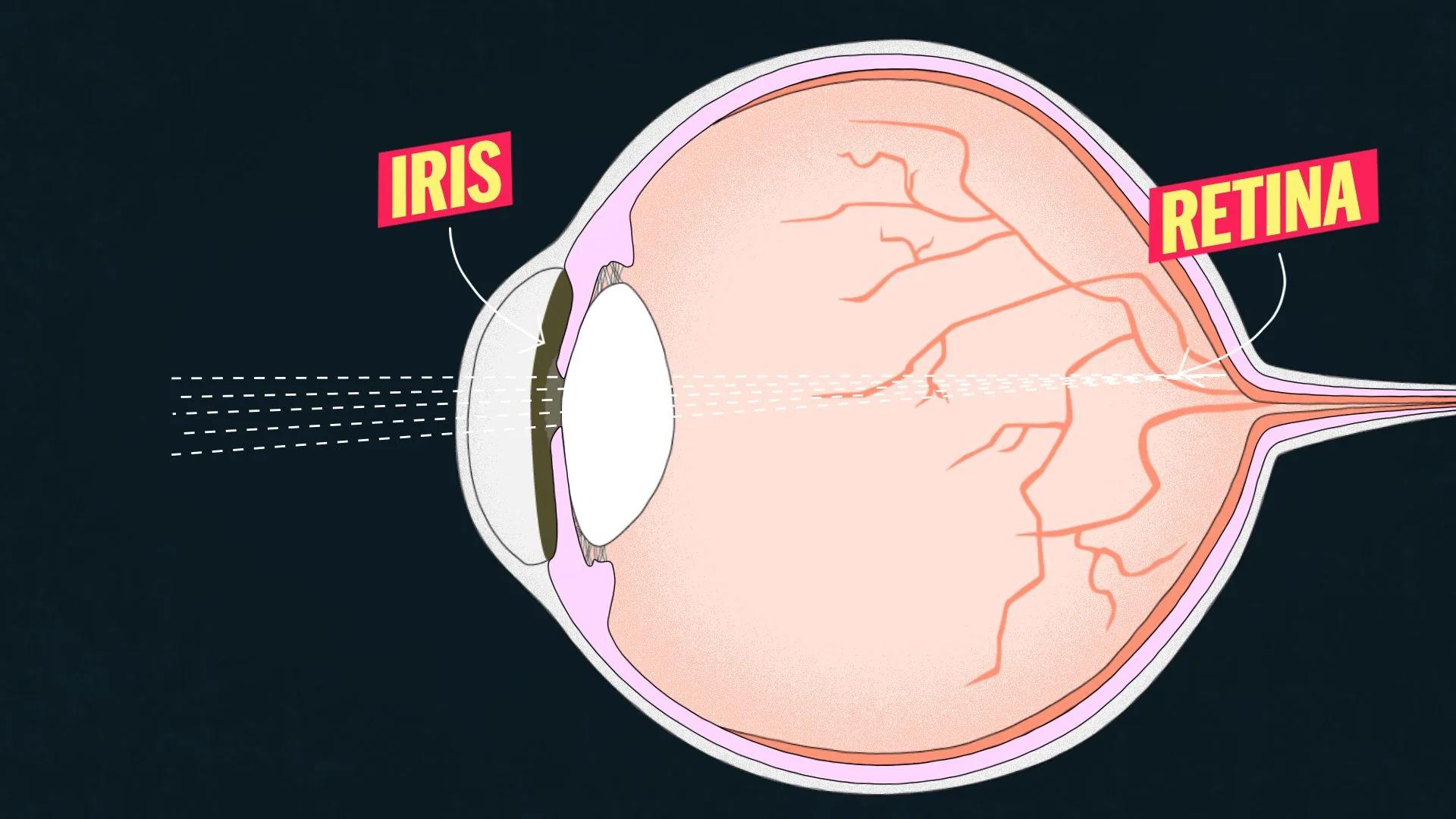
The phrase doctors use for sun-related retinal injury is solar retinopathy. In plain English, it means damage to the light-sensitive tissue at the back of the eye after looking at the Sun or another intense light source.
This is why solar eclipse eye pain can be a misleading phrase. During the exposure itself, you may not feel anything dramatic. According to ophthalmology sources, symptoms often appear within about four to six hours, but some people notice them later, including the next day. That delay is exactly why people can feel reassured at first and then become worried later in the evening.
If you are wondering about eye pain after watching solar eclipse events, the key question is not just “Do my eyes hurt?” but “Has my vision changed?” That is the part worth taking seriously.
Symptoms that deserve prompt medical attention
Here is the practical list. These are the solar eclipse eye damage symptoms that should push you toward an eye-care professional, especially if they are new after eclipse viewing:
- blurred vision that does not quickly clear
- a blind spot, especially near the center of vision
- distorted vision, such as straight lines looking bent or wavy
- increased sensitivity to light
- changes in color vision
- trouble recognizing shapes or fine detail
- persistent headache together with vision changes
Some people describe eye pain after looking at solar eclipse conditions as soreness, watering, or a gritty feeling. Those symptoms can happen for less serious reasons too, but if they come with any change in what you actually see, do not shrug them off.
A useful rule: discomfort alone can wait for a careful check-in; discomfort plus altered vision deserves a call.
What is more urgent, and what can wait a little?
Call an eye doctor promptly if:
- you have a new central blurry patch or blind spot
- text looks warped or letters seem missing
- one eye seems worse than the other
- bright light suddenly feels much harder to tolerate
- symptoms are still there several hours later or appear the next day
An ophthalmologist can examine the retina and, if needed, use imaging such as optical coherence tomography to look for damage.
Consider same-day urgent care or the emergency room if:
- pain is severe
- you have marked redness or swelling
- you cannot keep the eye open comfortably
- you have sudden major vision loss
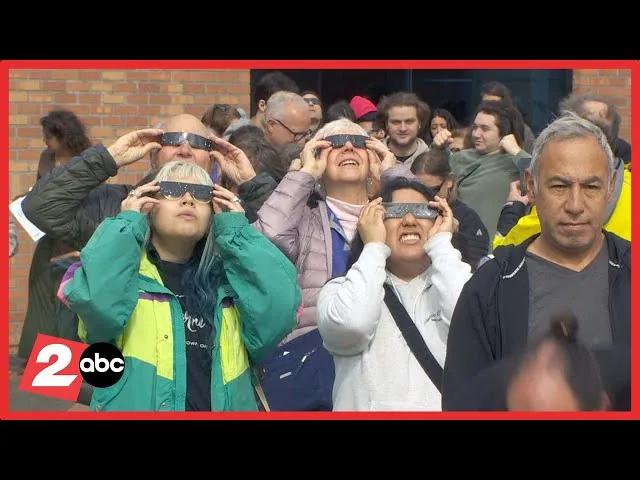
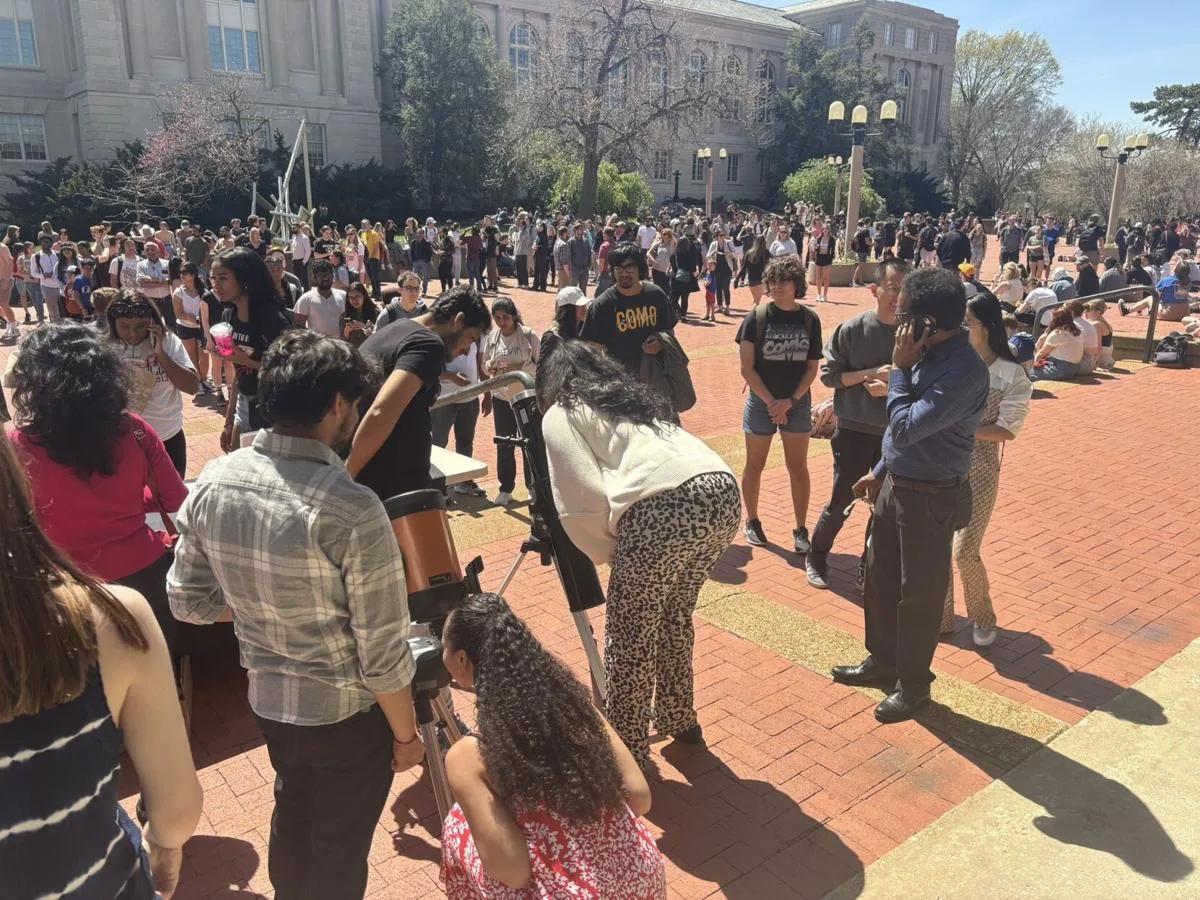
- you were also exposed through optics, such as binoculars, a telescope, or a camera without a proper front-mounted solar filter
That last point matters. Looking through unfiltered optics is far more dangerous because the light is concentrated intensely.
If it hurts, does that mean it is not retinal damage?
Not exactly. But pain changes the picture.
Ophthalmology guidance often notes that retinal injury itself is usually painless. So if you mainly have aching, burning, watering, or a gritty sensation, the problem may involve the eye’s surface rather than the retina. Some health-system guidance mentions photokeratitis-like irritation in painful cases, though that is not the classic eclipse injury people usually mean when they talk about retinal burns.
So when readers ask about solar eclipse eye pain after viewing symptoms, the honest answer is that pain can happen, but pain is not the main hallmark of retinal damage. Vision distortion is more informative.
That is also why a lot of online discussion becomes confusing. Threads about solar eclipse eye damage reddit often mix together dryness, anxiety, headache, afterimages, and true retinal symptoms. Those are not all the same thing, and they should not be treated as the same thing.
How long after viewing can symptoms show up?
This is one of the most important questions, because people often expect immediate pain if something went wrong.
You may notice symptoms within four to six hours. Some people notice them after 12 hours. Some present the next day. In published follow-up from past eclipses, many patients with visual complaints came to medical attention within two days.
So if you keep asking yourself, “How long after looking at eclipse eye damage?” the practical answer is: do not use a symptom-free first hour as proof that everything is fine. Pay attention through the rest of the day and into the next morning.
If your vision is normal and stays normal, that is reassuring. If it changes later, that is your cue to get checked.
What doctors can do, and what they usually cannot promise
This is the hard part, but it is better to say it plainly. There is no guaranteed quick fix for retinal injury from Sun exposure. When people search for solar eclipse eye damage treatment, they are often hoping for drops, a pill, or a procedure that reverses the problem immediately. That is usually not how this works.
An eye specialist can evaluate the extent of injury, document it, rule out other causes, and follow recovery over time. Many mild cases improve over weeks to months. Some people recover in roughly three to six months. Some have symptoms that last longer. And some are left with a small permanent blind spot or persistent distortion.
That does not mean every symptom predicts permanent loss. It does mean the right next step is professional evaluation, not internet roulette.
What you can do right now while you arrange care
If your symptoms are mild and you are arranging a prompt appointment, keep it simple:
- stop looking at bright light sources
- do not test your eyes by repeatedly staring at the Sun again
- remove contact lenses if your eyes feel irritated
- use preservative-free artificial tears if the surface of the eye feels dry or gritty
- rest your eyes from screens if that makes symptoms feel worse
- write down when you viewed the eclipse and when symptoms began
If pain is significant, or if you have redness, swelling, or strong light sensitivity, seek more urgent care.
What not to do: do not self-diagnose from social media, and do not assume that because someone else online “had the same thing” you can safely wait. The internet is full of confident stories and very little retinal imaging.
What is normal during an eclipse, and what is not
Some visual experiences around eclipses are normal in the moment. During a total eclipse, for example, the light changes dramatically, shadows sharpen, and the sky can take on an eerie cast. The American Astronomical Society has excellent explainers on eclipse phenomena, and if you want the timing and geometry for future events, our Eclipse Explorer 3D map helps you see whether you are inside totality or only in a partial zone.
But those normal sky effects should end with the event. They should not leave you with a lingering blind spot, warped text, or a patch of blur in the center of vision hours later.
This is also where totality versus partial phases matters. During a total solar eclipse, only people inside the path of totality may briefly view the fully covered Sun without eclipse glasses, and only during totality itself. Outside that narrow path, or during any partial phase, eye protection stays on. If you want the clearest plain-language version of that rule, read our guide to when glasses on, when glasses off.
Prevention is much easier than recovery
The best response to eclipse-related eye injury is to avoid needing one.
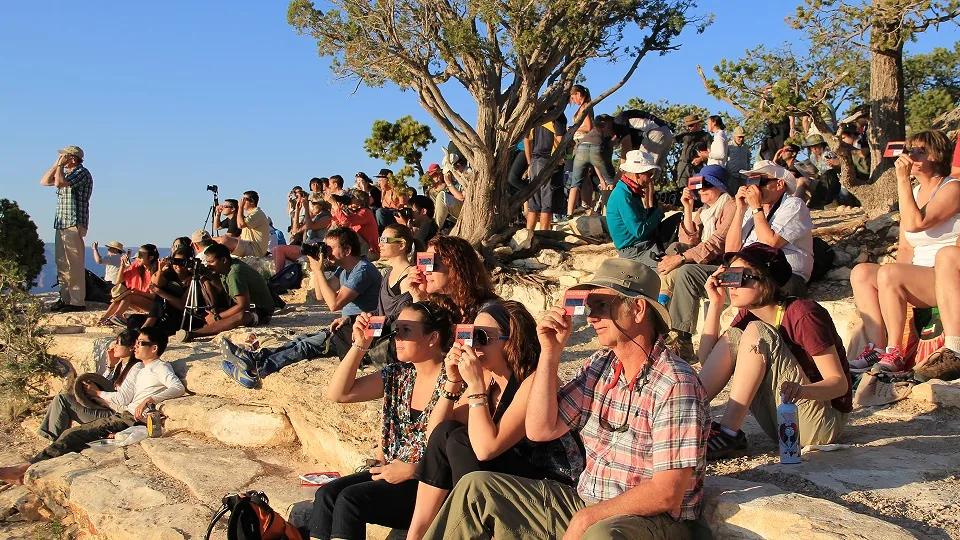
For direct viewing of the partial phases of a solar eclipse, use viewers that conform to ISO 12312-2. Inspect them before use. Discard them if they are scratched, torn, punctured, or otherwise damaged. Never use ordinary sunglasses. Never look through a camera, telescope, or binoculars unless a proper solar filter is secured over the front of the optics.
This is also a good place to clear up a common shopping myth. There are no officially “NASA-approved” glasses as a brand endorsement program. What matters is using reputable viewers that meet the right standard. When families shop, they often use phrases like approved solar eclipse glasses, eclipse glasses nasa approved, or solar eclipse glasses iso 12312-2 certified. The useful part of those phrases is the intent: people want safe, standards-based viewers from a trustworthy source. That is exactly what to focus on.
If you are buying for a group chat, a classroom, or a family trip, do it early. Good eclipse viewing glasses are easier to sanity-check before the rush than the week of a major event. And if you want a deeper checklist for spotting questionable products, our post on fake and low-quality eclipse glasses is worth a read.
A note on kids, teens, and the “just one peek” problem
Children and young adults are often mentioned as higher-risk groups in eclipse injury discussions, partly because curiosity wins fast. The dangerous moment is not always a long dramatic stare. It can be a few repeated “quick looks,” especially during partial phases when the Sun still seems manageable.
That is why prevention has to be social, not just technical. If you are planning to watch with family or friends, talk through the rules before eclipse day. Hand viewers out before first contact. Decide who is helping younger kids. If someone loses or damages their glasses, switch them to indirect viewing rather than improvising.
A once-in-years sky event is exactly when people get casual. That is also exactly when they should not.
What about headache, nausea, or “eclipse sickness”?
People sometimes use the phrase eclipse sickness to describe headache, dizziness, nausea, or a washed-out feeling after a big viewing event. That phrase is not a precise medical diagnosis. Sometimes it reflects heat, dehydration, stress, travel fatigue, or eyestrain from staring and squinting outdoors for a long time.
A headache alone does not prove retinal injury. But headache plus visual distortion is different. If you have both, especially after unsafe viewing, move that up the priority list and get checked.
And one quick myth-busting note: a lunar eclipse is not the same hazard. The Moon does not produce the intense direct-solar exposure problem that causes eclipse-related retinal injury. So if you have seen people ask about “lunar eclipse eye damage,” that is a different and much less relevant concern.
The most useful takeaway
If your eyes merely feel tired after a long day outside, that may settle down. If your vision itself seems changed, do not talk yourself out of care.
That is the heart of any responsible lay summaries from ophthalmology or national health eclipse planning advice: stay calm, notice the right symptoms, and get professional help when vision changes appear. We would much rather you make one unnecessary call than ignore a real problem because the internet told you retinal damage always feels dramatic.
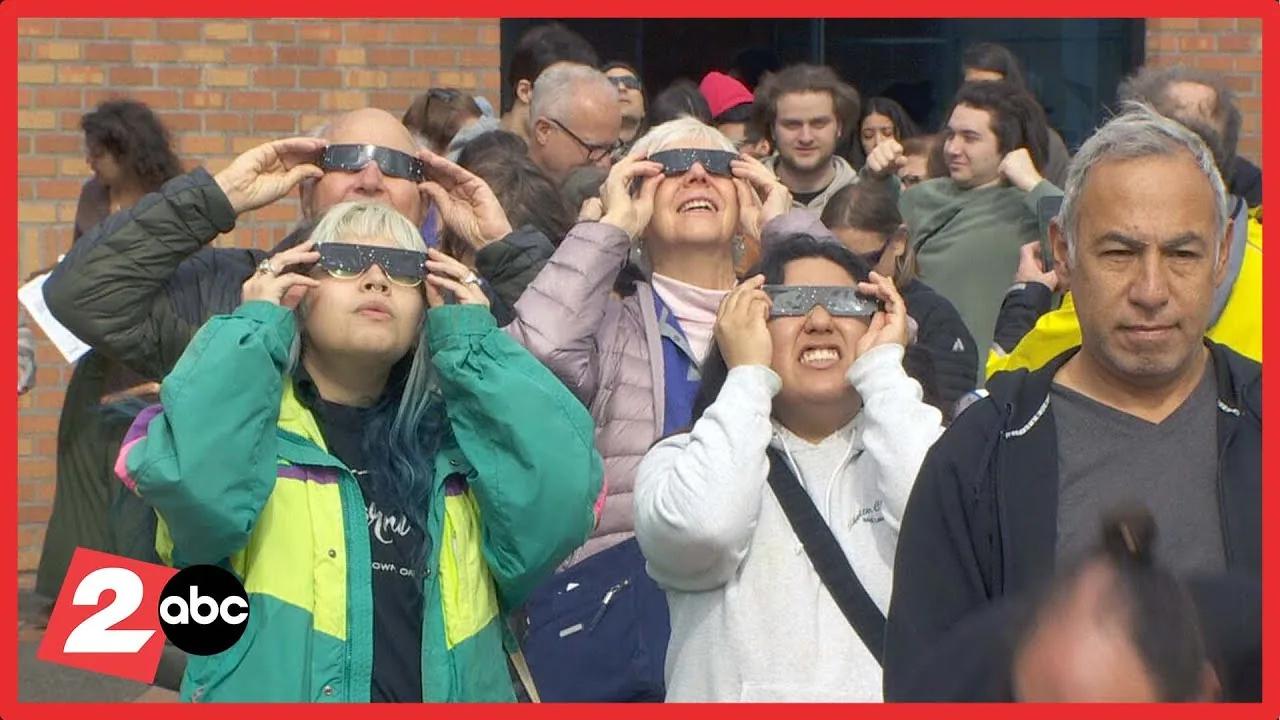
Signs your eyes may have damage after solar eclipse
PIX11 News
Frequently asked questions
Why do my eyes hurt after watching the eclipse, and does that mean I damaged them?
Not necessarily. The excerpt says eye soreness after an eclipse can come from eyestrain, dryness, dehydration, or tension, while true retinal injury often causes vision changes rather than pain. If your vision is normal and the discomfort is improving, that is less concerning than a new blind spot, blurred central vision, or bent lines.
How soon after eclipse viewing would eye damage symptoms show up?
Symptoms may appear within about four to six hours, but some people do not notice them until later, even the next day. That delay is why a person can feel fine right after viewing and still develop vision changes afterward.
If I did have solar retinopathy, how long does it take to get better?
The excerpt does not give a healing timeline. It does say solar retinopathy is damage to the retina and that symptoms can be delayed, so any new vision change after eclipse viewing should be taken seriously and checked by an eye doctor promptly.
What should I know if my eyes feel strange after the eclipse but I am not sure it is serious?
A weird feeling alone does not prove permanent damage. The bigger warning sign is a change in vision, especially blurred central vision, a new blind spot, or straight lines looking bent, because the retina itself does not have pain fibers.
Which after-eclipse symptoms are most concerning and should prompt a call to an eye doctor?
Vision changes are the main red flag, not just soreness. If you notice blurred central vision, a new blind spot, or lines that suddenly look bent, it is smart to contact an eye doctor promptly.
On-site next steps
- Need viewers for the next event? Shop Helioclipse solar eclipse glasses and look for ISO 12312-2-compliant products in good condition.
- Want to understand exactly when protection stays on or can come off during totality? Read our guide to eclipse phases and glasses use.
- Planning ahead with family or friends? Use our Eclipse Explorer / 3D map to see whether your location is in totality or only a partial eclipse zone.
Sources & further reading
- Think You Hurt Your Eyes Watching the Eclipse? — American Academy of Ophthalmology
- Eyes hurt after the eclipse? Signs of retinal damage, explained — Space.com
- Why Do My Eyes Hurt After Viewing the Eclipse? — University Health
- Why Do My Eyes Hurt After Watching The Solar Eclipse? — TODAY
- Google search spike of “My Eyes Hurt” in United States after ... — peer-reviewed context on post-eclipse concern and eclipse retinopathy
- How to View a Solar Eclipse Safely — American Astronomical Society
- How Can You Tell If Your Eclipse Glasses or Handheld Solar Viewers Are Safe? — American Astronomical Society
- About the ISO 12312-2 Standard for Solar Viewers — American Astronomical Society
- Eclipse Viewing Safety — NASA Science
- Phenomena You'll Experience at a Total or Annular Eclipse — American Astronomical Society