Travel insurance and ‘what if it’s cloudy’: reading the boring parts before you pay
Booking an eclipse trip is fun right up until the part where you realize the sky does not sign contracts.
That is why a good travel insurance eclipse trip weather cancellation 2026 guide should start with a slightly uncomfortable truth: insurance is not a magic anti-cloud product. It is a contract with definitions, exclusions, deadlines, and trigger conditions. If you are planning around the 2026 total solar eclipse—or any weather-sensitive sky event—this is exactly where the boring reading matters most.
We want you to go in with clear eyes. Use our Eclipse Explorer / 3D map to understand where totality actually happens, how narrow the path is, and what “inside vs. outside” totality means. Then, before you pay for flights, hotels, tours, or a cruise, read the policy language with the same care you would use for eclipse timing. A trip can be astronomically perfect and still financially messy.
This is conceptual literacy only—policy terms vary by country eclipse planning is the rule here. We are not giving legal advice, and we are not telling you what any one insurer must cover. We are helping you ask better questions before your money becomes nonrefundable.
First principle: clouds are disappointing, but disappointment is not always a covered reason
The core misunderstanding behind most travel insurance eclipse trip weather cancellation questions is simple: people imagine that “bad weather” means “I can cancel because the forecast looks poor.” Standard policies often do not work that way.
In plain language, many trip-cancellation policies are built around specific covered reasons: serious illness, injury, death in the family, certain carrier disruptions, some natural disasters, and other named events. Weather may be covered in some circumstances, but usually because it makes travel impossible, shuts down a carrier, closes roads, damages a destination, or creates a defined interruption—not because the sky over your eclipse site looks cloudy and you no longer like your odds.
That distinction matters enormously for eclipse travel. A total solar eclipse is an event where the difference between clear and cloudy can feel brutal. You may have spent months planning for two minutes of totality. But emotionally devastating is not the same thing as contractually covered.
This is also why experienced eclipse chasers build backup plans around mobility, not just paperwork. If you have not already read our guide to cloud cover and eclipse day mobility, it pairs well with this topic: insurance can help with some losses, but it cannot create a hole in the clouds.
What trip cancellation usually means—and what it usually does not
A standard trip-cancellation benefit generally focuses on prepaid, nonrefundable costs you lose because you must cancel for a covered reason before departure. That can include flights, lodging, tours, or other booked components, depending on the policy and how you declared trip cost.
The key phrase is covered reason. If the reason is not listed, or if it became foreseeable before you bought the policy, you may be out of luck. Public-regulator guidance and insurer explainers both emphasize this point: coverage is defined by the certificate, not by what a traveler assumed the product name meant.
That is where people get tripped up by phrases like trip cancellation insurance due to weather. Yes, weather can matter. But the policy may require severe weather, a common-carrier cancellation, a mandatory evacuation, a road closure, a destination made uninhabitable, or another specific trigger. “The eclipse forecast looks bad” may not qualify.
For eclipse travel, ask yourself a more precise question than “does travel insurance cover weather cancellations?” Ask: what exact weather event must happen, to whom, and when? Does it need to affect my carrier? My accommodation? My home? My destination? A public authority? If the policy does not say, do not assume.
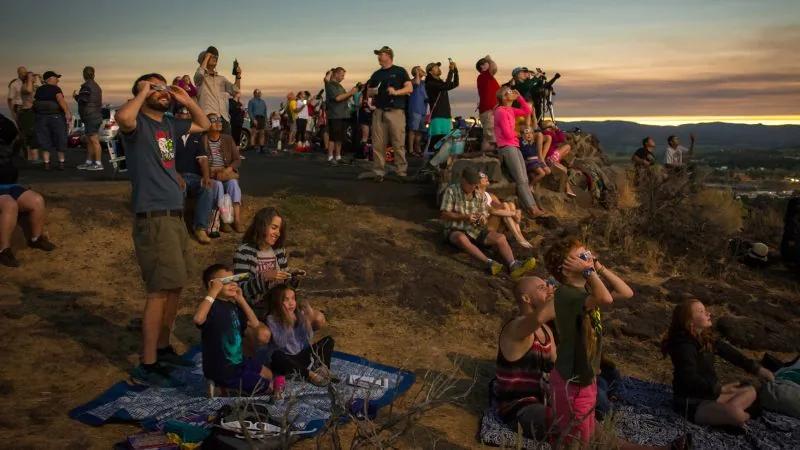
The phrase to read slowly: foreseeable events
One of the most important ideas in travel insurance weather cancellation language is foreseeability.
If a storm is already named, a strike is already announced, civil unrest is already public, or a disruption is already known before you buy, many policies treat that as foreseeable. That can block coverage for claims tied to that event. Public guidance on travel insurance repeatedly warns against last-minute buying after the risk is obvious.
For eclipse trips, this matters in two different ways.
First, weather is always part of the background risk. Everyone knows clouds are possible. That does not automatically mean every weather-related claim is excluded—but it does mean you should be very cautious about assuming a bad forecast, by itself, creates a cancellation right.
Second, timing matters. If you wait until a major disruption is already in the news, you may be buying too late for that event to count as unforeseen. Some benefits are also time-sensitive in a different way: certain waivers or optional upgrades may only be available if you buy soon after your first trip deposit.
That is why the smartest moment to read a policy is not the night before departure. It is before you lock in the expensive, nonrefundable parts.
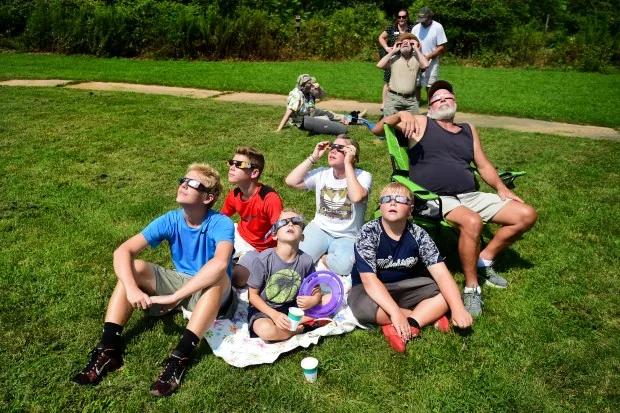
Standard cancellation vs. broader flexibility
A lot of readers eventually arrive at the same comparison: standard trip cancellation versus a broader add-on often described as cancel for any reason travel insurance.
At a high level, standard cancellation is narrower and usually tied to listed covered reasons. A cancel-for-any-reason style upgrade, where available, is broader but usually more expensive and often reimburses only a percentage of your prepaid, nonrefundable trip cost rather than the full amount. It may also require you to insure all trip components, buy within a short window after your initial deposit, and cancel a certain number of hours or days before departure.
That does not make one automatically “better.” It means they solve different problems.
If your real fear is, “What if the forecast looks ugly and I decide I cannot emotionally justify the trip?” then a standard policy may not match your actual risk. If your fear is, “What if I get sick, my flight is canceled by severe weather, or a wildfire closes the area?” then standard trip cancellation may be more relevant.
When people search for the best travel insurance eclipse trip weather cancellation option, the honest answer is that “best” depends on what loss you are actually trying to protect against. The wrong policy can be perfectly good insurance for someone else and useless for you.
The eclipse-specific question most people forget to ask
Ask this before you buy anything: am I trying to insure the trip, or am I trying to insure the experience?
Those are not the same thing.
Insurance products usually deal better with the trip as a financial object: prepaid costs, delays, interruptions, medical events, evacuations, baggage, supplier default, and other defined disruptions. They often deal poorly with the experience as an emotional object: “I reached Spain, but clouds blocked totality,” or “I was in the partial zone instead of the centerline and now regret my plan.”
That is why eclipse planning starts with geometry. On August 12, 2026, totality crosses parts of Greenland, Iceland, and Spain. In Iceland, the west of the country lies in the path, and Space.com’s reporting cites land totality up to about 2 minutes 13.7 seconds. In eastern Greenland’s Scoresby Sund, totality can reach about 2 minutes 17 seconds. In Spain, the path crosses the northeast, with totality on the order of roughly 1 minute 44 seconds in favorable locations, but the Sun will be low late in the day, so local horizon and terrain matter.
Those are not insurance details, but they affect insurance decisions. A low-Sun eclipse in Spain creates one kind of planning risk. A cruise in the Atlantic creates another. A self-drive plan in western Iceland creates another. If you do not understand the observing setup, you cannot judge the financial risk you are taking on.
For that bigger planning picture, our August 12, 2026 total solar eclipse planning guide and Spain path basics guide are worth reading before you compare policies.
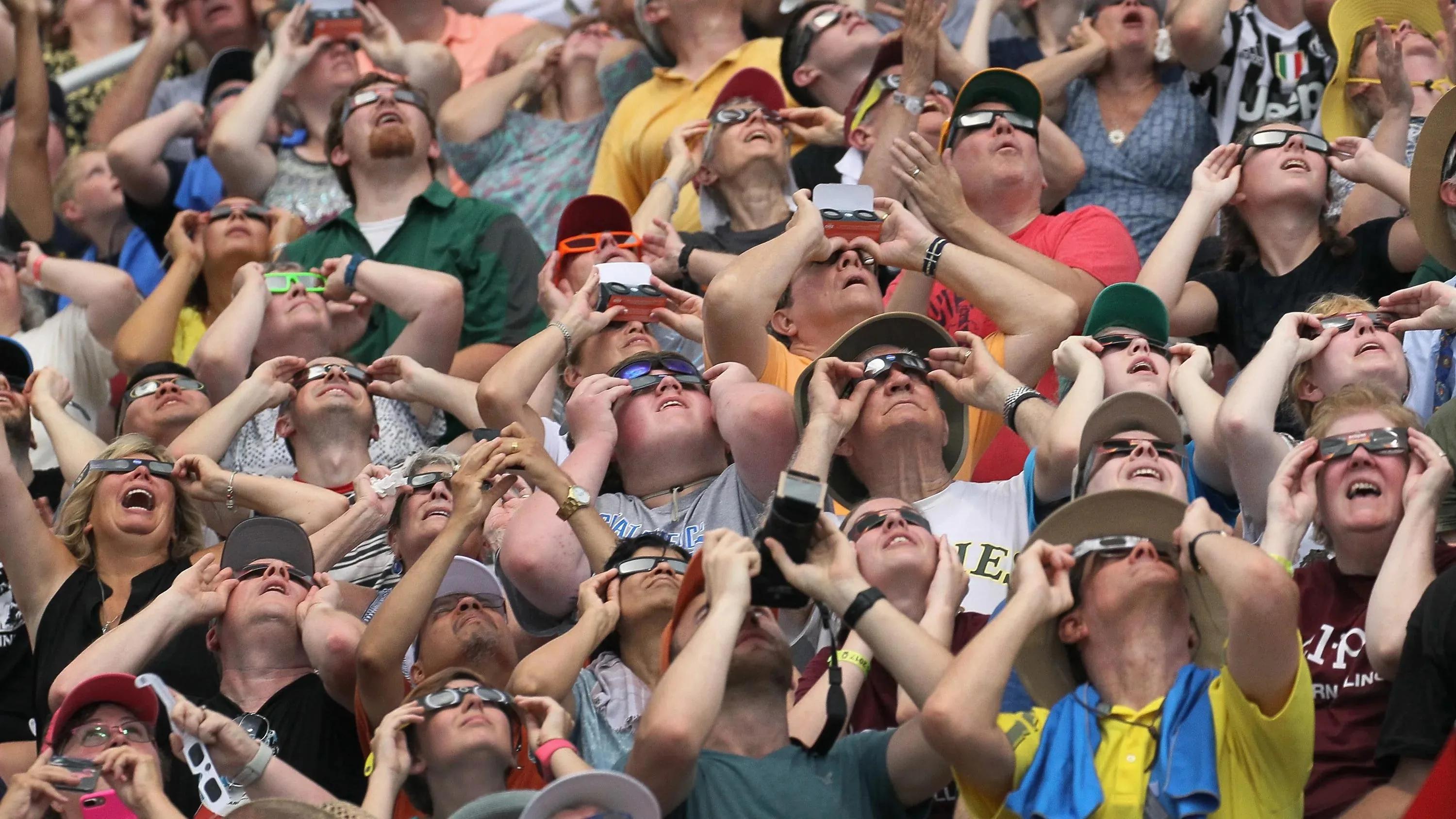
What to scan for in the fine print before you pay
You do not need to become an insurance lawyer. But you do need a checklist.
1) Covered reasons for cancellation
Look for the actual list. Not the marketing summary—the certificate or policy wording. Does weather appear? In what form? Severe weather? Natural disaster? Common-carrier cancellation? Road closure? Government order?
2) Definitions of severe weather and travel disruption
Some policies may require a real operational impact: airport closure, grounded carrier, inaccessible destination, or a long enough delay that the trip is materially affected. A gloomy forecast may not count.
3) Foreseeable-event language
Read what happens if the event was known before purchase. This matters for storms, strikes, unrest, and other public disruptions.
4) Time-sensitive benefits
Some upgrades or waivers may only be available if you buy soon after the first deposit. If you are considering broader flexibility, do not assume you can add it later.
5) Reimbursement percentage
Standard cancellation may reimburse up to the covered amount for covered reasons. Broader options may reimburse only part of the loss. That difference is easy to miss when you are skimming.
6) What counts as trip cost
Only prepaid, nonrefundable expenses are usually relevant. If an airline gives you a credit or a hotel offers a refund, that changes what remains claimable.
7) Delay vs. cancellation vs. interruption
These are different buckets. Travel insurance weather delay language may help if weather strands you en route. Trip interruption may matter if you must cut the trip short after departure. Neither is identical to pre-departure cancellation.
8) Activity exclusions
If your eclipse plan includes hiking, boating, expedition cruising, or remote travel, check whether the policy treats any part of that as hazardous or subject to special rules.
9) Civil unrest, strikes, and government actions
An eclipse trip can be disrupted by much more than clouds. Read those exclusions too.
10) Claim documentation
If something goes wrong, what proof is required? Carrier notices, receipts, medical records, closure notices, weather bulletins? If you would not know how to document the event, slow down and read more.
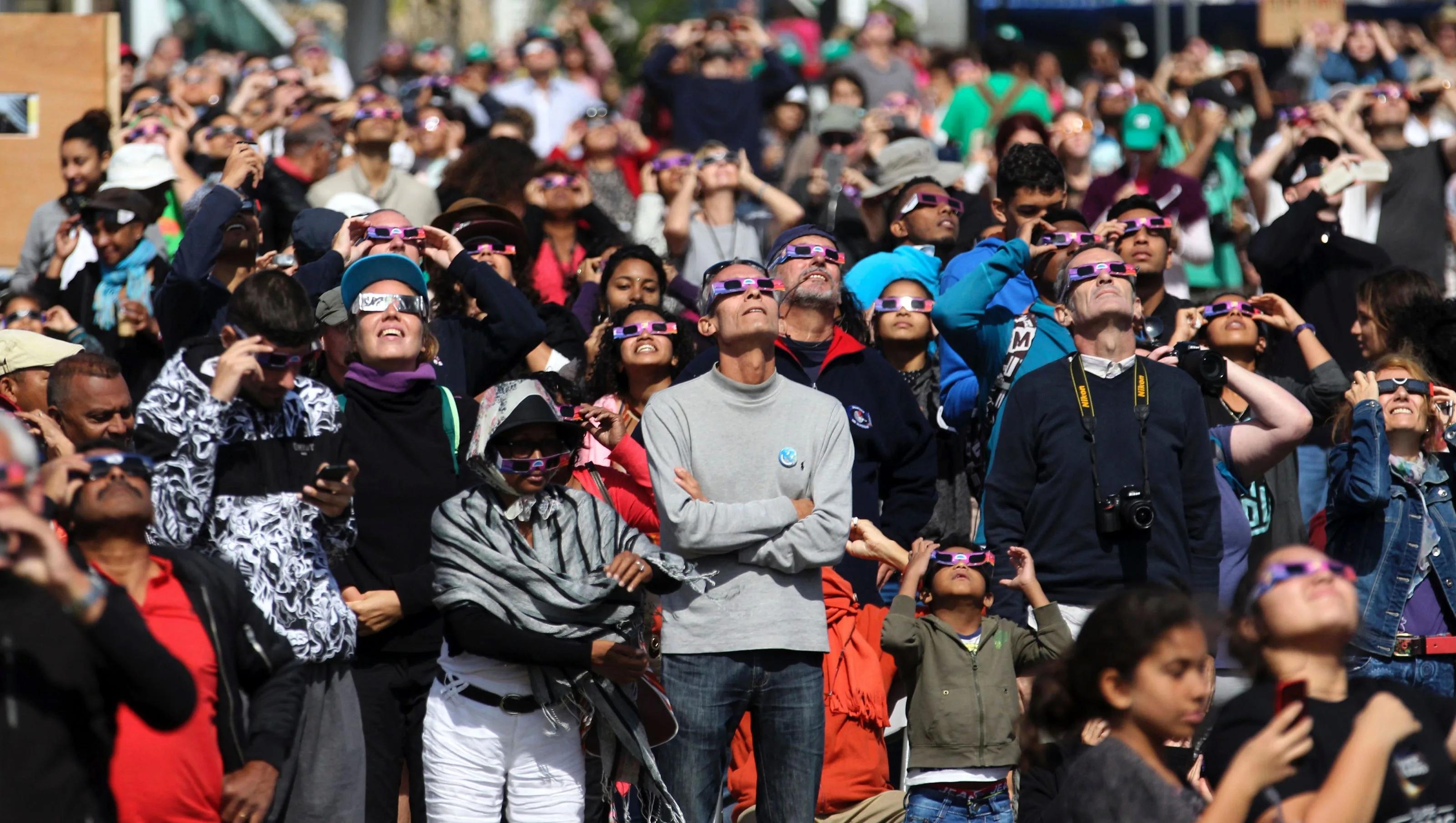
Cost: what you are really buying
Readers often ask about travel insurance eclipse trip weather cancellation cost as if there were one clean number. There is not.
Public-regulator guidance commonly describes travel insurance as costing roughly 4% to 10% of trip price, while market explainers note that comprehensive policies vary with age, destination, trip length, trip cost, and benefit mix. In other words, the premium reflects the structure of the trip and the breadth of the protection, not just the eclipse.
That means the travel insurance eclipse trip weather cancellation cost for a modest self-drive Spain trip may look very different from the cost for a Greenland expedition cruise or a family itinerary with multiple prepaid hotels. A broader cancellation option can raise the premium further.
The useful question is not “what is the average?” It is “what loss am I exposed to if this trip goes sideways?” If your refundable costs are high and your nonrefundable costs are low, you may need less insurance than you think. If the opposite is true, the fine print matters more.

The most common eclipse-trip insurance mistakes
The first mistake is buying based on the headline benefit name.
“Trip cancellation” sounds broad. “Comprehensive” sounds complete. Neither word tells you whether cloud disappointment is covered, whether a strike was already foreseeable, or whether your remote excursion is excluded.
The second mistake is confusing weather at the destination with weather that legally or operationally prevents travel. Those can overlap, but they are not identical.
The third mistake is ignoring mobility. Eclipse veterans often say some version of: plan ahead, watch forecasts, and stay movable. That is not anti-insurance advice. It is realistic eclipse advice. Climate data can guide where you start, but as the AAS puts it, climate is what you expect; weather is what you get.
The fourth mistake is forgetting that a 99% partial eclipse is not totality. If you are spending serious money, make sure you are actually booking inside the path of totality and not assuming a near miss is “close enough.” The difference is profound, as the AAS explains in its eclipse-phenomena and totality-darkness resources. If you need a refresher on safe viewing during the phases, read When glasses on, when glasses off.
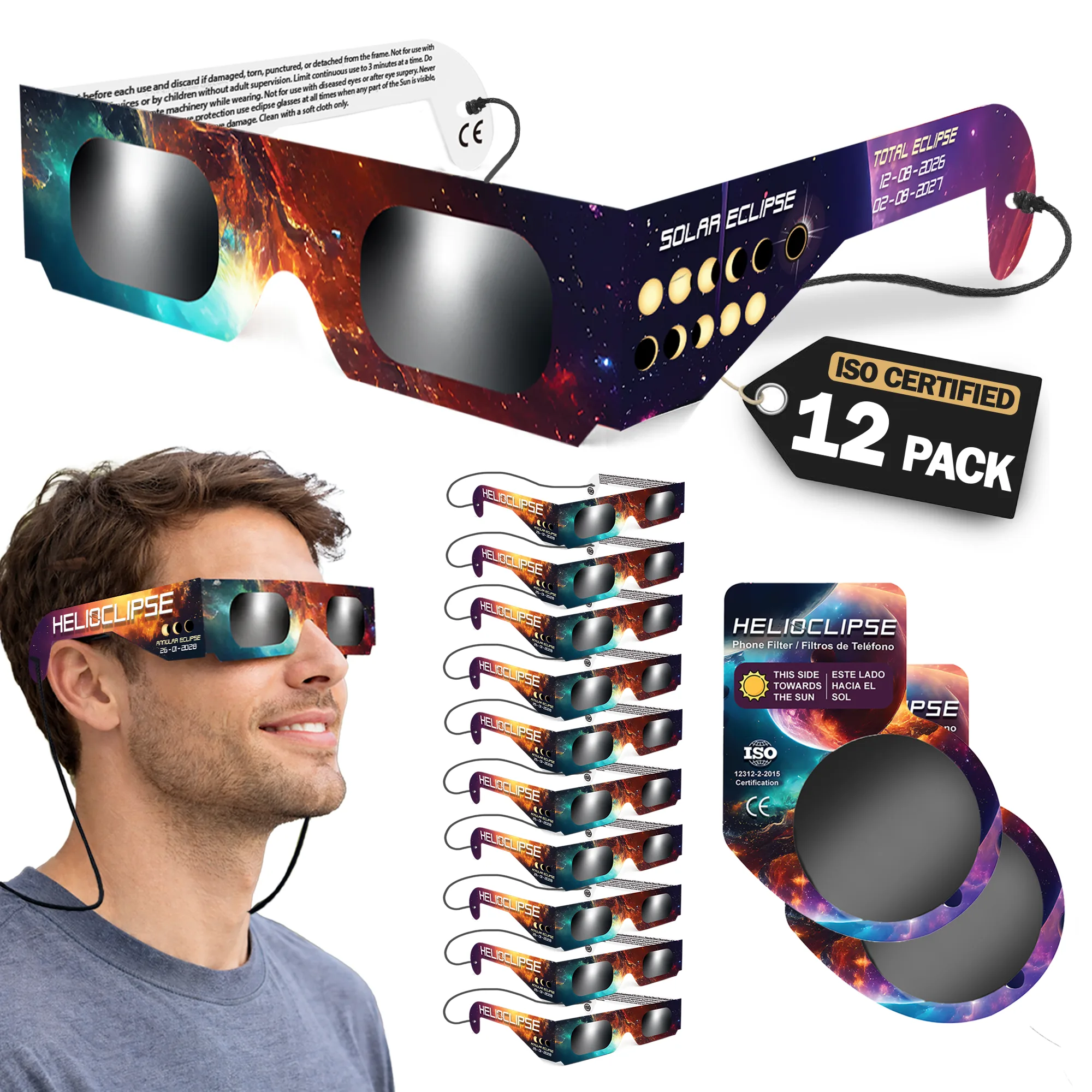
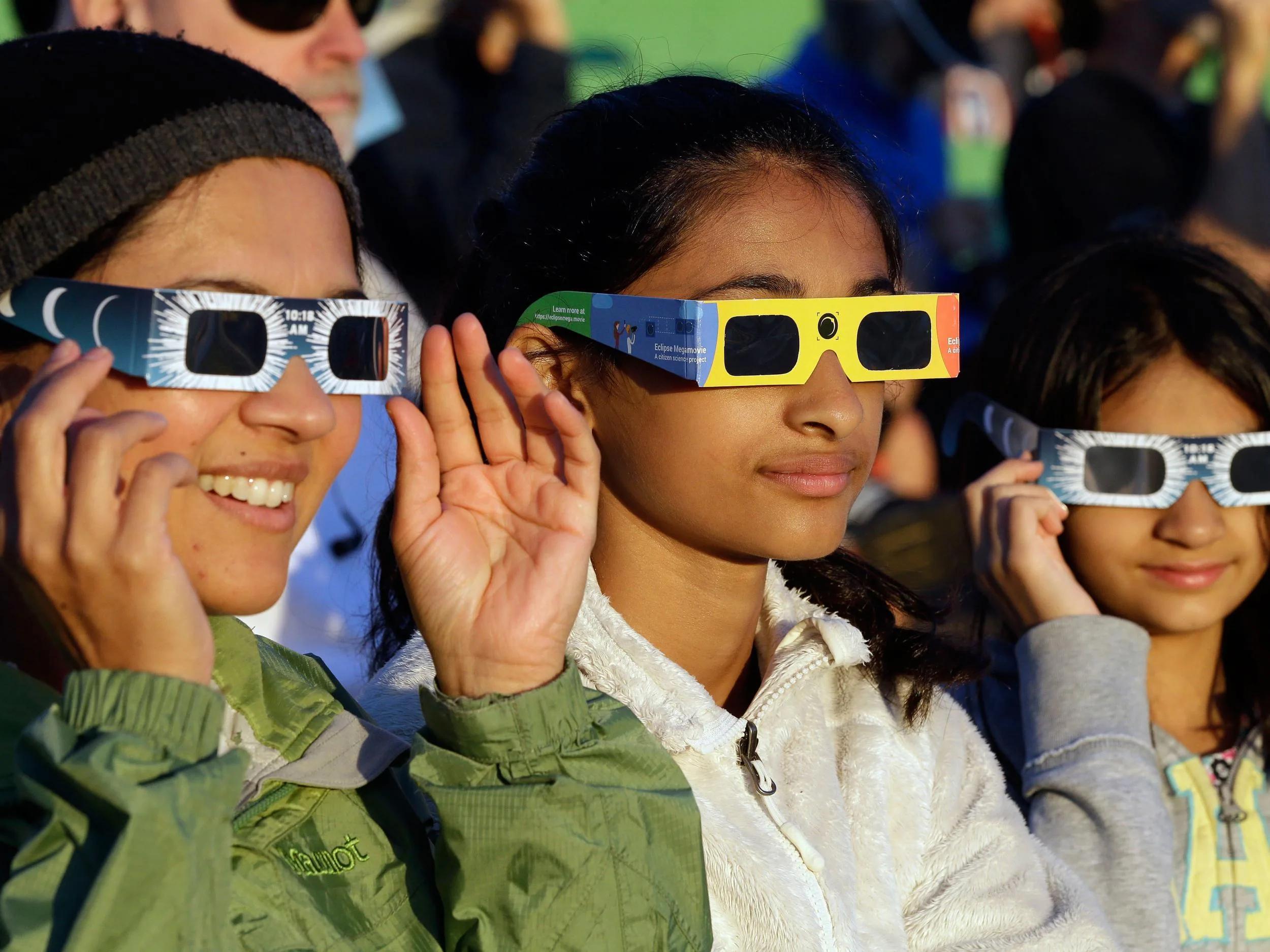
The fifth mistake is leaving eye protection to the last minute. Insurance cannot fix unsafe improvisation. If you are planning with family or friends, sort out your viewers early and stick to products that meet the right standard. When you shop, you will see phrases like approved solar eclipse glasses, solar eclipse glasses iso 12312-2 certified, and certified solar eclipse glasses; what matters is that you verify the product and seller carefully, not that you trust a vague marketplace label.
You can check our Shop eclipse glasses when you are ready to get your group covered.
“What if it’s cloudy?” is really three different questions
Most people say “cloudy” as if it were one problem. For eclipse planning, it is at least three.
Cloudy enough to ruin the view
This is the emotional nightmare scenario. You traveled, you arrived, the eclipse happens, and the sky does not cooperate. Standard insurance may not treat that as a covered cancellation reason if travel still proceeds.
Severe weather that disrupts transport
This is a different category. If weather grounds flights, closes roads, halts ferries, or creates a long covered delay, some policies may respond—subject to terms.
Weather that changes your strategy before departure
This is where broader flexibility matters most. If your real goal is the freedom to walk away from the trip because the forecast looks poor, you need to understand whether your policy actually allows that and under what reimbursement limits.
That is why travel insurance weather questions are never answered well by a single yes or no. You need the exact scenario.
Why eclipse travelers should think in layers, not miracles
The best protection for an eclipse trip is usually layered.
Layer one is choosing the right observing region in the first place. Historical cloudiness is not destiny, but it is still useful. The AAS weather and climate resources point readers toward climatology, satellite tools, and the practical mindset eclipse chasers use.
Layer two is booking with flexibility where you can: refundable lodging, changeable transport, overnight stays that avoid post-eclipse traffic traps, and enough time buffer to move if forecasts improve elsewhere. Space.com’s 2026 reporting highlights exactly this kind of thinking for Spain, Iceland, and Greenland.
Layer three is insurance that matches your actual financial exposure, not your wishful interpretation of a product label.
Layer four is safe viewing gear and a realistic plan for the phases. Outside totality, or during any partial phase, you need proper solar viewing protection. The AAS eye-safety guidance is clear: ordinary sunglasses are not enough.
Layer five is group communication. Tell your friends, family, or school group early what the plan is if the weather looks mixed. The worst time to discover that half your group assumed “insurance will cover it” is after everyone has already paid.
A plain-language way to compare policies without pretending certainty
If you are shopping around, here is a practical way to compare without getting lost in marketing language.
Write down your trip’s nonrefundable costs. Then write down the three disruptions you fear most: maybe illness, major transport disruption, and poor eclipse weather. Now compare policies against those exact fears.
For each policy, ask:
- What pre-departure cancellation reasons are explicitly covered?
- What weather events count, exactly?
- What is excluded as foreseeable?
- Is there a broader cancellation option, and what percentage does it reimburse?
- How soon after first deposit must I buy?
- Are remote or adventure-style activities excluded?
- What documentation would I need to make a claim?
That exercise is more useful than hunting for the best travel insurance eclipse trip weather cancellation product in the abstract. It also keeps you honest about what insurance can and cannot do.
And one more reminder: travel insurance for trip cancellation only may be enough for some travelers, but not for others. If you are going somewhere remote, traveling internationally, or building a complicated itinerary, medical, evacuation, and interruption benefits may matter too. The right answer depends on the trip.
The honest philosophy: plan for uncertainty, not control
Eclipse travel is a strange mix of precision and humility. We can predict the Moon’s shadow to the second. We cannot promise a clear sky over your exact hill, harbor, or roadside turnout.
That is not a reason to give up. It is a reason to plan like an adult and still keep the wonder.
For August 12, 2026, the stakes are real. In Spain, many travelers will be chasing a low western Sun late in the day, where terrain and horizon can matter as much as cloud cover. In Iceland, mobility may help because weather can change quickly across the west. In Greenland, the trip itself may be the bigger gamble, with high costs and fewer easy alternatives. Those are different risk profiles, and your booking strategy should reflect them.
So yes, read the boring parts. Read them before you pay. Then make the trip plan that fits your tolerance for risk, your budget, and your willingness to move.
That is not pessimism. It is how you protect the joy of the trip from avoidable financial surprises.
Frequently asked questions
What mistakes do people most often make when they buy trip insurance for an eclipse trip?
The biggest mistake is assuming the policy will pay out just because the weather looks bad. The article says travel insurance is a contract with definitions, exclusions, deadlines, and trigger conditions, so readers should check the exact wording before paying for flights, hotels, or tours.
If the forecast calls for clouds or rain, can I cancel and expect my policy to cover it?
Usually no. The excerpt says many policies cover specific events like illness, injury, death in the family, certain carrier disruptions, or some natural disasters, but not simply because the sky over your eclipse site looks cloudy and you do not like your odds.
Would a policy usually pay if I get kidney stones before the trip?
The excerpt does not list kidney stones specifically, so you should not assume coverage. It says trip-cancellation policies are usually tied to named covered reasons, such as serious illness or injury, and the exact terms vary by policy and country.
What kinds of losses are often left out of a trip insurance policy?
A policy often will not cover disappointment, a poor forecast, or other situations that are not named as covered reasons. The article also warns that coverage depends on definitions and trigger conditions, so you need to read the exclusions and deadlines carefully.
If I only buy cancellation coverage, what should I understand before I pay?
You should understand that trip-cancellation coverage generally applies to prepaid, nonrefundable costs you lose because a covered event forces you to cancel. It does not automatically protect you from a cloudy eclipse, and the exact rules depend on the policy language.
On-site next steps
- Use our Eclipse Explorer / 3D map to compare total vs. partial locations, check where the centerline runs, and understand whether your chosen site gives you seconds or minutes of totality.
- If you are building a weather backup plan, read our guide to eclipse travel without the chaos and our article on cloud cover and eclipse day mobility.
- Get your viewing gear sorted early in our Shop eclipse glasses so your group is not scrambling for safe filters at the last minute.
- For more planning and safety explainers, browse the Helioclipse blog.
Sources & further reading
- Trip Cancellation vs. Cancel for Any Reason Coverage
- What Is Trip Cancellation Insurance? Coverage Explained
- Travel Insurance and Bad Weather
- Taking a Trip? Information About Travel Insurance You Should Know Before You Hit the Road
- Eclipse chasers share insider tips, travel advice and skywatching secrets for the 2026 total solar eclipse
- How to View a Solar Eclipse Safely
- Solar Eclipse Climate & Weather Data
- Phenomena You’ll Experience at a Total or Annular Eclipse
- How Dark Does It Get During a Total Solar Eclipse?
- Tours & Travel Opportunities
Plain-language note: policy wording, eligibility, and claims rules vary by insurer and country. Read the certificate or policy terms for your specific plan before relying on any coverage.