Balconies and rooftops: lease rules, parapets, and the glare you did not model
A private balcony seems like the easiest eclipse venue imaginable: step outside, look up, and avoid the crowds. An authorized roof terrace can be even more tempting, especially when it offers a broad horizon and a view across the city. But height does not automatically make a site better. A locked access door, a low parapet, a glass façade reflecting the Sun, or six tripods squeezed into a narrow passage can turn a promising location into the wrong one.
This rooftop balcony solar eclipse viewing apartment safety 2026 guide begins with a simple principle: treat your building as a real observing site, not as an improvised viewing platform. Confirm what eclipse is visible with our Eclipse Explorer, check the Sun’s direction and altitude, obtain permission where required, and arrange your space while there is no countdown pressure.
For the total solar eclipse on August 12, 2026, the distinction between total and partial eclipse is decisive. Only observers inside the path of totality experience a brief interval when the Sun’s bright face is completely covered. Everyone outside that path sees a partial eclipse and must use proper solar protection whenever looking directly at the Sun. An apartment address that sounds geographically close to totality can still be outside the path, so verify the exact location rather than relying on a city name or a neighbor’s guess.

First question: are you actually allowed to be there?
A balcony included in your apartment may still be governed by lease provisions, condominium rules, occupancy limits, and restrictions on attaching equipment to railings. A shared roof is a different matter. It may be a common amenity, a restricted maintenance area, an emergency route, or private property to which residents have no general access.
Do not force a lock, follow a contractor through a restricted door, climb from one terrace to another, or assume that an unlocked hatch constitutes permission. No eclipse view is worth trespassing or entering an area that was not designed for gatherings. Ask the owner, landlord, building manager, homeowners’ association, or other responsible party well in advance. Get a clear answer about access hours, guest limits, furniture, tripods, and whether the route must remain open for emergency use.
Local ordinances and building requirements vary, so this is not a place for universal legal claims. A parapet that satisfies a code requirement in one jurisdiction may not be suitable for a crowded public event, and inspection rules can depend on a building’s age, height, and location. The practical rule is simpler: never treat a parapet or guardrail as seating, a camera support, or proof that a roof is open to residents.
If permission is uncertain, choose a lawful ground-level alternative early. A courtyard, park, school event, library program, or broad pavement with an unobstructed solar sightline will usually be safer than a dramatic roof reached by a questionable door.
Model the Sun, not just the skyline
A panoramic view does not guarantee a view of the Sun. Nearby towers, balcony overhangs, awnings, lift housings, chimneys, trees, and the building itself can block the relevant part of the sky. The Sun also moves during an eclipse, so a gap that works at the beginning may fail near maximum eclipse.
Use the Helioclipse Eclipse Explorer to check the event at your exact address and note what you need to verify: eclipse type, local start and end times, maximum eclipse, and the Sun’s direction and altitude. For the August 12, 2026 event, consult our broader 2026 total solar eclipse planning guide as well. Clock times and the Sun’s position vary by location; do not borrow timings from another city.
Then visit the balcony or authorized terrace on a clear day within a couple of weeks of the eclipse, at approximately the same local clock time. Without looking at the unfiltered Sun, observe where sunlight falls, which wall casts a shadow, whether an overhang blocks the sky, and where guests can stand without bunching against an edge. This rehearsal is far more informative than checking the view at noon when the eclipse will occur later in the day.
If you cannot complete that test safely, choose a more forgiving site. The best viewing location is not necessarily the highest one. It is the place where everyone can see the relevant sky while standing on a stable, permitted surface with room to move.

Parapets do not cancel gravity
The most immediate apartment safety problem is often not astronomy but attention. People looking upward walk backward without realizing it. Children follow adults toward a railing. A photographer takes one step sideways to reframe the Sun. In dimming light near a deep eclipse, cables and bags become harder to notice.
Create an observing line several steps back from every edge. Do not stand on chairs, tables, planters, storage boxes, railings, or parapets to gain a few degrees of sky. If the Sun is hidden from normal standing height, the site does not work. Move to another location rather than making your body taller with unstable furniture.
Keep doors, stairs, drains, and emergency routes clear. Place bags against an interior wall, not in the walking lane. Tape down only those cables that the property manager permits you to use, and avoid extension leads outdoors unless the equipment and connection are suitable for the conditions. A tripod should have a stable footprint that does not block circulation; it should never be balanced against a railing or left where a child can grab it.
Wind deserves special attention on exposed roofs. It can be much stronger above street level, even when a courtyard feels calm. Lightweight chairs, cardboard viewers, hats, filter caps, and sheets used for projection can blow toward an edge or into neighboring property. Secure loose items without tying anything to a guardrail unless the building explicitly allows it.
For families, assign one adult to supervision rather than giving every adult a camera. Keep pets indoors: crowds, unusual light, excitement, and an open balcony door are a poor combination. If anyone uses a wheelchair or mobility aid, confirm that thresholds, door widths, turning space, and the viewing position work before the event.
The reflected glare you did not model
Modern apartment districts contain a second sky made of glass. Ordinary glass transmits much of the light that reaches it, but a portion is reflected where light crosses between materials with different refractive properties. With the right geometry, a window or polished façade can send a concentrated-looking patch of solar glare toward a neighboring balcony.
That reflection can make a screen unreadable, produce distracting bright spots, and encourage people to shade their eyes while moving around near furniture or an edge. Multiple glazed surfaces can also create surprising secondary reflections as the Sun changes position. A tinted balcony panel is not a solar filter, and neither is a reflection in a window. Do not use mirrored glass, dark windows, water, polished metal, or a phone screen as a substitute for a safe viewing method.
Test for glare during the same pre-event site visit used to check the sightline. Look at walls, doors, screens, and the floor rather than staring toward the Sun or its sharp reflection. Note whether a neighboring façade produces a moving bright patch and whether opening or closing a balcony door creates another reflective surface. Reposition chairs and equipment so nobody needs to face intense glare while walking.
A shade cloth may help with general comfort only if the building allows it and it is safely secured, but it does not make direct solar viewing safe. It can also become a sail in rooftop wind. Often the better solution is to move farther inside the balcony, use an indirect projector in the shade, or relocate to ground level.
Eye protection does not change at the tenth floor
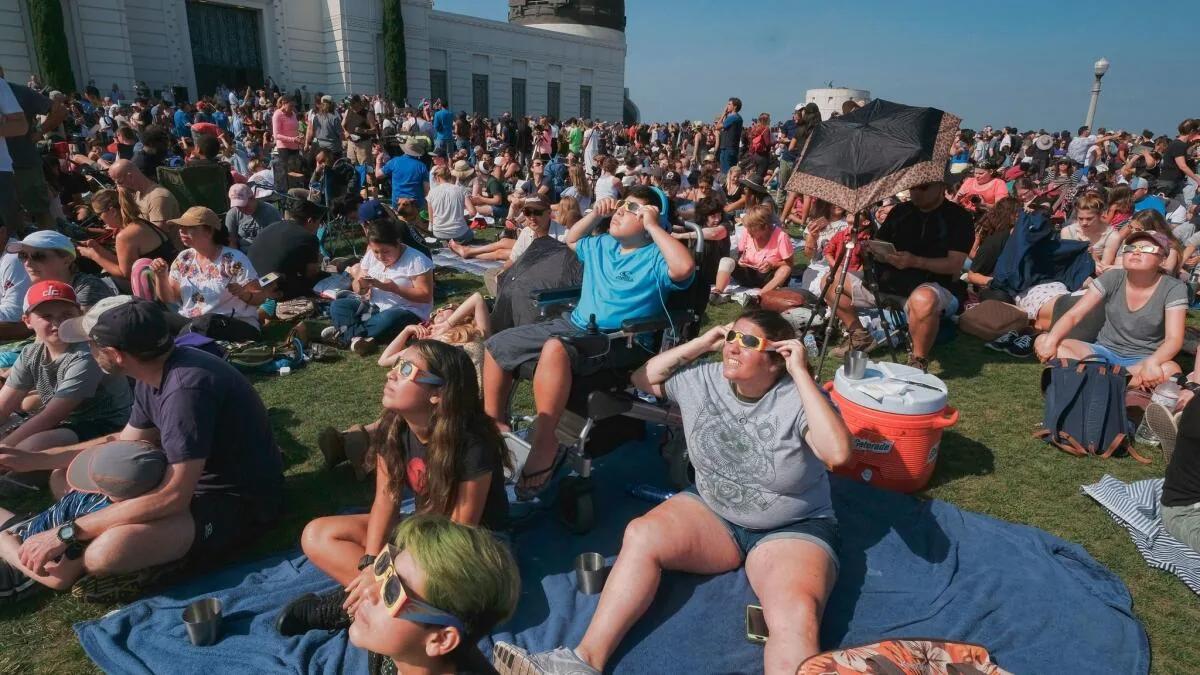
Rooftop balcony solar eclipse viewing apartment safety depends on the same optical rule that applies in a field: the uneclipsed or partially eclipsed Sun is safe to view directly only through a special-purpose solar eclipse viewer that conforms to ISO 12312-2. Ordinary sunglasses are not enough, regardless of how dark they appear.
The question can you look at a solar eclipse without glasses has only one narrow direct-viewing exception: during the brief total phase of a total solar eclipse, at a location confirmed to be inside the path of totality, when the Moon completely covers the Sun’s bright face. Certified protection is required before and after totality. During every partial or annular eclipse, there is no glasses-off interval at all. Our guide to eclipse phases and when to use solar glasses explains the transition in detail.
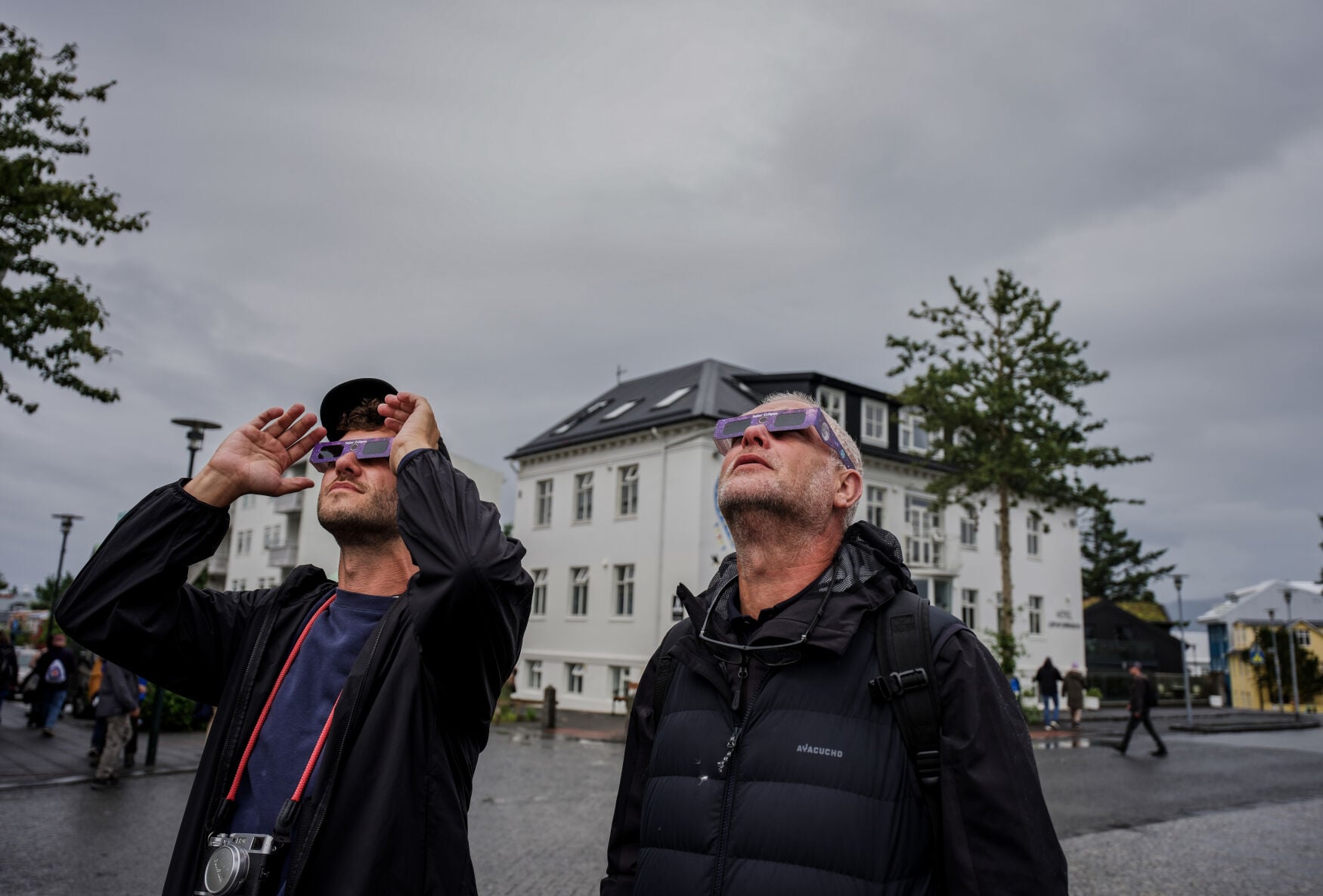
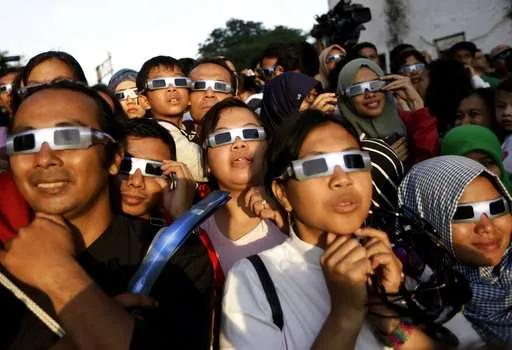
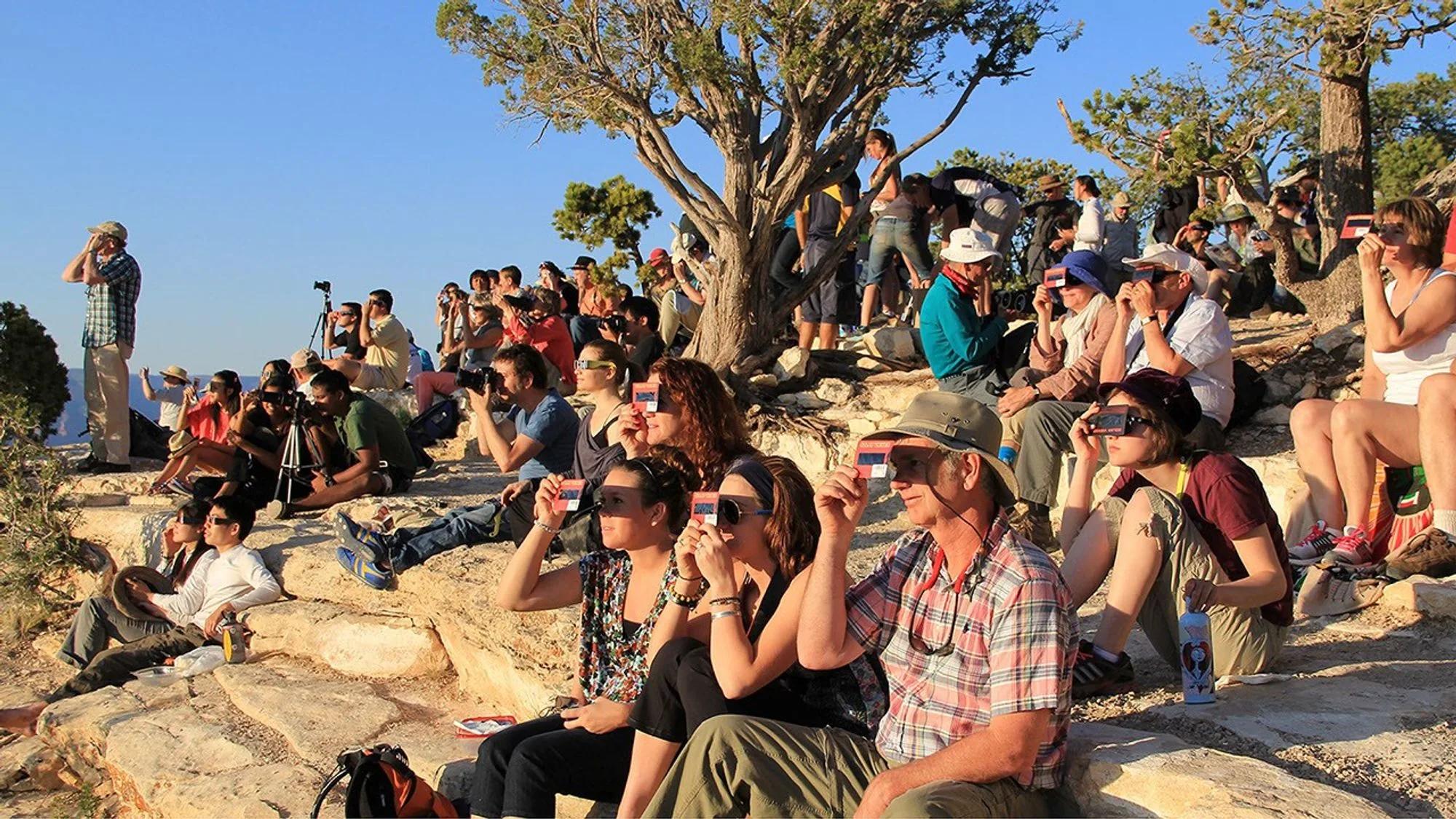
So, what eye protection do you need for a solar eclipse? Use undamaged solar eclipse glasses or a handheld viewer from a trustworthy source, made for direct solar observation and documented as conforming to ISO 12312-2. Inspect the filter before use. Discard it if it is scratched, punctured, torn, separating from its frame, or otherwise damaged. Put the viewer over your eyes before turning toward the Sun; turn away before removing it. Supervise children every time they look.
The phrase AAS approved eclipse glasses can create confusion. The American Astronomical Society provides safety guidance and evaluates suppliers for its own reference list, but product language should not imply a blanket governmental endorsement. NASA likewise states that it does not approve particular brands. Look for traceable manufacturing information, proper instructions, credible conformity evidence, and an intact filter—not an impressive-looking logo collage.
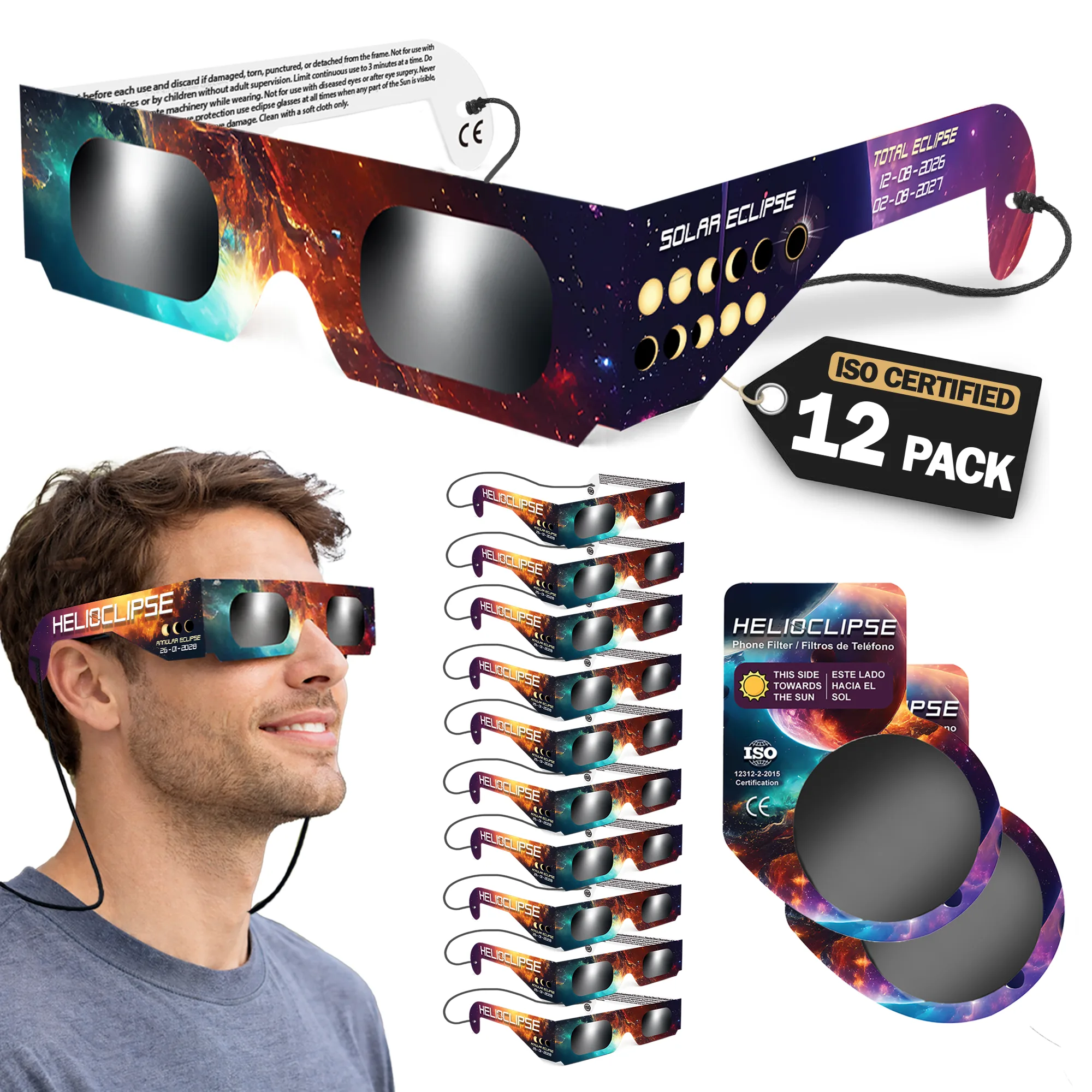
Product descriptions such as solar eclipse glasses iso 12312-2 certified, eclipse viewing glasses, and certified solar eclipse glasses express the right category of buying intent, but wording alone is not proof. Read the labeling and supplier information before trusting the product. We explain the standard and its scope in our ISO 12312-2 guide, and you can obtain Helioclipse solar eclipse glasses before demand peaks.
People also ask, do solar eclipse glasses expire? Age alone is not the complete test. The AAS says viewers less than 10 years old may be reusable when they were properly tested for conformity, remain in excellent condition, and have filters that are not scratched, punctured, torn, loose, or otherwise damaged. Follow the manufacturer’s current instructions and store viewers dry, flat, and protected from abrasion. When their origin or condition is uncertain, replace them rather than improvising.
Cameras and phones need their own plan
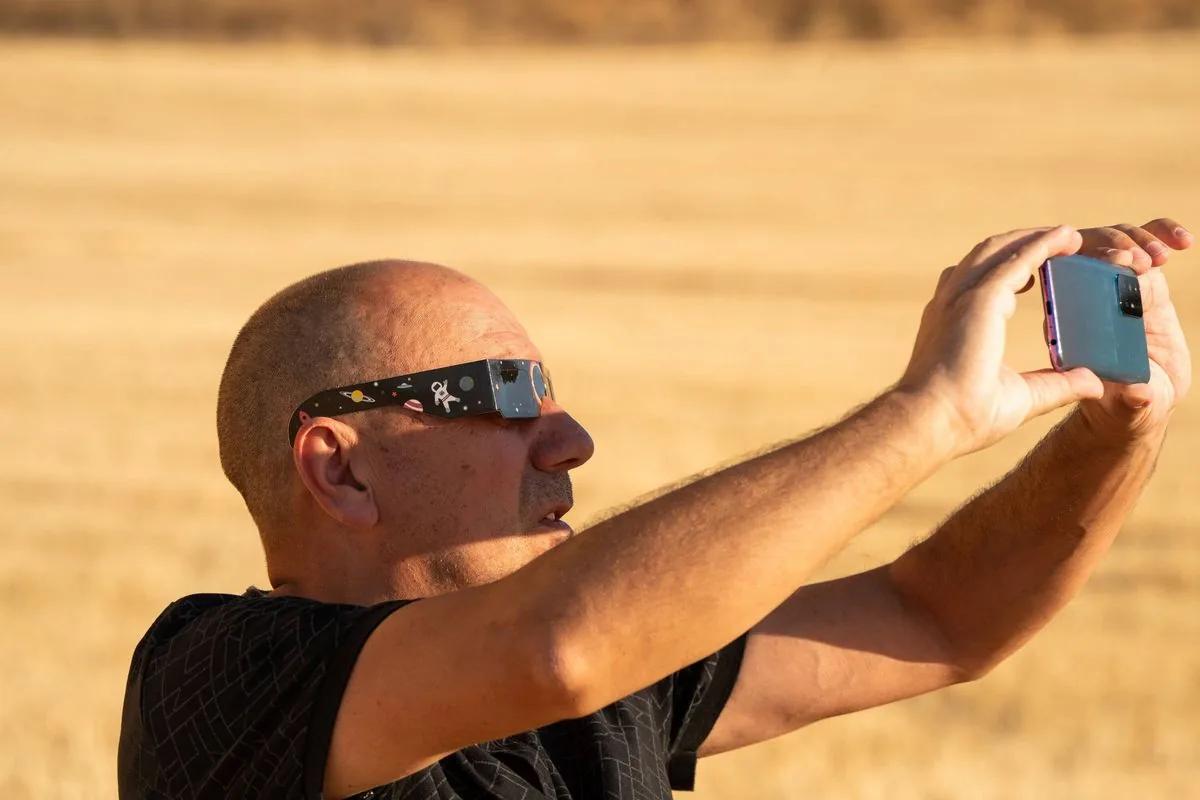
A phone is useful for checking timing, coordinating with friends, and recording the scene around you, but its screen is not eye protection. Pointing a phone at the Sun and watching the display does not turn the device into a certified indirect viewer, and framing the shot can still tempt you to glance directly at the Sun.
Cameras, binoculars, and telescopes require a solar filter designed for the instrument and secured over the front aperture, before sunlight enters the optics. Never look through unfiltered magnifying optics while wearing eclipse glasses. Concentrated sunlight can damage the viewer and your eye. A pair of glasses held behind a camera lens is not a camera filter.
Set up equipment well away from the balcony edge and rehearse the controls beforehand. Use the screen rather than a viewfinder where appropriate, reduce screen glare with your body position, and avoid backing up to compose a shot. If you cannot operate the equipment while maintaining awareness of people and edges, leave the telephoto setup indoors and experience the eclipse directly through proper viewers.
Photography should not consume the only safe standing area. On a narrow balcony, one phone held close to the body may be reasonable; a long lens, tripod, power bank, and several spectators may not be. The sky will provide the spectacle without a crowded equipment bay.
Share the building without taking it over
An eclipse gathering sounds small until guests arrive with chairs, bags, children, and cameras. Tell neighbors and the building manager what you are planning. Confirm the number of people, the permitted period of access, and whether noise or furniture rules apply. Do not reserve a shared terrace by spreading equipment across it hours in advance.
Give everyone a short safety briefing before the partial phase begins: where to stand, which edge is out of bounds, how to use viewers, what equipment must not be touched, and who is supervising children. Distribute viewers indoors so wrappers and instructions do not blow away. If the space is shared, offer brief turns at the best sightline rather than allowing one tripod to occupy it throughout the event.
Be considerate of apartments below and beside you. Do not drop objects, lean over to speak to people, aim lights into windows, play loud commentary, or photograph residents without permission. Keep voices moderate during a long partial phase. The emotional peak may last only minutes, but your neighbors still live there after the Sun returns.
A simple group plan also prevents last-minute confusion. Send the date, local meeting time, access instructions, clothing advice, and eye-safety rules in advance. Ask guests not to bring unapproved stools or large tripods. Have water, hats, sunscreen, and a shaded rest area available; an eclipse can involve hours outdoors even though the dramatic maximum is much shorter.
Safe home viewing without improvised filters
The practical question how to see solar eclipse safely at home? has two good answers: use a suitable direct solar viewer, or observe an indirect projection with your back to the Sun. A pinhole projector can cast an image of the solar crescent onto a shaded surface. The gaps between crossed fingers, holes in a colander, or spaces between leaves can also project many small images during the partial phases.
The important word is projection. Do not look through the pinhole. Position the Sun behind you and watch the image formed on paper, a wall, or the ground. This can be especially useful on a balcony where the direct sightline is awkward but sunlight reaches a safe interior surface.
What can i use instead of solar eclipse glasses? For direct viewing, do not substitute ordinary sunglasses, smoked glass, exposed film, CDs, food wrappers, tinted windows, reflections, or homemade filter stacks. Properly constructed pinhole projection is the most accessible alternative because you look at an image, not at the Sun. A professionally operated solar telescope may also provide a safe view, but only when it has the correct front-mounted filter and is supervised by someone who understands the equipment.
In other words, learning how to see solar eclipse safely at home does not require a roof. A permitted courtyard or a sunny window area suitable for projection may outperform a cramped terrace. If the Sun is blocked from your apartment, watch a reputable livestream rather than climbing, leaning, or entering a restricted roof.
A ten-minute apartment-site checklist
Run this check several days before the eclipse, then repeat the essentials on the day:
- Confirm the eclipse date, local circumstances, and Sun position in the Helioclipse map.
- Verify that the balcony or roof terrace is permitted for your planned use and number of guests.
- Keep all restricted roofs, service areas, fire routes, and neighboring property off limits.
- Test the sightline at approximately the event’s local time without looking at the unfiltered Sun.
- Identify glare from windows, glass balcony panels, polished surfaces, and screens.
- Establish a standing line well back from railings and parapets.
- Remove chairs, planters, cables, toys, and bags from walking routes.
- Check rooftop wind and secure only items the property rules allow you to secure.
- Inspect every viewer for damage and review the instructions with the group.
- Assign active supervision for children and keep pets indoors.
- Put instrument filters on the front of cameras, telescopes, or binoculars; seek expert help if uncertain.
- Prepare a lawful ground-level backup site in case access, wind, glare, or the sightline fails.
If somebody looked without protection
Solar retinal injury may be painless at the moment of exposure, and symptoms can become noticeable later. A worried question such as how long after looking at eclipse eye damage? cannot be answered safely with a universal countdown. Warning signs can include blurred or distorted central vision, a central blind or dim spot, altered color perception, or unusual light sensitivity.
If you or a guest looked directly at the Sun without proper protection and develops visual symptoms, stop observing and contact a qualified eye-care professional promptly. Do not test the eye by looking again, and do not rely on a phone app or online symptom checklist for diagnosis. Sudden or severe vision changes warrant urgent medical attention according to local healthcare guidance.
The question why am i feeling weird after the solar eclipse? may refer to many things that are not retinal injury: heat, dehydration, prolonged standing, anxiety, excitement, or the genuinely strange environmental changes around a deep eclipse. Move to shade, sit somewhere safe, drink water, and tell another person how you feel. Visual disturbances after unsafe solar exposure are different and deserve professional assessment.
Safe Solar Eclipse Glasses? Three Ways To Spot A ...
Astronomy Garage with Reflactor
Frequently asked questions
Can I safely watch the eclipse by looking at it through my phone from a balcony or roof?
The excerpt does not assess whether using a phone changes the safety of viewing the Sun. It says that anyone outside the path of totality must use proper solar protection whenever looking directly at the Sun.
How quickly can eye problems occur after looking at an eclipse without proper protection?
The excerpt does not provide a timeline for eye damage or describe symptoms after unsafe viewing. It emphasizes verifying whether your exact location is inside the path of totality and using proper solar protection for any direct view of a partial eclipse.
I feel unusual after the eclipse—does the article explain what that could mean?
The excerpt does not discuss physical symptoms or health effects after an eclipse. Its guidance focuses on safe access, permission, crowding, parapets, and direct-Sun viewing protection.
What eye protection is required for viewing from my apartment balcony or rooftop?
If your location is outside the path of totality, proper solar protection is required whenever you look directly at the Sun. Verify the exact address rather than assuming that being near a city in the totality region is sufficient.
What should I use if I do not have proper solar viewing protection?
The excerpt does not recommend substitutes for proper solar protection. If you cannot view safely, choose not to look directly at the Sun and make viewing plans before the event rather than improvising under time pressure.
On-site next steps
Choose your viewers before eclipse-week demand and store them somewhere flat, dry, and easy to find. Visit the Helioclipse shop for ISO 12312-2 eclipse glasses, order enough for your household or viewing group, and inspect every pair before the event.
Then use the Eclipse Explorer to check your exact address, local eclipse type, timing, and solar position. If your balcony fails the permission, sightline, glare, or fall-safety test, let it fail now—not five minutes before maximum eclipse.
Sources & further reading
- Where Will You Be on Eclipse Day: April 8, 2024? — Sky & Telescope
- How to Do Eclipse Outreach On and Off the Path — Sky & Telescope
- Tips for Photographing a Total Solar Eclipse — Sky & Telescope
- Making Glass Invisible—a Nanoscience-Based Disappearing Act — Phys.org
- Host a Sun Party — NASA Science
- How to View a Solar Eclipse Safely — American Astronomical Society
- About the ISO 12312-2 Standard for Solar Viewers — American Astronomical Society
- Solar Filters for Optics: Telescopes, Binoculars & Cameras — American Astronomical Society
- Eclipse Viewing Safety — NASA Science
- What to Expect: A Solar Eclipse Guide — NASA Science