Citizen science you can actually finish: clouds, temperature notes, and realistic participation
A lot of eclipse coverage makes participation sound bigger and more complicated than it needs to be. In reality, some of the most useful contributions are also the most manageable: noticing the clouds, taking a few temperature readings, writing down what changed, and doing it in a way that does not hijack the reason you came in the first place.
That is the sweet spot for globe eclipse citizen science temperature work. You do not need a lab, a telescope, or a heroic all-day protocol to help. For many families, school groups, and casual travelers, the best plan is the one you can actually finish without missing the eclipse itself.
If you are still deciding where you will watch from, our Eclipse Explorer / 3D map helps you check whether your location is in totality or only a partial eclipse. That matters, because your observing plan, your timing, and your eye-safety rules all depend on exactly what kind of eclipse you will experience.
The realistic goal: contribute a little, observe a lot
NASA and partner programs have repeatedly emphasized a simple truth: citizen science during an eclipse is enrichment, not an obligation. That framing matters. The point is not to turn every viewer into a stressed-out field technician. The point is to make a rare sky event more meaningful for people who want to add one layer of observation.
That is why we recommend you reference established participatory programs at high level eclipse planning rather than memorizing a frozen checklist from an old article. Program pages, app workflows, age rules, and submission windows can change between eclipses. The durable idea is simple: use current official instructions, keep your methods modest, and leave room to actually look up.
NASA’s eclipse citizen-science pages highlight a range of projects, from radio and sound studies to image-based campaigns. But for most readers, clouds and temperature are the most realistic entry point. They are low-friction, family-friendly, and scientifically relevant because eclipses briefly reduce incoming solar energy over a moving patch of Earth.
If you are planning for August 12, 2026, this article works as a globe eclipse citizen science temperature 2026 guide in the practical sense: choose a simple protocol, know your local eclipse circumstances, protect your eyes, and do not over-schedule totality.
Why clouds and temperature are worth measuring
An eclipse is not just a visual event. It is also a short-lived change in how much sunlight reaches the ground and lower atmosphere. That can influence air temperature, the feel of the wind, and sometimes the behavior of clouds. Not every site shows the same response, and that is exactly why distributed observations matter.
NASA’s reporting on the 2024 eclipse described thousands of observers collecting cloud photos and air-temperature readings through GLOBE-linked tools. One of the useful takeaways from earlier work is that cloudier places tend to show a more muted temperature drop than clearer places. During the 2017 eclipse, NASA reported an average drop of about 7°F, or roughly 4°C, across the collected temperature observations, with smaller changes where cloud cover was greater.
That is the core of globe air temperature with eclipse shadow science. The Moon’s shadow changes the energy input; the atmosphere responds; and the response is not identical everywhere. A clear inland site, a humid coastal site, and a place under thicker cloud can all behave differently.
This is also why cloud notes are not a consolation prize. They are part of the science. NASA’s Earth Observatory coverage of the 2024 event made the point clearly: even when clouds spoiled someone’s perfect corona view, those same clouds became valuable observations in their own right.
What a simple participation plan looks like
For most people, the best eclipse project has three features:
- It uses tools you already understand.
- It does not require constant screen time.
- It leaves the peak moments emotionally and visually available.
A practical setup can be as basic as:
- one thermometer you trust
- one phone for notes or an official app
- one adult timekeeper if children are participating
- one paper backup in case the app, signal, or battery fails
That is enough for a small globe eclipse project at family scale.
You might take a reading before the eclipse deepens, another closer to maximum, and another after the light returns, following whatever the current official program asks for. If the program requests cloud photos in several directions or overhead, do that only if it fits your site and your safety plan. If it starts to feel frantic, simplify.
The best version of globe eclipse tool use is boring in the best possible way: open the official app beforehand, learn the buttons before eclipse day, and avoid improvising under pressure.
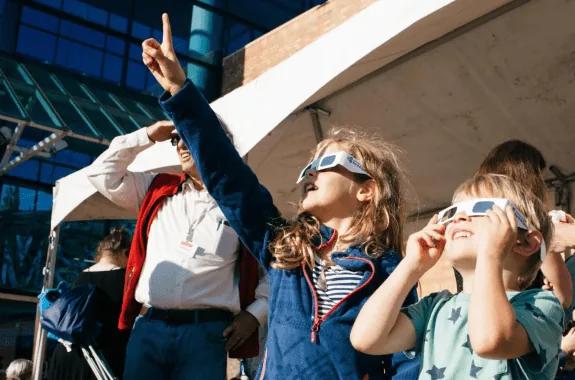
Use current program pages, not stale screenshots
This is where many well-meaning guides go wrong. They freeze one year’s workflow and accidentally turn it into timeless advice. But eclipse campaigns evolve. Submission windows open and close. Some projects are active for one eclipse and dormant for the next. Age requirements can differ. Equipment expectations can change.
So yes, reference established participatory programs at high level eclipse planning ppt may sound like the title of a slide deck someone saved from a workshop, and reference established participatory programs at high level eclipse planning qui may look like a clipped search phrase rather than a sentence. But the useful principle behind both awkward strings is real: keep your article-level planning high level, then click through to the live program page for the current protocol.
For cloud and temperature work, the GLOBE ecosystem is the obvious example. NASA described the eclipse workflow as part of the broader GLOBE effort, and the GLOBE Observer citizen science platform is the right kind of hub to check because it points readers toward current participation options rather than locking them into an outdated campaign page.
If you want a broader menu, NASA’s eclipse citizen science hub is a strong starting point. It includes projects with very different commitment levels, from simple observations to more specialized efforts.
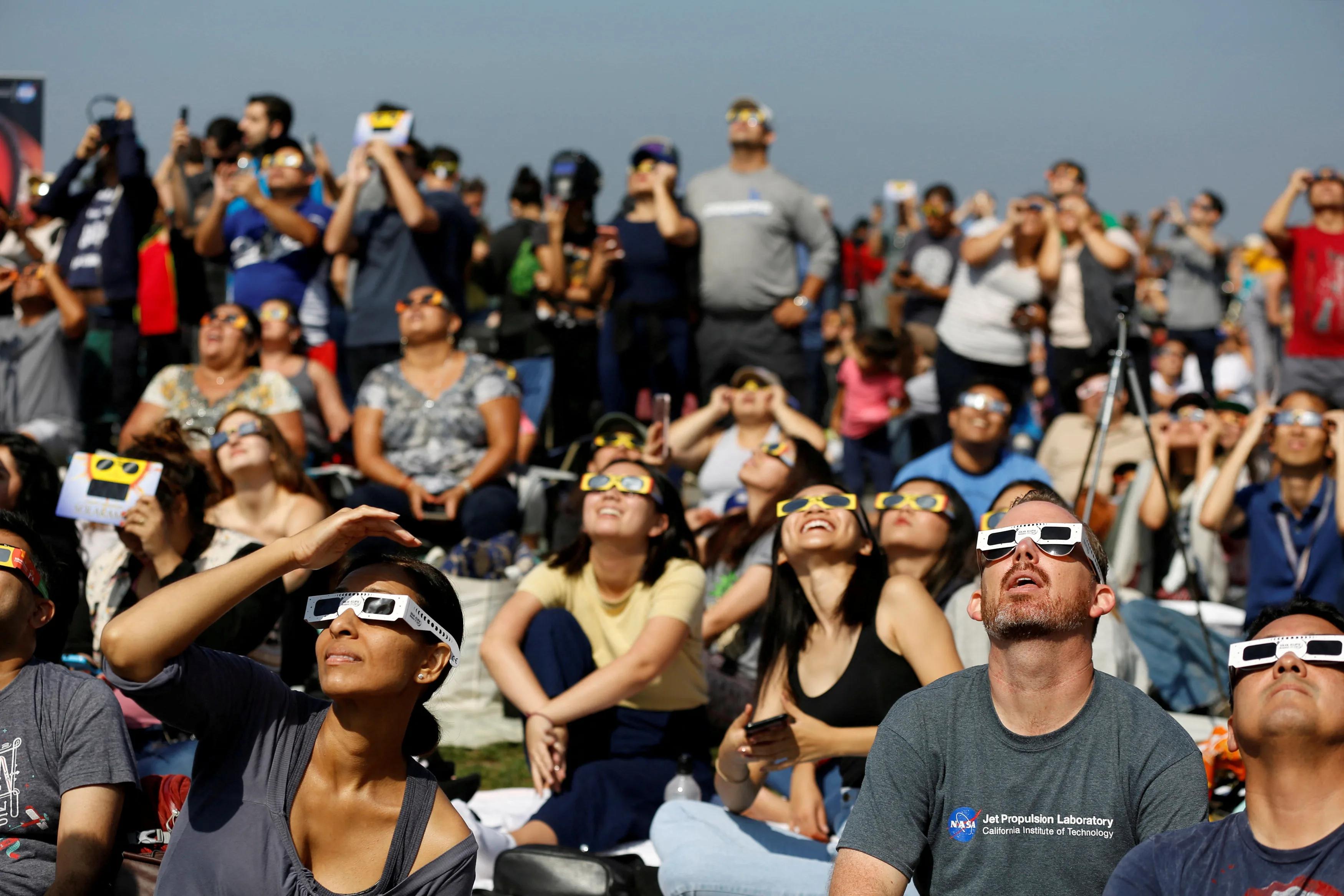
Safety first, always, even during “science”
No eclipse experiment is worth unsafe viewing. That sounds obvious, but it is easy for people to get distracted when they are juggling a phone, a thermometer, children, and a countdown.
The American Astronomical Society’s guidance is the standard we trust: during any partial phase, and during any eclipse outside the path of totality, you need proper solar viewing protection for direct viewing. Only people inside the path of totality may remove eclipse glasses, and only during the brief interval when the Sun’s bright face is completely covered. If you want the full timing logic, read our guide to when glasses on, when glasses off: eclipse phases explained for first-time viewers.
For families and group leaders, supervision matters. NASA and AAS both frame safe viewing as the first priority, and we agree. If minors are participating, assign one adult to safety and one adult to the observation task if possible. Do not ask children to manage timing, direct solar viewing, and data entry all at once.
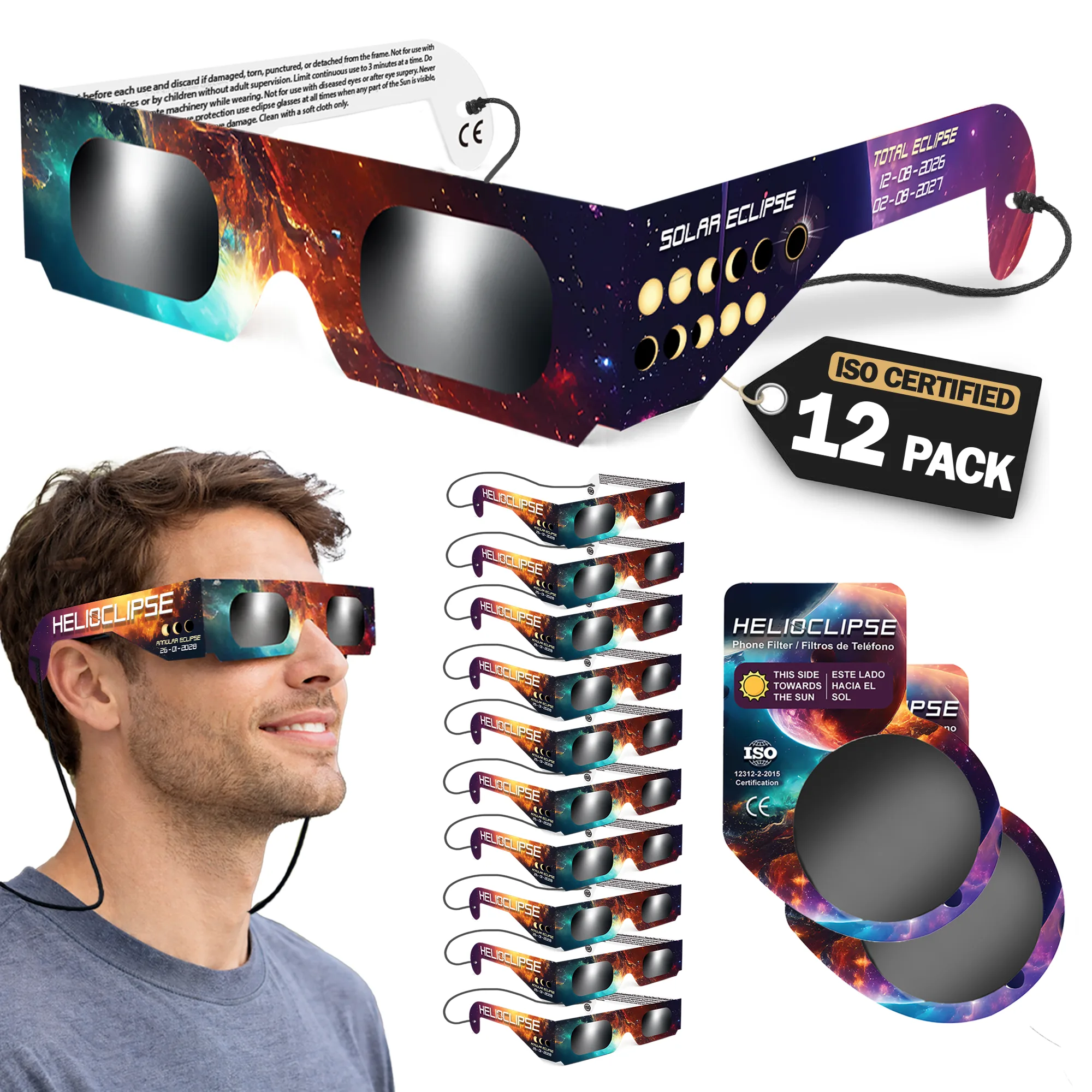
If you still need viewers, keep the shopping criteria simple: look for Helioclipse solar eclipse glasses that are described in clear standards language, such as approved solar eclipse glasses and solar eclipse glasses iso 12312-2 certified. People also search phrases like eclipse glasses nasa approved, but NASA itself does not approve individual brands; what matters is using proper solar viewers that conform to the relevant safety standard and buying from a source you trust. For a deeper explanation, see our guide to ISO 12312-2 and eclipse viewers: what the standard means for your family.
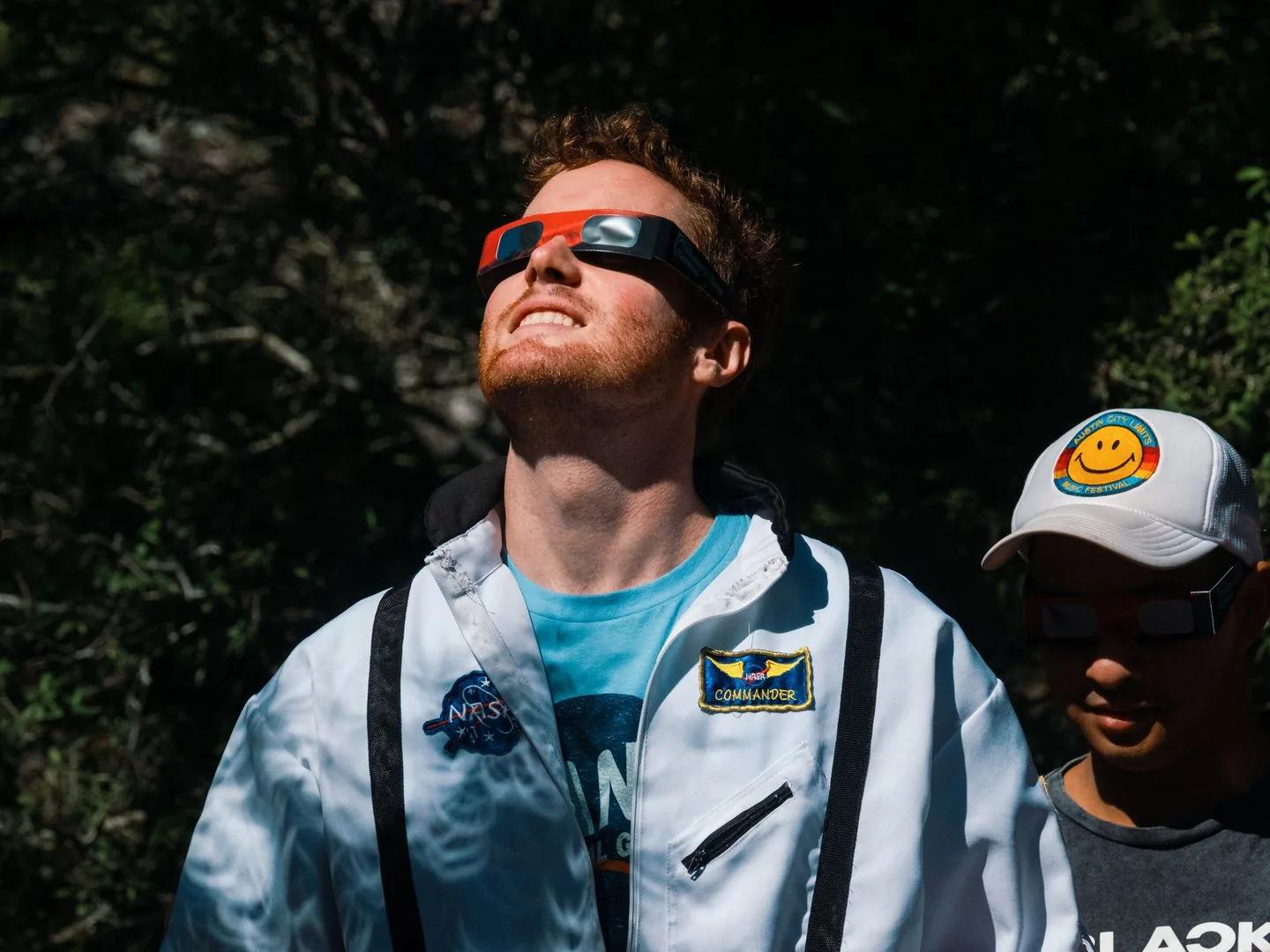
What to record if you want useful notes
You do not need a dissertation. You need observations that are clear enough to interpret later.
A strong minimal record includes:
- your location
- the date
- whether you were in totality or seeing a partial eclipse
- approximate local time for each note
- air temperature from the same thermometer each time
- cloud type or cloud amount in plain language
- any obvious changes in wind, brightness, or animal behavior
This is where a little discipline helps. Use the same shaded spot for temperature readings if the official protocol allows it. Do not move the thermometer from hot pavement to grass and expect a clean comparison. Note whether the sky was mostly clear, thin cirrus, broken cumulus, or a low gray deck. If you are not a cloud expert, that is fine; consistency beats fancy vocabulary.
One useful lesson from NASA’s 2024 cloud coverage is that cloud type matters to experience. Thin cirrus can still allow a memorable view, while thicker low or mid-level cloud can erase the corona entirely. So if someone asks, what is a science fact about clouds? here is a good eclipse answer: not all clouds block sunlight the same way, and that difference affects both what you see and how strongly the air near the ground cools.
The best places are not always the best science sites
People often ask some version of best places and timing for globe eclipse citizen science temperature work. The answer is not automatically “the centerline” or “the longest totality.” Those are wonderful for viewing, but science participation has its own practical constraints.
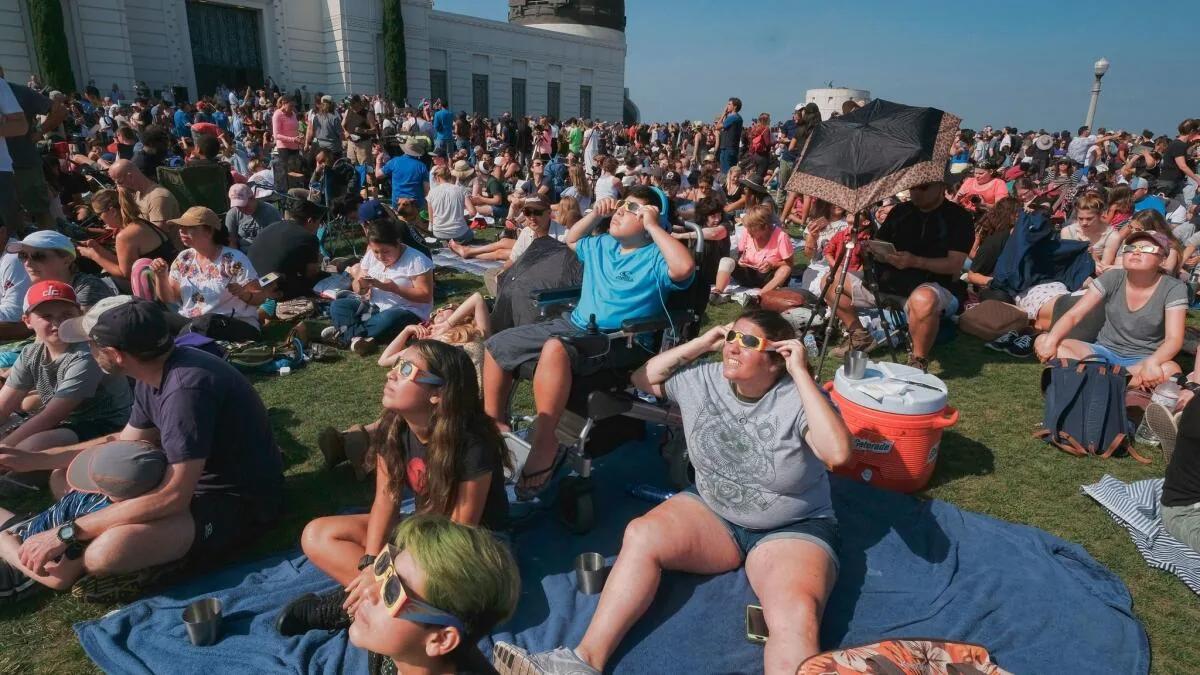
For a cloud-and-temperature project, a good site is one where you can safely stay put, keep your equipment simple, and make repeat observations without chaos. A crowded city square in totality may be emotionally unforgettable but terrible for careful note-taking. A quieter park just outside the densest crowds may produce cleaner observations and a calmer experience.
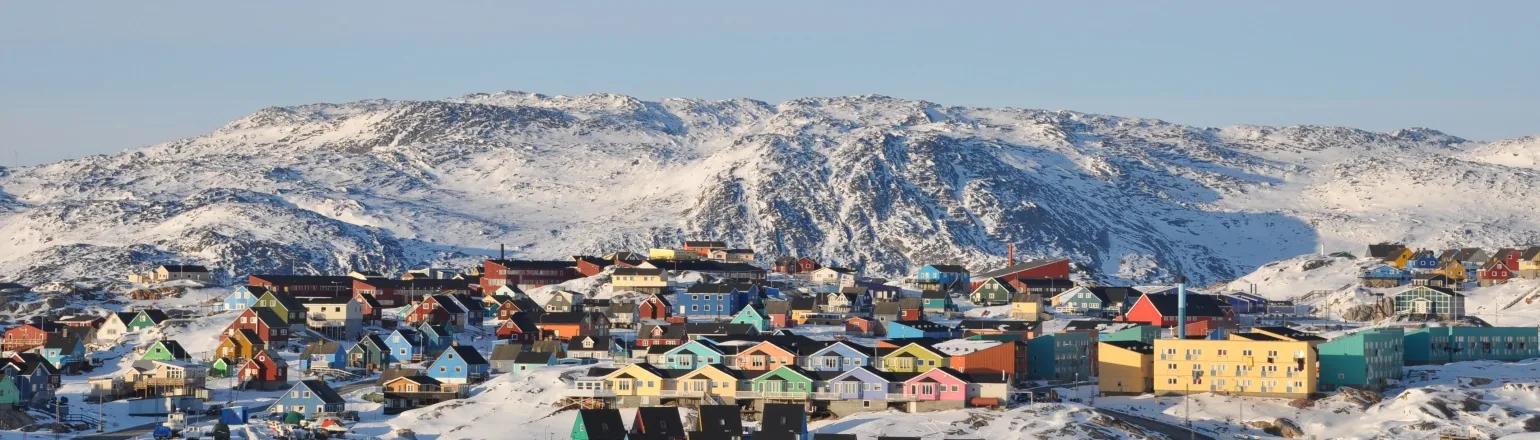
That said, eclipse geometry still matters. On August 12, 2026, the total solar eclipse crosses parts of Greenland, Iceland, northern Russia, the Atlantic, Spain, and a tiny corner of Portugal, while much of Europe and nearby regions see a partial eclipse. In Spain, locations inside the path will experience totality for only a short interval measured in minutes or less, depending on where you stand relative to the centerline and path edge. Outside totality, there is no safe glasses-off moment at all.
If you are building a 2026 plan, use our August 12, 2026 total solar eclipse planning guide and then verify your exact site in the Helioclipse map. For Spain-specific path basics, our 2026 totality in Spain guide explains why being near the centerline is not the same thing as merely being in the country.
A checklist for families, teachers, and casual travelers
The night before
Charge your phone.
Open the app while you still have calm internet access.
Pack a thermometer, paper notes, and a pen.
Put your eclipse viewers somewhere obvious, not buried under snacks.
Tell everyone the plan in one sentence: we are here to enjoy the eclipse first and collect a few observations second.
One hour before first contact
Confirm whether you are in totality or seeing only a partial eclipse.
Review safety rules with children.
Choose the exact spot where you will stand for most of the event.
Take one practice note so nobody is learning the workflow at the last minute.
During the eclipse
Take only the observations your group can handle calmly.
If the app is lagging, write the data on paper and upload later if allowed.
Do not stare at the phone during the most dramatic moments.
If you are in totality, stop “working” for the brief total phase and experience it.
That last point is not sentimental fluff. NASA’s own eclipse citizen-science messaging has included a version of this advice: when totality arrives, set the device aside and look up.
What counts as success
Success is not “perfect data.” Success is finishing the day with safe viewing, a few honest observations, and no feeling that you missed the event because you were busy performing competence.
That is especially true for first-timers. If your child remembers that the light changed, the air felt cooler, and the family helped record it together, that is a real win. If your school group submits a modest set of cloud notes to a live program page, that is a real win. If you planned a bigger protocol and then scaled down because the moment demanded your attention, that is also a real win.
You do not need to turn every eclipse into a globe eclipse challenge. Sometimes the smartest move is to keep the challenge small enough that everyone still gets the sky.
A few confusing search phrases, clarified
Eclipse search results can be messy, so let’s clear up a few terms readers may stumble across.
What is citizen science in climate research? In plain terms, it is public participation in gathering or classifying observations that researchers can use. In the eclipse context, cloud photos and temperature readings can help scientists study how a sudden reduction in sunlight affects local atmospheric conditions.
What are some examples of citizen science projects? For eclipses, examples include GLOBE-linked cloud and temperature observations, Eclipse Soundscapes, HamSCI radio work, and image-based projects such as SunSketcher or other organized campaigns listed by NASA.
What is the eclipse treatment planning system? That phrase belongs to a completely different field: radiation oncology software, not skywatching. If you landed here from that query, you are in the wrong eclipse.
Plan normalization value eclipse is another unrelated technical phrase from medical treatment planning, not solar-eclipse observing. It has nothing to do with cloud notes, totality timing, or safe viewing.
And where to see august 2 solar eclipse? is not the right date for the major 2026 total solar eclipse discussed in many current planning guides. For this cycle, the headline event many of our readers are preparing for is August 12, 2026. Always confirm the date and path on a current map before making travel plans.
If you want to do more than clouds and temperature
There is nothing wrong with ambition, as long as it is informed ambition. NASA’s eclipse citizen-science hub includes projects with very different demands. Some require specialized interests, some require age minimums, and some are best for people who are already comfortable with the equipment.
If you are curious, think of participation in tiers:
- Tier 1: clouds and temperature, simple notes, family-friendly
- Tier 2: sound or wildlife observations with some training
- Tier 3: image or timing projects that need careful setup and strict protocol
That is why we keep saying this article is about realistic participation. A casual traveler does not need to pretend to be a research team. A first eclipse can be enough on its own.
If you are also managing travel, weather uncertainty, or a backup site, simplify your science plan even further. Our guide to cloud cover and eclipse day: how to read the sky and when to move is a better use of your planning energy than adding one more app.
Eclipse Safety Video - How to Safely View the Sun
Saint Louis Science Center
Frequently asked questions
What does the eclipse planning process actually involve for a casual observer?
It should stay simple: choose a location, check whether you will be in totality or only a partial eclipse, and use current official instructions for any citizen science activity. The article emphasizes that participation is meant to enrich the experience, not turn it into a complicated field project.
How do I choose a good place and time to watch the 2026 eclipse?
The key first step is to confirm whether your viewing spot is in totality or partial eclipse, because that changes your timing and eye-safety rules. The article recommends using a location-checking map and not over-scheduling totality so you still have time to observe the eclipse itself.
What time does the eclipse happen on September 21?
The excerpt does not give a specific date or time for a September 21 eclipse. It does say that exact timing depends on your location and whether you are in totality or partial eclipse, so you should check current local eclipse information.
When is the best time to see the blood Moon in Central Time?
The excerpt does not discuss a blood Moon or provide Central Time viewing times. It focuses on solar eclipse observing, especially checking your local eclipse circumstances and keeping your plan simple enough to finish without missing the event.
What should I know before trying a simple cloud-and-temperature observation guide for 2026?
The main idea is that clouds and temperature are realistic, low-friction citizen science tasks that many families and school groups can complete. Use a modest protocol, follow current official instructions, and leave room to actually watch the eclipse while noting any changes in clouds, air temperature, and wind.
On-site next steps
- Use the Helioclipse Eclipse Explorer / 3D map to confirm whether your viewing site is in totality or partial eclipse, and to understand the timing that should shape your observation plan.
- Browse the Helioclipse blog hub for safety, phases, weather, and travel guides that help you keep your citizen-science plan realistic.
- If your group still needs viewers, check our shop for eclipse glasses early so eye safety is solved well before eclipse week.
Sources & further reading
- Citizen Scientists Invited to Collect Data for NASA During Eclipse
- Cloudy With a Chance of Eclipse
- April's Night Sky Notes: Participate in Eclipse Science
- Citizen Science - GLOBE Observer
- Participate In Science While You Watch The Solar Eclipse
- Citizen Science — NASA Science
- How to View a Solar Eclipse Safely
- About the ISO 12312-2 Standard for Solar Viewers
- Eclipses — NASA Science
- Eclipses Frequently Asked Questions — NASA Science