Centerline vs path edges: what you trade for a few more seconds of totality
If you have started zooming around the Helioclipse Eclipse Explorer / 3D map, you have probably felt the temptation already: slide your pin toward the middle of the path, watch the duration tick upward, and wonder whether you have to be on the centerline to do the eclipse “right.”
Usually, no.
That is the heart of any honest centerline vs edge total solar eclipse duration discussion. The centerline is real, and it does matter. But the difference between a smart near-center choice and a stressful centerline obsession is often much smaller than people imagine. Meanwhile, the difference between being comfortably inside totality and flirting with the path edge can be enormous.
For the solar eclipse 2026 path of totality and any other total eclipse, the best planning question is not “How do I squeeze out every last second?” It is: how much duration am I gaining, what am I risking, and what will my actual day look like if traffic, clouds, or access go sideways?
First, what is the path of totality?
If you are new to eclipse maps, what is the path of totality in plain language? It is the narrow track on Earth where the Moon completely covers the Sun’s bright face. Only inside that track do you get true totality: the corona, the sudden drop in daylight, the horizon glow, and the brief moment when it is safe to remove eclipse glasses because the photosphere is fully hidden.
Outside that path, even if the Sun is 99% covered, you are still seeing a partial eclipse. That is dramatic, but it is not totality. The American Astronomical Society is very clear on this point: outside the path of totality, there is no safe glasses-off moment. If you want a clean explanation of that timing, our guide to when glasses are on and when glasses are off during eclipse phases is worth reading before eclipse week.
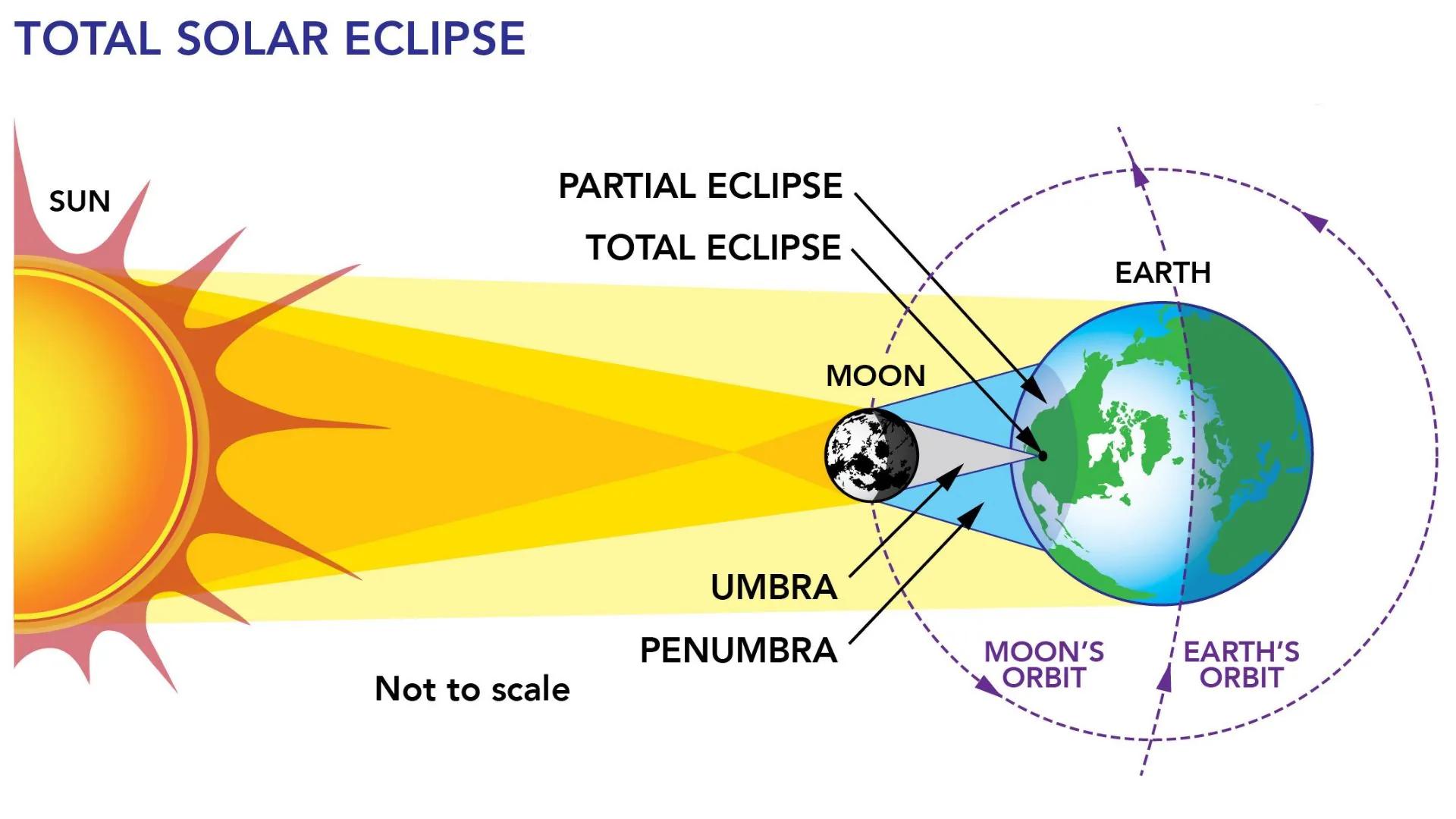
On maps, the path is usually shown as a band. Down the middle runs the centerline, the line where totality lasts longest for that stretch of the eclipse. So when people compare the center vs edge of totality, they are really comparing different positions across that band.
Why the centerline lasts longer
The geometry is simple once you picture it.
The Moon’s darkest shadow on Earth — the umbra — is not infinitely wide. If you stand near the middle of that shadow track, the full width of the umbra takes longer to pass over you. If you stand near one edge, only a thin slice of the shadow reaches you, so totality is much shorter.
That is why centerline totality is the maximum-duration experience for any given cross-section of the path. It is not a different kind of eclipse. It is the same total eclipse, just with the longest available totality at that location.
This is where people sometimes get tangled up in phrases like centerline totality vs full totality eclipse. The useful correction is this: if you are inside the path, you can still have a full total solar eclipse. The centerline does not make the eclipse more “real.” It makes totality longer. That distinction matters, because it keeps you from treating anything short of the exact middle as failure.
A better way to say it is that centerline totality eclipse viewing gives you the most time under the Moon’s deepest shadow, while non-centerline positions still deliver totality if they remain safely inside the path.
The edge is not just shorter — it is riskier
This is the part many first-time viewers underestimate.
Near the edge, duration does not merely shrink. It can collapse fast. A location that is comfortably total a few miles inward can become a near-miss at the boundary. Space.com’s reporting on the 2024 eclipse quoted astronomer Tyler Nordgren describing the edge as “a weird place,” and that is a fair summary.
Why? Because the edge is not a perfectly clean mathematical line in lived experience. The Moon has mountains, valleys, and an irregular limb. Those details can change the exact visual experience by seconds. If you are extremely close to the limit, tiny geographic or topographic differences matter a lot more than they do near the middle.
So if you are planning around the centerline vs edge total solar eclipse duration map, the practical rule is not “avoid anything that isn’t centerline.” It is “do not cut it too fine near the edge.”
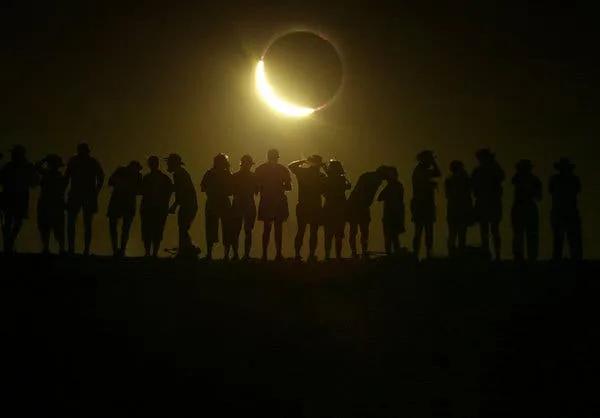
At the edge, you may get a very brief totality, extended Baily’s beads, or in the worst case no clean totality at all if your chosen spot is effectively outside the true shadow track. That is why we strongly prefer a buffer. Use the map, zoom in, and give yourself room.
How much time are we really talking about?
A lot of people ask, what is the duration of a total solar eclipse? The honest answer is: it depends on both the eclipse itself and exactly where you stand.
For ground observers, totality is always brief. NASA and Astronomy magazine both emphasize that even the longest total eclipses on Earth top out at only a few minutes, with the absolute theoretical upper end for a ground-based observer around 7 and a half minutes under rare geometry. Most eclipses are shorter than that, sometimes much shorter.
Within a single eclipse path, duration changes in two ways:
- Along the path from one region to another, because the shadow speed and geometry change.
- Across the path from centerline to edge, because your position within the umbra changes.
The 2024 eclipse is a good reality check. NASA’s FAQ notes that the longest totality was 4 minutes 28 seconds near Torreón, Mexico, while many places along the centerline saw roughly 3.5 to 4 minutes. But city examples from Astronomy magazine show how much local position matters: Austin was about 1 minute 46 seconds, Dallas about 3 minutes 49 seconds, Fort Worth about 2 minutes 35 seconds, and locations closer to the centerline in Texas exceeded 4 minutes 20 seconds.
That is the right mindset for the centerline vs edge total solar eclipse duration 2026 guide too: do not trust one headline duration for an entire country, region, or metro area. Your pin matters.
The centerline is real. Perfectionism is optional.
Here is the trade-off in one sentence: the closer you get to the centerline, the more duration you gain — but the closer you already are, the less each extra move tends to matter.
That is why a sane centerline vs edge total solar eclipse duration 2026 guide map should calm you down, not wind you up.
If moving 40 or 60 minutes by road buys you another 8 seconds but puts you into a worse traffic funnel, a cloudier microclimate, or a packed hotspot with fewer escape options, that is not automatically a good trade. If moving modestly inward from the edge buys you an extra minute and a much safer margin, that usually is a good trade.
This is also why the internet can mislead people. A thread framed like centerline vs edge total solar eclipse duration reddit often turns into a purity contest: centerline or bust, exact maximum or bust, “best spot” or bust. Real eclipse planning is more mature than that. You are balancing duration, weather, mobility, crowd pressure, horizon, parking, and your group’s tolerance for chaos.
A family with kids, grandparents, or one nervous driver may have a better eclipse from a calm near-center location with easy exits than from the mathematically longest-duration point in the region.
What you gain by going toward the center
Let’s be fair to the centerline. There are real benefits.
More time to see the sky change
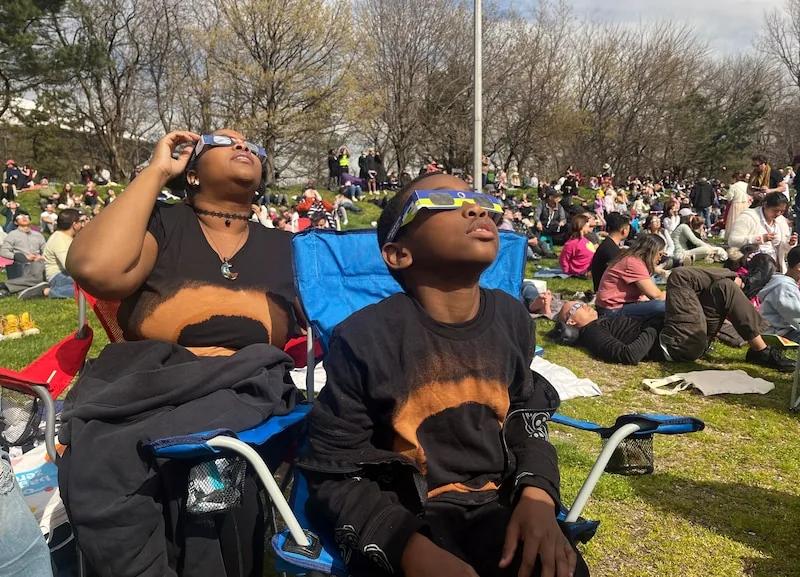
Longer totality is not just a bigger number for bragging rights. It gives the experience more room to breathe. You have more time to look at the corona, notice horizon colors, hear the crowd reaction, and recover from the first shock of “the Sun is gone.”
For first-timers, those extra seconds can feel meaningful because totality is emotionally fast. Even people who get two, three, or four minutes often say it felt like a blink.
More margin if you are not perfectly positioned
A centerline-adjacent site gives you cushion. If you park a little off your intended point, or the exact local line is slightly different than you imagined from a zoomed-out map, you are still well inside totality.
Better odds of avoiding a near-edge disappointment
This is the biggest practical reason to move inward. Not because only the center is “worth it,” but because the edge is unforgiving.
What you give up by chasing the exact middle
Now the other side.
Potentially worse crowds and traffic
The AAS has published traffic and logistics material based on past eclipses for a reason: eclipse congestion is real, and it can be severe. The most obvious centerline towns, famous viewpoints, and social-media-anointed “best spots” often attract the heaviest concentration of people.
That can mean longer arrival stress, fewer parking options, slower exits, and less flexibility if morning cloud forecasts change.
If you want a fuller planning mindset for that side of the problem, our guide to eclipse travel without the chaos: routes, crowds, and backup plans for 2026 goes deeper on how to keep mobility on your side.
Less freedom to chase clear sky
Experienced eclipse chasers often repeat a blunt rule: clear sky beats perfect geometry.
A near-centerline site under solid cloud is worse than a slightly shorter-duration site under blue sky. If the weather pattern on eclipse morning favors one side of the path, the “best” location may stop being the centerline entirely.
More stress for tiny gains
This is the hidden cost. If you are refreshing maps all week, arguing over a 12-second difference, and turning eclipse day into a precision-landing exercise, you may be trading away the joy of the event.
We would rather see you choose a robust plan, tell your group where to meet, pack water and shade, and actually enjoy the day.
A better rule: avoid the edge, then optimize like a human
If you want a practical hierarchy, use this:
- Be inside the path of totality.
- Stay comfortably away from the edge.
- Favor clearer weather and easier logistics.
- Then care about squeezing out extra seconds.
That is the most useful answer to centerline vs edge total solar eclipse duration for almost everyone.
In other words, the centerline matters, but not before the basics. A site with 2 minutes 40 seconds of totality and a strong weather outlook can beat a 2 minutes 55 seconds site with ugly cloud risk and one road in or out. A site with 3 minutes near a flexible highway corridor can beat a 3 minutes 10 seconds site in a jammed tourist bottleneck.
And if your alternative is “barely inside the edge” versus “solidly inside the path but not dead center,” choose the safer interior option almost every time.
Why maps beat generic tables every time
A generic article can tell you the principle. It cannot tell you your exact experience.
That is why any serious centerline vs edge total solar eclipse duration 2026 guide google result should eventually push you to a proper map, not leave you with a vague sentence about “best places.” The same goes for any centerline vs edge total solar eclipse duration 2026 guide map you use: it should help you compare your actual pin, not just a famous city name.
Metro areas are especially tricky. One side of a city can be partial, another can be total, and the duration can vary sharply across the urban area. The 2024 examples in Texas and Ohio made that obvious. A city label on a headline is not enough.
Use the Helioclipse Eclipse Explorer / 3D map to check your chosen spot directly. Look for:
- whether the pin is inside totality at all
- how far it sits from the path edge
- how duration changes if you move a few kilometers or miles
- local timing for your exact location
- whether a backup site gives similar duration with better mobility
That is the practical value of a centerline vs edge total solar eclipse duration map: not abstract geometry, but decision-making.
What this means for the 2026 eclipse
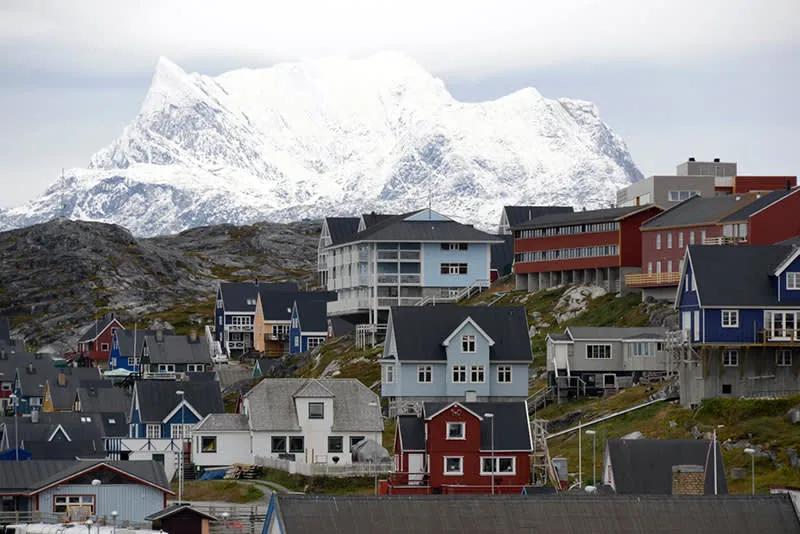
For the total solar eclipse 2026 path, the same geometry rules apply as for every total eclipse. NASA notes that on August 12, 2026, totality will cross Greenland, Iceland, northern Russia, the Atlantic Ocean, Spain, and a small corner of Portugal, while a much wider region sees a partial eclipse.
If you are planning around Spain in particular, do not reduce the whole event to one “best place.” The solar eclipse 2026 path of totality there is a real corridor with meaningful variation by location. Some places will be inside totality with longer durations near the centerline; others will be inside totality but shorter; many famous cities outside the path will get only a partial eclipse.
That is why we recommend pairing this article with our more location-specific guide to August 12, 2026 total solar eclipse: what to expect and how to plan ahead and, if Spain is your focus, 2026 totality in Spain: path basics, timing, and what “on the centerline” really means.
The key planning lesson is universal: for 2026, do not assume that “centerline” automatically means “best for me.” It may. But only after you compare weather exposure, access, lodging, road options, and how much duration you are actually gaining.
Safety changes with your position too
This is not just a duration issue. It is a safety issue.
If you are inside totality, you may remove certified viewers only during the brief phase when the Sun’s bright face is completely covered. As soon as the bright Sun reappears, the viewers go back on. If you are outside totality, there is no safe glasses-off moment.
That means a sloppy understanding of path position can create sloppy behavior. Someone who thinks they are “close enough” to totality but is actually outside the path could make a dangerous mistake.
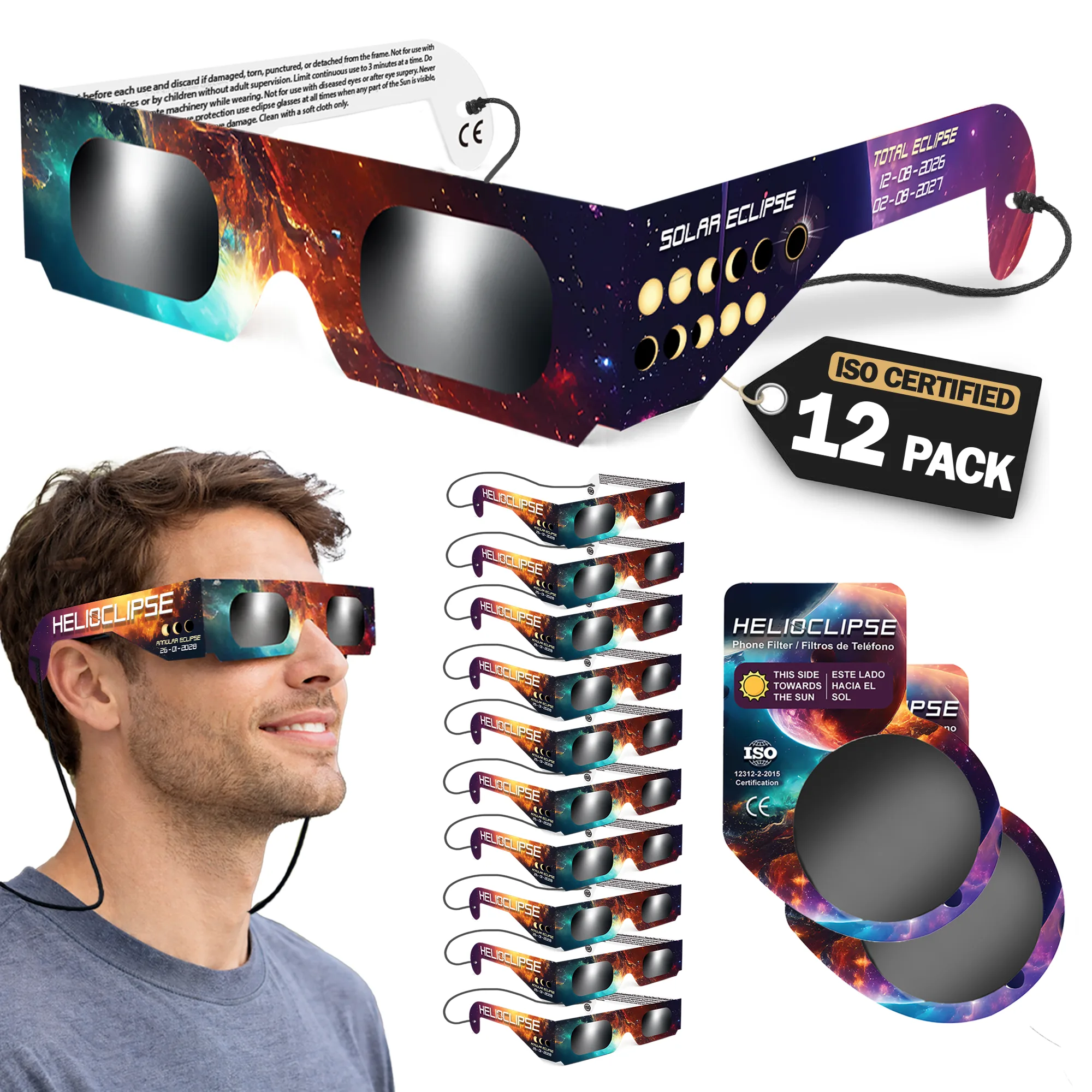
So before eclipse day, make sure your group knows the plan and has proper eye protection. If you are buying for family, school, or a watch party, look for Helioclipse solar eclipse glasses that are described in the language people actually use when shopping: approved solar eclipse glasses, solar eclipse glasses iso 12312-2 certified, and dependable eclipse viewing glasses for the partial phases before and after totality. If you want the standards context behind that wording, our guide to ISO 12312-2 and eclipse viewers: what the standard means for your family is the right next read.
So where should you actually stand?
If you want the shortest honest answer:
- Do not stand right on the edge unless you specifically understand the trade and want that unusual geometry.
- Do not assume you must hit the exact centerline.
- Do choose a location comfortably inside totality.
- Do let weather and logistics outrank tiny duration gains.
For many people, the sweet spot is not the exact middle. It is a location somewhat inside the path, with a healthy buffer from the edge, a realistic parking and exit plan, and the freedom to adjust if clouds force a move.
That is not settling. That is good eclipse planning.
And if you are organizing friends or family, this is a great moment to make the plan early. Pick a primary site, pick a backup, share the map link, and get your viewers sorted well before the last-minute rush.
The Only 2 TIMEFRAMES and 2 LINES I Use for Big Trades
The Rumers
Frequently asked questions
For the 2026 eclipse, should I aim for the middle of the path or is somewhere near it good enough?
Somewhere near the middle is usually good enough. The centerline gives the longest totality, but the article says the gap between a smart near-center spot and a centerline spot is often much smaller than people expect, while the difference near the path edge can be much larger.
How much totality can I expect during the 2026 solar eclipse?
The exact duration depends on where you stand within the path of totality. The closer you are to the centerline, the longer totality lasts; near the edges, it becomes much shorter.
If I can choose between the 2026 and 2027 eclipses, which one should I plan for?
The excerpt does not compare the two eclipses directly, so it does not support saying one is better overall. It does say that for any total eclipse, the best choice is the spot that gives you enough duration without adding unnecessary risk from traffic, clouds, or access problems.
Does totality last longer in the middle of the path than near the edge?
Yes. The centerline is where totality lasts the longest, because the Moon’s shadow passes over you for more time there than it does near the path edges.
What is the safest way to watch a solar eclipse?
Stay inside the path of totality if you want a glasses-off moment, and keep eclipse glasses on outside that path. The article says that outside totality there is no safe time to remove glasses, even if the Sun is almost completely covered.
On-site next steps
- Explore your exact viewing options on the Helioclipse Eclipse Explorer / 3D map. Compare a centerline pin, a near-center backup, and an edge-adjacent site so you can see the duration trade in real numbers.
- If you will watch any partial phases — and almost everyone will — order Helioclipse solar eclipse glasses early so your group is covered before eclipse-week shortages and shipping stress.
- For more planning help, browse the Helioclipse blog for safety, travel, weather, and 2026 path guides.
Sources & further reading
- Why you don't need to get to the centerline for April's total solar eclipse — and what will happen at the edge
- How Long Will the 2017 Solar Eclipse Last? Depends Where You Are
- How to read and understand a solar eclipse map
- The solar eclipse will last a max of 4:28 along the path of totality
- Why does the April 8 eclipse path take a stranger path than 2017?
- How to view a solar eclipse safely
- Eclipse basics
- NASA Science — Eclipses
- Total Solar Eclipse FAQ
- Traffic / logistics discussion tied to eclipse chasing (PDF)