Camping and the eclipse path: reservations, access roads, and leave-no-trace realism
A lot of people imagine eclipse travel as a hotel problem. In practice, it often becomes a land-access problem. That is why camping eclipse plans can be brilliant or miserable depending on one unglamorous question: do you actually have a legal, realistic place to be when the shadow arrives?
For many readers, camping eclipse path reservations august searches are really about control. You want to arrive early, avoid a dawn panic drive, sleep near your viewing spot, and not spend totality wondering whether a ranger, a locked gate, or a traffic jam is about to ruin the day. That instinct is good. But it only works if you treat the campsite as part of a full logistics system: reservation timing, road capacity, water, toilets, fire rules, checkout pressure, and the very real fact that small towns and public lands can be overwhelmed by one famous sky event.
If you are still deciding where to base yourself, start with the Helioclipse Eclipse Explorer / 3D map so you can see whether your target site is actually inside totality, near the centerline, or only in a partial zone. If you are new to eclipse viewing, our guide to when glasses on, when glasses off: eclipse phases explained for first-time viewers will help you avoid the most common mistake of all: treating “almost total” as if it were total.
Why camping is attractive for eclipses — and why it gets complicated fast
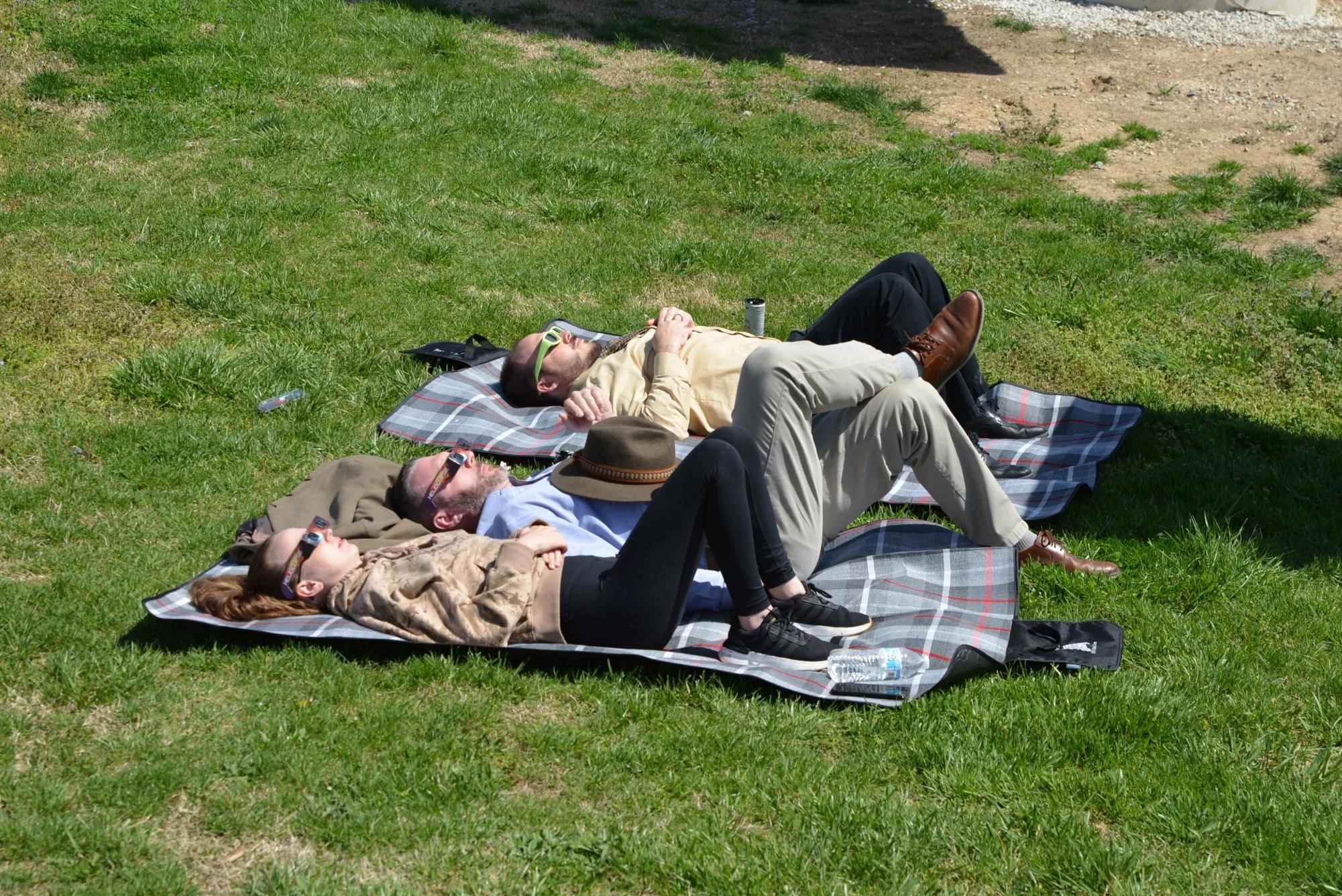
Camping along eclipse path sounds simple because it removes one obvious bottleneck: sold-out hotels. NASA has warned for years that hotels and campgrounds in the path of totality can fill quickly, and that is exactly what tends to happen when a major eclipse crosses accessible regions. A campsite can also solve the departure problem. If you are already parked where you plan to watch, you are not trying to merge into a convoy of day-trippers an hour before first contact.
But camping does not magically create capacity. It shifts the pressure onto different systems. A campground with 40 sites still has 40 sites. A forest road that is fine for a normal summer weekend may become a choke point if hundreds of extra vehicles try to use it in a narrow time window. A dry toilet block, a water spigot, or a small village shop can become the weak link.
That is the realism missing from a lot of “just go camping” advice. The phrase camping and the eclipse path: reservations, access roads, and leave-no-trace is not just a catchy framing. It is the whole problem in one line. The sky event is brief. The human systems around it are what fail first.
Past eclipses made that painfully clear. Reporting before the April 8, 2024 eclipse emphasized that post-totality traffic could be severe, especially where rural roads were never designed for a sudden surge of visitors. Astronomy Magazine made the same point from another angle: even when a destination is only a few hours away in normal conditions, eclipse demand can turn ordinary travel into a long, uncertain crawl. Camping helps most when it reduces same-day driving, not when it becomes an excuse to improvise.
The first rule: reserve a real place, not a fantasy place
The most useful mindset for camping eclipse path reservations august 2026 guide planning is this: if your site is not clearly reservable, clearly permitted, or clearly allowed under current local rules, you should assume it is not yours.
That matters because eclipse demand encourages magical thinking. People start treating road shoulders as parking, empty fields as informal campgrounds, and public land as if “public” means “sleep anywhere.” Often it does not. Land may be protected, seasonally restricted, privately owned, closed for fire danger, or limited to designated sites only. Even where dispersed camping is normally allowed, local authorities may impose temporary controls around a major event.
So before you fall in love with a pin on a map, verify five things:
- Who manages the land? National park, regional park, municipal land, forest agency, private owner, farm, event organizer, or campground operator.
- What kind of use is allowed? Day use, overnight parking, tent camping, RV camping, or no overnight stay at all.
- Do you need a reservation or permit? And if so, how far ahead do bookings open?
- What are the vehicle rules? Length limits, trailer restrictions, gate hours, one-car-per-site rules, and overflow parking.
- What changes under special-event conditions? Fire bans, road closures, shuttle-only access, or temporary no-camping orders.
This is where people searching for a camping eclipse path reservations august 2026 guide pdf often mean something broader than a printable checklist. They want certainty. Unfortunately, no static document can promise that. Rules change. Fire restrictions tighten. A road washout, heat advisory, or local emergency order can alter access with little warning. Use checklists, yes — but treat them as a framework for verification, not a substitute for it.
Not every spot inside totality is equal
An eclipse map is not just about whether you are “in” or “out.” It is also about how much totality you get, how much flexibility you have, and how exposed you are to last-minute movement.
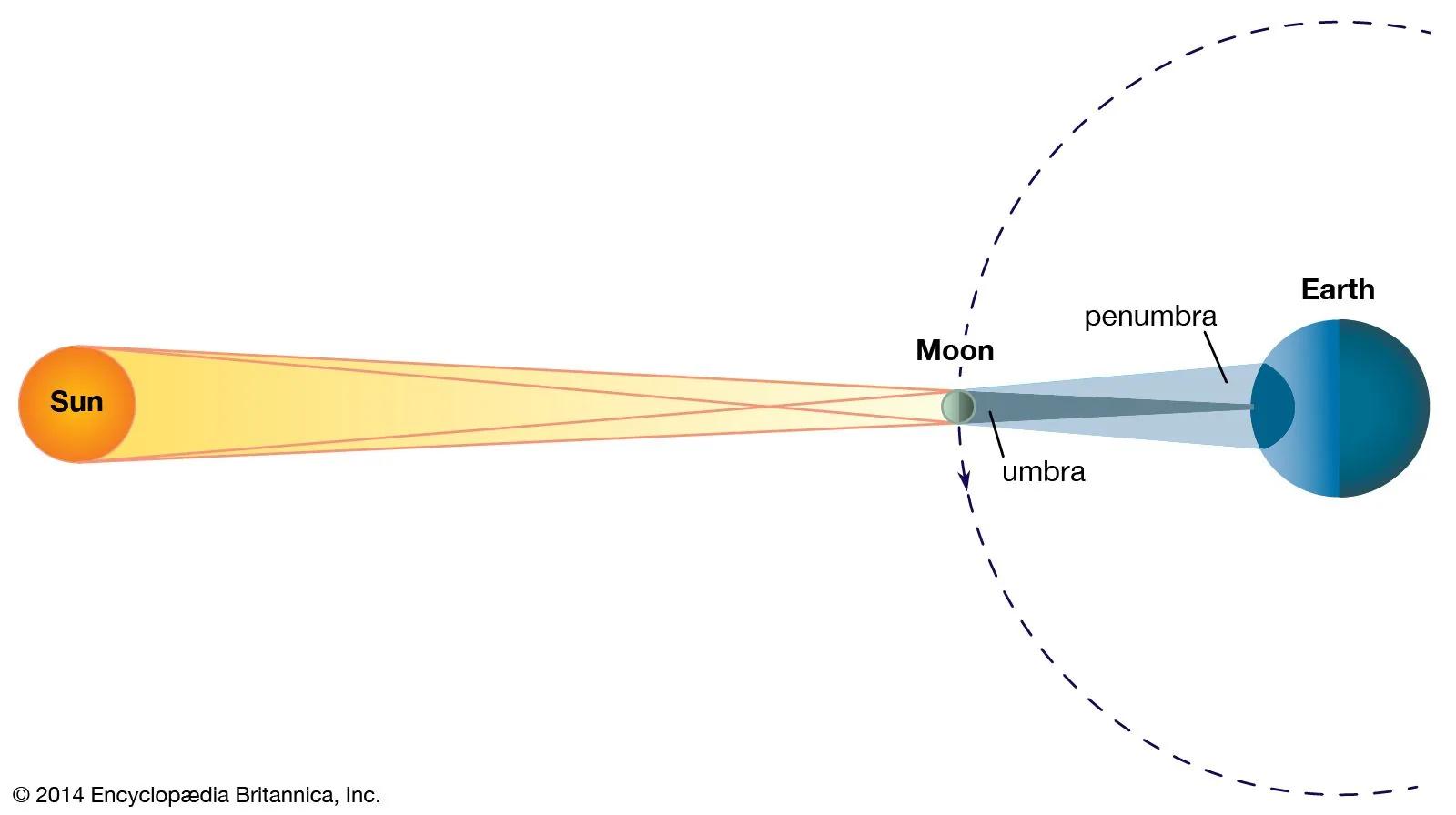
NASA’s eclipse geometry pages explain why this matters. The path of totality is narrow compared with the much larger partial-eclipse zone, and the duration of totality changes across that path. Near the centerline, totality lasts longest. Near the edges, it shrinks fast. In some eclipses, that difference is the gap between several minutes and well under a minute.
That has direct camping consequences. If your campsite is near the edge of totality, a small relocation error on eclipse morning can push you out of totality altogether. If you are near the centerline, you usually have more margin. That does not mean centerline is always best — sometimes weather, terrain, or crowd pressure argue for a different choice — but it does mean you should know what trade you are making.
For the solar eclipse august 2026 path, that distinction will matter a lot in Europe because many readers will be choosing between dense, high-demand corridors and quieter sites with less infrastructure. If you are comparing options, do not stop at “inside totality.” Ask: how long is totality here, what is the road network like, and how many realistic backup moves exist within, say, 30 to 90 minutes?
Our broader August 12, 2026 total solar eclipse planning guide is the right place to start if you want the big-picture event context before you narrow down to campsites.
Reservations: when “book early” is true, but still incomplete
Yes, reserve early. But “reserve early” is not enough advice on its own.
A good reservation for an eclipse trip has four qualities:
It is valid for the actual night or nights you need
Some people book the night before and forget the night after. That is how you end up packing a tent in a crowded field while everyone else is trying to leave at once. Space.com’s eclipse traffic reporting made a simple but powerful point: one of the best ways to beat the traffic is not to join it. If you can stay the night after totality, you turn the worst traffic window into dinner, rest, and a calm departure the next day.
It matches your vehicle and group size
A tent pad is not automatically an RV site. A one-vehicle booking may not cover your second car. A “walk-in” site may be a terrible fit if you are carrying water, shade gear, and supplies for children or older relatives.
It includes realistic arrival timing
If the campground office closes at 6 p.m. and you are driving in from far away through event traffic, your “confirmed” booking may still become a problem. Ask about late check-in, gate codes, and what happens if roads delay you.
It survives local demand pressure
Under eclipse conditions, some operators add event rules, minimum stays, or stricter cancellation terms. Read them. A cheap booking that forces a two-hour checkout scramble on eclipse morning is not cheap.
This is also where comparisons to camping eclipse 2024 and camping in path of totality 2024 are useful. The lesson from 2024 was not merely that people traveled in huge numbers. It was that ordinary assumptions failed: fuel stations ran dry in some areas, stores got hammered, and routes that looked fine on paper became slow or clogged. If you learned from 2024, carry that lesson forward. Your reservation is only the beginning of your plan.
Access roads matter more than campsite beauty
A gorgeous meadow with one narrow access road can be a trap.
When readers ask about the best places and timing for camping eclipse path reservations august, they often focus on scenery first. We get it. You want a memorable horizon, not a gravel lot beside a service road. But for eclipse logistics, road geometry can matter more than postcard value.
Look hard at how you enter and leave:
- Is there one road in and one road out?
- Is it paved or rough?
- Is it suitable for low-clearance cars, trailers, or only 4x4 vehicles?
- Are there bridges, ferries, gates, or one-lane sections?
- Is mobile coverage weak enough that navigation or traffic updates may fail?
- Could local authorities close the road if parking spills onto shoulders?
Small places can be especially vulnerable. Sky & Telescope’s coverage around the 2017 eclipse highlighted how tiny communities near the path could face intense demand out of proportion to their normal size. That pattern repeats because eclipses are geographically narrow. A place that is quiet 364 days a year can become a temporary funnel for thousands of people on one afternoon.
If you have two campsite options and one is slightly less scenic but has multiple paved exits, nearby services, and a larger road network, that may be the better eclipse choice. Not always. But often.
Free camping is not free of consequences
The phrase free camping eclipse path reservations august 2026 guide sounds appealing because it promises the best of both worlds: low cost and flexibility. Sometimes that is real. Often it is wishful thinking.
Free or dispersed camping can work well in regions that explicitly allow it and have the land, road network, and environmental resilience to absorb visitors. It can fail badly where the land is dry, fragile, crowded, or legally restricted. “Free” also tends to mean fewer toilets, less water, less shade, less trash handling, and less tolerance for mistakes.
That is why the right question is not “Can I get away with it?” but “Is this place managed for this kind of use under eclipse demand?” If the answer is unclear, keep looking.
And if you do use dispersed camping legally, be honest about your self-sufficiency. Can you carry all water you need? Pack out all waste? Handle a toilet emergency without creating one for the landscape? Leave without rutting a wet track or blocking a gate? In a normal week, one sloppy party is annoying. On eclipse week, dozens or hundreds of sloppy parties can trigger closures and damage that lasts long after the shadow is gone.
What “leave no trace” means when the site is under pressure
People often ask, what does "leave no trace" mean in camping? Under eclipse conditions, it means more than picking up wrappers.
Leave No Trace realism starts with accepting that your presence changes a place even if you mean well. The goal is to reduce that impact, especially when many others are doing the same thing at once. For eclipse camping, that usually means:
- Camp only where overnight use is allowed.
- Keep vehicles on durable surfaces and out of vegetation.
- Do not create new fire rings, shortcuts, or overflow parking areas.
- Pack out all trash, including food scraps and broken gear.
- Use toilets where provided; if none exist, follow local human-waste rules exactly.
- Keep noise and lights down, especially before dawn and after totality.
- Do not block ranch tracks, service roads, trailheads, or emergency access.
- Leave the site looking as if no special event happened there.
This is where the outdoor definition that matters is not “anything outside.” It is shared use of a real landscape with limits. Eclipse travel can bring a festival mindset into places that are not built for festivals. If you remember that, your decisions get better fast.
Fire, heat, and weather: verify locally, never assume universally
One of the easiest mistakes in eclipse planning is importing advice from another region. A camping eclipse path reservations august 2026 guide texas mindset, for example, may emphasize heat, drought, and burn bans because those were central concerns for many 2024 travelers in Texas. That does not mean the same mix of risks will define every August 2026 destination.
Research focus matters here: fire and heat risk depends on region. Avoid universal claims. Verify local rules and land-use permissions.
So do not let one viral checklist do your thinking for you. Instead, check the actual local stack of conditions:
- Fire restrictions: Are campfires banned? Are stoves allowed? Are charcoal grills prohibited? Is smoking restricted?
- Heat exposure: What are the normal daytime highs for that area and elevation in that month? Is there shade? Wind? Water access?
- Storm pattern: Is afternoon convection common? Coastal fog? Mountain cloud buildup? Dry thunderstorms?
- Ground conditions: Dust, mud, flood-prone tracks, or rocky surfaces that change parking and tent setup.
Astronomy Magazine’s 2024 guide stressed the value of backup planning because weather uncertainty is part of eclipse travel. That applies to campers even more than hotel guests. If your site is remote and clouded out, can you move? If you move, can you still stay legal? If you stay, will the site still be safe and tolerable in the local conditions?
For weather strategy on the day itself, our guide to cloud cover and eclipse day: how to read the sky and when to move goes deeper on mobility decisions without pretending that every cloud deck behaves the same way.
Families, groups, and the myth that everyone needs to stare the whole time
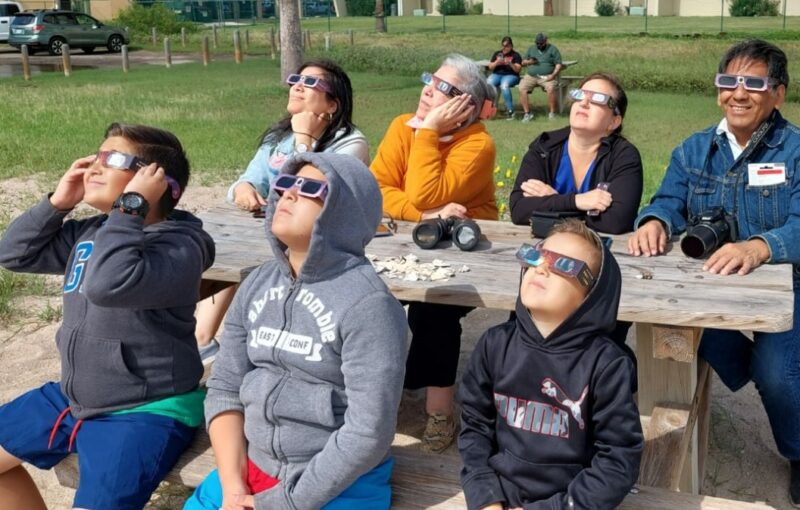
Camping is often the best way to turn an eclipse into a shared experience. Friends can split driving. Families can arrive early. Schools, clubs, and multigenerational groups can create a calmer base than a rushed roadside stop.
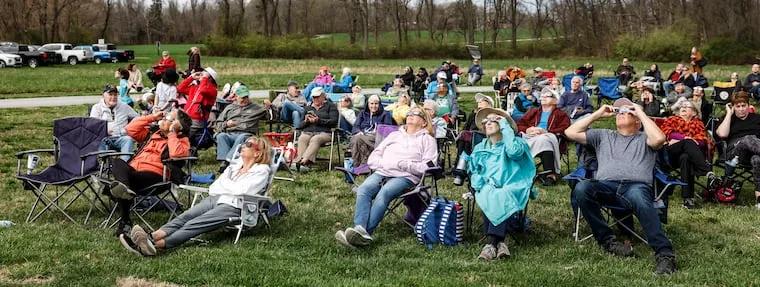
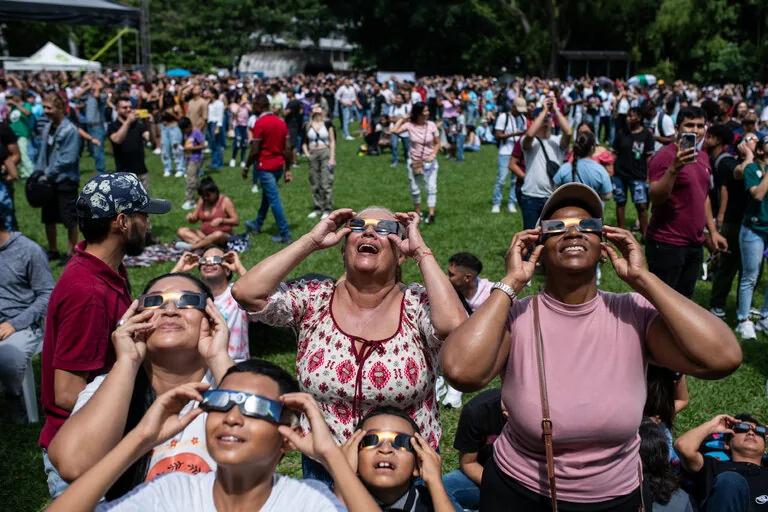
But group camping works only if you simplify expectations. The American Astronomical Society notes that not everyone needs their own viewer every second during the partial phases, because the eclipse changes slowly. That matters for campsite planning. You do not need a military-style observation line for two straight hours. You need shade, water, a clear view, and a safe way for everyone to take turns looking during the partial phases.
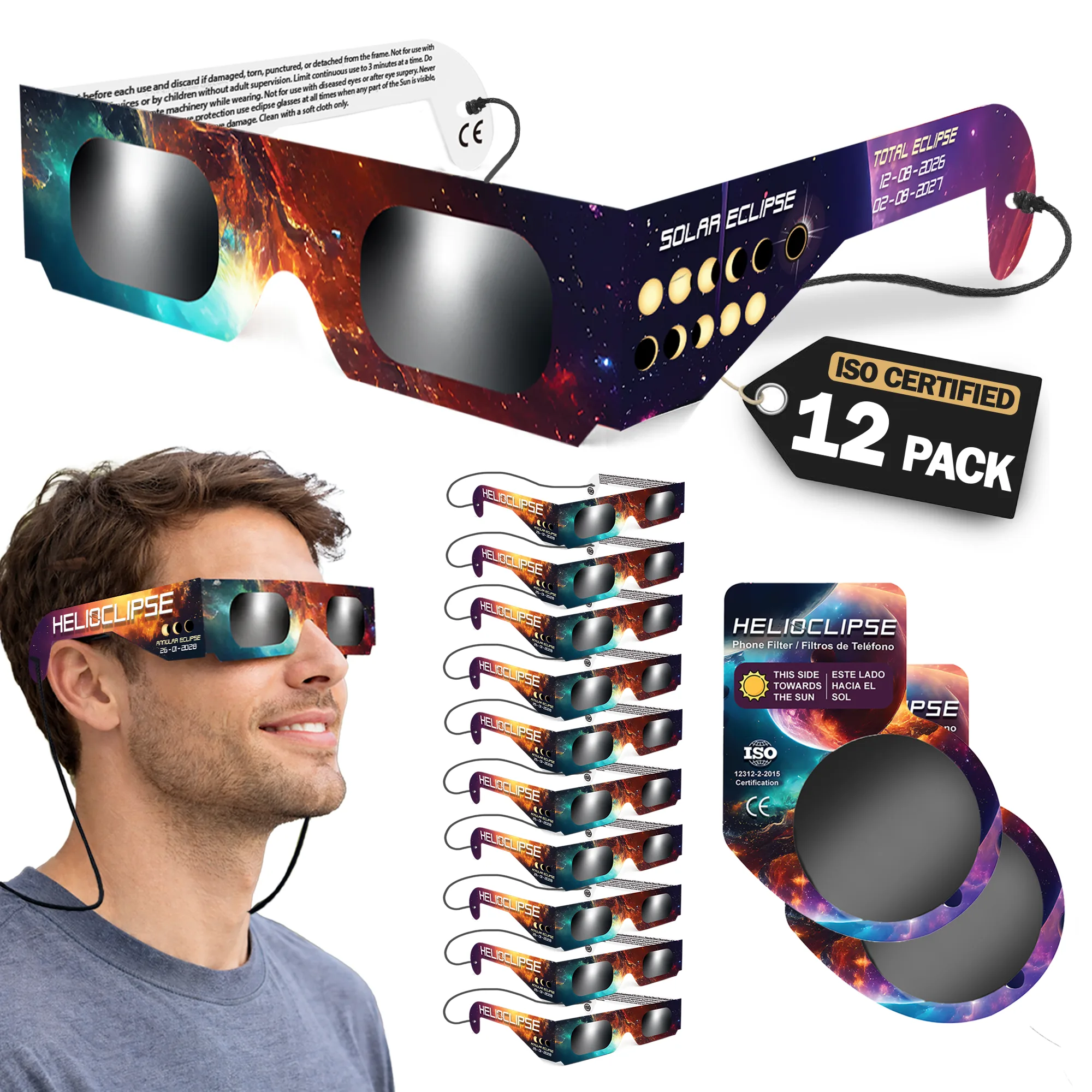
If you are buying viewers for a group, skip vague marketplace language and stick to products that clearly meet the standard. Readers often encounter phrases like approved solar eclipse glasses, eclipse viewing glasses, or solar eclipse glasses iso 12312-2 certified on shopping pages and packaging. The meaningful part is not the hype word. It is whether the product is honestly labeled, in good condition, and consistent with ISO 12312-2 guidance for direct solar viewing.
That is also why we recommend ordering early from the Helioclipse shop for eclipse glasses, especially if your camping group includes children, grandparents, or friends who will absolutely forget until the last week. If you want a deeper standards explainer before you buy, read our guide to ISO 12312-2 and eclipse viewers: what the standard means for your family.
Safety at camp: the eclipse is short, the day is long
The eclipse itself may give you only a few minutes of totality, but your camping day is much longer. That is why the boring supplies matter.
NASA’s eclipse planning guidance repeatedly comes back to the same practical points: arrive early, fuel up in advance, and bring enough food and water for the day. For campers, we would add: assume local shops may be crowded, assume queues may be slow, and assume that “we’ll grab it later” is the sentence that creates your worst problem.
Bring more water than you think you need. Bring sun protection for the hours before and after the eclipse. Bring layers even in warm climates, because standing still under a changing sky can feel cooler than expected. Bring a simple light source for camp after dark that does not blast your neighbors. And if you are using optics, remember the AAS rule: eclipse glasses are for direct viewing with your eyes, not for looking through unfiltered binoculars, telescopes, or camera lenses.
The other key safety distinction is totality versus everything else. Inside the narrow path of totality, you may remove your eclipse glasses only during the brief total phase, when the Sun’s bright face is completely covered. Outside totality, there is no safe naked-eye moment. If your campsite is in a partial zone, your glasses stay on for every direct look at the Sun. No exceptions because it “looks almost dark.”
A realistic departure plan beats a heroic one
The most common bad plan is this: watch totality, sprint to the car, and somehow outrun everyone else.
You probably will not. NASA and Space.com both emphasized that many people leave right after totality, creating the exact surge they hope to escape. If you are camping, you have a better option: stay put.
Watch the post-totality partial phases. Eat. Rest. Let children decompress. Let the road network absorb the first wave. If you booked the following night, even better. The pressure to “win” the departure disappears, and with it a lot of risky, impatient driving.
This is one of the strongest arguments for a proper camping path of totality plan. You are not just buying a place to sleep. You are buying time. Time before the eclipse so you are not late, and time after it so you are not forced into the ugliest traffic window.
If you do need to move the same day, pack the vehicle in stages before the eclipse rather than after it. Keep the viewing setup simple. And do not let a perfect-photo fantasy turn your departure into chaos. Totality is the point. Not a frantic teardown.
So where should you actually camp?
Readers often ask, where to stay for the 2026 eclipse? The honest answer is that the best site is not a universal place-name. It is the site that balances eclipse geometry, legal access, weather flexibility, road resilience, and your group’s tolerance for rough conditions.
For some people, that will be a formal campground inside totality with toilets, water, and a two-night booking. For others, it will be a simple rural stay just outside a crowded hotspot, with a short drive to a legally confirmed viewing field. For a few, it may be dispersed camping on land where that use is clearly allowed and environmentally appropriate.
What we would not recommend is choosing purely by hype. “Best” is not the place with the loudest social media buzz. It is the place where you can actually arrive, stay, watch safely, and leave without damaging the landscape or your own experience.
If you are comparing multiple regions for the 2026 event, use the Helioclipse Eclipse Explorer / 3D map to test each option against the solar eclipse august 2026 path itself. Then ask the unromantic questions: how many roads, how many services, how many nights, how many backup moves?
The bottom line: camp like a guest, not like a land rush
The best eclipse campers are not the most rugged. They are the most realistic.
They reserve early, but they also read the rules. They choose access over fantasy. They carry water before it becomes scarce. They know whether they are in totality or not. They do not improvise a campsite on someone else’s land because the sky is exciting. They tell their group the plan early, order certified viewers before the rush, and leave the place cleaner and calmer than a special-event crowd usually does.
That is the version of camping eclipse travel we want more people to experience: not chaotic, not extractive, not based on luck, but grounded in respect for the land and for the fact that a narrow shadow can put enormous pressure on ordinary places.
KPRC 2 Click2Houston
Frequently asked questions
What should I know before making camping reservations for an August eclipse trip in 2026?
Start by treating the campsite as part of the whole logistics plan, not just a place to sleep. Check whether the site is actually inside totality or only in a partial zone, and make sure reservation timing, road access, water, toilets, fire rules, and checkout pressure all work for the day you plan to view.
What did the 2024 eclipse show about camping near the path of totality?
It showed that camping can solve one problem but create others if the surrounding area is not ready for a surge of visitors. The excerpt notes that post-totality traffic could be severe, especially on rural roads that were never designed for so many vehicles at once.
What is the safest way to watch a solar eclipse from a campsite?
The safest approach is to know exactly which phase you are in and use eye protection only when the sun is not fully covered. The article warns against treating “almost total” as if it were total, so timing matters as much as location.
How should I plan if the weather looks uncertain on eclipse day?
Plan around visibility by choosing a site with a clear understanding of whether it is in totality, near the centerline, or only in a partial zone. The excerpt emphasizes using a map first, because weather and visibility only matter after you have confirmed that your location can actually deliver the experience you want.
What mistakes do first-time eclipse campers most often make?
A common mistake is assuming that any campsite near the path is automatically a good viewing site. Another is underestimating how quickly roads, toilets, water, and small towns can become overwhelmed, or forgetting that “almost total” is not the same as totality.
On-site next steps
- Explore your target area in the Helioclipse Eclipse Explorer / 3D map and confirm whether your campsite is inside totality, near the centerline, or only in a partial zone.
- Order Helioclipse eclipse glasses early for your camping group so you are not scrambling for safe viewers at the last minute.
- For more planning help, browse the Helioclipse blog for guides on eclipse phases, weather mobility, traffic, and family safety.
Sources & further reading
- Solar eclipse jam — how to avoid getting stuck in traffic on April 8, 2024
- A guide to the 2024 eclipse from Astronomy magazine
- Still Making Eclipse Travel Plans? Camping Might Be the Answer
- RV Guide to the 2017 Total Solar Eclipse
- Eclipse 2017: Spotlight on Glendo, Wyoming
- What to Expect: A Solar Eclipse Guide
- Why Do Eclipses Happen?
- How to View a Solar Eclipse Safely
- About the ISO 12312-2 Standard for Solar Viewers
- Eclipses Frequently Asked Questions