Ordering viewers early for institutions: lead times, verification, and distribution reality
If you are buying eclipse viewers for a school, museum, company, library, municipality, or tourism program, the hard part is usually not clicking “buy.” The hard part is everything around that moment: forecasting quantity, understanding order lead time, checking documentation, receiving stock without surprises, and getting viewers into people’s hands before the sky event that actually matters.
That is why a bulk solar eclipse glasses order deadline schools europe 2026 guide is really a planning guide, not just a shopping guide. For the 12 August 2026 total solar eclipse, demand will not rise in a smooth line. It will bunch up. Institutions that wait for the public buzz to peak often discover the same thing at once: the calendar has moved faster than procurement, shipping lanes are finite, and “in stock” is not the same as “distributed to 1,200 students by eclipse morning.”
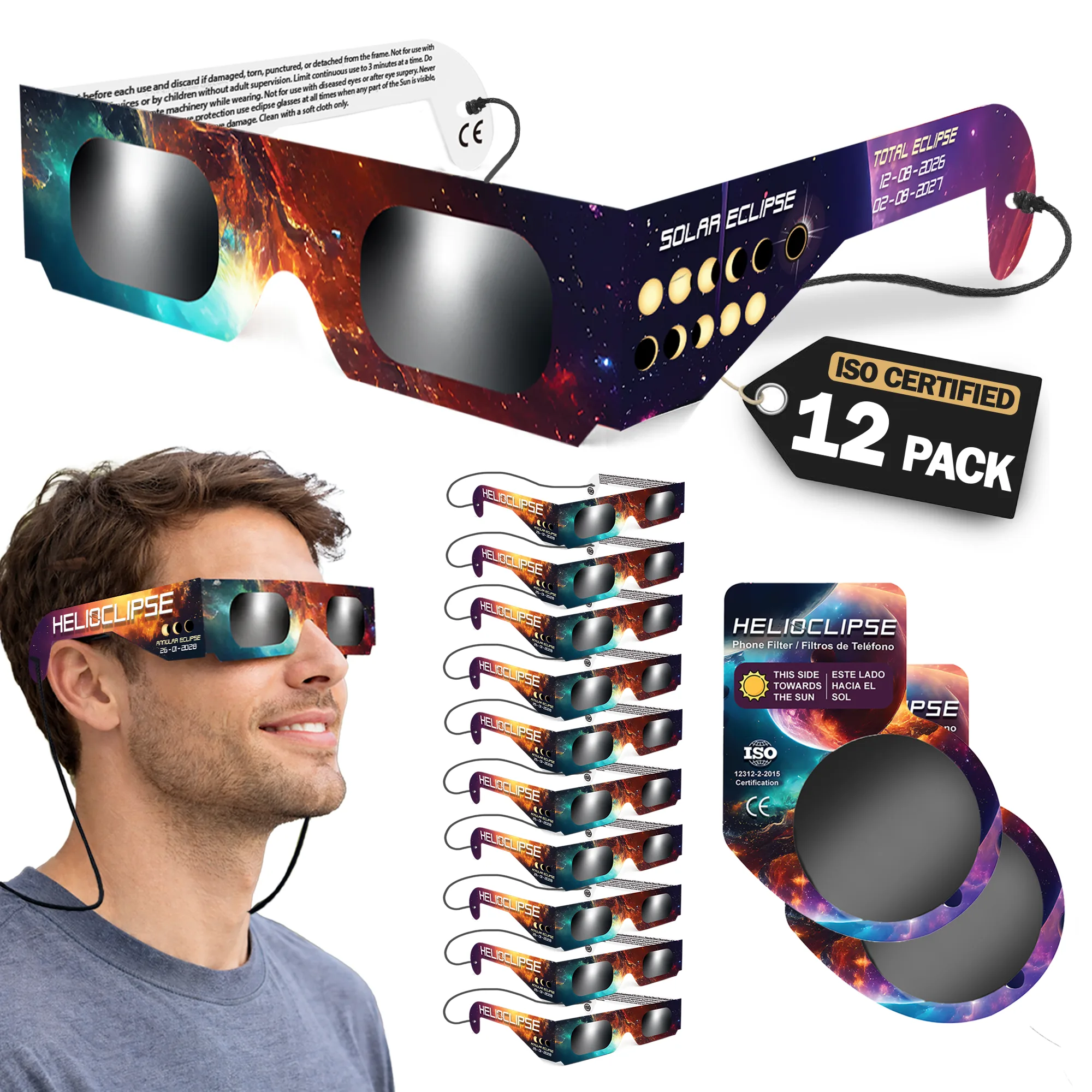
If you already know you will need viewers, start with Helioclipse’s wholesale solar eclipse glasses page for quote-based planning, or browse our shop eclipse glasses page if your quantity is smaller. And if your institution is still deciding what the eclipse will look like from your site, check our Eclipse Explorer / 3D map early, because the difference between partial and total changes both your safety briefing and your distribution plan.
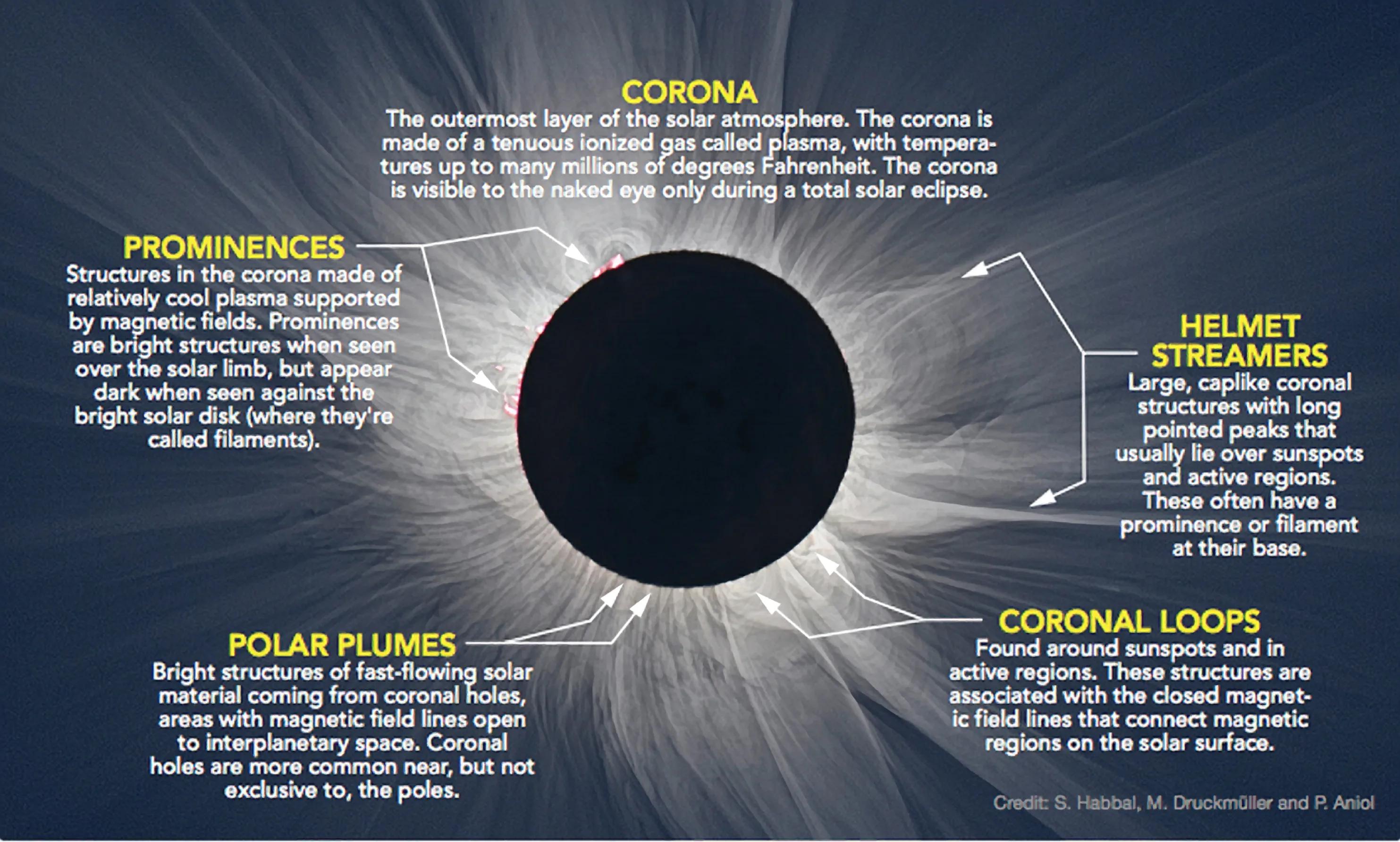
The 2026 event is not a niche curiosity. NASA notes that on 12 August 2026 a total solar eclipse crosses Greenland, Iceland, northern Russia, the Atlantic, Spain, and a small corner of Portugal, while a broad partial eclipse reaches much of Europe, northwestern Africa, parts of eastern North America, and beyond. That means schools in Madrid, offices in Paris, museums in London, and tour operators in northern Spain may all be buying for the same date even though their viewing circumstances differ. Inside totality, viewers are required during the partial phases and removed only during the brief total phase; outside totality, certified viewers stay on for the entire event. If you need a refresher on that distinction, our guide to when glasses on, when glasses off is worth sharing with staff.
Why institutions get squeezed later than they expect
Consumer buyers think in days. Institutions think in stages. A family might ask whether there are solar eclipse glasses for sale this week. A school district has to ask whether the viewers can be approved, ordered, received, checked, counted, allocated, and handed to teachers before the event.
That difference is where late ordering becomes dangerous to the plan even when the product itself is legitimate. A procurement officer may ask, “what does purchase order lead time mean?” In practice, it is the total elapsed time from internal approval to usable stock in the right hands. Not just factory time. Not just courier time. The whole chain.
For eclipse programs, that chain often includes:
- internal sign-off and budget release
- supplier quote and confirmation
- production or pick-pack time
- freight transit
- customs or import processing where relevant
- receiving and reconciliation
- quality check and paperwork filing
- internal distribution to classrooms, branches, or event teams
- spare allocation for damaged or missing units
That is why procurement framing for schools and firms—volume peaks eclipse planning matters more than a simplistic “order now” message. The real risk is not only that stock disappears. It is that your institution still has boxes on a loading dock, or unresolved paperwork, when teachers need sealed viewers in classrooms.
Helioclipse’s wholesale guidance is intentionally conservative here: smaller wholesale runs may move in about one to two weeks, while very large or customized programs can take several weeks, and rush demand tightens as the eclipse approaches. That is a useful reality check for anyone asking what is the lead time for order to delivery? The answer depends on quantity, customization, destination, and factory load, but the planning lesson is stable: the closer you get to eclipse day, the less slack remains anywhere in the chain.
The 2026 calendar is doing more work than many buyers realize
The phrase bulk solar eclipse glasses order deadline schools europe sounds like a search query, but it points to a real operational problem. Europe’s first total solar eclipse since 1999 will attract schools, science centers, travel operators, municipalities, and employers across multiple countries at the same time. Even places outside totality still need certified viewers for a serious partial eclipse.
That matters because demand does not come only from the path of totality. Spain and a small part of Portugal are the headline totality markets, but the partial footprint is much larger. A school in Madrid may not be in totality, yet it still needs one viewer per student if it plans direct observation. A UK employer planning a staff event may also need viewers, even though the UK sees a partial eclipse rather than totality. The same is true for institutions across France, Germany, Ireland, and Scandinavia.
NASA’s broad event summary is useful here: the eclipse peaks on 12 August 2026, with totality centered at 17:02 UTC. In Spain, that places the event in the late afternoon to early evening local clock time, which sounds convenient until you remember what that means for operations: summer staffing, holiday schedules, split campuses, and event-day handoff problems. In other words, the sky timing may be elegant, but the institutional timing can be messy.
If your team is also planning travel or public programming in Spain, our August 12, 2026 total solar eclipse planning guide and our article on 2026 totality in Spain can help separate path geometry from wishful thinking.
What “lead time” really includes for eclipse viewers
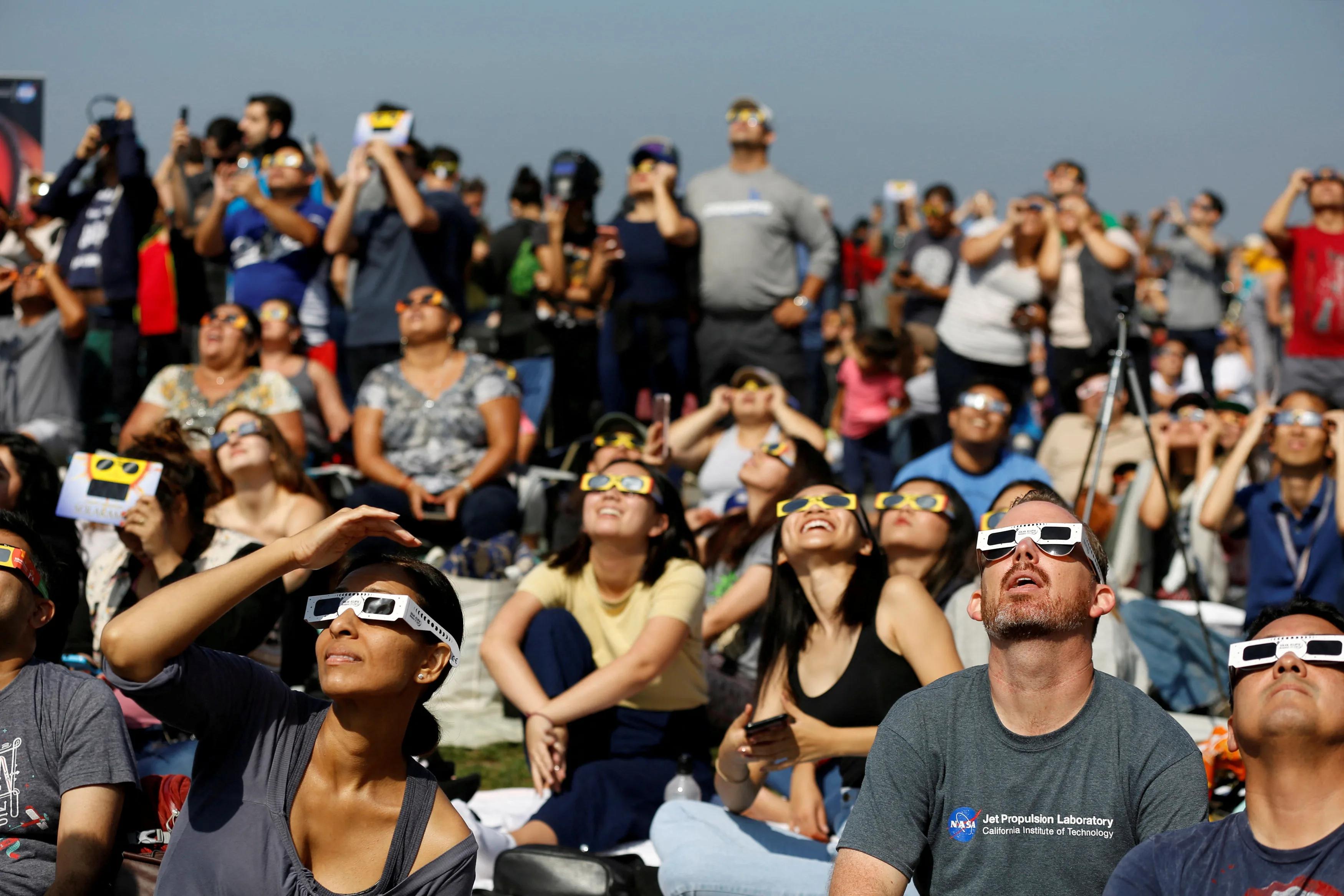
A lot of buyers ask some version of what is the time between ordering and receiving stock? The honest answer is that “receiving stock” is not the same as “ready for safe public use.” For institutions, the useful endpoint is not delivery confirmation. It is verified, counted, distributed inventory.
A practical lead-time checklist
When you estimate order lead time, include these five clocks:
- Decision time
How long until someone can approve the spend, vendor, quantity, and destination?
- Supplier time
Is the order shipping from existing inventory, or entering a production queue? Is the run generic, co-branded, or custom packed?
- Transit time
Parcel, pallet, or freight? Domestic or cross-border? Single destination or multiple drops?
- Receiving time
Who signs for it, opens it, reconciles it, and flags shortages or carton damage?
- Distribution time
How do viewers move from central receiving to teachers, branch managers, event volunteers, or hospitality desks?
That last step is where institutions often lose days. A museum with one building can move quickly. A district with 40 schools cannot. A company with offices in three countries cannot. A tourism operator with hotel partners across a region definitely cannot.
So when someone asks which time elements are relevant for lead time scheduling of a product on order? the answer is: every handoff that stands between a carton and a person looking up safely.
Verification is not a vibe: what you should confirm before you buy
This is where many well-meaning organizations get too casual. They see packaging claims, a familiar marketplace interface, or a phrase like nasa approved solar eclipse glasses, and assume the safety question is settled.
It is not.
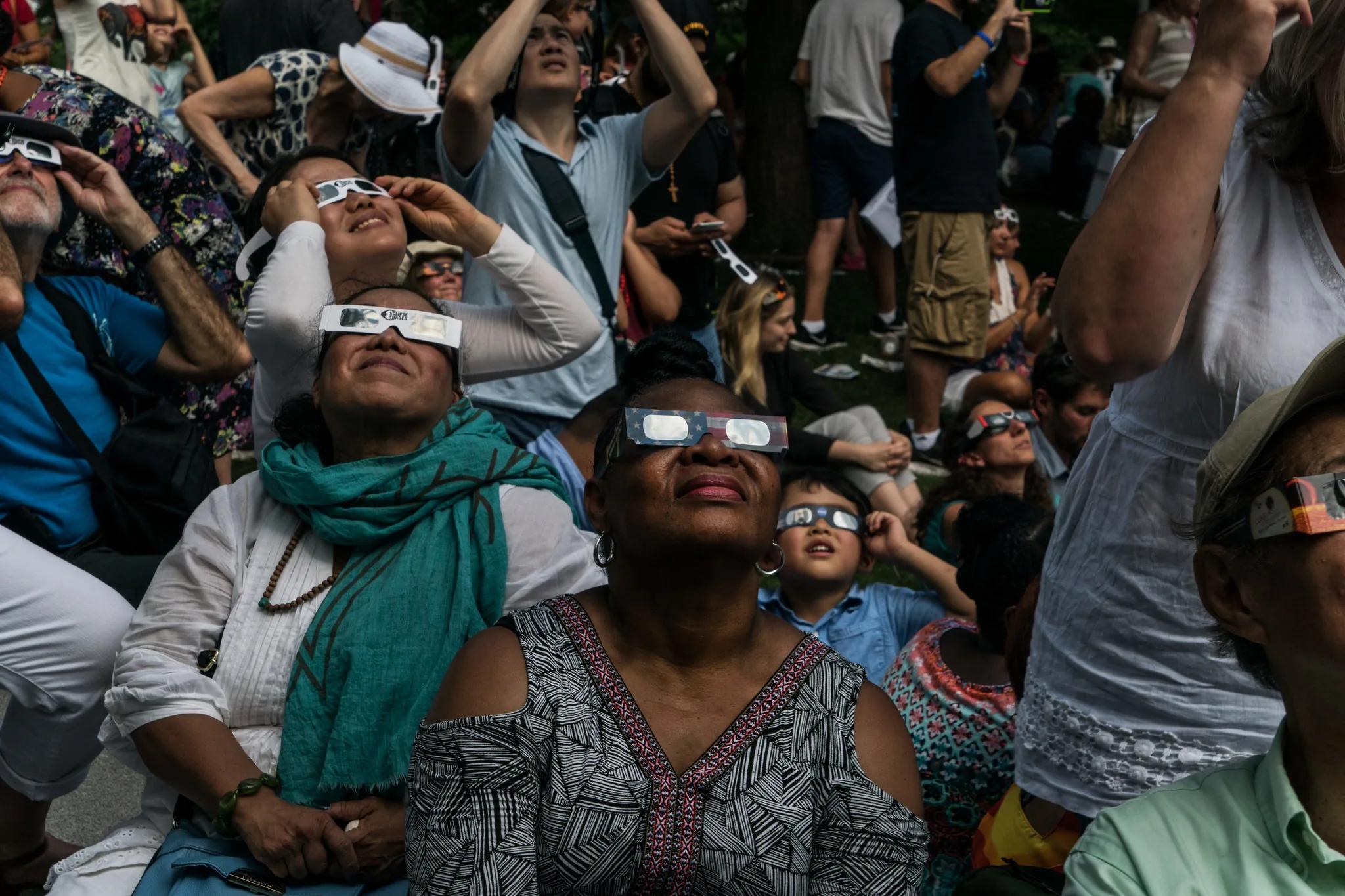
NASA is explicit: NASA does not approve any particular brand of solar viewers. Safe viewers should comply with ISO 12312-2, and they should be inspected before use for tears, scratches, or other damage. The American Astronomical Society makes a similar point from a different angle: buy from known manufacturers or their authorized dealers, and be cautious with generic marketplace listings that may be impossible to trace.
That means phrases such as eclipse glasses nasa approved or solar eclipse glasses nasa approved should trigger a verification step, not a sigh of relief. They are common market language, but they are not themselves proof. What you want is traceability: manufacturer identity, standard reference, supporting documentation, and a seller you can actually contact.
For institutions, the minimum pre-purchase check should include:
- confirmation that the viewers are intended for direct solar viewing
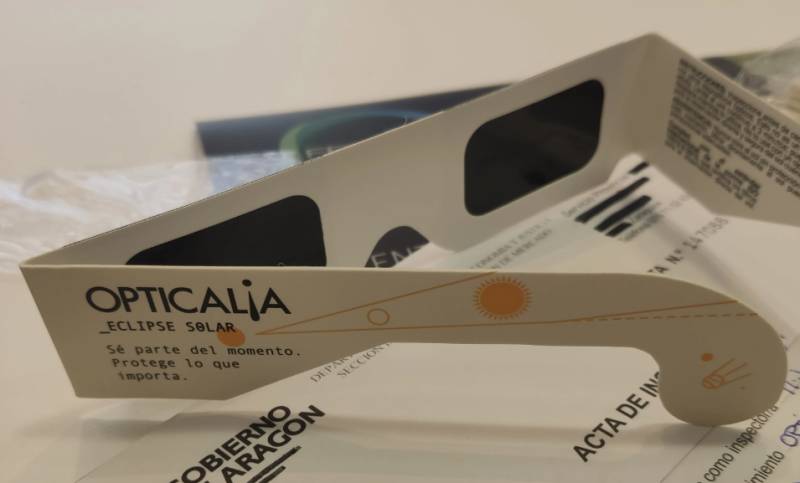
- ISO 12312-2 labeling and supporting test documentation
- seller or manufacturer traceability
- clear instructions for use
- a documented route for questions, defects, or replacements
- enough time to inspect the shipment before distribution
If you want the deeper standards background, our explainer on ISO 12312-2 and eclipse viewers and our guide to fake and low-quality eclipse glasses are built for exactly this step.
Receiving inspection: the unglamorous step that protects your event
A procurement plan is only as good as its receiving discipline. This is especially true when demand spikes and staff are tempted to treat sealed cartons as automatically ready.
NASA advises users to inspect eclipse glasses before use and discard damaged units. For an institution, that principle scales up into a simple receiving inspection protocol.
What to check when the shipment arrives
- carton count matches the order
- SKU or pack configuration matches what you approved
- packaging is intact and dry
- units are not crushed, torn, punctured, or visibly scratched
- documentation is present and filed
- batch or lot identifiers are recorded if provided
- spares are separated from main distribution stock
You do not need a laboratory on site. As Live Science noted in its counterfeit-market reporting, end users cannot independently prove optical safety with a quick home test. What you can do is verify chain of custody, paperwork, labeling, and physical condition.
This is also the moment to catch category confusion. People searching for black eclipse glasses may simply mean the dark-lensed cardboard viewers used for solar observation, but color is not the safety criterion. Likewise, lunar eclipse glasses is a misleading phrase because you do not need special eye protection to view a lunar eclipse at all; NASA states that lunar eclipses are safe to watch with the naked eye. The product you are procuring here is for solar viewing, not lunar viewing, and your staff briefing should say that plainly.
Distribution reality: one box in the office is not a viewing plan
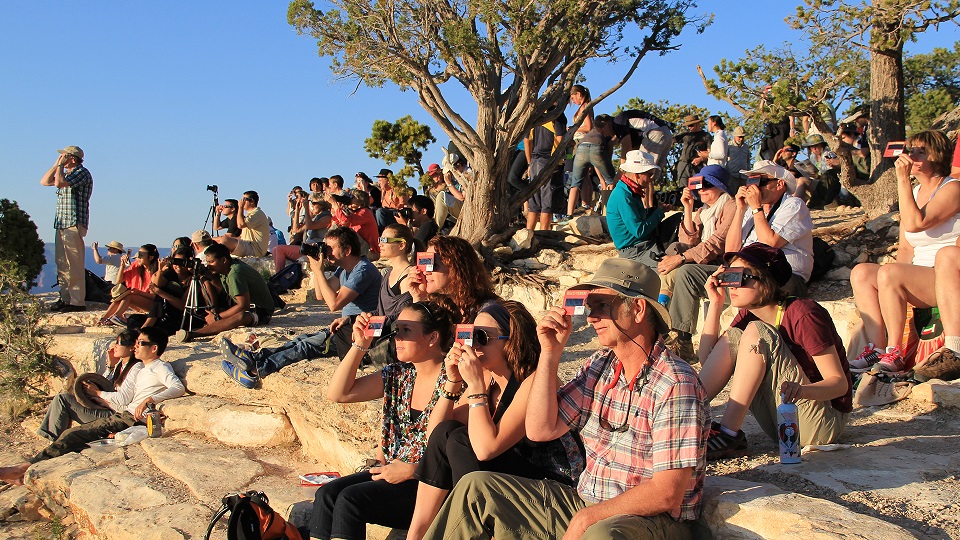
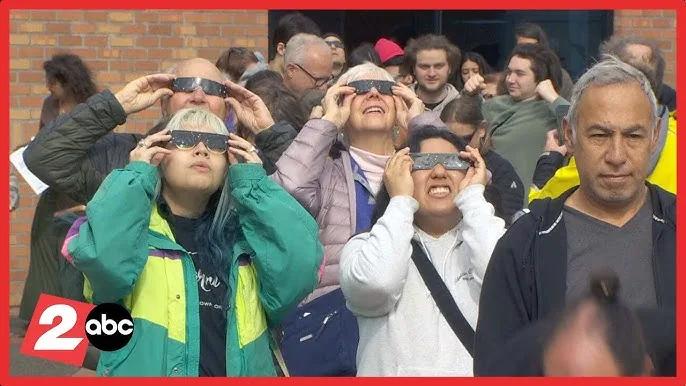
The phrase ordering viewers early for institutions lead times verification and distribution sounds bureaucratic until you have 800 people on a field, courtyard, roof terrace, or car park waiting for instructions.
Distribution is where safe procurement becomes a real public experience. It is also where institutions discover whether they bought the right pack format.
A few examples:
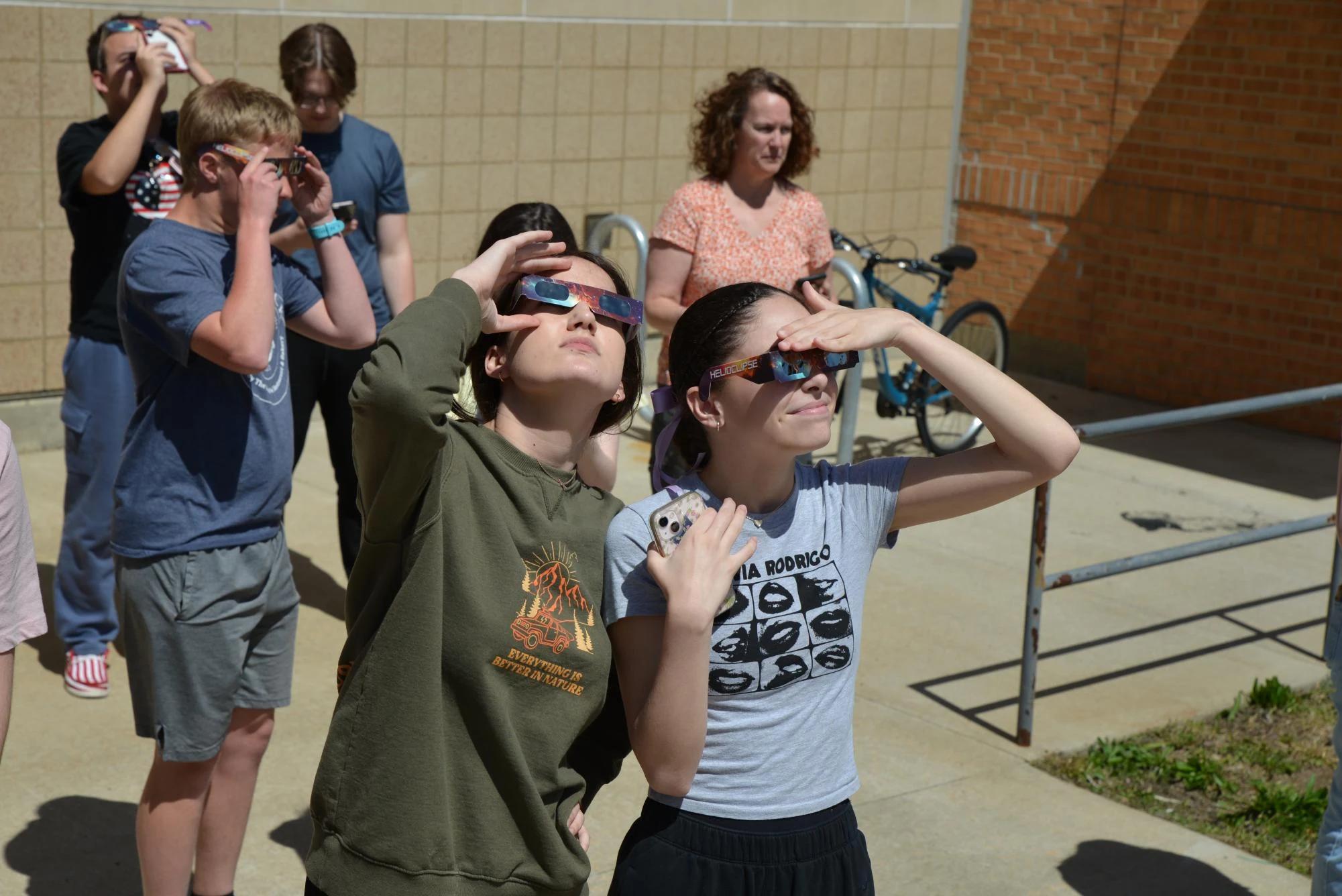
- Primary or secondary schools: one viewer per student, plus staff and a sensible spare margin. Class-level bundles are easier than one giant central carton opened on the day.
- Museums and science centers: separate stock for programmed groups, retail stock, and contingency stock for walk-ups or damaged units.
- Employers: distribute by team lead or floor manager, not from one reception desk five minutes before first contact.
- Hotels and tour operators: assign stock by property or excursion group, with multilingual instructions where needed.
- Municipal events: pre-stage cartons by zone and train volunteers on when viewers must stay on.
This is the part many buyers underestimate when they ask what is the time between ordering and receiving stock? Even after receipt, you still need internal movement. If your event spans multiple sites, the last mile is your responsibility.
Helioclipse’s wholesale configurations are designed around that reality: smaller packs for classrooms or teams, larger retail-ready or bulk formats for higher-volume distribution. If you are comparing bulk solar eclipse glasses options, do not compare unit price alone. Compare how many touches your staff will need before each viewer reaches a person.
What institutions should tell people on eclipse day
The most common public question is still the simplest one: do you need glasses for solar eclipse 2026?
For almost everyone, in almost every place, during almost the entire event, yes.
NASA’s rule is clear. Except during the brief total phase of a total solar eclipse, when the Moon completely covers the Sun’s bright face, it is not safe to look directly at the Sun without specialized solar viewing protection. During a partial eclipse, or during the partial phases before and after totality, certified viewers stay on. If your location is outside the path of totality, there is no glasses-off moment.
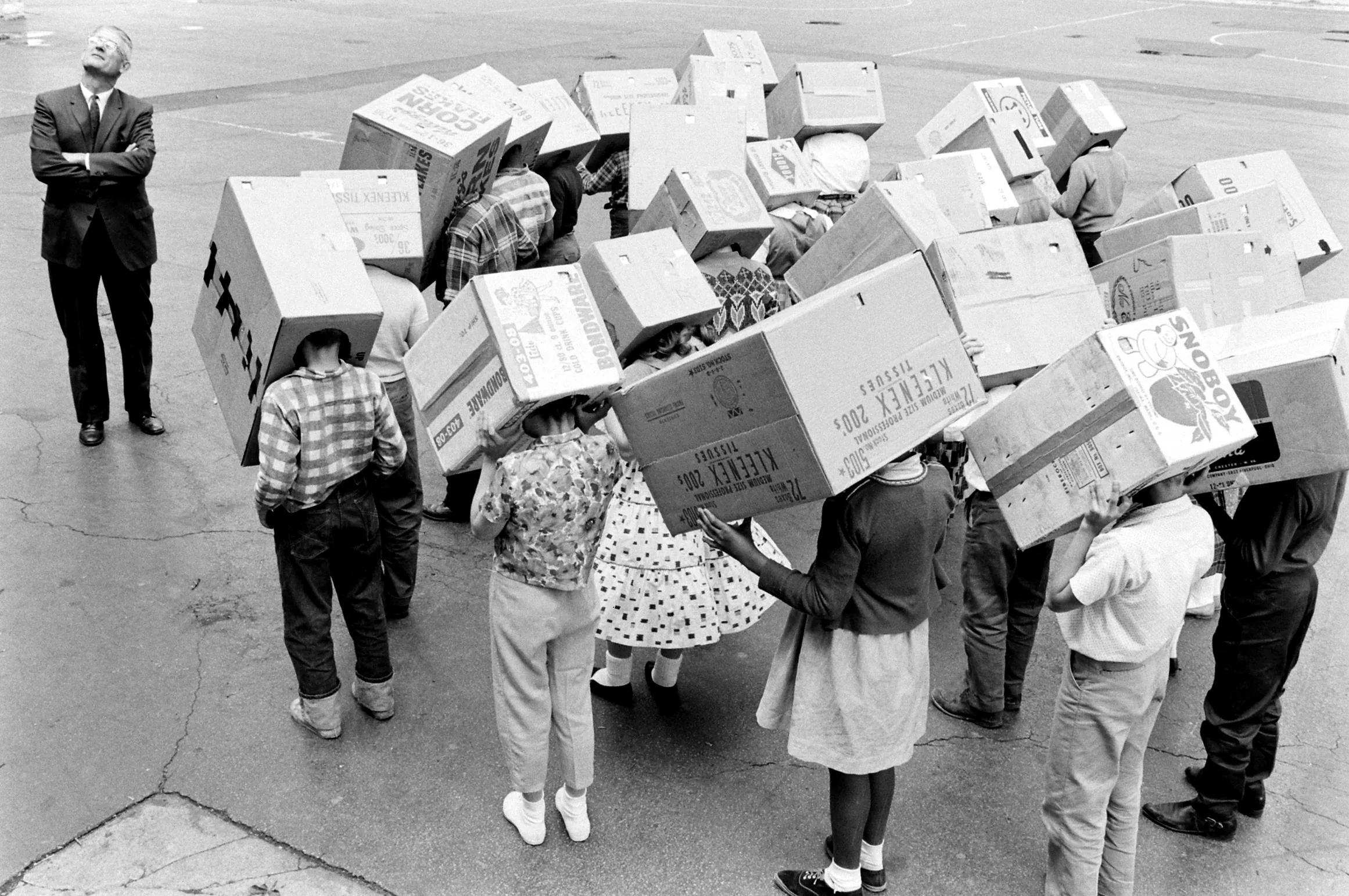
That is why institutions should not improvise with sunglasses, smoked plastic, exposed film, or random dark materials. Astronomy Magazine is blunt on this point: regular sunglasses, camera neutral-density filters, and similar substitutes are not safe. If people ask what can i use instead of eclipse glasses? the best direct answer is: for direct viewing, only proper solar viewers or appropriate front-mounted solar filters for optics. Otherwise use an indirect method such as pinhole projection.
And if your event includes telescopes, binoculars, or cameras, keep the categories separate. AAS guidance is clear that eclipse glasses are not for use with optics. Those devices need proper front-mounted solar filters. Never let staff assume that a box of handheld viewers solves telescope safety.
Marketplace confusion is real, especially near the deadline
History matters here. Reporting from Space.com, Live Science, and Sky & Telescope around earlier eclipses documented delayed shipments, counterfeit listings, and marketplace confusion severe enough to disrupt legitimate sales channels. That history is useful not because 2026 will repeat every detail, but because it shows what happens when public demand outruns attention span.
Late in the cycle, buyers start searching solar eclipse glasses where to buy, eclipse glasses near me, or eclipse glasses usa even when they are not in the United States, because search behavior gets messy under deadline pressure. Institutions should resist that mode. You are not trying to win a scavenger hunt. You are trying to run a safe program.
The same goes for broad commercial language like approved solar eclipse glasses, certified solar eclipse glasses, solar eclipse glasses iso 12312-2 certified, or eclipse viewing glasses. Those phrases can describe legitimate products, but they are not enough on their own. You still need traceability, documentation, and time for receiving inspection.
For smaller organizations, our shop eclipse glasses page is the cleanest answer to “where do we start?” For larger institutional quantities, our wholesale route is better because it lets us discuss quantity, destination, packaging, and timeline before you commit.
A realistic ordering window for schools, firms, and public programs
We are careful not to invent ship-date promises, because that is exactly how institutions get burned. But we can say something useful: if your event matters, your safe window is earlier than your emotional sense of urgency.
For the 12 August 2026 eclipse, Helioclipse’s wholesale guidance already warns that rush orders in the final weeks before the event will be constrained by stock and that buyers should aim to book supply by May 2026 where possible. That is not fear marketing. It is a reflection of how eclipse demand behaves: steep ramp, narrow peak, abrupt collapse after the event.
So if you are building your own bulk solar eclipse glasses order deadline schools europe plan, a practical framework looks like this:
By winter 2025–26
- estimate audience size
- decide whether you need retail, classroom, or wholesale formats
- identify who approves the order
- confirm whether your site is in totality or partial eclipse using the Eclipse Explorer / 3D map
By spring 2026
- place institutional orders
- lock shipping destination and receiving contact
- request documentation in advance if your procurement team needs it
- build your distribution list by site, classroom, or team
By early summer 2026
- receive and inspect stock
- set aside spares
- train staff on safety language
- decide how you will handle absent students, late registrants, or public walk-ups
In the final weeks
- avoid changing quantities unless necessary
- avoid assuming local retail will rescue a large shortfall
- prepare indirect-viewing backups for anyone without a viewer
That is the operational meaning behind bulk solar eclipse glasses order deadline schools europe usa too. The geography changes, but the procurement logic does not: once a major eclipse becomes a public countdown, late-stage demand becomes crowded and less forgiving.
Common mistakes that cost institutions time
A short list, because these are painfully common:
- Treating the eclipse like a normal stationery purchase
It is not. Demand is event-driven and date-fixed.
- Waiting for final attendance before ordering
That often means ordering after the market has tightened.
- Confusing delivery with readiness
You still need inspection and internal distribution.
- Relying on vague marketplace claims
“NASA approved” language is not a substitute for documentation.
- Forgetting the partial-eclipse audience
Many institutions outside totality still need viewers for everyone.
- Not planning alternatives
If a shipment is short, indirect viewing methods such as pinhole projection can still support programming without unsafe improvisation.
Space.com’s old but still relevant advice on delayed glasses made one point especially well: if direct-viewing stock does not arrive in time, do not panic and do not improvise unsafely. Shift to indirect methods, local events, or shared supervised resources where appropriate.
The bottom line for institutional buyers
The phrase ordering viewers early for institutions: lead times, verification, and distribut may look clipped, but the idea is complete: buy early enough that you still have room to think.
And the fuller version, ordering viewers early for institutions: lead times, verification, and distribution reality, is the real lesson. Safe eclipse viewing at institutional scale is not just about finding stock. It is about building a chain you can trust from quote to classroom, from pallet to public event, from documentation to the moment someone looks up.
If your team is still in the comparison phase, remember what matters most:
- certified solar viewers for direct viewing
- traceable sourcing and documentation
- enough time for receiving inspection
- a distribution plan matched to your audience
- clear staff language about totality versus partial phases
That is how you avoid the frantic last-minute search for eclipse glasses near me and replace it with something much better: a calm, well-run eclipse day that people remember for the sky, not for the scramble.
Frequently asked questions
Where will the August 2026 eclipse be visible, and how widely will it affect Europe?
NASA notes that the 12 August 2026 total solar eclipse crosses Greenland, Iceland, northern Russia, the Atlantic, Spain, and a small corner of Portugal. A broad partial eclipse reaches much of Europe, northwestern Africa, parts of eastern North America, and beyond, so many institutions across Europe may need to plan for it.
Will people need certified viewers for the 2026 solar eclipse?
Yes, during the partial phases you need certified viewers. The excerpt says that inside totality, viewers are required during the partial phases and removed only during the brief total phase; outside totality, certified viewers stay on for the entire event.
Is there a safe substitute if we do not have eclipse viewers?
The excerpt does not give any substitute for certified viewers. It only says institutions should plan ahead for approved viewers and use them according to the eclipse phase, so the safe approach is to obtain proper viewers before the event.
Do eclipse viewers have a shelf life or expiration date?
The excerpt does not mention an expiration date or shelf life. What it does emphasize is verification, receiving stock without surprises, and making sure the viewers are ready to distribute before the eclipse.
How early should an institution place an order so the viewers arrive in time?
As early as possible, because the excerpt says demand will bunch up and late ordering can run into procurement and shipping delays. It also notes that institutions need time to approve, order, receive, check, count, allocate, and distribute viewers before eclipse morning.
On-site next steps
- Need institutional quantities? Start with our wholesale solar eclipse glasses page to discuss quantity, destination, packaging, and timeline.
- Buying for a smaller school group, office team, or family network? Visit our shop eclipse glasses page.
- Not sure whether your site is in totality or only partial eclipse? Check the Eclipse Explorer / 3D map before you finalize your safety briefing.
- Want more background for staff and parents? Browse the Helioclipse blog for safety, phases, travel, and planning guides.
Sources & further reading
- What To Do If Your Solar Eclipse Glasses Won't Arrive in Time — Space.com
- How to observe the Sun safely during a solar eclipse — Astronomy Magazine
- Fake Solar Eclipse Glasses Are Flooding the Market: How to Stay Safe — Live Science
- Eclipse Aftermath Brings Lawsuit Against Amazon — Sky & Telescope
- Wholesale Solar Eclipse Glasses — Helioclipse
- Eclipse Viewing Safety — NASA Science
- Eclipses — NASA Science
- Suppliers of Safe Solar Viewers & Filters — American Astronomical Society
- Telescopes & Binoculars — American Astronomical Society
- What to Expect: A Solar Eclipse Guide — NASA Science