Nursing parents on eclipse day: shade, timing feeds, and never trading baby safety for a rushed glimpse
An eclipse may run according to celestial mechanics, but babies do not. A feed can begin just as the light changes. A carefully settled infant can wake when a crowd cheers. The shady place that looked comfortable at arrival may be in full Sun an hour later.
That does not mean nursing parents need to stay home or accept a stressful day. It means the plan should revolve around the baby rather than a few seconds at the eyepiece. Think of this as our breastfeeding nursing parents solar eclipse logistics 2026 guide: identify your exact eclipse circumstances, build in shade and feeding time, and decide before the event which adult is responsible for the baby at each stage.
Start by checking your location in the Helioclipse Eclipse Explorer. It will tell you whether you are inside the path of totality or will see a partial eclipse, as well as the local sequence and timing. That distinction controls the eye-safety rules—and helps you work out when a feed, nap, or retreat indoors is most likely to overlap with the main event.
Begin with the baby’s day, not the eclipse countdown
The practical challenge of breastfeeding nursing parents solar eclipse logistics is not feeding itself. It is managing a long outdoor event while feeding, carrying supplies, supervising other children, and keeping everyone protected from ordinary sunlight and heat.
Do not delay a feed to catch a phase of the eclipse or wake a comfortably sleeping baby merely to follow an invented eclipse schedule. Feeding needs vary by age, health, established routine, and individual cues. Questions about unusually long or short feeds, milk supply, pumping, storage, hydration, medications, or how often a newborn should feed belong with your pediatrician, midwife, lactation consultant, or other qualified clinician—not an astronomy timetable.
There is no astronomical or medical reason inherent to the eclipse to stop breastfeeding during solar eclipse conditions. Likewise, breastfeeding during eclipse phases does not require a special position, ritual, room, or schedule. The relevant practical issues are the same ones you would consider for any extended outing: a comfortable place, privacy if wanted, clean hands, suitable clothing, safe milk handling where applicable, and protection from the weather.
A useful nursing eclipse plan is therefore deliberately flexible. Mark the beginning of the partial phase, the local maximum or totality, and the end of the eclipse—but treat those as planning landmarks, not feeding deadlines.
Why the event takes longer than the dramatic moment
A total eclipse is often advertised by its brief total phase, but the partial phases on either side can each last roughly an hour. NASA’s general eclipse guide notes that the Moon can spend about an hour gradually covering the Sun and another hour uncovering it. A family outing may consequently involve several hours outside once arrival, setup, feeding, and departure are included.
The next total solar eclipse highlighted by NASA occurs on August 12, 2026. Its path of totality crosses Greenland, Iceland, the Atlantic, Spain, and a small part of Portugal, while a much wider region—including much of Europe and parts of North America and northwestern Africa—sees a partial eclipse. Knowing when is the next solar eclipse is only the first step: your exact location determines whether totality exists for you and when each phase occurs.
That is especially important in 2026 because the eclipse reaches Spain late in the day, with the Sun relatively low for many observers. A building, ridge, tree line, or poorly positioned sunshade can obstruct the view. Use the map well in advance, then revisit it with your actual observing site—not just the nearest city selected. Our August 12, 2026 planning guide explains the larger event, while the map supplies the location-specific timing you need for feeds and handoffs.
Build slack around the most important phase. If a feed begins shortly before maximum eclipse, let it happen. The Moon will not punish a family for choosing comfort and safety over a rushed glimpse.
Shade is a base camp, not eye protection
Choose an observing base with reliable shade, seating, drinking water, toilets, and a quick route indoors or back to your vehicle. Check how the shade moves across the afternoon. A slim patch beneath a tree at arrival may disappear before maximum eclipse, while a permanent shelter can offer a more dependable place to feed and settle a baby.
Shade protects comfort and skin; it does not make looking at the Sun safe. Thin clouds, a stroller hood, a window, ordinary sunglasses, tinted plastic, exposed photographic film, foil, snack wrappers, and doubled sunglasses are not solar filters. An eclipsed Sun can also remain intensely bright even when the landscape looks dimmer.
Avoid draping a blanket over a stroller or carrier in a way that blocks ventilation. A cover can trap heat even if it appears to create shade. Keep airflow open, monitor the baby’s comfort, and follow local public-health advice for temperature, sun exposure, clothing, and hydration. If heat, smoke, wind, or crowding makes the site unsuitable, going indoors is good planning—not a failed eclipse day.
Your own needs matter too. Nursing parents may be carrying a baby, a bag, water, a pump or feeding supplies, and perhaps supervising siblings. A supportive chair, back support, a wide-brimmed hat, sunscreen used according to its directions, and an adult who can take over practical tasks are not luxuries. They are what make the event manageable.
Infant eyes: indirect viewing is the normal plan
Babies cannot understand instructions such as “keep this viewer over both eyes,” and they may pull, twist, or turn without warning. Do not try to improvise infant eclipse glasses, secure a viewer with tape or straps, or hold dark material over a baby’s face. Do not point the baby toward the Sun for a photograph.
Our default recommendation for infants is simple: do not arrange for them to look directly at the Sun. Keep them oriented away from it, settled in genuine shade or indoors, and let them experience the changing light, cooler air, family voices, and crescent projections instead. An adult can carry the baby while facing away from the Sun, but that adult must remain attentive rather than assuming a hood or carrier position guarantees the baby cannot turn.
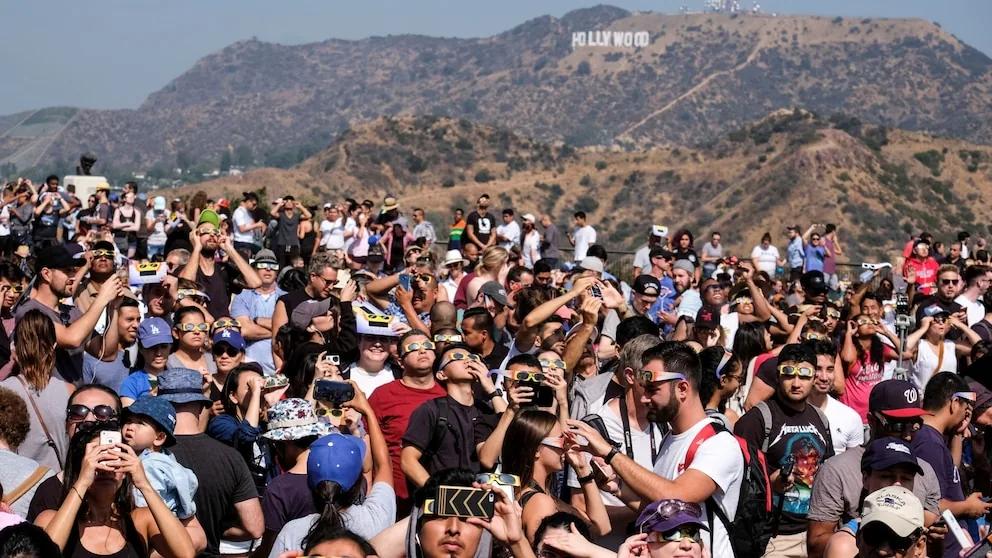
A pinhole projector creates an image of the Sun on another surface. It is not something anyone looks through. With the Sun behind you, watch the projected crescent on paper or the ground. Gaps between overlapping fingers, holes in a colander, or spaces between tree leaves can produce multiple crescent images during the partial phases. These are engaging for older children and allow a nursing parent to participate without continuously looking upward.
A livestream is another completely valid family experience. For anyone deciding how to see solar eclipse safely at home, an authoritative broadcast, closed curtains where direct sunlight is distracting, and a simple projection activity can be calmer than a crowded outdoor event. Babies do not need a direct view for the day to become part of family history.
The rules for adults and older children
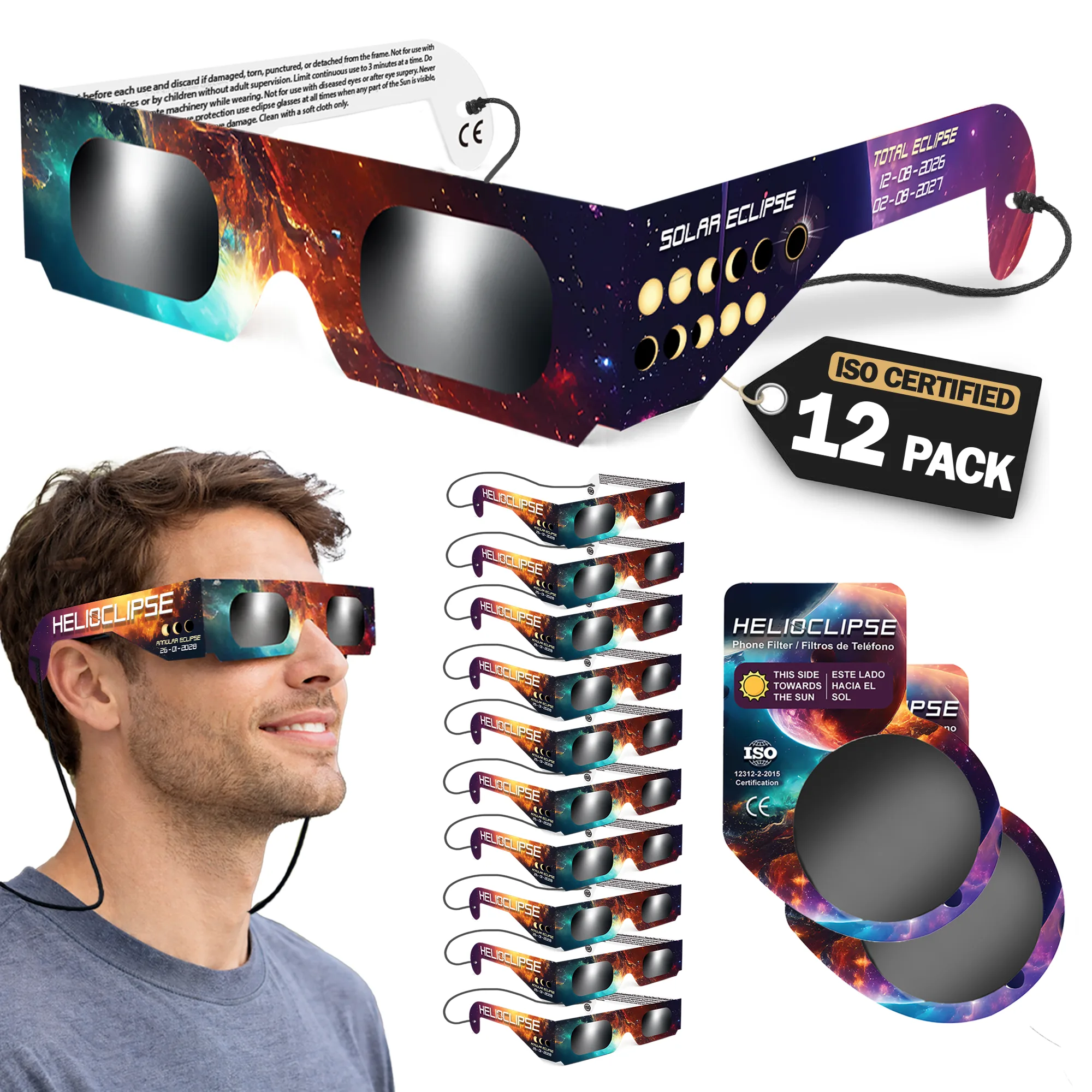
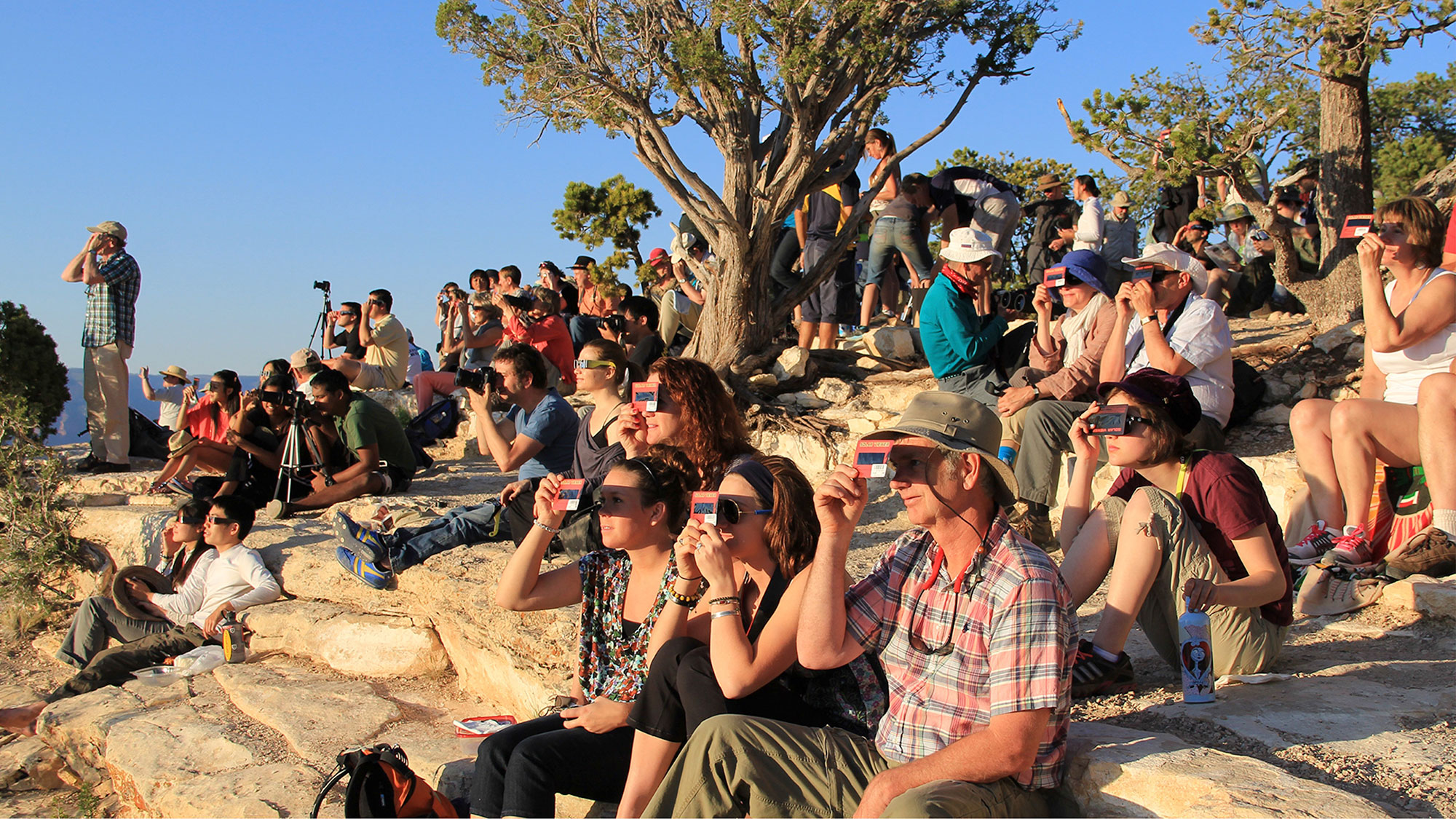
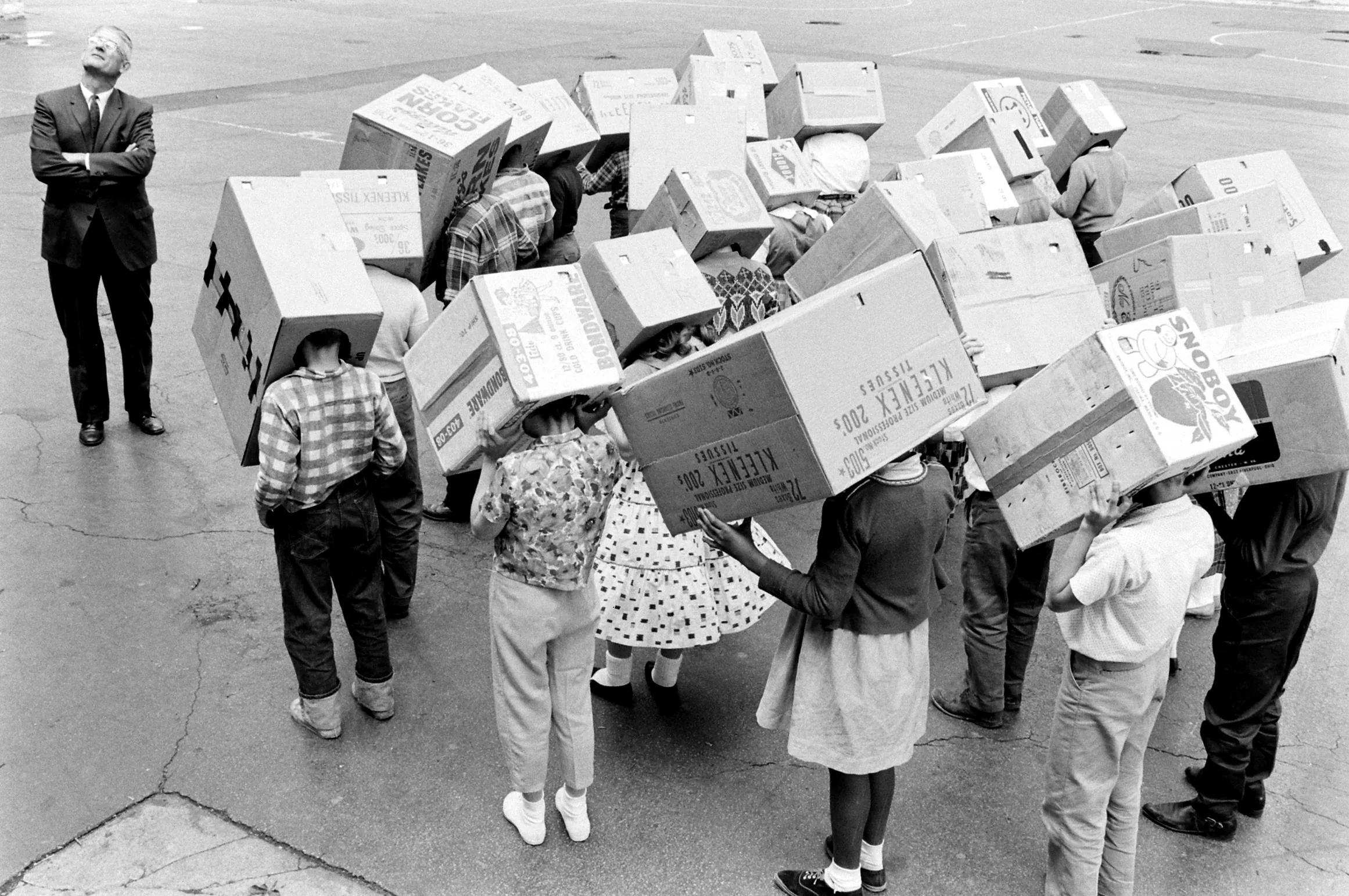
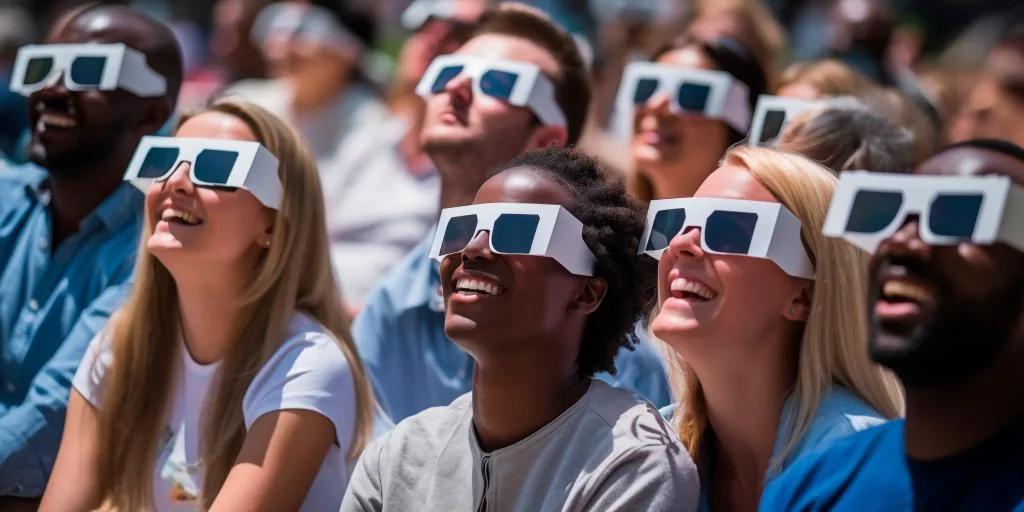
Adults and children capable of following directions need special-purpose solar eclipse glasses or handheld viewers that conform to ISO 12312-2 whenever any part of the Sun’s bright face remains visible. Ordinary sunglasses are not sufficient, no matter how dark they appear.
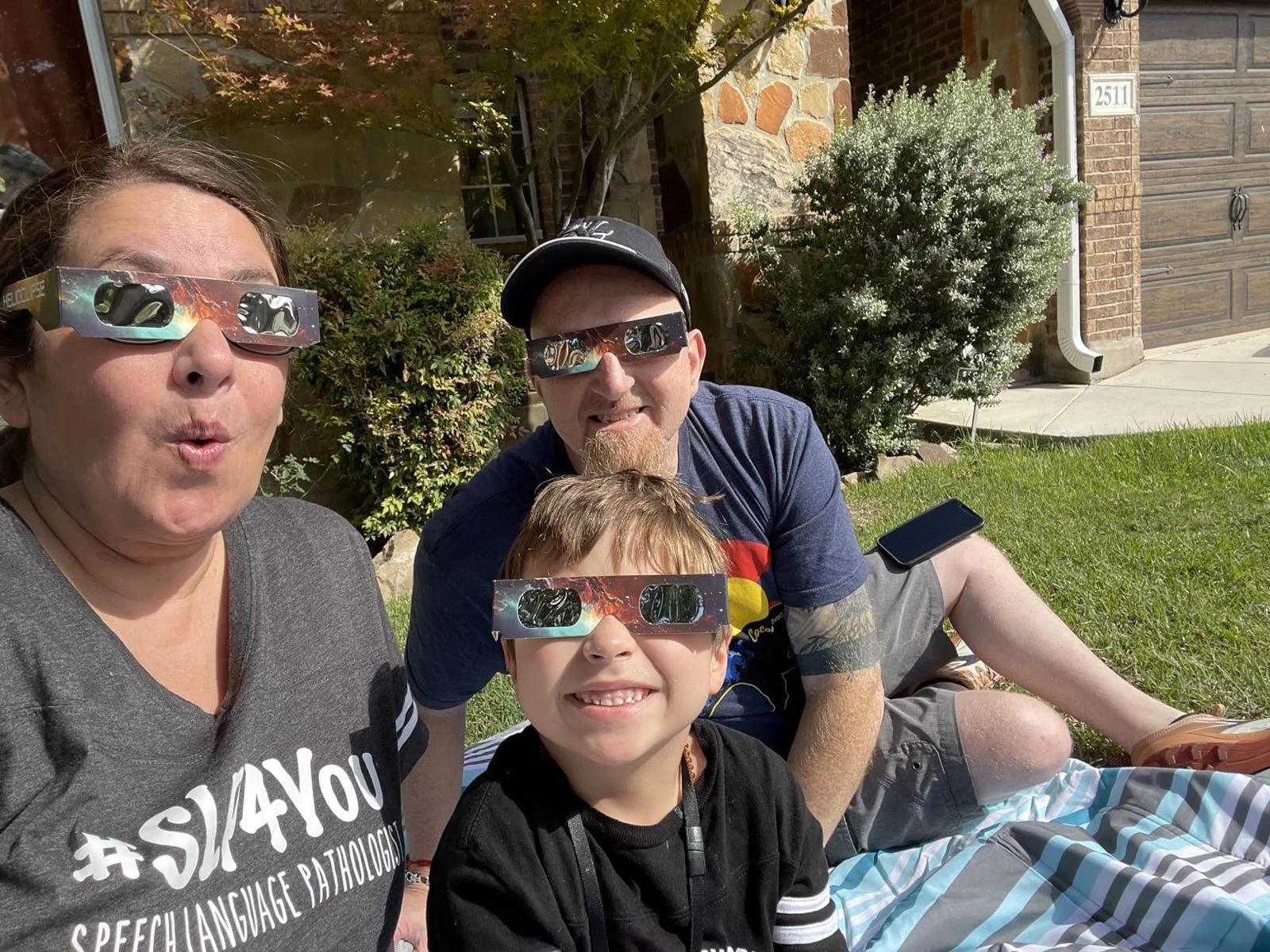
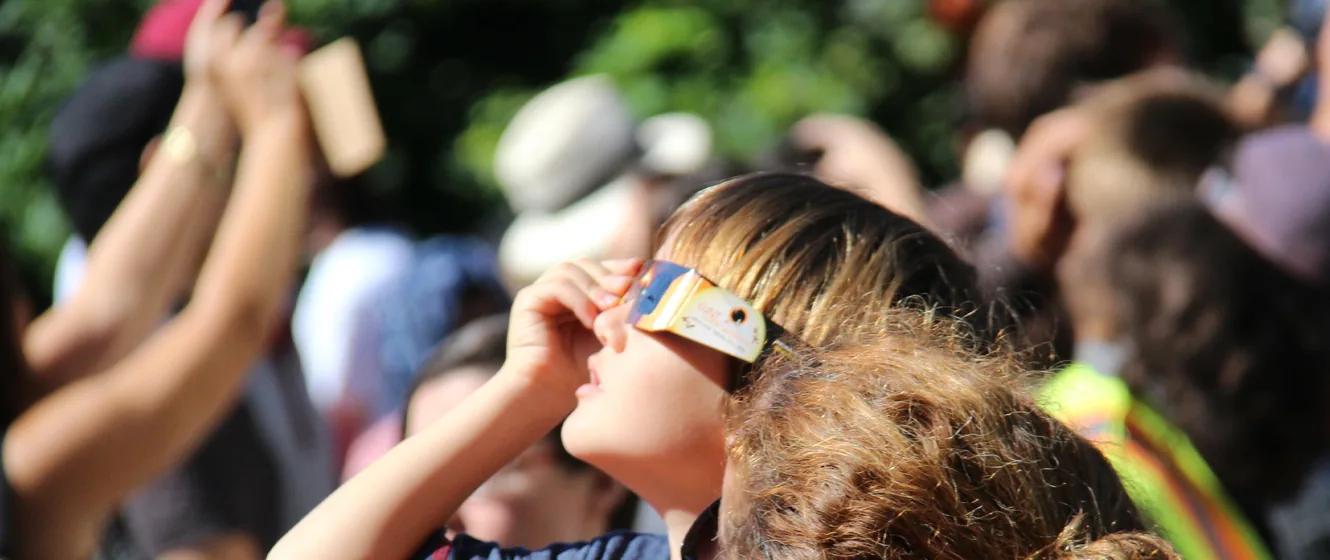
Inspect every viewer before the event and again before use. Discard it if the filter is scratched, punctured, torn, detached, or otherwise damaged. Put the viewer securely over your eyes before turning toward the Sun; look away again before removing it. Closely supervise children and rehearse this movement before eclipse day.
When choosing eclipse viewing glasses, do not treat marketplace wording as proof. Product language such as solar eclipse glasses iso 12312-2 certified should be supported by credible conformity information and a traceable manufacturer or supplier. NASA does not approve particular brands, so claims of “NASA approval” are a warning sign rather than an extra certification. Our guide to ISO 12312-2 eclipse viewers explains what the standard covers and what families should verify.
Never look through a camera, binoculars, or telescope while wearing ordinary eclipse viewers. Magnifying optics concentrate sunlight and require an appropriate solar filter securely mounted over the front of the instrument. Ask an experienced solar observer for help rather than experimenting on eclipse day.
Totality is a narrow exception
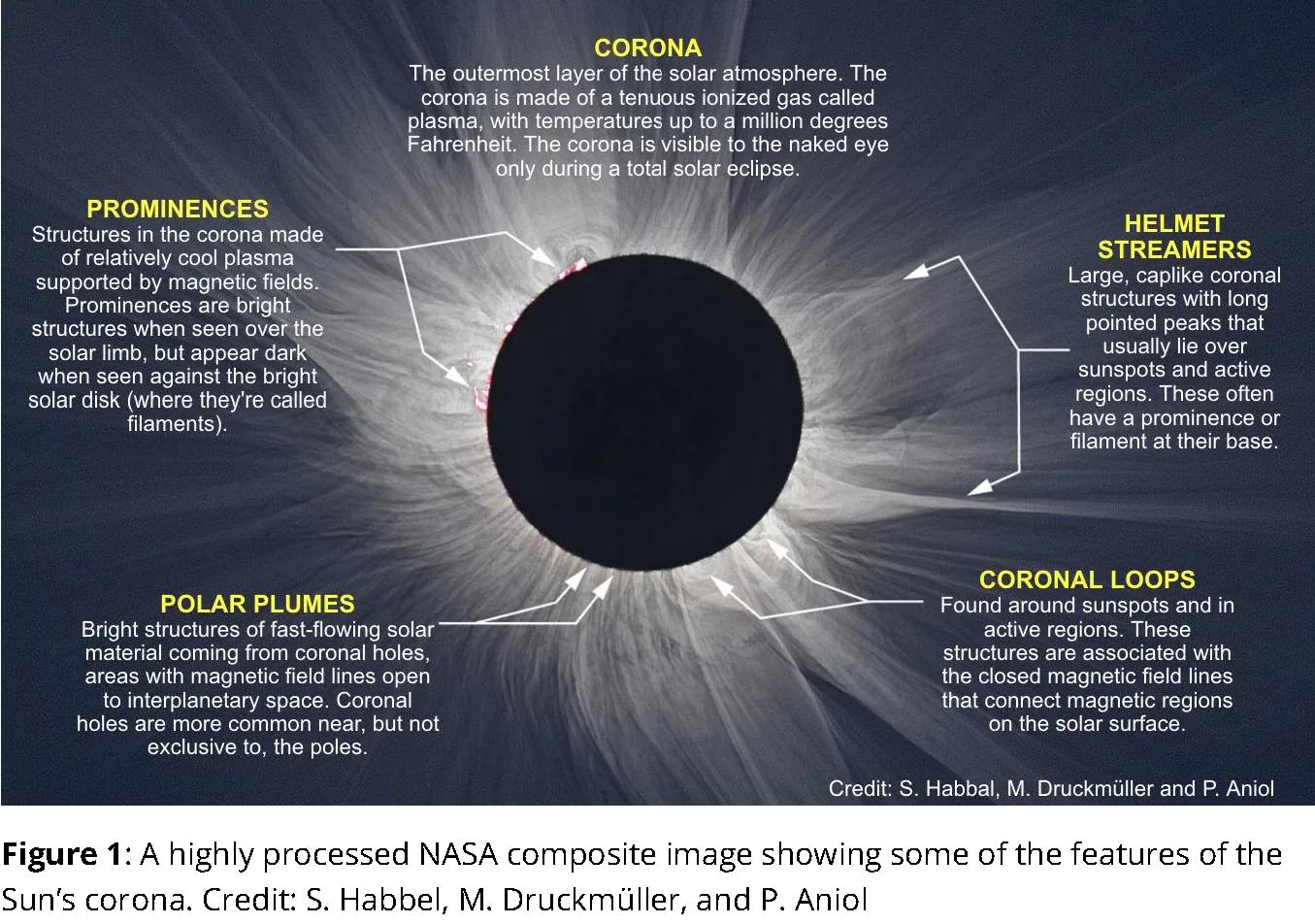
Only people inside the path of a total solar eclipse have a brief interval when the Moon completely covers the Sun’s bright face. During that interval alone, unaided direct viewing is safe. Viewers must go back on as soon as even the smallest bright part of the Sun reappears.
A partial eclipse never becomes safe for unprotected direct viewing. Neither does an annular eclipse: the bright ring is exposed sunlight. If you are uncertain whether totality has started at your precise location, keep your viewer on. Our phase-by-phase safety guide gives first-time observers a clearer rehearsal.
For a baby, totality is not a cue to engineer a direct look. The scene can be shared through the sudden darkness, the reactions of people nearby, the horizon glow, and the changing temperature. One adult can remain fully focused on the baby while another watches the corona, then they can describe the moment to each other afterward.
A handoff plan protects both the feed and the view
Decide responsibilities before the partial phase begins. “We will work it out when it gets dark” is not a plan—especially in a crowd, when everyone’s attention is pulled toward the same point in the sky.
For two or more caregivers, agree on:
- who is responsible for keeping the baby oriented away from the Sun during partial phases;
- who manages older children and checks their viewers;
- where feeding will happen and how long it takes to reach that space;
- who watches the bags, stroller, expressed milk, or other supplies;
- what happens if a feed overlaps maximum eclipse or totality;
- where the group will reunite if mobile service is congested;
- what weather or heat threshold will send the baby and one adult indoors.
If the nursing parent hopes to watch totality, a trusted adult can take full responsibility for the baby for those minutes, ideally in a position that does not require last-second movement. If the baby needs the nursing parent at that moment, the feed wins. Totality can be heard and felt as well as seen, and there will be photographs and broadcasts afterward.
Solo caregivers should simplify further. A shaded home, enclosed event venue, library program, or livestream may offer more enjoyment than trying to manage direct viewing, infant supervision, and equipment at once. A pinhole projection on the ground can show the eclipse’s progress without asking you to divide your attention dangerously.
A compact packing checklist
Pack for the entire outing, not only the headline phase:
- your usual feeding supplies, in the quantities and storage conditions recommended for your family;
- a comfortable feeding layer, cloth, or cover if you use one, without compromising the baby’s airflow;
- water and food for adults and older children;
- suitable sun protection and weather layers;
- a chair or blanket plus any support you normally use while feeding;
- diapers, wipes, a change of clothes, and sealable bags;
- undamaged ISO 12312-2 solar viewers for adults and children able to use them correctly;
- a cardboard pinhole projector or simple projection materials;
- a printed or saved screenshot of local eclipse times in case mobile data fails;
- a charged phone and an agreed emergency contact;
- extra time for parking, walking, feeds, and an unhurried departure.
Keep cardboard viewers dry and protected from bending, punctures, wet wipes, and loose objects. If you need additional certified viewers for capable family members, order early from the Helioclipse eclipse-glasses shop rather than relying on whatever remains near the event date.
Two alarming questions, answered calmly
The phrase can a solar eclipse kill you overstates the astronomical hazard. An eclipse does not emit a special burst of deadly radiation. The direct-viewing risk comes from the same Sun that is in the sky every clear day, while practical risks come from ordinary conditions such as heat, sunburn, traffic, crowds, and unsuitable observing sites. Sensible preparation addresses all of them without frightening children or parents.
The question is solar eclipse blindness permanent needs a more careful answer. Looking at the Sun without proper protection can injure the retina. Solar retinopathy may cause blurred or distorted central vision, blind spots, altered color perception, or other symptoms; some people improve, while some damage can be lasting. The retina may be injured without immediate pain, and symptoms can appear later.
If you or a child looked directly at the Sun and develops visual symptoms, move away from further exposure and seek prompt advice from a qualified eye-care professional or local medical service. Do not try to diagnose the severity at home from the duration of the glance.
How to Know When to Drop the Night Feed (Essential Tips for ...
Your Zen Baby Sleep
Frequently asked questions
Why is it unsafe to watch an eclipse without proper eye protection?
The excerpt does not explain the specific reason direct viewing can harm the eyes. It does state that whether you are in the path of totality or seeing a partial eclipse controls the eye-safety rules, so check your exact local circumstances before the event.
Can vision damage from looking at an eclipse be undone?
The excerpt does not address whether eclipse-related vision damage can be reversed. It emphasizes planning around the local eclipse type and timing so that eye-safety rules can be followed.
When is direct viewing of an eclipse not appropriate without eye protection?
The excerpt does not provide a detailed list of direct-viewing rules. It says that being inside the path of totality or seeing a partial eclipse determines the applicable eye-safety rules, so confirm your location and local sequence in advance.
What symptoms might occur after unsafe eclipse viewing?
The excerpt does not describe symptoms or the appearance of eclipse-related eye injury. Its practical guidance is to identify your local eclipse circumstances beforehand because those circumstances determine the eye-safety rules.
What should nursing parents plan for when attending an eclipse?
Plan around the baby’s feeding, sleep, shade, and ordinary sun-and-heat needs rather than the eclipse countdown. Check local timing, allow flexible feeding time, and decide in advance which adult is responsible for the baby at each stage so no one rushes or compromises the baby’s safety for a glimpse.
On-site next steps
- Open the Helioclipse 3D eclipse map and save the local start, maximum or totality, and end times for your exact site.
- Choose a base with dependable shade, airflow, seating, toilets, and an easy indoor fallback.
- Assign baby care and older-child supervision before the event, including a specific plan if a feed overlaps maximum eclipse.
- Inspect your family’s viewers now and obtain ISO 12312-2 certified eclipse glasses early for everyone capable of using them correctly. Plan indirect viewing for the baby.
Sources & further reading
- Eclipse Viewing Safety — NASA Science
- What to Expect: A Solar Eclipse Guide — NASA Science
- Activities for Kids Before and During the Solar Eclipse — Sky & Telescope
- But First, Shades! How Kids Can View the Solar Eclipse Safely — Cincinnati Children’s
- Solar Eclipse 2024: How to Protect Your Child’s Eyes — Arkansas Children’s
- How to View a Solar Eclipse Safely — American Astronomical Society
- About the ISO 12312-2 Standard for Solar Viewers — American Astronomical Society
- Eclipse Basics — American Astronomical Society
- Eclipses Frequently Asked Questions — NASA Science
- Eclipses — NASA Science