Phones, time zones, and ‘did my clock drift?’: getting serious about contact-time discipline
An eclipse can make very organized people do silly things. Someone posts a dramatic countdown. A group chat starts arguing about whether the big moment is at 2:31, 3:31, or “basically around half past.” One person swears their phone changed time zones overnight. Another is staring at an eclipse countdown clock app as if it were an observatory instrument.
If you want to avoid that kind of chaos, the fix is simple: treat eclipse timing as a location-specific planning problem, not as a social-media vibe. Our Eclipse Explorer / 3D map is the right place to check what happens at your exact site, because eclipse contact times depend on where you are, what kind of eclipse you are seeing, and which time scale the source is using.
That matters more than many first-time viewers realize. A generic eclipse countdown clock 2024 or eclipse clock countdown widget may be fine for excitement, but it is not a substitute for a map or calculator that knows your location. If you are serious about not missing second contact, third contact, or the peak of a partial eclipse, you need better habits than “my phone says so.”
What “contact-time discipline” actually means
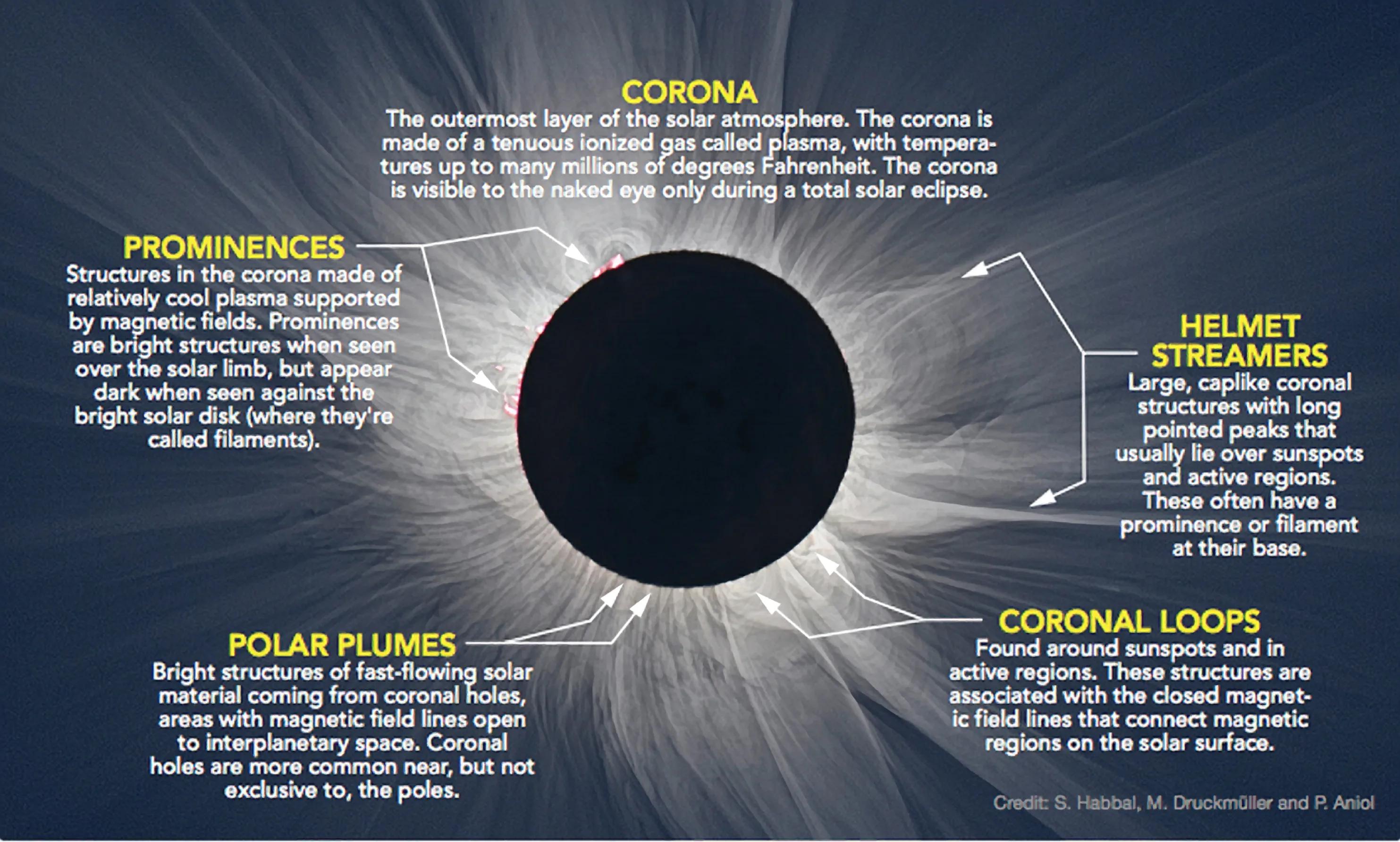
In eclipse planning, “contact times” are the named milestones of the event. First contact is when the Moon first appears to touch the Sun. In a total eclipse, second contact is when totality begins, third contact is when totality ends, and fourth contact is when the eclipse is over. The American Astronomical Society’s eclipse guides are especially good at explaining what those stages look like in real life, including Baily’s beads, the diamond ring, and the abrupt shift into totality.
Why be disciplined about them? Because the experience changes fast near the critical moments. During the long partial phase, a minute feels like nothing. Near totality, a few seconds matter. If your plan is “we’ll just watch the countdown,” you are trusting several layers of assumptions: that the countdown is for your exact location, that the time zone is right, that your device is synced, and that nobody copied the wrong number into a post.
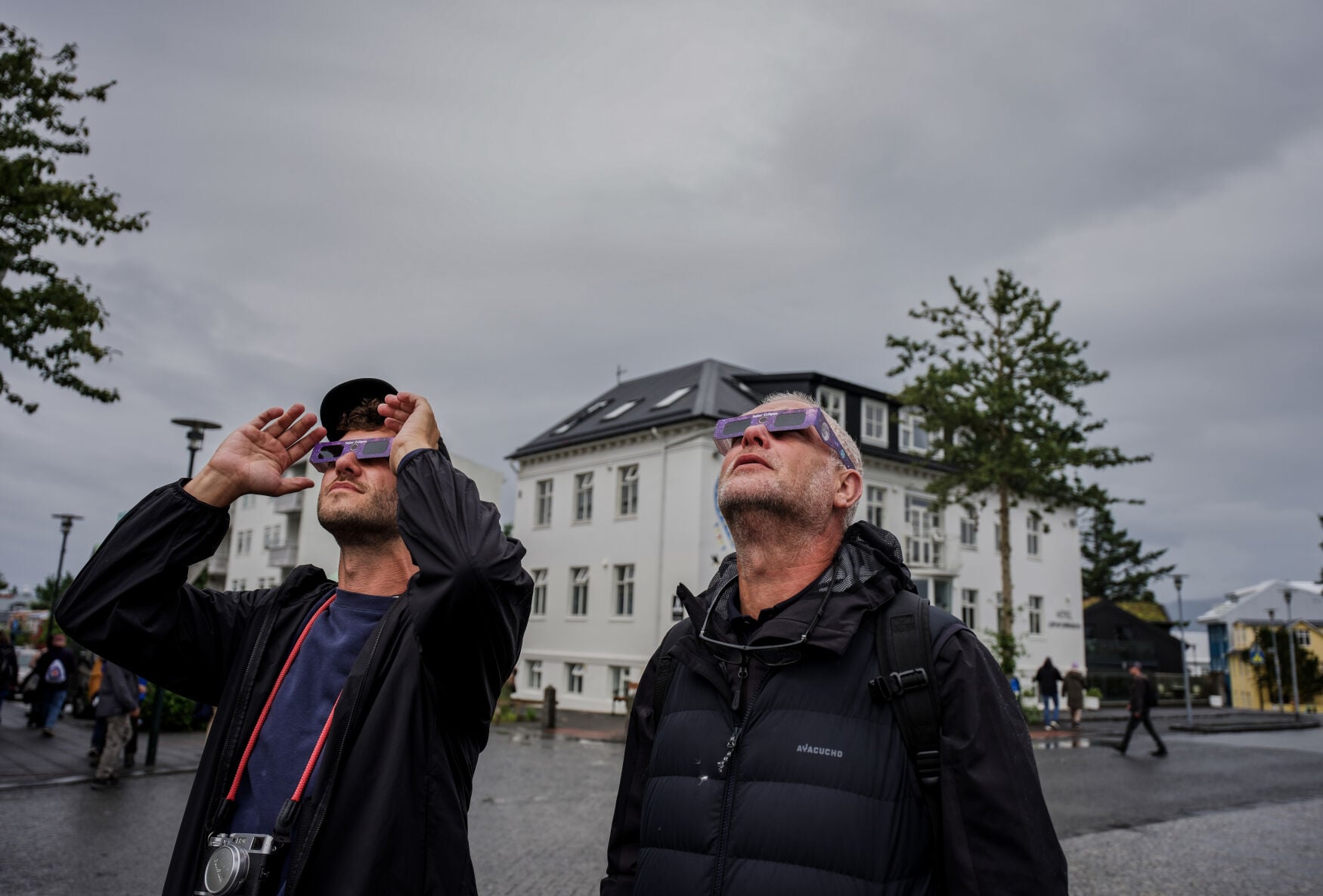
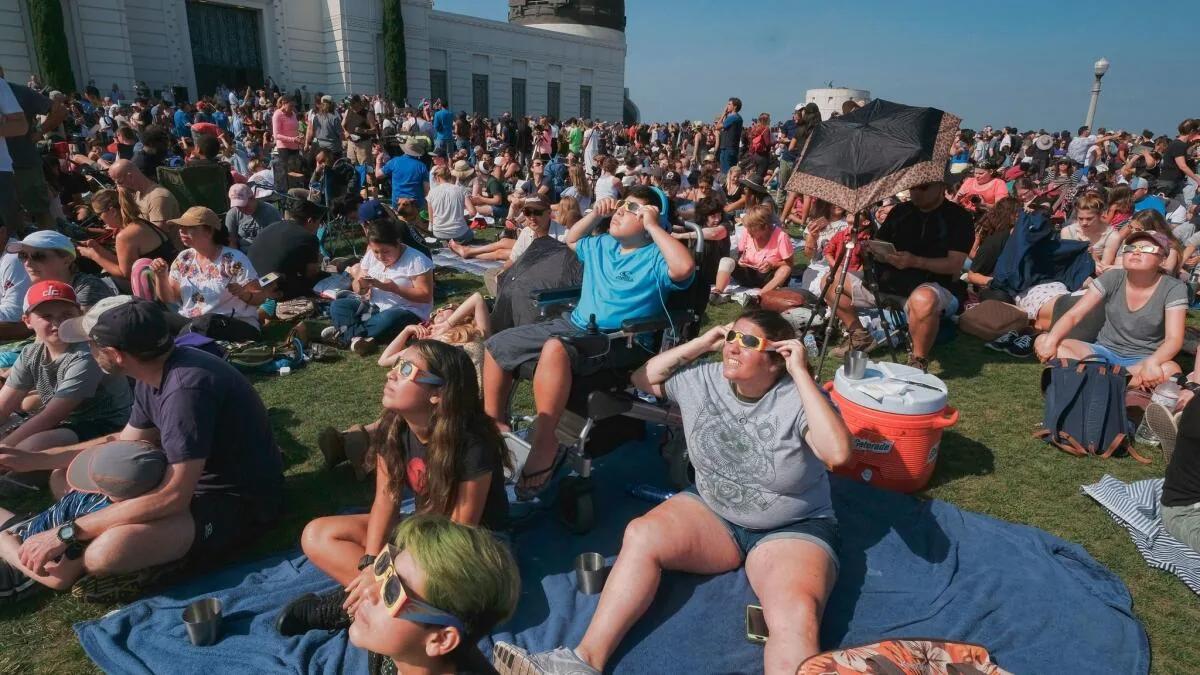
This is also where safety enters the picture. The difference between partial phases and totality is not academic. If you need a refresher, our guide to when glasses on, when glasses off walks through the phase changes carefully. Timing discipline is not about being fussy. It is about knowing when the event actually changes state for you.
Your phone is usually good — but not magical
Most modern phones keep impressively good time most of the time. They do not do that because the tiny clock inside your phone is perfect. They do it because devices are regularly corrected by outside systems: cellular networks, GPS-linked infrastructure, internet time servers, and operating-system services that keep civil time aligned with broader standards.
That is the key point if you want to explain why device time can differ from eclipse planning. Your phone displays a managed version of time, not a cosmic truth beam. It can be right to within a tiny fraction of a second under normal conditions, but what you see on screen still depends on syncing, network conditions, software settings, and the time-zone rules currently applied on the device.
So yes, an eclipse countdown clock accurate phone time setup is possible in practice. But only if the phone is correctly synced and the countdown is tied to the right place and time standard. A phone with the wrong time zone can be “accurate” to the wrong zone. A countdown for the wrong city can be perfectly punctual and still useless to you.
Why astronomers use UTC, and why that can confuse everyone else
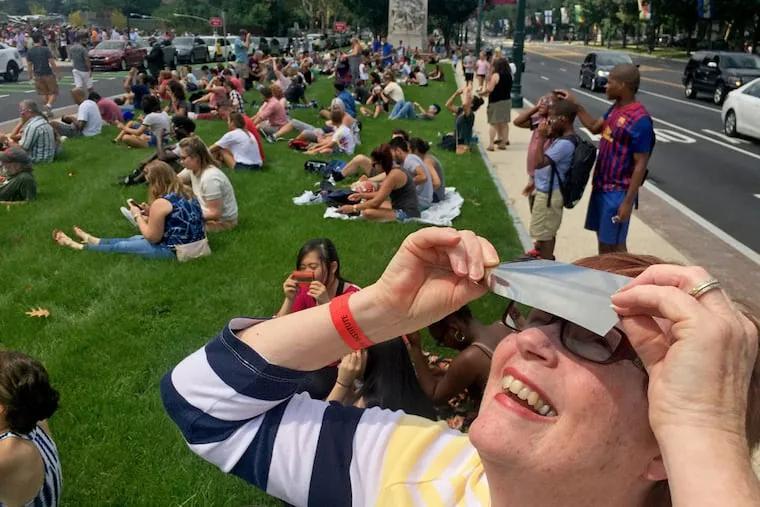
Astronomy often publishes event times in Universal Time, usually UTC in everyday usage, because the sky does not care about national borders or summer-time rules. One worldwide reference avoids the mess of converting every table into dozens of local clocks.
That is sensible for science. It is also where ordinary eclipse planning can go sideways.
If a source gives an eclipse countdown time and date in UTC and you read it as local time, you can be off by hours. If your country is on daylight saving time but the source assumes standard time, you can be off by an hour. If a friend shares a screenshot without the time-zone label, you may not even realize there is a conversion problem.
This is why a good solar eclipse countdown clock accurate phone time 2026 guide should not just tell you “the eclipse is at X.” It should tell you what clock system is being used and whether the number is specific to your location. Astronomers use UT because it is clean. Viewers need local circumstances because the lived experience happens where they are standing.
A practical rule: if you see a time and cannot immediately answer “UTC or local?” and “for which location?”, do not build your eclipse day around it.
Why the same eclipse has different times in different places
A solar eclipse is not a single instant stamped onto the whole Earth. The Moon’s shadow moves across the planet. That means the event reaches different places at different moments, and the local geometry changes across the path.
This is why maps matter so much. A global map tells you where the eclipse is visible. A local map tells you what happens at your site. Inside the path of totality, the duration changes depending on where you are along the path and across it. Near the centerline, totality lasts longer; near the edge, it gets much shorter. Outside the path, there is no totality at all — only a partial eclipse, even if you are very close.
That is also why a phrase like eclipse countdown clock by location is the right instinct. By location is the whole game. A single global timer cannot tell one family in northern Spain, another in Mallorca, and another in the UK the same useful thing, because they are not going to experience the same eclipse circumstances.
Take the August 12, 2026 eclipse. NASA notes that totality will cross Greenland, Iceland, the Atlantic, Spain, and a small corner of Portugal, while many other places see only a partial eclipse. That one sentence already tells you why generic countdowns fail: “the eclipse” is not one identical event for everyone. If you are planning for Spain specifically, our guide to 2026 totality in Spain is the better starting point than any floating countdown graphic.
“Did my clock drift?” Sometimes the answer is yes — but not in the dramatic way people mean
Real clock drift exists. Internal electronic clocks wander over time. That is normal. On a connected phone, though, the more common problem is not dramatic free-running drift. It is a settings or sync issue.
When people ask, “why did my phone randomly change time zones?” or “why is my phone clock in the wrong time zone?”, they are often dealing with one of these:
- automatic time-zone detection using network or location data
- travel across a border or ferry/flight route
- a daylight saving transition
- weak connectivity delaying an update
- a manually overridden setting that no longer matches reality
- a device that cached time and corrected itself later
That can feel spooky on eclipse week, especially if you are traveling. It is less spooky once you remember that your phone is trying to map your physical location onto civil time rules, not predict celestial events.
So if you catch yourself thinking explain why device time can differ from eclipse planning, the short answer is this: eclipse predictions are computed from celestial geometry, while your phone shows civil time as delivered through networks, software, and time-zone databases. Those systems usually line up beautifully. When they do not, the mismatch is your warning to verify before eclipse day.
Travel makes time mistakes more likely
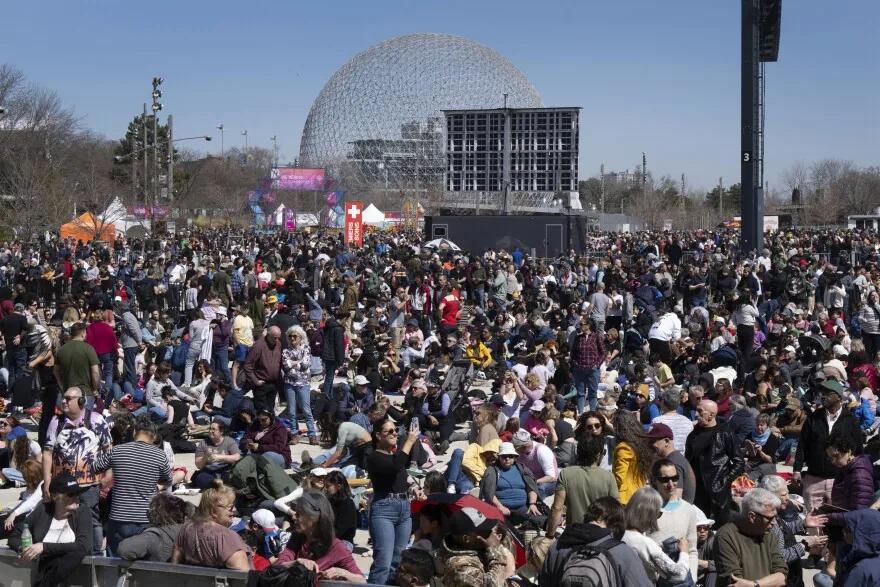
Eclipse trips are perfect conditions for clock confusion. You may cross time zones, lose signal, switch SIMs, rely on hotel Wi‑Fi, or wake up in a place where your phone quietly updated overnight. That is why timing discipline matters most when you are away from home.
Imagine a group flying into Spain, renting a car, then driving before dawn. One person’s phone is on automatic time, one is on manual home time, one is reading a screenshot in UTC, and one is following a social post with no location attached. That is how people end up asking whether the eclipse “moved.” The eclipse did not move. The planning stack fell apart.
This is especially relevant for searches like mallorca 2026 eclipse times. Mallorca will not share the same practical circumstances as a site inside mainland totality. Before anyone starts a countdown, the first question should be: is this location in totality or partial only? The second should be: what does a location-specific map say for that exact site? If you are not checking those two things, you are not really checking the time yet.
If you are building a family or group plan, send one authoritative map link to everyone and agree on one reference source. Do that days in advance, not in the parking lot.
Contact times are not vibes, and you should not invent them
This is where we get strict. Do not make up your own local contact times from a national headline, a city nearby, or a screenshot someone cropped for social media. Do not assume your town shares the same second contact as the nearest major city. Do not assume a partial-eclipse maximum in one region applies to another.
The right workflow is boring in the best possible way:
- Pick your exact observing site.
- Check a location-specific eclipse map or calculator.
- Confirm the time zone shown.
- Save the result.
- Recheck after any travel or device-setting change.
That is the real eclipse countdown clock accurate phone time 2026 guide most people need. Not a flashy timer. A repeatable method.
And if you are wondering whether this is overkill, remember that the AAS and NASA both emphasize how sharply the experience changes at the key contacts. For a total eclipse, the transition into and out of totality is the whole emotional hinge of the day.
Does the eclipse affect your phone? No. Your planning affects your phone.
A solar eclipse does not scramble your handset, erase your clock, or bend radio time. If your phone time looks wrong on eclipse day, the eclipse is not causing it.
What does happen is more ordinary: people travel, roam, lose service, switch between automatic and manual settings, or compare apps that are not using the same assumptions. That can create the illusion that the sky is messing with electronics.
This is also a good place to answer a common practical question: can i see my phone during eclipse? Yes. Looking at your phone screen is not dangerous in the way looking at the uneclipsed Sun is dangerous. The safety issue is not the phone display. The safety issue is whether you are looking at the Sun directly, or aiming a camera at it without proper solar filtration.
NASA’s guidance is clear here: if you photograph the eclipse with a smartphone, you need the proper specialized solar filter between the camera and the Sun except during the brief total phase of a total eclipse, when that is factually appropriate. For partial and annular phases, and for any partial-only location, keep solar protection rules front and center.
A countdown is useful only if it is tied to the right place
People love timers because they reduce anxiety. That is fair. A good countdown can help you stay calm, especially if you are managing kids, grandparents, or a school group.
But a timer is only as good as its inputs. A generic eclipse countdown clock app can be helpful if it is built around your exact observing coordinates and clearly labels local time versus UTC. A random web widget with no source, no location, and no time-zone note is just animated confidence.
That is why we prefer a map-first workflow. Use the Helioclipse Eclipse Explorer to verify what happens where you will actually stand. Then, if you want a personal timer, build it from those verified local circumstances.
Think of it this way: the countdown is not the authority. The map or ephemeris is the authority. The countdown is just a convenience layer.
The science is simple enough to remember
If you need the shortest possible version to tell your group, here it is.
Why times differ
- Phones show civil time, usually synced through networks and time services.
- Eclipse predictions are astronomical calculations tied to location.
- UTC, local time, and daylight saving can all shift what number appears on screen.
- A countdown copied from somewhere else may be for the wrong place.
Why location matters
- The Moon’s shadow moves across Earth.
- Different places see different contact times.
- Some places are in totality; nearby places may be partial only.
- Duration changes across the path, especially centerline versus edge.
Why discipline matters
- Safety rules depend on the eclipse phase.
- Totality is brief.
- A one-hour mistake is obvious, but a 20-second mistake can still ruin your plan.
And for the truly basic question, explain why eclipse occur in one clean sentence: a solar eclipse happens when the Moon passes between Earth and the Sun so that, from your location, the Moon blocks part or all of the Sun’s bright disk.
What to do the night before and the morning of the eclipse
This is the checklist we like for families and first-time viewers.
The night before, confirm your observing site on a location-specific map. Screenshot the local circumstances. Note whether the source is showing local civil time or UTC. If you are traveling, check that your phone is on the correct time zone and that automatic time settings are behaving normally.
The morning of the eclipse, compare your phone time with a trusted network-connected source if possible. If anything looks odd, do not argue with the sky. Re-open the map and verify the site again.
If you are observing a total eclipse, rehearse the phase changes with your group so nobody is improvising at second contact. If you are observing a partial eclipse only, be extra clear that there is no safe glasses-off totality moment for your location.
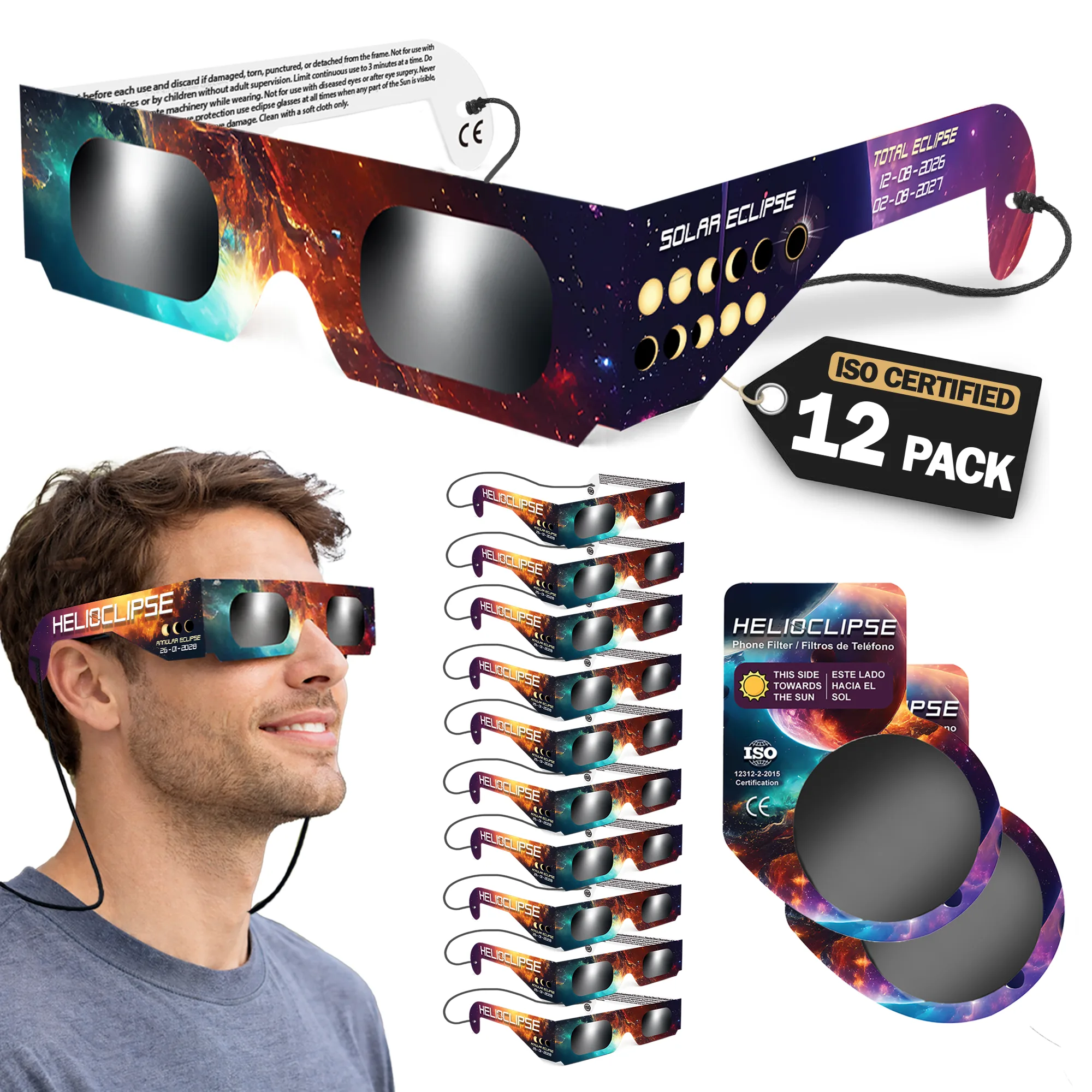
And while you are planning, sort your eye protection early. If you are shopping for approved solar eclipse glasses or solar eclipse glasses iso 12312-2 certified, use the Helioclipse shop and then read our guide to ISO 12312-2 and eclipse viewers. People still search phrases like eclipse glasses nasa approved, but NASA does not approve specific brands; what matters is using properly labeled, undamaged viewers that meet the relevant safety standard and following official guidance.
The mindset that saves eclipse day
The best eclipse planners are not the people with the fanciest gadgets. They are the people who respect the difference between excitement and verification.
Use your phone. Love your countdown. Share the date with your family. Build the group chat. But do not let a floating timer become your source of truth. The trustworthy version of an eclipse countdown clock accurate phone time 2026 guide free is not a miracle app; it is a habit: verify the location, verify the time scale, verify the phase, then enjoy the show.
That habit scales whether you are using an iPhone, a watch, a tablet, or searching for an eclipse countdown clock accurate phone time 2026 guide android option. The platform matters less than the method.
And once you have the timing sorted, the day gets much more fun. You can stop worrying about whether your clock drifted and start paying attention to what the sky is doing.
How to Fix Incorrect Time on Android Device (tutorial)
Foxtecc
Frequently asked questions
Is it safe to view a solar eclipse through my phone screen?
No. The excerpt does not say a phone screen is a safe way to observe the Sun, and it emphasizes that timing tools are not a substitute for proper eclipse guidance. For phase changes and eye safety, follow the eclipse-stage guidance on when glasses should be on or off.
What time does the partial eclipse start on September 21?
The excerpt does not give a universal start time for September 21. It says eclipse contact times depend on your exact location, the type of eclipse, and the time scale being used, so you need a location-specific map or calculator rather than a generic countdown.
Can I rely on an eclipse countdown clock for the 2024 eclipse?
Not by itself. A countdown clock may be fine for excitement, but the excerpt says it is not a substitute for a location-aware map or calculator, and it may be wrong if the time zone, device sync, or copied time is off.
What is the safest way to watch a solar eclipse?
The safest approach is to follow the eclipse phase changes carefully and know exactly when glasses should be on or off. The excerpt stresses that the difference between partial phases and totality matters, so timing discipline is part of safe viewing.
How should we handle weather and visibility when planning for an eclipse?
Plan around your exact observing location rather than a general countdown, because the excerpt says eclipse timing is a location-specific problem. If weather or visibility may affect your view, use a map or calculator for your site and be ready to confirm the contact times there.
On-site next steps
- Check your exact site in our Eclipse Explorer / 3D map so your timing is based on location, not a generic countdown.
- If your group still needs viewers, get them early from our shop eclipse glasses and stick with certified solar viewing practices.
- For the rest of your plan — phases, travel, weather, and safety — browse the Helioclipse blog.
Sources & further reading
- Phenomena You'll Experience at a Total or Annular Eclipse
- Maps, Globes & Calculators
- How to read and understand a solar eclipse map
- Michael’s Miscellany: Universal Time
- What will happen during the partial solar eclipse of March 2025?
- Eclipse Viewing Safety
- Eclipses
- Total Solar Eclipse FAQ
- How to observe the Sun safely during a solar eclipse
- Keeping Us On Time