Eclipse traffic, roads, and parking in Spain 2026: planning for gridlock before it happens
If you are already thinking about eclipse traffic in Spain 2026, you are asking the right question early enough to save your day.
The August 12, 2026 total solar eclipse over Spain is not just a sky event. It is a mass-movement event. People who would never drive across a province for an ordinary sunset will absolutely do it for 60 to 100-plus seconds of totality, especially when the eclipse arrives late in the day and the weather may push last-minute decisions. That combination — a narrow path, strong public interest, evening timing, and a lot of drivers trying to leave at once — is exactly how ordinary roads turn into extraordinary delays.
Our advice is simple: plan your viewing site and your movement plan together. Use the Helioclipse Eclipse Explorer early, not just to find totality, but to compare centerline versus edge-of-path options, coastal versus inland sight lines, and how far you would need to move if clouds become a problem. If you are still building the bigger trip, our guide to 2026 totality in Spain: path basics, timing, and what “on the centerline” really means helps anchor the geography before you start choosing roads.
This guide is intentionally conservative. We are not going to invent road-closure lists or pretend we know every local restriction years in advance. What we can do is show you how eclipse traffic behaves, why gridlock happens, and how to make choices that leave you watching the sky instead of staring at brake lights.

Why eclipse traffic gets weird so fast
A total solar eclipse creates a very specific traffic pattern. Solar eclipse traffic is unlike most event congestion: the path of totality is narrow, the experience is short, and the desire to be "just a little farther toward the centerline" pulls people onto the same corridors. Then, once totality ends, a huge share of those people try to leave within minutes.
That is why what exactly causes gridlock? In eclipse terms, it is usually not one dramatic failure. It is a pileup of ordinary constraints: too many cars arriving through too few access roads, parking fields or small lots emptying onto the same junctions, drivers making last-minute weather moves, and a synchronized departure pulse right after totality. In plain language, what does it mean if traffic is gridlocked? It means the road network has lost its ability to absorb more demand, so even small disruptions — a missed turn, a pedestrian crossing, a car backing out of a shoulder space — ripple outward into long delays.
Past eclipses in North America showed the pattern clearly. Travel times that looked reasonable on a normal day became much longer before the event and dramatically worse after it. Science and astronomy coverage after the 2017 and 2024 eclipses repeatedly came back to the same lesson: the drive home can be the hardest part of the day, not the drive in.
There is another twist in Spain. On August 12, 2026, totality reaches Spain in the evening, close to sunset. That means many people will spend the whole day watching forecasts, then decide to move late. It also means the post-eclipse departure wave happens near the end of the day, when fatigue, hunger, heat, and unfamiliar rural roads all matter more.
Spain 2026 is not one traffic story
For eclipse travel spain 2026, it helps to stop thinking of “Spain” as one giant viewing zone. The traffic risk depends on where you are relative to the path, how many approach roads exist, and whether your site is urban, coastal, mountainous, or rural.
The total eclipse crosses northern Spain on August 12, 2026, with totality also touching the Balearic Islands. Sources in our inventory highlight a few useful contrasts. Burgos is close to the centerline and is cited with about 1 minute 44 seconds of totality, while Valladolid, farther from the centerline but still inside the path, is cited at about 1 minute 29 seconds. That 15-second difference matters much less than many first-time travelers assume. If one site gives you easier access, cleaner sight lines, simpler parking, or a better weather pivot, it may be the smarter choice.
The late-day geometry matters too. On Spain’s Galician coast, the eclipsed Sun will be low — around 11 degrees above the horizon roughly 70 minutes before sunset, according to Space.com’s 2026 planning coverage. Farther east, especially on the Mediterranean side and the Balearics, the Sun gets even lower, dropping toward about 4 degrees on parts of the east coast and only a few degrees above the horizon from some western-facing island sites. That can make for beautiful views, but it also raises the stakes for local horizon clearance, haze, and crowd concentration at obvious overlooks.
So when readers ask, what cities will hit the total eclipse 2026? the useful answer is not just a list. It is a planning distinction. Some places are attractive because they are easy to reach and sleep in. Others are attractive because they sit near the centerline. Others are attractive because they offer clearer western or northwestern sight lines near sunset. Those are not the same thing, and traffic behaves differently in each case.
If you want the wider event context, start with our main planning guide for August 12, 2026 total solar eclipse: what to expect and how to plan ahead.
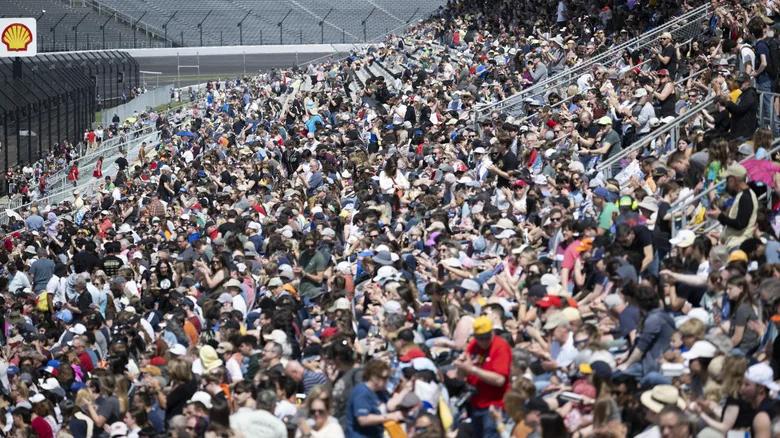
The best traffic strategy is often to give up a little perfection
One of the most reliable eclipse lessons is that chasing the absolute maximum duration can cost you more than it gives you.
For Spain 2026, that matters because the maximum totality on Earth for this eclipse is about 2 minutes 18 seconds, but Spanish viewing locations vary below that. In practice, many people will be choosing among places with differences measured in seconds, not in life-changing leaps. If your choice is between a famous hotspot with difficult parking and a less glamorous site that still gives you well over a minute of totality, the second option may produce the better actual day.
This is where a lot of eclipse trip spain 2026 planning goes wrong. People compare maps as if the only variable is duration. But your real experience also includes whether you can arrive calmly, whether you can see the low Sun cleanly, whether you can leave safely, and whether you have a backup if clouds build inland or along the coast.
A good rule: if moving 20 to 40 kilometers buys you only a few extra seconds but adds a narrow access road, a tiny parking area, or a much harder exit, think twice. The centerline is real, but diminishing returns are real too.
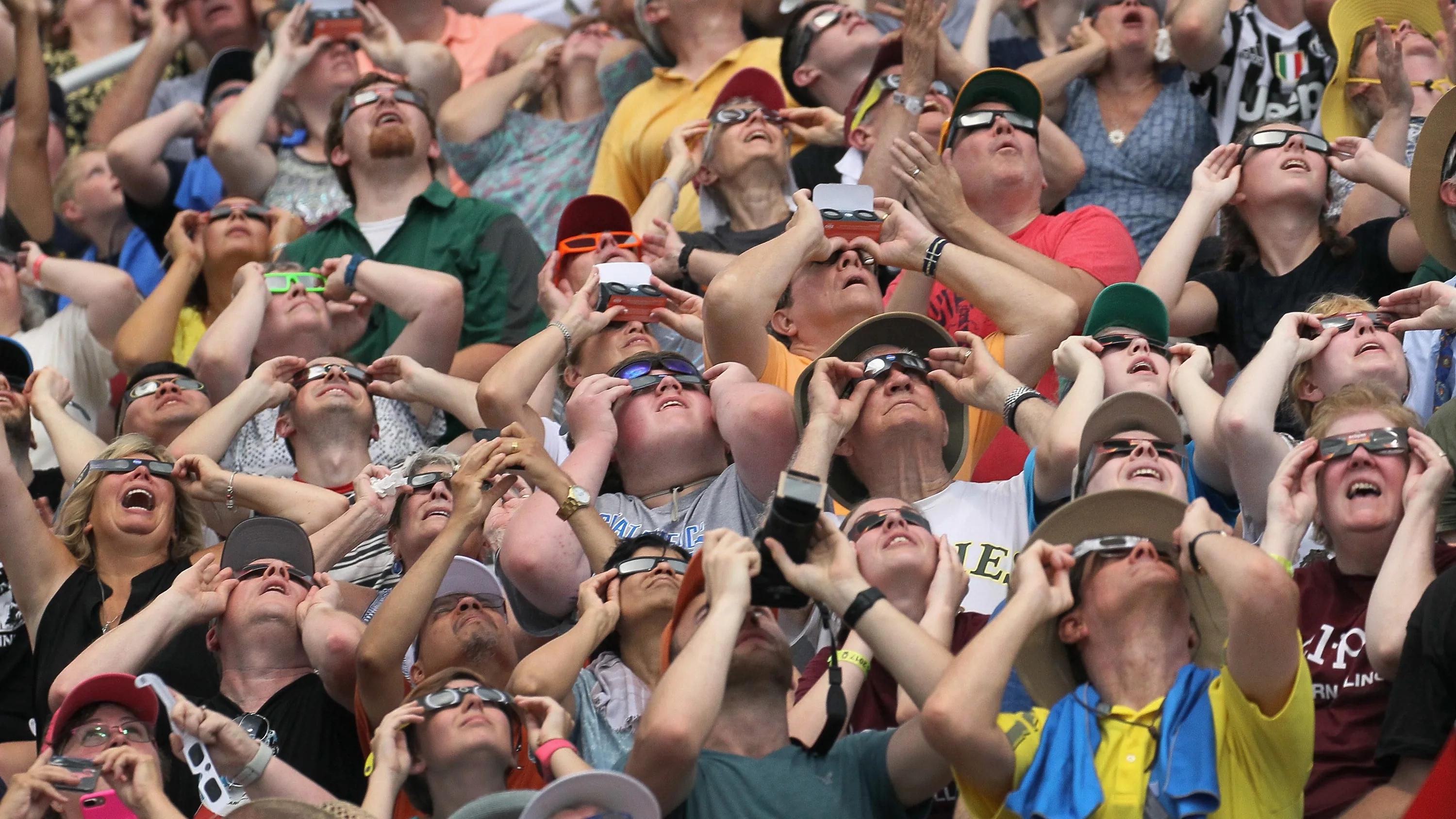
Arrive early enough that the road is no longer part of the story
For most readers, the safest default is to be parked and done well before the partial phases are underway.
AAS eclipse guidance reminds us that the partial phases of a total solar eclipse last a long time. That is useful for skywatching, but it is also useful for logistics. You do not want to be hunting for a shoulder, reversing in a farm lane, or negotiating a crowded beach access road while the Moon is already taking visible bites out of the Sun.
Our conservative advice:
- If you are sleeping near your viewing area, aim to arrive at your final site hours early, not “just before.”
- If you are making a same-day drive, assume normal map-app estimates are optimistic.
- If your site depends on a single small road, a scenic overlook, a beach lot, or a mountain pull-off, treat capacity as fragile.
- If weather may force a move, decide early enough that you still have road options.
This is the heart of eclipse planning for large events. Big planned events punish the median plan. If your schedule only works when everything goes right, it is not a real schedule.
For families, this matters even more. Children, older relatives, and anyone sensitive to heat or long waits will remember the logistics as much as the eclipse. A calm field, town square, hotel terrace, or reserved property with toilets and shade can beat a theoretically better but chaotic roadside site.
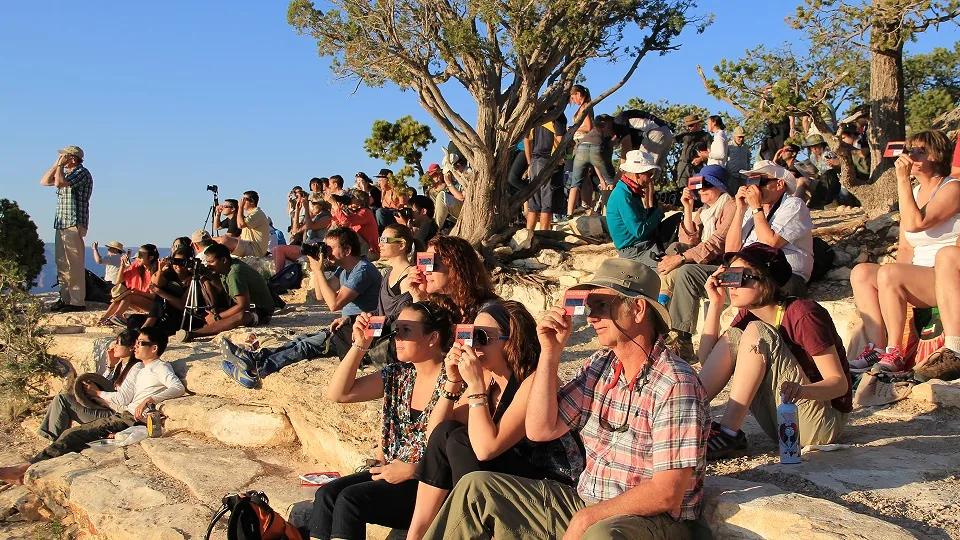
Parking is not a footnote — it is the event
Most eclipse-day driving problems are actually parking problems in disguise.
A road can look fine until the last few kilometers. Then the real bottleneck appears: a full lot, informal roadside parking that narrows traffic flow, pedestrians mixing with cars, or a venue that empties everyone through one exit. That is why you should choose a viewing site only after asking four practical questions:
1. Where will the car physically go?
Not “we’ll find somewhere.” Where, specifically? A legal lot, a booked space, a public car park, a hotel, a campground, a friend’s property, a town edge with a walk in? If you cannot answer that before eclipse day, your plan is still incomplete.
2. How many exits does the site have?
A site with one obvious entrance often has one obvious traffic jam. A slightly less photogenic place with multiple ways out can be much better.
3. What happens after dark?
In Spain 2026, the eclipse comes late. Even if totality happens before sunset, your departure may be in fading light or darkness, especially if you stay to let traffic thin. That changes the feel of rural driving, walking back to the car, and navigating unfamiliar roads.
4. Are you relying on illegal or improvised parking?
Do not. Besides the safety issue, one badly parked vehicle can reduce road capacity for everyone. That is how a “quiet local road” becomes a trap.
If you are comparing organized eclipse 2026 spain tours with self-driving, this is one of the few places where a tour can genuinely reduce stress: not because tours are magically better, but because transport and parking may already be solved. The tradeoff is flexibility. If weather shifts, independent travelers can sometimes move faster — if they planned well.
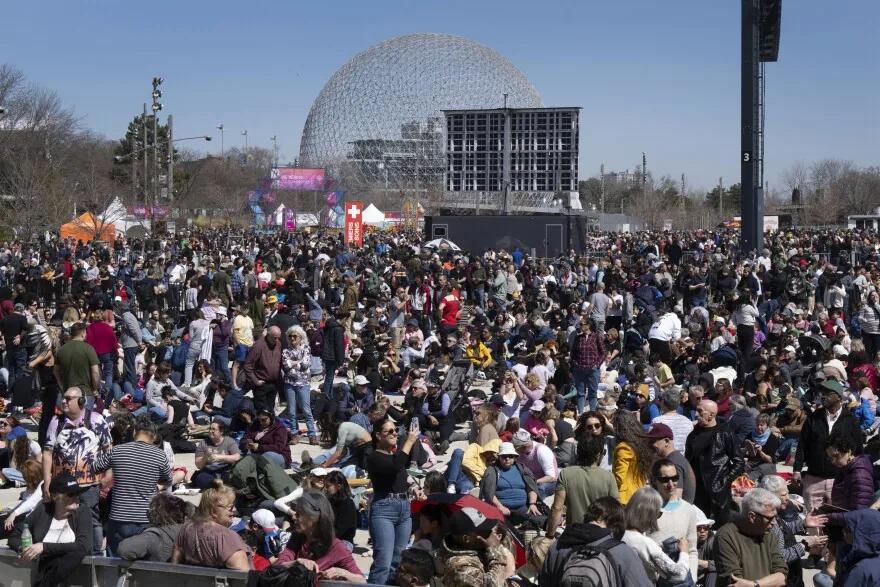
Should you stay put or move for weather?
This is the hardest call of the day, and it is why mobility planning matters.
No one can promise clear skies for a specific Spanish town this far ahead. Sources in our inventory point to relatively favorable August prospects in parts of inland northern and northeastern Spain, including areas around Valladolid and Zaragoza, while also stressing that surprises happen. That is exactly why you should build a weather decision framework before the day arrives.
A useful approach is to have three layers:
- Primary site: your best all-around choice for horizon, access, and likely weather.
- Backup site A: reachable without crossing the worst expected traffic corridor.
- Backup site B: a lower-ambition option where you can still stay inside totality if movement becomes impossible.
This is especially important because the eclipse occurs late in the day. You do not need to wake up inside the path at dawn for Spain 2026. In theory, that gives you more time to react to forecasts. In practice, it also means many other people will be reacting at the same time.
If you think clouds may force movement, keep the move short and early. Do not wait until the eclipse is deep into the partial phase and then expect open roads. Our weather guide, Cloud cover and eclipse day: how to read the sky and when to move, goes deeper on that decision.
Urban base, rural site, or no-drive viewing?
There is no single best answer, but there are clear tradeoffs.
Stay in a city and walk to your site
This is often the lowest-stress option if you can secure accommodation inside totality or close enough to a practical viewing area. You trade some flexibility for simplicity. No parking hunt, no post-totality scramble to merge onto a highway, and easier access to food, toilets, and shade.
Sleep near the path, then make a short final drive
This is a strong middle ground for many travelers. You reduce long-haul risk while keeping some weather mobility. If you do this, fuel up early and know your final parking plan in advance.
Drive in and drive out the same day
This is the highest-risk option for eclipse day planning. It can work, especially if you are coming from nearby and choosing a modest, non-famous site. But it is the plan most likely to collapse if weather shifts or if too many people choose the same corridor.
Use rail, bus, taxi, bike, or walking for the final leg
Where available, this can be excellent. The point is not to avoid cars on principle. It is to avoid being trapped in the same departure pulse as thousands of other drivers. A train to a city in or near totality, followed by a short local transfer, may beat a heroic rental-car plan.
Do not plan to “beat the traffic” by leaving right after totality
This almost never works the way people imagine.
After years of eclipse travel reporting, one lesson keeps repeating: the fastest way to join the jam is to leave the moment the main event ends. Everyone has the same idea. The result is a synchronized surge onto roads that were already near capacity.
If you can stay put, do it. Watch the remaining partial phases. Eat. Let children decompress. Let the first wave go. If you brought a camera, sort your gear after the event, not in a rush beside the road. If you are in a safe place with water, shade, and a legal parking spot, patience is often the best traffic tool you have.
This also helps you actually experience the eclipse. The partial phases after totality are still part of the event, and if you are inside totality you should know exactly when glasses are on and when glasses are off so you are not making safety decisions in a hurry.
Eclipse traffic control: what to follow from local authorities
Readers often ask about new traffic rules in Spain for 2026. The honest answer is that specific eclipse traffic control measures — restrictions, parking controls, temporary one-way systems, protected zones, shuttle plans, and local closures — will vary from one municipality or province to another, and will be confirmed by the relevant authorities closer to the event.
So instead of trusting recycled social posts or old forum threads, build a source list now:
- municipal websites for your viewing town
- provincial or regional civil protection updates
- official traffic authorities and road agencies
- local police or town-hall event pages
- transport operators if you are using rail or bus
- weather services and official warnings for heat, fire risk, or storms
The key is to check the final official eclipse traffic control guidance in the last week, then again the day before, then again on eclipse day. Screenshot maps and parking instructions in case mobile coverage becomes unreliable.
And remember: local restrictions are not the enemy of your trip. They are often the only reason a small town can function at all when visitor numbers spike.
A practical movement checklist for Spain on August 12, 2026
Here is the version we would hand to a friend.
Before the trip
- Pick a primary viewing zone and two backups.
- Use the Helioclipse Eclipse Explorer to compare totality duration, path position, and nearby roads.
- Check whether your site is total or partial. Do not drift outside the path by mistake.
- Book lodging with an extra night if possible. The best way to avoid the worst departure traffic is not to join it.
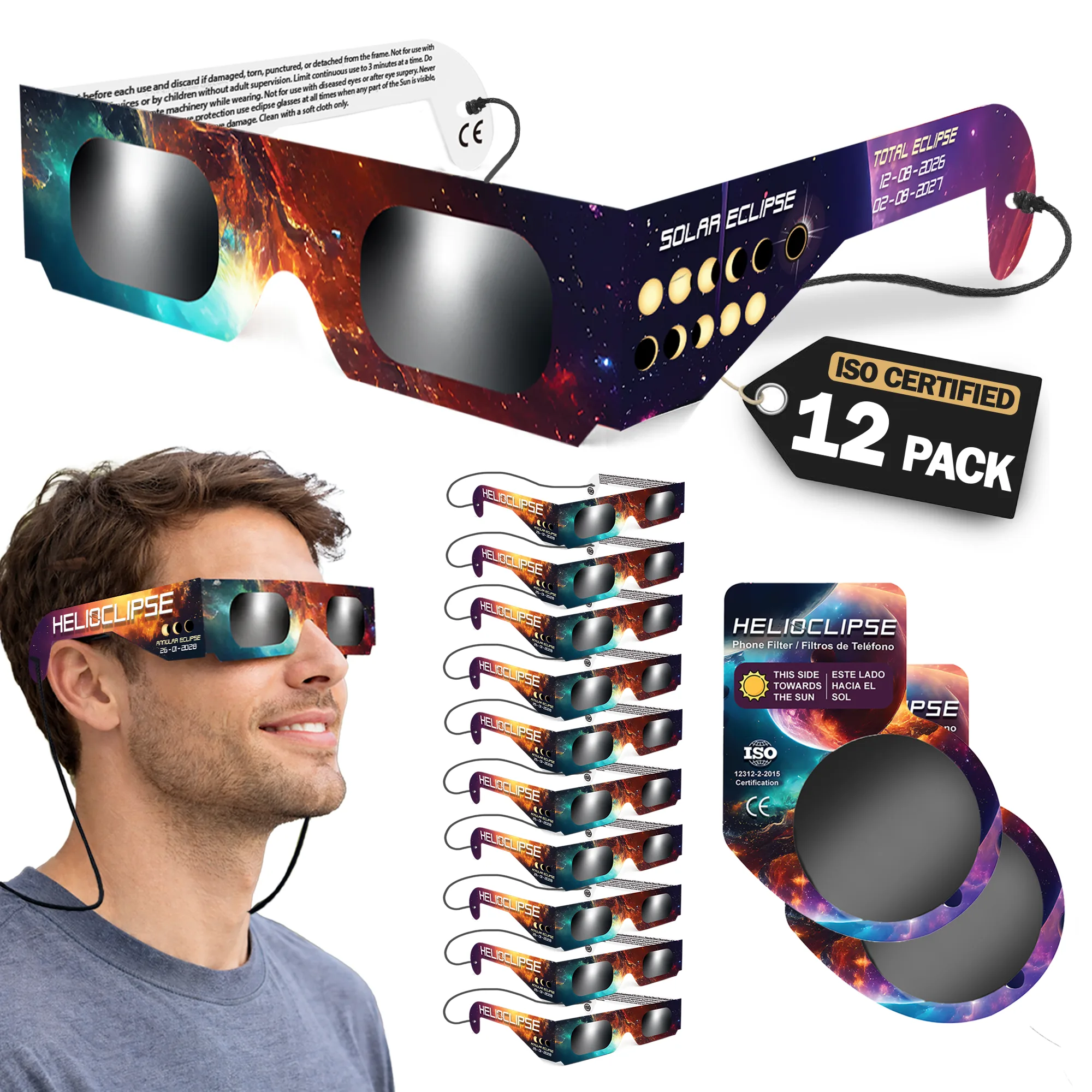
- Buy your viewers early from the Helioclipse shop. Look for approved solar eclipse glasses and solar eclipse glasses iso 12312-2 certified products from a source you trust, and make sure everyone in your group knows how to use them.
In the final week
- Monitor official local traffic and parking notices.
- Fuel the car early; do not assume the nearest station will be convenient on eclipse day.
- Pack water, food, hats, sunscreen, chargers, and any medications.
- Download offline maps.
- If you are bringing viewers for a group, double-check condition and labeling. Families often search for eclipse viewing glasses at the last minute, but the smart move is to have them sorted before the rush.
On eclipse day
- Leave earlier than feels necessary.
- Park legally and commit to the site unless weather gives you a strong reason to move.
- If moving, move early and keep the distance modest.
- Do not stop on shoulders or block farm access, gates, or emergency routes.
- Expect the return trip to take much longer than the inbound trip.
- If safe and practical, stay after totality instead of joining the first departure wave.
A quick science detour: why planning is possible at all
It may seem odd that we can know so much about a two-minute shadow years in advance while still not knowing whether a specific lay-by will be chaos. But those are different problems.
When people ask how are scientists able to predict when and where the next eclipse will occur? or why can we predict eclipses? the answer is orbital mechanics. The motions of Earth and Moon are measurable and repeatable enough that astronomers can calculate when the Moon’s shadow will cross Earth, where the path of totality will run, and how long totality will last at different points. NASA and the AAS explain this well: eclipses happen because the Moon’s orbit is tilted, alignments occur in eclipse seasons, and the geometry can be computed far ahead of time.
Traffic is different. Human behavior is less tidy than celestial mechanics. We can predict the broad pattern — crowding near the path, pressure on obvious sites, a departure surge after totality — without pretending to know every local jam in advance. That is why good eclipse planning combines precise sky geometry with humble, flexible ground logistics.
The best place is the one you can reach calmly and leave safely
A lot of search traffic boils down to one question: where is the best place in spain to see the total eclipse in 2026? The better question is: best for whom?
If you want the longest practical totality with strong weather odds, some inland northern and northeastern zones may look attractive. If you want a dramatic low-Sun coastal scene, parts of the east coast or Balearics may tempt you. If you want the least stressful family day, a town where you can sleep, walk, eat, and stay put may beat a famous overlook every time.
That is also the answer to where is the best place to see the eclipse in 2026? Not the place with the loudest online buzz. The place where your horizon works, your parking is legal, your backup exists, and your group can actually enjoy the event.
For many readers, the winning plan will be slightly boring on paper. That is fine. Eclipses do not reward bravado. They reward preparation — and that preparation is what keeps eclipse traffic from becoming the loudest memory of your day.
Total Solar Eclipse 2026 in Spain: How to Protect Your Eyes ...
Natural Portraits Global
Frequently asked questions
Where should I aim to watch the 2026 total eclipse in Spain if I want the strongest experience?
Aim for a spot as close to the centerline as practical, since the excerpt says people often try to get “just a little farther toward the centerline.” Use the eclipse explorer early to compare centerline and edge-of-path options, plus coastal versus inland sight lines, so you can choose a viewing site and movement plan together.
Which places in Spain will be in the path of totality for the 2026 eclipse?
The excerpt does not list specific cities or towns, so it does not support naming exact locations. It does say the eclipse will cross Spain on August 12, 2026, and recommends using a path map or eclipse explorer to anchor the geography before choosing roads.
How do scientists know when and where the next eclipse will happen?
This excerpt does not explain the science of eclipse prediction. It only notes that the August 12, 2026 total solar eclipse will cross Spain, and that tools like an eclipse explorer can help you compare viewing options and timing.
What should I expect from driving and parking on eclipse day in Spain in 2026?
Expect heavy delays and possible gridlock, especially near the path of totality and on the way out after totality ends. The excerpt says congestion happens when too many cars use too few access roads, parking areas empty onto the same junctions, and large numbers of drivers leave at the same time.
What is the main advice for planning travel on eclipse day in Spain in 2026?
Plan your viewing site and your movement plan together, and do it early. The excerpt recommends using the eclipse explorer to think through centerline access, coastal or inland options, and how far you would need to move if clouds become a problem, rather than waiting to make decisions on the day.
On-site next steps
- Explore your viewing options on the Helioclipse Eclipse Explorer. Compare centerline versus edge-of-path locations, check whether your site is total or partial, and scout backup moves before the roads get busy.
- If you are watching any partial phase — and everyone does, before and after totality — get your Helioclipse eclipse glasses early so your group is not scrambling in the final week.
- For more trip planning, safety, and Spain-specific guidance, browse the Helioclipse blog, especially our posts on crowds, weather mobility, and eclipse phases.
Sources & further reading
- Solar eclipse jam — how to avoid getting stuck in traffic on April 8, 2024 — Space.com
- 10 tips for planning your 2026 solar eclipse trip — Space.com
- A guide to the 2024 eclipse from Astronomy Magazine — Astronomy Magazine
- Where are the best places to see the 2023 and 2024 solar eclipses? — Astronomy Magazine
- The Ultimate Adventurer's Guide to the 2026 Total Solar Eclipse — Outside
- Eclipses and the Moon — NASA Science
- How to view a solar eclipse safely — American Astronomical Society
- Eclipse basics — American Astronomical Society
- 2024 Total Eclipse: Where & When — NASA Science
- NASA eclipse safety flyer (Spanish) — NASA Science