2027 from Europe: a serious partial eclipse — without pretending you are in totality
On the morning of 2 August 2027, the Moon will take an unmistakable bite out of the Sun across much of Europe. Lisbon could see roughly 92–93% of the solar disk obscured, Madrid about 86%, Rome about 75%, Paris around 51–52% and London about 42%. Those are not token numbers. In southern and western Europe, this will be a deep, memorable partial eclipse worth organizing a family morning, school activity or office viewing session around.
But it will not be total from any of those five capitals. The narrow path of totality crosses southern Spain and Gibraltar before continuing through North Africa and the Middle East. That boundary changes everything: inside it, the Sun’s bright face disappears completely for a short time; outside it, even a tiny uncovered portion remains intensely bright.
That is the honest answer behind 2027 partial solar eclipse europe what you will see: a dramatic crescent Sun from many European cities, shifting daylight and wonderful projected crescents—but no corona, no genuinely dark totality and no safe glasses-off interval. Start by checking your exact location in our Eclipse Explorer and 3D map, because a national forecast is not precise enough near the edge of the total path.

What happens over Europe on 2 August 2027
The 2027 europe eclipse is one event with two radically different experiences. The Moon’s broad penumbral shadow produces a partial eclipse across most of Europe. Its much narrower umbral shadow—the part that can hide the entire solar photosphere—crosses southern Spain and Gibraltar, then runs through Morocco, Algeria, Tunisia, Libya, Egypt, parts of Sudan, Saudi Arabia, Yemen and Somalia before leaving land behind.
NASA classifies the event as a total solar eclipse in 2027 because totality occurs somewhere on Earth. That label does not mean every observer under the wider eclipse footprint sees a total eclipse. Most Europeans remain in the penumbra and see only part of the Sun covered.
The totality corridor is unusually broad, reaching roughly 258 kilometres at points along its global route. In Europe, it clips the far south of the Iberian Peninsula rather than sweeping across the continent. Málaga receives about 1 minute 52 seconds of totality, Cádiz roughly 2 minutes 51 seconds, Tarifa about 4 minutes 39 seconds and Gibraltar around 4 minutes 25 seconds, according to the cited city circumstances. Maximum eclipse in this region occurs at approximately 08:45 UTC, corresponding to the late morning under the applicable summer civil time in Spain and Gibraltar.
That makes the 2027 europe solar eclipse a geography lesson you can experience with your own eyes: a drive of a few hundred kilometres can change a deep partial eclipse into several minutes beneath the Moon’s central shadow. Our 2027 total-eclipse planning guide explores the full route and the practical consequences of entering that narrow corridor.
Five European capitals, five noticeably different Suns
Percentages in city comparisons usually refer to obscuration: the fraction of the Sun’s visible area covered at maximum eclipse. This is not the same as eclipse magnitude, which measures how much of the Sun’s diameter is covered. Always check which quantity a table or map is displaying.
Approximate maximum obscuration gives the following comparison:
| City | Approximate solar area obscured | What the Sun should resemble near maximum | |---|---:|---| | Lisbon | 92–93% | A very thin, brilliant crescent | | Madrid | 86% | A narrow crescent with more exposed area than Lisbon | | Rome | 75% | A strong crescent, but still substantial direct sunlight | | Paris | 51–52% | Roughly half the solar disk covered | | London | 42% | A large curved bite, short of half the disk by area |
These figures are rounded planning values, not a substitute for coordinates and local contact times. Even within a metropolitan area the exact circumstances vary slightly; across an entire country, they can vary substantially. Use the map to look up first contact, maximum eclipse, last contact, obscuration or magnitude, Sun altitude and whether your pin lies inside or outside totality.
The shorthand lisbon ~92%, madrid ~86%, paris ~51%, london eclipse planning captures the broad north–south contrast, but it leaves out Rome’s useful 75% reference point and, more importantly, the path boundary. A note titled lisbon 92% madrid 86% paris 51% london eclipse planning map should therefore include a totality layer rather than percentages alone.
Be careful with recycled date labels as well. The string lisbon 92% madrid 86% paris 51% london eclipse planning 2022 mixes approximately relevant city percentages with the wrong year. The event described here occurs on 2 August 2027, not in 2022. Dates belong beside every saved map, classroom handout and group itinerary.

A 92% partial eclipse is not 92% of totality
Percentages tempt us to imagine totality as a dimmer switch: perhaps 90% coverage delivers 90% of the total-eclipse experience. The sky does not work that way.
As the exposed solar area shrinks in Lisbon or Madrid, the light may become sharper and less familiar. Shadows can look unusually crisp. Small gaps between leaves, crossed fingers or the holes in a colander can project dozens of crescent Suns onto the ground. The temperature may ease, and attentive observers can sense that daylight is no longer quite normal. Through a proper solar viewer, the slender solar crescent is spectacular.
Yet the remaining photosphere is powerful. At 92% obscuration, about 8% of the Sun’s apparent area remains exposed—still far too bright for direct viewing and generally bright enough that an uninformed passer-by may not realize an eclipse is underway. At 99.9%, a partial eclipse is still not total. There is no safe unaided view, and the pearly corona remains overwhelmed by direct sunlight.
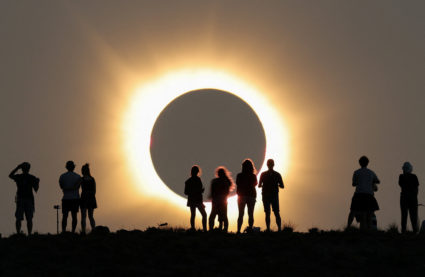
Inside totality, the final bright sliver disappears. The solar corona becomes visible, the surroundings darken dramatically, bright planets or stars may appear, and the horizon can resemble a distant sunset in several directions. That physical threshold—not a marketing label—is why the 2027 european eclipse must be described as total only for observers actually within the umbra.
The distinction also explains why a solar eclipse 2027 path of totality map matters more than a country-level list. Madrid is in Spain and sees a deep partial eclipse; Cádiz, Tarifa, Málaga and parts of Andalusia are also in Spain but lie within the totality corridor. A national flag cannot answer a shadow-geometry question.
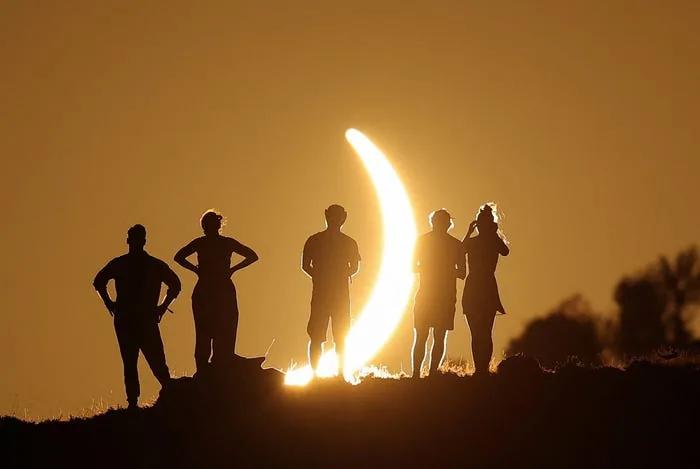
Lisbon, Madrid, Rome, Paris and London: what the morning may feel like
Lisbon: a thin crescent, but never a hidden Sun
At approximately 92–93% obscuration, Lisbon receives the deepest partial view among these five capitals. Near maximum, the Sun will be reduced to a slim crescent through certified viewers. Projected images under leafy trees can become particularly striking because every small gap acts like a pinhole projector.
Even so, Lisbon is outside the total path. Keep solar viewers on whenever you look directly at the Sun. Do not wait for the surroundings to become dark enough to tell you what phase is happening; daylight perception is a poor safety instrument.
Madrid: deep partiality in a bright sky
Madrid’s roughly 86% obscuration should produce an obvious crescent through a viewer and noticeable changes in the character of sunlight. It is a strong public-observing opportunity because the eclipse occurs during the European morning, when families, camps, museums and workplaces can gather without waiting until night.
Madrid is nevertheless well north of totality. Anyone considering a journey south must verify that the destination—not merely the province or nearest famous city—is inside the path. Málaga offers less than two minutes of totality in the cited circumstances, while Tarifa approaches 4 minutes 39 seconds. That difference reflects their positions within the shadow, not simply their shared Andalusian location.
Rome: three quarters covered is still a sunlit day
At about 75% obscuration, Rome should see a pronounced crescent. The uncovered quarter of the Sun remains dazzling, however, and the city receives no total phase. The practical experience will be closer to a strange, filtered morning than to nightfall.
Rome is also a good reminder that distance from the central line matters continuously. The eclipse does not jump from “important” to “unimportant” at a national border. Its partial depth changes according to each observer’s geometry relative to the Moon’s shadow.
Paris and London: a clear celestial event without deep darkness
Paris, at around 51–52% obscuration, should see approximately half the solar area covered at maximum. London’s figure is around 42%. Both cities will show an unmistakably eclipsed Sun through proper viewers, but ordinary daylight may remain deceptively normal—especially if changing cloud already causes larger fluctuations in brightness.
This is where shared observation adds value. Check the solar shape every few minutes rather than staring continuously, compare projected crescents, photograph the changing ground shadows with an ordinary camera pointed away from the Sun, and mark the predicted maximum time. A partial eclipse unfolds slowly enough for a classroom or family to share viewers without rushing.
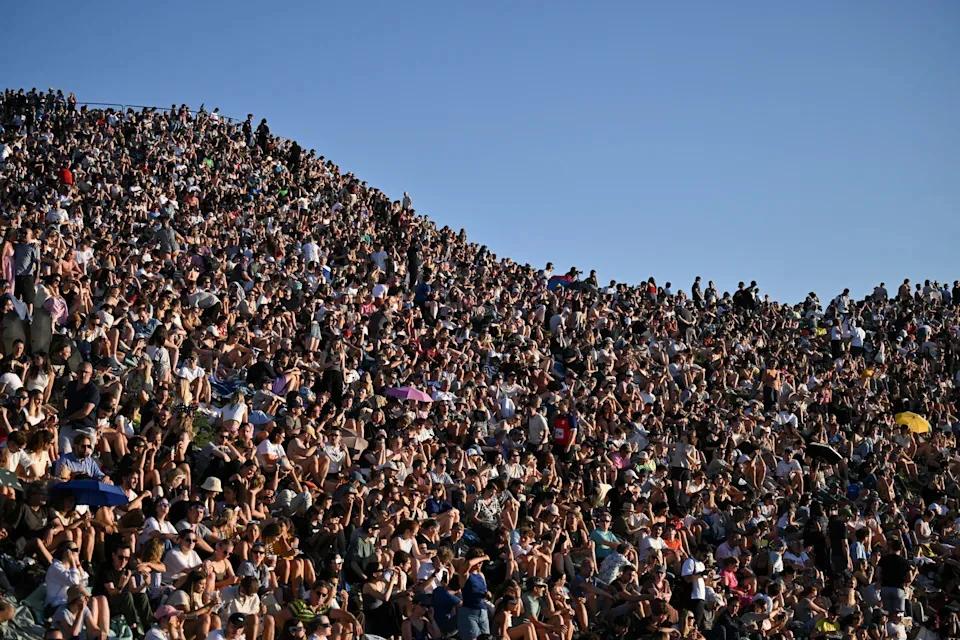
Timing: use your coordinates, not a continental estimate
The southern Spain and Gibraltar portion of the eclipse reaches maximum in the late European morning, around 08:45 UTC in the Strait of Gibraltar region. Cited circumstances put maximum totality at approximately 10:45 a.m. CEST in Cádiz and Tarifa and 10:48 a.m. CEST in Málaga. Other European cities have their own contact and maximum times, and civil-time labels depend on the local time zone.
We do not recommend copying a time from a nearby capital. Enter your observing coordinates in the Helioclipse Eclipse Explorer and record:
- first contact, when the Moon begins to cover the Sun;
- maximum eclipse at your location;
- last contact, when the Moon leaves the solar disk;
- maximum obscuration or magnitude;
- the Sun’s altitude and direction;
- confirmation of partial or total status.
This also prevents confusion between consecutive European eclipse years. What time is the 2026 eclipse in Spain? concerns the separate total solar eclipse of 12 August 2026, whose path crosses northern Spain with the Sun much lower in the sky. The 2 August 2027 event crosses southern Spain in the morning, with the Sun around 37–39° high at maximum in Cádiz, Tarifa, Gibraltar and Málaga according to the cited circumstances.
Likewise, where can you see the solar eclipse on August 12th, 2026? is a different planning problem involving Greenland, Iceland and northern Spain. Do not merge 2026 horizon requirements with the 2027 route.
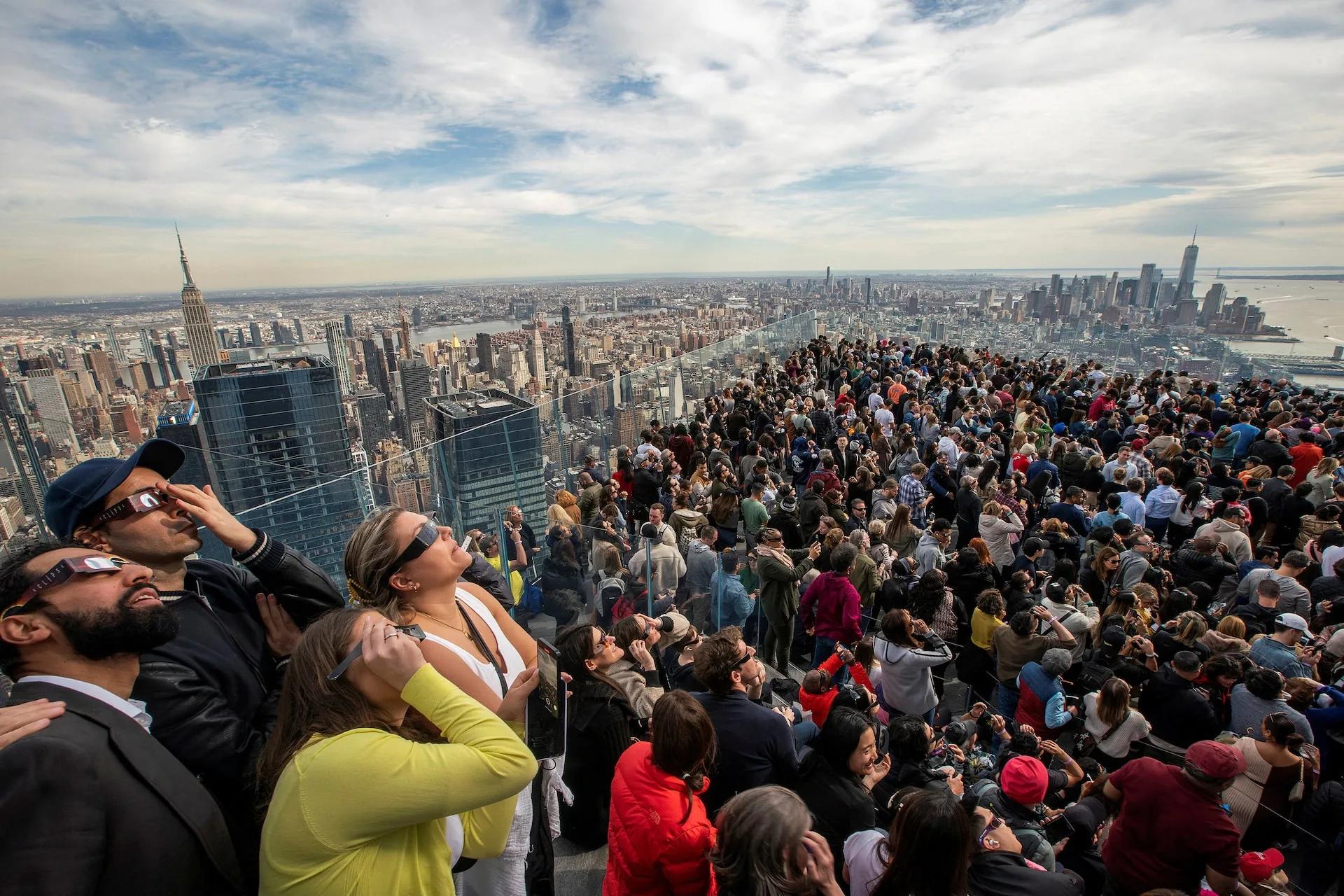
Will Europe actually have totality?
Will there be a total solar eclipse in august 2027? Yes—on 2 August—but only observers within the narrow path can see the total phase. In Europe, that means parts of southern Spain and Gibraltar. Lisbon, Madrid, Rome, Paris and London remain partial.
Southern Spain offers a striking duration gradient. Málaga is listed at about 1 minute 52 seconds, Cádiz at 2 minutes 51 seconds and Tarifa at 4 minutes 39 seconds. Gibraltar receives roughly 4 minutes 25 seconds. Farther along the path, totality lengthens: Luxor, Egypt, is listed at about 6 minutes 19 seconds, close to the event’s global maximum of roughly 6 minutes 23 seconds.
Duration is not the only planning variable. Around the Strait of Gibraltar, morning marine cloud and the local Levanter cloud can matter. A location with four theoretical minutes under solid cloud may deliver less than a shorter site with clear sky. Study climatology months ahead, then use short-range forecasts and preserve flexibility close to eclipse day.
For a wider comparison, our guide for the total solar eclipse of 2027 covers the route beyond Europe. Readers curious about the event’s longest land-based totality can also explore why the eclipse lasts more than six minutes near Luxor.
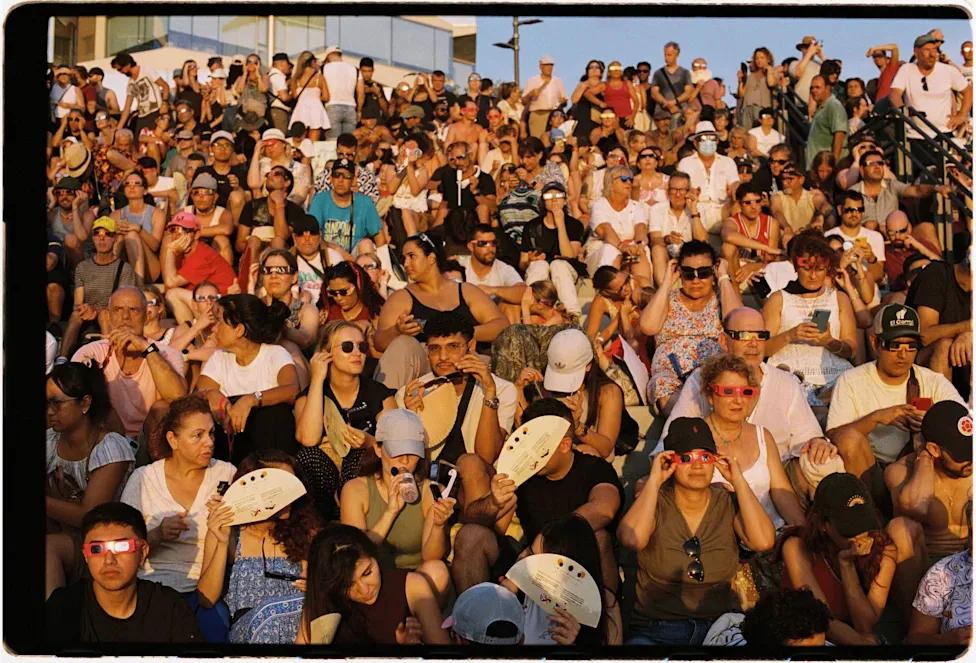
Eye safety for a partial eclipse: viewers stay on
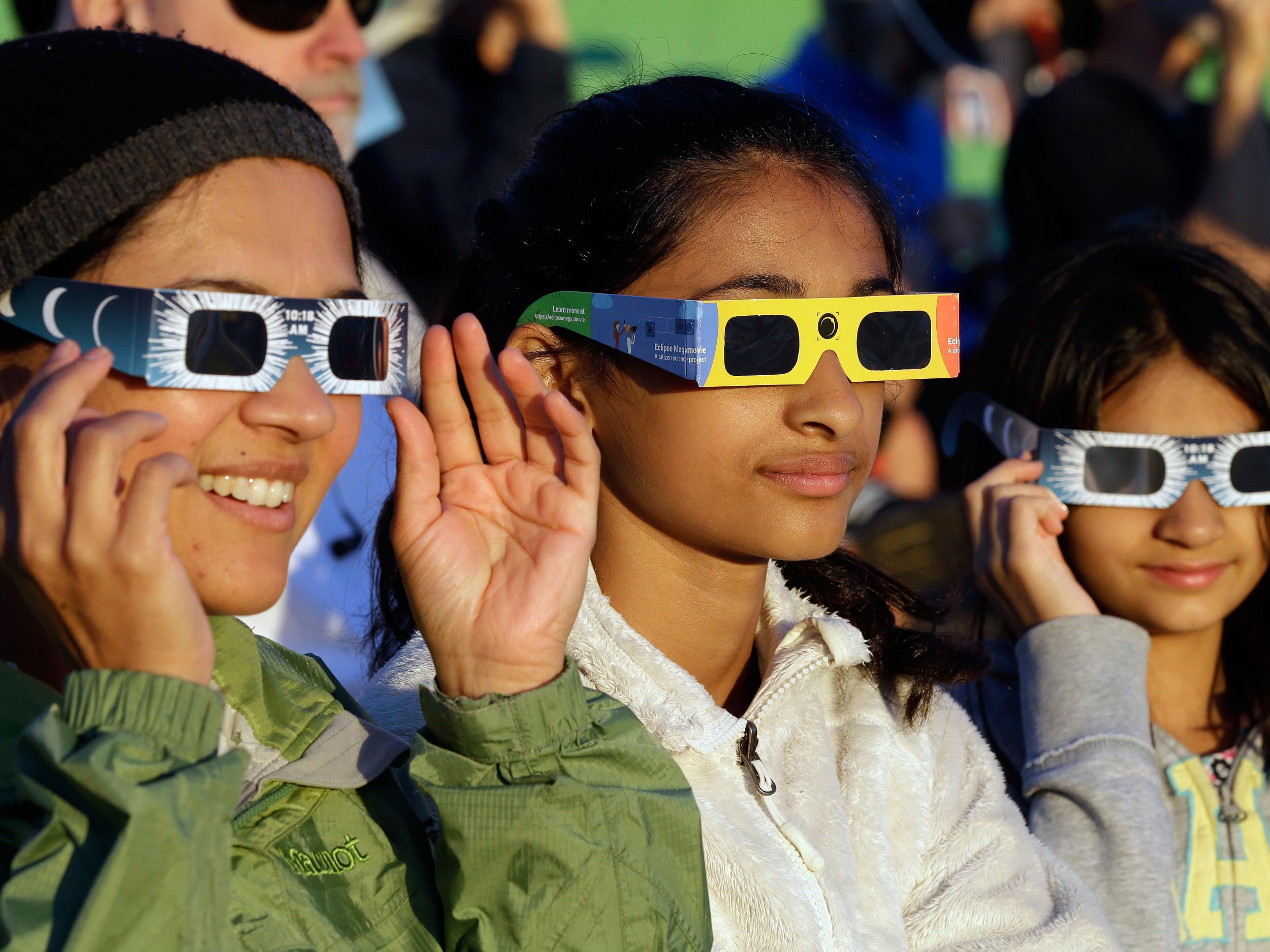
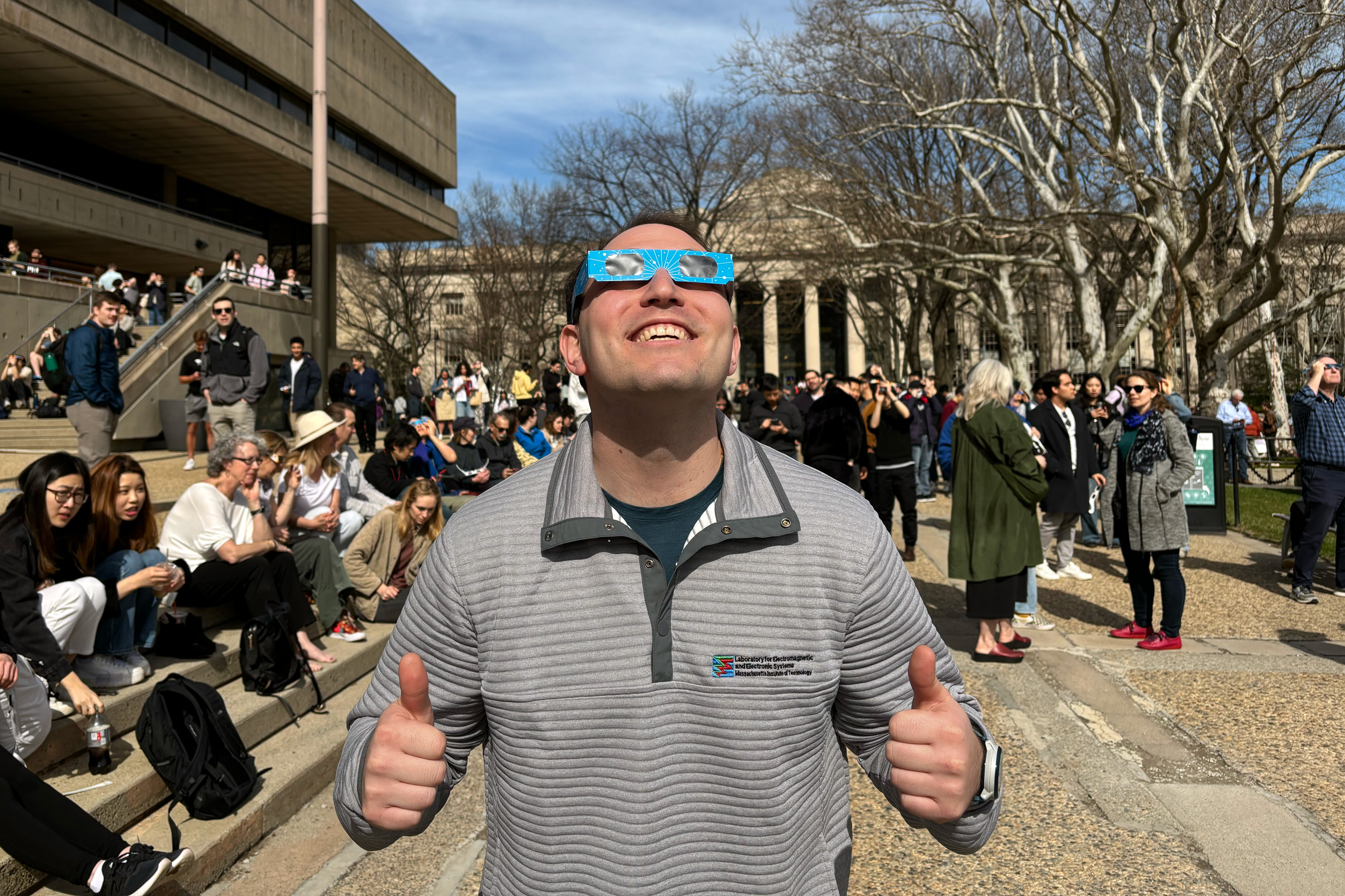
For every city discussed in the partial zone, there is one simple rule: use a proper solar viewer whenever you look directly at the Sun. There is no glasses-off moment in Lisbon, Madrid, Rome, Paris or London on 2 August 2027.
Choose viewers that conform to ISO 12312-2, inspect them before use and discard any with scratches, punctures, tears or loose filter material. Ordinary sunglasses are not safe, regardless of how dark they appear. Children should be supervised: put viewers on before looking up, look at the Sun briefly, turn away and only then remove them.
Marketplace language requires care. Phrases such as approved solar eclipse glasses or eclipse glasses nasa approved do not by themselves establish product safety; NASA explicitly says it does not approve particular viewer brands. More meaningful product information identifies the responsible manufacturer or seller, provides usage instructions and supports a genuine claim of conformity. When choosing solar eclipse glasses iso 12312-2 certified, examine the seller, labeling, condition and traceability rather than trusting one printed phrase in isolation. Our guide to ISO 12312-2 eclipse viewers explains what the standard covers.
Never look through an unfiltered camera, telescope or binoculars while wearing eclipse glasses. Magnifying optics concentrate sunlight and require a suitable solar filter secured over the front aperture. An eyepiece filter or ordinary eclipse viewer held behind the optics is not a safe substitute. Ask an experienced solar observer or astronomy organization for equipment-specific guidance.
Pinhole projection offers a safe, social alternative. Stand with your back to the Sun and let light pass through a small hole onto a white surface; watch the projected image, not the Sun through the hole. A colander or the gaps between overlapping fingers can produce many small crescents. This is especially good for groups because it turns the changing solar shape into something everyone can inspect at once.
Make a partial eclipse feel like an event—not a consolation prize
The honest comparison with totality should not drain the partial eclipse of its value. Half a Sun over Paris, a thin crescent over Lisbon and a three-quarter-covered Sun over Rome are rare alignments happening above familiar streets. The trick is to organize the observation around what a partial eclipse genuinely does well.
Invite friends or family before diaries fill up. Choose an open site with a clear view toward the morning Sun. Check where buildings, trees and hills will stand at the predicted solar altitude. Bring viewers, a pinhole projector, water, hats and a printed timeline. For a school group, assign roles: one person calls the phases, another records temperature, another sketches the crescent and another photographs projected images on the ground.
Cloud does not automatically cancel everything. Broken cloud may reveal intervals of clear sky, but clouds are never a solar filter: use certified viewers whenever the Sun is visible. Keep a nearby alternate site in mind rather than attempting a long last-minute drive with no weather advantage.
Tell your group exactly what is promised. “A 92% partial eclipse from Lisbon” is compelling and accurate. “Almost total” creates the wrong expectation. The working title 2027 from Europe: a serious partial eclipse — without pretending captures the right attitude: celebrate the crescent you can see, while respecting the hard geometric boundary around totality.
Keep the 2027 eclipse calendar straight
There is more than one solar and lunar eclipse in 2027, which is why date-specific planning matters. NASA lists an annular solar eclipse on 6 February 2027, visible as annular from parts of South America and Africa, followed by the total solar eclipse of 2 August. Penumbral lunar eclipses occur on 20–21 February and 16–17 August.
A lunar eclipse is viewed by looking at the Moon and does not require solar viewers. A solar eclipse involves looking toward the Sun, so direct observation requires specialized protection except during genuine totality for observers inside the total path. Astrology listings and generic annual calendars often combine these events without supplying the local geometry needed for safe solar observation.
The 25 November 2030 total eclipse is another separate event, crossing parts of southern Africa and Australia. It does not affect the 2027 plan. Keep your group sheet focused on one event: 2 August 2027, your exact observing coordinates and the local circumstances generated for that point.
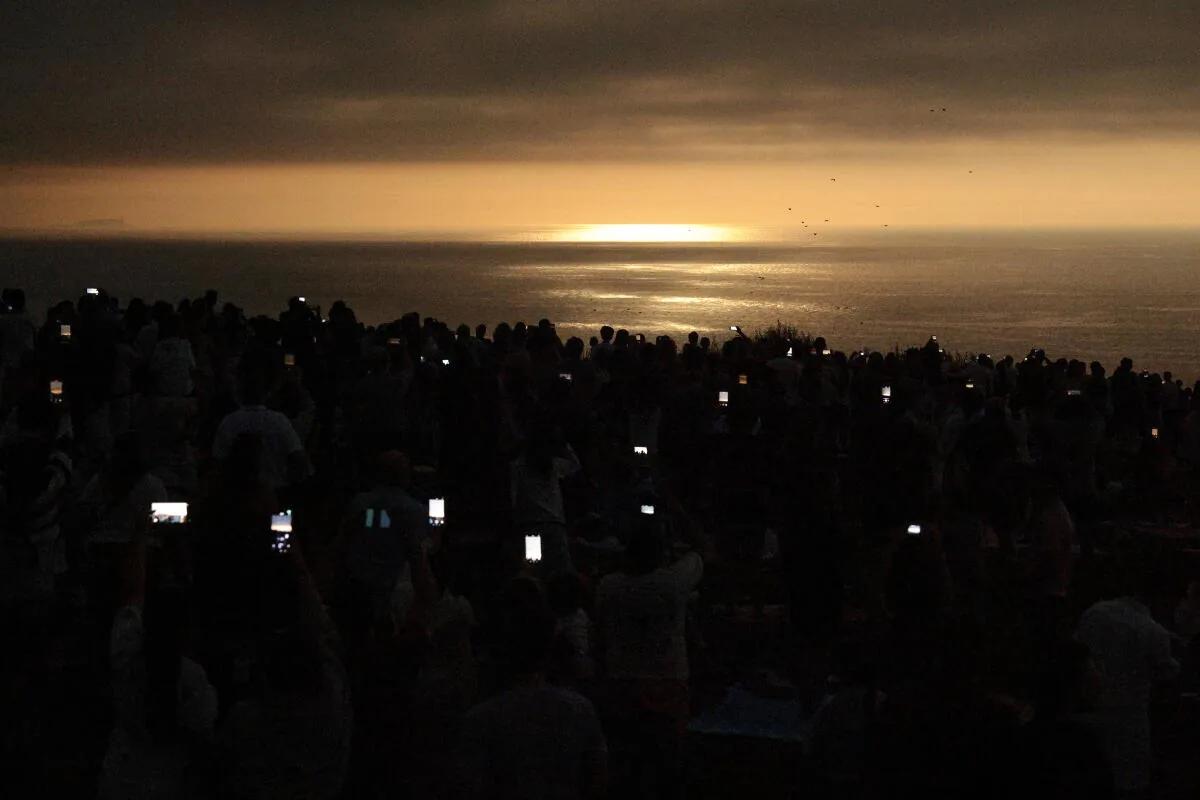
Millions across Europe witness rare solar eclipse
NPR
Frequently asked questions
What time will the eclipse be visible in Spain in 2026?
The provided information does not give timing for an eclipse in Spain in 2026. It describes the 2 August 2027 eclipse, with maximum eclipse in southern Spain occurring at approximately 08:45 UTC.
Will the August 2027 event include a total solar eclipse?
Yes. A narrow path of totality will cross southern Spain and Gibraltar before continuing through North Africa and the Middle East. Most of Europe will see a partial eclipse rather than totality.
Is this solar eclipse considered an unusual event?
The excerpt does not assess how rare solar eclipses are. It does state that the 2027 event offers a particularly deep partial eclipse across southern and western Europe, while totality is limited to a narrow corridor.
Where will the solar eclipse of 12 August 2026 be visible?
The provided information does not cover an eclipse on 12 August 2026 or identify where it will be visible. It covers the eclipse on 2 August 2027, which will be partial across much of Europe and total along a narrow path through southern Spain and Gibraltar.
What will viewers in Europe actually see during the 2027 partial solar eclipse?
Viewers across much of Europe will see the Moon cover part of the Sun, creating a dramatic crescent and changing daylight. Outside the narrow totality path, there will be no visible corona, no genuinely dark totality, and no safe interval for viewing without eclipse glasses.
On-site next steps
- Place your exact observing point on the Helioclipse 3D eclipse map. Confirm whether it is partial or total, then save the local maximum time, obscuration and Sun altitude.
- If you are considering southern Spain or Gibraltar, compare your pin with the path edges rather than assuming an entire city or province is safely inside totality.
- Organize viewers for your household, class or group early. Browse Helioclipse solar eclipse glasses and allow time to inspect every viewer before eclipse morning.
- Share one clear sentence with everyone attending: outside the path of totality, certified viewers stay on for every direct look at the Sun.
Sources & further reading
- ESA CESAR — Total Eclipse 2027
- Space.com — Total solar eclipse 2027: Everything you need to know
- Sky & Telescope — Plan for Next Year's Total Solar Eclipse: August 2, 2027
- Astronomy Magazine — Where to see the next solar eclipse
- Space.com — Eclipse experts’ travel tips for the 2027 total solar eclipse
- NASA Science — Future Eclipses
- NASA Science — Eclipse Viewing Safety
- American Astronomical Society — How to View a Solar Eclipse Safely
- American Astronomical Society — Eclipse Basics
- American Astronomical Society — About the ISO 12312-2 Standard for Solar Viewers