Iceland and the 2026 eclipse: partial phases, timing, and planning honestly
If you are searching for solar eclipse 2026 iceland information, the most important thing to know is also the easiest thing to blur in excited coverage: Iceland is not one single eclipse experience in August 2026. On August 12, 2026, the island sits partly inside the Moon’s umbra and partly inside the penumbra. That means some places in western Iceland get a true total solar eclipse, while other places get a very deep partial eclipse.
That distinction matters more than almost anything else. A total eclipse is the only moment when the Sun’s bright face disappears completely and the corona can appear. A partial eclipse, even a dramatic one, is still a Sun-viewing event that requires certified eye protection the entire time. If you want to check your exact spot instead of relying on broad country summaries, start with our Eclipse Explorer / 3D map. It is the fastest way to see whether you are inside or outside the path at your real viewing location.
This guide is our honest 2026 solar eclipse iceland partial 2026 guide: what Iceland will actually see, where the line between total and partial runs, what the 2026 solar eclipse path means on the ground, and how to plan without pretending that “Iceland” automatically means totality.
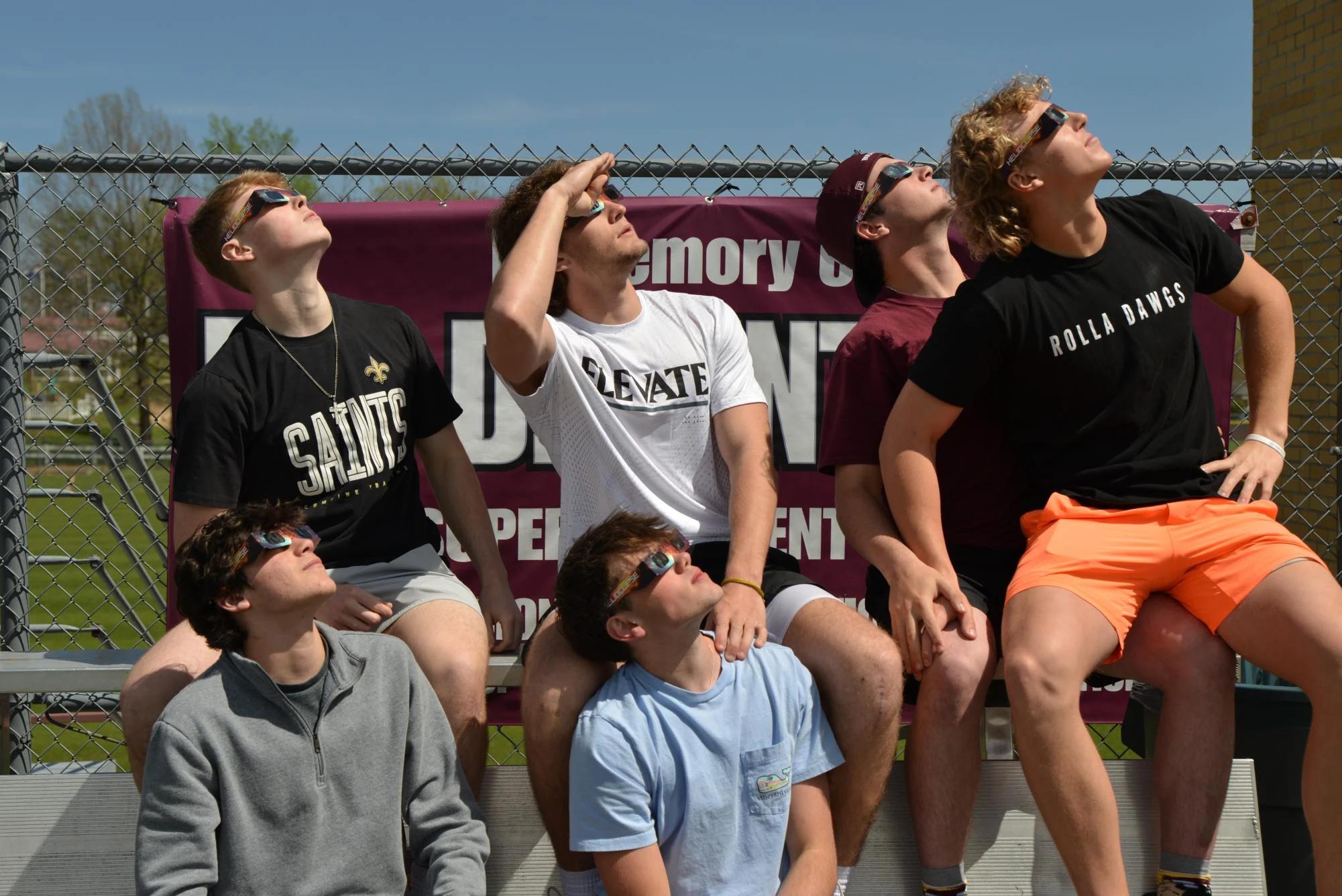
First, the honest headline: Iceland gets both total and partial eclipse views
The 2026 solar eclipse on August 12 is total somewhere on Earth, and NASA lists Iceland among the places where totality is visible. That is true. But it is only half the story.
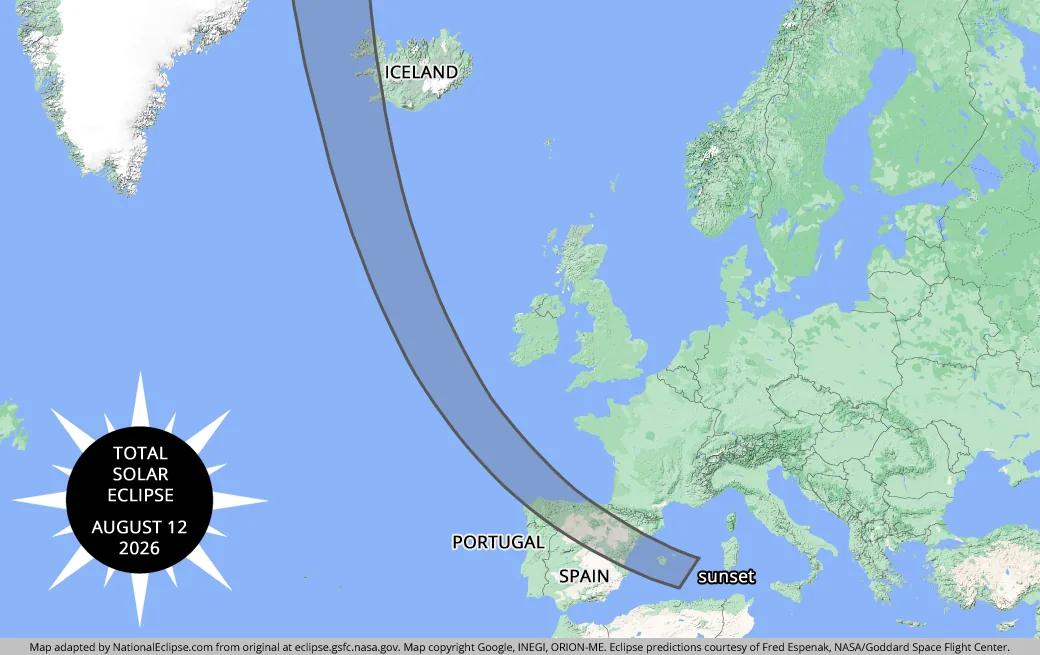
The total solar eclipse 2026 path crosses western Iceland, not the whole country. Sources that summarize the event for travelers and eclipse chasers agree on the broad geometry: the path clips the west side of the island after crossing Greenland, then continues toward Spain. In Iceland, the Westfjords, Snæfellsnes, Reykjavík area, and Reykjanes are the places people talk about because they are inside the track or very near its edge. Move east or northeast far enough, and you are no longer in totality at all.
So when you see phrases like iceland solar eclipse 2026 or 2026 iceland eclipse, read them as country-level shorthand, not as a promise that every hotel, roadside pullout, or scenic overlook in Iceland gets the same show. It will not.
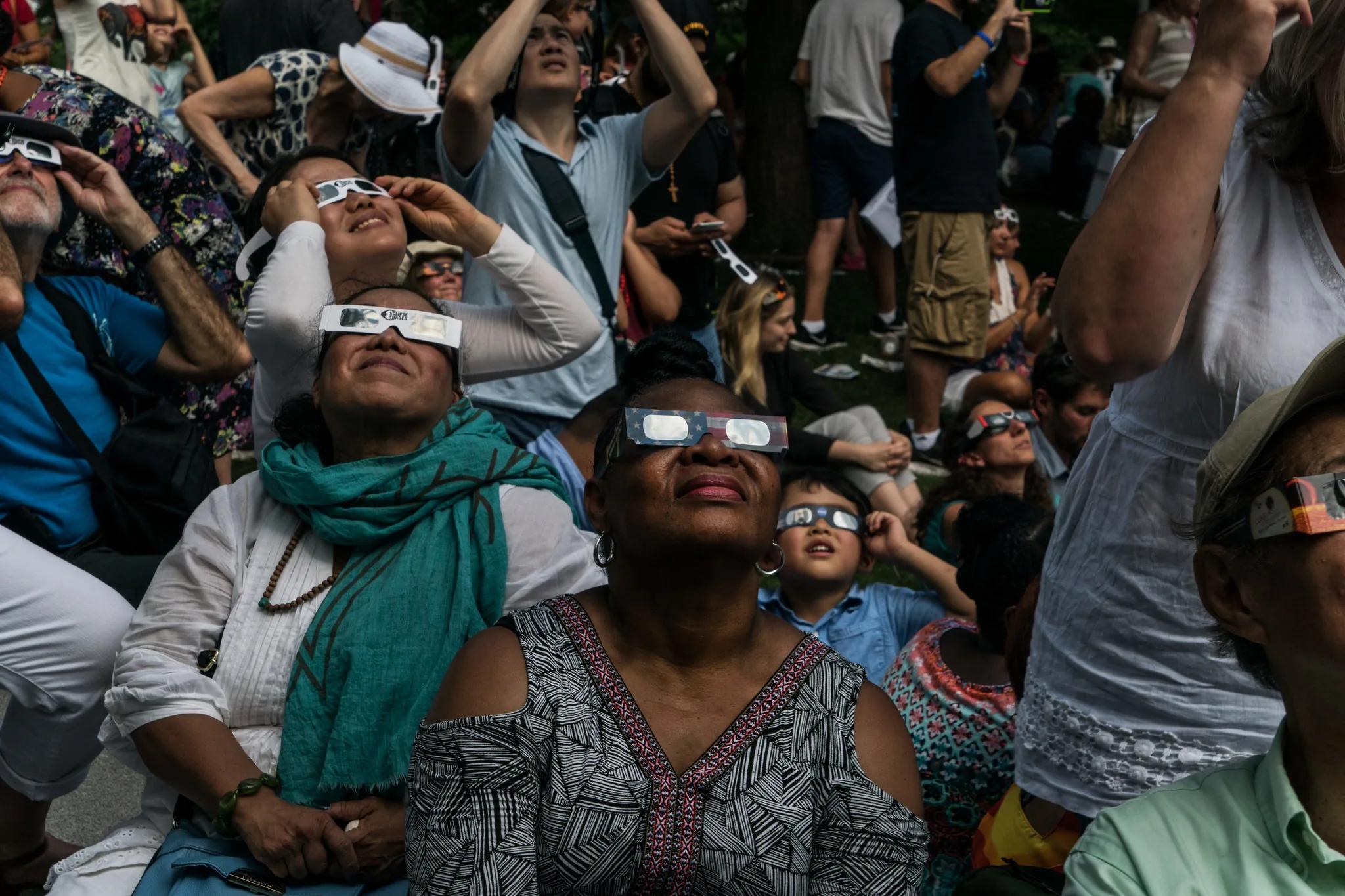
What partial vs. total really means in Iceland
NASA’s eclipse explainers are blunt on this point, and we should be too: people in the Moon’s umbra see a total eclipse; people in the penumbra see a partial eclipse. That sounds technical until you stand in the wrong place.
Inside totality, the Sun’s bright disk is fully covered for a brief interval. The sky darkens toward twilight, the corona can become visible, and the experience shifts from “the Sun has a bite taken out of it” to something much stranger and more emotional. That is why eclipse veterans are so insistent about path geometry.
Outside totality, even if more than 90% of the Sun is covered, you do not get the corona, and you do not get the same darkness. You are still watching an intensely bright Sun through safe filters. That is exactly why our guide When glasses on, when glasses off: eclipse phases explained for first-time viewers matters here: in a partial eclipse, glasses stay on the whole time.
For Iceland, that means the phrase 2026 solar eclipse iceland partial is not a downgrade or a technicality. It is the correct description for a large part of the country.

Where Iceland is total, and where it is only partial
The broad iceland 2026 solar eclipse path is western. That is the planning fact to build around.
Westfjords
The Westfjords are the first major Icelandic region to meet the shadow, and they offer some of the longest land-based totality in the country. National Eclipse’s overview puts Ísafjörður at about 1 minute 30 seconds of totality starting around 5:44 p.m. GMT, while the far western tip near Látrabjarg reaches about 2 minutes 13 seconds. That is very close to the eclipse’s maximum possible duration anywhere, because the centerline itself stays just offshore west of Iceland.
That last point is easy to miss and worth remembering: Iceland gets excellent totality, but the center of the total solar eclipse 2026 path does not run across land in Iceland. It stays offshore. So the best Icelandic sites are excellent without being the absolute centerline itself.
Snæfellsnes Peninsula
Snæfellsnes is the other standout region for long totality with easier access than the far Westfjords. National Eclipse gives Ólafsvík roughly 2 minutes 3 seconds, and the western end of Snæfellsjökull National Park about 2 minutes 10 seconds. Stykkishólmur is shorter, around 1 minute 28 seconds.
That is a meaningful spread within one peninsula. If you compare towns, do it with numbers, not vibes. Being farther west and farther from the path edge buys you real seconds.
Reykjavík and the capital region
Reykjavík is in the conversation because it is convenient, not because it is optimal. Multiple Iceland-focused guides place downtown Reykjavík at about 59 seconds of totality around 5:48 p.m. GMT. Move west toward Seltjarnarnes and you gain a few seconds; move east and durations drop quickly because you are close to the path edge.
That makes Reykjavík a legitimate total-eclipse site, but a short one. If you are already in the city and cannot move, one minute of totality is still the real thing. If you can reposition westward, you can gain a lot.
Reykjanes Peninsula
Reykjanes is especially important for visitors arriving through Keflavík. National Eclipse places Keflavík at about 1 minute 39 seconds of totality. That is substantially better than downtown Reykjavík and one reason the peninsula matters for practical planning, not just airport logistics.
East and northeast Iceland
This is where honest wording matters most. Large parts of eastern and northeastern Iceland are outside totality. They still get a deep partial eclipse, and in some places it may be visually impressive enough to tempt people into using total-eclipse language loosely. Don’t. If your location is outside the umbra, it is partial from first contact to last contact.
That is the core truth behind 2026 solar eclipse iceland partial map searches: the map is not decoration. It is the difference between seeing totality and missing it by a geographic margin that may look small on a country map but feels enormous on eclipse day.
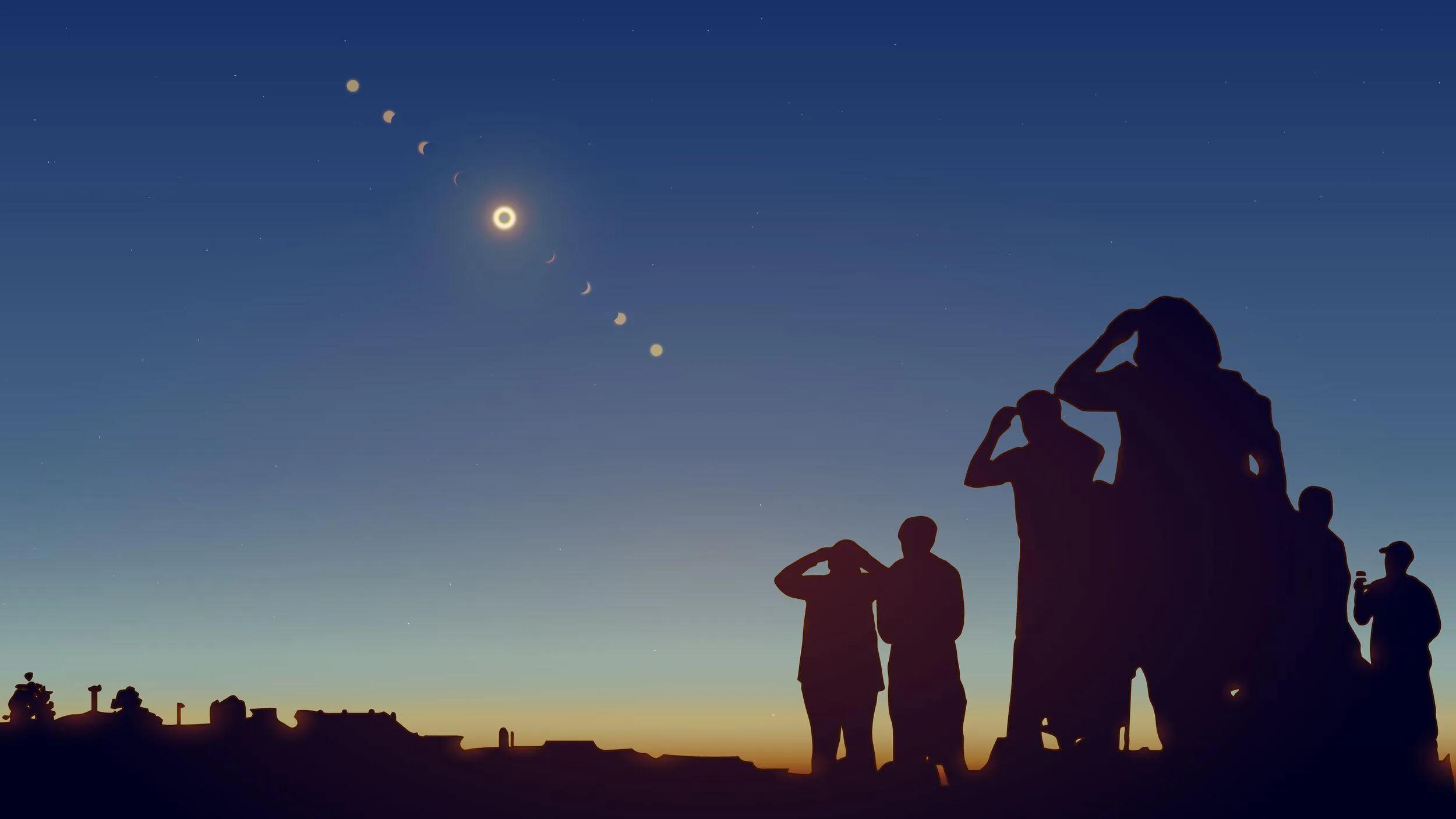
Timing in Iceland: what we can say confidently
The date is secure: Wednesday, August 12, 2026.
Across Iceland, the partial phase begins at roughly 4:47 p.m. GMT and ends around 6:47 p.m. GMT, with totality in western locations arriving roughly in the 5:43 to 5:50 p.m. GMT window depending on where you are. That is the practical answer many readers want when they search 2026 solar eclipse iceland partial time or solar eclipse 2026 time iceland.
But we do not want to overclaim precision. City-by-city contact times can vary noticeably even within the same metro area, especially near the path edge. National Eclipse explicitly warns that representative times are for comparison, not exact site prediction. So use those figures as planning anchors, then verify your exact coordinates on our Eclipse Explorer / 3D map.
If you are building a day plan, the safe summary is this:
- Partial eclipse begins in the late afternoon, around 16:47 GMT.
- Totality, where available, occurs in the late afternoon to early evening, roughly 17:43–17:50 GMT depending on location.
- The event wraps up around 18:47 GMT.
That is enough to avoid missing the event, but not enough to choose between two parking areas five kilometers apart. For that, use a precise map.

Why the map matters more in Iceland than many readers expect
Iceland’s eclipse geography is unusually deceptive because the country is small enough to talk about as one destination, but large enough that the eclipse experience changes radically across it.
A traveler might book “Iceland for the eclipse” and still end up outside totality. That is not a failure of astronomy; it is a failure of planning language. The Moon’s umbral shadow on Earth is narrow. NASA notes that the total-eclipse shadow is only on the order of a few hundred miles wide globally, and the difference between umbra and penumbra is absolute from a viewing perspective.
In Iceland, the path also sits awkwardly: the best durations are toward the far west, while the centerline remains offshore. So a hotel in Reykjavík, a scenic stop in the east, and a clifftop in the Westfjords are not interchangeable “Iceland eclipse” choices. They are different events under the same sky.
That is why 2026 solar eclipse iceland partial map and 2026 solar eclipse path are not niche phrases. They are the practical heart of the trip.
What will a partial eclipse in Iceland actually look like?
A deep partial eclipse can still be beautiful. The Sun becomes a narrowing crescent. Shadows sharpen oddly. Pinhole projections through leaves, colanders, or small gaps turn into dozens of tiny crescents. The light can feel thinner and stranger than on a normal afternoon.
But if you are outside totality, the sky does not become true eclipse twilight in the same way. You do not get the dramatic reveal of the corona. You do not get the same horizon glow or the same emotional shock that people describe from totality.
That is not meant to diminish a partial view. It is meant to protect your expectations. If you are staying in eastern Iceland and watching a deep partial, call it what it is, enjoy it for what it is, and keep your certified viewers on the entire time.
If you are new to the distinction, our guide August 12, 2026 total solar eclipse: what to expect and how to plan ahead gives the bigger event context, while this Iceland piece is here to keep the geometry honest.
Safety in Iceland: partial phases mean glasses on
This is the part we never soften for style. During any partial phase, it is not safe to look directly at the Sun without proper solar viewing protection. NASA and the AAS both say the same thing in slightly different words: regular sunglasses are not enough, and the only time you may look without eclipse viewers is during the brief total phase of a total solar eclipse, when the Sun’s bright face is completely covered.
That means most of Iceland will need eye protection for the entire event, and even people inside totality need it before and after totality. If you are shopping early, look for approved solar eclipse glasses and solar eclipse glasses iso 12312-2 certified products from a source you trust. We explain the labeling in more detail in ISO 12312-2 and eclipse viewers: what the standard means for your family and in our guide to fake and low-quality eclipse glasses.
One more important correction to common shopping language: people often search for eclipse glasses nasa approved because they want reassurance, but NASA does not approve specific brands of viewers. What matters is compliance with the ISO 12312-2 standard, intact condition, and buying from a reliable seller. If you want eclipse viewing glasses for family, school, or a group trip, buy early enough that you are not making rushed decisions the week before the event.
You can browse our solar eclipse glasses if you want a straightforward on-site option.
Weather, mobility, and the Iceland trade-off
Iceland in August gives you a late-afternoon eclipse with relatively mild temperatures by local standards, but cloud risk is real. That is the trade.
The Westfjords and western peninsulas offer the best eclipse geometry, yet they also demand more from your logistics. Roads can be long and winding. Accommodation is limited in the most desirable regions. Famous viewpoints may attract crowds. If you are aiming for the far west because you want those extra 30, 60, or 70 seconds of totality, make sure you are also buying flexibility, not just romance.
Snæfellsnes is attractive because it balances strong totality with easier access. Reykjavík is attractive because it is easy, but you give up duration. Reykjanes is practical for airport access and can outperform Reykjavík on eclipse length. Those are real trade-offs, not just itinerary flavor.
And if clouds threaten? Move if you can. Iceland rewards mobility. Our cloud cover and eclipse day guide and eclipse travel without the chaos are worth reading with your group before you lock in a plan.
Should you stay in Iceland for a partial view, or chase totality elsewhere?
If your Iceland trip is already fixed outside the path, you can still have a memorable eclipse day. A deep partial eclipse over Icelandic landscapes is not nothing.
But if the whole point of the trip is to experience totality, then yes, you should think like an eclipse planner, not just a traveler. Move west within Iceland if possible. Even a shift from Reykjavík to Snæfellsnes or farther west can turn a short totality into a longer one, or turn a partial into total if you were originally outside the path.
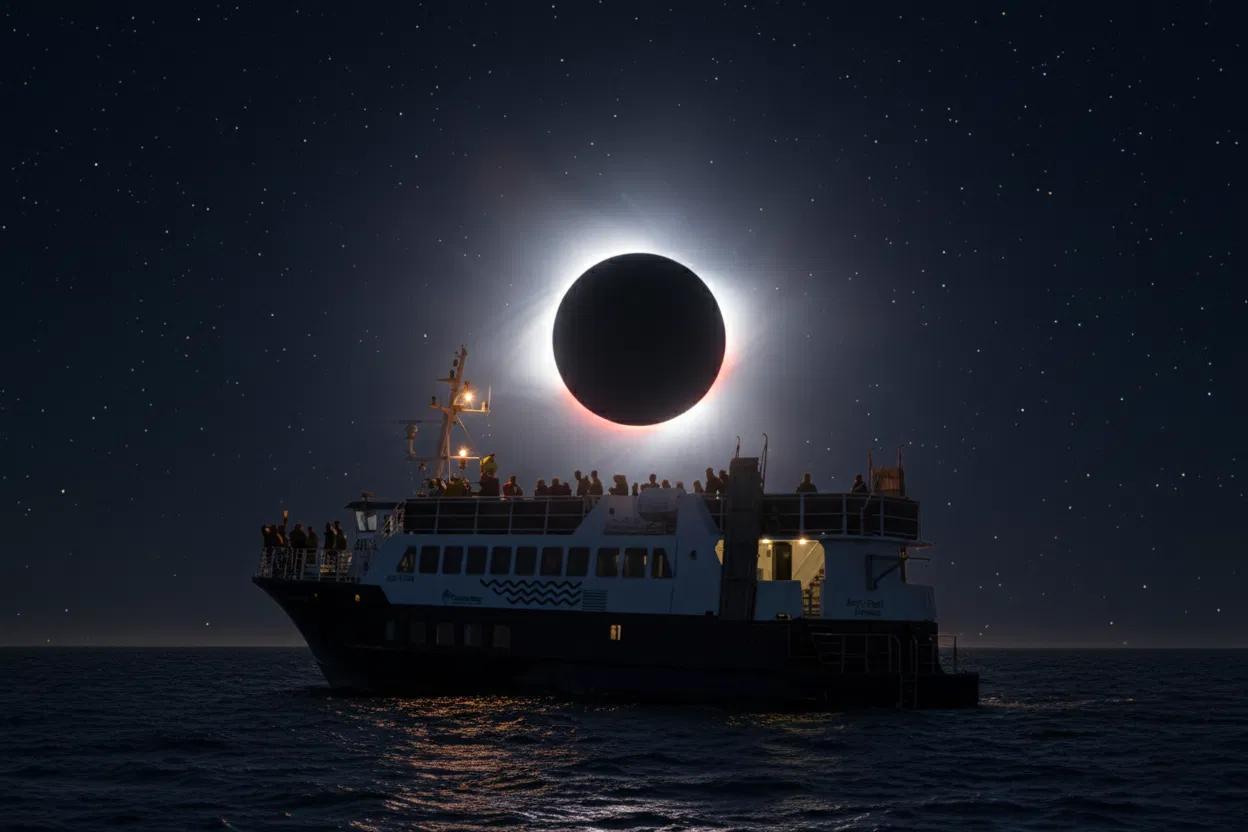
Some readers will also compare Iceland with Spain or even a total solar eclipse 2026 cruise option near Greenland or the North Atlantic. That comparison is fair. Spain may offer better climatological odds in some areas, while Iceland offers a striking landscape and some of Europe’s longest 2026 durations on land. Cruise options can, in theory, chase clearer skies or offshore geometry, but they come with their own costs, motion, and uncertainty. The right answer depends on whether your priority is maximum duration, weather odds, convenience, or the experience of seeing the event in Iceland specifically.
The best way to plan Iceland honestly
Here is the version we would tell a friend.
First, decide whether you are planning for totality or accepting a partial eclipse. Do not leave that ambiguous. Second, check your exact location on a real map, not just a country article. Third, build a weather backup if you can move. Fourth, sort eye protection early so you are not scrambling for certified solar eclipse glasses at the last minute.
If you are traveling with children, friends, or a school group, tell everyone the same simple rule: unless you are in the brief total phase at a truly total location, glasses stay on. That one sentence prevents a lot of confusion.
And if you are sharing plans in a group chat now, share the path map too. The phrase iceland and the 2026 eclipse: partial phases, timing, and planning sounds tidy, but the whole point of this article is that tidy summaries can hide the most important fact. In Iceland, where you stand changes everything.
ICELAND: Total Solar Eclipse (Aug. 2026) - All You Need to ...
Rumbo Mundo com
Frequently asked questions
How is a partial eclipse different from a total eclipse?
A total eclipse happens when the Moon’s umbra fully covers the Sun’s bright face for a brief time, so the corona can appear. A partial eclipse happens in the penumbra, where the Sun is only partly covered, and it still requires certified eye protection the entire time.
Will Iceland see a total eclipse or only a partial one?
Both, depending on where you are. On August 12, 2026, western Iceland falls inside the total eclipse path, while other parts of the island are outside totality and will see only a partial eclipse.
What should I know about the eclipse in Iceland in 2026?
Do not assume that all of Iceland gets the same view. The total eclipse path crosses western Iceland, including areas such as the Westfjords, Snæfellsnes, Reykjavík area, and Reykjanes, while places farther east or northeast are outside totality.
What does a partial view mean for Iceland during the 2026 eclipse?
A partial view means you are in the Moon’s penumbra, not the umbra, so the Sun is never fully covered. Even if the eclipse looks dramatic, it is still a Sun-viewing event and you need certified eye protection for the entire partial phase.
What is the most practical way to plan for the 2026 eclipse in Iceland?
Check your exact viewing location instead of relying on country-level summaries. The article recommends using an eclipse map or explorer to see whether your spot is inside totality or only in the partial-eclipse zone.
On-site next steps
- Check your exact location on our Eclipse Explorer / 3D map to confirm whether you are in totality or only in the partial zone.
- If you will be watching any partial phase—which is everyone in Iceland before and after totality, and many locations for the whole event—get your solar eclipse glasses sorted early.
- For more planning help, browse the Helioclipse blog and our related guides on eclipse phases, weather mobility, and safe viewers.
Sources & further reading
- 2026 Solar Eclipse in Iceland: The Complete Guide
- Experience the 2026 Total Solar Eclipse in Iceland
- 2026 Total Solar Eclipse Overview for Iceland and Spain
- Guide to the 2026 Total Solar Eclipse
- Iceland Solar Eclipse 2026: Where and When to Watch
- NASA: Future Eclipses
- NASA: Eclipses and the Moon
- NASA: Types of Solar Eclipses
- NASA: Eclipse Viewing Safety
- Sky & Telescope: Solar Eclipse FAQ