Fuel, toilets, and small-town pumps: rural choke points eclipse chasers forget to model
A filling station that handles a few dozen customers on an ordinary Wednesday can become the narrowest point in an eclipse journey. The pumps may work perfectly, yet one driver choosing snacks, another struggling with an unfamiliar payment terminal, and a queue for the only toilet can hold up everyone behind them.
That is the useful way to think about gas station fuel queues rural Spain eclipse traffic on August 12, 2026: not as a prediction of national collapse, but as a temporary mismatch between thousands of travelers and services designed for normal rural demand. A sensible gas station fuel queues rural Spain eclipse traffic 2026 guide therefore begins with one calm rule—fill early, then use eclipse day for watching the sky rather than searching for fuel.
Start by plotting your actual observing point and escape routes in the Helioclipse Eclipse Explorer. The pin that gives you totality, a clear western horizon, and a workable road home matters more than the name of the nearest famous city.
Why the 2026 eclipse creates an unusual road problem
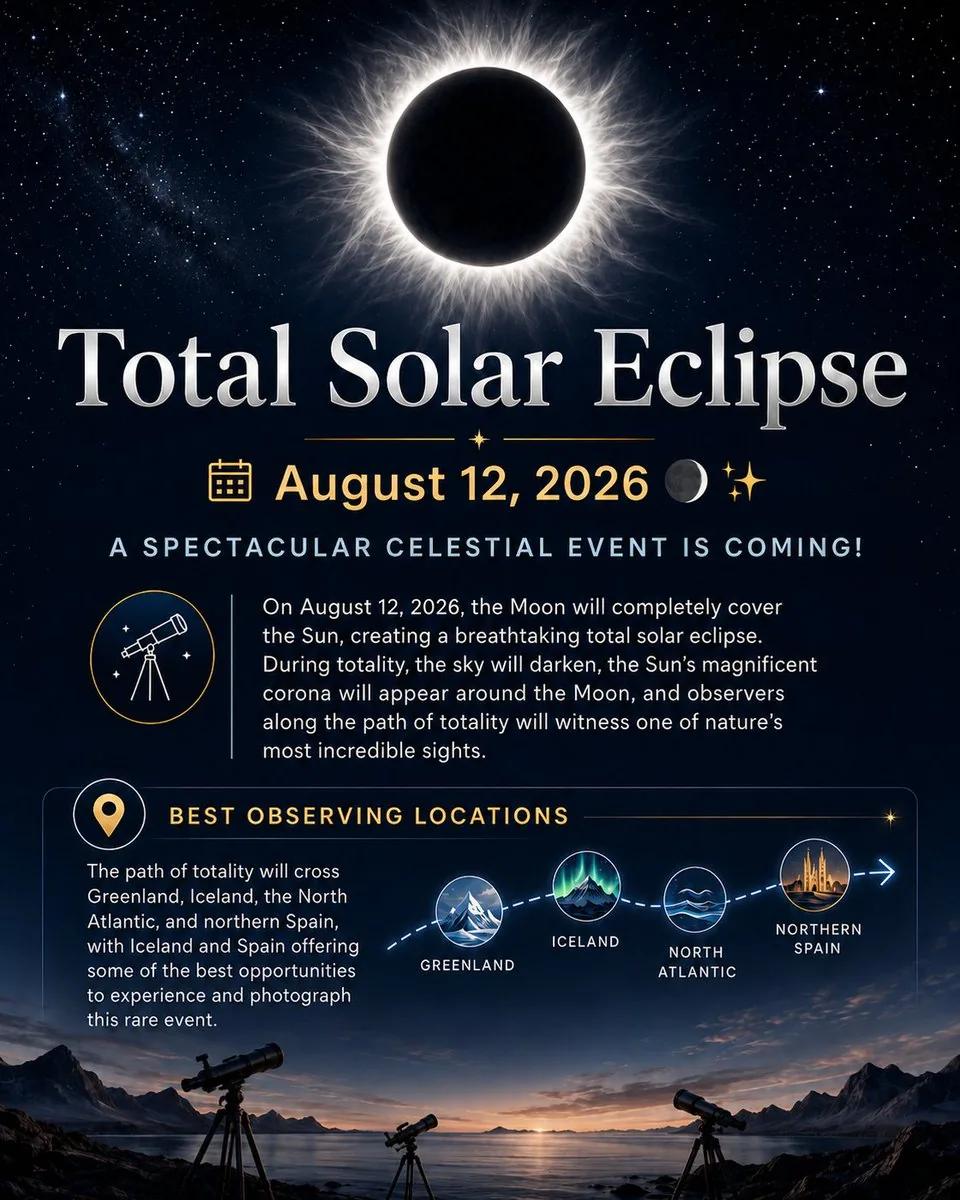
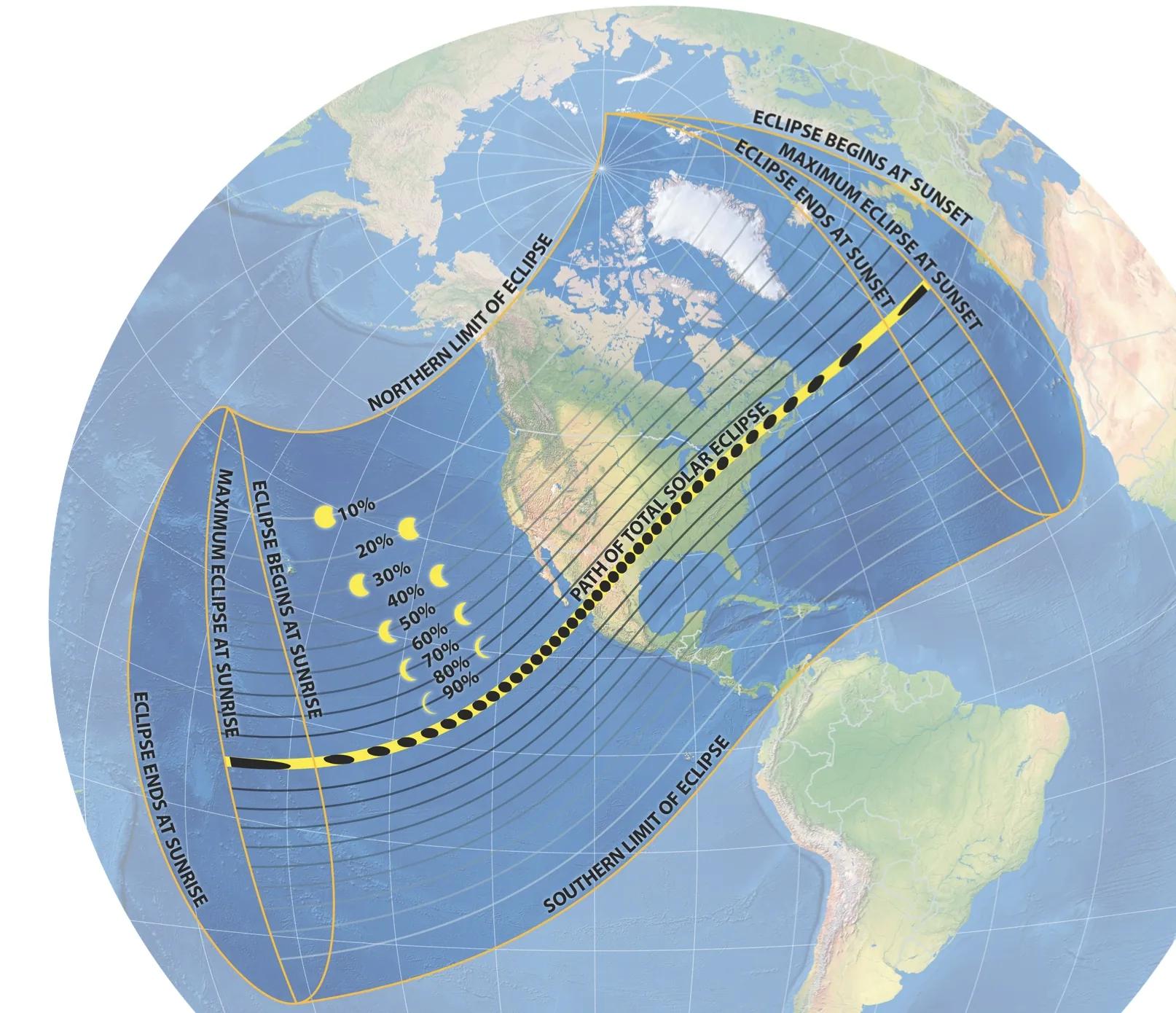
The total solar eclipse reaches Spain on the evening of August 12, 2026. NASA’s published local circumstances put totality at roughly 8:28–8:30 p.m. in León, around 8:29–8:30 p.m. in Zaragoza, and approximately 8:32–8:33 p.m. in Valencia. Most locations in the global path receive less than two minutes of totality.
The Spanish section of the path is about 305 kilometres wide, but that generous width does not eliminate local concentration. Madrid and Barcelona are just outside totality—NASA gives each a 99% partial eclipse—so people leaving those large metropolitan areas may converge on a much smaller set of northbound or inland roads. Our Spain path guide explains why 99% partial coverage is still not totality: the last sliver of photosphere remains bright enough to hide the corona.
The total solar eclipse 2026 path also crosses terrain where the eclipsed Sun will be extremely low. Reports place it roughly 10°–12° above the horizon in northwestern Spain but only about 2°–5° high in eastern Spain and the Balearic Islands. That pushes travelers toward open ridges, farmland and reservoir shores with unobstructed west-northwest views. Many such places are served by two-lane roads, small forecourts and limited public toilets.
A useful total eclipse 2026 Spain map must therefore answer more than “Am I inside the shadow?” It should help you identify your path position, approach road, low-horizon sightline, nearby settlements and at least two possible fuel stops. The solar eclipse 2026 path of totality Spain drivers need to model is both astronomical geometry and a real transport network.
A local queue is not a national fuel shortage
A rural station can run low after an abrupt surge in demand. NASA advises eclipse travelers to begin with plenty of fuel because stations in heavily visited areas have sometimes exhausted local supplies during previous eclipses. Astronomy Magazine similarly reported that some stations in prime locations ran out during the 2017 U.S. eclipse.
That evidence supports preparation, not panic. An eclipse fuel shortage at one forecourt can mean a delayed delivery or a tank emptied faster than expected; it does not automatically mean the wider distribution system has failed. Likewise, reports of gas shortages eclipse visitors encounter may describe a few overloaded locations rather than an entire province.
Gasoline eclipse planning is simply range management under uncertain traffic. Fill the vehicle the day before, preferably before entering the busiest part of the path. If you begin eclipse morning with enough range for the planned route, a diversion and a slow return, you will not need to join a queue merely to top up from three-quarters full.
Do not carry improvised containers, fill unsafe receptacles or buy far more than your journey requires. That creates hazards and can make a manageable local bottleneck worse. The objective is resilience: one full tank, a realistic route and a backup—not hoarding.
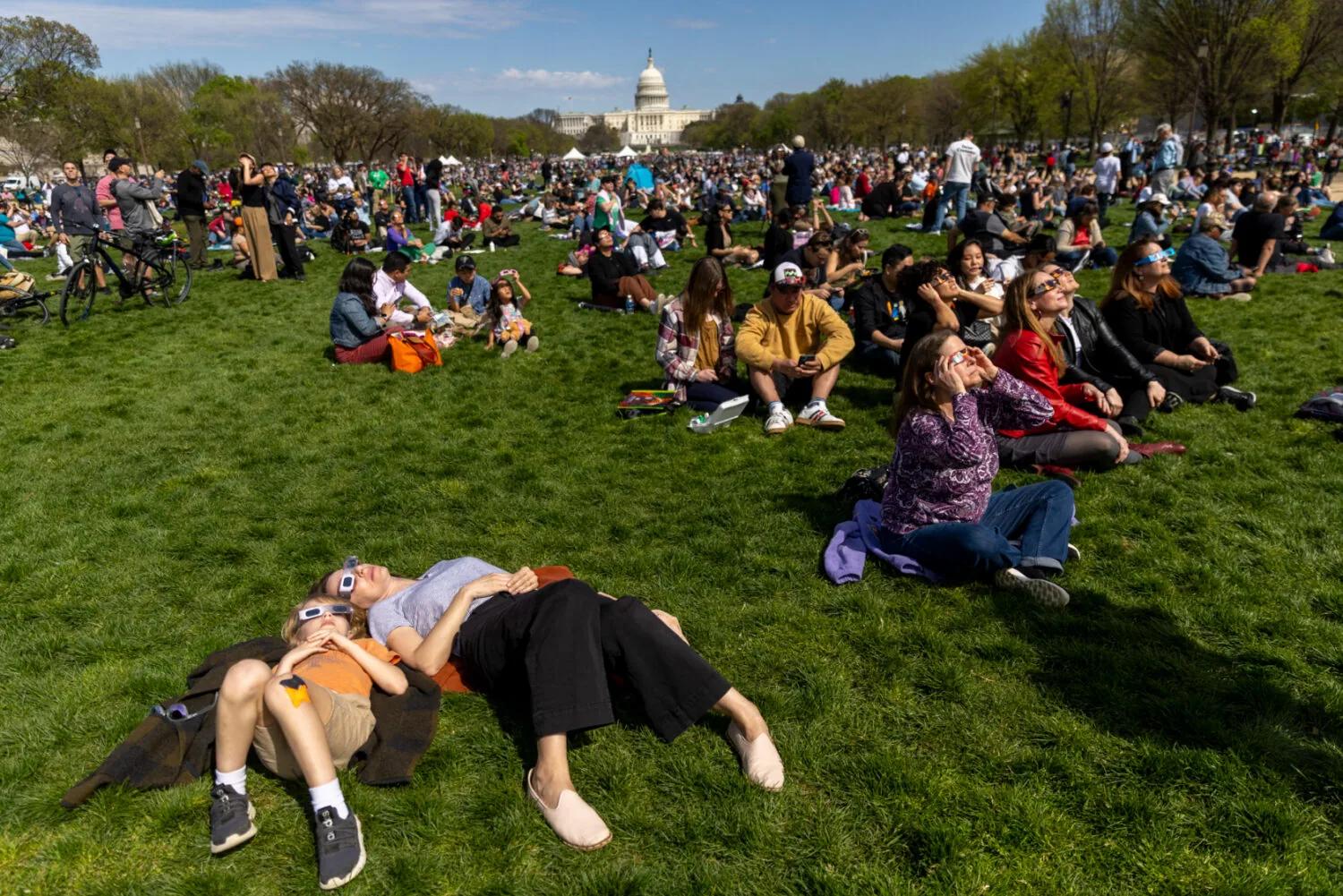
Map pumps by function, not just distance
The nearest pump to your observing field is not necessarily the best one. A station two kilometres away on the only road out may be trapped behind departing traffic. A larger site 25 kilometres earlier on your inbound route may have more pumps, longer opening hours and several toilets.
The gas stations eclipse planners mark as backups should be divided into three roles:
- Pre-event fill: a larger or familiar station used on August 11 or early on August 12.
- Contingency stop: a staffed location reachable without crossing the expected departure flow.
- Return stop: a station beyond the first likely choke point, used only if needed after traffic begins to disperse.
Save the addresses, opening hours and phone numbers offline. Do not assume map listings will remain current, and do not rely on a single motorway service area. If possible, confirm critical hours directly with the operator shortly before travel.
A Bilbao eclipse 2026 itinerary and a route into rural Castile and León will not share the same constraints. Bilbao lies in northern Spain’s totality zone, but your exact duration and road exposure depend on your coordinates and path position. Farther south, a driver approaching Zamora or Valladolid may encounter long open stretches with fewer services but potentially less metropolitan pressure. Compare exact sites with the interactive map rather than treating an entire region as one viewing point.
For a Palma Spain eclipse 2026 plan, the island setting changes the calculation again. Mallorca lies in the path, but totality occurs with the Sun only a few degrees above the western horizon. The best sightline may be across the island from an east-facing resort, concentrating cars on cross-island routes late in the day. Verify both the horizon and the return journey before committing.
Spain’s next total eclipse follows on August 2, 2027, so a note headed solar eclipse Spain 2027 belongs to a different event with different geometry. Do not mix its maps, times or routes into the August 2026 plan.
Payment terminals can become part of the bottleneck
Spanish fuel stations range from large staffed service areas to small unattended pumps. Payment arrangements can vary by operator and terminal: some accept a card before dispensing, some may request a PIN, and unattended systems can place a temporary preauthorisation hold before the final amount settles. Foreign cards, mobile wallets and network connections do not all fail in the same way.
Bring two usable payment cards kept separately, know their PINs, and carry a modest amount of euros for staffed businesses that accept cash. Cash is not a universal fallback at an unattended terminal, however. Check the instructions before inserting a card, and keep the receipt until any temporary hold has cleared.
The unrelated phrase what is eclipse payment? refers to similarly named business software, not a special Spanish fuel-station payment method. There is no universal “eclipse payment” system. The practical issue is ordinary card acceptance under unusually busy conditions.
Courtesy here has operational value. Decide your fuel amount before reaching the terminal. Move the vehicle away from the pump before buying food or reorganising luggage when signs and staff permit. If a transaction fails, allow the next driver to use another pump rather than repeatedly blocking the lane. A queue clears faster when every group saves two minutes.
Toilets may fail before the pumps do
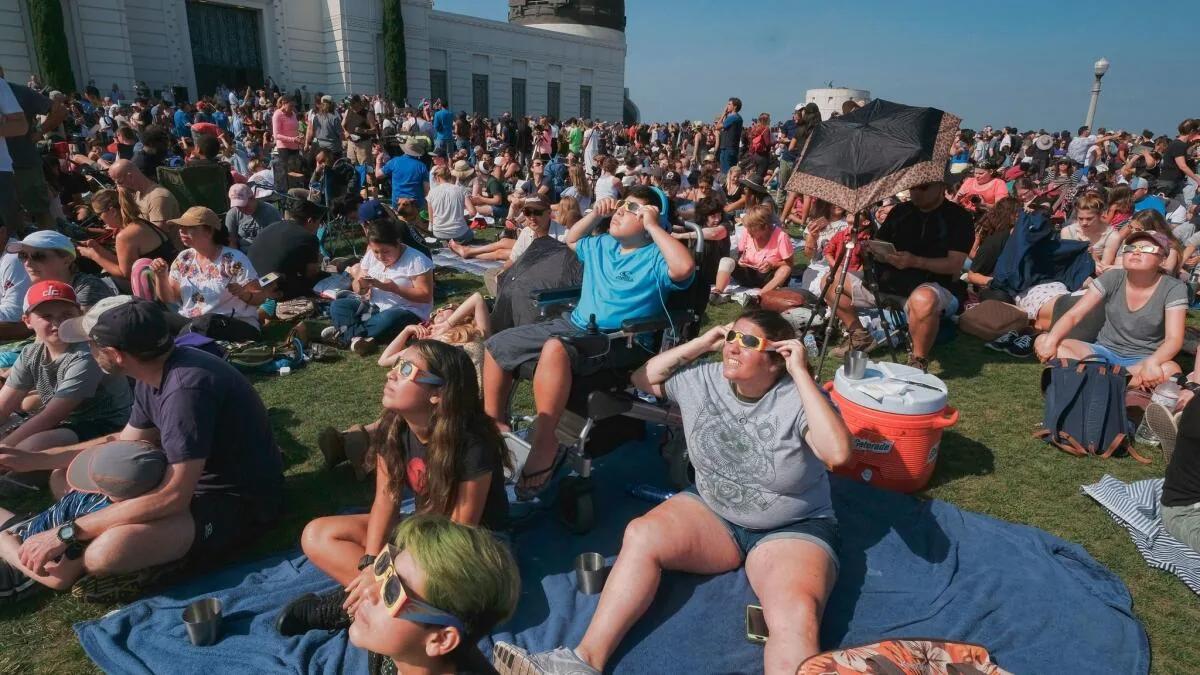
Fuel is measurable; toilet capacity is easier to overlook. A small station may have one customer toilet, and a village café may reserve its facilities for paying guests. Portable toilets at organised events can also develop long queues shortly before totality and immediately afterward.
Plan a proper stop well before arriving at the observing site. Families with children, older travelers and anyone with a medical need should identify accessible facilities rather than assuming a rural pull-off will have them. Carry toilet paper, hand sanitiser, sealable waste bags and enough water for the group—but never leave waste in fields, lay-bys or behind buildings.
Water needs judgment too. Bring enough for the day and traffic delays, particularly in August heat, without stripping a small shop’s shelves for an improbable emergency. NASA’s general eclipse guidance recommends arriving with food and water because shops and restaurants can become much busier than usual. That is self-sufficiency, not panic buying.
An organised viewing event with published toilets, parking and traffic management may be a better family choice than an isolated field with a few extra seconds of totality. The American Astronomical Society treats access, food, water and restrooms as part of site selection alongside duration and weather. Comfort is not separate from eclipse planning; it determines whether your group can stay put safely.
Build a route that still works when traffic stops
Ordinary navigation estimates assume traffic continues moving. Eclipse egress is different: a large audience experiences totality within minutes, then many drivers depart at once. A road that absorbed arrivals over six hours may be asked to release them in one.
Do not schedule a flight, ferry, restaurant booking or long check-in drive immediately after totality. NASA recommends waiting through the final partial phases or lingering longer where it is safe and permitted. In León, for example, NASA lists totality ending at about 8:30 p.m. and the partial eclipse continuing until roughly 9:22 p.m. In Zaragoza and Valencia, the Sun sets before the partial phase has mathematically finished. These are local times, but you should verify current official tables and timezone handling for your coordinates.
The better strategy is often pleasantly simple: eat your packed meal, compare impressions, let children draw what they saw and wait for the first traffic pulse to pass. Never stop on a live carriageway or occupy an emergency lane to watch the eclipse. Park only where access is legal, the ground is suitable and your vehicle will not block residents, farm machinery or emergency services.
Weather mobility should also have limits. A cloud forecast may justify moving the day before or early on eclipse day, but a frantic late dash can leave you in traffic with no safe observing site. Use the decision points in our weather and mobility guide and agree on a firm cutoff time with your group.
A practical vehicle checklist
Prepare this kit before you enter the rural part of the path:
- A full tank or a well-charged electric vehicle, plus a conservative range estimate for congestion and air-conditioning.
- Two confirmed routes that do not depend on the same bridge, junction or village centre.
- Offline maps, saved coordinates and screenshots of the path boundaries.
- Two payment cards, known PINs and a modest cash reserve.
- Drinking water, food for the full group and medication for a longer-than-planned day.
- Toilet paper, hand sanitiser, rubbish bags and any accessibility supplies.
- A charged phone, vehicle charger, power bank and paper contact details.
- Sun protection, evening layers and a torch for packing after sunset.
- ISO 12312-2 solar viewers stored where they will not be bent, wet or scratched.
Tell everyone in the vehicle where the supplies are. Agree on the viewing point, backup point, driver, weather decision time and post-eclipse meeting place before mobile networks become congested. If friends are traveling in separate cars, do not expect a convoy to stay together through every junction; share coordinates and regroup away from pumps and traffic lanes.
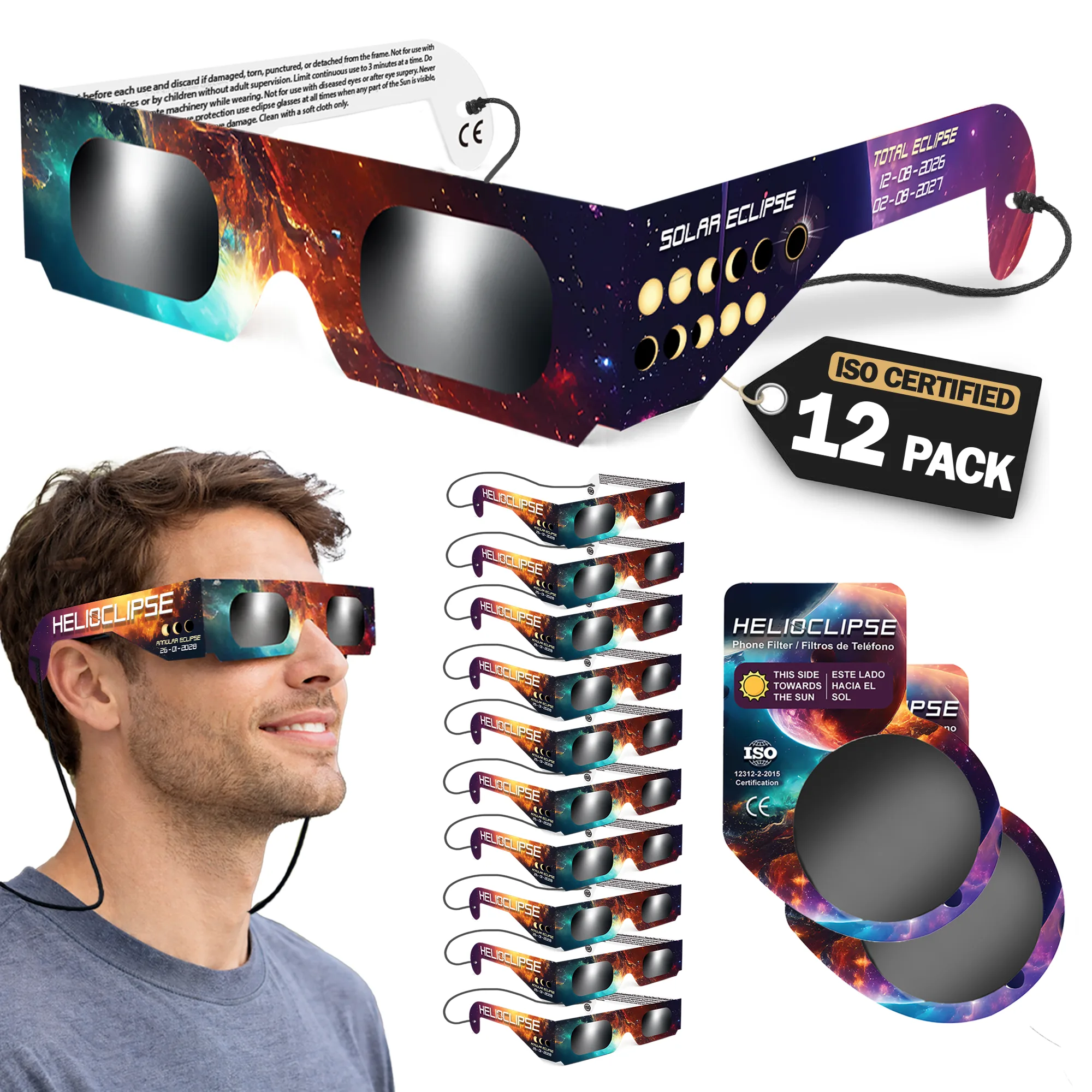
This is also the moment to arrange eye protection. Product wording such as approved solar eclipse glasses or eclipse glasses nasa approved is not proof of safety—NASA does not approve particular viewer brands. A claim such as solar eclipse glasses ISO 12312-2 certified should be supported by trustworthy conformity information, not merely printed in a marketplace title. You can review Helioclipse’s ISO 12312-2 certified eclipse viewers and order early enough to inspect and distribute them before departure.
Protect the moment you traveled to see
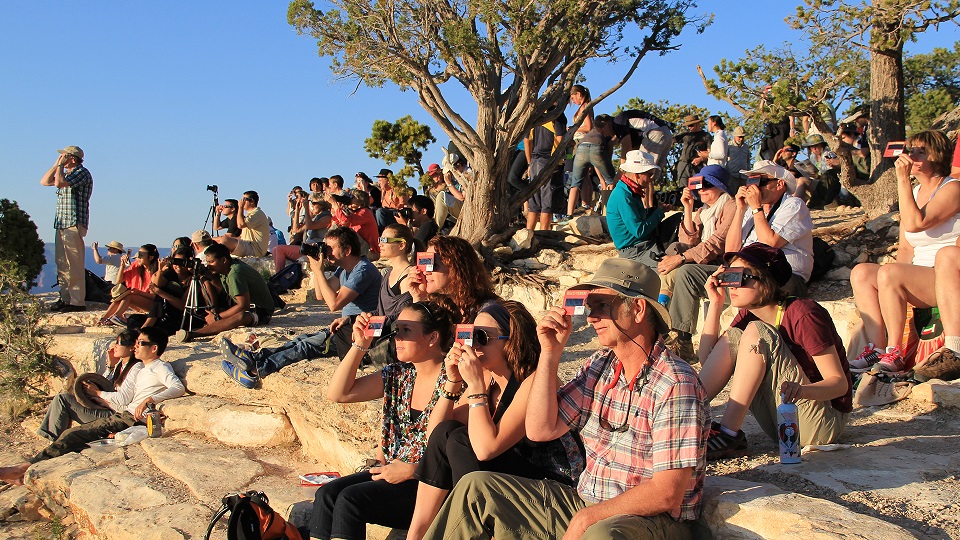
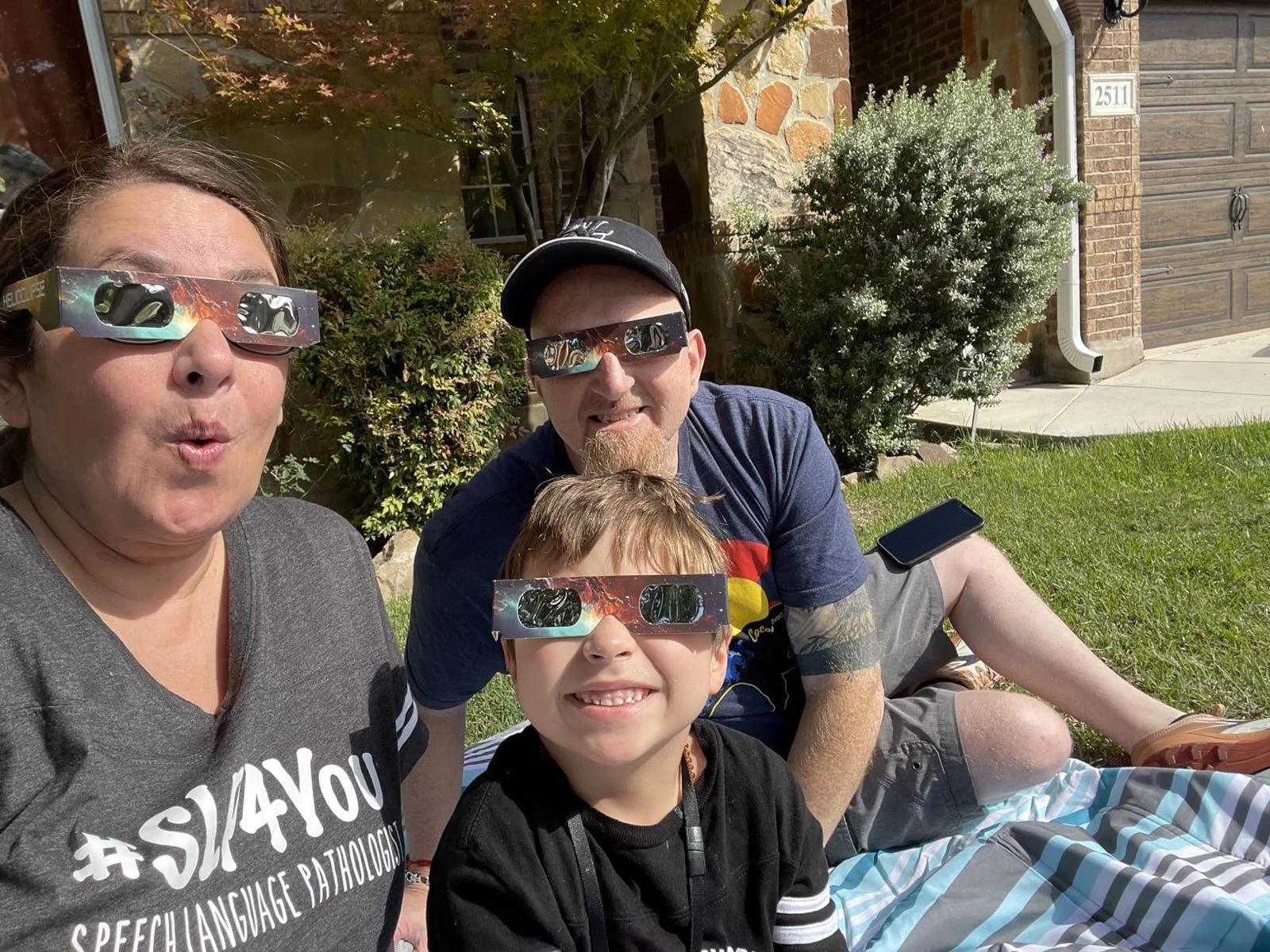
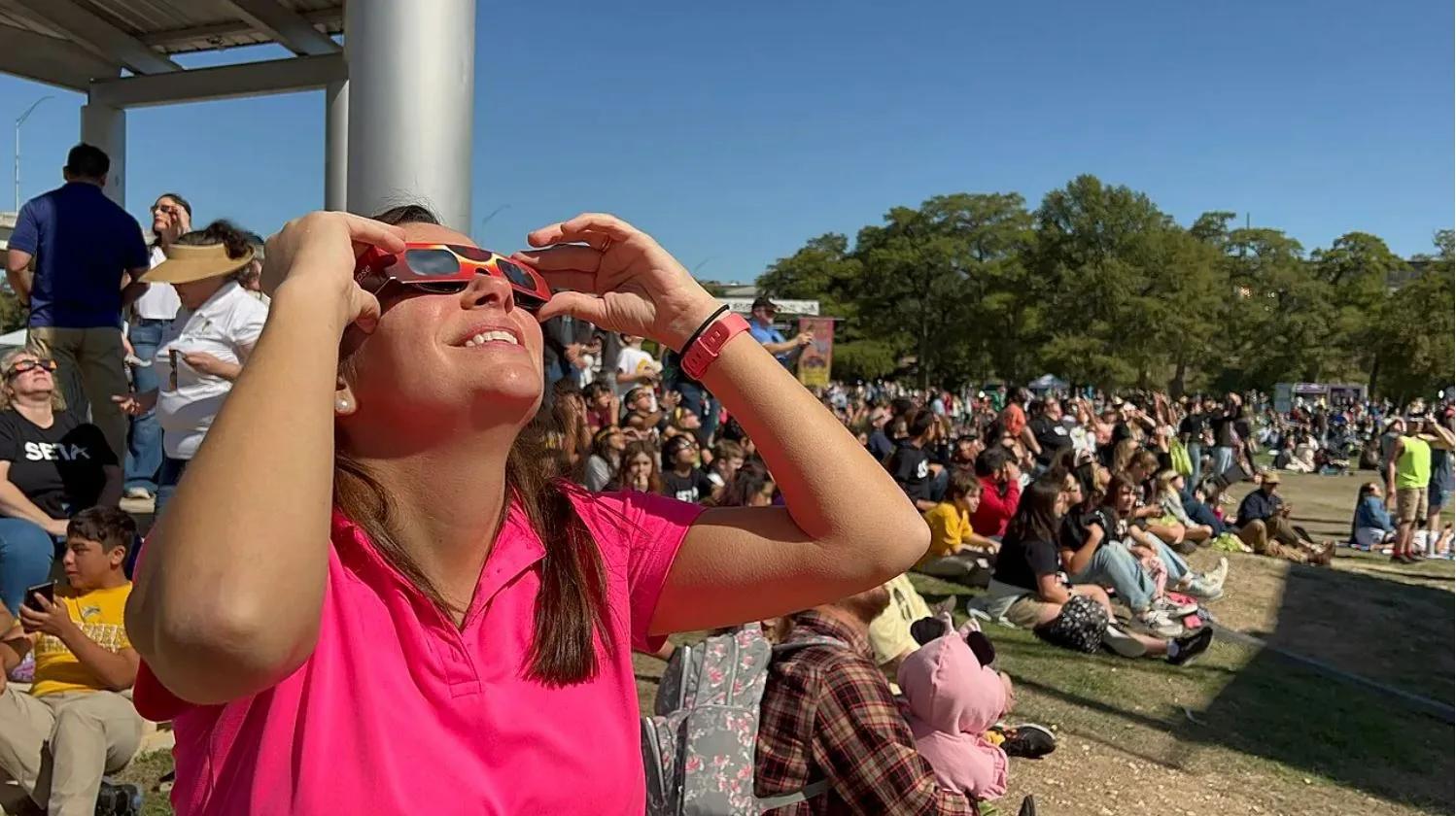
During every partial phase, use proper solar viewers that conform to ISO 12312-2. Ordinary sunglasses are not sufficient. Inspect viewers before the trip and discard any with punctures, tears, scratches or filters separating from their frames. Supervise children, especially when everyone is distracted by parking or traffic.
Only observers confirmed to be inside the path may remove their viewers during the brief interval of totality, when the Moon completely covers the Sun’s bright face. Put them back on as soon as any bright sunlight reappears. Outside the path—including 99% partial locations such as Madrid and Barcelona—there is no safe glasses-off interval.
Never look through binoculars, a telescope or a camera lens while wearing eclipse glasses. Magnifying optics require a correctly designed solar filter secured over the front of the instrument. If you are not already experienced with that equipment, leave it packed and watch with your protected eyes.
Fuel, toilets, and small-town pumps: rural choke points eclipse chasers overlook can consume attention at exactly the wrong time. Solve those problems early, and the final minutes belong to the sky: the light thinning, the western horizon dimming, and the Moon’s shadow arriving across Spain.
YouTooSpain
Frequently asked questions
Should I expect any special payment arrangements at rural fuel stations on eclipse day?
No special payment arrangements are described. However, drivers unfamiliar with a payment terminal can slow the queue, so filling up early may reduce the need to stop during the busiest period.
What should I look for in an eclipse travel-planning map?
A useful map should show whether your observing location is inside the path, your approach and exit roads, and whether you have a clear low western or west-northwest horizon. It should also help identify nearby settlements and at least two possible fuel stops.
How can eclipse-planning tools help with a rural driving trip?
They can help you choose an observing point that combines totality, a clear horizon, and a workable route home. They are also useful for identifying alternate escape routes and fuel options before traffic builds.
Where in Spain will the 2026 solar eclipse be visible?
Totality will cross Spain on the evening of August 12, 2026, while locations outside the totality path may see a partial eclipse. Madrid and Barcelona are just outside totality and are expected to see a 99% partial eclipse, which is still not the same as totality.
Which Spanish cities are expected to experience totality in 2026?
León, Zaragoza, and Valencia are among the cities listed with totality on August 12, 2026. Totality is expected at roughly 8:28–8:30 p.m. in León, 8:29–8:30 p.m. in Zaragoza, and 8:32–8:33 p.m. in Valencia.
On-site next steps
- Open the Helioclipse Eclipse Explorer and check whether each candidate site is inside totality. Note the duration, path-edge distance, western horizon and approach roads.
- Mark a pre-event fuel stop, one genuine backup and a legal place to wait after the eclipse. Confirm toilets and opening hours instead of assuming they exist.
- Read our broader 2026 crowds and backup-plan guide with every driver in your group.
- Order and inspect certified eclipse glasses early, then keep them dry and protected until August 12.
Sources & further reading
- What to Expect: A Solar Eclipse Guide — NASA Science
- A guide to the 2024 eclipse from Astronomy Magazine
- 11 Things to Take With You the Day of the Solar Eclipse — Sky & Telescope
- Eclipse 2024: Getting Your Business Ready — American Astronomical Society
- Spain's total solar eclipse 2026 comes with a catch — Space.com
- Total Solar Eclipse on August 12, 2026 — NASA Science
- Eclipse Viewing Safety — NASA Science
- How to View a Solar Eclipse Safely — American Astronomical Society
- Eclipses — NASA Science
- Solar Eclipse Climate & Weather Data — American Astronomical Society