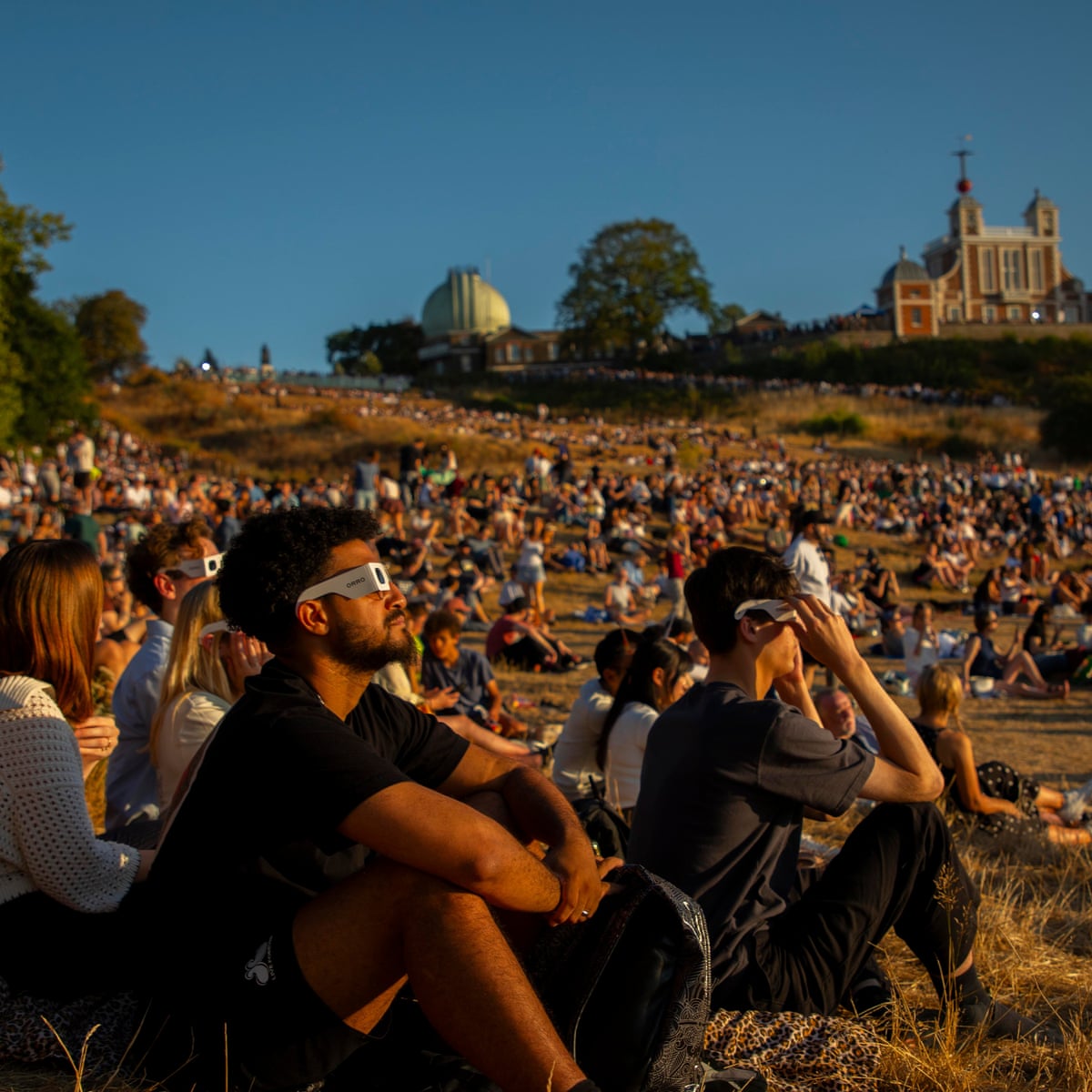
Kids, heat, and six minutes of totality: a desert-day viewing plan that stays safe
On 2 August 2027, the sky over Luxor, Egypt, will darken around lunchtime, and the Sun’s wispy outer atmosphere will come into view for more than six minutes. If you’re bringing kids, plan for two things before you pick a viewing spot: eclipse glasses they can use safely and a cool room they can get back to quickly. August temperatures in Luxor can exceed 40°C (104°F), and six minutes of totality doesn’t mean six minutes outdoors unless you plan it that way.
Start by dropping a pin on the exact courtyard, terrace, or hotel grounds you’ll use in our Eclipse Explorer map. Then find the nearest air-conditioned room you’ll actually have access to. Those two locations matter more to a family than a few extra seconds on the centerline.
Pick a viewing spot, not just a city
Luxor, Egypt: Expect about 6 minutes 20 seconds of totality, depending on your spot, with the middle of the eclipse around 1 p.m. local time (about 10:00 UTC). The partial phases stretch the whole event to nearly three hours. You can catch a few filtered glimpses, go back inside for lunch or a nap, and step out again shortly before totality. NASA’s path tables put the longest totality in this part of Egypt at about 6 minutes 23 seconds. Near the centerline east of Luxor, the Sun will be roughly 82° above the horizon. Check that an awning or roof overhang doesn’t block that steep upward view. Our Luxor eclipse guide goes deeper on choosing a spot in the city.
Jeddah and the Saudi Red Sea coast: Jeddah is inside the totality band, with the deepest shadow passing through the region around 10:20–10:26 UTC (1:20–1:26 p.m. Saudi time). NASA’s nearby centerline figures are about 6 minutes 14 seconds to 6 minutes 18 seconds; those are regional benchmarks, not a duration or countdown for your hotel. Check the map pin for your venue’s start and end of totality. August heat can also reach or exceed 40°C in parts of western Saudi Arabia, and coastal humidity can make it harder to cool off even when the thermometer reads lower.
The map also tells you when the plan has to change. Aswan is south of the totality band: you can watch a partial eclipse there, but there is no glasses-off moment. If an itinerary says “Aswan-based,” ask where you’ll actually be at maximum eclipse. A city on the booking confirmation isn’t a viewing location.

Build your day around cooling breaks
In 40°C heat, shade helps, but it isn’t a substitute for air conditioning. Choose a base with seats, toilets, safe drinking water, and a short route to a cooled room. Walk that route before eclipse day if you can. A lobby across a crowded car park or down two flights of stairs may not be the quick retreat it looked like on the venue map.
- Before you go out: Check the local heat and dust forecast and any official warnings. Fill water bottles, pack hats and lightweight clothing, and use age-appropriate sunscreen. Set a time to go back inside rather than waiting for a child to ask.
- During the partial phases: Offer older kids water regularly, keep running and games for indoors, and make each outdoor look brief. The Moon moves slowly enough that a child can go in for a snack and come back to a noticeably different crescent.
- Before totality: Give one adult the job of tracking the contact times for your exact spot and another, if available, the job of keeping an eye on the kids. Check the return route and agree that anyone can head inside without waiting for the group.
- If someone feels unwell: Head somewhere cool right away for headache, dizziness, nausea, cramps, or unusual tiredness. Cool the child and offer sips of water if they’re fully alert and able to drink. Confusion, collapse, a seizure, or trouble waking can signal heat stroke: call local emergency services immediately and start cooling while help is on the way.
The light can change dramatically during totality, but don’t count on those few minutes to cool anyone down. If you can’t guarantee a quick retreat, or if local heat warnings make going out inadvisable, watch a livestream from indoors. Make that decision before the countdown starts, when it’s easier to follow through.
Eclipse glasses for kids in desert heat: fit first, then practice
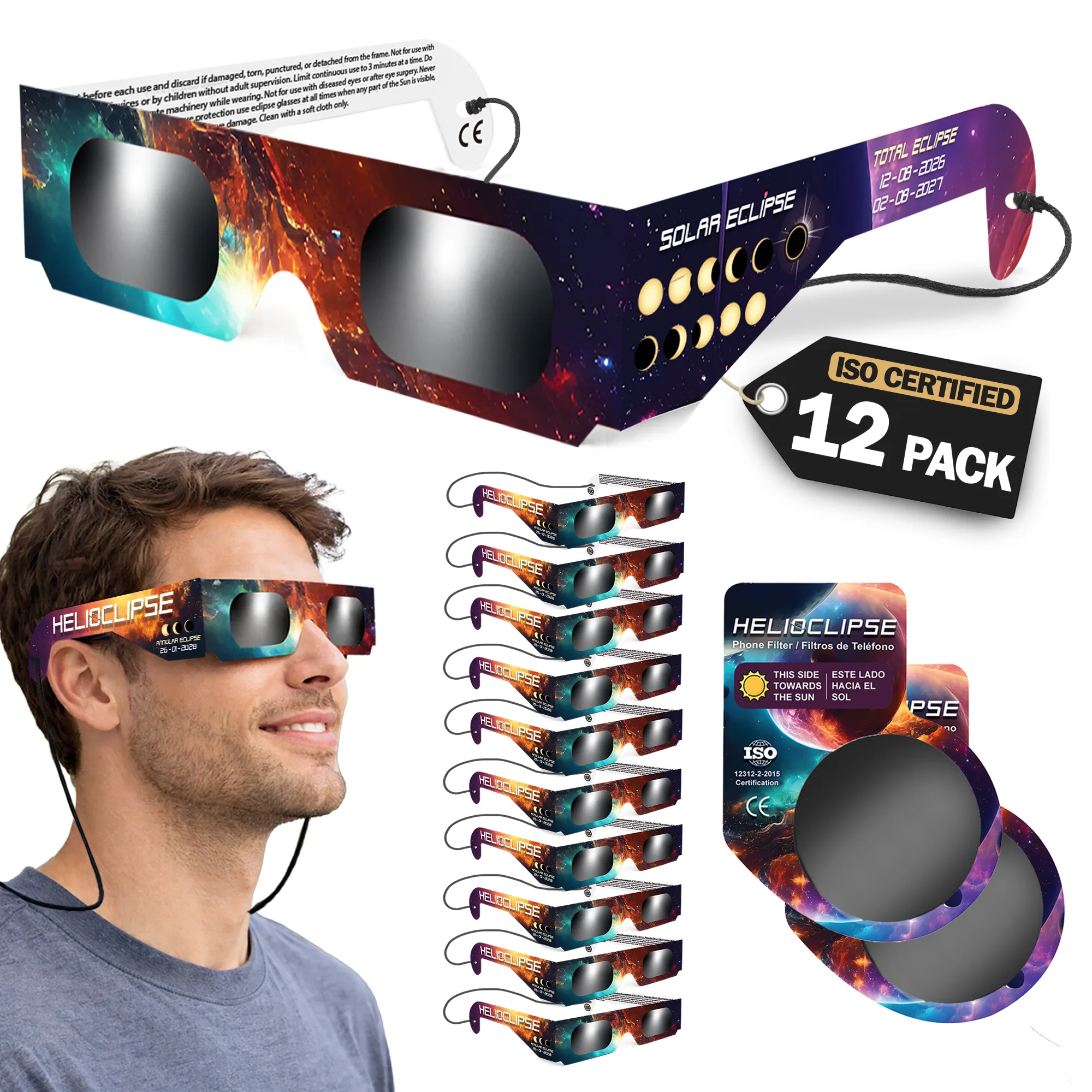
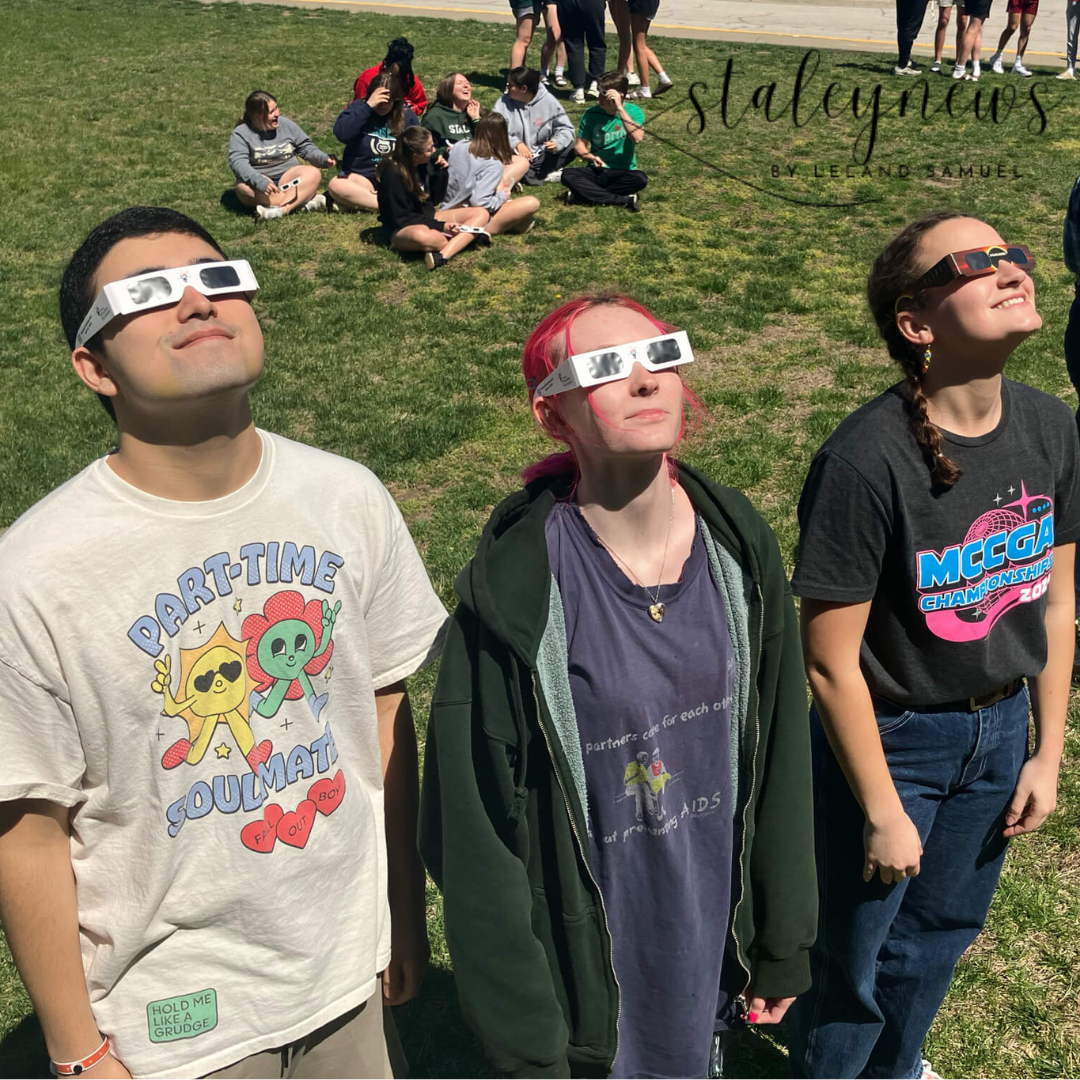
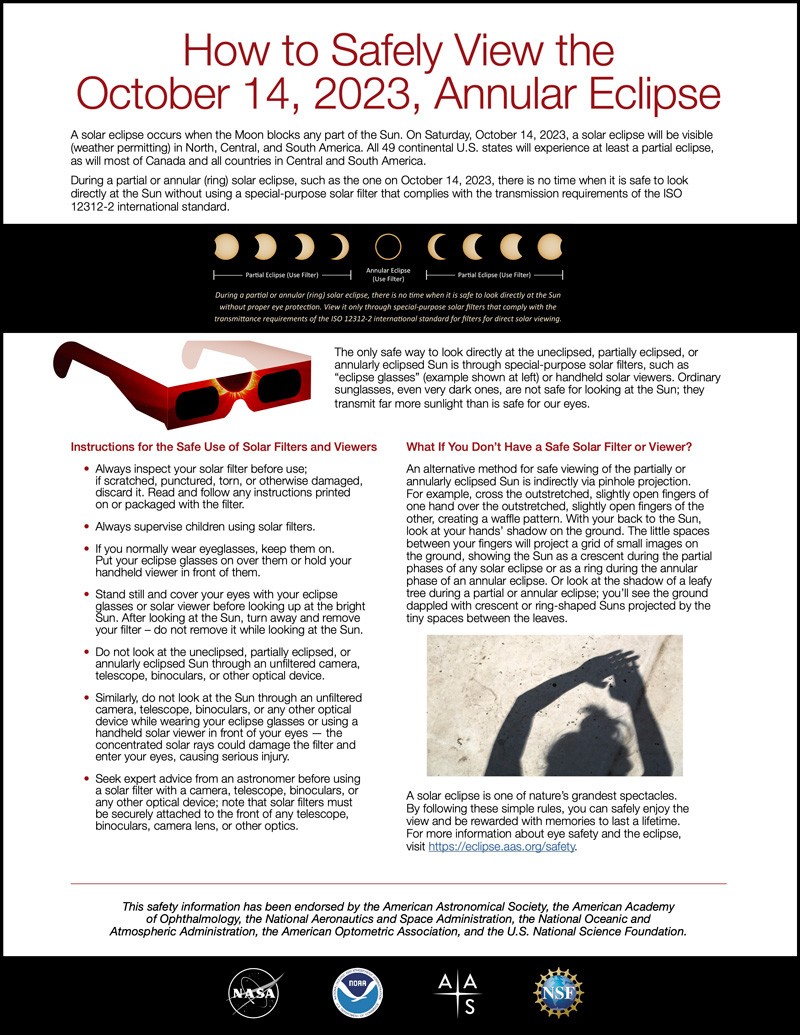
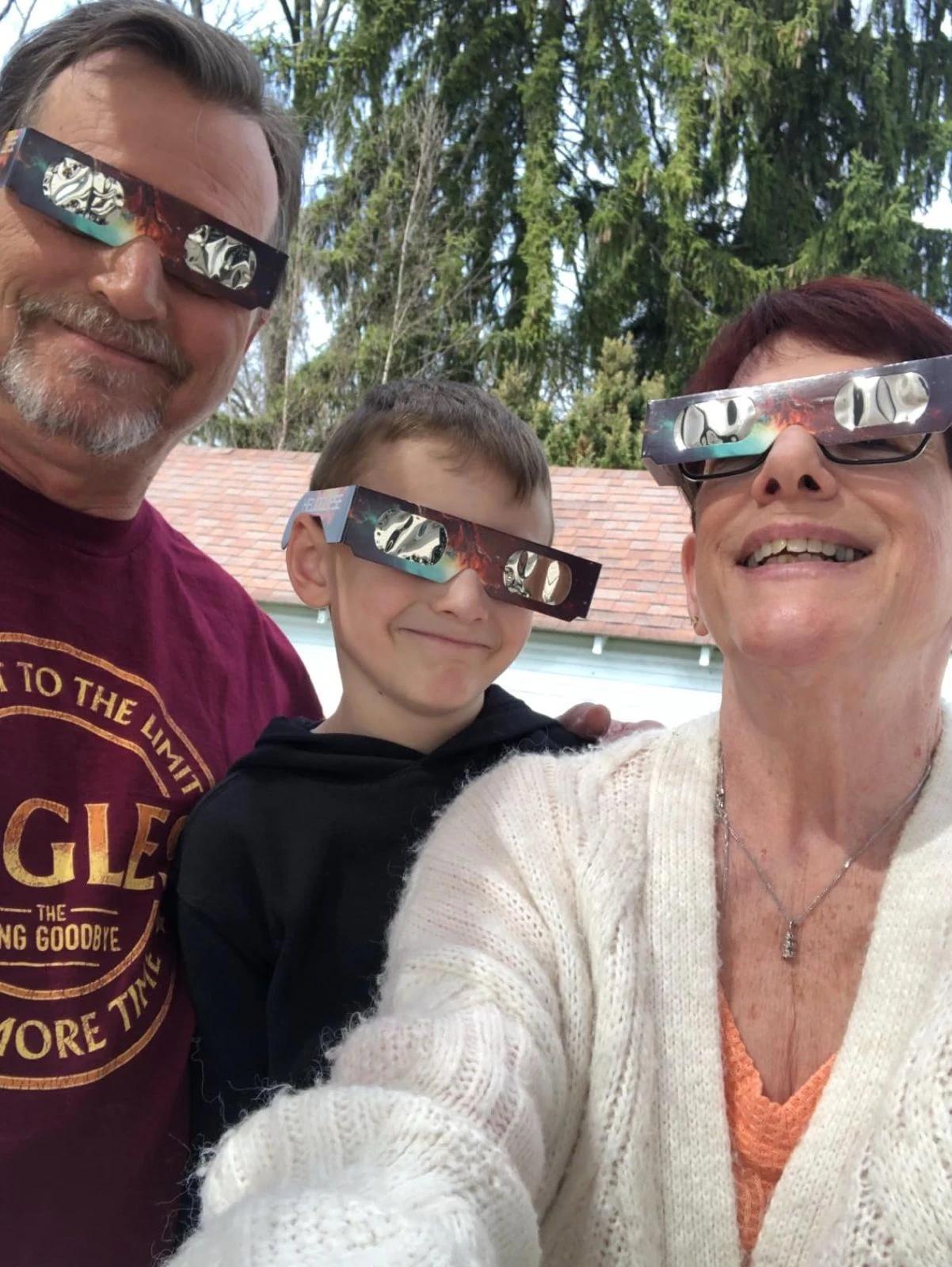
Choose direct solar viewers from a trusted supplier that meet ISO 12312-2. The filter, often a specialized film mounted in a frame, does the protective work; the cardboard and the words “kids’ size” don’t. Try the fit indoors with your child standing still and tilting their head back. If the frames slide, leave a gap they can peek through, or won’t sit securely over their prescription glasses, switch to indirect viewing. Ordinary sunglasses, however dark, are not a substitute, and NASA does not approve brands of eclipse glasses.
If you saved your child’s glasses from the April 2024 eclipse, they aren’t necessarily too old to use. Reuse them only if you know they came from a trustworthy supplier, they meet the standard, and the filters and frames are still sound. Discard a viewer if the film is scratched, punctured, torn, or coming loose. On a hot, dusty day, keep spares in a clean, dry envelope away from water bottles and damp cooling towels. Don’t wet-clean cardboard viewers or leave them baking on a dashboard.
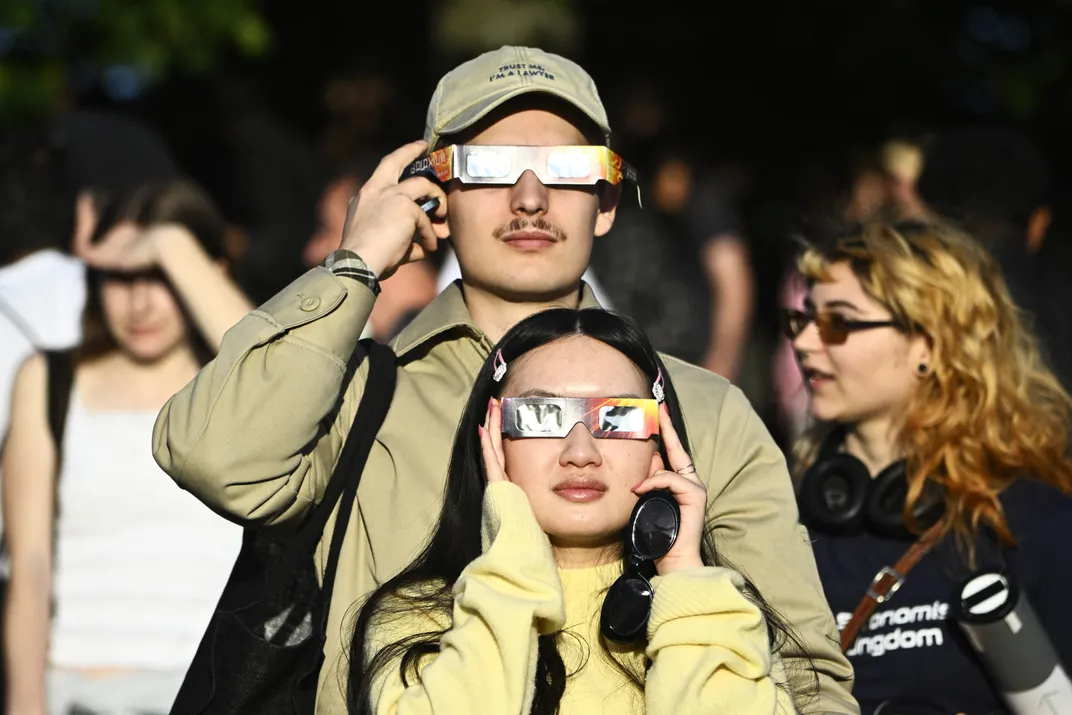
The most useful trick isn’t a craft: it’s a routine you can rehearse before the trip. Stand still, cover your eyes, then look up. Look down or turn away before taking the viewer off. Stay close enough to supervise every look. A paper-plate mask can be a fun decoration, but it isn’t a solar filter and won’t fix glasses that slip. Don’t cut, puncture, or otherwise alter the filters. And don’t combine eclipse glasses with binoculars, telescopes, or camera viewfinders: magnifying optics need their own purpose-made front-mounted solar filters and expert guidance.
Give babies and restless toddlers a different way to join in
A baby doesn’t need to see the Sun. For infants, the simplest plan is to stay somewhere cool with a caregiver, keep normal feeds available, and watch the livestream if you want to share the moment. Don’t drape a blanket over a stroller to make shade; it can trap heat. A fully breastfed baby under six months doesn’t need extra water and may want to feed more often in hot weather. For a formula-fed infant under six months, ask your child’s clinician about hot-weather feeding before you travel, and never dilute formula. From around six months, babies who have started solids can usually have sips of safe drinking water with meals alongside their usual milk feeds.
For a toddler who pulls off the glasses or a child who simply prefers not to wear them, try a pinhole projection. With the Sun behind you, hold a colander or a card with a small hole so it casts sunlight onto a pale sheet of paper or a plain paper plate. Watch the little crescents on the surface, never through the holes. Let the child count the crescents or draw their changing shape. If they keep turning toward the Sun, take the activity indoors and switch to a screen.
The projection won’t show the corona during totality. If you’re inside the path and conditions are comfortable, kids can still watch how the ground and surroundings darken without looking at the Sun. Give them a job: notice when the courtyard lights come on, or tell you what color the sky is near the horizon. They don’t have to look up to have their own eclipse story.
Make the glasses-off moment an adult decision
During every partial phase, use a safe solar viewer for any direct look at the Sun. Even a very thin crescent is too bright to view without protection. For unaided viewing inside the path of totality, glasses may come off only after the Moon has completely covered the Sun’s bright face and you’ve confirmed totality at your location. Don’t take darkness, haze, or a cheer from the crowd as your cue. If you aren’t sure, keep the viewers on or look away.
Set an alert ahead of the predicted end of totality and give kids a clear signal to look down and put their viewers back on before any bright sunlight returns. Nobody needs to watch right up to the last second. If a child can’t reliably follow both cues, stick with their indirect or indoor plan. Share our glasses-on, glasses-off guide with the other adults so everyone uses the same instructions.
Ask what the booking actually guarantees
Whether your 2027 solar eclipse trip is built around an Egyptian eclipse festival or a tour package, ask for the coordinates of the observing area and the door you’ll use to get back into air conditioning. At a festival, find out whether you can leave and re-enter, where the toilets and medical team will be, and whether shaded seating is available without a long queue. For a coach tour, ask if the vehicle will be available and cooled during the event, not just for the ride back.
If you’re comparing a Nile cruise with a 2027 solar eclipse cruise at sea, including a Princess itinerary, ask where the ship expects to be at totality, what happens if that position changes, and whether your family can go straight from the viewing deck to a cool indoor space. A breeze on deck doesn’t replace shade, water, or a way to leave early. Get the answers before booking, then send one message to your group with the viewing pin, the cool-room meeting spot, and who’s bringing the spare viewers.

Frequently asked questions
What kind of glasses should I bring for my kids to watch the eclipse?
Bring eclipse glasses your children can use safely for brief, filtered views during the partial phases. The excerpt does not specify a certification standard or explain how to check the glasses.
Why do we still need eclipse glasses when the Sun is mostly covered?
A mostly covered Sun is still a partial eclipse, so use eclipse glasses for direct viewing. In Aswan, where the eclipse never becomes total, there is no glasses-off moment.
Can we make our own eclipse glasses at home?
The excerpt does not provide instructions for making eclipse glasses or a way to verify a homemade pair. For your family’s viewing plan, bring eclipse glasses your kids can use safely rather than relying on a homemade pair.
When can my kids watch the eclipse without glasses?
For direct viewing, take eclipse glasses off only during totality and put them back on when it ends. Check the start and end times for your exact viewing spot, since a nearby city’s timing may not match your venue’s.
What makes the August 2027 eclipse worth planning a family trip around?
On August 2, 2027, Luxor will get about 6 minutes and 20 seconds of totality around 1 p.m. local time, depending on your exact spot. With August temperatures that can exceed 40°C (104°F), you can spend much of the nearly three-hour eclipse indoors and step outside shortly before totality.
On-site next steps
Order certified solar eclipse glasses from Helioclipse early enough to practice at home. Count the adults and children who’ll use eclipse viewing glasses, and pack a spare in case a pair gets damaged or goes missing. For anyone who can’t use a viewer reliably, put the projection kit or livestream on the plan now so it feels like part of the day, not a last-minute consolation.
Sources & further reading
- NASA GSFC: Path of the Total Solar Eclipse of 2027 Aug 02 — centerline durations, path limits, and Sun altitude.
- Space.com: 10 things that worry me about chasing the 2027 total solar eclipse in Egypt — Luxor timing, heat, and venue logistics.
- Space.com: Eclipse experts’ best travel tips for the total solar eclipse 2027 — regional comparisons and weather considerations.
- Sky & Telescope: Activities for Kids Before and During the Solar Eclipse — projection and other family activities to try before eclipse day.
- American Astronomical Society: How to View a Solar Eclipse Safely — supervision, viewer care, and safe use.
- American Astronomical Society: Indirect Solar Viewing: Pinhole & Optical Projection — how to watch a projected image safely.
- American Astronomical Society: About the ISO 12312-2 Standard for Solar Viewers — what the standard covers and how it differs from ordinary sunglasses standards.
- NASA: Eclipse Viewing Safety — eye protection by phase and sun protection for skin.
- NHS: Drinks and cups for babies and young children — feeding and hydration by age.
- CDC: Heat and Health — preventing and recognizing heat-related illness.