Binoculars and telescopes during the 2027 eclipse: where the filter belongs
If you’re bringing binoculars or a telescope to the August 2, 2027 solar eclipse, the most important part of the setup is where you put the solar filter: on the Sun-facing front of the instrument, never at the eyepiece. A properly filtered instrument can give you a close-up of the Moon’s silhouette crossing the Sun. But eclipse glasses won’t protect you if you wear them while looking through unfiltered binoculars or a telescope.
Before you pack any gear, pin your exact viewing spot in our Eclipse Explorer map. Your location determines whether the Sun’s bright face ever disappears completely. If you’ll see only a partial eclipse, there’s no point during the event when you can take the filter off and keep watching.
Where the solar filter goes on binoculars and telescopes in 2027
The objective end is the end that faces the Sun, opposite the eyepiece. On an ordinary telescope, a purpose-made solar filter for visual observing must sit securely over the front opening, with no path for unfiltered sunlight into the tube. On ordinary binoculars, there are two separate light paths: both front lenses need secure, properly fitted solar filters. Filtering one barrel doesn’t protect the eye looking through the other.
Check the finder, too. That little scope mounted on the side of a telescope can collect and concentrate sunlight independently of the main tube. Remove it, securely cap its Sun-facing opening, or equip it with its own suitable front-mounted solar filter. Don’t use an unfiltered finder to aim at the Sun, even for a moment.
This is the placement rule the American Astronomical Society (AAS) gives for solar filters on optics: intercept the sunlight before the instrument gathers and focuses it. A front filter should stay put if someone brushes the tripod or a gust catches the setup. If it shifts or comes loose, stop observing and point the instrument away from the Sun before adjusting anything.
Why eclipse glasses can’t protect you behind unfiltered optics
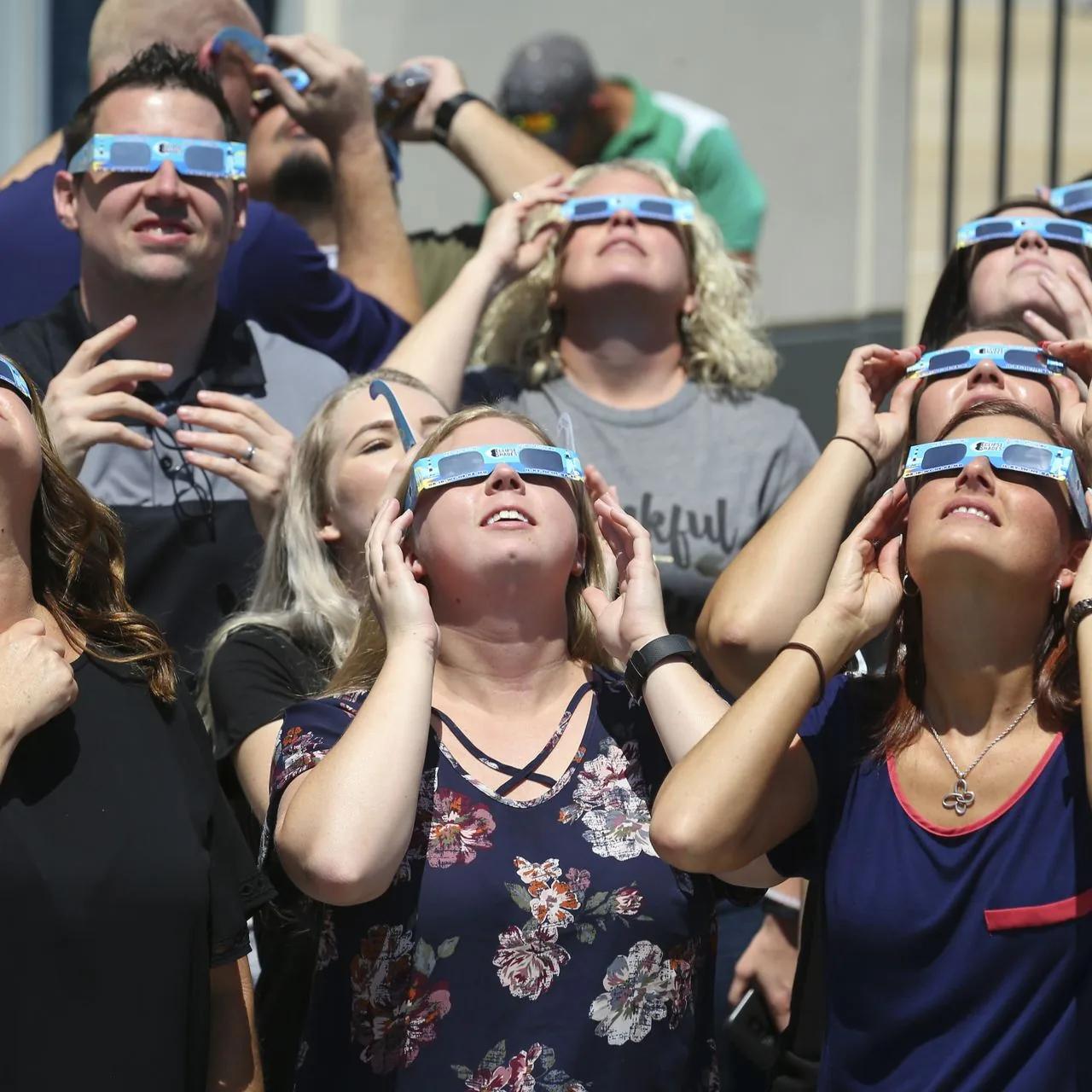
A telescope or binocular objective gathers sunlight and brings it to a focus inside the instrument. By the time that light reaches the viewing end, it can be intense enough to damage an eclipse viewer or crack an old screw-in eyepiece solar filter. Either failure can expose your eye to concentrated sunlight and cause serious injury. That’s why neither wearing eclipse glasses at the eyepiece nor threading a solar filter into it is a safe workaround.
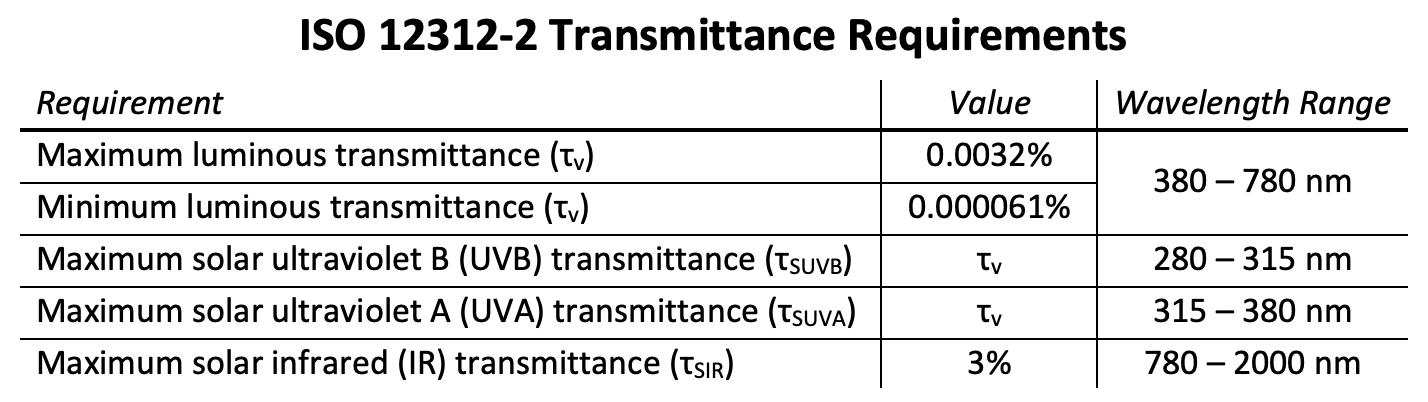
ISO 12312-2 applies to nonmagnifying direct-view products such as eclipse glasses and handheld solar viewers. It does not certify front-mounted filters for telescopes or binoculars, and it doesn’t make glasses safe to use as instrument filters. If you want to see what the label does tell you, our guide to ISO 12312-2 and eclipse viewers walks through the distinction.
What to check before buying a solar filter for your instrument
The best solar eclipse filter for your binoculars or telescope is one explicitly made for visual solar observing that fits your particular instrument and attaches securely. Check the maker’s sizing instructions: a slip-on filter may be sized to the outside diameter of the front housing, not the diameter printed on the optics. For binoculars, confirm that the purchase covers both barrels; a listing may be for a single filter. If you can’t verify the intended use or fit, ask an experienced solar observer or astronomy club before pointing the instrument at the Sun.
When comparing prices, compare complete setups. A ready-mounted film filter is often a lower-cost option than a glass filter, and a binocular setup may require buying two matching units. A higher price or a pleasing tint doesn’t tell you whether a filter is suitable for your optics. Start with the manufacturer’s stated use, the mounting design, and the correct size, then compare prices for the options that meet those checks.
Skip homemade filters and improvised substitutes: don’t cut up eclipse glasses, layer sunglasses, or use an ordinary photographic neutral-density filter. If you’re bringing a camera with a telephoto lens, it needs a purpose-made solar filter secured over the front of the lens during the partial phases. Don’t assume a filter sold for solar imaging is also safe for visual use through an eyepiece. If you can’t verify your equipment before eclipse day, leave the magnifying optics packed and enjoy the view with certified eclipse glasses instead.
Your observing spot determines whether there’s a filter-off window
What makes the August 2 eclipse special is how long the Moon will cover the entire bright face of the Sun along part of its path: up to about 6 minutes 23 seconds near Luxor, Egypt. Luxor itself is forecast to get about 6 minutes 19 seconds of totality, with maximum eclipse around 1:02 p.m. local time (EEST). In Tarifa, Spain, expect about 4 minutes 39 seconds of totality, with maximum around 10:45 a.m. local time (CEST). Madrid, by contrast, will see roughly 86% of the Sun’s visible disk covered at maximum, but no totality at all. From Madrid, both objective filters and direct-view solar viewers stay in use whenever you look at the eclipse.
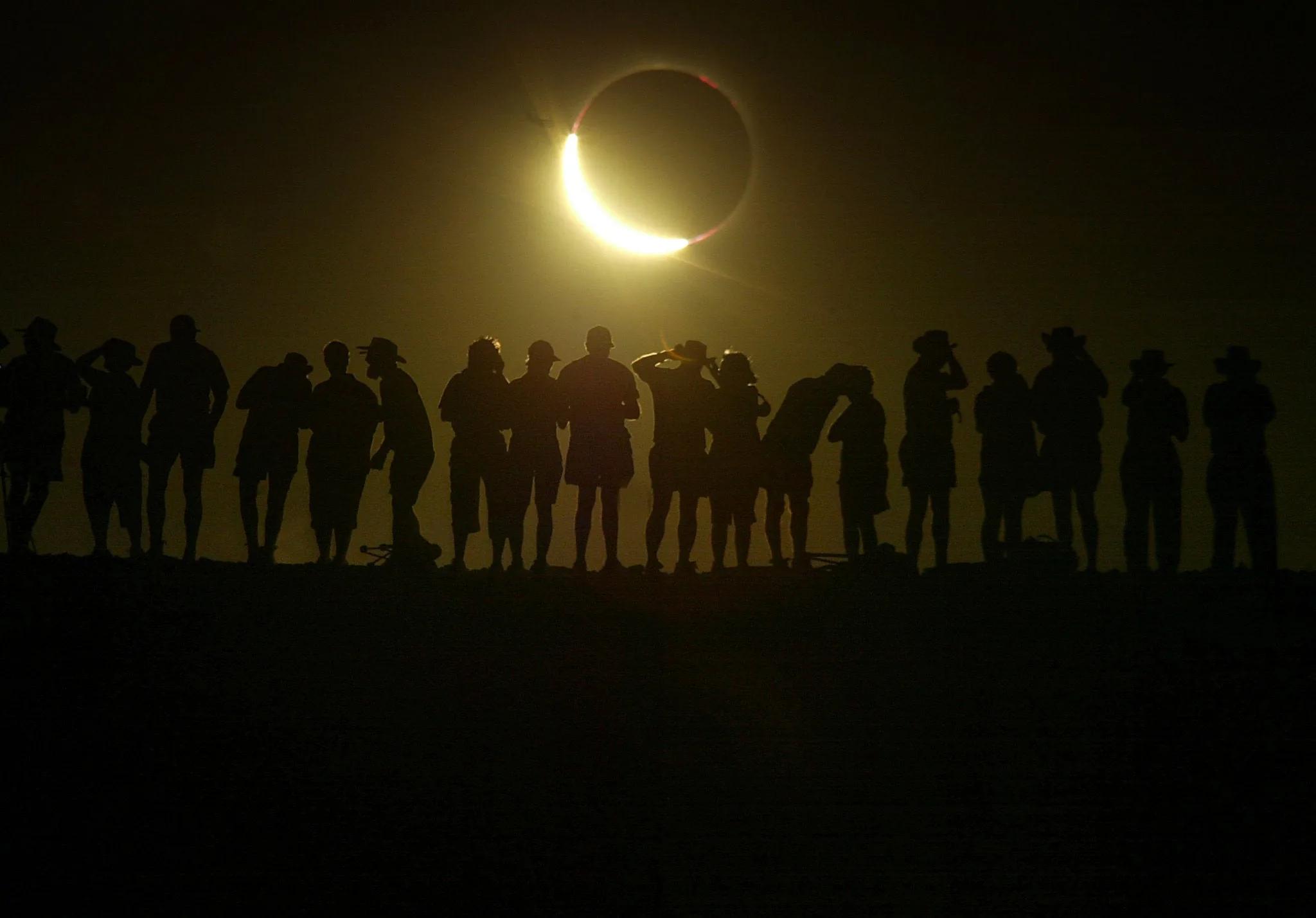
Inside the path of totality, the first and last slivers of bright Sun still count as partial eclipse. Darkness, cloud cover, or a rough countdown isn’t a cue to remove protection. For unmagnified viewing, take off your glasses only after the Sun’s bright face is completely covered, and put them back on before it reappears. Check the start and end of totality for your exact site, not just the time of maximum eclipse. If you’re unsure whether totality has started, keep your glasses on. Our glasses-on, glasses-off phase guide explains what to expect at each transition.
For a first eclipse, we recommend leaving the instrument filters in place and stepping away from the eyepiece for totality. Once the bright face is fully covered, look up without magnification: you’ll be able to take in the corona and the changing sky around it without spending those minutes handling equipment. If you’re considering unfiltered magnified viewing during totality, get hands-on guidance from an experienced solar observer ahead of time. You need a rehearsed plan to restore both filters on binoculars or the front filter on a telescope before any bright sunlight returns. And if you’re planning for the February 6, 2027 annular eclipse as well, remember that its bright ring never disappears: there is no filter-off window.

Rehearse the setup before you invite everyone to look
With the instrument pointed away from the Sun, inspect each filter for damage or a loose mount and check that it’s secure according to the manufacturer’s instructions. Deal with the finder before you aim the main tube. If a filter is scratched, punctured, torn, or otherwise damaged, don’t use it. At a family or school event, put one adult who knows the setup in charge of the instrument and supervise children using solar viewers. The time to settle who’s allowed to move the telescope is before there’s a line at the eyepiece.
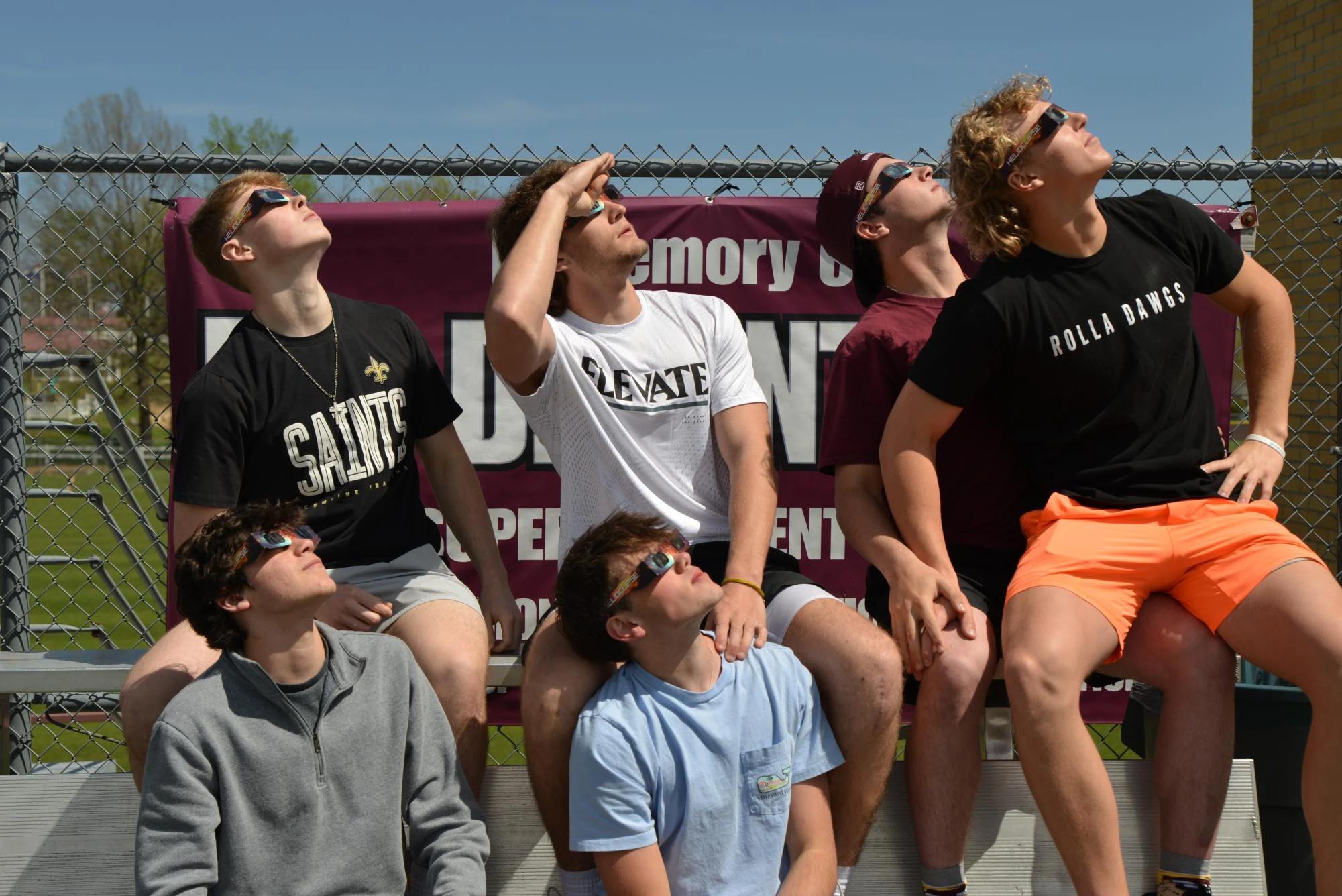
Give everyone a way to follow the eclipse without the telescope, too. Send your group the viewing location and local schedule early, and sort out certified viewers before the trip. A few brief looks through eclipse glasses, spaced several minutes apart, are enough to see how far the Moon has moved. If someone doesn’t have a safe viewer, look down instead: gaps between leaves can project dozens of crescent Suns onto the ground. Watch the projected shapes, not the Sun through the gaps.
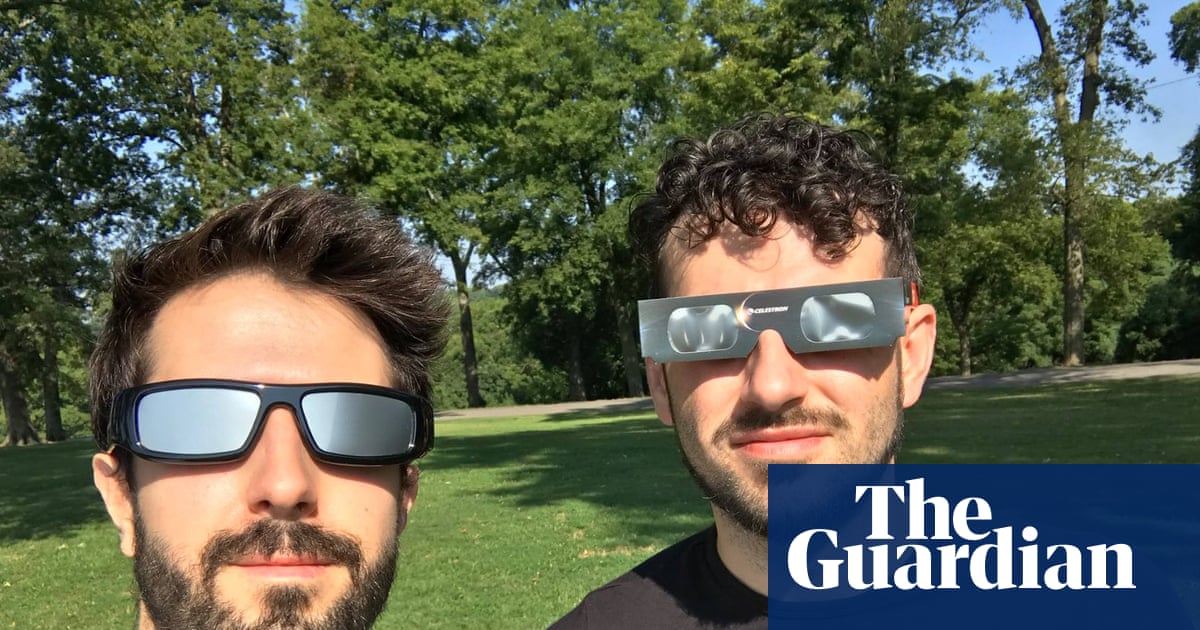
When buying glasses, verify the supplier and the specific product rather than relying on a printed standard number or a marketplace badge alone. The AAS Solar Eclipse Task Force maintains a supplier list as a buying reference; a claim that glasses are “AAS approved” isn’t a substitute for checking the product’s provenance. NASA does not approve particular brands of solar viewers.
Smart eclipse chasers will bring these items on August 2, 2027
Nebula Photos
Frequently asked questions
What should I look for in a telescope filter for the 2027 solar eclipse?
Choose a purpose-made solar filter for visual observing that fits securely over the Sun-facing front opening of your telescope. It should leave no gaps for unfiltered sunlight, and it must never go at the eyepiece.
Is it safe to make a solar filter for my telescope at home?
Use a purpose-made solar filter for visual observing rather than improvising one. It must fit securely over the Sun-facing opening, and eclipse glasses are not a substitute for an instrument filter.
Can I use the same kind of solar filter on my camera as on my telescope?
The excerpt doesn’t specify which solar filter to use on a camera. Its guidance is for visual observing through telescopes and binoculars: use a purpose-made solar filter at the Sun-facing front, not at the eyepiece.
How can I find out whether the August 2, 2027 eclipse will be total where I’m watching?
Check your exact viewing spot on an eclipse map to see whether the Sun’s bright face will disappear completely there. If your location will see only a partial eclipse, keep the solar filters on your binoculars or telescope throughout the event.
What kind of eclipse glasses should I use to look directly at the Sun?
For direct viewing without magnification, use eclipse glasses that meet ISO 12312-2. Never rely on them to protect your eyes while looking through unfiltered binoculars or a telescope.
On-site next steps
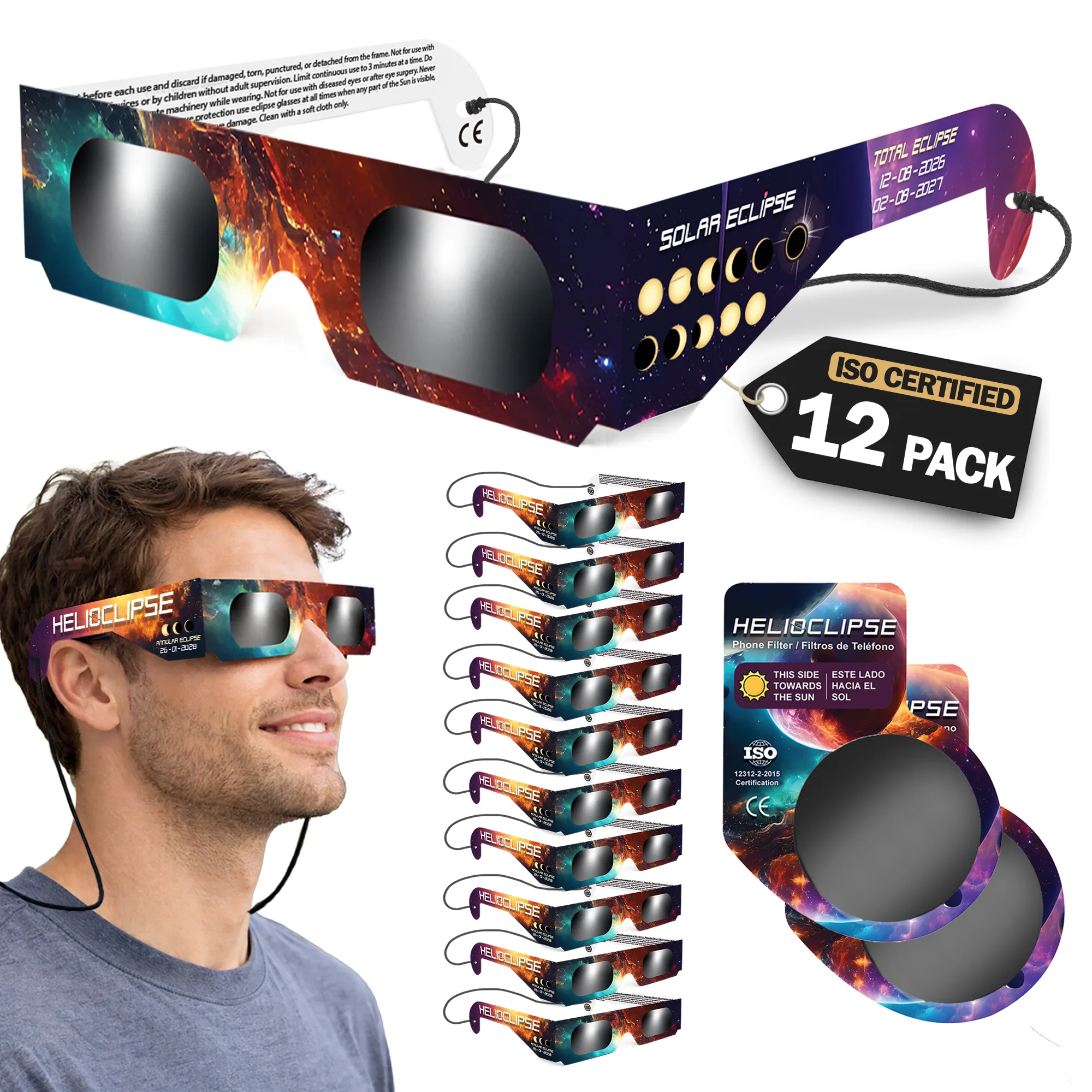
If you’re organizing a group, count how many people will need eclipse viewing glasses and order early enough to check them before you travel. Our certified solar eclipse glasses meet ISO 12312-2 and are for unmagnified viewing only. If you’re bringing binoculars or a telescope, plan separately for front-mounted filters made for that instrument.
Sources & further reading
- American Astronomical Society: Solar Filters for Optics: Telescopes, Binoculars & Cameras
- B. Ralph Chou: Solar Eclipse Eye Safety
- Astronomy Magazine: How to observe the Sun safely during a solar eclipse
- Sky & Telescope: How to Safely See a Solar Eclipse
- Space.com: Total solar eclipse 2027 — Everything you need to know about the ‘eclipse of the century’
- American Astronomical Society: How to View a Solar Eclipse Safely
- American Astronomical Society: About the ISO 12312-2 Standard for Solar Viewers
- NASA Science: Eclipse Viewing Safety
- American Astronomical Society: Eclipse Basics
- NASA Science: Future Eclipses