Unsafe shortcuts that keep showing up before eclipses (and what to do instead)
Every time a big eclipse approaches, the same rumors come back with it. Someone says sunglasses are fine. Someone else swears a phone camera will protect your eyes. A relative remembers smoked glass, exposed film, or a trick they used once as a kid. Then the internet adds a fresh layer of confusion with counterfeit products, mislabeled filters, and recycled posts from older events.
That is why guides framed around solar eclipse myths 2024, solar eclipse myths unsafe methods, or even a solar eclipse myths unsafe methods 2026 guide still matter. The bad advice changes costume, but the underlying problem does not: people underestimate how dangerous direct sunlight is when you are tempted to stare at it.
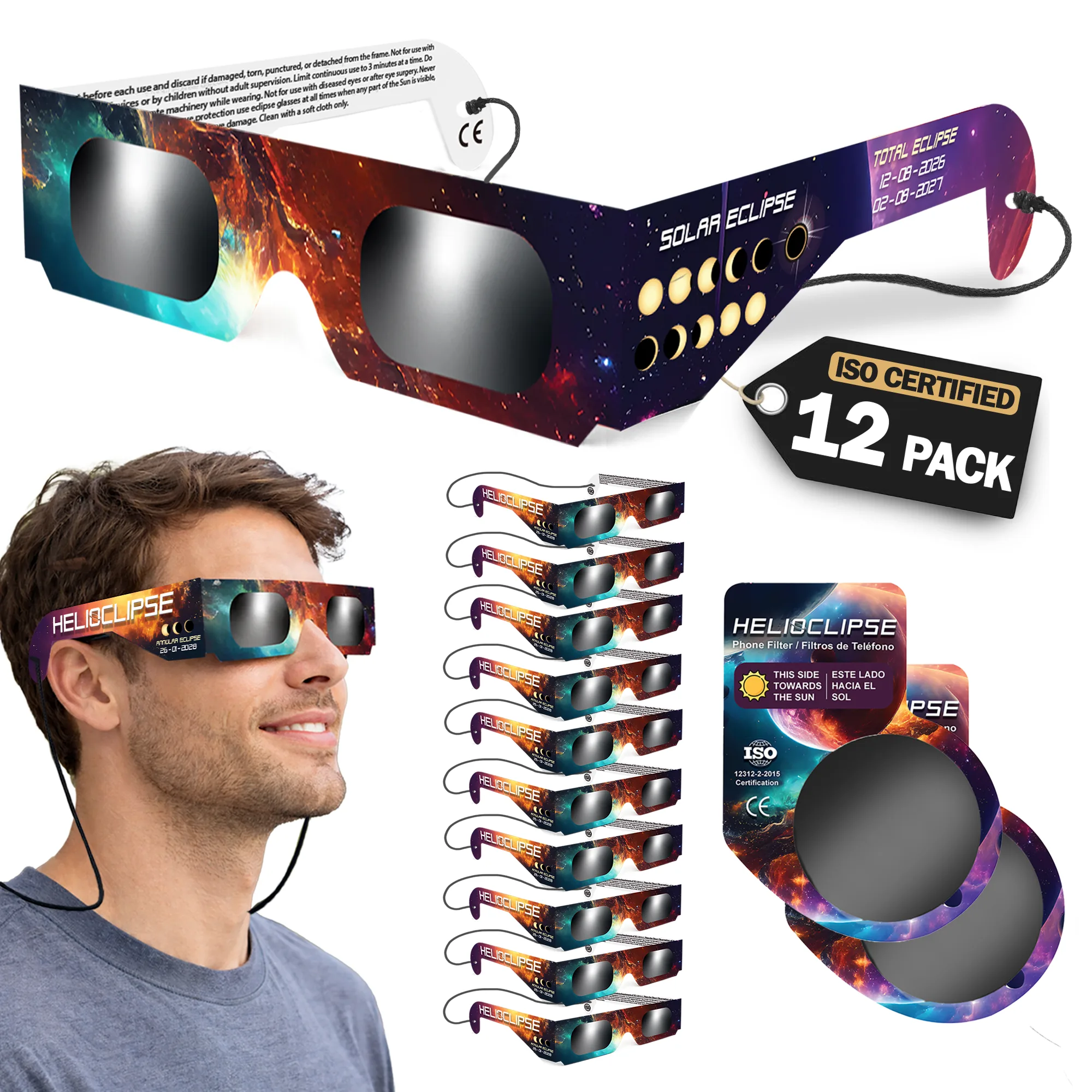
If you want the short version, here it is. The only safe way to look directly at the Sun during the partial phases of a solar eclipse is through a special-purpose solar viewer that conforms to ISO 12312-2, or through properly filtered optics with the filter secured over the front of the instrument. If you do not have that, use indirect viewing such as pinhole projection. If you are planning ahead for your group, start with our shop for eclipse glasses and, if you are trying to understand whether your location will ever get a safe glasses-off totality moment, check the Helioclipse Eclipse Explorer / 3D map.
Why these myths keep surviving
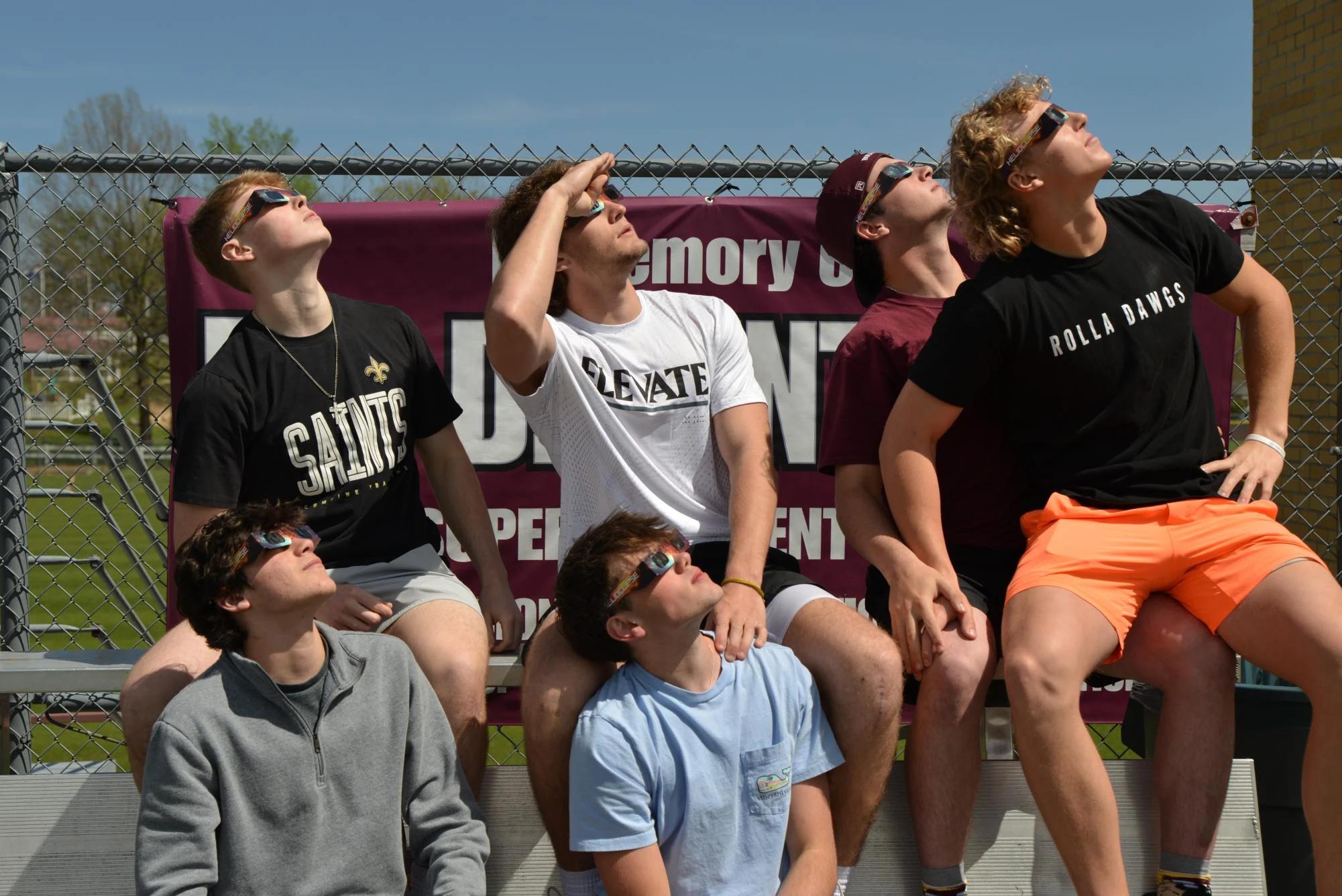
A solar eclipse feels gentler than ordinary midday Sun. The light drops. The air can cool. People get distracted by the drama overhead and assume the danger must be lower because the scene feels dimmer. But during any partial eclipse, and during annular eclipses too, the visible part of the Sun is still intense enough to damage your eyes.
That is the core fact behind most solar eclipse myths and facts explainers: your eyes do not have pain sensors that warn you in time. Looking can feel harmless in the moment. Injury can happen without an immediate dramatic sensation, which is one reason unsafe advice spreads so easily.
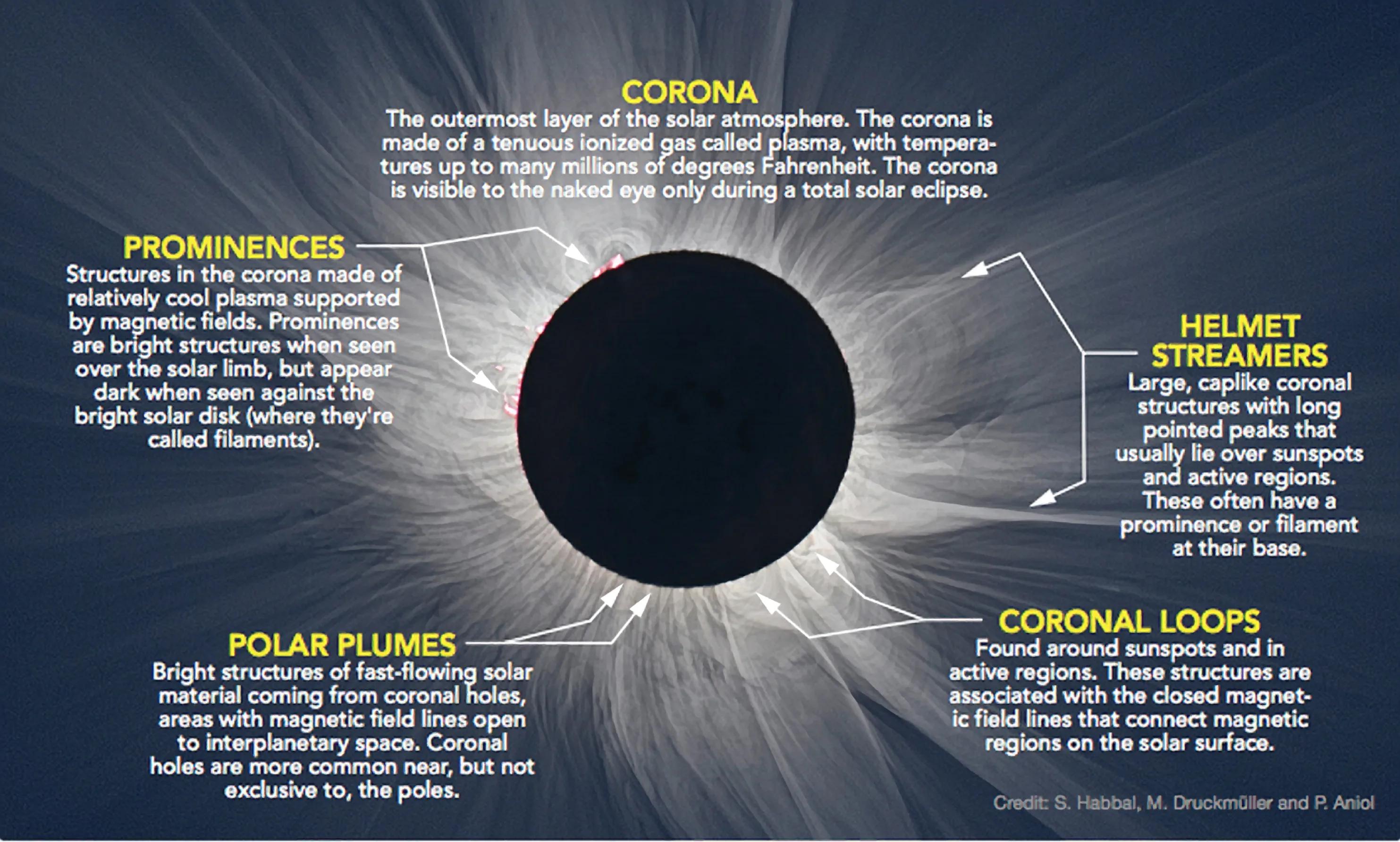
Another reason is that people mix up eclipse types. In a total solar eclipse, there is a brief period of totality when the Moon completely covers the Sun’s bright face. Only then, and only if you are actually inside the path of totality, can you remove certified viewers and look with the naked eye. Outside that narrow path, there is no safe glasses-off moment. If you want that timing explained clearly, our guide to when glasses on, when glasses off: eclipse phases explained for first-time viewers is worth reading before eclipse day.
Unsafe shortcut #1: “Regular sunglasses are dark enough”
They are not. This is the most common bad tip, and it stays wrong no matter how expensive, polarized, mirrored, or extra-dark the sunglasses are.
NASA and the American Astronomical Society are blunt on this point: ordinary sunglasses are not safe for direct solar viewing. Safe solar viewers are thousands of times darker than normal sunglasses, and they are designed to reduce visible light while also blocking harmful ultraviolet and infrared radiation.
So if you have ever wondered, “can you look at a solar eclipse with sunglasses,” the answer is no. Not for a second as a viewing method, not as a backup, not stacked two or three deep. Layering unsafe filters does not magically create a safe one.
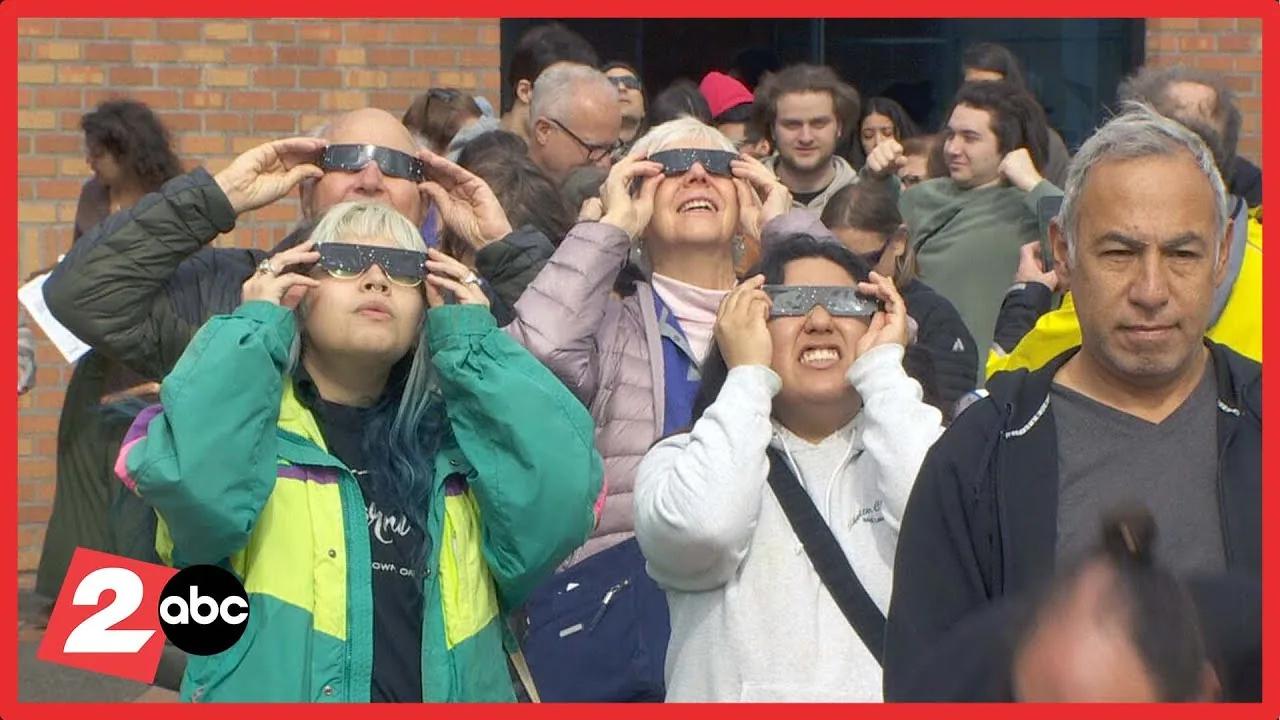
What to do instead: use real eclipse glasses or a handheld solar viewer that conforms to ISO 12312-2. If you are buying for a family, school pickup line, neighborhood watch party, or road trip, buy early enough that you are not forced into last-minute guesswork.
Unsafe shortcut #2: “I’ll just use old-school stuff like smoked glass, exposed film, CDs, or X-rays”
This advice is older than social media, and it is still unsafe. Smoked glass may look dark, but darkness alone is not the standard. Exposed film, floppy disks, compact discs, and medical X-ray film are not designed for direct solar viewing either.
These materials can cut glare enough to make the Sun feel more comfortable to look at, which is exactly what makes them dangerous. Comfort is not proof of safety. A filter can seem dark and still transmit damaging radiation or simply not reduce sunlight enough across the full spectrum.
This is one of the most important parts of solar eclipse myths debunked properly: a homemade substitute can fail in ways your eyes cannot detect in real time. You do not get bonus safety points for improvisation.
What to do instead: if you do not have a trusted solar viewer, do not look directly at the Sun. Use indirect projection. A simple pinhole projector, a colander, or even the tiny gaps between your fingers or between leaves can project crescent Suns onto the ground during the partial phases. That is a real answer to how to see solar eclipse safely at home when you do not have direct-view filters.
Unsafe shortcut #3: “My phone, camera screen, or live photo mode makes it safe”
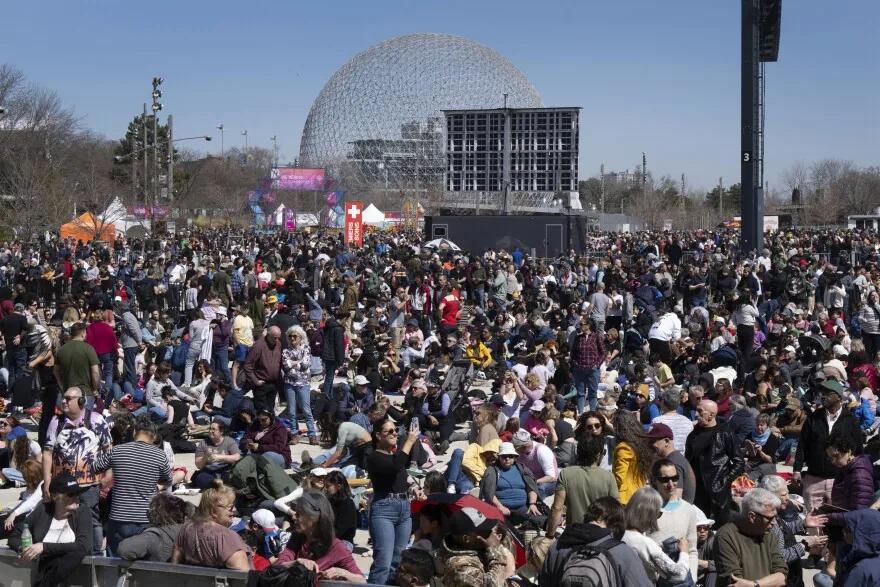
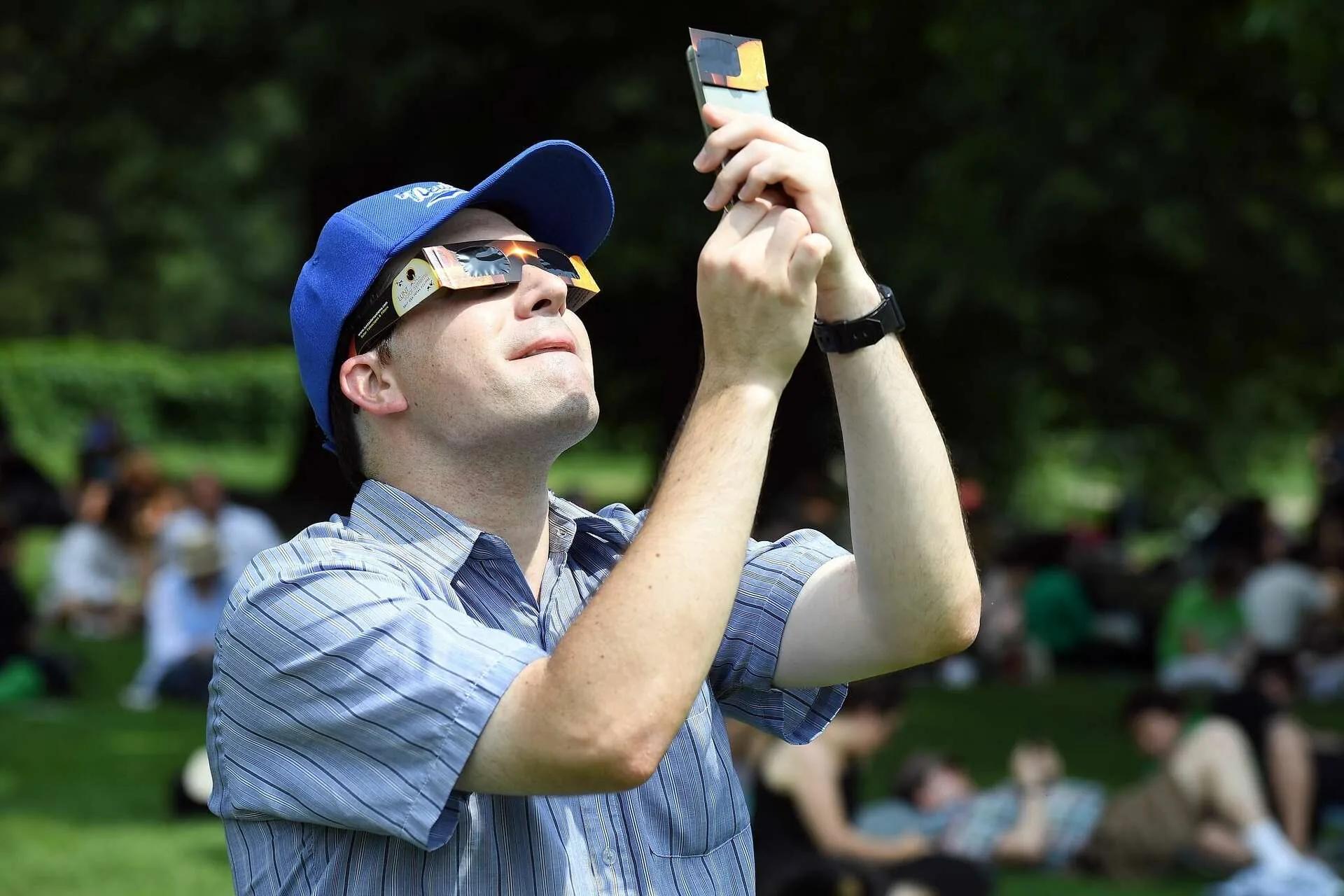
A phone screen can help you photograph an event, but it does not turn the Sun into a safe target for your eyes. People often drift into looking around the phone, peeking over it, or aiming optical accessories at the Sun without proper filtration.
The bigger problem comes when cameras, binoculars, or telescopes enter the picture. Looking at the Sun through any unfiltered optical device is dangerous, and wearing eclipse glasses behind that device does not fix it. The concentrated sunlight can burn through the filter and into your eyes.
NASA and the AAS both emphasize the same rule: if you are using binoculars, a telescope, or a camera lens, the solar filter must be attached securely over the front of the optics. Not at the eyepiece. Not improvised behind the lens. Not handheld in a way that can slip.
What to do instead: if you are not already comfortable with safe solar imaging, keep it simple. Use certified direct-view solar viewers for your eyes, and let your phone be secondary. If you want a memorable image without risk, photograph your group, the changing light, the crescent shadows under trees, or the reactions around you.
Unsafe shortcut #4: “These glasses say ISO 12312-2, so they must be fine”
This is where things get frustrating. The label matters, but the label alone is not enough.
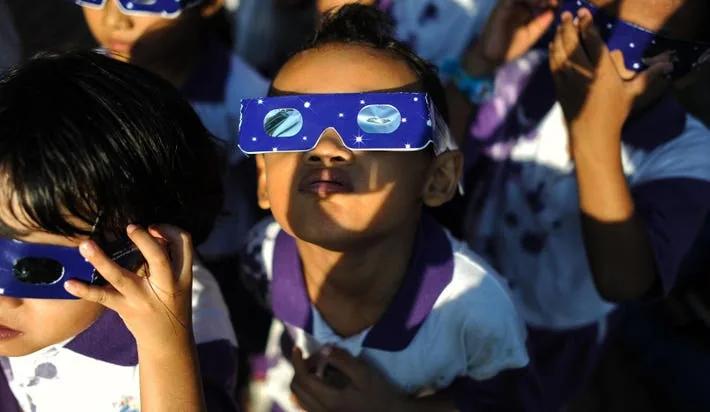
The AAS has repeatedly warned that counterfeit or low-quality viewers can print ISO language on the product or packaging without actually meeting the standard. In other words, anyone can claim compliance. That does not make the filter trustworthy.
A useful practical rule is this: you usually cannot prove a viewer is safe just by inspecting it at home, but you can often spot signs that it is not safe. If you put the glasses on indoors and can clearly see furniture, walls, or ordinary room details, that is a bad sign. Through safe viewers, almost everything should disappear except very bright lights, and even those should look faint. Outdoors, you should not be able to see the landscape normally through them.
You should also reject viewers that are scratched, punctured, torn, wrinkled, or coming loose from the frame. And if the source is sketchy, that matters. We go deeper on this in our guide to fake and low-quality eclipse glasses: how to sanity-check what you are about to trust.
What to do instead: buy from a source you trust, inspect the viewers before use, and do not treat a printed claim as proof. When people search phrases like eclipse glasses nasa approved, approved solar eclipse glasses, or solar eclipse glasses iso 12312-2 certified, the important correction is that NASA does not approve specific brands. What matters is genuine compliance with the standard and a trustworthy supply chain.
Unsafe shortcut #5: “I’m only taking a quick peek”
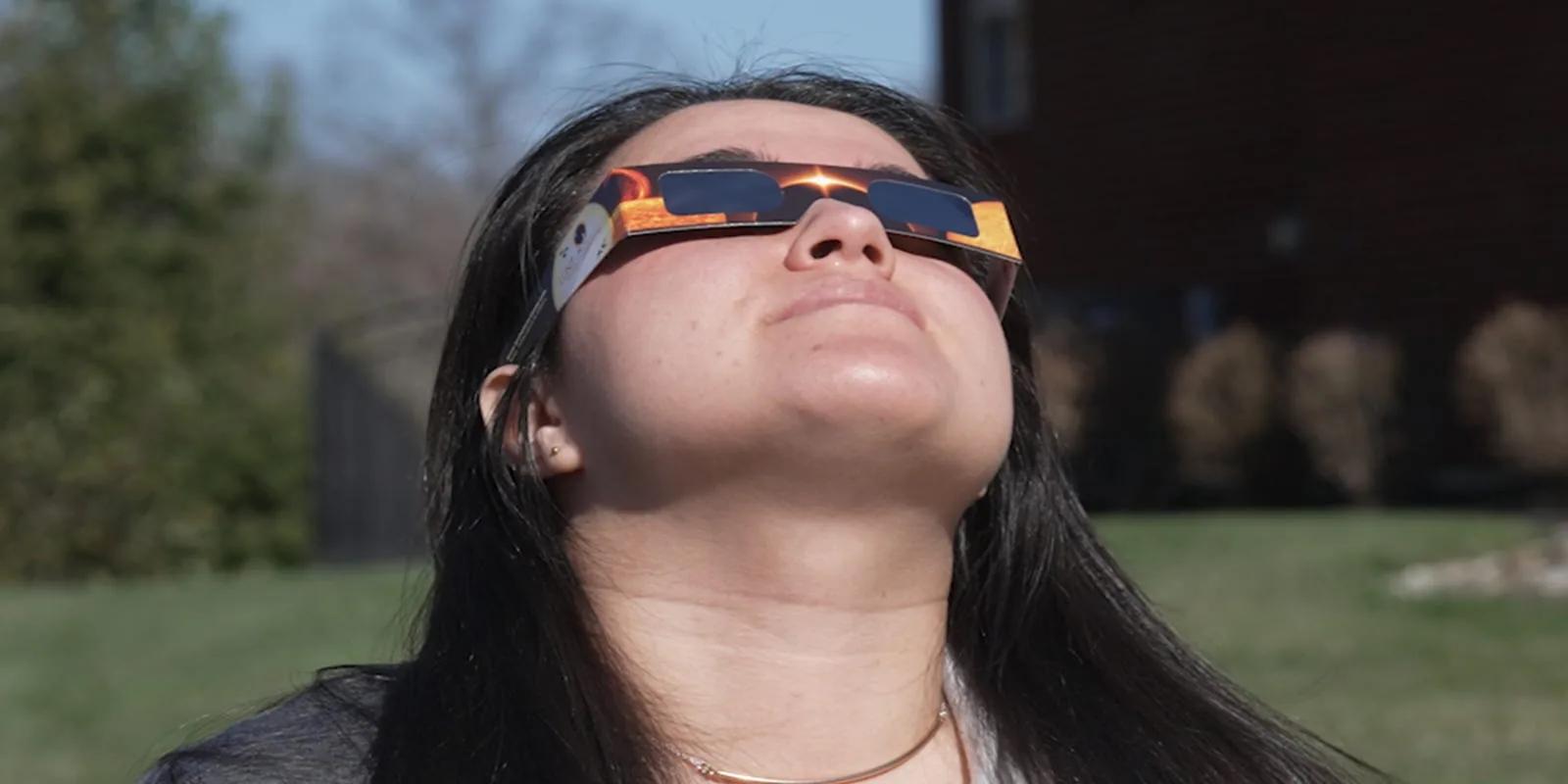
A quick peek is still direct solar viewing. The Sun does not become safe because the glance is brief.
This is one of the reasons eye specialists and astronomy groups keep repeating the message. People imagine danger as something that requires a long stare, but retinal injury is about intense light focused by the eye. The risk is real even when the decision feels casual.
If you want the clearest explanation of why this happens, read our guide to why staring at the Sun without protection is never “just a quick look”. It helps replace vague fear with the actual mechanism, which is more useful and more persuasive.
What to do instead: make the safe method the easy method. Put the viewers on before looking up. Turn away before taking them off. If children are watching with you, supervise actively rather than assuming they will remember the sequence in the excitement.
Unsafe shortcut #6: “If it’s almost total, I can take the glasses off”
Almost total is not total.
This is the mistake that catches first-time viewers because the scene becomes so dramatic near totality. The landscape dims. The Sun narrows to a thin crescent. It feels like the dangerous part must be over. It is not. Any visible bit of the Sun’s bright face is still bright enough to require proper eye protection.
Only during totality itself, when the Moon completely covers the bright solar disk, may viewers be removed for naked-eye viewing. And that applies only if you are inside the path of totality. If you are outside it, even by a little, you are seeing a partial eclipse and must keep protection on the entire time.
That distinction matters in real planning. A city can have a spectacular 90-plus-percent partial eclipse and still never get a safe glasses-off moment. That is why “best places and timing for solar eclipse myths unsafe methods” is not really a useful way to think about eclipse safety. The real question is simpler: are you in totality or not, and exactly when? Use the Helioclipse Eclipse Explorer / 3D map to check your location rather than guessing from hype.
Unsafe shortcut #7: “Welding gear is basically the same thing”
Sometimes, but only in a narrow, specific sense.
The AAS says certain welding filters can be safe for direct solar viewing, but not just any welding mask or helmet. Shade matters. A welding filter with shade 12 or higher can transmit a safely tiny fraction of sunlight, with shade 13 or 14 generally being the practical sweet spot for viewing comfort. Many common welding products are lighter than that, and adjustable or auto-darkening helmets are not recommended for eclipse viewing.
This is exactly the kind of half-true advice that mutates online. Someone hears “welding glass works” and the nuance disappears. Then a person grabs whatever is in the garage.
What to do instead: unless you specifically know you have an appropriate fixed welding filter in the right shade, do not improvise. Purpose-made solar viewers are simpler, clearer, and much less likely to be misunderstood by everyone in your group.
Unsafe shortcut #8: “I can use eclipse glasses with binoculars or a telescope”
No. This is a separate hazard from fake glasses, and it deserves its own warning.
Eclipse glasses are for direct viewing with your eyes only. They are not designed to sit between your eyes and magnifying optics. Binoculars, telescopes, and camera lenses concentrate sunlight. That concentrated beam can damage the filter and cause severe eye injury.
What to do instead: if you want magnified views, use equipment with a proper solar filter mounted securely over the front opening, and only if you know what you are doing. For most families and first-time viewers, direct viewing with certified glasses plus indirect projection for kids is the safer, easier plan.
Unsafe shortcut #9: “Clouds make it safe enough”
Thin cloud is not a solar filter.
Clouds can reduce glare and make the Sun easier to stare at, which again is part of the danger. The Sun may look muted while still delivering more light than is safe for direct viewing. The same goes for haze, smoke, or a low Sun near the horizon.
What to do instead: treat cloudy conditions the same way you would treat clear ones. If any part of the bright Sun is visible and you want to look directly at it, use proper solar protection. If the cloud is thick enough that the Sun is fully hidden, there is nothing to look at directly anyway.
Unsafe shortcut #10: “I heard eclipse warnings from older folklore, so maybe all the danger talk is superstition”
This is where science and culture need to be separated carefully.
There are many historical beliefs around eclipses, and some are fascinating. People still search for myths about lunar eclipse, solar eclipse pregnancy superstition, or broader questions like what are the superstitions about eclipses. Those are real parts of human culture. But they are not the same thing as modern eye-safety guidance.
For example, a solar eclipse pregnancy superstition may tell you to stay indoors, avoid sharp objects, or wear pins or charms. Those beliefs are cultural traditions, not evidence-based medical advice. By contrast, the warning not to stare at the Sun without proper protection is grounded in physics, ophthalmology, and repeated public safety guidance.
So when we talk about solar eclipse myths and misconceptions and the truth behind them, it helps to sort them into two buckets. Cultural stories belong to history, religion, and folklore. Eye safety belongs to tested standards and expert consensus.
You may also see people bundle everything together under phrases like solar eclipse myths nasa. The useful correction is that NASA is not in the business of validating folklore one by one; it provides safety guidance about what your eyes and equipment can safely do. That is the part you should treat as operational.
What safe viewing actually looks like
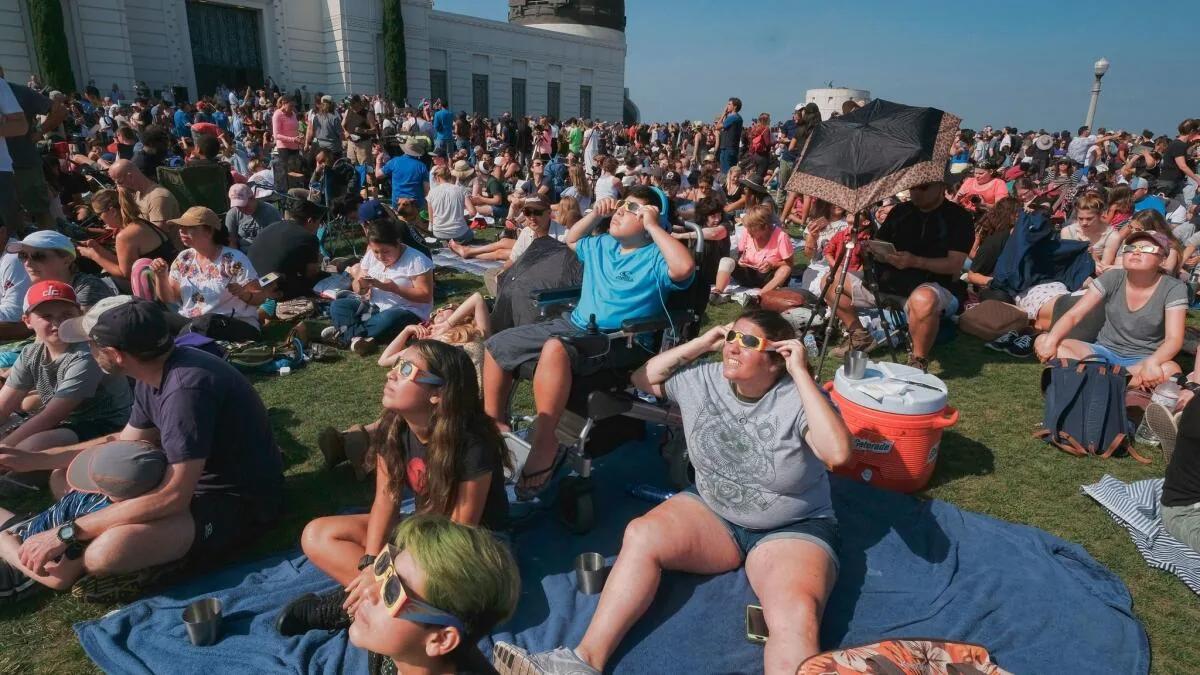
If you want a practical checklist, the safest routine is refreshingly boring:
- Use a special-purpose solar viewer that conforms to ISO 12312-2, or use properly filtered optics with the filter over the front.
- Inspect viewers before use. If they are scratched, torn, punctured, or loose in the frame, discard them.
- Put the viewer on before looking up.
- Turn away before removing it.
- Supervise children closely.
- Never use eclipse glasses with binoculars, telescopes, or camera lenses.
- If you do not have a trusted viewer, use pinhole projection or another indirect method.
- Remove viewers during totality only if you are truly inside the path of totality and the Sun’s bright face is completely covered.
That is the real answer to safety precautions when viewing a solar eclipse and to the common question, “what are the safety measures to be taken during an eclipse?” It is not complicated, but it does require discipline.
For readers asking which of the following are safe ways to view a solar eclipse?, the safe options are direct viewing through certified solar viewers, direct viewing through properly front-filtered optics used correctly, or indirect projection methods that do not involve looking at the Sun at all.
If you already bought glasses and now you are unsure
Do not panic, but do not talk yourself into trusting them either.
Start with the source. If you bought from a reputable seller and the viewers are in good condition, that is a much better starting point than a random marketplace listing that appeared during eclipse week. Then do the basic sanity checks recommended by the AAS: indoors, you should not be able to see normal room details through them; outdoors, ordinary scenery should still be essentially invisible.
If the filters look damaged, if the frames are failing, or if the view seems suspiciously bright or hazy, stop there. Return them if you can. If not, discard them and switch to indirect viewing.
This is also where product language can confuse people. Phrases such as certified solar eclipse glasses or eclipse viewing glasses sound reassuring, but the real question is whether the product genuinely conforms to ISO 12312-2 and came through a trustworthy chain, not whether the listing used the right buzzwords.
The better replacement for every bad shortcut
A good safety article should not just say no. It should give you a better plan.
If the bad shortcut is sunglasses, the replacement is certified solar viewers.
If the bad shortcut is smoked glass or film, the replacement is pinhole projection.
If the bad shortcut is “I’ll figure it out on the day,” the replacement is buying viewers early for your household, classroom, or travel group and checking your location in advance.
If the bad shortcut is “I think we might get totality,” the replacement is verifying your exact spot on a map and learning the phase sequence before the event. Our blog hub has more safety and planning guides, and if you are preparing for a total eclipse specifically, our planning guide for the August 12, 2026 total solar eclipse is a good next read.
That is also the honest answer to how to see solar eclipse safely at home: either use trusted solar viewers for direct viewing or use indirect projection from your yard, driveway, schoolyard, or park. You do not need a complicated setup. You do need to resist improvising with unsafe materials.
A final reality check before eclipse day
The most dangerous eclipse myth is not one specific rumor. It is the belief that close enough is good enough.
Close enough sunglasses. Close enough labels. Close enough timing. Close enough totality. Close enough camera setup. That mindset is what turns a beautiful event into an avoidable mistake.
So yes, we are happy to publish solar eclipse myths and facts, solar eclipse myths debunked, and even pieces that sound a bit like solar eclipse myths 2024 reruns, because the stakes are real and the confusion keeps returning with every major event. The science has been consistent for years. The shortcut culture has been consistent too.
Choose the boring, correct method. Then enjoy the part that is not boring at all: the changing light, the strange shadows, the group reactions, the countdown, and the feeling that the sky is doing something you will remember for years.
Remove Shortcut Banners and Hide the Dock on iOS 18!
Sam Beckman
Frequently asked questions
What should I absolutely avoid doing while watching a solar eclipse?
Do not look directly at the Sun during the partial phases without proper eye protection. The excerpt says regular sunglasses, phone cameras, smoked glass, exposed film, and other improvised shortcuts are not safe substitutes.
What is the safest way to view an eclipse without risking my eyes?
Use a special-purpose solar viewer that conforms to ISO 12312-2, or use properly filtered optics with the filter secured over the front of the instrument. If you do not have that, use indirect viewing such as pinhole projection.
What should people remember about the eclipse safety rumors that keep circulating each year?
Treat them with caution, because the same unsafe advice keeps returning in new forms. The article notes that the bad advice changes costume, but the underlying risk stays the same: direct sunlight can damage your eyes even when the eclipse makes the scene feel dimmer.
What are the key facts people should know about eclipse safety myths?
The main fact is that your eyes may not warn you in time, because looking at the Sun can feel harmless even when damage is happening. The article also explains that only a total solar eclipse inside the path of totality has a brief glasses-off moment; outside that narrow path, there is no safe time to look directly.
Are the same warnings about eclipse viewing true for a lunar eclipse?
No. The excerpt focuses on solar eclipses, where direct sunlight can harm your eyes during partial phases and unsafe shortcuts are a problem. It does not give safety guidance for lunar eclipses, so readers should not assume the same rules apply without checking a reliable source.
On-site next steps
- Get your group ready with Helioclipse eclipse glasses. Order early, inspect them before eclipse day, and keep enough pairs on hand for family, friends, or class groups.
- Use the Helioclipse Eclipse Explorer / 3D map to confirm whether your location is in totality or partial phases only. That one distinction determines whether there is ever a safe glasses-off moment.
- Read more safety explainers on the Helioclipse blog, especially our guides on ISO 12312-2 and eclipse viewers and when glasses on, when glasses off.
Sources & further reading
- How to View a Solar Eclipse Safely — American Astronomical Society
- How Can You Tell If Your Eclipse Glasses or Handheld Solar Viewers Are Safe? — American Astronomical Society
- Eyewear & Handheld Viewers — American Astronomical Society
- Indirect Solar Viewing: Pinhole & Optical Projection — American Astronomical Society
- Eclipse Viewing Safety — NASA Science
- How to View a Solar Eclipse Safely — U.S. National Park Service
- How to observe the Sun safely during a solar eclipse — Astronomy Magazine
- Fake solar eclipse glasses are everywhere ahead of the total solar eclipse. Here's how to check yours are safe — Space.com
- Fake Solar Eclipse Glasses Are Flooding the Market: How to Stay Safe — Space.com
- How to Tell if Your Eclipse Glasses Are Unsafe (and What To Do About It) — Space.com