Eclipse glasses vs handheld viewers: choosing what fits your trip
If you are planning an eclipse day with kids, friends, a school group, or just one overstuffed backpack, the gear question gets practical fast. In the real world, eclipse glasses vs solar viewers is not a debate about which one is “serious” and which one is not. It is about how you will actually watch the Sun, how often you will pass protection around, whether you wear prescription glasses, and how much chaos you want on eclipse morning.
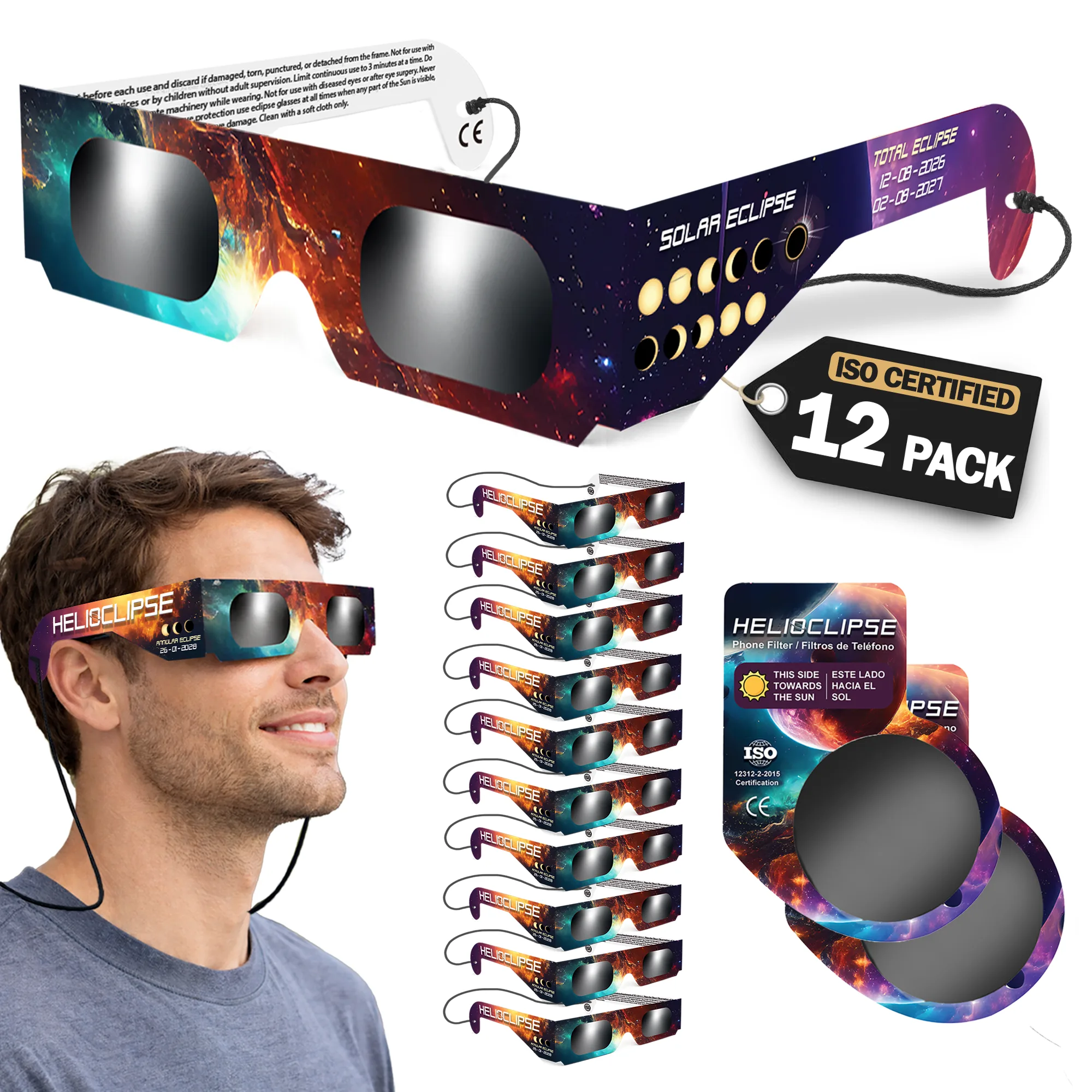
The short version: both solar eclipse glasses and handheld viewers can be safe for direct viewing of the partial phases if they are genuine, undamaged, and made for solar viewing under the ISO 12312-2 standard. The better choice depends on your trip style. If you want something light, easy to hand out, and simple for families, glasses usually win. If you want a sturdier feel, easier sharing, or a format that works well over prescription eyewear, a handheld viewer can be the better fit.
If you are already planning where to stand, not just what to wear, our Eclipse Explorer / 3D map helps you check whether your location is in totality or only a partial eclipse. That matters, because your viewing method changes with eclipse geometry. And if you are buying for a group, our shop eclipse glasses is the straightforward place to start.
First, what counts as safe direct viewing?
Both eclipse viewers and wearable eclipse glasses belong to the same basic safety category: non-magnifying solar filters meant for direct observation of the Sun. NASA and the American Astronomical Society both make the core rule very clear: except during the brief total phase of a total solar eclipse, when the Sun’s bright face is completely covered, you need proper solar protection to look directly at the Sun.
That means two things matter more than the form factor itself.
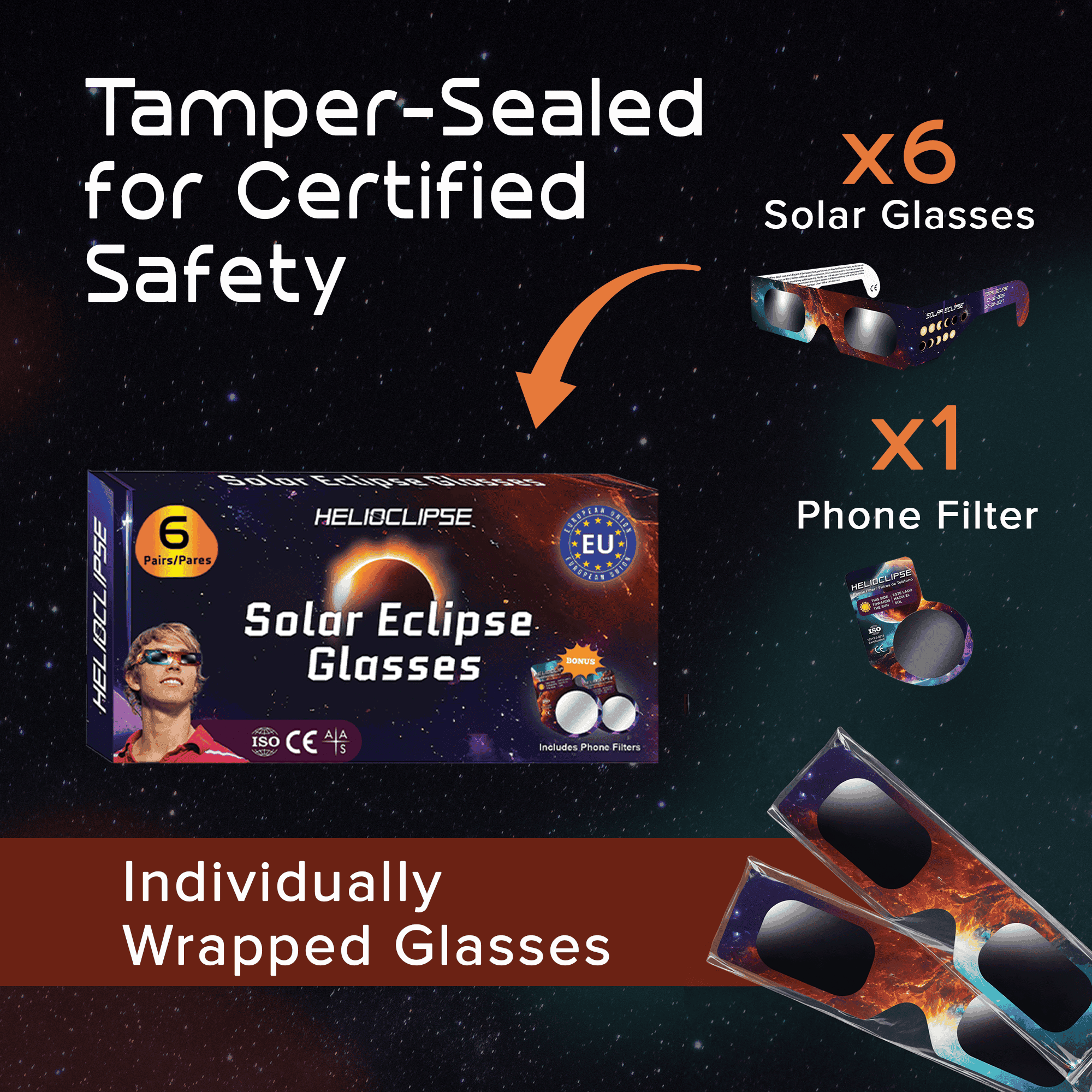
First, the product needs to be intended for direct solar viewing and ought to comply with ISO 12312-2. The AAS explains that this standard applies to nonmagnifying viewers you wear or hold in front of your eyes. Second, the viewer has to be in good condition. Torn filters, scratches, punctures, loose mounting, or obviously flimsy construction are reasons to discard it.
This is also where people get tripped up by labels. A printed claim is not magic. The AAS notes that anyone can print ISO language on packaging, which is why source and traceability matter. If you want a deeper breakdown of what the standard actually covers, read our guide to ISO 12312-2 and eclipse viewers: what the standard means for your family.
The real difference: wearable convenience vs handheld control
When people compare eclipse glasses vs handheld viewers: choosing what fits your trip, they often expect a dramatic optical difference. Usually there is not one. A safe product in either format is doing the same job: reducing visible light to a safe level and blocking harmful ultraviolet and infrared radiation.
The bigger difference is behavioral.
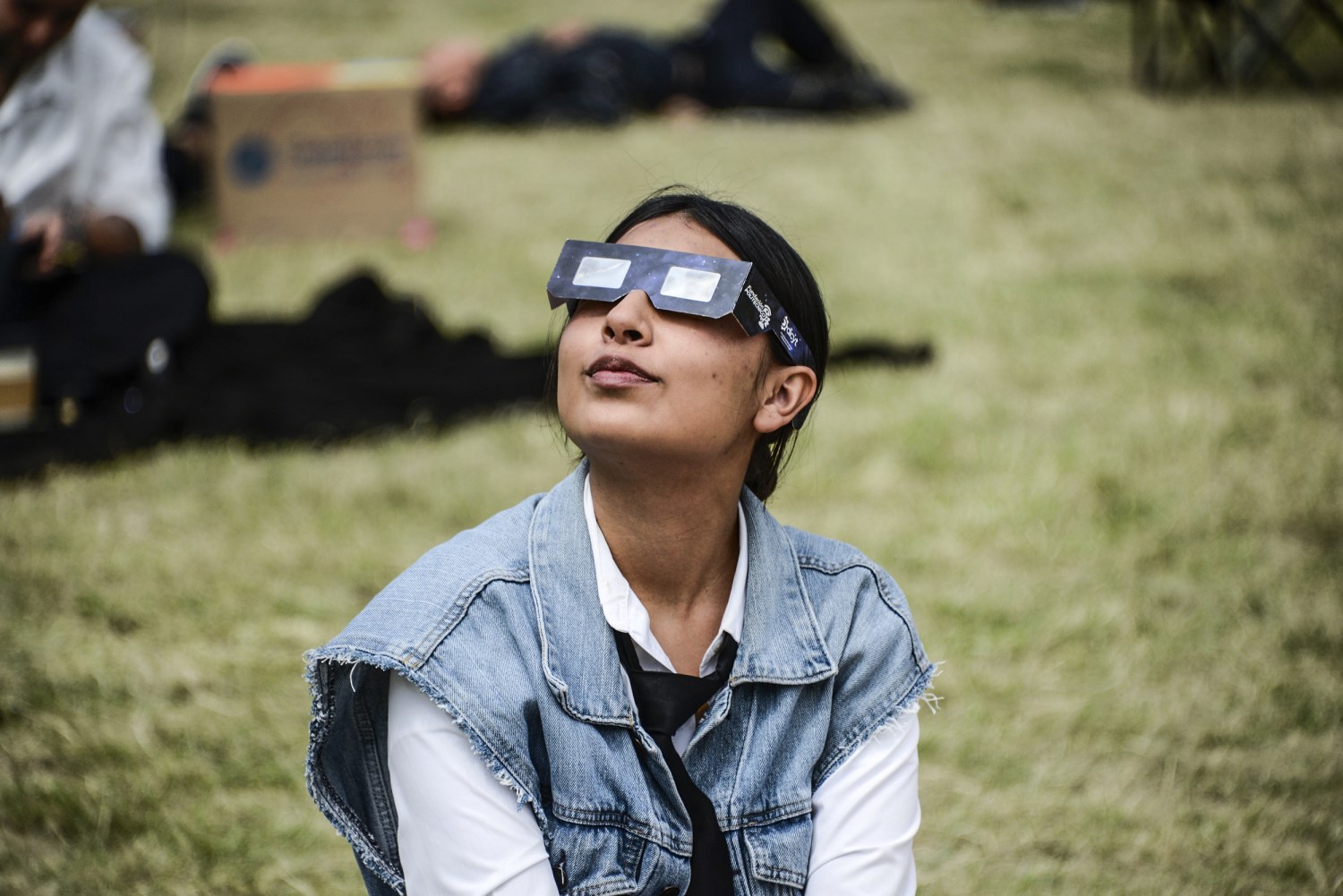
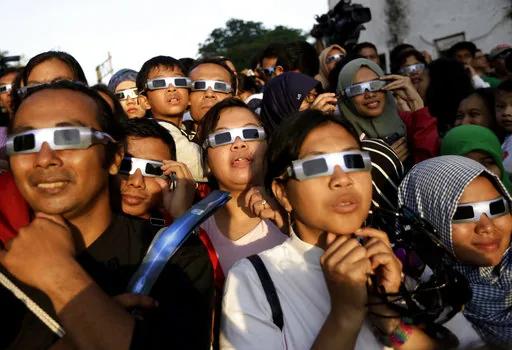
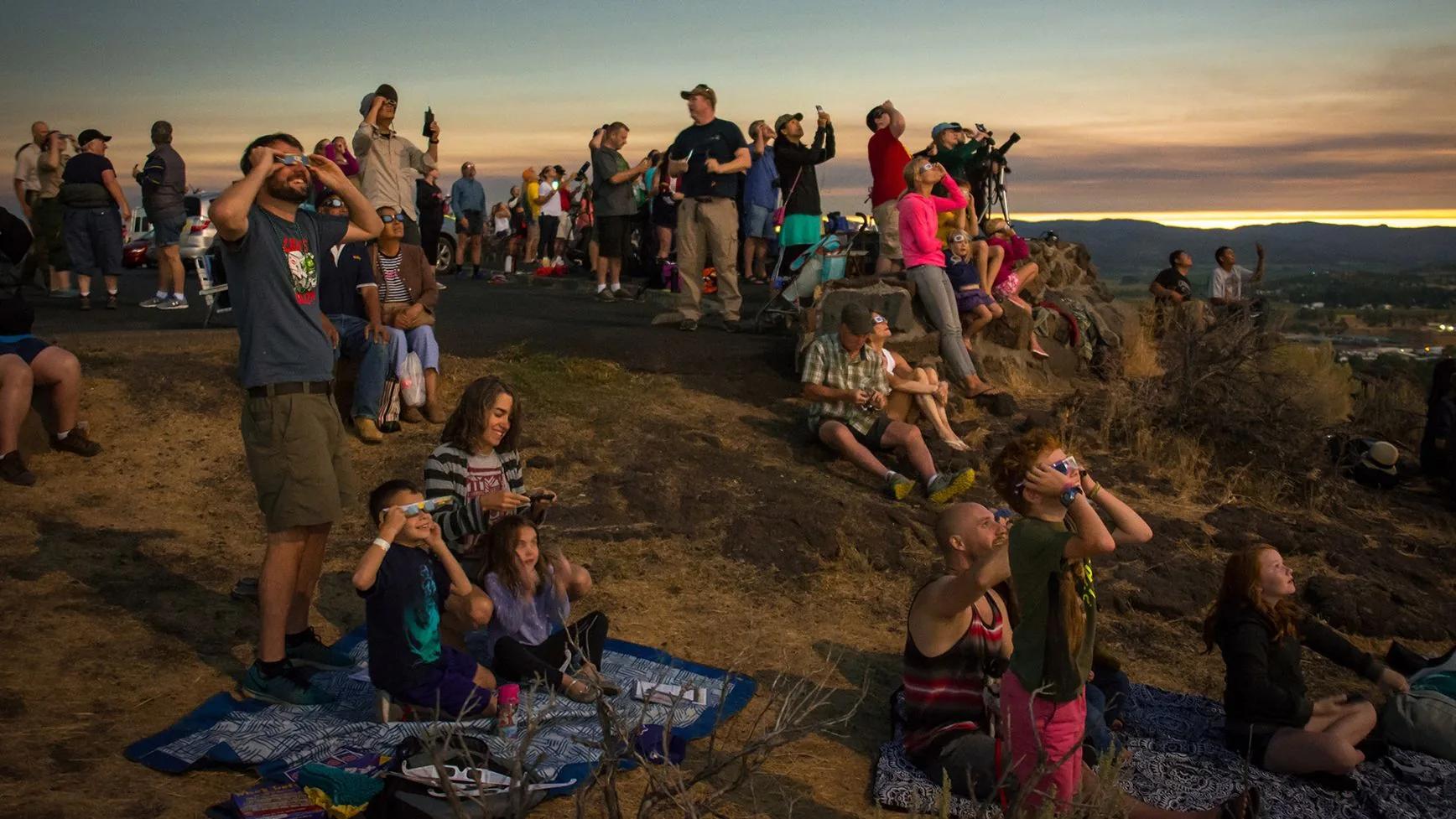
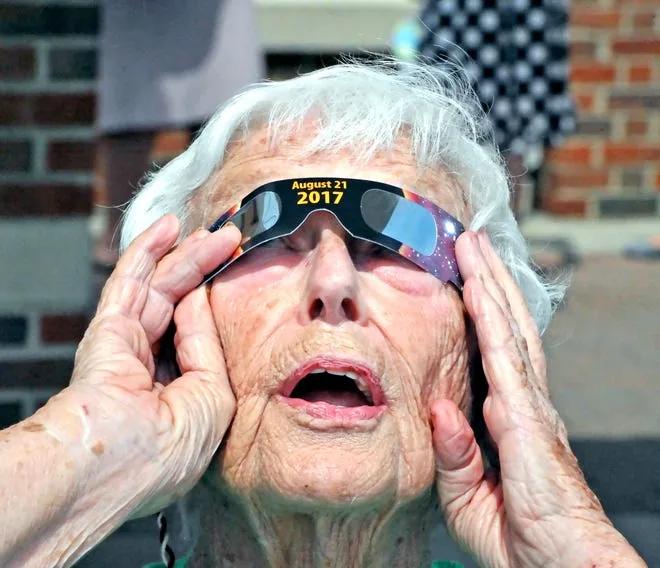
Solar eclipse glasses are wearable. That sounds obvious, but on eclipse day it matters a lot. You can put them on before looking up, keep your hands free, and let children or first-time viewers focus on the sky instead of on how to hold a filter correctly. For families, school groups, and crowded public events, that simplicity is hard to beat.
Handheld viewers, by contrast, give you more control over positioning. Some people like the sturdier feel. Some prefer being able to lift the viewer, take a quick look, lower it, and talk. If you wear prescription glasses, a handheld viewer can also feel less fiddly than layering cardboard frames over your normal eyewear.
So the best choice is often not “which is safer?” but “which one are you most likely to use correctly, repeatedly, and calmly?”
When eclipse glasses are usually the better trip choice
For most casual travelers, glasses are the easiest answer.
They are light, flat, easy to pack, and easy to distribute. If your eclipse plan involves a car full of relatives, a campsite, a school outing, or a public square where everyone wants a turn, wearable viewers reduce friction. You do not have to keep asking, “Who has the filter?” Everyone can have their own.
That is why phrases like best solar eclipse glasses, best eclipse glasses, and solar eclipse viewing glasses tend to reflect a real need, not just shopping language. People want the least complicated safe option. If your goal is to get a whole group ready early and avoid last-minute scrambling, glasses are usually the most efficient format.
They are also a strong choice if you expect to watch the partial phases on and off for an hour or more. During a total solar eclipse, those partial phases before and after totality last far longer than totality itself. You may glance up many times. Wearable protection makes that easier.
One more practical point: if you are buying for a family or group, product language like approved solar eclipse glasses, solar eclipse glasses iso 12312-2 certified, or certified solar eclipse glasses is the kind of wording you will see around legitimate shopping decisions. What matters is not the phrase by itself, but whether the product is traceable to a reputable source and matches AAS and NASA safety guidance.
When a handheld viewer makes more sense
A handheld viewer can be the smarter pick if your trip is less about handing out lots of pairs and more about deliberate, occasional viewing.
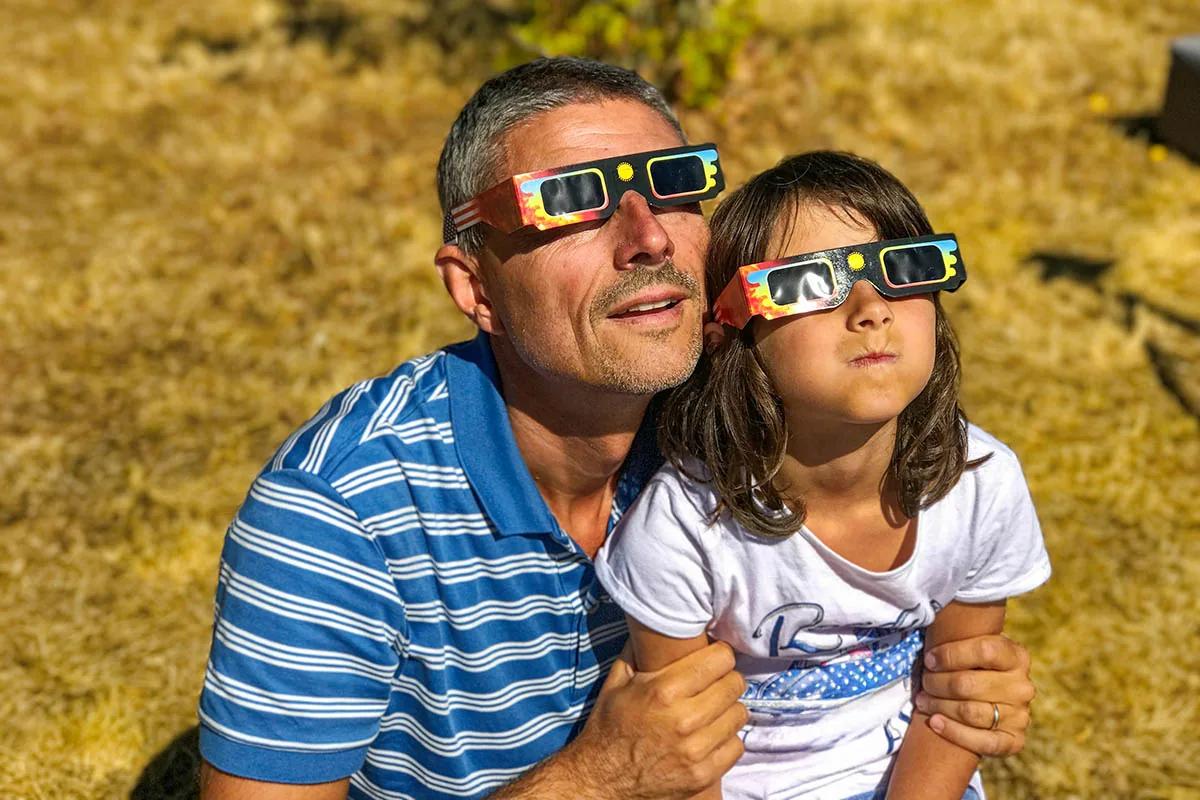
Some adults simply prefer the feel of a rigid viewer held in front of the face. It can be easier to position over prescription glasses. It can also be easier to share between two adults who are taking turns, especially if one person is also managing a child, a tripod, or a camera setup that is not being used for direct viewing.
This is where solar eclipse viewers and other eclipse viewing glasses-adjacent formats earn their place. A handheld viewer is still a direct-viewing solar filter, but it changes the ergonomics. If you dislike cardboard arms on your ears, or you know you will be taking short, infrequent looks rather than wearing protection for long stretches, handheld may feel more natural.
There is also a durability argument. A well-made handheld viewer can feel less crushable in a daypack than paper glasses. That does not make it indestructible; you still need to inspect it before use. But for some travelers, especially those moving between trains, ferries, rental cars, and crowded viewing spots, that sturdier format is appealing.
Eclipse glasses vs sunglasses is not a close call
Let’s clear up one of the most persistent mistakes: eclipse glasses vs sunglasses is not a contest between “very dark” and “extra very dark.” They are different categories of eyewear.
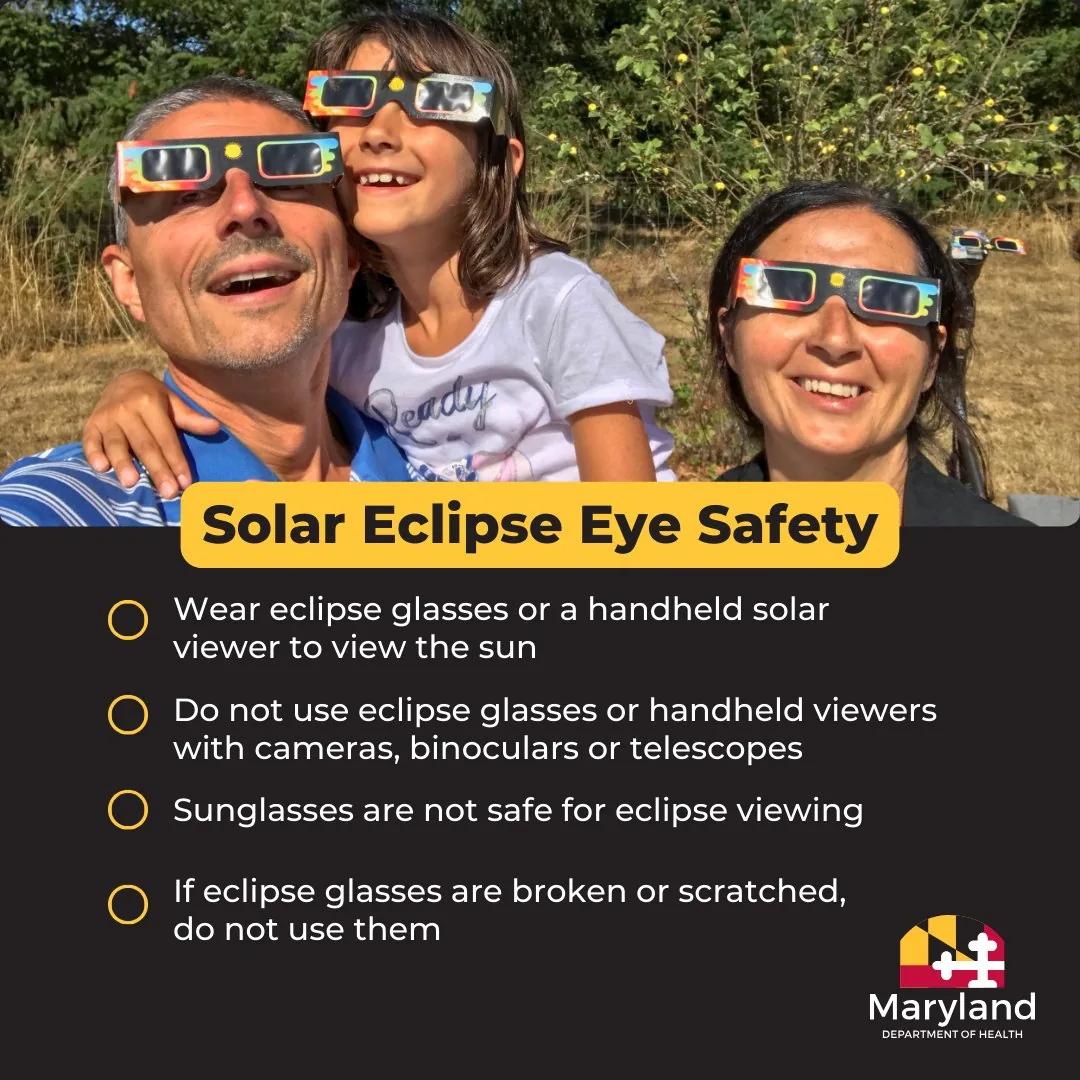
NASA says regular sunglasses, no matter how dark, are not safe for viewing the Sun. The AAS goes further and notes that ordinary sunglasses pass hundreds to thousands of times more light than is safe for direct solar observation. Solar viewers are built for a task that normal sunglasses are not designed to do.
So if someone in your group says they have polarized lenses, expensive fashion shades, ski goggles, smoked plastic, or stacked sunglasses, the answer is still no. None of those are substitutes for solar eclipse glasses or a safe handheld solar viewer.
This also answers the common question what do eclipse viewing glasses do? They do far more than dim the scene. A genuine solar viewer reduces the Sun’s visible light to a safe level and blocks harmful radiation that you cannot judge by comfort alone. Your eyes can be injured before you feel anything, which is one reason eclipse eye damage is so deceptive.
If you want the medical side explained in plain English, our post on why staring at the Sun without protection is never “just a quick look” is worth reading before you pack.
What about old viewers, mystery viewers, or “eclipse glasses 2024” leftovers?
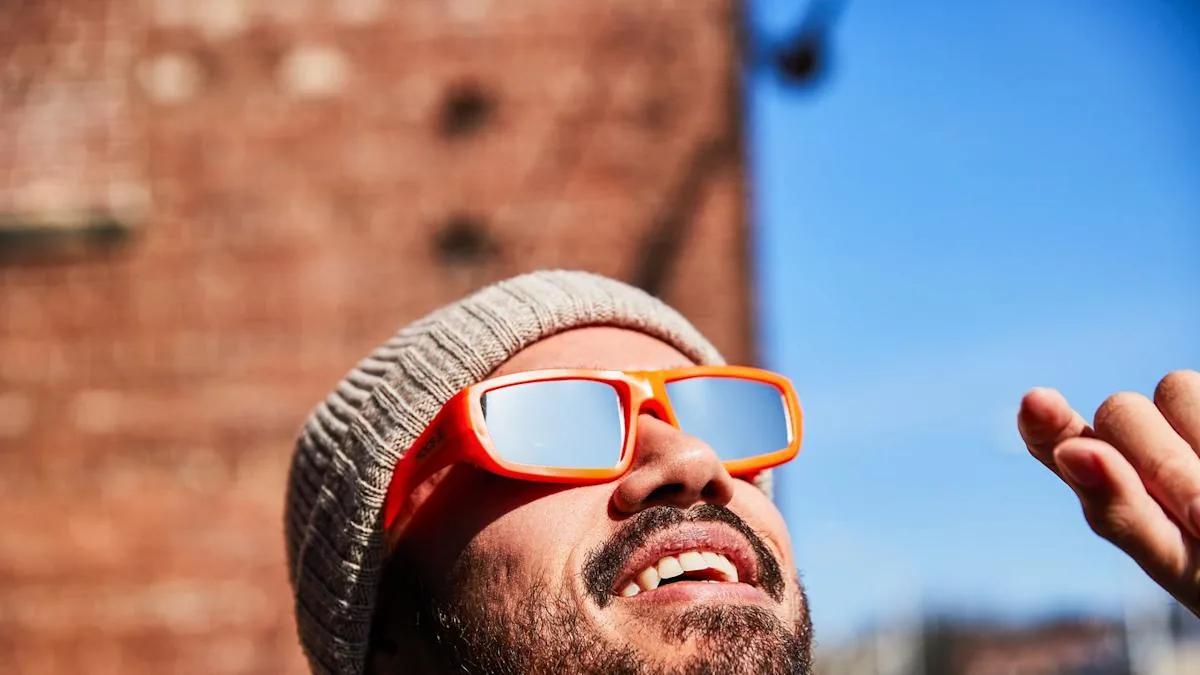
A lot of people still have viewers from the last big event, which is why terms like eclipse glasses 2024 keep hanging around. Reuse can be fine, but only if the viewer is still in good condition and came from a trustworthy source in the first place.
Physically, the checks are simple: no scratches, tears, punctures, warped filters, or loose mounting. Functionally, the AAS suggests a basic indoor and outdoor sanity check. Indoors, you should not be able to see normal room details through them; only very bright lights should appear faint. Outdoors, ordinary scenery should still disappear, with only very bright reflections appearing dim.
But condition is only half the story. Counterfeits are a real problem. Space.com reported on AAS warnings that fake and low-quality products often look plausible and may even print standard language on the packaging. If you are unsure where yours came from, uncertainty itself is a reason to be cautious.
That is why we recommend buying early, not panic-buying the week before. If you need help spotting red flags, our guide to fake and low-quality eclipse glasses: how to sanity-check what you are about to trust goes deeper.
The trip question most people forget: how many people are sharing?
The best format changes when you stop thinking like a solo observer and start thinking like a group organizer.
If six people are traveling together and only two viewers make it into the bag, a handheld format can become annoying fast. People pass it around, someone sets it down, someone else asks where it went, and the whole thing becomes more stressful than it needs to be. For families and friend groups, one viewer per person is usually the calmest plan.
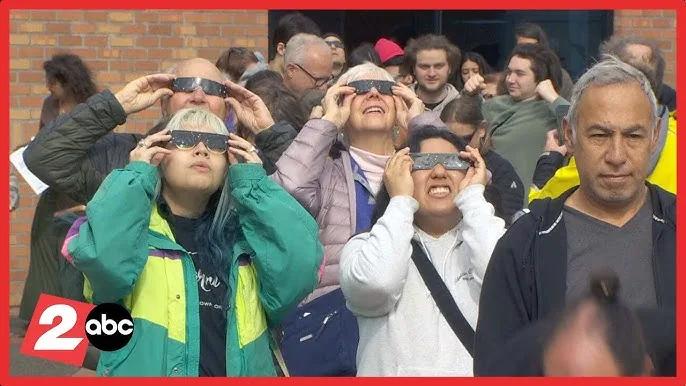
That is where glasses shine. They are easier to count, easier to distribute, and easier to keep with each person. If your trip includes children, grandparents, or first-time viewers, simplicity is not a minor feature. It is part of safety.
On the other hand, if you are traveling as a pair and one person mainly wants to experience the atmosphere while the other takes occasional direct looks, a handheld viewer may be perfectly adequate. The right answer depends on your social setup as much as on the optics.
If you do not have direct-viewing gear, use indirect viewing instead
The phrase how to watch a solar eclipse safely without glasses has a good answer, but it is not “find a workaround and stare anyway.” It means use an indirect method.
NASA and the AAS both recommend pinhole projection and similar techniques when you do not have safe direct-viewing protection. A cardboard box projector works. So does a card with a small hole, a colander, or even the crescent-shaped patches of light under a leafy tree during the partial phases. In all of those cases, you are looking at a projected image, not at the Sun itself.
That distinction matters. You do not look through the pinhole at the Sun. You keep the Sun behind you and watch the image on another surface.
Indirect viewing is especially useful as a backup plan. If your shipment is delayed, if a viewer gets damaged in transit, or if you are helping a big group and want a second way to engage kids, projection methods are excellent. They are also fun because they show the eclipse changing shape across many tiny crescents at once.
What indirect viewing is not: a replacement for direct-viewing gear during totality planning. If you are traveling into the path of totality, you still want proper viewers for the long partial phases before and after totality. Our guide to when glasses on, when glasses off: eclipse phases explained for first-time viewers is the right companion here.
Total eclipse trips add one more layer: totality changes the rules
For a partial or annular eclipse, the rule is simple: keep your solar protection on the whole time if you are looking directly at the Sun.
For a total solar eclipse, there is one exception. During the brief period of totality, when the Moon completely covers the Sun’s bright face, it is safe to remove your glasses and look directly at the eclipse. NASA emphasizes that this is only true during totality itself. The instant even a small bright bit of Sun reappears, eye protection goes back on.
That is why location matters so much. If you are outside the path of totality, there is no safe glasses-off moment at all. You are watching a partial eclipse, even if the Sun is mostly covered.
For the August 12, 2026 total solar eclipse, that distinction will matter across a wide swath of Europe and the North Atlantic. Parts of Spain will be in totality, while many other places will see only a partial eclipse. If you are building a trip around that event, use our August 12, 2026 total solar eclipse planning guide and the Eclipse Explorer / 3D map to confirm exactly what your chosen location gets.
That is also why an eclipse glasses vs solar viewers 2026 guide cannot just compare products in the abstract. The right gear depends on whether your destination is inside totality, near the edge of the path, or nowhere near it.

A quick comparison table in words
If you want the decision compressed, here it is.
Choose eclipse glasses if…
- you are buying for several people
- you want the lightest, simplest option
- you expect lots of repeated glances during long partial phases
- you are organizing kids, relatives, or a school/community group
- you want everyone to have their own protection at once
Choose a handheld viewer if…
- you prefer a sturdier feel
- you wear prescription glasses and dislike layered cardboard frames
- you are sharing between one or two adults, not a whole group
- you want quick, occasional looks rather than wearing viewers for long stretches
- you know you are good at keeping track of one small object under travel pressure
Use indirect viewing if…
- you do not have trusted direct-viewing gear
- your viewers are damaged or questionable
- you want a backup activity for kids or a crowd
- you want to watch the partial phases safely without looking directly at the Sun
So which one should you actually buy?
If you want our honest default recommendation for most trips, it is this: buy enough wearable viewers for everyone in your group, then add a simple indirect-viewing backup if you like hands-on eclipse fun.
That is not because handheld viewers are inferior. It is because group logistics are real, and eclipse day is easier when every person has their own safe viewer ready to go. For most families, that beats passing one filter around while the Moon is already taking a bite out of the Sun.
If you are shopping now, think less about hype words like best solar eclipse glasses and more about fit-for-purpose questions. How many people are going? Will children be involved? Will you be moving between locations? Are you likely to misplace a handheld viewer? Do you wear prescription glasses? Are you traveling into totality, where you will need viewers for the long partial phases but remove them during the brief fully covered phase?
Answer those well, and the choice becomes much easier.
What's the difference between using a pinhole viewer and ...
Brains On! Universe
Frequently asked questions
What can I use if I don’t want to wear eclipse glasses?
You can use a handheld solar viewer instead, as long as it is a genuine, undamaged filter made for direct solar viewing and compliant with ISO 12312-2. Both handheld viewers and wearable eclipse glasses are meant for safely viewing the Sun during the partial phases.
What do eclipse viewing glasses actually do?
They reduce the Sun’s brightness enough to allow direct viewing of the partial phases of an eclipse. They are non-magnifying solar filters, so they are designed to protect your eyes when looking straight at the Sun.
Can I use polarized sunglasses instead of special eclipse glasses?
No. The excerpt says you need proper solar protection for direct viewing of the Sun, and that means a product intended for solar viewing under ISO 12312-2. Ordinary sunglasses are not described as a safe substitute.
Do I have to wear special glasses to watch an eclipse?
Yes, except during the brief total phase of a total solar eclipse when the Sun is completely covered. For the partial phases, you need proper solar protection such as eclipse glasses or a handheld viewer that is made for direct solar viewing.
Are solar eclipse glasses safe to use for watching the Sun?
Yes, if they are genuine, undamaged, and made for solar viewing under ISO 12312-2. The article also notes that torn, scratched, punctured, or loosely mounted filters should be discarded.
On-site next steps
- Browse our shop eclipse glasses if you want a simple, group-friendly option for eclipse day.
- Use the Eclipse Explorer / 3D map to confirm whether your destination is in totality or only seeing a partial eclipse.
- Explore more planning and safety explainers in the Helioclipse blog if you are coordinating a family trip, school outing, or 2026 travel plan.
Sources & further reading
- Eclipse Viewing Safety - NASA Science
- What to Expect: A Solar Eclipse Guide - NASA Science
- About the ISO 12312-2 Standard for Solar Viewers
- How Can You Tell If Your Eclipse Glasses or Handheld Solar Viewers Are Safe?
- Eyewear & Handheld Viewers
- Solar eclipse glasses: How to check safety and use them correctly
- Fake solar eclipse glasses are everywhere ahead of the total solar eclipse. Here's how to check yours are safe
- How to make a solar eclipse viewer: Step-by-step photo guide
- Looking at a solar eclipse can be dangerous without eclipse glasses. Here's what to know
- What To Do If Your Solar Eclipse Glasses Won't Arrive in Time