France, the Low Countries, and Germany in 2026: partial eclipse reality for weekend planners
If you live in France, Belgium, the Netherlands, Luxembourg, or Germany, the August 12, 2026 eclipse is absolutely worth planning for. But let’s get one crucial point straight before group chats, train bookings, and family promises get ahead of the sky: for most of this region, this is a deep partial solar eclipse, not totality.
That distinction matters more than almost anything else. A 90%+ partial eclipse can look dramatic through safe filters, dim the landscape in a strange late-day way, and produce a memorable sunset scene in some places. But it is still not the same as standing inside the Moon’s umbra and seeing the corona with your own eyes. If you want to check your exact circumstances instead of borrowing a friend’s timing from another city, start with our Eclipse Explorer / 3D map. For this event, a few hundred kilometers can noticeably change what you see.
This is our practical, regional briefing: 2026 solar eclipse visible france germany benelux, with the numbers weekend planners actually need.

First, the big reality check: partial here, total elsewhere
The 2026 solar eclipse Europe story has two layers. The narrow path of totality crosses eastern Greenland, western Iceland, northern Spain, and a very small area near Portugal. Outside that path, a much larger part of Europe sees a partial eclipse.
That means the answer to where to see the 2026 total solar eclipse? is not “Paris,” “Brussels,” “Amsterdam,” or “Berlin.” The answer is: get yourself into the total solar eclipse 2026 path, most realistically northern Spain for many readers in western Europe. If you stay in France, the Low Countries, or Germany, you are almost certainly planning for a partial event unless you travel.
This is where people get tripped up. A friend in southwestern France may talk about an almost absurdly thin crescent Sun near sunset, while someone in Berlin gets a clearly deep eclipse but a less extreme one. Both are telling the truth. They are just not describing the same geometry.
If you want the full totality experience, pair this guide with our planning pieces on August 12, 2026 total solar eclipse: what to expect and how to plan ahead and 2026 totality in Spain: path basics, timing, and what “on the centerline” really means.
The date and general timing window
The 2026 solar eclipse visible france germany benelux date is August 12, 2026.
Across France, Benelux, and Germany, the eclipse happens late in the day, generally in the evening and in many places not long before sunset. That late timing is part of what makes this event so photogenic and so easy to misunderstand. The Sun will be low in the west to west-northwest, which can make the scene feel more dramatic—but it also means local horizon obstructions matter a lot.
For readers searching 2026 solar eclipse visible france germany benelux time, the honest answer is: there is no single regional clock time that works for everyone. Paris, Lille, Brussels, Amsterdam, Luxembourg City, Munich, and Berlin do not share the same maximum moment. Even where the differences look small on paper, they matter in practice because sunset is approaching.
Representative published timings from accessible planning sources give a useful sense of scale:
- Paris: maximum around 20:17 CEST, with about 92% of the Sun’s disk covered.
- Lille: maximum around 20:14 CEST, with about 90% coverage.
- Brussels: maximum around 20:13 CEST, with about 89% coverage.
- Berlin: maximum around 20:08 CEST, with roughly 84%–85% coverage depending on source rounding.
- Munich: around 20:15 CEST, with about 88% coverage in one sunset-focused planning reference.
Those numbers are enough to show the pattern: the eclipse is real, deep, and worth seeing across the region—but it is not uniform.
France: the country where “partial” ranges from strong to almost-total-looking
The phrase 2026 eclipse france hides a lot of geography. France is not one eclipse experience.
For france solar eclipse 2026, the north and northeast still do very well, but southern and southwestern France push into the kind of deep partial territory that can fool first-time viewers into thinking they are “basically in totality.” They are not. Yet the visual difference between, say, Lille and Pau is large enough that you should plan accordingly.
Published city summaries show this spread clearly:
- Lille: about 90% obscuration, maximum around 20:14 CEST.
- Paris: about 92% obscuration, maximum around 20:17 CEST.
- Lyon: about 94% obscuration, maximum around 20:21 CEST.
- Bordeaux: about 97% obscuration, maximum around 20:24 CEST.
- Toulouse: about 98% obscuration, maximum around 20:26 CEST.
- Perpignan: about 98% obscuration, maximum around 20:27 CEST.
- Pau: about 99% obscuration, maximum around 20:27 CEST.
That is a huge range within one country. Paris at roughly 92% is a serious partial eclipse. Pau at roughly 99% is a deeper partial eclipse—but still a partial eclipse. You do not get the corona. You do not get safe naked-eye viewing. You do not get the same darkness as totality.
This is exactly why we tell readers not to extrapolate from one friend’s experience to another latitude. If someone in southwestern France says the Sun became a razor-thin crescent and the light turned eerie, that does not mean your view in northern Germany will match it.
There is also a practical French planning angle: because the eclipse occurs late, western horizon quality matters. A city apartment balcony facing east is useless. A beach, riverbank, open field, or hill with a clean west-northwest view can make the difference between a memorable event and watching the Sun vanish behind buildings before the best part.
Belgium, the Netherlands, and Luxembourg: still excellent, but less extreme than much of France
For weekend planners in the Low Countries, this is still a very good eclipse. It is just not the same event as southwestern France, and definitely not the same event as totality in Spain.
The phrase france, the low countries, and germany in 2026: partial eclipse is useful because it keeps the region together while still letting us be honest about the differences inside it.
Representative figures:
- Brussels: about 89% obscuration, maximum around 20:13 CEST.
- The Netherlands is in the same broad deep-partial zone, but exact values depend strongly on where you are; southern locations generally edge higher than northern ones.
- Luxembourg sits between the French and German patterns geographically, so local values are meaningful but should be checked on a city-by-city basis rather than assumed from Brussels or Paris.
What does roughly 89% mean in human terms? Through certified viewers, the Sun will look dramatically bitten away. Ambient light will weaken, but not collapse into night. Casual observers often expect a movie-style blackout from any eclipse above 80% or 90%; that is not how partial eclipses work. The remaining sliver of Sun is still intensely bright.
This is also a good place to say what this event is not. It is not a penumbral lunar event, and it is not related to the separate lunar eclipse 2026 later in the year. A solar eclipse is about the Moon covering the Sun from our point of view. A lunar eclipse is Earth’s shadow falling on the Moon. Different geometry, different safety rules, different look.
Germany: deep partial in the north and east, but not one-size-fits-all
The same warning applies to 2026 eclipse germany: Germany is not one number.
The most widely cited public summaries put Berlin at about 84%–85% obscuration, with maximum around 20:08 CEST. A sunset-focused planning article gives Munich about 88% at around 20:15 CEST. Those are both substantial eclipses, but they are not interchangeable.
For many readers, Berlin’s roughly 84% sounds close enough to Paris’s roughly 92% that the difference feels academic. It is not. In eclipse terms, that remaining uncovered solar area matters a lot for brightness and atmosphere. A deeper partial eclipse can feel stranger, lower-contrast, and more visually tense as the crescent narrows. But unless you cross into the path of totality, the Sun’s photosphere is still visible, and that keeps the sky much brighter than people expect.
Germany also has a strong sunset-planning angle. In parts of central and southern Europe, the eclipse and sunset interact in ways that create a dramatic “eclipsed sunset” experience. Germany is part of that broader late-day story, but your exact experience depends on both your longitude and your western horizon. A lakefront, open ridge, or unobstructed park can outperform a technically deeper eclipse seen from a blocked urban street.
If you are organizing a family outing or a school group, this is the kind of event where logistics beat abstract percentages. An 85% eclipse with a clean horizon and everyone wearing proper viewers is better than a theoretically deeper one hidden behind trees.
Why your friend’s photos may not match your sky
One of the easiest mistakes in regional eclipse planning is assuming that one person’s report applies to everyone nearby. It does not.
The 2026 solar eclipse visible france germany benelux map matters because eclipse geometry changes continuously across the region. Move south in France and the eclipse deepens. Move north or east and the percentage generally drops. Move to a different longitude and the relationship to sunset changes. Move from a flat coast to a built-up neighborhood and your practical viewing window changes again.
That is why a solar eclipse 2026 interactive map is not a luxury for planners; it is the tool that turns vague excitement into a real plan. Use our Eclipse Explorer / 3D map to check whether your location is inside or outside totality, what the maximum eclipse looks like at your site, and how close the event runs to sunset.
This is also the answer to the search for 2026 solar eclipse visible france germany benelux map and 2026 solar eclipse visible france germany benelux time: don’t settle for a country-level headline if you are making actual plans. Check your own city, then check a backup site with a better horizon.
Partial is still worth it—just don’t call it totality
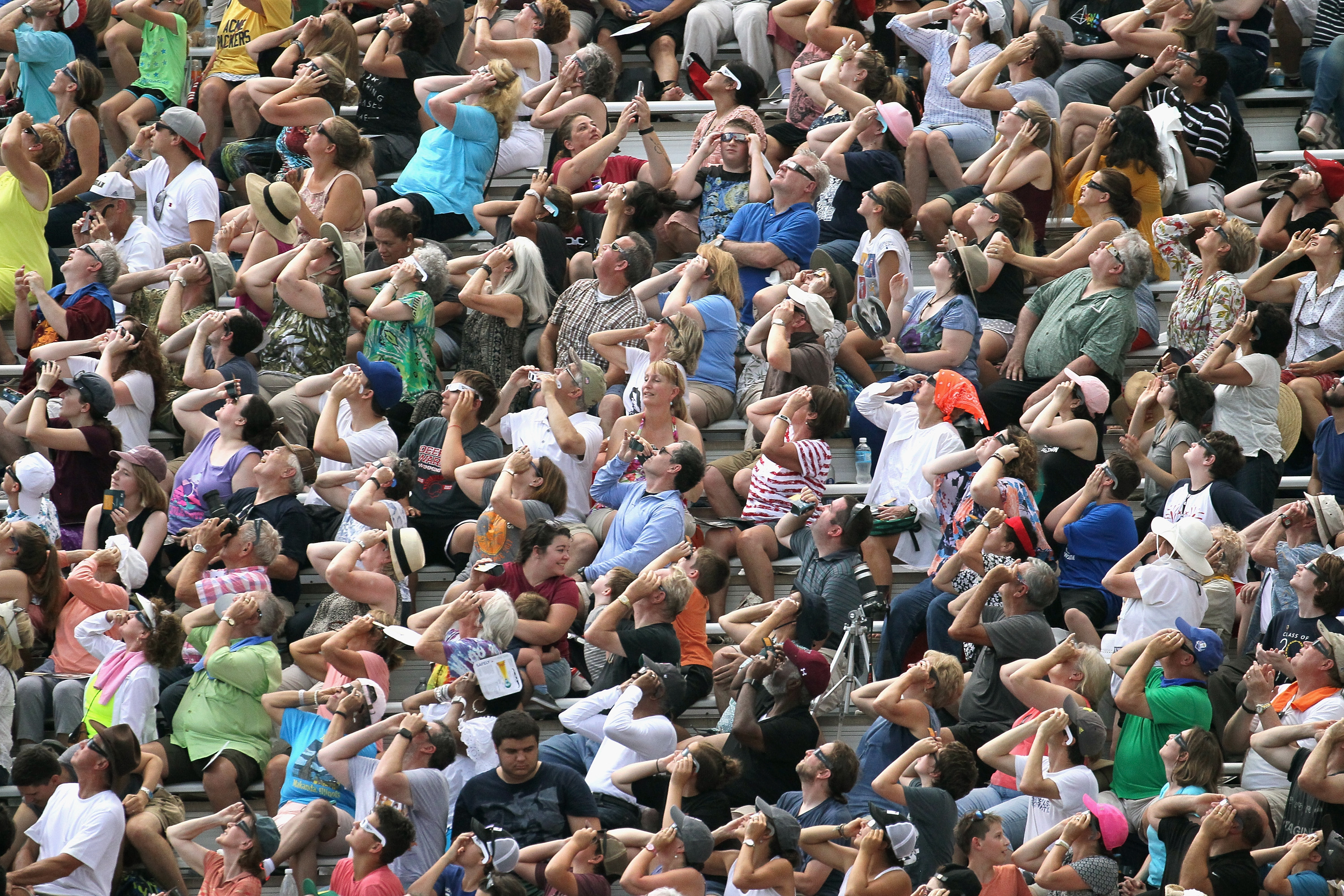
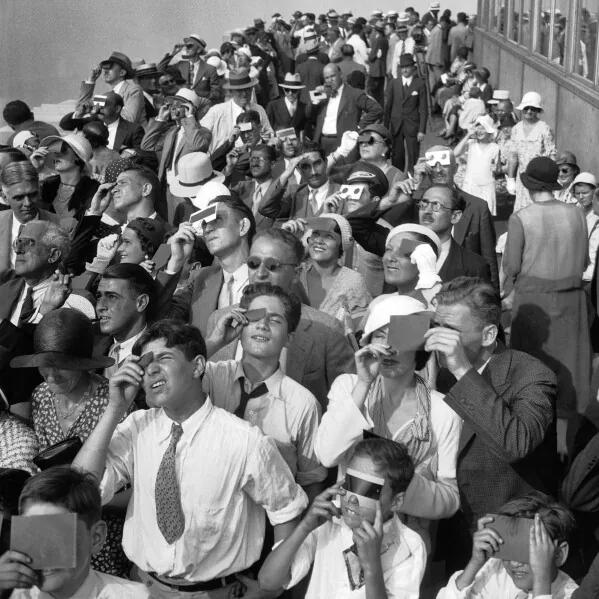
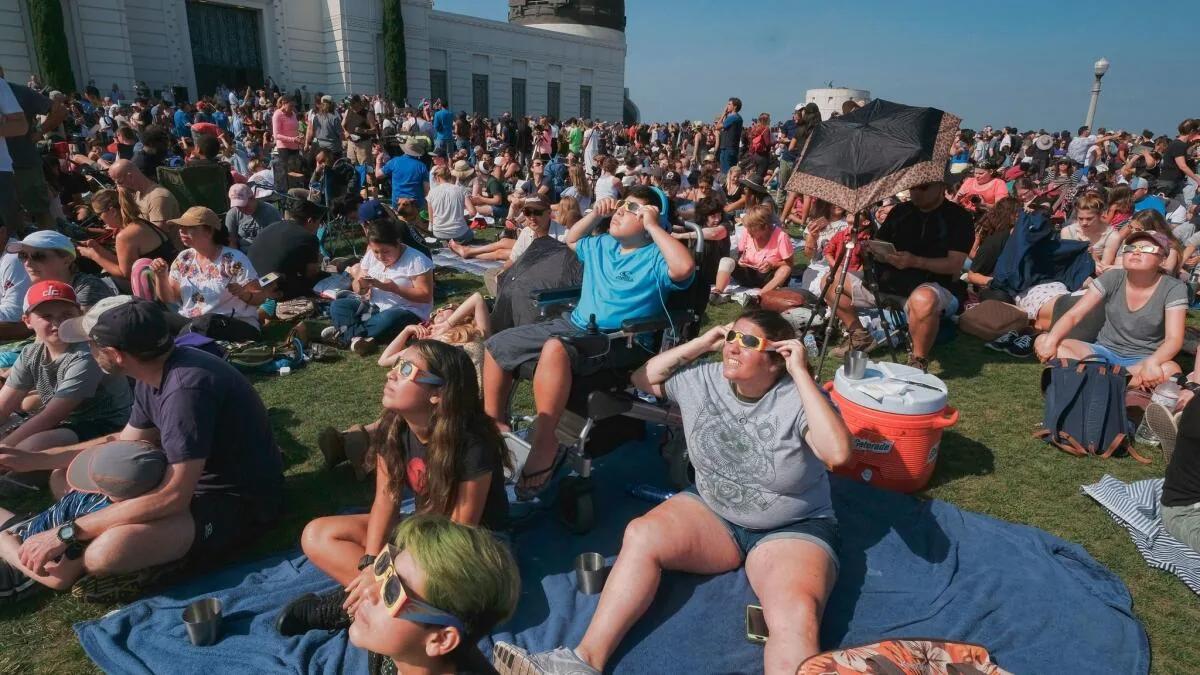
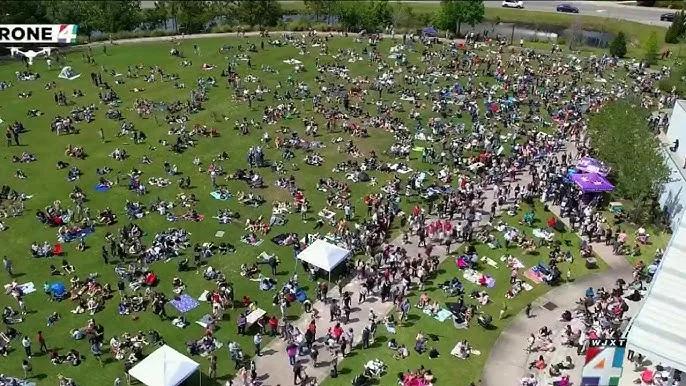
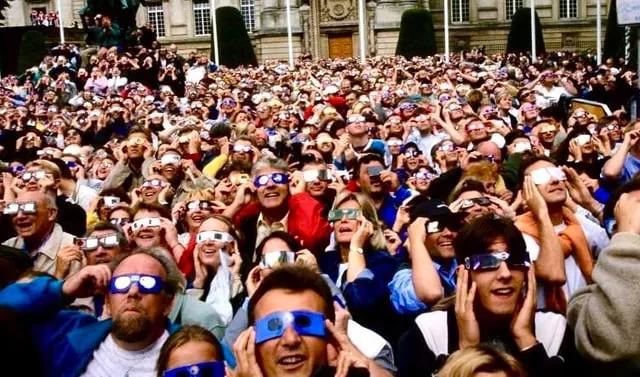
We love a deep partial eclipse. We really do. A 90%+ event over western Europe in summer, late in the day, is not routine sky filler. It is a real communal moment: people leaving offices early, families stepping into parks, neighbors passing viewers around, kids noticing crescent-shaped light through leaves.
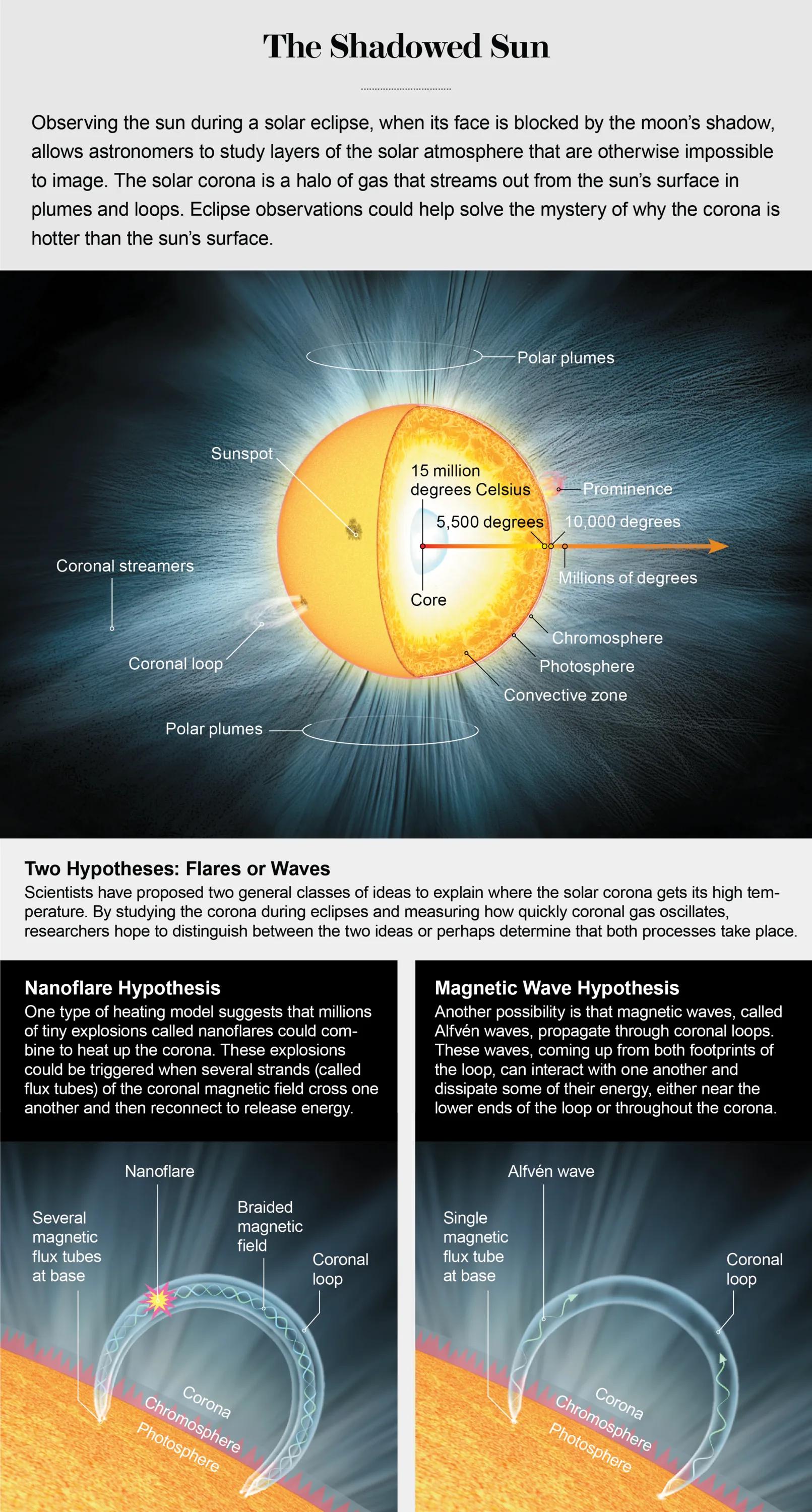
But we also want to protect you from the most common disappointment. A deep partial eclipse is not “almost the same” as totality. The American Astronomical Society’s eclipse guidance is very clear about the difference in phenomena. Outside the path of totality, you do not get the corona, the sudden naked-eye reveal, or the full sensory drop into twilight that makes total eclipses so overwhelming.
So yes, plan for your local partial if travel is not realistic. Tell your friends. Make an evening of it. Bring the grandparents, the neighbor who always misses sky events, the kids who will remember the weird light. But if your real dream is the once-in-years totality experience, say that out loud now and plan for Spain.
Safety is simpler here than in totality: glasses stay on the whole time
For this region, safety guidance is straightforward. Because France, Benelux, and Germany are outside totality for almost all readers of this article, you should expect to use solar viewers for the entire event.
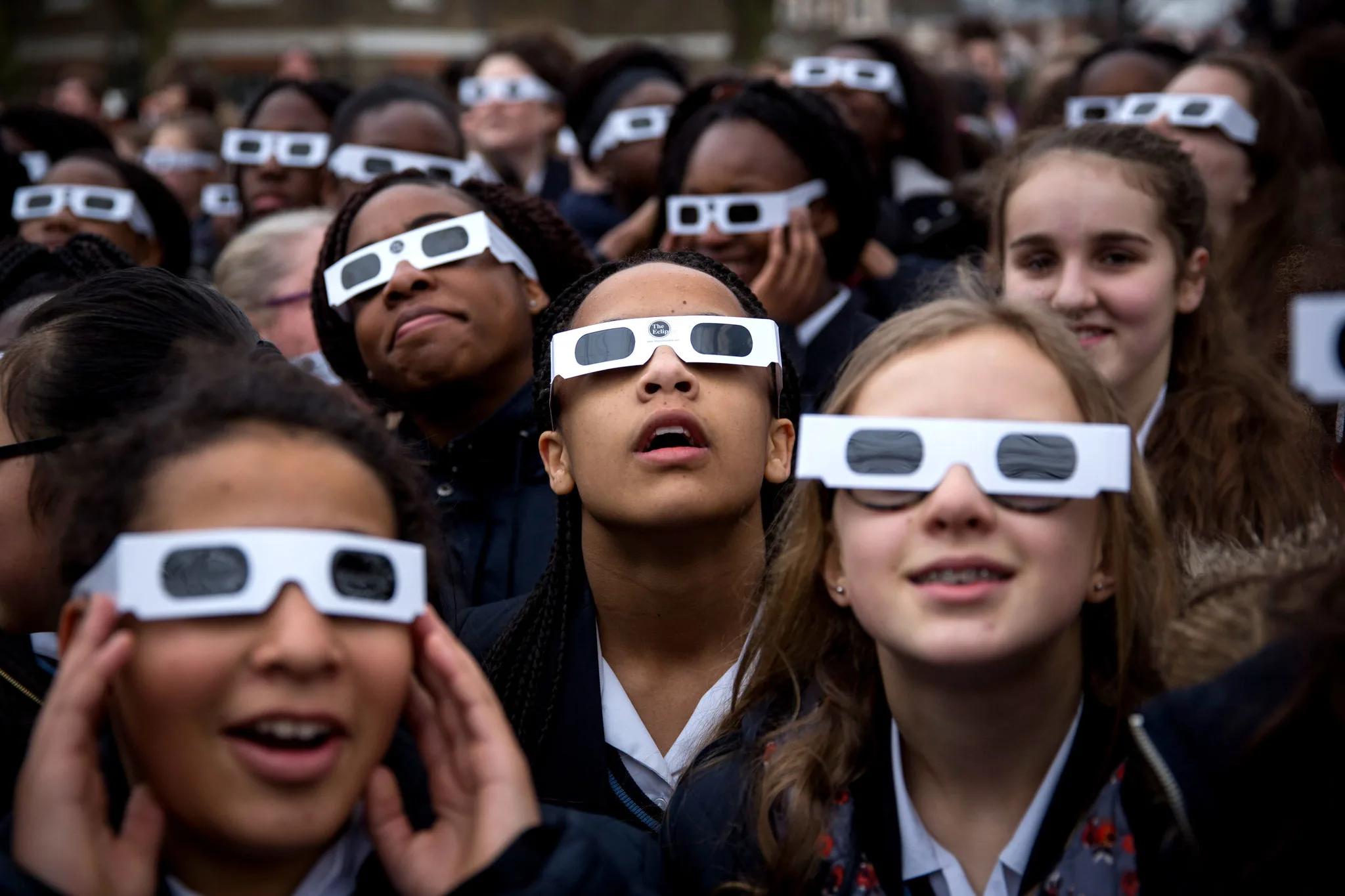
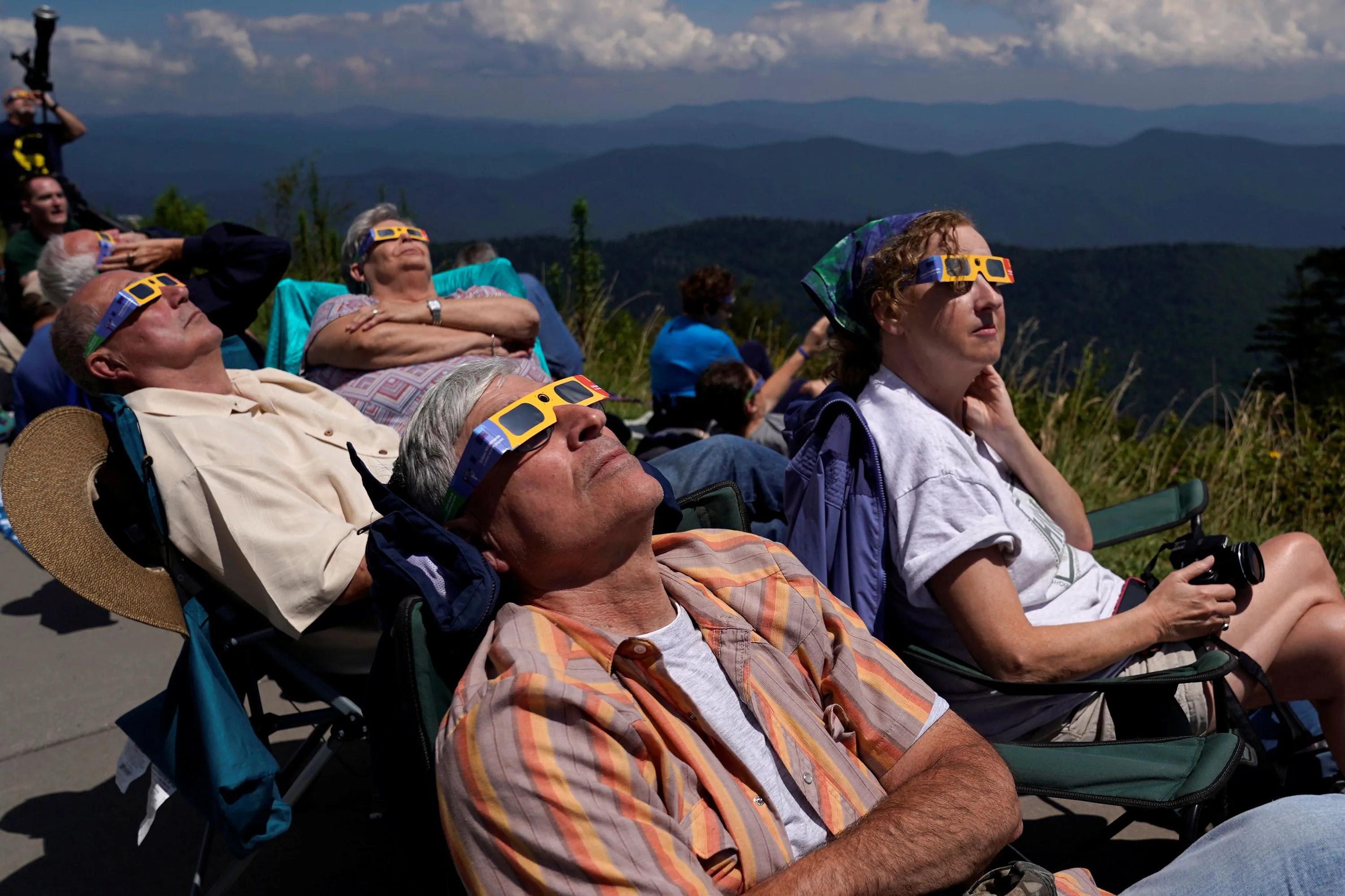
The AAS guidance is blunt: during all phases of a partial solar eclipse, it is safe to look directly at the Sun only through special-purpose solar filters that conform to ISO 12312-2. Ordinary sunglasses are not enough.
That means if you are shopping for approved solar eclipse glasses, solar eclipse glasses iso 12312-2 certified, or simple eclipse viewing glasses, the thing to verify is not a vague “sun safe” claim but proper solar-viewer compliance and intact condition. If you want a deeper standards explainer before you buy, read our guide to ISO 12312-2 and eclipse viewers: what the standard means for your family.
It also means this is not the moment to improvise with dark fashion eyewear, smoked glass, or random online listings that look convincing. If you need a practical checklist, our post on fake and low-quality eclipse glasses: how to sanity-check what you are about to trust is worth reading before you order.
And because this article is about partial viewing, the rule is easy to remember: glasses on the whole time. If you want the full explanation of why totality is different and why that exception does not apply here, see when glasses on, when glasses off: eclipse phases explained for first-time viewers.
Should you stay local or travel south?
This is the real weekend-planner question.
Stay local if:
- you want an easy, low-stress event with family or friends,
- you have access to a good western horizon,
- and you are happy with a deep partial eclipse as the goal.
Travel if:
- you specifically want totality,
- you know you will regret missing the corona,
- or you are already close enough to make northern Spain realistic.
For many readers in France, the decision is especially sharp. If you are already in the southwest, you may get a spectacular deep partial at home—but you may also be close enough that a deliberate trip into Spain changes the event from “impressive” to “life-list.” For readers in Belgium, the Netherlands, Luxembourg, and Germany, the travel question is more obviously about whether you want to commit to a proper eclipse trip rather than a local evening outing.
If you do travel, do not leave weather and mobility until the last minute. The 2026 eclipse is late in the day, and low-Sun geometry makes local cloud and horizon problems unforgiving. Our guide to eclipse travel without the chaos: routes, crowds, and backup plans for 2026 and our weather piece on cloud cover and eclipse day: how to read the sky and when to move can help you build a plan that survives real conditions.
What to expect visually in a deep partial eclipse near sunset
This is where the event gets fun.
In much of France, Benelux, and Germany, the eclipse unfolds toward evening, with the Sun dropping lower as the Moon covers more of it. Through safe viewers, the solar disk becomes a narrowing crescent. In some places, especially farther south and west, that crescent can become startlingly thin.
Around you, the world may not go dark in the cinematic sense, but it can become oddly subdued. Colors flatten a little. Shadows sharpen in unusual ways when the solar crescent gets thin enough. Under leafy trees, tiny crescent Suns can appear on the ground as natural pinhole projections. If you are near sunset and have a clean horizon, the whole scene can feel more theatrical than a midday partial eclipse.
That said, manage expectations. Even a 95% partial eclipse is still bright enough to keep the sky far brighter than totality. This is why so many first-time viewers say afterward, “That was amazing—but I can see why people chase totality.”
A quick regional briefing for planners
Think of this as your 2026 solar eclipse visible france germany benelux 2026 guide in compact form:
France
Best deep-partial prospects are generally in the south and southwest. Paris is around 92%, but cities such as Bordeaux, Toulouse, Perpignan, and Pau climb into the 97% to 99% range. Late evening timing means horizon quality matters.
Belgium
Brussels is around 89% at maximum. This is a strong partial eclipse and very worth seeing, but not close enough to totality to change the safety rules.
Netherlands
A good partial eclipse across the country, with exact values varying by location. Check your city rather than assuming Belgian or German numbers apply.
Luxembourg
Well placed for a strong partial eclipse, but still a location where exact local circumstances should be checked on a map rather than borrowed from neighboring capitals.
Germany
Berlin is around 84%–85%; Munich may be closer to 88% in some summaries. Good event, meaningful regional variation, and strong dependence on your western horizon.
That is the practical answer to best places and timing for 2026 solar eclipse visible france germany benelux: the best place is not just “the country with the highest percentage.” It is the place where your actual obscuration, sunset geometry, and horizon line work together.
Total Solar Eclipse 2026: Europe's Stunning Sunset Spectacle ...
WION
Frequently asked questions
How is a partial solar eclipse different from a penumbral eclipse?
A partial solar eclipse means the Moon covers part of the Sun, so the Sun still looks like a crescent or a bitten disk. The excerpt does not explain penumbral eclipses, so it does not provide enough information to compare the two directly.
If I want to make the eclipse fit a clinical schedule, what should I plan around?
The excerpt does not discuss clinical planning or medical scheduling. What it does say is that this eclipse happens late in the day across France, Benelux, and Germany, often close to sunset, so any plans should be built around local evening timing and safe viewing.
Where should I go if I want the best chance of seeing totality in 2026?
The best place is inside the narrow path of totality, not in France, Belgium, the Netherlands, Luxembourg, or Germany. The excerpt says western Europe readers are most realistically looking at northern Spain if they want the total solar eclipse experience.
What is the timing for the solar eclipse on September 21?
The excerpt only covers the August 12, 2026 eclipse, not a September 21 eclipse. For the event discussed here, the eclipse happens late in the day across France, Benelux, and Germany, generally in the evening and often not long before sunset.
Which countries in Europe will see the 2026 eclipse?
The excerpt says the narrow path of totality crosses eastern Greenland, western Iceland, northern Spain, and a very small area near Portugal. France, Belgium, the Netherlands, Luxembourg, and Germany are outside totality and will see a partial eclipse instead.
On-site next steps
- Check your exact city and backup viewing spot with our Eclipse Explorer / 3D map. This is the fastest way to compare your local view with a possible travel option.
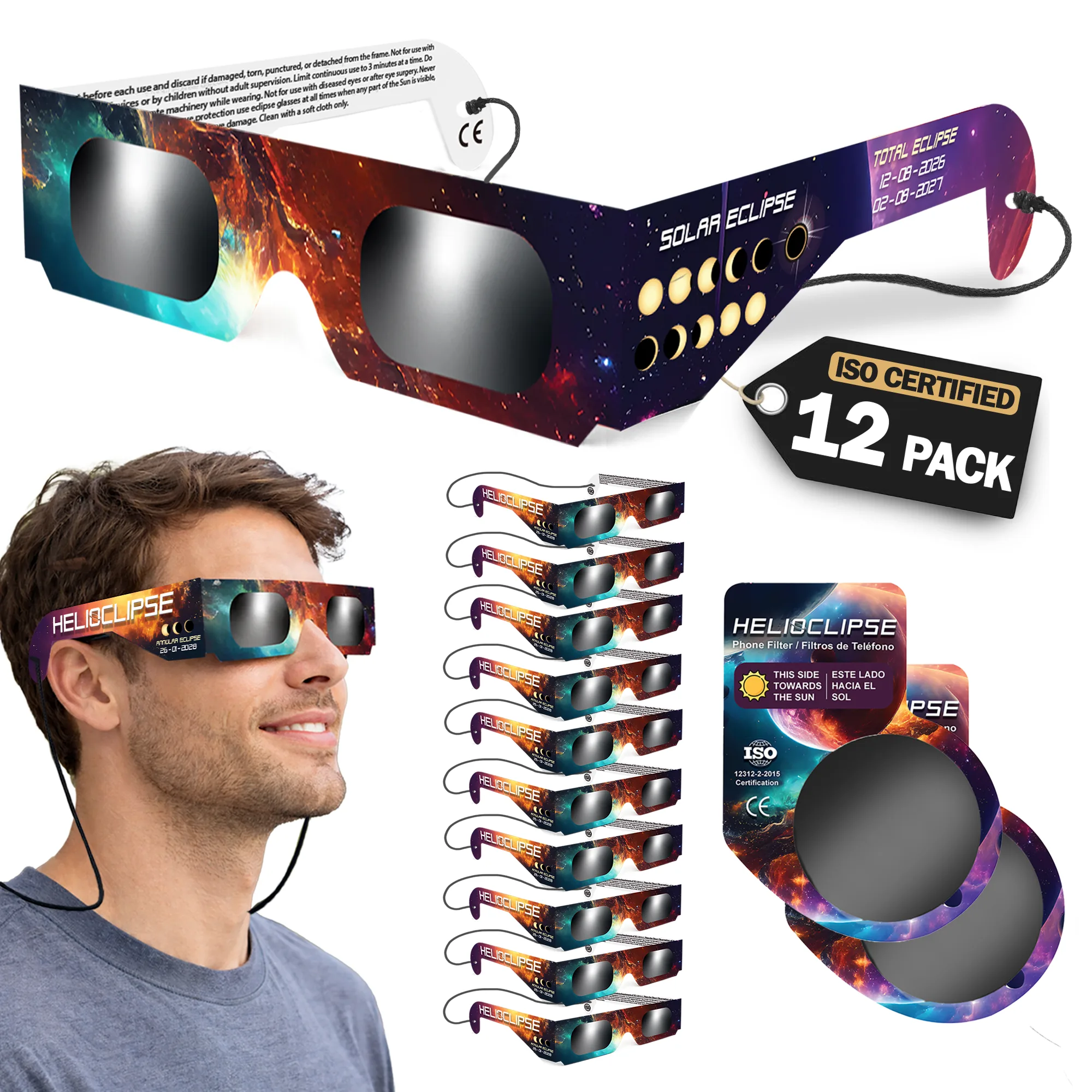
- If you are staying in the partial zone, get your Helioclipse eclipse glasses early so your family or group is covered for the full event.
- Want the bigger picture? Browse our blog hub for totality planning, weather strategy, and first-timer safety guides.
Sources & further reading
- Total solar eclipse 2026 - Everything you need to know
- Millions could see a rare sunset during the total solar eclipse on Aug. 12, 2026. Here's where to look
- Guide for the Total Solar Eclipse of 2026
- How to see the 12 August 2026 partial solar eclipse
- 2026 Solar Eclipse: What You Need to Know Right Now
- How to View a Solar Eclipse Safely
- About the ISO 12312-2 Standard for Solar Viewers
- Phenomena You'll Experience at a Total or Annular Eclipse
- Solar and Lunar Eclipses in 2026
- Future Eclipses