Responsible eclipse travel: reducing harm when a million people want the same patch of land
A total solar eclipse can make a narrow strip of Earth feel suddenly precious. For a few minutes, one road, one hill, one beach access point, one farm lane, or one town edge can become the place everybody wants. That is why responsible eclipse tourism environmental impact is not an abstract policy phrase. It is a practical question about where we park, what we buy, how far we drive, what we leave behind, and whether the communities hosting us feel respected or overrun.
If you are planning for eclipse tourism 2026, the best first move is not to chase hype. It is to get precise. Our Eclipse Explorer / 3D map helps you compare locations before you commit, which can cut pointless mileage, last-minute detours, and the kind of panic driving that turns eclipse day into a traffic jam with a sky event attached.
The goal is not moral perfection. It is better decisions. A responsible eclipse trip still feels exciting, still gets you under the shadow if that is your plan, and still leaves room for joy. It just avoids the lazy version of eclipse travel: everyone driving to the same viral pin, buying disposable stuff they do not need, and treating a host community like a backdrop.
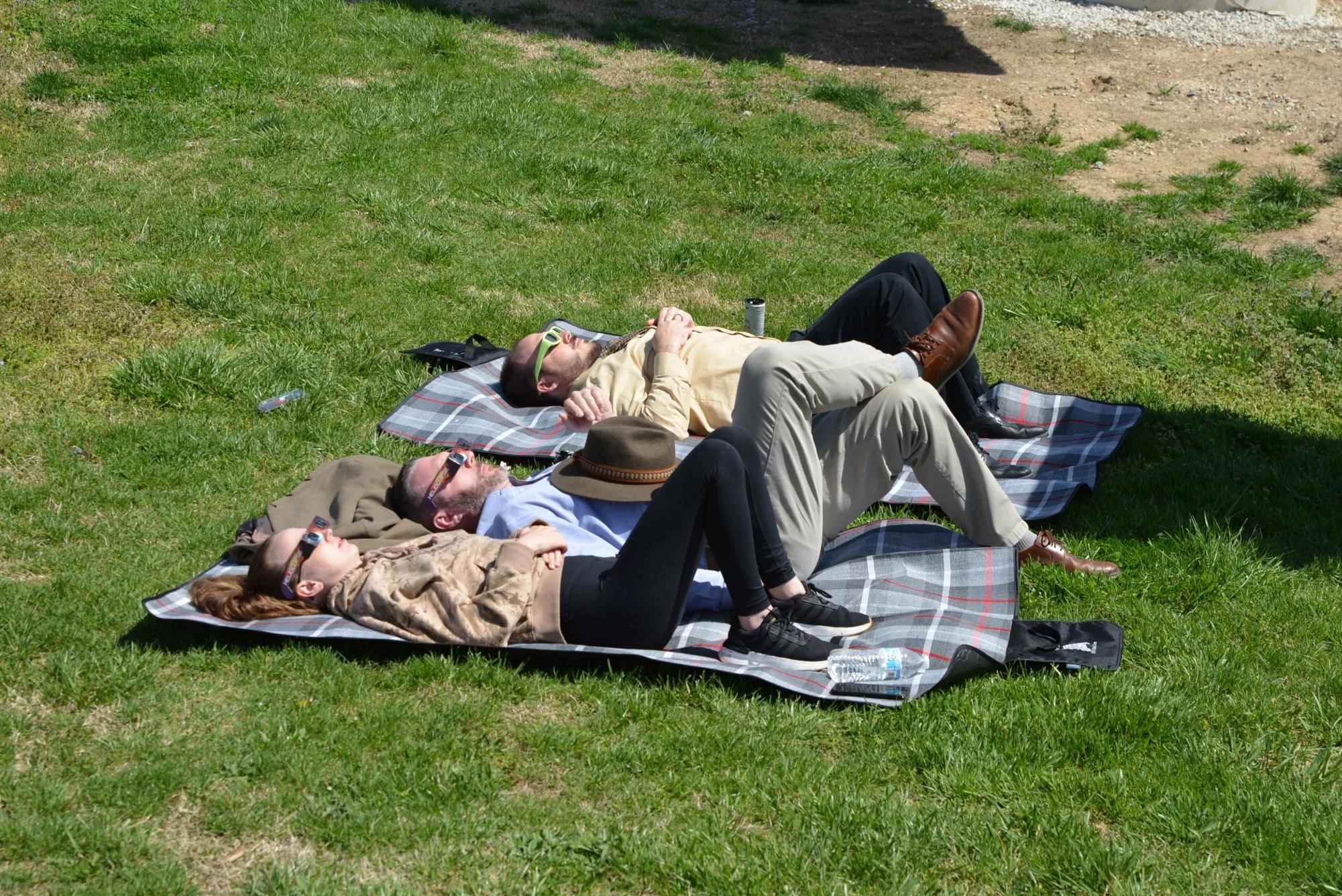
Why eclipse travel creates outsized pressure so quickly
Eclipses compress demand in unusual ways. A music festival can add dates. A sports final can move people through gates. A total solar eclipse has a fixed path, a fixed day, and a totality window measured in minutes. According to the American Astronomical Society, any given spot on Earth experiences totality only rarely on human timescales, which helps explain why people will travel long distances for it.
That rarity is part of the magic, but it is also why the impact of tourism can spike hard in a small area. Roads that work fine for normal summer traffic may fail when thousands of extra cars arrive before dawn and leave all at once after totality. Small towns can run short on fuel, toilets, parking, shade, drinking water, or waste capacity. Natural areas that seem empty on a normal weekday can be trampled in a single afternoon.
This is where general sustainable event-travel principles (waste, congestion, respect eclipse planning becomes useful even if the phrase itself sounds clunky. The underlying idea is simple: a short-lived event can still create real environmental and social stress if visitors behave as though the destination exists only for them.
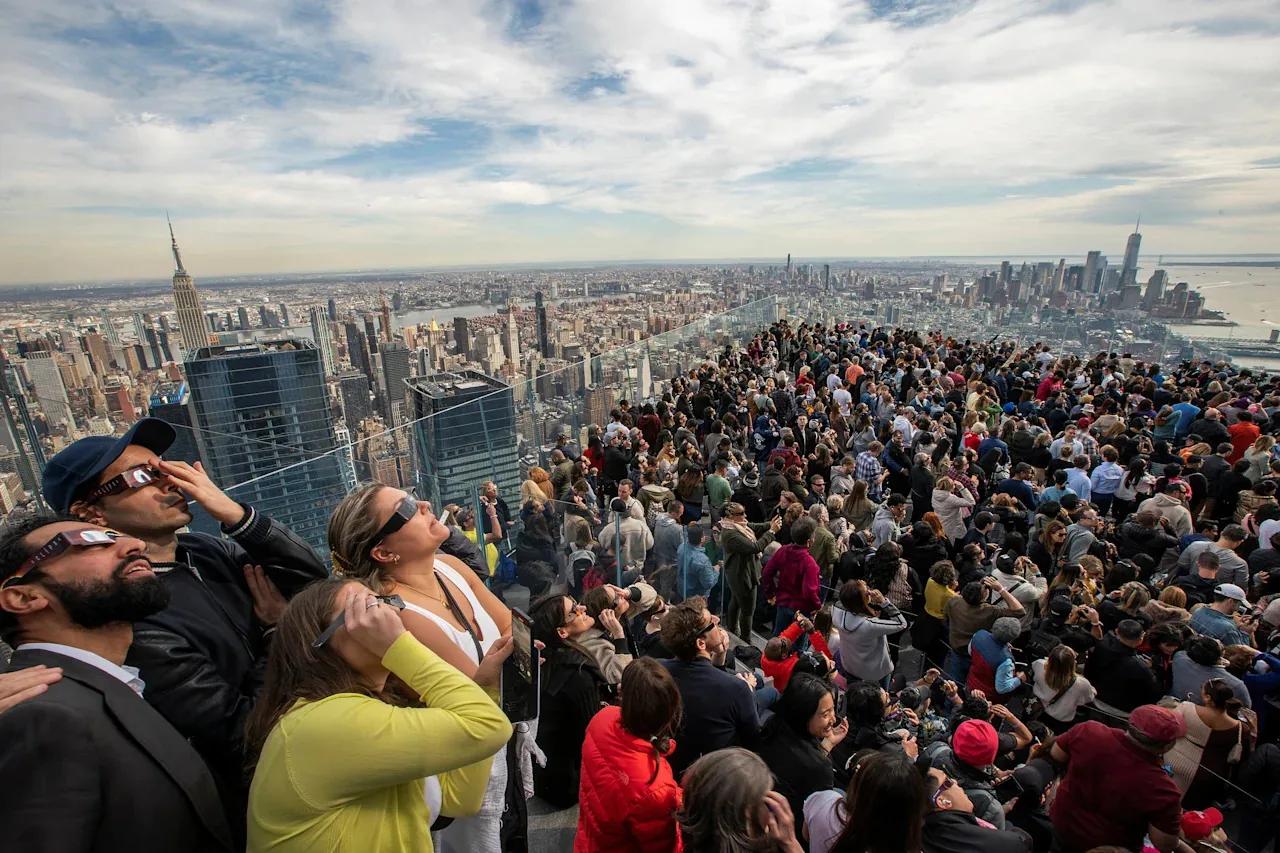
Responsible travel starts before you leave home
The cleanest mile is the one you never drive. That sounds obvious, but it matters more for eclipses than for ordinary sightseeing because indecision often creates extra travel. People book one town, then switch to another because of social media buzz, then plan a dawn relocation because a friend found a “better” overlook, then spend eclipse morning in a convoy of second guesses.
A better approach is to choose a viewing strategy early and stick to it unless weather truly forces a change. Use the map to compare whether you are inside totality, how close you are to the centerline, and what your mobility options look like. If two sites offer a similar eclipse experience, the more responsible choice is often the one that needs less driving, less fragile access, and less competition with local residents.
That is one reason we like planning tools more than hype lists. The phrase best places and timing for responsible eclipse tourism environmental impact should not mean “the most photogenic place with the most dramatic headline.” It should mean the place where your odds are good, your route is realistic, and your presence adds the least unnecessary strain.
If you are still deciding how much flexibility you need, our guide to eclipse travel without the chaos: routes, crowds, and backup plans for 2026 is a good companion read.
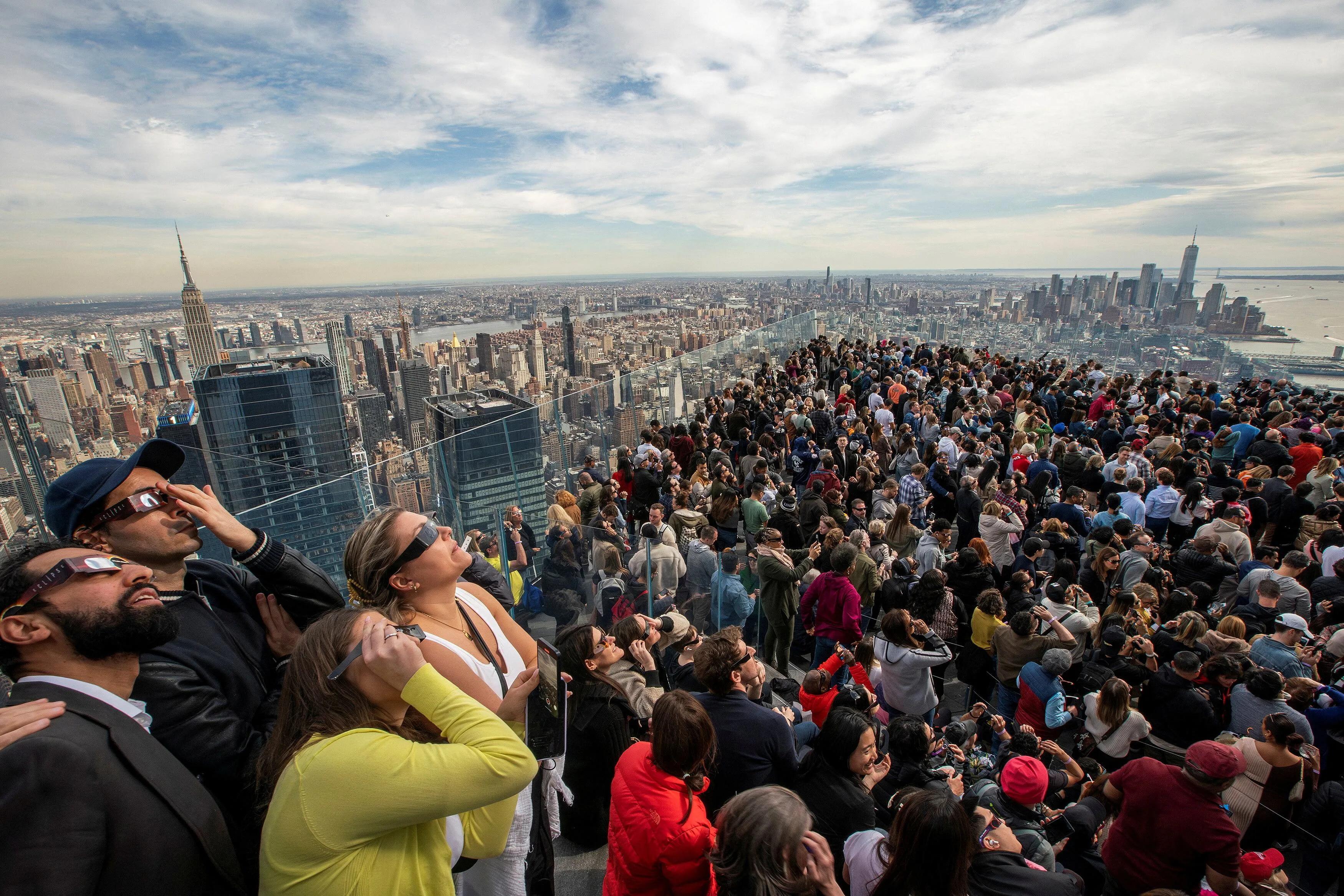
The biggest footprint is usually transport
For most eclipse trips, transport dominates the footprint. Peer-reviewed travel medicine and climate literature notes that tourism is responsible for a meaningful share of global carbon emissions, and transportation is the largest part of that burden. Planes and private cars are especially heavy contributors compared with fuller buses and many rail options.
That does not mean nobody should ever fly to an eclipse. It means we should be honest about tradeoffs. If you are crossing an ocean for one night and one viewing stop, the footprint is high. If you are combining the eclipse with a longer trip, staying put instead of hopping between multiple bases, and using rail or shared ground transport where possible, you are at least reducing the wasteful part of the pattern.
A few practical ways to lower the environmental impact of tourism on an eclipse trip:
- Prefer trains or coaches over short-haul flights when the route is realistic.
- If you must fly, avoid adding extra positioning flights just to shave a little driving time.
- Stay longer in one place instead of making a chain of short hotel stops.
- Share a car with friends or family rather than sending three half-empty vehicles to the same field.
- Choose a viewing site close to where you sleep, even if it means slightly shorter totality than a far-off centerline chase.
That last point matters. Sometimes the most responsible tourism example is accepting 90 seconds or 2 minutes of totality from a manageable site instead of driving hours for a marginal gain while adding congestion, emissions, and stress. Totality is totality. The corona does not care whether you optimized every last second.
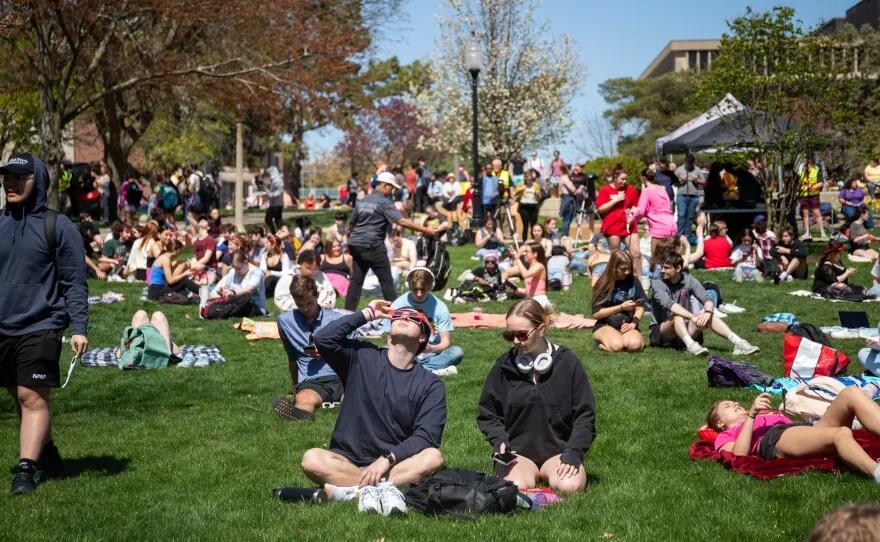
Waste is not a side issue on eclipse day
Waste looks small when you picture one family. It looks different when you picture tens of thousands of families carrying takeaway food, bottled drinks, wipes, packaging, picnic gear, and cheap novelty items into a place with limited bins and limited cleanup crews.
Sustainable travel organizations regularly point to plastic litter, food waste, sewage strain, and poor waste handling as recurring tourism problems. Eclipse travel can reproduce the same pattern in miniature but at high intensity. A roadside pullout or rural beach does not become a fully serviced event venue just because a celestial event is happening overhead.
So pack like someone who expects to clean up after themselves:
- Bring refillable water bottles or larger shared containers.
- Pack reusable cups and cutlery if you are picnicking.
- Bring a small trash bag and take your waste out with you.
- Avoid glitter, balloons, confetti, or anything that becomes windblown litter.
- Buy food you will actually eat instead of panic-buying too much and dumping the rest.
- Use sunscreen and shade gear thoughtfully so you are not leaving broken umbrellas or torn packaging behind.
Food waste deserves its own mention. Research on travel and climate points out that wasted food carries the full emissions cost of growing, transporting, cooling, and preparing it. On eclipse day, oversized “just in case” purchases often become landfill. Pack enough, not excess.
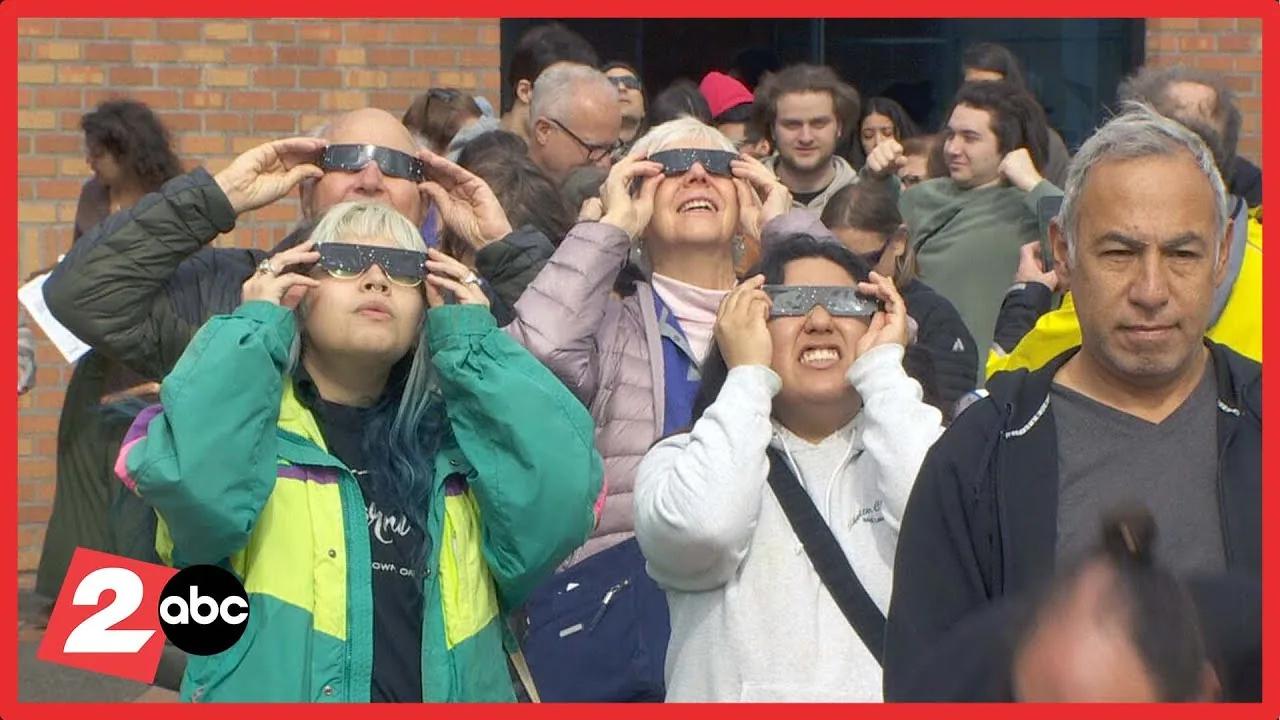
Respect for communities is not optional
A good eclipse host community is not just a viewing platform with bathrooms. It is a real place where people live, work, commute, and care for land year-round. Responsible tourism definition, at its most useful, is not branding. It is the habit of asking: does my trip leave local people better off, worse off, or simply burdened?
That means spending money locally when you can, but it also means not assuming money excuses bad behavior. Buying lunch in town does not justify blocking a farm gate, trespassing for a cleaner horizon, or emptying a small grocery store of water that residents also need.
Some practical community-respect rules:
- Park only where parking is clearly allowed.
- Do not stop on narrow roads, bridges, or field entrances for a “quick view.”
- Ask permission before entering private land, even if other people already wandered in.
- Keep noise down late at night and early in the morning.
- Use public toilets where provided; if none exist, rethink the site.
- Follow fire restrictions, especially in dry summer landscapes.
- Leave gates as you found them and do not disturb livestock.
This is also where the environmental impact of overtourism becomes visible at human scale. Residents do not experience “visitor numbers.” They experience blocked driveways, litter in hedgerows, long queues at fuel pumps, and strangers treating ordinary neighborhoods like overflow parking.
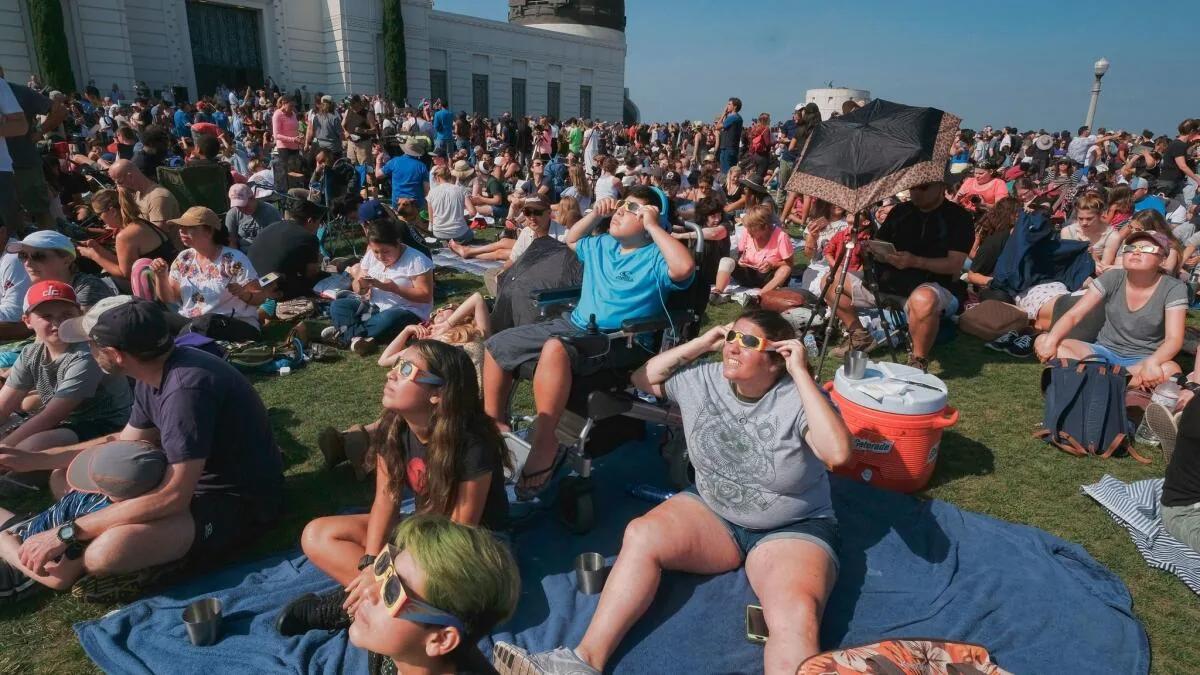
Nature is often the first thing people damage without meaning to
Many eclipse viewing spots are attractive precisely because they are open, scenic, and lightly developed: coasts, moorland, high viewpoints, wetlands, rural pull-ins, dunes, and agricultural edges. Those places can also be fragile.
Sustainable Travel International’s guidance on tourism and nature makes a point that applies perfectly here: tourism depends on healthy ecosystems, but unmanaged visitation can damage the very places people came to appreciate. Trampling vegetation, widening informal footpaths, disturbing nesting areas, and creating ad hoc parking on soft ground are classic examples.
If you are choosing between a dramatic but fragile site and a less glamorous but durable one, the durable site is often the better eclipse decision. A paved public viewpoint, town park, official campground, or transit-accessible waterfront may be less cinematic in your pre-trip imagination, but it is usually better for the place and easier on everyone around you.
Wildlife deserves special care. Keep drones grounded where rules or common sense say they should be. Do not crowd cliff edges, marshes, or nesting zones for a cleaner foreground. An eclipse is not an excuse to turn a sensitive habitat into a temporary stadium.
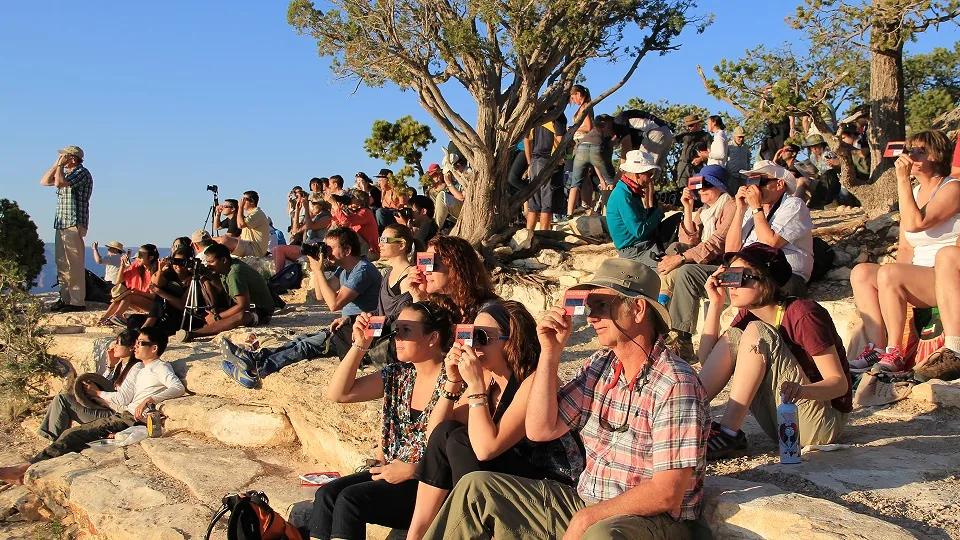
Precision planning reduces harm better than vague good intentions
A lot of greenwashing in travel comes from replacing specifics with mood. “Travel responsibly” means very little if you still drive three extra hours because a viral post promised a perfect horizon.
Better planning is concrete. Check the path. Compare likely weather regions. Understand whether you are aiming for totality or a partial eclipse. If you are outside the path of totality, do not create a high-impact trip around a false assumption. Our readers planning 2026 in Europe should be especially clear on this point: some cities will see a serious partial eclipse, while places inside the narrow totality path will experience the full drop into totality for only a few minutes. That difference changes whether a long drive is worth it at all.
If you need a refresher on that distinction, read When glasses on, when glasses off: eclipse phases explained for first-time viewers and, for Spain-specific planning, 2026 totality in Spain: path basics, timing, and what “on the centerline” really means.
This is the heart of responsible eclipse travel: reducing harm when a million people want the same patch of land. Precision spreads people out. Vagueness bunches them together.
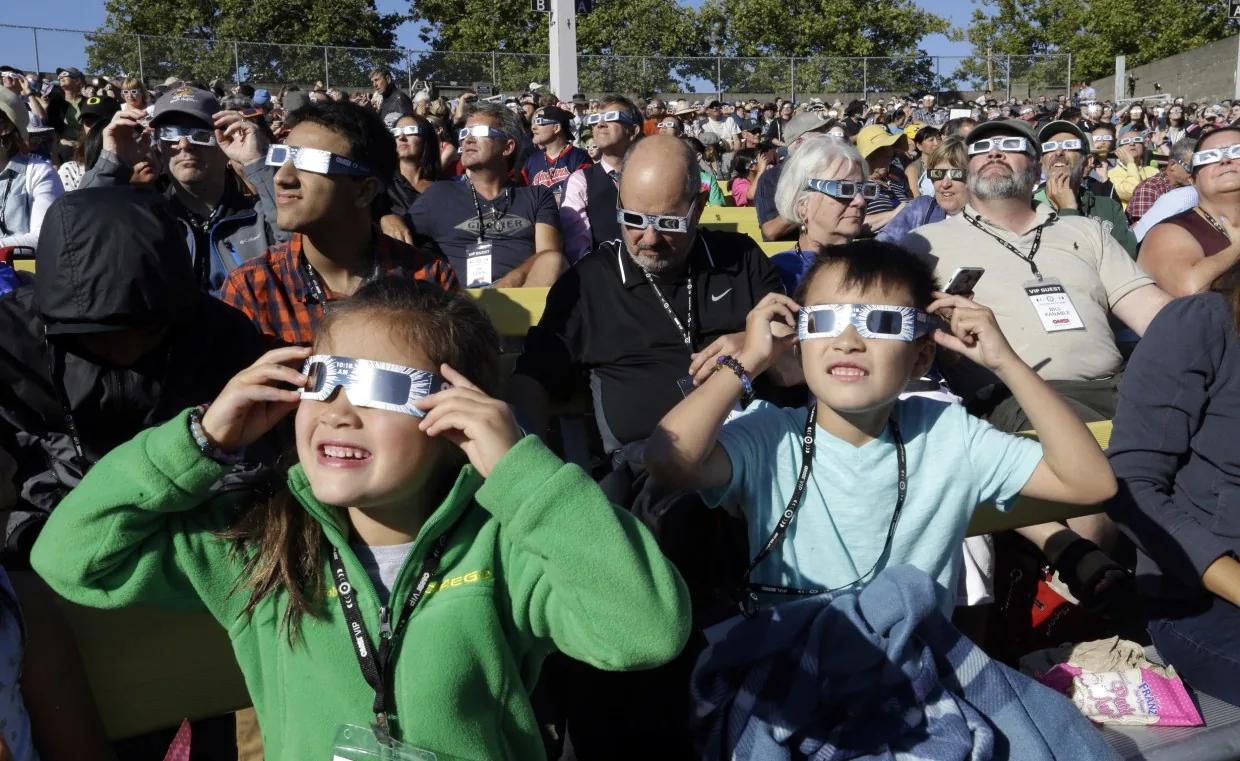
What “sustainable event” thinking looks like for an eclipse
You do not need a conference badge to borrow ideas from event planning. The phrase sustainable event management iso often points people toward formal frameworks and certification language, but the useful lesson for eclipse travelers is simpler: good events reduce waste, manage flows, communicate clearly, and respect host capacity.
For an eclipse trip, that translates into a few practical questions:
Capacity
Can the site actually handle the number of people likely to show up? Think parking, toilets, shade, water, and safe exits.
Circulation
How will people arrive and leave without gridlocking a village or blocking emergency access?
Communication
Do visitors know the rules before they arrive, or are they improvising on the shoulder of a road?
Community
Are local residents and businesses being supported, consulted, and respected rather than surprised?
Cleanup
Who deals with the trash, damaged ground, and overflow after everyone drives away?
Those are not just organizer questions. They are traveler questions too. If your chosen site has no good answers, you are probably not choosing a responsible site.
Safety is part of responsibility, not a separate topic
A responsible eclipse trip is not only about carbon, litter, and courtesy. It is also about not turning a beautiful day into an avoidable eye injury or emergency response problem.
The AAS and NASA are clear: outside the brief total phase of a total solar eclipse, direct viewing requires special-purpose solar filters that conform to ISO 12312-2. Ordinary sunglasses are not enough. If you are outside totality, there is no safe moment to look directly at the Sun without proper protection.
That matters for group planning. If you are bringing children, grandparents, or first-time viewers, sort your viewing gear before eclipse week. On our shop page for solar eclipse glasses, we focus on viewers that meet the standard readers are actually trying to verify when they search for approved solar eclipse glasses, solar eclipse glasses iso 12312-2 certified, or eclipse viewing glasses. If you want the standard explained in plain language, see ISO 12312-2 and eclipse viewers: what the standard means for your family.
Responsible planning also means not using eclipse glasses with cameras, telescopes, or binoculars unless the optics themselves have proper front-mounted solar filters. The AAS warns that concentrated sunlight can damage the filter and your eyes.
You do not have to chase the single “best” spot
One of the most damaging eclipse habits is the belief that there is one perfect place and everyone else should race there. In reality, many eclipses offer long stretches of viable viewing territory. Even within totality, the difference between a centerline site and a site somewhat off-center may be measured in seconds, not in a completely different experience.
That is why a calm, map-based approach often beats a social-media approach. If a region has many legal, durable, reachable sites, spreading out is good for everyone. It lowers the impact of tourism on any one community, reduces traffic spikes, and gives you a better chance of actually enjoying the day.
This is especially true when weather is uncertain. If cloud strategy matters, mobility should be planned, not improvised. Our guide on cloud cover and eclipse day: how to read the sky and when to move can help you decide when movement is justified and when it is just stress disguised as strategy.
What responsible eclipse tourism looks like in practice
A useful responsible tourism example is not a grand statement. It is a family or friend group doing ordinary things well.
They book lodging early and stay two or three nights instead of arriving and leaving in one frantic surge. They choose one realistic viewing area and one backup, not six speculative pins. They bring refillable water, sun protection, snacks they will actually eat, and a bag for their trash. They buy local meals when possible. They keep their car full enough on the day before the eclipse so they are not draining a tiny-town fuel station at the last minute. They bring certified viewers for everyone who needs them. They leave the site cleaner than they found it.
That is not glamorous. It is effective.
And yes, there can be positive environmental impacts of tourism when travel is managed well: local conservation funding, support for public parks, stronger appreciation for dark skies and natural landscapes, and income for communities that host visitors responsibly. But those positives are not automatic. They have to be earned by behavior, planning, and policy.
A realistic standard: less harm, more meaning
We should be careful with purity tests. Some eclipse trips will involve flying. Some will involve rental cars because public transport does not reach the final viewing area. Some communities will welcome visitors because the economic boost matters. Some travelers will reasonably decide that one rare totality experience is worth a larger footprint than an ordinary holiday.
The honest question is not whether your trip is impact-free. It is whether you are reducing avoidable harm.
That is what makes this a real responsible eclipse tourism environmental impact 2026 guide, not a guilt lecture. If you can replace a short flight with a train, do it. If you can share a car, do it. If you can choose a legal public site over a fragile unofficial one, do it. If you can support a host town without overwhelming it, do it. If you can avoid turning eclipse day into a trail of litter and traffic aggression, definitely do it.
The eclipse will still be astonishing. In fact, it may feel better knowing you did not treat the landscape and the people under it as disposable.
Are your eclipse glasses safe? Local optometrist explains ...
WTOL11
Frequently asked questions
Can a solar eclipse change how people act and travel?
Yes. The excerpt explains that eclipses compress demand into a narrow strip of land for a few minutes, which can trigger long drives, crowded roads, and sudden pressure on parking, fuel, toilets, water, and waste systems. That is why planning carefully matters: the event can quickly change normal behavior into rushed, high-impact travel.
Why do so many people treat a total solar eclipse like such a major event?
Because totality is rare at any given spot and lasts only a few minutes, so people are willing to travel long distances to see it. The article says that rarity is part of the appeal, but it also explains why the tourism impact can spike sharply in a small area.
Is it a good idea to head out without a plan on eclipse day?
No. The excerpt warns that chasing hype and making last-minute decisions can lead to pointless mileage, detours, and panic driving that turns eclipse day into a traffic jam. It is better to choose a location carefully in advance and avoid unnecessary travel.
What should people keep in mind about the environmental impact of eclipse travel in 2026?
They should focus on reducing waste, congestion, and pressure on host communities. The article says responsible eclipse travel means thinking about where you park, what you buy, how far you drive, and whether you leave a place respected rather than overrun.
What is the most practical advice for planning eclipse travel in 2026?
Get precise before you commit to a location. The excerpt recommends comparing locations ahead of time so you can cut down on extra driving, last-minute detours, and avoid adding to traffic and local strain on eclipse day.
On-site next steps
- Use our Eclipse Explorer / 3D map to compare path position, likely viewing options, and whether a small gain in duration is really worth extra driving.
- If you are traveling with family or a group, order Helioclipse solar eclipse glasses early so you are not scrambling for safe viewers at the last minute.
- Browse the Helioclipse blog for practical guides on crowds, weather decisions, eclipse phases, and safe viewing.
Sources & further reading
- Responsible Tourism
- Tourism and Nature: Environmental Impacts & Protection
- Climate Change and Travel: Harmonizing to Abate Impact
- Responsible travel tips
- Sustainable Tourism - Adapting to Climate-Induced Holiday Trends
- How to view a solar eclipse safely
- Eclipse basics
- NASA Science — Eclipses
- Eclipse Explorer / 3D map
- World Tourism Organization (UN Tourism) — Sustainable development