You cannot optimize everything: choosing an eclipse trip that fits your real constraints
There is a particular kind of eclipse stress that sneaks up on otherwise sensible people: the feeling that if you do not choose the single best location, the single best weather odds, the single best duration, and the single best logistics all at once, you are somehow doing it wrong.
You are not.
A good eclipse plan is not the same thing as a perfect eclipse plan, because perfect plans usually require money, flexibility, luck, and stamina that real people do not always have. Families have school calendars. Adults have limited leave. Some travelers can drive all day to dodge clouds; others need one train, one hotel, and one predictable schedule. Some readers can reach totality. Others honestly cannot, and a well-planned partial eclipse is still worth treating seriously.
If you want a practical starting point, open the Helioclipse Eclipse Explorer / 3D map early in your planning. It helps you separate the emotional question — “Where do I most want to be?” — from the geometric one: am I actually inside totality, how long does it last there, and how much travel does that require?
This is our how to choose eclipse viewing trip budget time 2026 guide, but the deeper point applies to any eclipse: stop trying to win every category. Choose the tradeoffs you can live with, on purpose.
First, decide what you are actually optimizing for
Most eclipse regret starts before anyone books anything. It starts when people answer the wrong question.
They ask, “What is the 2026 eclipse best viewing location?” when what they really need to ask is, “What kind of day can I realistically pull off?” Those are not the same question. A centerline site with slightly longer totality may be objectively excellent on paper, but it may still be the wrong choice for you if it requires expensive lodging, a rental car, a high-risk weather gamble, or a horizon you cannot properly assess.
For the Aug. 12, 2026 total solar eclipse, the path of totality crosses Greenland, Iceland, northern Spain, and a tiny part of northeastern Portugal after beginning in Siberia. Maximum totality anywhere on Earth is about 2 minutes 18 seconds, according to Space.com’s planning coverage. In Spain, the eclipse happens late in the day, with the Sun low in the northwest sky — around 11 degrees above the horizon on the Galician coast and even lower farther east. That one fact changes the planning equation. A place can have strong weather odds and still fail you if a ridge, apartment block, haze layer, or coastal obstruction eats your horizon.
So before you compare destinations, rank your real priorities:
- Must have: totality at all, or is a serious partial eclipse acceptable?
- Can spend: budget ceiling for transport, lodging, and gear.
- Can spare: one day, a long weekend, or a full week.
- Can move: fixed base, same-day drive, or full weather chase.
- Can tolerate: crowds, uncertainty, rough sleep, long traffic delays.
- Care most about: longest duration, clearest climatology, easiest access, low stress, or sharing it with specific people.
That is the real eclipse planning guide. Not “best” in the abstract — best for your constraints.
Totality is worth respecting, but duration is not everything
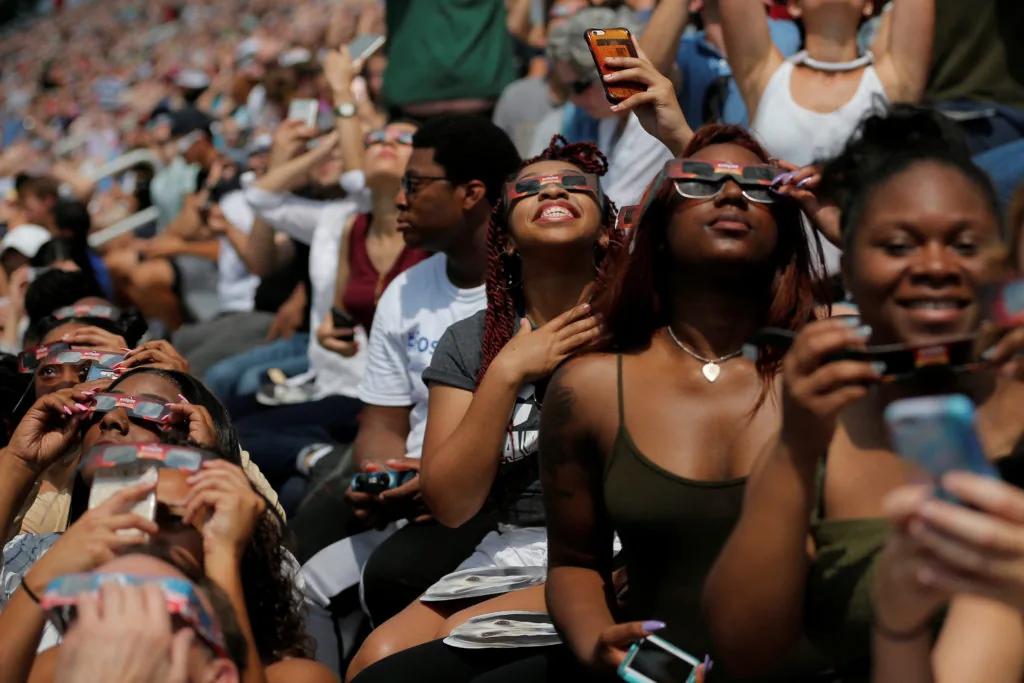
Let’s be honest without being cruel: if you can reasonably get into the path of totality, that experience is in a different category from a partial eclipse. Astronomy Magazine puts it bluntly: 99% partial is still not totality. Outside the path, you do not see the corona with your naked eye, and you do not get the full plunge into that uncanny, horizon-wide twilight.
But that does not mean you should obsess over squeezing out every last second.
One of the most useful pieces of 2026 advice in the source material is essentially this: forget duration first. Not because duration is meaningless, but because people overweight it. In Spain, for example, Space.com notes that Burgos, near the centerline, gets about 1 minute 44 seconds of totality, while Valladolid, roughly halfway between the centerline and the southern limit, gets about 1 minute 29 seconds. Fifteen seconds matters less than many first-time travelers imagine. If Valladolid is easier, cheaper, or gives you better mobility for weather, that can be the smarter choice.
This is where a lot of “2026 eclipse best place to view” advice goes off the rails. It treats the centerline as a trophy. In reality, the centerline is one variable among several, and often not the one that decides whether you actually see the eclipse.
If you want the broader event context, our August 12, 2026 total solar eclipse planning guide is the right companion piece. Use that for the event overview; use this article for the decision logic.
Weather can beat your beautiful itinerary
Every eclipse traveler eventually learns the same hard lesson: weather does not care how much you spent.
Cloud climatology matters. So does short-term forecasting. NASA’s eclipse planning guidance and multiple science outlets make the same point in different ways: historical cloud data can improve your odds, but it cannot guarantee a clear sky. Live Science quoted meteorologist Jay Anderson saying that even in favorable parts of a path, you can still face a meaningful chance of cloud cover. That is not pessimism. That is the game.
This is why the best trip for one person is not the best trip for another.
If you have a car, a flexible schedule, and the temperament to pivot, you can choose a region with decent road options and make a weather call a few days out. For the 2026 eclipse in Spain, that may matter more than shaving your hotel search down to one famous town. If you are traveling with children, older relatives, or anyone who needs a stable plan, the “mobile chase” strategy may be a terrible fit even if it improves your odds.
A low-stress fixed plan is not cowardice. It is a legitimate choice.
A high-mobility weather chase is not automatically smarter either. It can mean more fatigue, more traffic exposure, more decision pressure, and more ways to arrive flustered just as the partial phases begin.
If weather strategy is likely to make or break your trip, read our guide to cloud cover and eclipse day: how to read the sky and when to move. The key is not to pretend uncertainty away. The key is to decide in advance how much uncertainty you are willing to manage.
Access, horizon, and timing can matter more than famous place names
For 2026 especially, “inside totality” is only the first filter. The second is whether you can actually see the Sun where it will be.
That sounds obvious, but low-Sun eclipses punish lazy site selection. In northern Spain and toward the western Mediterranean, the eclipsed Sun will sit low in the northwest late in the day. Space.com’s reporting highlights a stark contrast: on Spain’s Galician coast the Sun is only about 11 degrees high during totality, while from the west coast of the Balearic Islands it can be as low as about 3 degrees above the horizon. Three degrees is not a poetic detail. It is the difference between a dramatic low-altitude corona and losing the event to haze, sea cloud, buildings, or terrain.
So when people ask for the 2026 eclipse best place to view, we think the better answer is a checklist:
- Are you inside totality?
- What is your totality duration there?
- What is the Sun’s altitude and azimuth?
- Do you have a truly open sight line in that direction?
- What are your weather and mobility options?
- What will it cost you to hold that plan together?
That is also why “best place to see solar eclipse 2026” is not one city. It is a match between eclipse geometry and your real-world constraints.
For example, Burgos and Valladolid are useful planning anchors because they illustrate a common tradeoff: a bit more duration near the centerline versus potentially easier logistics and flexibility slightly off it. Zaragoza often appears in weather discussions because eastern and interior Spanish locations can offer stronger August sky prospects than some coastal alternatives. But none of those names should hypnotize you. A mediocre field with a clean horizon and easy parking can beat a glamorous viewpoint with blocked sight lines and no exit route.
If you are comparing Spain-specific options, our 2026 totality in Spain: path basics, timing, and what “on the centerline” really means goes deeper on the geometry.
Budget is not separate from the sky experience
People often talk as if budget is the boring part and the eclipse is the magical part. In practice, budget shapes the experience from beginning to end.
A cheaper trip can be better if it buys you one crucial thing: resilience. Maybe that means an extra night so you are not forced into same-evening gridlock. Maybe it means a rental car instead of a fixed transfer. Maybe it means staying outside the most obvious hotspot and driving in with options. NASA’s planning advice is full of practical details that sound mundane until they save your day: fuel up early, bring food and water, arrive before the partial phases, and expect post-eclipse traffic to be ugly.
Astronomy Magazine’s eclipse coverage makes the same point from experience. Prime locations get crowded, accommodation gets scarce or overpriced, and roads can become the real bottleneck. If your dream plan leaves no margin for delays, no backup route, and no money for one last-minute adjustment, it may be less robust than a humbler plan.
This is one reason we tell readers not to confuse expensive with optimized.
A family that books a sensible base, packs snacks, shares one calm observing spot, and accepts a slightly shorter totality may have a far better day than a stressed-out couple trying to thread a heroic last-minute route through traffic for an extra 20 seconds.
And if your budget simply does not stretch to a totality trip in 2026, that is not failure. It is information. Use it early, not after weeks of self-punishing comparison.
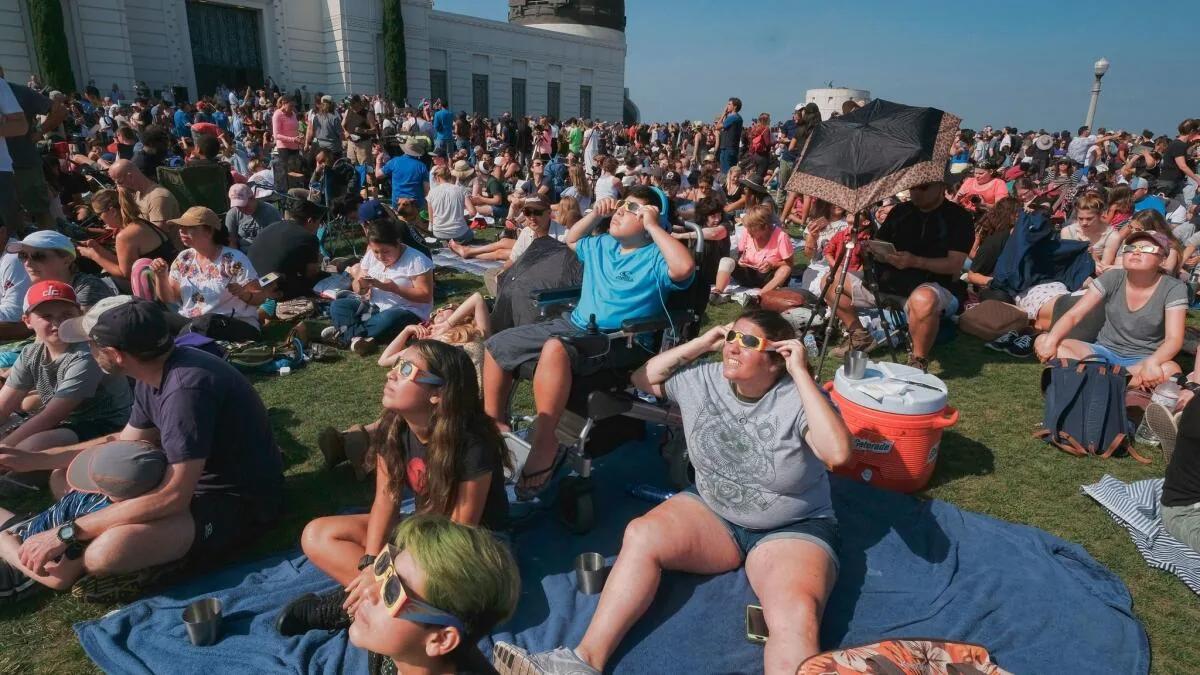
Time is a real constraint, not a character flaw
Some eclipse advice quietly assumes you can take several days off, arrive early, scout locations, and pivot on weather. Many people cannot.
If you have one day, your planning question changes. You are no longer optimizing for theoretical best conditions. You are optimizing for reliability and simplicity.
That might mean:
- choosing a location you can reach without a connection chain,
- accepting a shorter totality duration in exchange for easier access,
- staying close enough to home that a cloud-out does not feel financially devastating,
- or deciding that a local partial eclipse with friends is the right call this cycle.
This is where we want to give explicit permission: not every reader needs to become an eclipse chaser. Some people will become one after their first totality. Others will remain happily occasional observers. Both are fine.
The phrase you cannot optimize everything: choosing an eclipse trip that fits is not a warning label. It is relief. It means you are allowed to build around your life instead of pretending your life should bend around an astronomical event.
If you do have more flexibility, use it where it matters most. Extra time is best spent on weather margin, recovery margin, and scouting your actual observing direction — not on endless micro-optimization.
Mobility is powerful, but only if you can use it well
“Stay mobile” is good eclipse advice right up until it becomes a fantasy.
Mobility helps when roads are workable, forecasts are meaningful, and your group can move quickly without melting down. It helps less when everyone is tired, your driver is stressed, your children are hungry, and every other vehicle in the region has had the same idea.
For the 2026 eclipse in Spain, the late-day timing creates a useful possibility: you do not necessarily need to wake up inside totality. In some cases, you can spend the day monitoring conditions and then move toward a clearer site. But that only works if you have already done the hard part — route planning, horizon checks, fuel, parking assumptions, and a clear threshold for when you stop moving.
A backup plan is not “we’ll figure it out.” A backup plan is:
- one primary site,
- one secondary site,
- one trigger for switching,
- one latest departure time,
- and one agreement about who makes the call.
That is the difference between strategic flexibility and chaos.
If you want help thinking through crowds, route pressure, and fallback logic, our eclipse travel without the chaos: routes, crowds, and backup plans for 2026 is built for exactly that problem.
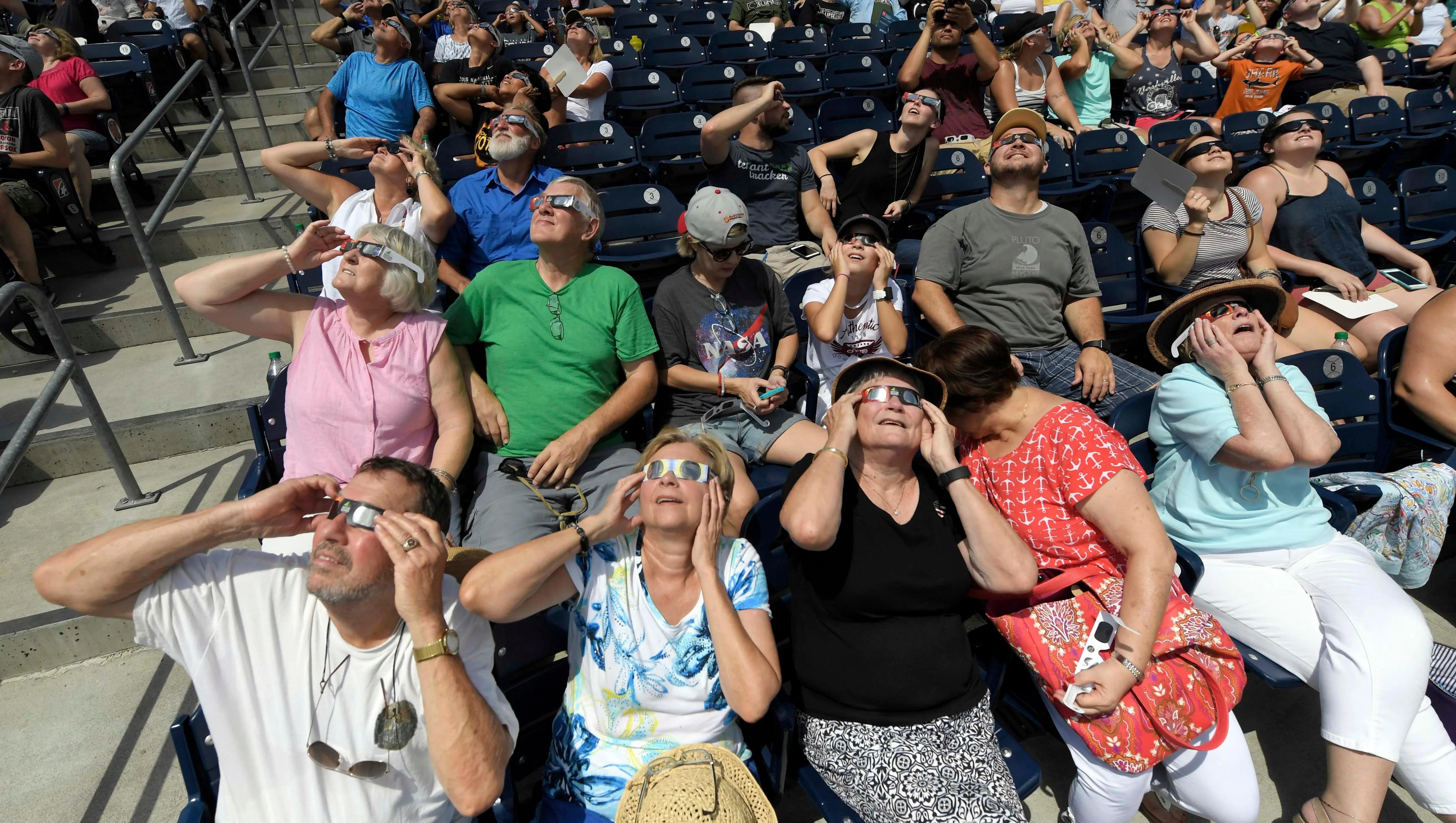
Sometimes the honest answer is: stay local and watch a partial eclipse well
We love totality. We will never pretend a partial eclipse is the same thing.
But we also do not believe in FOMO cruelty.
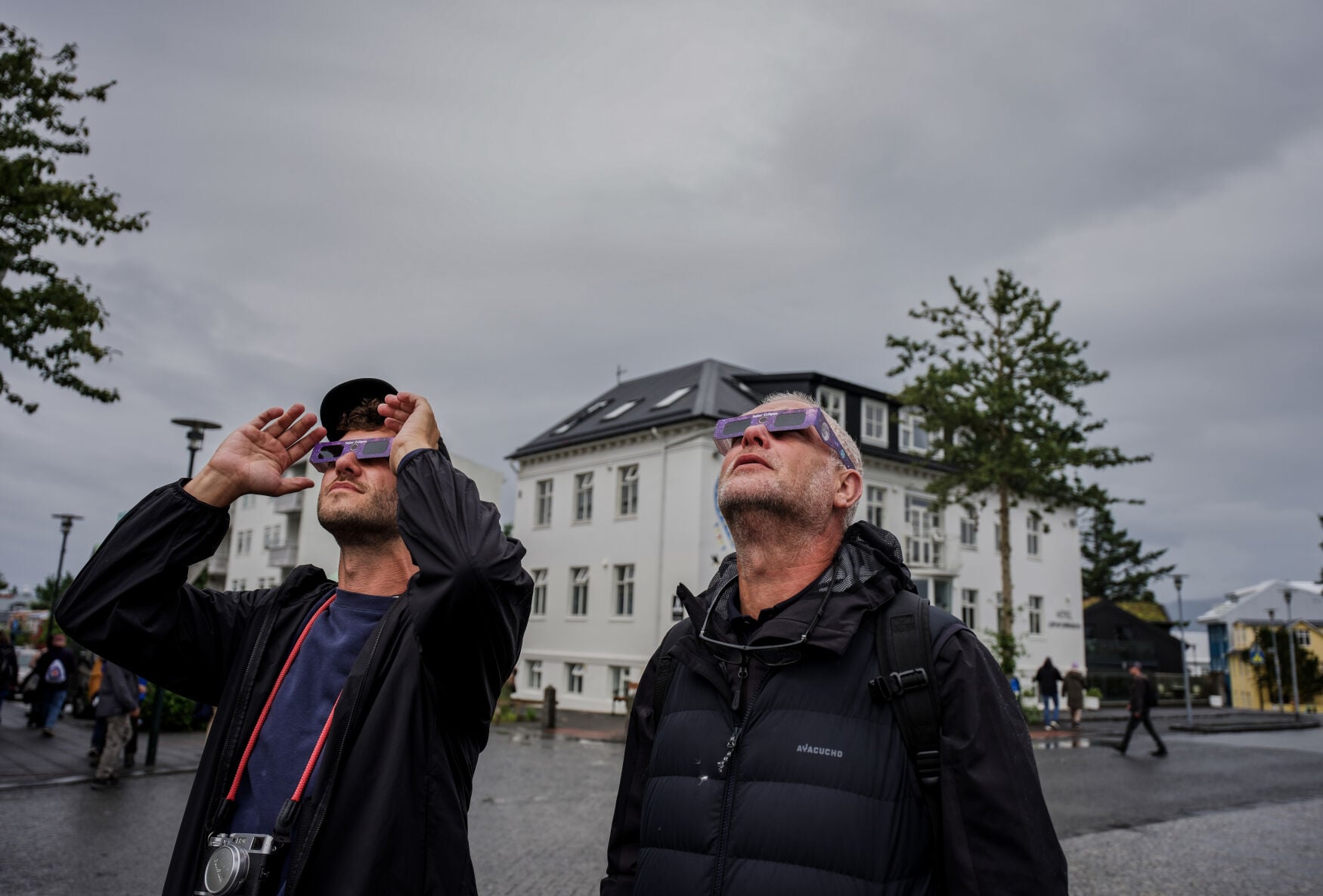
A serious partial eclipse can still be memorable, educational, social, and emotionally real — especially if the alternative is a financially reckless trip or a physically exhausting one that your group dreads. NASA and the AAS both emphasize the same safety truth: outside the path of totality, there is no safe moment to look at the Sun without proper solar viewing protection. That does not make a partial eclipse lesser in every sense. It makes it different.
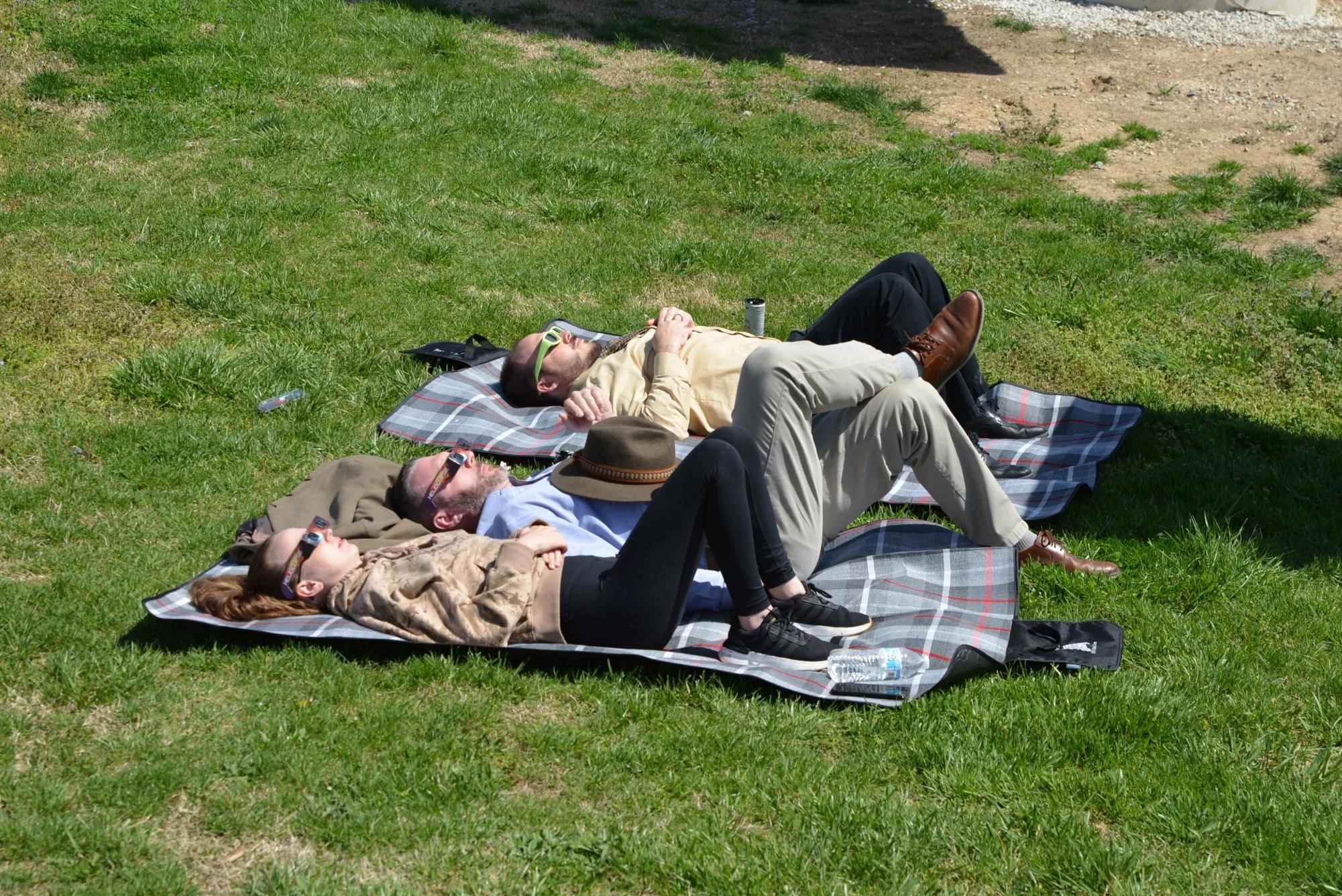
A well-planned partial event lets you focus on the changing light, crescent projections under trees, the slow bite of the Moon across the Sun, and the shared experience of watching the sky change together. For many families, schools, and first-time observers, that is a very good day.
And sometimes a partial eclipse is the right stepping stone. It teaches timing, gear discipline, and how slowly the partial phases unfold. It can also help you decide whether you want to commit harder next time — perhaps for 2027, when people will inevitably start comparing the solar eclipse egypt 2027 map, asking for the best place to see solar eclipse 2027, or browsing ambitious tour ideas they may or may not actually enjoy.
The point is not to downgrade your ambition. The point is to choose honestly.
If your likely 2026 experience is partial rather than total, own that plan and do it well. Do not tell yourself you are “basically” getting totality if you are not. And do not let anyone tell you a local, safe, shared eclipse day is worthless.
Safety and gear should be the easy decision
Some parts of eclipse planning are messy. Eye safety should not be one of them.
For any partial eclipse, and for all partial phases of a total eclipse, you need proper solar viewers that conform to ISO 12312-2. The AAS is especially clear on this: ordinary sunglasses are not safe, and outside totality there is no unprotected viewing window. If you are new to the timing of when glasses come off and go back on, read our guide to when glasses on, when glasses off: eclipse phases explained for first-time viewers.
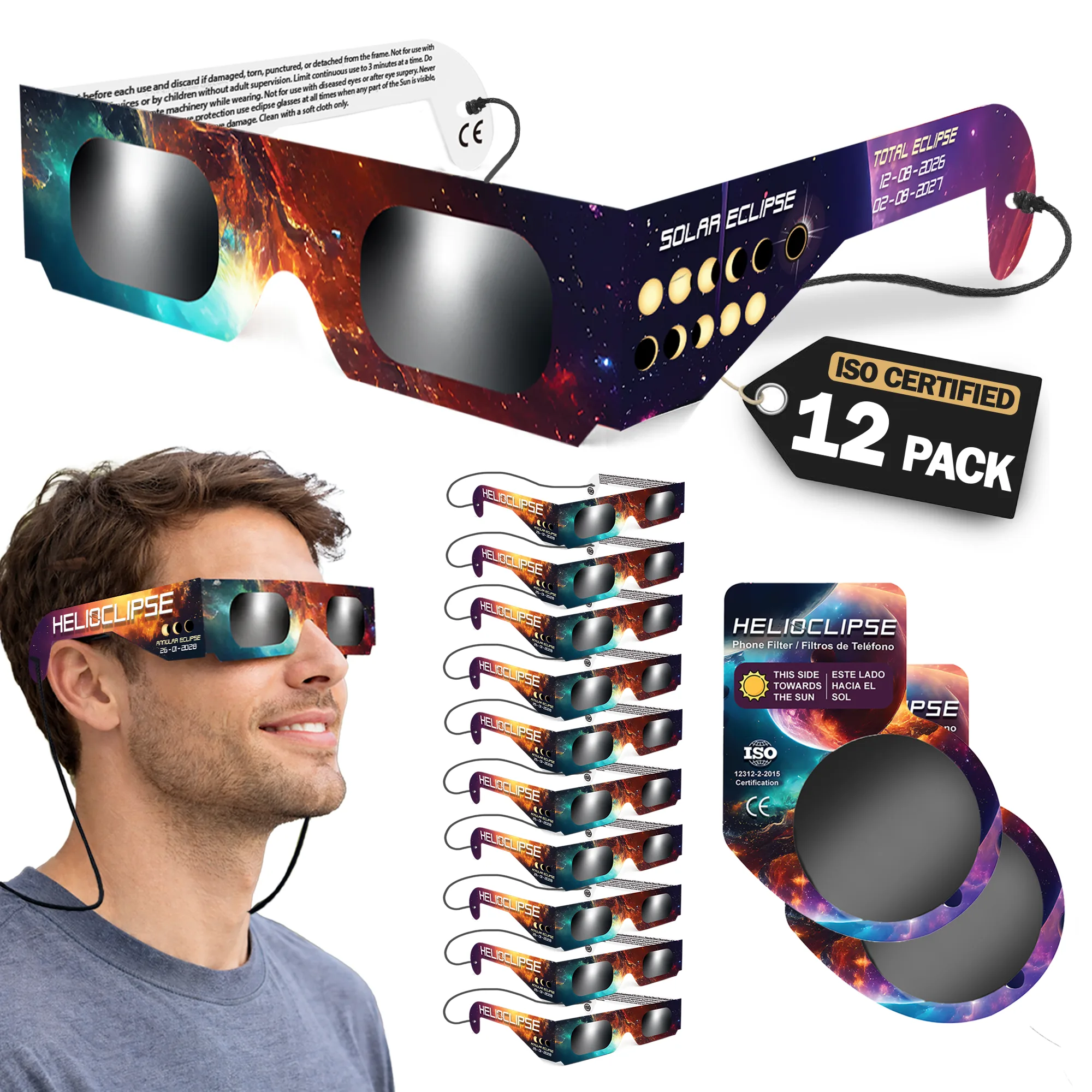
We also recommend buying early, not because panic is useful, but because sellouts and sketchy listings are predictable around major eclipses. If you are shopping for a group, look for Helioclipse solar eclipse glasses with clear standards information and enough pairs for the people who will actually be with you on the day. Readers often arrive using marketplace language like approved solar eclipse glasses, solar eclipse glasses iso 12312-2 certified, or eclipse viewing glasses; what matters is not the phrase itself but whether the product is clearly presented, undamaged, and appropriate for direct solar viewing.
One more thing: weird search spillover is real. Around eclipse season, search results can mix astronomy with unrelated software terms like aria eclipse, eclipse treatment planning tutorial, eclipse treatment planning system manual, or even how to add clinical goals in eclipse? None of that helps you watch the Sun safely. For actual eclipse viewing, stick to astronomy safety guidance and reputable sellers.
If you want the standards context in plain English, our ISO 12312-2 and eclipse viewers: what the standard means for your family is the next read.
A simple decision framework you can actually use
If you are stuck, stop reading destination lists and score your options on five axes from 1 to 5:
1. Sky quality odds
Not certainty — odds. Use climatology, then update with short-range forecasts.
2. Access and sight line
Can you get there calmly, park or stand safely, and see the Sun where it will actually be?
3. Budget resilience
Can you afford the trip without needing every booking and transfer to go perfectly?
4. Time fit
Does the trip fit your real calendar, including recovery time and possible delays?
5. Emotional fit
Will this feel exciting, or will it feel like an ordeal your group resents?
Then add one final binary question: Does this plan get me totality, yes or no?
That last question matters because totality is special. But it is not the only question, and it should not erase the others.
This is the heart of how to choose eclipse viewing trip budget time without spiraling. You are not trying to maximize every variable. You are trying to choose the best overall compromise.
For one reader, that may mean northern Spain with a car and a weather pivot. For another, it may mean a fixed hotel near a practical transport hub. For another, it may mean staying home in 2026, learning the rhythm of eclipse day, and saving energy for a future event. Some people searching “best place to see solar eclipse 2026” really need a map. Some searching “2026 eclipse best viewing” really need permission to stop chasing an impossible ideal. Some self-described eclipse traveler types will gladly trade comfort for odds. Others should not.
All of those can be rational choices.
What time is the best time to view the eclipse?
For a solar eclipse, the best time is not a generic hour on the clock. It is the time of maximum eclipse at your location — and, if you are in the path of totality, the brief interval of totality itself.
That is why we push readers back to maps instead of slogans. In 2026, the event reaches different places at different local times, and in Spain the low late-afternoon or near-sunset geometry is part of the story. In some western Spanish locations, totality comes roughly 70 minutes before sunset; farther east, the Sun sits even lower and may set while still partially eclipsed. That is spectacular if your horizon is open and the air is clear. It is disastrous if you guessed wrong about the view.
So the practical answer to “what time is the best time to view the eclipse?” is: the time your map gives for your exact site, plus enough margin to be settled before first contact. Do not invent precision you do not have. Look up your location, note whether you are in totality or partial, and plan backward from there.
YouTube
Frequently asked questions
When should I plan to watch the eclipse for the best view?
The best time is the one that fits your actual viewing conditions, not just the calendar. For the 2026 total solar eclipse in Spain, the Sun will be low in the northwest sky, so a clear horizon matters as much as the timing itself.
Which places and times are the strongest options for seeing the 2026 solar eclipse?
The path of totality crosses Greenland, Iceland, northern Spain, and a small part of northeastern Portugal after starting in Siberia. The excerpt notes that maximum totality anywhere on Earth is about 2 minutes 18 seconds, but a site can still be a poor choice if local terrain or buildings block the low Sun.
What is the eclipse planning approach that helps people make a realistic choice?
The article’s approach is to stop trying to optimize everything at once and instead choose the tradeoffs you can live with. It recommends separating the emotional question of where you want to be from the geometric question of whether you are actually in totality, how long it lasts, and how much travel it requires.
How do I set my priorities before planning an eclipse trip?
Start by deciding what you are really optimizing for: totality or a serious partial eclipse, your budget, the time you can spare, and how much flexibility you have to move. The excerpt says families, workers with limited leave, and travelers with fixed schedules all need different plans, and a well-planned partial eclipse can still be worthwhile.
What should I keep in mind when choosing an eclipse trip around budget and time limits?
Choose a plan that matches your real constraints instead of chasing the perfect location. The article says a centerline site with slightly longer totality may still be the wrong choice if it requires expensive lodging, a rental car, a risky weather gamble, or more time than you can spare.
On-site next steps
- Explore your real options on the Helioclipse Eclipse Explorer / 3D map. Check whether you are inside totality, compare duration, and look at the path geometry before you commit to a destination.
- If 2026 is your target, keep our broader blog hub open for travel, weather, safety, and regional planning guides.
- Order Helioclipse solar eclipse glasses early enough that safety is already solved before the rest of your trip gets complicated.
Sources & further reading
- 10 tips for planning your 2026 solar eclipse trip
- A guide to the 2024 eclipse from Astronomy magazine
- Eclipse chasing
- Places with the best weather to watch the April 8 solar eclipse (and what happens if it's cloudy where you are)
- How I Calculated Where the Solar Eclipse and My Plane Would Intersect
- What to Expect: A Solar Eclipse Guide
- What to Expect
- The Best Places to See the Eclipse
- How to view a solar eclipse safely
- Eclipse basics