Beginner-friendly eclipse photography: safety first, gear second
A solar eclipse can make even calm people do reckless things with cameras. That is why our first rule for solar eclipse photography is simple: protect your eyes before you think about focal length, burst mode, or whether your phone can zoom.
If you remember only one thing from this guide, make it this: outside the brief total phase of a total solar eclipse, you should never look at the Sun through unfiltered optics. That includes a camera, binoculars, a telescope, and yes, a phone setup if you are tempted to line your eye up with something unsafe. Before eclipse day, use our Eclipse Explorer / 3D map to confirm whether you will be in totality or only seeing a partial eclipse, because the safety rules depend on that geometry.
This is a practical solar eclipse photography beginner safety guide, not a gear-flexing contest. We want you to come home with your vision intact, your camera intact, and at least one photo you actually like.
The real priority: eyes first, sensors second
The phrase beginner-friendly eclipse photography: safety first, gear second is not just a nice slogan. It is the correct order of operations.
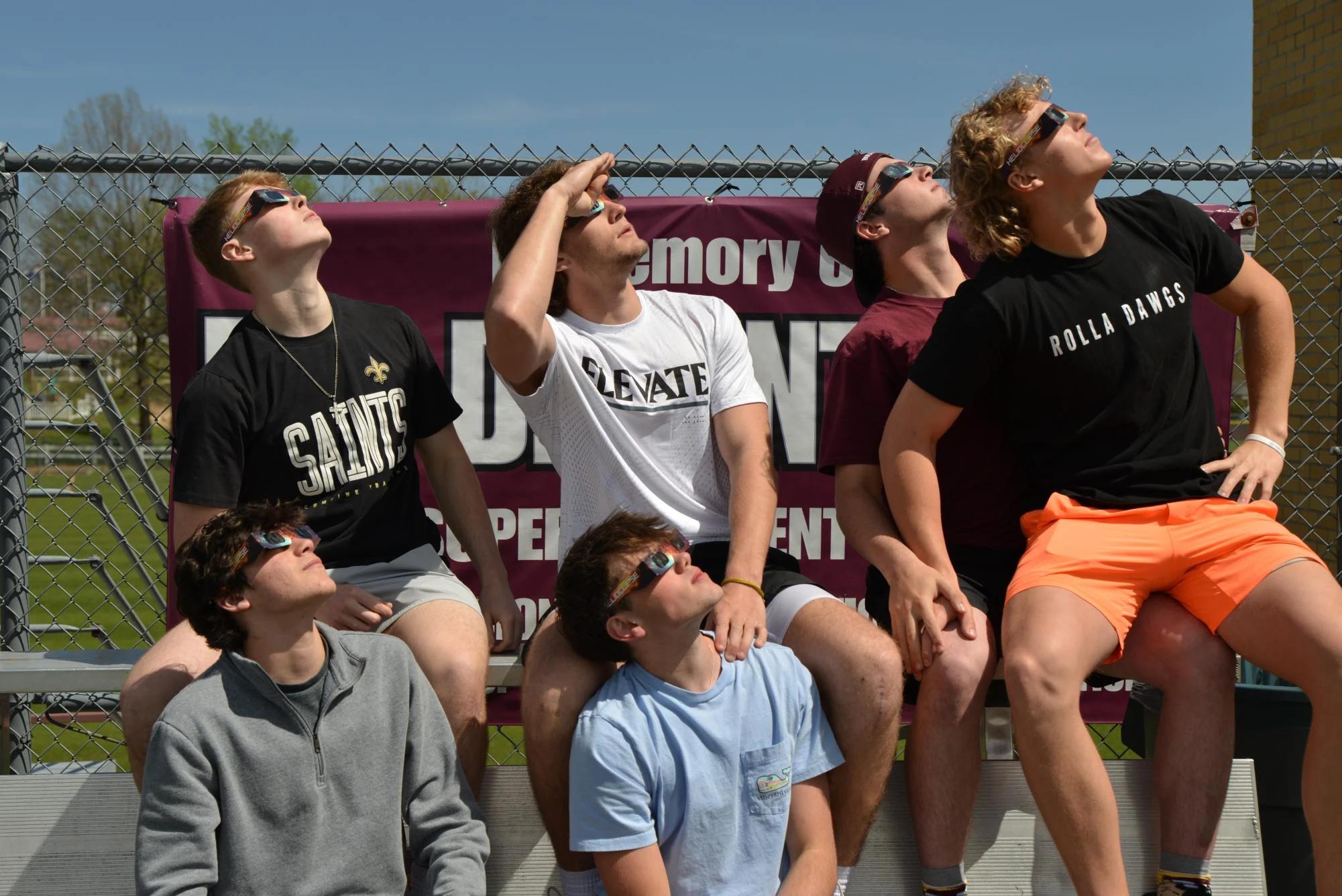
The Sun is not a normal daytime subject. During a solar eclipse, people often assume the dimmer light means lower risk. That is exactly backwards. Even when the Sun looks like a thin crescent, the remaining bright surface is still intense enough to injure eyes and damage equipment if you use it carelessly. The American Astronomical Society and NASA are both explicit here: except during totality itself, direct viewing requires proper solar protection, and magnifying optics need their own front-mounted filtration.
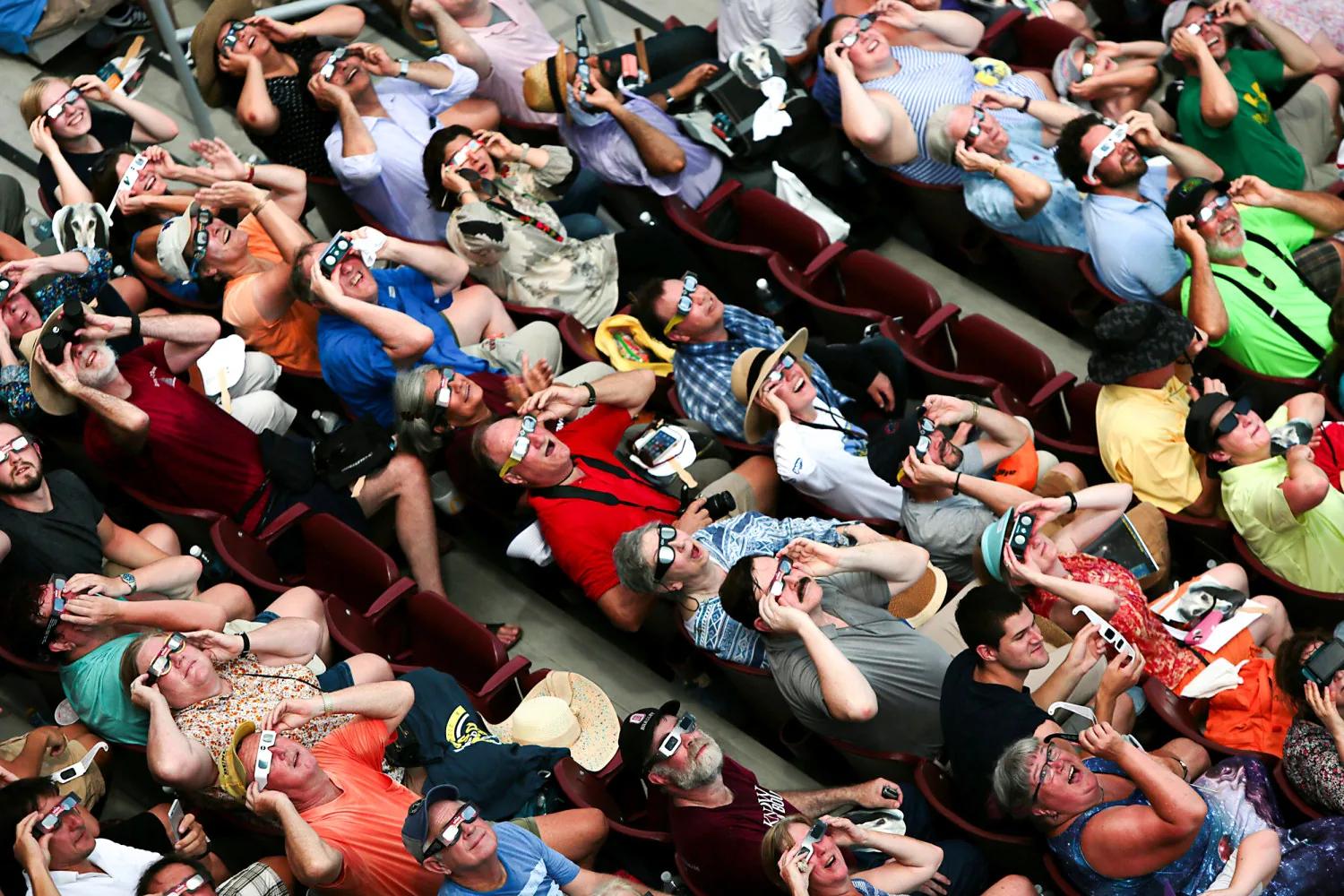
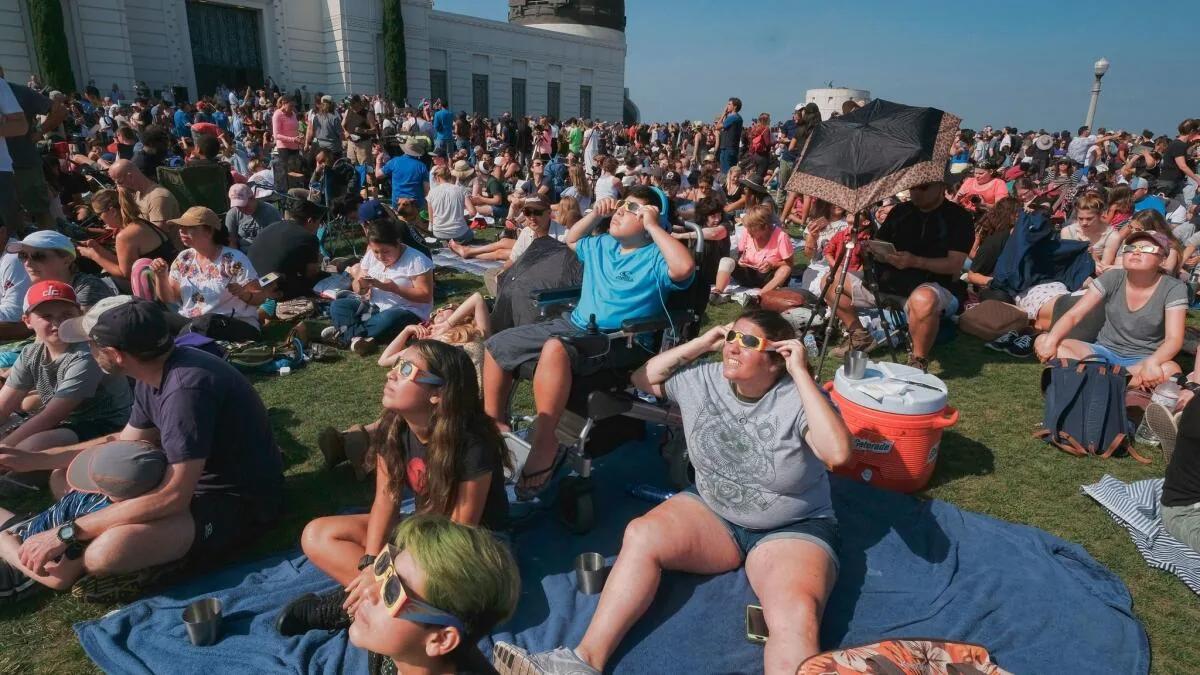
That is also why we tell first-timers not to overbuild their plan. If you spend the whole event wrestling with adapters and exposure charts, you may miss the part you actually came for. For many people, the smartest first eclipse photo is not a tight close-up of the Sun. It is a safe, simple record of the day: your family in eclipse glasses, the strange light on the landscape, the reaction when the sky changes, or a filtered smartphone shot of the partial phases.
If you want a deeper explanation of when viewing rules change, our guide to When glasses on, when glasses off: eclipse phases explained for first-time viewers is worth reading before you pack anything.
What a solar filter actually does
A proper solar filter cuts the Sun’s light to a tiny, safe fraction before that light enters your optics. For cameras, binoculars, and telescopes, the key point is placement: the filter belongs on the front of the instrument, not near your eye and not improvised somewhere behind the lens.
If you are shopping for a solar eclipse filter for camera use, or any solar filter for camera setup, the non-negotiable question is not “Will this make the Sun look cool?” It is “Is this purpose-made for direct solar observation or imaging, and does it mount securely over the front of the optics?” The AAS guidance is blunt on this point because the failure mode is ugly: concentrated sunlight inside unfiltered optics can damage equipment and create a serious eye hazard.
This is also where beginners get tripped up by familiar photography terms. Neutral-density filters used for ordinary long exposures are not automatically safe for solar work. Regular sunglasses are not safe. Stacking random dark materials is not safe. A product meant for eclipse viewing with your eyes is not automatically the same thing as a camera filter, and a camera filter is not automatically something you should hold up to your eyes.
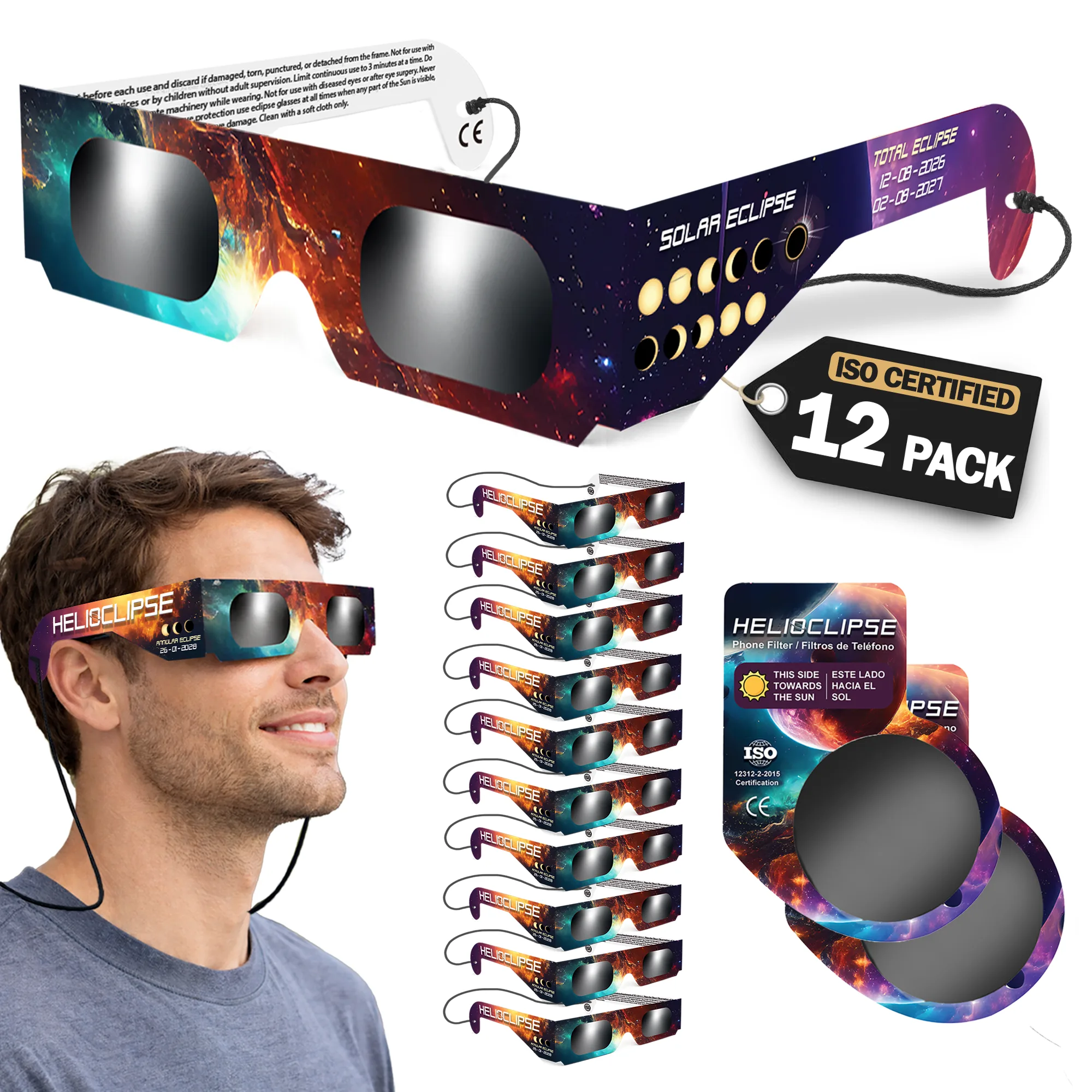
For direct viewing with your eyes, use solar eclipse glasses or a handheld viewer that conforms to ISO 12312-2. For optics, use a proper front-mounted solar filter designed for that purpose. Those are related safety worlds, but they are not interchangeable.
The biggest beginner mistake: treating partial phases like a dim Sun
Most eclipse photography accidents happen before totality, not during it. That is because the partial phases last a long time, feel manageable, and invite experimentation.
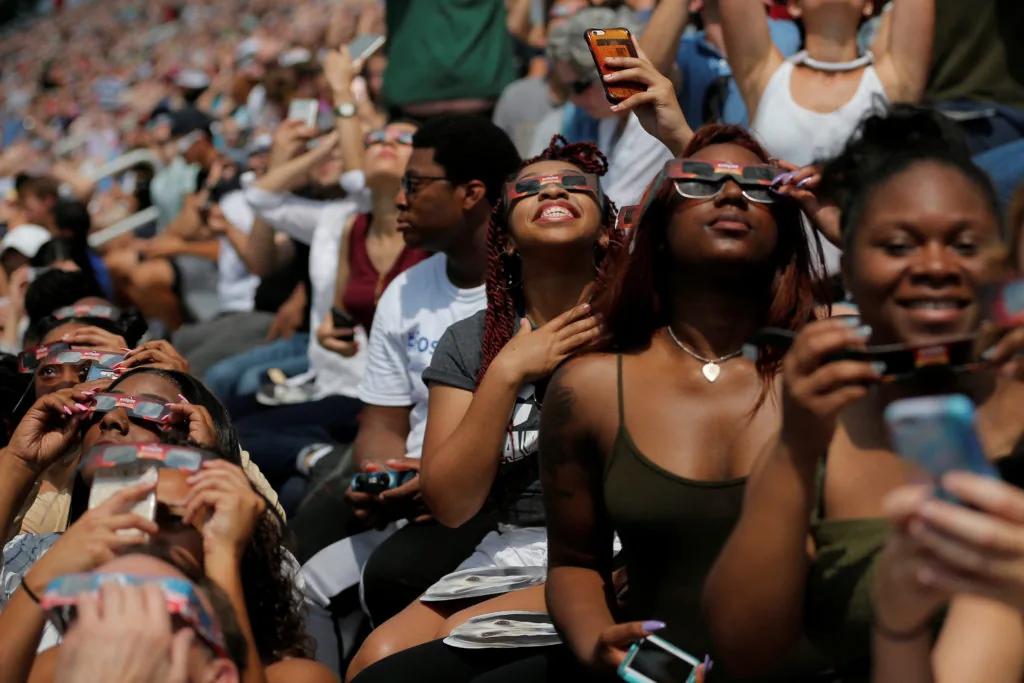
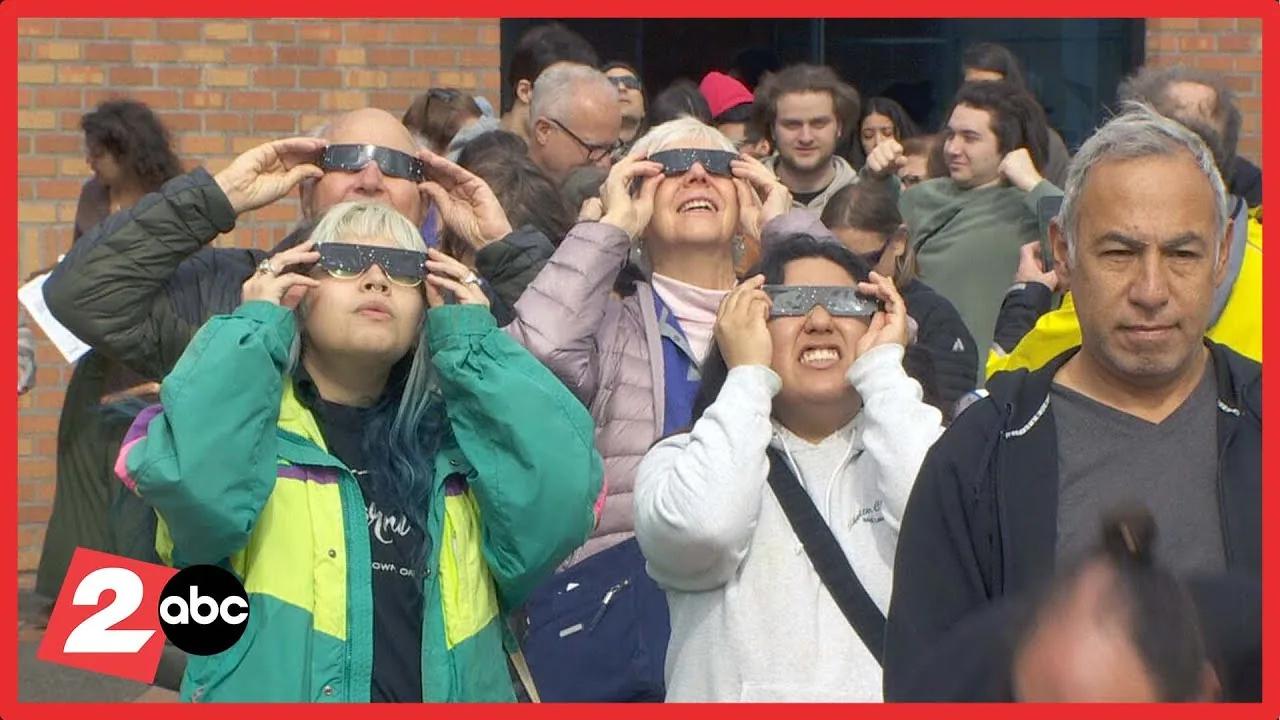
But the rule is straightforward: if any part of the Sun’s bright photosphere is visible, your camera or telescope needs its filter on the front. If you are looking directly with your eyes, you need certified eclipse viewers on. During a partial eclipse there is no safe moment to remove them. During an annular eclipse there is no safe moment to remove them either, because the bright ring remains visible the entire time.
Only during the brief total phase of a total solar eclipse—when the Moon completely covers the Sun’s bright face, and only if you are inside the path of totality—does the rule change. That distinction matters enormously. Someone in Madrid in August 2026, for example, will see a serious partial eclipse, not totality, so the glasses stay on throughout. Someone on the centerline in parts of northern Spain will have a short interval when totality changes both the visual experience and the safety rules. Our August 12, 2026 total solar eclipse: what to expect and how to plan ahead guide and our 2026 totality in Spain: path basics, timing, and what “on the centerline” really means post help you sort that out before the day arrives.
That is one reason a solar eclipse photography beginner safety 2026 guide has to start with location, not camera settings. If you do not know whether you are in totality, you do not know which rules apply.
Safe setups for three kinds of beginners
You do not need a giant lens to photograph an eclipse responsibly. You need a setup that matches your experience and your ability to stay calm.
1. The “I only have a phone” beginner
This is the most common case, and honestly, it is often the healthiest one. A smartphone is excellent for documenting the experience around you: the crowd, the changing light, the horizon colors, your group reaction, and the eerie atmosphere.
If you want to point the phone at the Sun during the partial phases, you still need proper filtration over the phone camera optics. Do not just wave the phone upward and hope software will save you. A filtered phone shot can work; an unfiltered experiment is not worth it.
A better beginner move is to let the phone tell the human story. Put it on a small tripod in wide view and record your group during the last minutes before totality if you are in the path. That often becomes the clip people treasure most, because it captures voices, surprise, and the environment—not just a tiny bright disk.
2. The “I have a DSLR or mirrorless camera” beginner
This is where discipline matters. Put a proper front-mounted filter on the lens. Practice on the uneclipsed Sun before eclipse day. Use manual focus if possible. Tape focus and zoom rings if your lens tends to creep. Use a tripod if you have one.
For partial phases, you are photographing a bright subject through a filter, so exposures are usually short. The AAS guidance suggests practicing in advance rather than trusting a single magic setting from the internet. That is the right mindset. Your camera, lens, filter density, haze, and Sun altitude all matter.
If you are in the path of totality and plan to remove the filter during totality, rehearse that motion ahead of time. It should be smooth, quick, and reversible. If the filter is awkward to remove, or if the whole idea makes you anxious, simplify your plan and leave the filter on for the partial phases only, then stop shooting and watch totality with your own eyes when it begins.
3. The “I want telescope-level close-ups” beginner
Our honest advice: do not make your first eclipse the day you learn high-magnification solar imaging. The AAS photography guidance is clear that telescope work is not really a beginner project. Long focal lengths magnify every mistake—focus drift, vibration, bad tracking, filter handling, and timing stress.
If you are new, you will usually get a better day by stepping back. A 300 mm lens can already make the Sun look substantial in frame. You do not need to chase a 1,000 mm close-up on your first attempt to have a meaningful result.
What you should never do
Some rules deserve to be blunt.
Never look at the Sun through an unfiltered camera, telescope, or binoculars.
Never assume eclipse glasses make it safe to look through magnifying optics. They do not. The concentrated light can burn through the viewer and injure your eyes.
Never use ordinary sunglasses as eclipse protection.
Never trust a random dark filter just because it threads onto a lens.
Never use old or damaged viewers if the filters are scratched, punctured, torn, or coming loose.
Never improvise with smoked glass, exposed film, CDs, emergency blankets, or internet folklore.
And never let “I just want one quick shot” override your judgment. That sentence has caused a lot of bad decisions.
If you need a stronger reminder of what is at stake, read our explainer on Why staring at the Sun without protection is never “just a quick look”.
Totality changes the rules—but only for a moment, and only in the right place
This is the part that confuses almost everyone at first.
During totality, if you are truly inside the path of totality, the Moon completely covers the Sun’s bright face. That is the brief interval when it is safe to look directly without eclipse glasses, and it is also the moment when photographers can remove front-mounted solar filters to capture the corona and other totality features.
But the timing is unforgiving. The bright Sun reappears fast. As soon as even a small bead of direct sunlight returns, filters go back on and direct viewing protection goes back on.
That is why geography matters more than enthusiasm. In the August 12, 2026 eclipse, the path of totality crossing Greenland, Iceland, and Spain is narrow. Outside it, you do not get a “nearly total” exception. You get a partial eclipse, and the safety rules never relax. The same logic applies to other events people search for, including solar eclipse 2025 path planning: where you stand determines what you can safely do.
This is also why old search habits can mislead people. A phrase like solar eclipse 2024 best viewing may send you toward dramatic photos from totality locations, but those images only represent what was possible inside the path and during the brief fully total phase. They are not a license to copy the same behavior from a partial-eclipse site.
Gear that matters more than people think
Beginners often ask for “the best settings,” but the better question is: what gear choices reduce the chance of a bad decision?
Start with these:
- A secure front-mounted solar filter for any camera lens aimed at the partial Sun.
- A stable tripod if you are using any meaningful zoom.
- A remote release or self-timer to reduce shake.
- Manual focus, tested in advance.
- A simple shot list so you are not inventing a workflow under pressure.
If you are using eclipse viewers for direct observation, buy them early enough to inspect them calmly. On our Shop eclipse glasses page, we focus on viewers that meet the standard readers are actually trying to verify when they search phrases like approved solar eclipse glasses or solar eclipse glasses iso 12312-2 certified. You will also see people use shorthand such as “eclipse glasses nasa approved,” but NASA does not certify individual brands; what matters is using safe viewers that conform to the relevant standard and come from a trustworthy source.
If you want help decoding that labeling language, our guide to ISO 12312-2 and eclipse viewers: what the standard means for your family is the right next read.
A simple shooting plan that lets you enjoy the eclipse
The best beginner plan is boring on paper and wonderful in practice.
First, decide what kind of memory you want. A filtered close-up of the partial Sun? A wide shot of the landscape darkening? A reaction video of your family? Pick one primary goal and one backup goal.
Second, practice on a normal sunny day with the full setup. That means the exact filter, tripod, phone clamp, lens, and camera menu you expect to use. If you cannot make the setup feel routine before eclipse day, it is too complicated.
Third, write down your sequence. For example:
- Arrive early.
- Confirm filter is secure.
- Take a few test frames.
- Stop fiddling.
- Watch the eclipse.
- If in totality, follow your pre-rehearsed filter-removal plan only during totality.
- Put the filter back on the instant bright sunlight returns.
That kind of checklist sounds almost overly careful—until the sky starts changing and everyone around you starts shouting.
Why solar eclipse photography is not lunar eclipse photography
People who have photographed the Moon often underestimate the Sun because both subjects look like disks in the sky. But lunar eclipse photography is a completely different safety problem.
A lunar eclipse is safe to watch directly with your eyes and safe to photograph without solar filters because you are photographing the Moon, not the Sun. Exposure challenges are different, but the eye-safety hazard is not comparable.
That distinction matters because beginners often carry over habits from one event to the other. If you have searched for camera settings for lunar eclipse in the past, do not assume any of that workflow transfers to solar work. The Sun demands dedicated filtration and stricter discipline.
If something feels wrong with your eyes, do not shrug it off
Most people who follow the rules will be fine. But because eclipse myths spread fast, it is worth saying this clearly: solar eclipse eye damage symptoms can include blurred vision, a central blind spot, distorted vision, altered color perception, or persistent discomfort after unsafe viewing. Symptoms are not always immediate.
This article is not medical advice, and we are not going to play doctor in a blog post. But if you think you viewed the Sun unsafely and notice visual changes, contact a qualified eye-care professional promptly. The better strategy, obviously, is not to test your luck in the first place.
The best beginner photo may not be the Sun at all
There is a funny truth about first eclipses: the image people cherish most is often not the technically “best” one.
It might be your child in viewers, frozen mid-gasp. It might be the weird crescent shadows under a tree. It might be a wide shot of a field going dim. It might be the audio of your group losing their minds as totality hits.
That is not settling for less. That is understanding the event.
A close-up solar disk is satisfying, yes. But the eclipse is also a landscape event, a human event, and a timing event. The light changes. The temperature can drop. The horizon can glow in all directions during totality. Birds and crowds react. If you only chase a tiny filtered circle in the middle of your frame, you may miss the part that makes people travel across countries for this.
And if you are planning ahead with friends or family, tell them early. Decide who is watching, who is filming reactions, who is checking timing, and who is carrying spare viewers. Shared planning is not overkill for a once-in-years sky event.
A calm answer to the “free” and “best” gear mindset
Searches like beginner friendly eclipse photography safety first gear second free reveal a real instinct: people want a low-cost, low-stress way to participate. That instinct is good. The answer is not “buy more stuff.” The answer is “buy the right safety items, then keep the imaging plan simple.”
For many readers, the safest low-budget path is this:
- certified viewers for direct observation,
- a phone used mainly for wide shots or reactions,
- or a filtered phone/camera setup tested in advance,
- plus a pinhole projection activity for kids or groups.
That is enough. You do not need a giant telescope to have a memorable eclipse day.
Solar Eclipse Photography for Beginners
B&H Photo Video Pro Audio
Frequently asked questions
How can I watch a solar eclipse without risking my eyes?
Use proper solar protection any time the Sun is visible, and never look at it through unfiltered optics outside the brief total phase of a total solar eclipse. That includes cameras, binoculars, telescopes, and phone setups if you might line your eye up with them. Before eclipse day, confirm whether you will be in totality or only seeing a partial eclipse, because the viewing rules depend on that.
Do I need special glasses for eclipse viewing?
Yes, if you are not in totality, you need proper solar eye protection for direct viewing. The excerpt says the Sun can still injure eyes even when it looks like a thin crescent, so ordinary sunglasses are not enough. The safest approach is to use the correct protection for the eclipse phase you will actually see.
What camera settings work best for a first eclipse photo?
There is no single best setting in the excerpt, and beginners are warned not to overfocus on exposure charts or gear tweaks. A safer first goal is a simple, low-stress photo such as the landscape light, your family in eclipse glasses, or a filtered smartphone shot of the partial phases. That way you stay focused on safety and still come away with a usable image.
What should I know about using a solar filter on my camera?
A proper solar filter must be mounted on the front of the camera or other optic before any sunlight enters the system. It should not be placed near your eye or improvised behind the lens. The excerpt also stresses that the filter is a safety item, not an optional accessory, when you are viewing anything other than totality.
How do I choose the safest place to view the 2024 eclipse?
First, confirm whether your location is in totality or only a partial eclipse, because the safety rules are different. If you are not in totality, you should plan on proper solar protection and avoid unfiltered viewing through optics. The excerpt recommends checking your eclipse geometry in advance so you know exactly what viewing conditions to expect.
On-site next steps
- Check whether your location is in totality or only partial phases with our Eclipse Explorer / 3D map. That one step tells you which safety rules apply and whether totality photography is even on the table.
- If you still need viewers for your group, browse our Shop eclipse glasses and order early enough to inspect them before eclipse day.
- Want more planning help? Explore the Helioclipse blog for guides on eclipse phases, ISO 12312-2, travel timing, weather decisions, and first-time viewing.
Sources & further reading
- How to Shoot Solar-Eclipse Images & Videos
- Tips for Photographing a Total Solar Eclipse
- How to Use Your Smartphone to Shoot a Solar Eclipse
- Solar Eclipse Photography: Tips, Settings, Equipment and Photo Guide
- How to photograph a solar eclipse with a smartphone
- How to View a Solar Eclipse Safely
- Solar Filters for Optics: Telescopes, Binoculars & Cameras
- About the ISO 12312-2 Standard for Solar Viewers
- Eclipse Viewing Safety
- Indirect Solar Viewing: Pinhole & Optical Projection