After totality ends: the sky’s rhythm most first-timers overlook
For many first-time eclipse chasers, totality feels like the finish line. The cheers go up, the corona vanishes, sunlight punches back through, and people start packing up. But after totality what happens eclipse is one of the most important parts of the day to understand before you ever step outside.
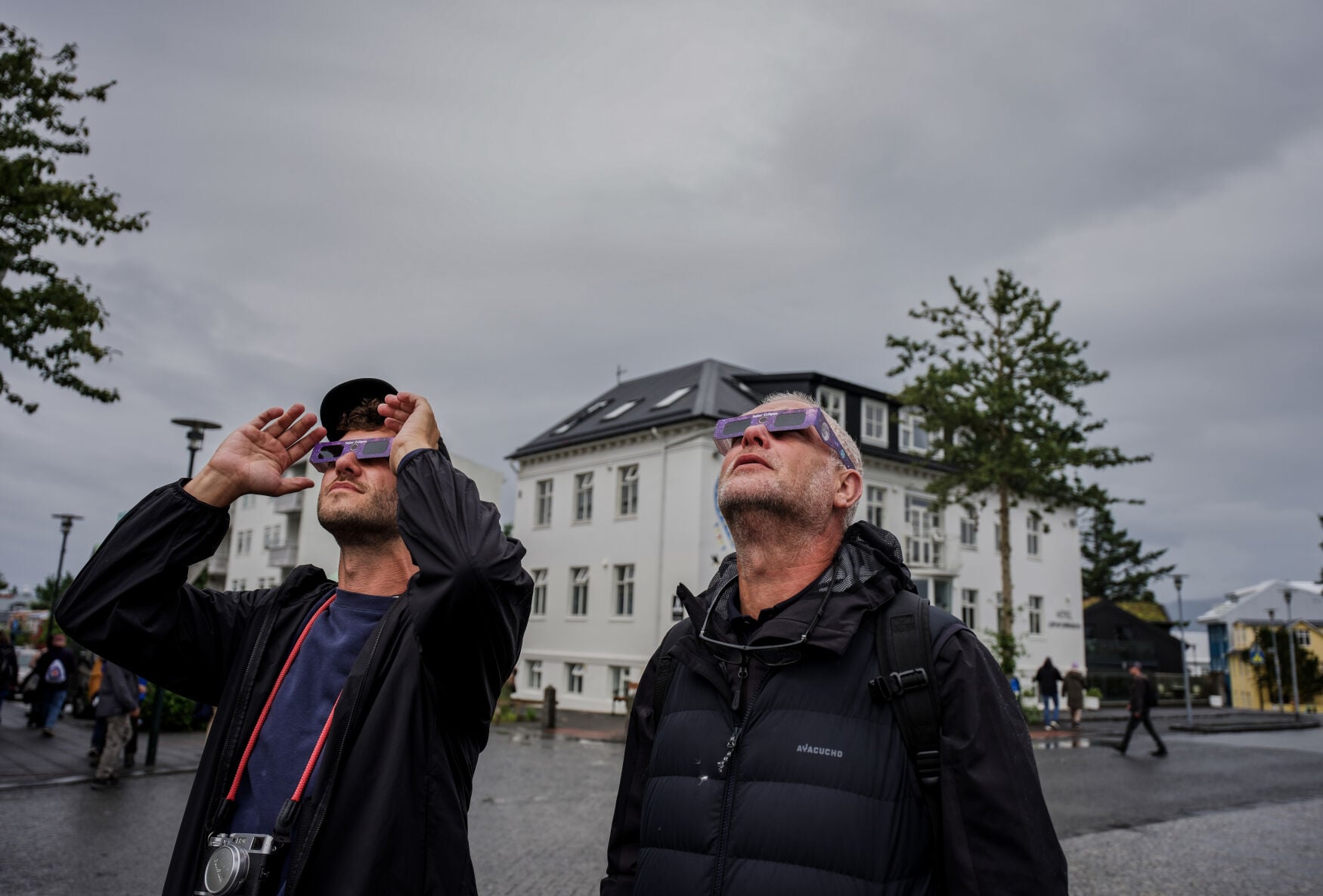
The short version is simple: the event is not over, and your safety routine changes instantly. The moment any bright bit of the Sun returns, you are back in the partial phases, which means solar eclipse glasses go back on right away. If you want to plan that transition well, check your location in the Helioclipse Eclipse Explorer / 3D map before eclipse day so you know whether you are truly inside totality, how long totality lasts at your spot, and when the Sun will reappear.
That post-totality stretch can be surprisingly beautiful. The light changes again. Sharp shadows return. Tiny crescent Suns reappear under trees. Sometimes shadow bands ripple across pale surfaces for a few seconds. And because the emotional peak has just passed, many people miss the fact that the sky is still doing something rare and structured.
The instant totality ends, you are back in a partial eclipse
This is the rule that matters most: during a total solar eclipse, you may look without eye protection only during the brief total phase, when the Moon completely covers the Sun’s bright face and you are inside the path of totality. As soon as even a sliver of the bright solar disk returns, totality is over.
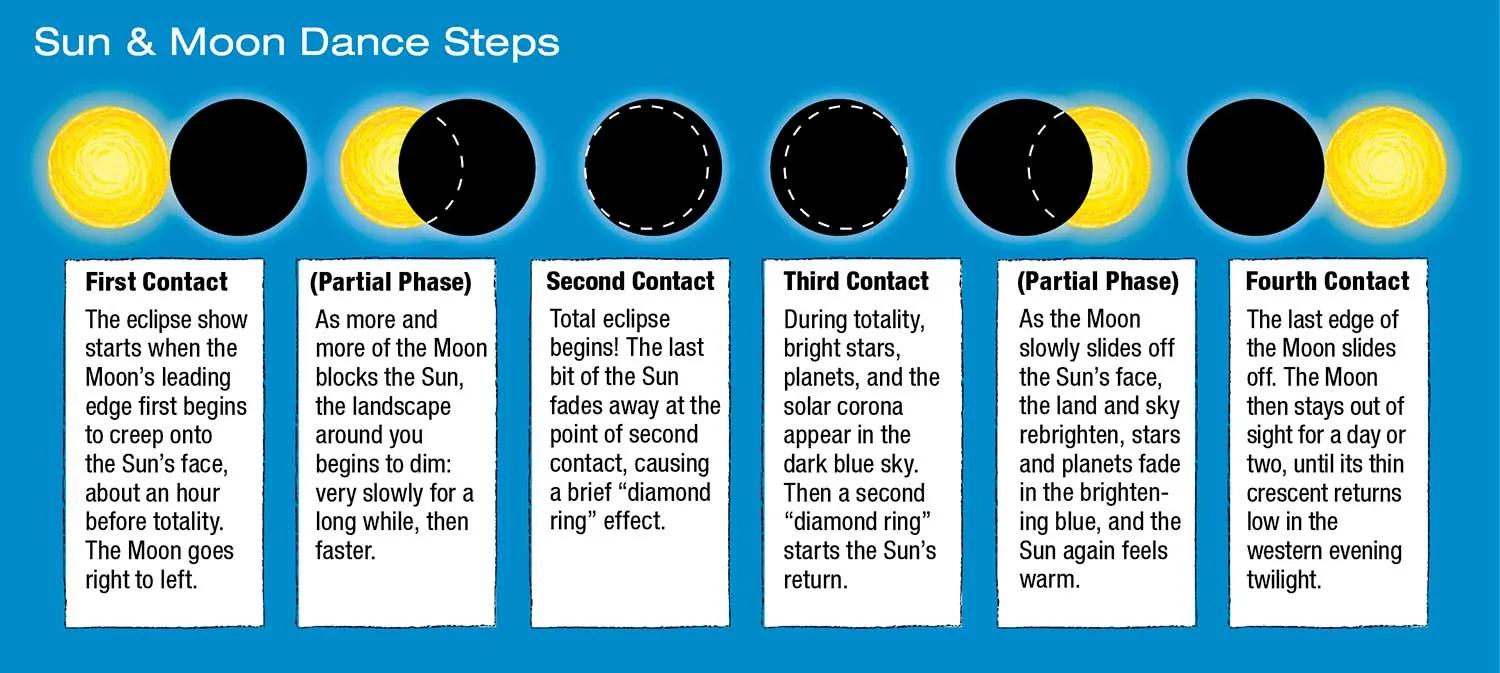
That means the eclipse has become a partial solar eclipse again, even if the sky still feels dimmer than normal and the crowd is still reacting. The returning sunlight can begin as a single brilliant point, often described as the diamond ring effect, and that tiny point is already enough to end safe naked-eye viewing.
If you want a fuller phase-by-phase breakdown, our guide to when glasses on, when glasses off: eclipse phases explained for first-time viewers is the best companion piece to read before the big day.
What the end of totality actually looks and feels like
The end of totality is not subtle. It tends to arrive with a burst.
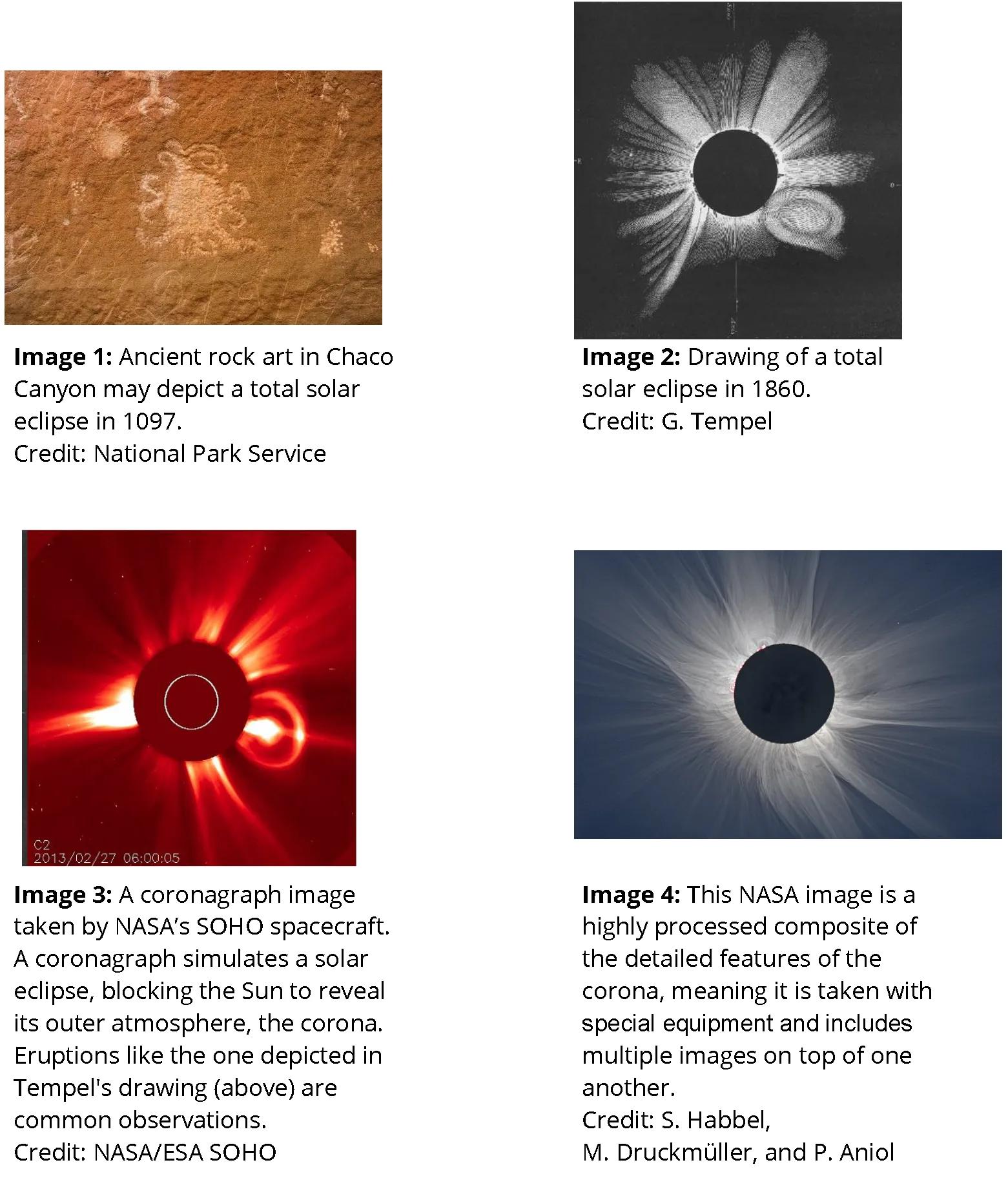
A few moments earlier, you may still be staring at the corona, the dark lunar disk, and perhaps a pink-red edge of chromosphere or prominences near the limb. Then one intensely bright bead of sunlight breaks through a lunar valley. That is third contact: totality is over.
People often remember the beginning of totality more vividly because they are waiting for it. But the ending can be even more abrupt. The sky does not drift gently back to normal. It snaps toward daylight. The contrast is dramatic enough that experienced observers prepare for it mentally in advance.
This is why after totality ends: the sky’s rhythm most first-timers overlook is not just a poetic line. It is a practical one. The eclipse has a rhythm: long partial phase, brief totality, long partial phase again. If you only plan emotionally for the middle, you can miss both the science and the safety of the return.
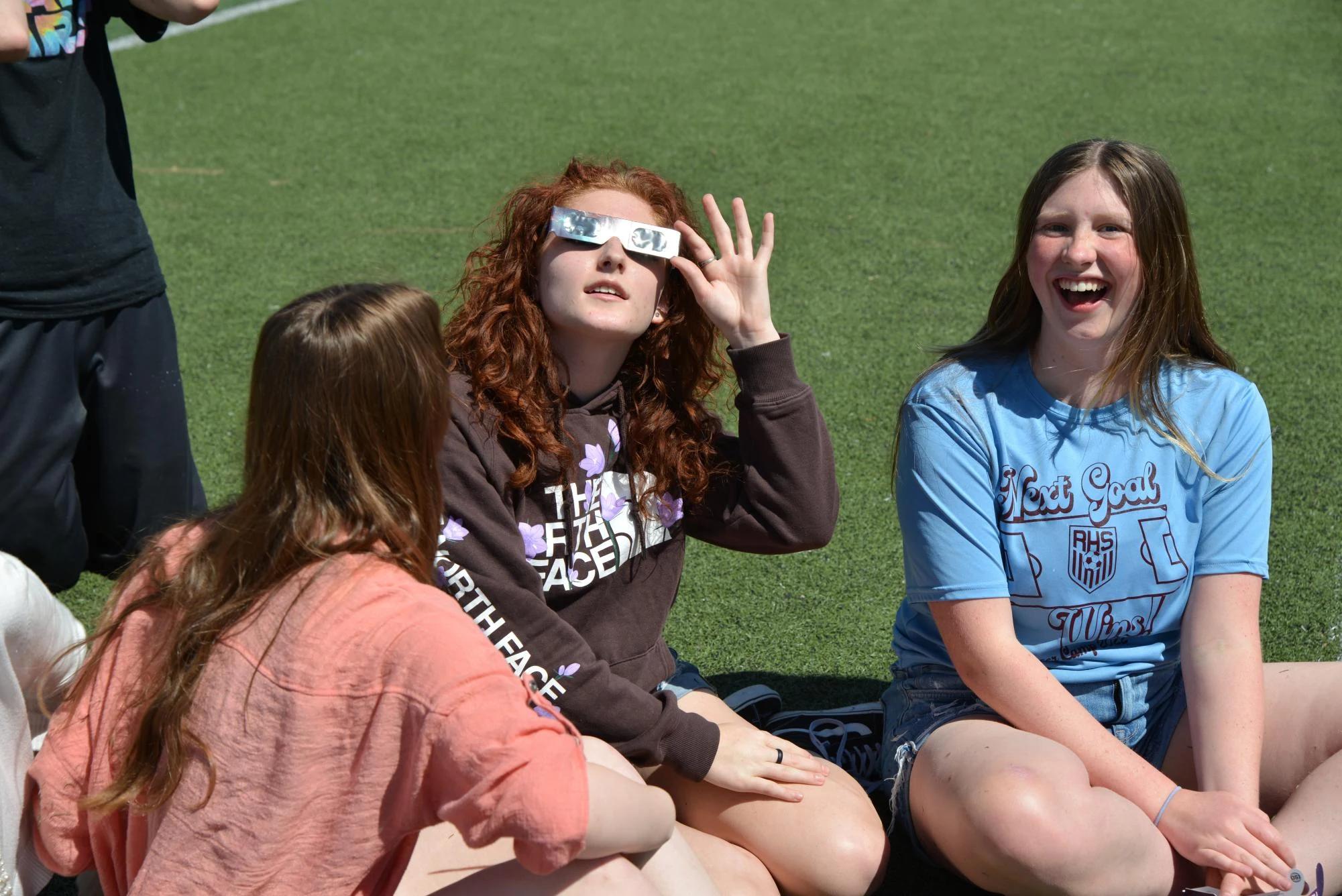
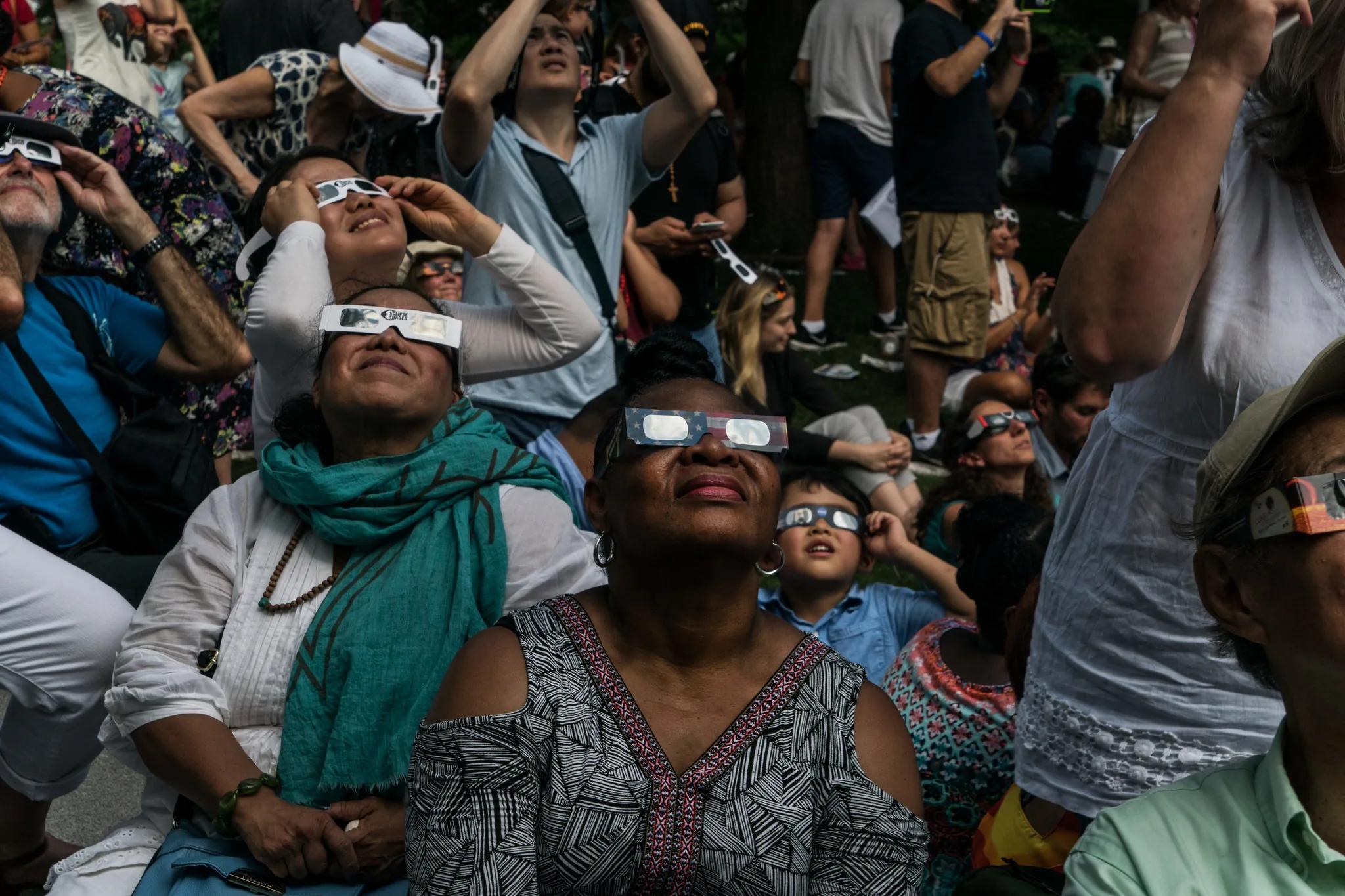
Glasses back on: no hesitation, no “one more second”
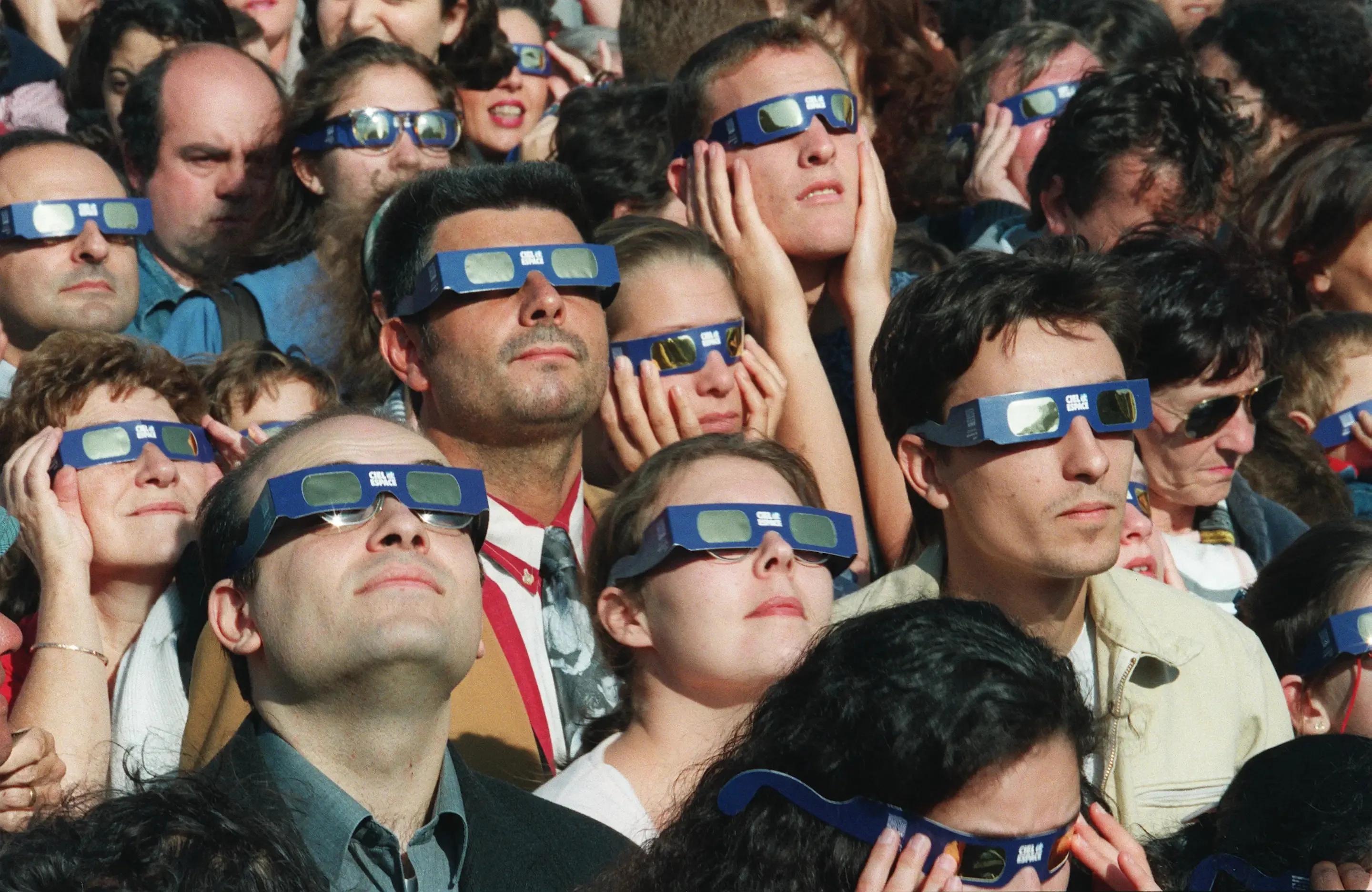
The American Astronomical Society’s safety guidance is clear: experience totality, and then, as soon as the bright Sun begins to reappear, replace your viewer to watch the remaining partial phases.
In real life, that means you should not bargain with the moment. Not “just one more look.” Not “it’s only a tiny bead.” Not “everyone else still has their glasses off.” Once the bright photosphere is visible again, direct viewing without proper solar protection is no longer safe.
This is the heart of the brief: post-totality partial phases and safety reminder (glasses eclipse planning matters because the emotional high of totality can make people sloppy. Families should say the rule out loud before eclipse day. If you are watching with children, assign one adult to call the transition. If you are with friends, agree in advance that the first person who sees the returning bright bead says, “Glasses on.”
And if you are using binoculars, a telescope, or a camera, the rule is stricter still: filters must be managed correctly on the front of the optics. Eclipse glasses do not make unfiltered optics safe. The filter belongs on the instrument, and it needs to be back in place as totality ends.
If you need a deeper safety refresher, read our explainer on why staring at the Sun without protection is never “just a quick look” and our guide to ISO 12312-2 and eclipse viewers: what the standard means for your family.
Why the post-totality partial phases are worth staying for
A lot of people treat the eclipse like a concert encore they can skip. That is a mistake.
The Moon took roughly an hour or more to cover the Sun before totality, and it takes roughly that long to uncover it afterward. The sequence repeats in reverse, but it does not feel redundant. You are seeing the world recover from one of the strangest lighting changes nature produces.
Right after totality, shadows can remain unusually sharp while the Sun is still a thin crescent. If you look at the ground, you may notice crisp detail in hair and edges that normally blur in ordinary daylight. Under leafy trees, the dappled light becomes a field of tiny crescent Suns again. If you brought a colander, perforated spoon, or made a pinhole projector, this is another excellent time to use it.
The temperature may continue to feel cool for a short while before rising again. Birds and insects that quieted near totality may resume their normal patterns. The horizon loses that eerie 360-degree sunset glow and settles back into a more familiar afternoon.
In other words, the eclipse is unwinding. If you stay present for that unwinding, you understand the event better than if you only chase the blackout moment.
The subtle phenomenon many people miss after totality
One of the coolest post-totality details is the possible return of shadow bands.
These are faint, rippling lines of light and dark that can race across a pale surface for a few seconds when the Sun is reduced to an extremely thin crescent just before or just after totality. Astronomy writers and eclipse veterans often describe them as elusive because they are brief, low-contrast, and easy to miss while everyone is focused on the sky.
If you want a real chance of seeing them, lay out a white sheet, a pale tarp, or watch a light-colored wall or pavement area. Then, once your eye protection is back on and the bright Sun has reappeared, glance down rather than up. You are looking for motion across the surface, not a fixed pattern.
Not every site gets an obvious display. Atmospheric turbulence plays a role, and they are hard to predict. But when they appear, they add to the sense that the air itself is still reacting to the geometry overhead.
Why people get confused about this moment
A lot of confusion online comes from mixing different eclipse types, different locations, and different phases.
You will see versions of after totality what happens eclipse 2022 and after totality what happens eclipse reddit floating around in forum threads, old social posts, and memory-based answers. Some are useful. Some are not. The biggest problem is that people often describe what they felt rather than what the geometry was.
For example, someone outside the path of totality never experiences safe naked-eye totality at all. They experience a deep partial eclipse, maybe an impressive one, but still a partial eclipse. Someone in the path but near the edge gets a much shorter total phase than someone near the centerline. And someone describing an annular eclipse may remember a dramatic ring of light, but that is not totality and never becomes safe for unaided viewing.
So when you compare stories, anchor yourself to the actual event type and your exact location. That is why the best places and timing for after totality what happens eclipse are not generic internet answers. They depend on whether you are inside totality, how close you are to the centerline, and how long totality lasts where you stand.
Total, partial, annular: the ending is not the same for all of them
A total solar eclipse has the famous glasses-off interval. An annular eclipse does not. A plain partial solar eclipse does not. That distinction is everything.
During an annular eclipse, the Moon never fully covers the Sun’s bright face. A ring of sunlight remains visible, so eye protection stays on the entire time. During a partial eclipse, the same rule applies: there is no safe glasses-off phase.
This is also why it helps to know the broader eclipse vocabulary. A lunar eclipse is a completely different event, involving Earth’s shadow on the Moon, and it is safe to watch with the naked eye. A hybrid eclipse is a rarer kind of solar eclipse that appears total along some parts of its path and annular along others because of Earth’s curvature and the changing apparent sizes involved. Those categories are fascinating, but for your own viewing plan the key question is simpler: will the Sun’s bright photosphere be completely covered at your exact location, yes or no?
If the answer is no, your glasses stay on the whole time.
Planning the end of totality before eclipse day
Good eclipse viewing is not only about knowing when to arrive. It is about knowing how the event ends.
Before the eclipse, use the Helioclipse Eclipse Explorer / 3D map to confirm three things:
- whether your site is inside the path of totality or only in a partial zone
- approximately how long totality lasts there, if any
- where you are relative to the centerline versus the edge of the path
Those details shape the whole experience. Near the centerline, totality lasts longer, which gives you more breathing room to look around, notice the corona, and prepare for the return of sunlight. Near the edge, totality can be startlingly brief, and the transition back to the partial phases comes fast.
That is one reason our broader August 12, 2026 total solar eclipse: what to expect and how to plan ahead guide matters so much. A few extra seconds of totality may not sound like much on paper, but in the field it can be the difference between feeling rushed and feeling present.
For readers specifically planning Europe in 2026, this article works as an after totality what happens eclipse 2026 guide in one narrow but important sense: it teaches you what to do after the peak. But your exact timing still depends on your chosen site. Use the map, not guesswork.
What to do with cameras, binoculars, and phones when the Sun comes back
This is where otherwise careful people make avoidable mistakes.
If you are photographing totality, the end can feel hectic. You may be trying to catch the diamond ring, react emotionally, and manage equipment all at once. That is exactly why you should rehearse your sequence beforehand.
For binoculars, telescopes, and camera lenses, solar filters must be on the front of the optics during all partial phases. If you remove them for totality, you need a plan to replace them quickly and securely as totality ends. Do not improvise while staring upward.
Phones are simpler but still worth thinking through. A phone camera pointed casually at the bright returning Sun is not the same as safe direct visual observation, but if you are attaching a phone to optics or using any magnifying setup, filter rules matter again immediately. Many people are better off taking a few simple wide shots and then putting the device down.
The best eclipse memory is usually not the technically perfect image. It is remembering where you were when daylight broke back in.
Don’t leave the moment the cheers start
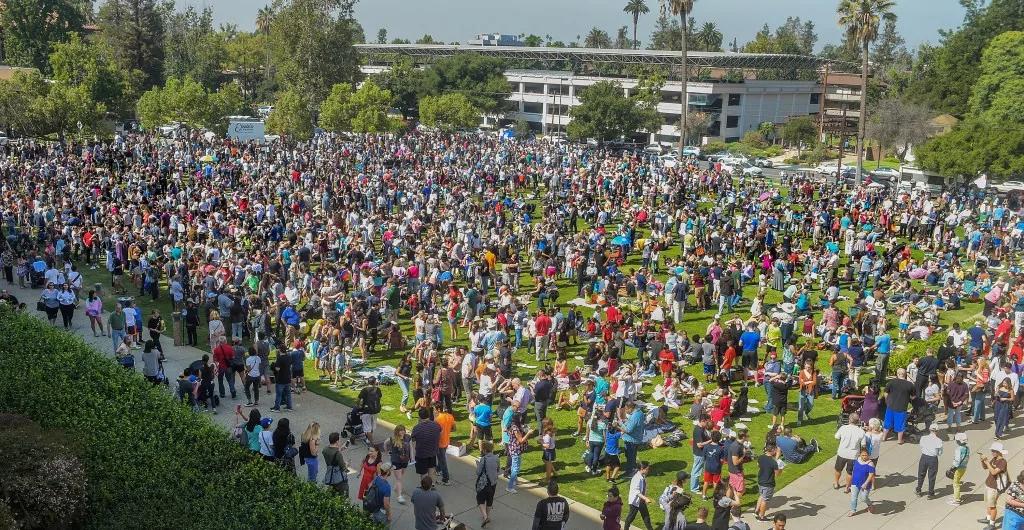
NASA’s eclipse guidance makes a practical point that many travelers learn the hard way: lots of people leave right after totality, which can create immediate traffic and a strangely abrupt end to the day.
If you can stay, stay.
The final partial phases are calmer. The pressure is off. You can compare reactions, share pinhole projections with kids, look for crescent shadows under trees, and let the experience settle. By the time the Moon fully clears the Sun, roads may be less chaotic too.
That makes the end of the eclipse useful in two ways at once: scientifically, because the sky is still changing; logistically, because patience can beat the rush.
A quick word on viewers: buy early, check them calmly
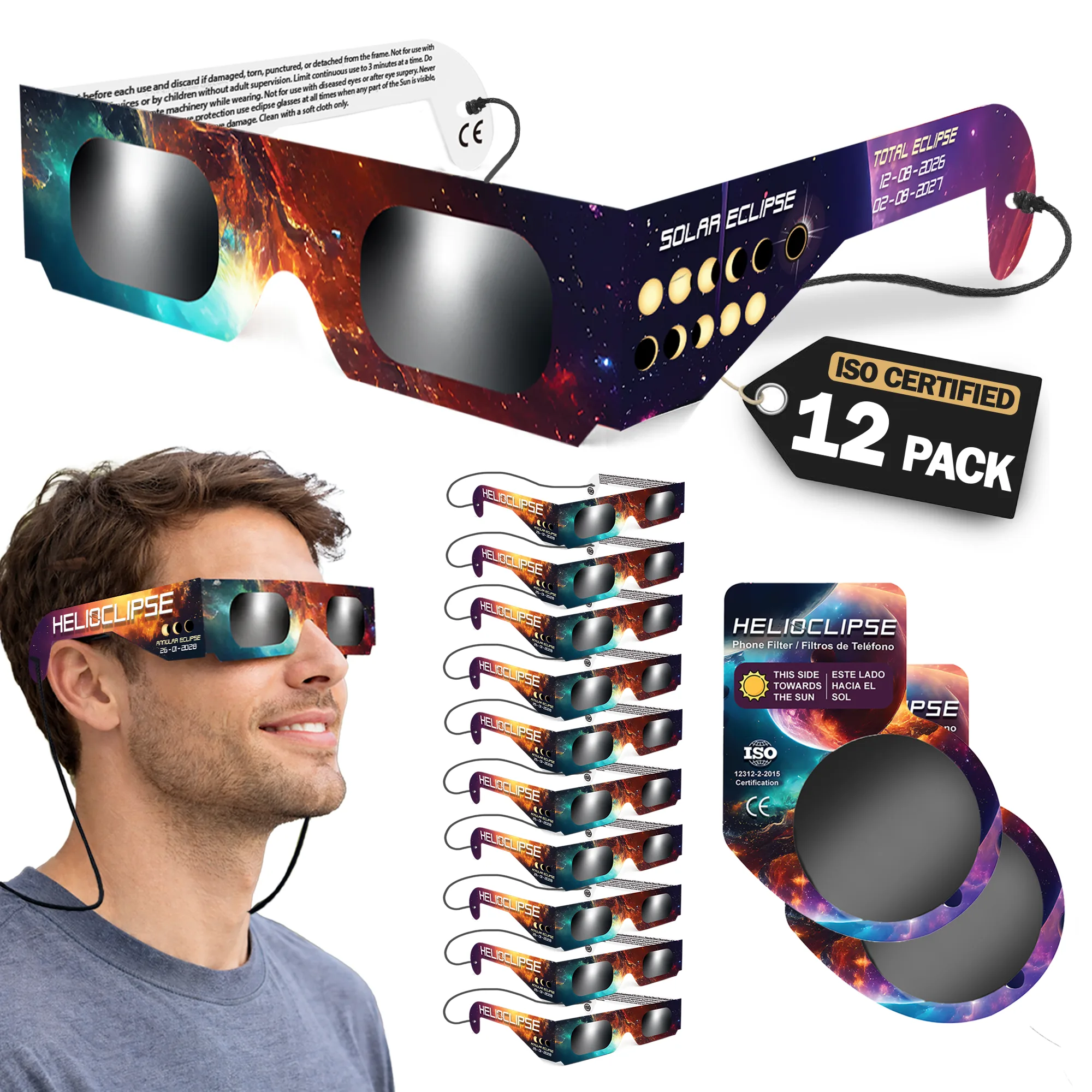
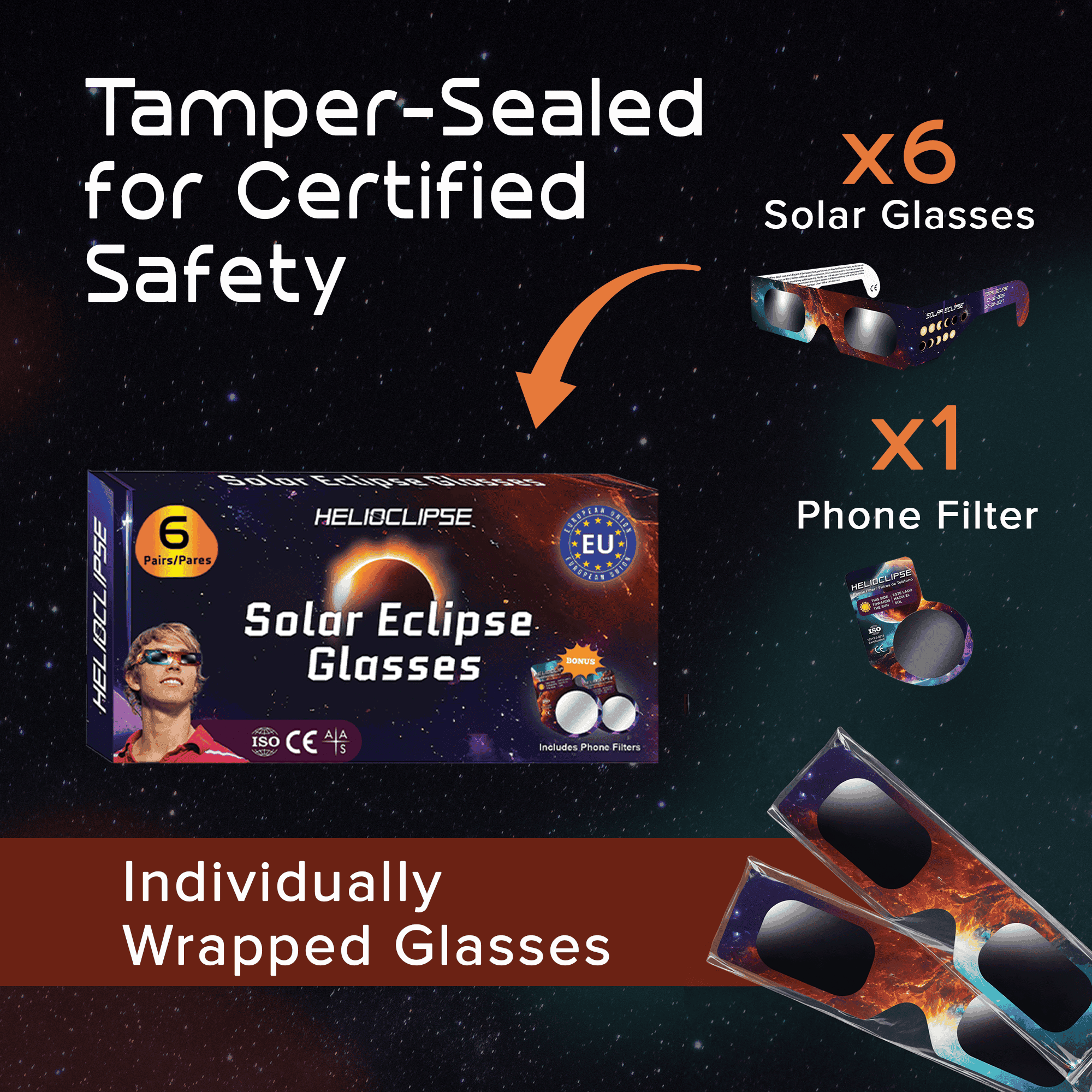
If your plan includes direct viewing of any partial phase, you need proper viewers that conform to ISO 12312-2. That includes the long lead-in before totality and the long return afterward.
When families shop, they often encounter phrases like approved solar eclipse glasses, eclipse viewing glasses, or solar eclipse glasses iso 12312-2 certified. Those phrases can be helpful shorthand, but what matters is not marketing language alone. You should inspect the viewers, follow the printed instructions, avoid damaged filters, and buy from a source you trust. Claims such as eclipse glasses nasa approved are especially worth treating carefully, because NASA does not certify a consumer brand in the simple way many listings imply.
If you still need viewers for your group, our Shop eclipse glasses page is the straightforward place to start. Order early enough that you can check the condition of each pair before eclipse day, especially if you are organizing for children, a classroom, or a family trip.
The bigger timeline: this eclipse, then what?
Once people experience totality, they almost always ask what comes next.
Search interest around next totality eclipse after 2024 world, next totality eclipse after 2024 worldwide, and eclipse after 2026 reflects something real: one total eclipse tends to create the next eclipse traveler. The event is so unlike ordinary skywatching that people immediately start scanning calendars.
That is a healthy instinct, but it should not distract from the eclipse in front of you. The whole point of understanding the post-totality rhythm is to avoid mentally leaving early. There will be a next total eclipse after 2026 somewhere, and readers also ask things like what will happen on august 2, 2027? or what will happen on july 2028? because major eclipses are already on the horizon. But the discipline of eclipse watching is to fully experience the one you have.
That means planning the ending as carefully as the beginning.
An Astronomer's Guide to a Total Solar Eclipse
American Museum of Natural History
Frequently asked questions
What changes after totality ends for someone watching the eclipse from a fixed location?
As soon as any bright part of the Sun returns, the eclipse is back in its partial phase. That means eye protection goes back on immediately, even if the sky still looks dim and the crowd is still reacting.
What should I expect once the total phase is over during a solar eclipse?
The end of totality is usually abrupt, not gradual. A bright point of sunlight can appear suddenly, and the sky can snap back toward daylight very quickly.
Can I trust eclipse glasses for viewing the Sun outside of totality?
Yes, you should use eclipse glasses whenever the Sun is not completely covered during totality. The article says they need to go back on as soon as even a sliver of the bright solar disk returns.
Do I still need eye protection during the partial phases of an eclipse?
Yes. The article is clear that once totality ends, the event becomes a partial solar eclipse again, and safe naked-eye viewing is no longer allowed.
What is the most important thing first-time viewers often miss after totality ends?
Many people think the event is basically over, but the eclipse is still in progress and the safety rules change right away. The sky can still show striking effects like sharp shadows, crescent Suns, and shadow bands, but you need to keep your eclipse glasses on during the partial phase.
On-site next steps
- Use the Helioclipse Eclipse Explorer / 3D map to re-check whether your viewing spot is inside totality, how long totality lasts there, and when the partial phases resume.
- If your group still needs viewers for the returning partial phases, visit our Shop eclipse glasses and get certified options in hand before the rush.
- For more first-timer prep, browse the Helioclipse blog and build a simple eclipse-day plan with your family or friends now, not in the parking lot five minutes before first contact.
Sources & further reading
- Phenomena You'll Experience at a Total or Annular Eclipse — American Astronomical Society
- How to View a Solar Eclipse Safely — American Astronomical Society
- Solar Filters for Optics: Telescopes, Binoculars & Cameras — American Astronomical Society
- Ask Astro: What causes shadow bands during a solar eclipse? — Astronomy Magazine
- How to View a Solar Eclipse Without Damaging Your Eyes — Space.com
- What to Expect: A Solar Eclipse Guide — NASA Science
- How often do solar eclipses occur? — Astronomy Magazine
- Eclipses and Eye Safety — AAS reference PDF
- Solar Eclipse Eye Safety — AAS technical report
- EYE SAFETY — AAS viewing handout