Spain 2026: low Sun, long shadows, and why “on the path” still needs a clear horizon plan
The big headline for the 2026 eclipse Spain story is easy to say and easy to misunderstand. Yes, the 2026 solar eclipse brings real totality to Spain on August 12, 2026. Yes, the 2026 solar eclipse path crosses the country. And yes, millions of people will be close enough to think, “If I’m somewhere on the line, I’m set.”
But for 2026 eclipse spain, that is not enough.
This is a late-day eclipse. In Spain, the Sun will be dropping toward the west as totality arrives, which means your local horizon matters almost as much as your map pin. A ridge, apartment block, tree line, or even a modest rise in the wrong direction can turn “I’m in totality” into “the eclipse vanished before totality started.” If you want to check your own site, our Eclipse Explorer / 3D map is the fastest way to compare path position with local viewing geometry.
That is the core of 2026 solar eclipse spain low sun western horizon planning. This is not a city-ranking article and not a tourism brochure. It is a national-scale geometry briefing: where the path runs, why the western horizon becomes more critical as you go east, and how to think like an eclipse observer instead of a casual sunset watcher.

The national picture: Spain gets totality, but not under a high Sun
The spain 2026 solar eclipse happens on the evening of August 12, 2026, as the Moon’s umbral shadow reaches northwestern Spain and then sweeps eastward across the north of the country before leaving toward the Mediterranean. Space.com notes that the shadow arrives over Galicia around 7:30 p.m. CEST and then crosses Spain in only a few minutes before heading offshore.
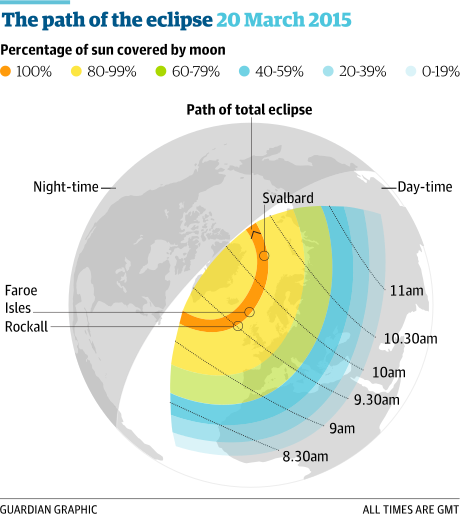
That short crossing time is normal for a total eclipse. NASA’s eclipse geometry pages explain why: the Moon’s dark inner shadow, the umbra, is narrow by the time it reaches Earth, and it races across the surface as the Moon moves in orbit and Earth rotates beneath it. The result is a total solar eclipse 2026 path that is dramatically narrower than the much larger partial-eclipse zone around it.
For Spain, that narrowness matters twice. First, only people inside the path get totality at all. Second, even inside the path, the Sun’s low altitude means terrain and obstructions become decisive. This is why a 2026 solar eclipse map is necessary but not sufficient. You need path geometry and horizon geometry together.
If you want the broader national path basics before drilling into horizon strategy, our guide to August 12, 2026 total solar eclipse: what to expect and how to plan ahead and our Spain path explainer on 2026 totality in Spain: path basics, timing, and what “on the centerline” really means are the right companions to this piece.
Why “on the path” is not the same as “good view”
A lot of eclipse planning advice starts and ends with one sentence: get inside the path of totality. That advice is correct, but in Spain 2026 it is incomplete.
NASA’s geometry explanation is the foundation here. Totality only happens inside the umbra. Outside it, even a 99% eclipse is still partial, which means the bright solar surface is never fully covered and the corona never appears the way eclipse chasers travel for. That is why Madrid and Barcelona being near the track is not the same as being in it; Space.com reports that both are expected to see about a 99% partial eclipse, which sounds huge but is still not totality.
Now add the low-Sun problem. In western and northwestern parts of the Spanish track, the eclipsed Sun is low but still workable. Farther east, it gets extremely low, approaching the horizon so closely that local topography can erase the event for you. A mountain range to your west is obvious trouble, but so is a low ridge, a line of buildings, or a beach backed by higher ground in the wrong direction.
That is why the phrase spain 2026: low sun, long shadows, and why “on the path” is more than a catchy warning. It is the planning reality. The path tells you whether totality is possible. The horizon tells you whether you will actually see it.
West to east: the horizon problem gets worse across Spain
The most useful national-scale way to think about the spain 2026 solar eclipse path is not “best city” but “how low is the Sun where I am, and what lies to my west?”
Space.com summarizes the broad pattern clearly. In Galicia, near where the eclipse first reaches Spain, the Sun is roughly 10 degrees above the western horizon at maximum eclipse. That is low enough to demand care, but still high enough that many open sites can work well.
Move eastward across northern Spain and the geometry becomes harsher. By the time the shadow approaches the eastern coast near places such as Tarragona and Valencia, the Sun is only a few degrees above the horizon. At that point, “clear horizon” stops meaning “nice open view” and starts meaning “almost no obstruction at all.” A hill that would be irrelevant for a midday eclipse can completely ruin this one.
This is the single most important contrast in the 2026 solar eclipse spain low sun western horizon map discussion. The path is real across Spain, but the practical observing window narrows as the Sun sinks. Western and interior locations may tolerate some imperfect terrain. Eastern locations often will not.
Sky & Telescope’s Spain and Mallorca eclipse coverage, cited in the source inventory, is especially relevant here because it emphasizes exactly this low-altitude geometry. Even without quoting those pages directly, the editorial lesson is straightforward: for Spain 2026, you are not just choosing latitude and longitude. You are choosing a western sight line.
Concrete examples: what changes from Galicia to inland Castile to the Mediterranean
Let’s make that national geometry feel real.
Galicia and the northwest
Galicia is where the shadow first reaches Spain. The advantage is that the Sun is higher here than it will be farther east. The disadvantage is that northwestern Spain can be more cloud-prone than some inland areas. Space.com places the arrival over Galicia at about 7:30 p.m. CEST, with the Sun around 10 degrees above the western horizon at maximum eclipse in that region.
Ten degrees is not comfortable overhead geometry, but it is enough that a genuinely open site can work. Coastal viewpoints, broad west-facing fields, and elevated open ground can all be viable if they are not blocked by nearby relief. The mistake would be assuming that “coast” automatically means “clear.” Cliffs, headlands, buildings, and local terrain still matter.
Inland north and the plateau approach
One of the more interesting national-scale recommendations in the source set is the idea of a central-northern inland sweet spot, especially around parts of Castile and León such as the broader Palencia–Burgos region. The logic is not city hype. It is geometry plus terrain plus climatology.
These inland areas are closer to the centerline in places, can offer flatter horizons than mountain-heavy zones, and may have a better chance of clearer skies than the far northwest. Space.com specifically points to that region as a possible balance between open horizons and weather odds. If you are choosing between a dramatic scenic overlook and a boringly open plain, Spain 2026 is the kind of eclipse where the plain may win.
Eastern Spain and the Mediterranean edge
Farther east, the eclipse becomes visually more dramatic and more fragile at the same time. The Sun is so low that atmospheric effects, haze layers, and tiny horizon obstructions become major factors. Near the eastern coast, the eclipsed Sun may be only a couple of degrees above the horizon. That is why some otherwise attractive inland or mountainous sites become poor bets.
There are exceptions. Space.com mentions the Ebro Delta area in Tarragona as an example of an expansive, low western horizon that could work better than the surrounding terrain. That is exactly the right way to think about eastern Spain: not “east is bad,” but “east demands a nearly perfect west-facing horizon.”
Mallorca and the offshore sunset-style view
The Balearic context is even more extreme and visually tempting. Space.com reports that on Mallorca, totality can occur with the eclipsed Sun only about a degree above the sea, with west-coast sites favored and Sant Elm among the longer-duration options at about 1 minute 36 seconds. That is spectacular geometry if the horizon is truly open over water. It is also unforgiving. A cloud bank, marine haze, or the wrong local obstruction can end the show.
This is where the 2026 solar eclipse spain low sun western horizon prediction question becomes practical rather than abstract. You are not predicting only clouds. You are predicting whether the final view corridor to the Sun stays open at a very low altitude.
Duration matters, but not more than visibility
It is natural to chase the longest possible totality. We all feel that pull. A few extra seconds of darkness, corona, and horizon glow can be worth real effort.
But Spain 2026 is a good year to remember the hierarchy of needs. First, be inside the path. Second, make sure the Sun is not blocked. Third, think about duration.
Space.com reports that maximum totality in Spain is around 1 minute 50 seconds between Canero and Luarca in the northwest, while other parts of the Spanish track get less. Mallorca’s Sant Elm is cited at about 1 minute 36 seconds. Portugal, by contrast, only catches a tiny sliver of totality for up to about 27 seconds in the extreme northeast. Those are meaningful differences.
Still, a site with 1 minute 45 seconds and a perfect western horizon is better than a site with nominally longer totality where a ridge eats the Sun at the critical moment. This is one reason we push readers toward map pins and local horizon checking rather than generic “best place” lists. The 2026 solar eclipse spain low sun western horizon time problem is local. A national article can tell you the pattern, but your exact site decides the outcome.
Why Spain’s terrain is such a big deal for this eclipse
Spain is not a flat observing platform. That sounds obvious, but for this event it becomes operational.
The Space.com travel-tips feature quotes Spanish astronomer Eduard Masana Fresno on a point that every first-time eclipse traveler should absorb: Spain is one of Europe’s most mountainous countries. The Cantabrian Mountains, the Meseta, and the Iberian System all shape what “clear to the west” really means on the ground.
For a midday eclipse, mountains can be scenic background. For a late-evening eclipse, they can be a hard stop.
This is also why we are deliberately avoiding city boosterism here. A city name alone does not tell you enough. “Near Burgos” could mean a broad open plain or a blocked local site. “Near Tarragona” could mean a workable coastal horizon or a completely compromised inland view. “On Mallorca” could mean a glorious sea horizon or the wrong side of local relief. The right question is always: what is my western azimuth, how high is the local skyline, and how low will the Sun be at totality?
If you are new to eclipse geometry, our explainer on When glasses on, when glasses off: eclipse phases explained for first-time viewers helps with the sequence of events once you have chosen a site.
Weather is not the whole story, but it can break ties
Readers often ask for one national answer: should I prioritize clearer climatology or a higher Sun?
The honest answer is that Spain 2026 forces a tradeoff. The source inventory points to a broad pattern in which northwestern Spain may offer a somewhat higher Sun but can face more cloud risk, while farther east may offer better average clarity in some areas but a much lower Sun. That means weather and horizon are not separate decisions. They interact.
If two candidate sites are both inside the path and both have open western views, then weather can break the tie. If one site has slightly better cloud odds but a compromised horizon, the horizon problem may dominate. A cloud-free sky does not help if the Sun sets behind terrain before totality is visible.
This is why eclipse chasers talk so much about mobility. The Space.com travel piece stresses three habits that matter everywhere but especially here: plan ahead, check forecasts, and stay mobile. For Spain, we would add a fourth: pre-verify your western horizon before eclipse day.
Our cloud cover and eclipse day: how to read the sky and when to move guide goes deeper on the weather side, but for this article the key point is simple: do not let “clear skies” distract you from “clear line of sight.”
Safety is simpler than the geography
The geography is nuanced. The eye-safety rule is not.
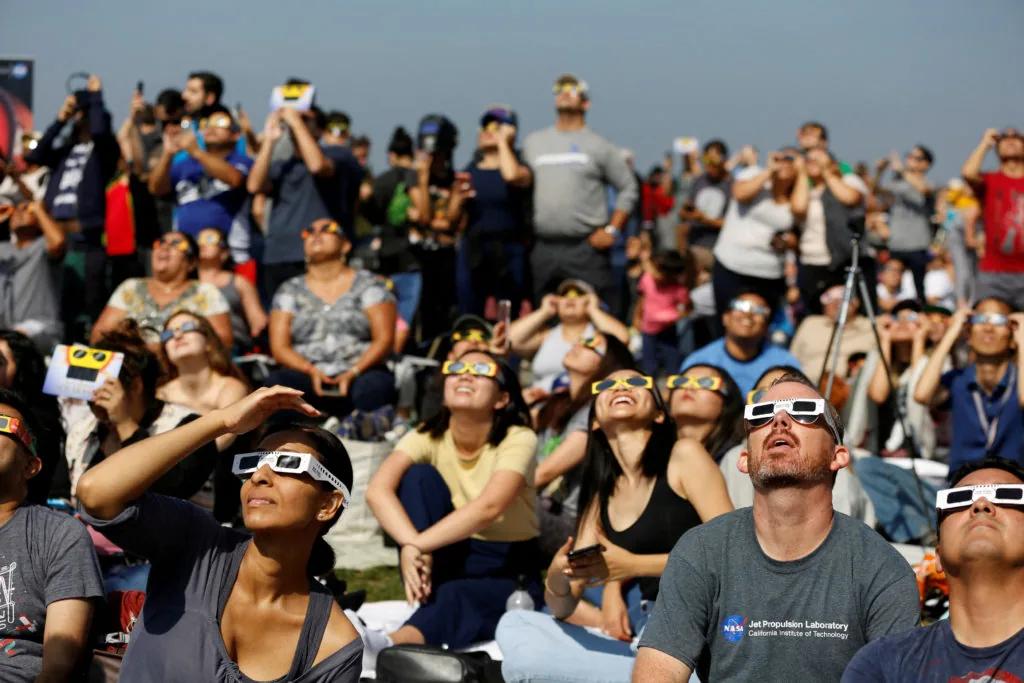
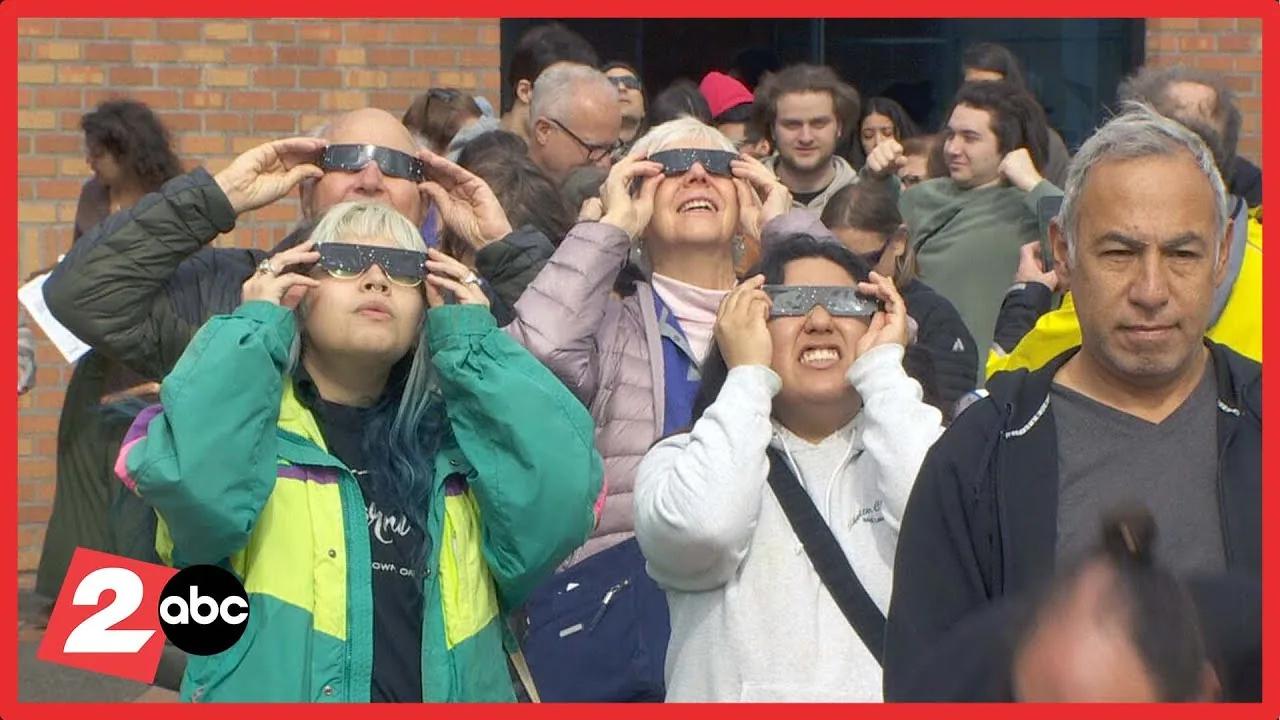
During the partial phases, you need proper solar viewing protection. During totality itself, and only if you are actually inside the path and the Sun is completely covered, you may look without eclipse glasses for that brief interval. As soon as any bright part of the Sun reappears, the glasses go back on immediately.
NASA and the American Astronomical Society are both explicit about this. Regular sunglasses are not safe. Damaged viewers are not safe. Looking through binoculars, a telescope, or a camera while using ordinary eclipse glasses is not safe unless the optics have proper front-mounted solar filters.
If you are buying for a family or a group chat that is finally turning into a real trip, look for approved solar eclipse glasses and solar eclipse glasses iso 12312-2 certified viewers from a source you trust. We explain the labeling in more detail in ISO 12312-2 and eclipse viewers: what the standard means for your family, and you can browse Helioclipse solar eclipse glasses if you want eclipse viewing glasses ready well before the August rush.
One more point that matters for Spain specifically: many people outside totality will experience a very deep partial eclipse and may be tempted to treat it like the real thing. Don’t. Outside the umbra there is no safe glasses-off interval. That is especially important for places like Madrid and Barcelona, where the eclipse will be dramatic but still partial. If you want the injury mechanism explained plainly, read Why staring at the Sun without protection is never “just a quick look”.
What to do with this information if you are planning now
Here is the practical version of this whole article.
First, decide whether your priority is easier horizon geometry, potentially better climatology, or a specific travel base. Then use a 2026 solar eclipse map to narrow candidate zones, not just towns. After that, inspect the western horizon at site level. If you cannot answer “what blocks my view between me and the low western Sun?” you are not done planning.
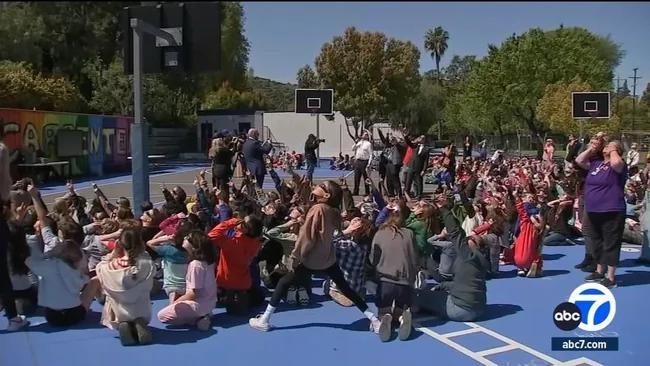
Second, tell your people early. Spain in August is already busy, and the source inventory strongly suggests heavy local and visitor movement into the path. Accommodation, road congestion, and last-minute improvisation will all get harder as the date approaches. If your family, school group, or friends are serious, lock the plan before everyone else has the same idea.
Third, build a backup mindset. The 2026 solar eclipse spain low sun western horizon 2026 guide version of common sense is this: one primary site, one weather backup, and one “if traffic goes wrong” fallback that still has a verified western horizon. That is much smarter than one perfect pin and no resilience.
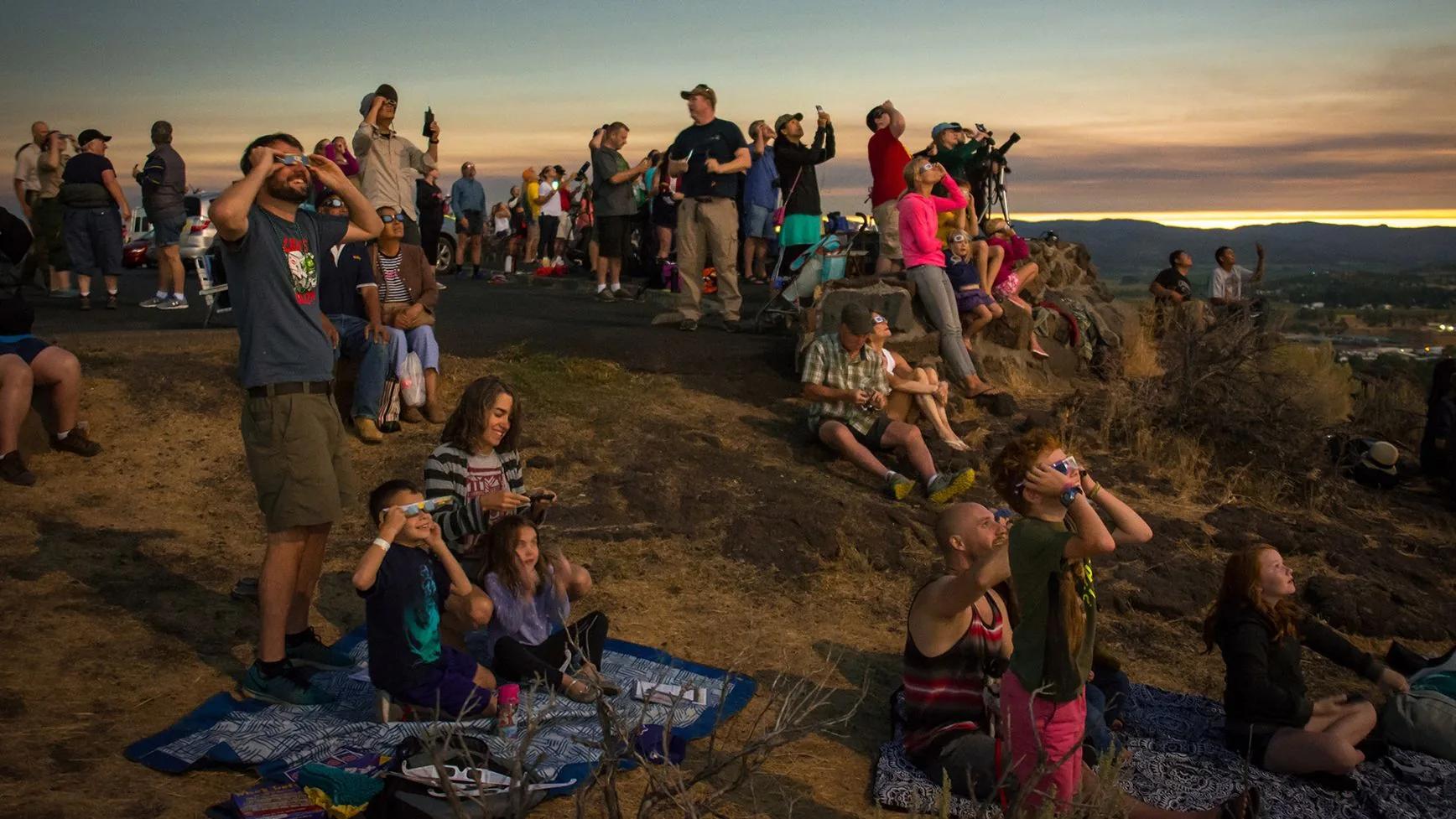
Finally, remember what makes this eclipse special. The low Sun is not only a problem. It is also part of the beauty. If you get a clear view, the light will be strange and elongated, shadows will stretch, the horizon glow can feel theatrical, and totality near day’s end may be one of the most atmospheric eclipse experiences Europe has seen in decades. But the beauty only arrives if you can still see the Sun.
Total Solar Eclipse 2026 in Spain: Phases and Exact Timings
Natural Portraits Global
Frequently asked questions
Why does the total eclipse track stay so narrow across the ground?
Because the Moon’s dark inner shadow, the umbra, is narrow by the time it reaches Earth. It also moves quickly across the surface as the Moon orbits and Earth rotates, so only a relatively small corridor gets totality.
What happens during the September 21 eclipse?
The excerpt does not describe a September 21 eclipse, so there is no factual basis here to say what will happen. It only explains the August 12, 2026 total solar eclipse in Spain.
Which U.S. states will be in the eclipse path?
The excerpt does not mention any U.S. states or a U.S. eclipse path. Its focus is Spain, where the total eclipse path crosses the country on August 12, 2026.
What is the key planning issue for Spain’s 2026 eclipse if you are inside the path?
A clear western horizon is crucial because the eclipse happens late in the day and the Sun will be low as totality arrives. Even if you are on the path, a ridge, building, tree line, or other obstruction can block the view before totality begins.
What should a practical viewing guide for Spain’s 2026 eclipse emphasize?
It should emphasize both path geometry and horizon geometry, not just a map pin. The excerpt says a map is necessary but not sufficient, because the low Sun makes local terrain and obstructions especially important during the 2026 eclipse in Spain.
On-site next steps
- Explore your candidate locations with the Helioclipse Eclipse Explorer / 3D map. For this event, use it to compare not just centerline distance but your likely western sight line.
- If you are traveling with family or friends, order certified viewers early from our shop eclipse glasses page so you are not scrambling in the final weeks.
- For broader planning, timing, and Spain-specific reading, browse the Helioclipse blog and pair this article with our path, weather, and safety guides.
Sources & further reading
- Where can I see the total solar eclipse on Aug. 12, 2026?
- Eclipse chasers share insider tips, travel advice and skywatching secrets for the 2026 total solar eclipse
- Spanish Total Eclipse Adventure 2026
- Mallorca Sunset Eclipse 2026
- Solar and Lunar Eclipses in 2026
- NASA Science: Eclipses
- NASA Science: Why Do Eclipses Happen?
- NASA Science: Types of Solar Eclipses
- NASA Science: Eclipse Viewing Safety
- American Astronomical Society: How to view a solar eclipse safely