Cloud cover and eclipse day: how to read the sky and when to move
You can plan your route, book the hotel, charge the camera, and still lose the sky.
That is the hard truth behind eclipse cloud cover and eclipse weather: the most beautiful event on your calendar can come down to one stubborn deck of clouds at exactly the wrong hour. The good news is that weather uncertainty is not the same thing as helplessness. If you understand what forecasts are really saying, what kinds of clouds matter most, and when a short drive can change your odds, you give yourself a much better chance.
This is where we think eclipse planning gets more interesting, not less. A forecast is not a verdict. It is a moving estimate. And on eclipse day, mobility is often the smartest strategy you have. If you are still deciding where to watch, our Eclipse Explorer / 3D map helps you compare locations inside and outside the path of totality, which matters because even a weather-imperfect total eclipse can still be far more dramatic than a crystal-clear partial one.
The first rule: forecast confidence is not the same thing as forecast detail
A lot of people treat a weather app like a yes-or-no answer machine. They see 40% cloud cover and assume the eclipse is doomed, or they see a sun icon and assume they are safe. Real forecasting is messier than that.
An eclipse day weather cloud forecast usually blends several ideas that are easy to confuse: how much of the sky may be covered by clouds, what altitude those clouds are at, how thick they are, whether they are broken or solid, and how all of that lines up with the exact time of the eclipse at your location. That last part is crucial. A place can have a mediocre-looking day overall and still get a clean viewing window at the right moment.
That is why forecasters often sound cautious until the final day or two. In Texas before the April 8, 2024 eclipse, local meteorologists openly warned that long-range model output could swing from rainy and overcast to drier and somewhat clearer in just a day or two. The point was not that forecasts were useless. The point was that the details that matter most to eclipse watchers often sharpen late.
This is also why phrases like cloud cover eclipse 2024, eclipse 2024 cloud cover, and eclipse weather 2024 became so common around the last major North American event. People were not just asking whether it would be cloudy. They were trying to understand whether the cloud would be thin or thick, broken or solid, early or late, local or regional.
What cloud cover percentages actually mean
If you have ever wondered how to read cloud cover?, start here: cloud cover is the fraction of the sky expected to be covered by clouds, usually expressed as a percentage.
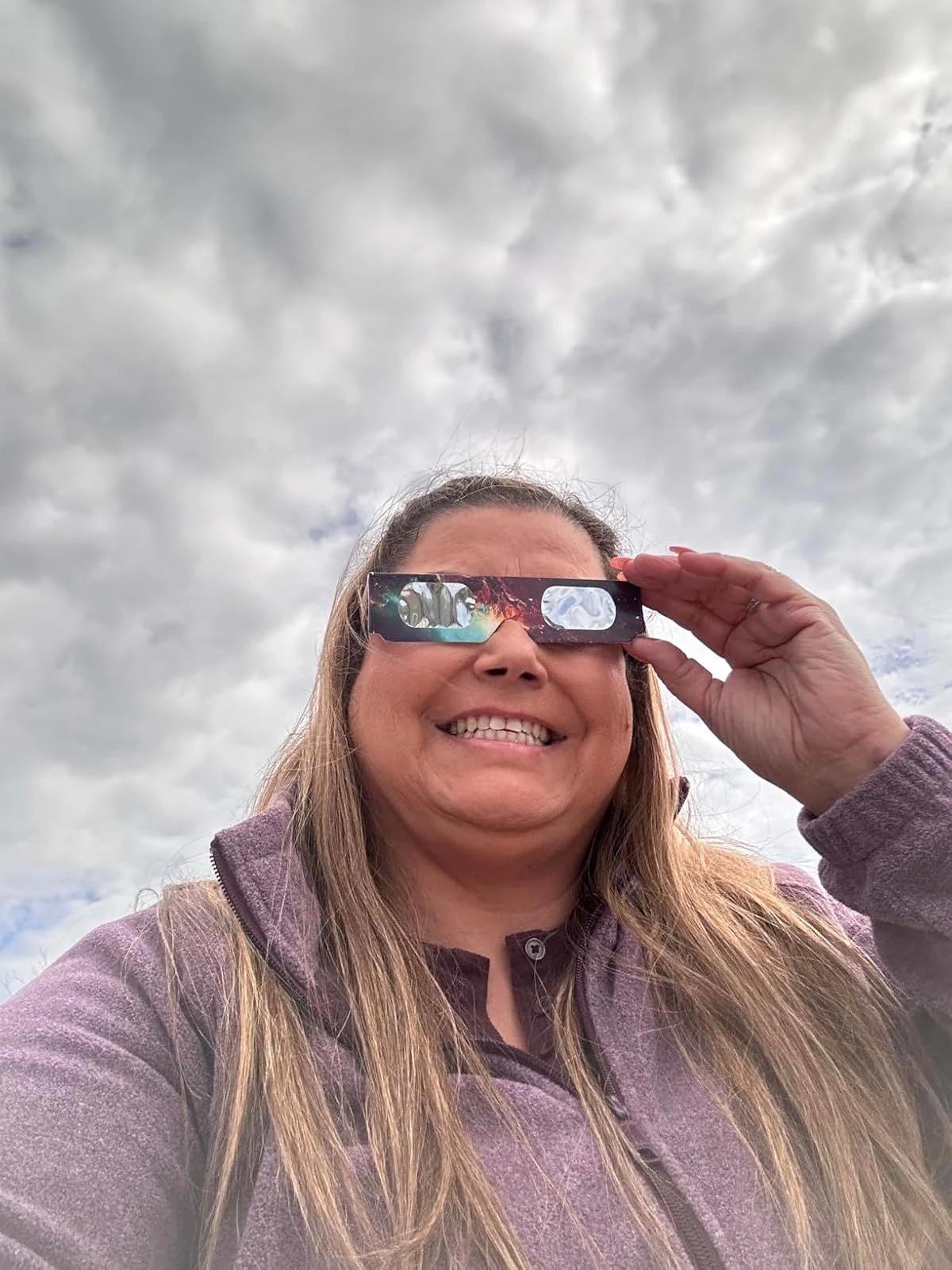
But that number has limits. Eighty percent cloud cover does not necessarily mean the Sun is hidden 80% of the time. It means much of the sky may be cloud-filled. The Sun could still sit in a gap, or it could sit behind the thickest patch. A 30% cloud forecast can still be frustrating if the clouds are clumped right where the Sun is. A 70% forecast can still work if the cloud is thin, high, or broken.
Some public-facing eclipse maps in 2024 tried to improve on this by separating cloud amount from cloud thickness. That is useful because thin high cloud and low gray overcast are not remotely the same viewing experience.
A practical way to think about it:
- 0% to 20% cloud cover: strong odds, though not a guarantee.
- 20% to 50%: mixed but often workable, especially if clouds are thin or patchy.
- 50% to 80%: increasingly dependent on luck, timing, and mobility.
- 80% to 100%: often close to overcast; you may still experience darkness and temperature changes, but visual detail can be badly reduced.
That is why a raw percentage is only the beginning. When you read a solar eclipse day weather cloud forecast, ask: what kind of cloud, how thick, and at what hour?
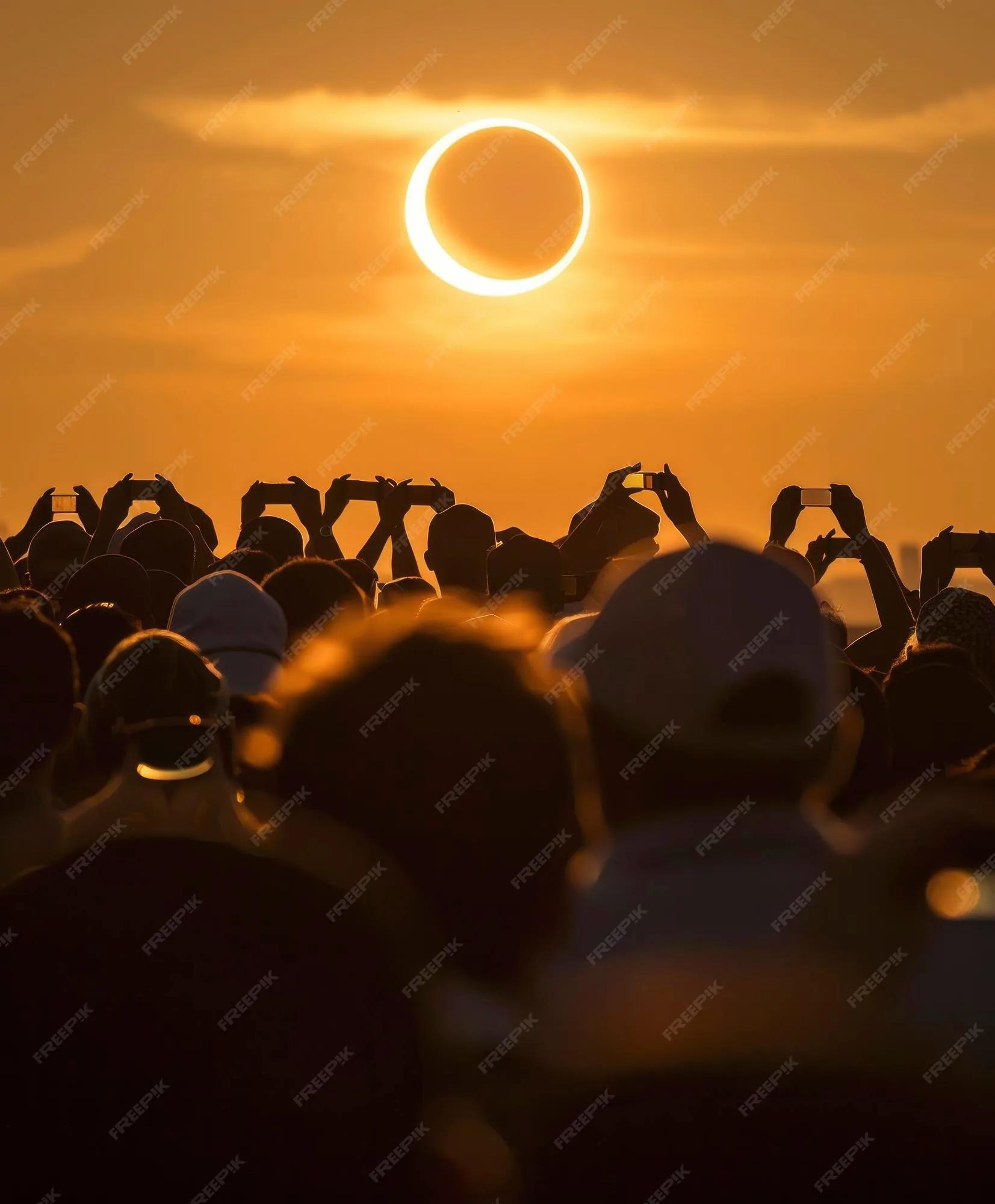
Not all clouds are equally bad for an eclipse
This is the part many people miss, and it can save a trip.
Meteorologists classify clouds by form and altitude, and you do not need a degree to use that knowledge. The World Meteorological Organization's Cloud Atlas is the formal reference, but the field version is simple enough for eclipse day.
Low, thick overcast: the real problem
If the forecast mentions low stratus, widespread overcast, or rain clouds, your odds drop fast. These are the classic gray-sky clouds that erase the Sun completely. Under this kind of sky, you may still notice the world dimming during a solar eclipse, and totality can still feel eerie if you are inside the path, but the corona, diamond ring, and fine structure are likely gone from view.
This is the scenario that makes mobility worth serious effort.
Mid-level puffy cloud: frustrating, but not hopeless
Broken cumulus or mixed mid-level cloud can be maddening because the eclipse may flicker in and out. You might get a perfect view one minute and lose the next thirty seconds to a passing cloud. For a total eclipse, where totality may last only a few minutes, that timing matters emotionally as much as scientifically.
Still, this kind of sky is often beatable with a short move if satellite loops show clearer slots nearby.
High thin cirrus: often better than it sounds
High cirrus can soften the view without destroying it. Forecasters in parts of the U.S. during the 2024 eclipse noted that thin high cloud might still allow decent viewing, especially compared with a low opaque deck. The Sun may look diffused, and the corona may lose some crispness, but you can still have a real eclipse experience.
This is why “cloudy” is too blunt a word. For eclipse planning, cloud type matters almost as much as cloud amount.
Climatology helps you choose a region. Forecasting helps you choose a parking spot.
One of the smartest ways to plan is to separate long-range weather thinking into two layers.
Climatology is the big-picture history of what skies are usually like in a place and season. It can tell you whether one region is generally cloudier than another in early April, late August, or mid-morning versus late afternoon. It cannot tell you what your exact eclipse day will do.
Meteorology is the short-term forecast problem: what the atmosphere is actually doing now, what models think it will do next, and how confident forecasters are.
That distinction matters because people often ask for a single answer when they really need two. If you are choosing between broad regions months ahead, use climatology. If you are deciding whether to leave your hotel at 7 a.m. and drive west, use real-time meteorology.
The National Weather Service's Burlington office offered a good example during the April 8, 2024 eclipse. Their eclipse page combined timing, climatology, and day-of cloud discussion for northern New York and Vermont, where totality occurred roughly between 3:15 and 3:35 p.m. local time and could last up to about 3.57 minutes in the best-positioned spots. That is exactly the kind of planning stack we like: historical context first, then current forecast, then a decision.
So yes, cloud cover and eclipse day: how to read the sky starts with meteorology basics and cloud climatology where citable; eclipse planning works best when you use both.
Can the eclipse itself change the weather?
A little, yes. But not in the way that rescues a bad forecast.
During a solar eclipse, sunlight drops quickly. That can cool the surface slightly, weaken local mixing, and sometimes alter wind or cloud behavior in subtle ways. Scientists study these effects because eclipses create a rare natural experiment.
But for planning purposes, do not count on the eclipse to clear the sky for you. If a broad overcast shield is in place, the eclipse will not magically punch a hole through it. The eclipse can change local conditions a bit; it does not rewrite the synoptic pattern.
This matters because hopeful myths spread before every big event. We would rather you plan around what weather systems actually do than bet your once-in-years moment on folklore.
How to read the sky on the day itself
If you are asking how to read the sky clouds?, the answer is part forecast, part observation.
Start with the official forecast discussion if one exists for your region, not just the icon in an app. Meteorologists often explain whether uncertainty comes from timing, cloud thickness, storm development, or model disagreement. That is much more useful than a cartoon cloud.
Then look at three things on eclipse day:
- Satellite imagery: especially visible and infrared loops if daylight timing allows.
- Radar: useful if showers or storms are involved, less useful for thin non-rain cloud.
- Your own horizon check: are clouds moving fast, breaking up, building vertically, or spreading into a solid sheet?
A good field question is not “Is it cloudy?” but “Is the cloud organized enough to stay bad at eclipse time?” Broken fields drift. Solid decks persist. Thin veils may still let the event through.
This is where mainstream tools can help, including pages people may search for under accuweather eclipse, but we strongly recommend comparing any single app with local National Weather Service or national meteorological guidance when available. The best day-of decisions usually come from combining a local forecast discussion with live satellite imagery.
And yes, if you have seen phrases like cloud cover and eclipse day how to read the sky nasa or cloud cover and eclipse day how to read the sky reddit, the difference is simple: NASA is excellent for eclipse science and safety, while crowdsourced discussions can be useful for local reports but should never outrank official forecasting when you are deciding whether to move.
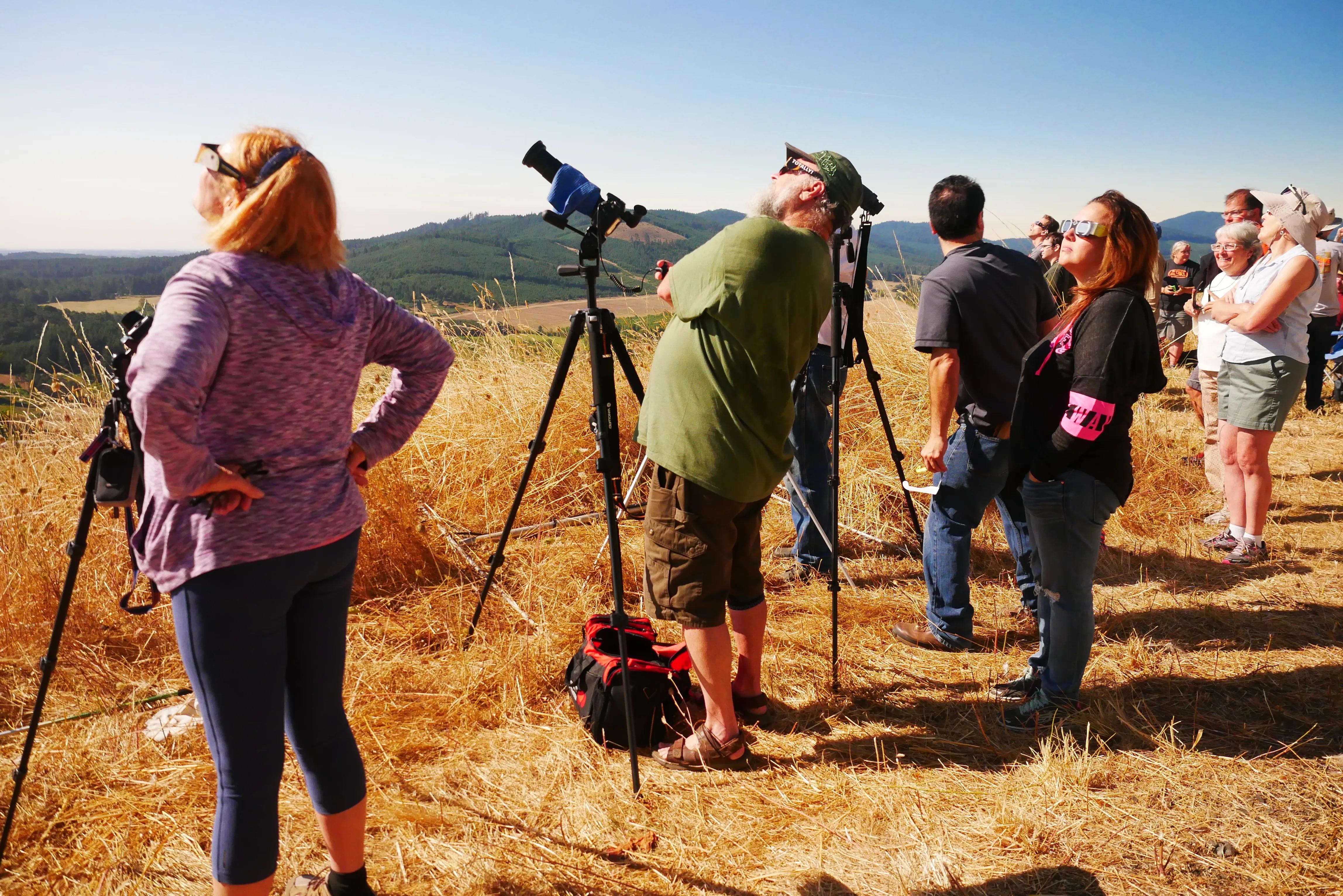
When should you move?
Mobility is not panic. It is planning.
We like a simple rule: move when the forecast problem is local, not regional.
If a huge storm system covers several states or a broad marine layer blankets an entire coast, driving 20 miles may do nothing. But if the issue is scattered cumulus, a narrow cloud band, valley fog, or a sharp gradient between clearer and cloudier air, even a short relocation can matter a lot.
Think in tiers:
Move early for broad uncertainty
If forecasts 24 to 48 hours out show one side of the path consistently clearer than another, consider changing your base before traffic locks in. This is the easiest kind of move because roads, fuel, and parking are still manageable.
Move same morning for mesoscale details
If the difference is between nearby towns, or between one side of a mountain range and another, the morning of the eclipse may be the right time to decide. This is where satellite and updated forecast discussions become valuable.
Move late only if the evidence is obvious
A last-hour dash can work, but only when the sky gives you a clear target: a visible clearing line, a cloud edge you can realistically reach, or a trusted nowcast showing a nearby break. Otherwise, you risk trading one uncertain sky for another while adding stress and traffic.
The best eclipse chasers treat weather like storm chasers do: not recklessly, but actively. They stay flexible, protect the core goal, and avoid getting trapped by a bad first choice.
The totality trade-off: sometimes a cloudy total eclipse still beats a clear partial
This is one of the hardest decisions for first-time viewers.
Suppose you are inside the path of totality but under a mediocre forecast, and an hour away the sky looks clearer but only offers a deep partial eclipse. Should you leave totality?
Often, no.
The American Astronomical Society's eclipse basics material is a useful reminder here: totality is not just “more eclipse.” It is a different event. The corona appears. Daylight collapses. The horizon glows like a 360-degree sunset. Animals react. The emotional and visual jump from 99% partial to total is enormous.
Even under cloud, people inside totality may still feel the sudden darkness and atmospheric shift in a way that partial observers do not. You may lose the finest visual details, but you still experience the Moon fully covering the Sun's bright face.
So if your choice is between staying in a place with a fair shot at totality and fleeing to guaranteed clear skies outside the path, think carefully before giving up totality. We would usually move within the path first. Preserve the geometry if you can, then optimize the weather.
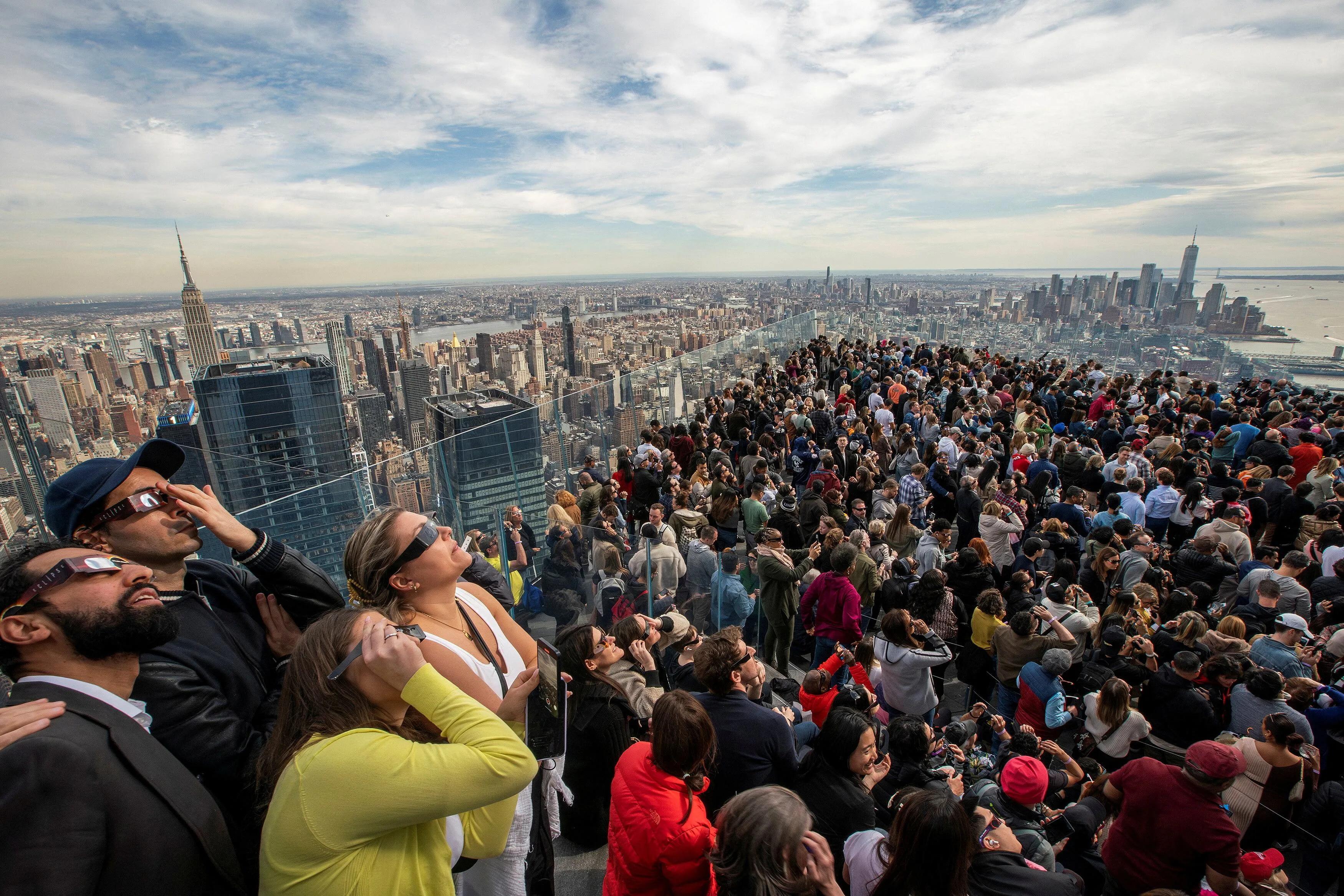
Solar versus lunar eclipse weather: the stakes are different
The phrase lunar eclipse cloud cover comes up for a reason, but the planning logic is not identical.
For a lunar eclipse, cloud cover lunar eclipse matters in the obvious way: thick cloud blocks the Moon. But lunar eclipses last much longer than total solar eclipses, often for hours rather than minutes. That gives you more time for clouds to shift, more time to relocate, and more tolerance for a partly cloudy sky.
A lunar eclipse day weather cloud forecast is therefore less brutal than a solar one. You are not trying to protect a two- to four-minute peak event in a narrow path. You are trying to maximize your odds over a much longer window, and the Moon is often visible from a huge region rather than a thin track.
A solar eclipse day weather cloud forecast, by contrast, is unforgiving. The event is short, the geometry is narrow, and a single opaque cloud at the wrong minute can erase the best part. That is why mobility planning matters more for solar eclipses, especially total ones.
What to pack when weather is uncertain
A weather-flexible eclipse kit is not glamorous, but it is the difference between adapting and freezing in place.
Bring layers, water, a paper map or offline navigation, a charging cable, and a realistic fuel buffer. If storms are possible, know your shelter options. If you are traveling with kids or a group, decide in advance who makes the call to move and how late you are willing to do it.
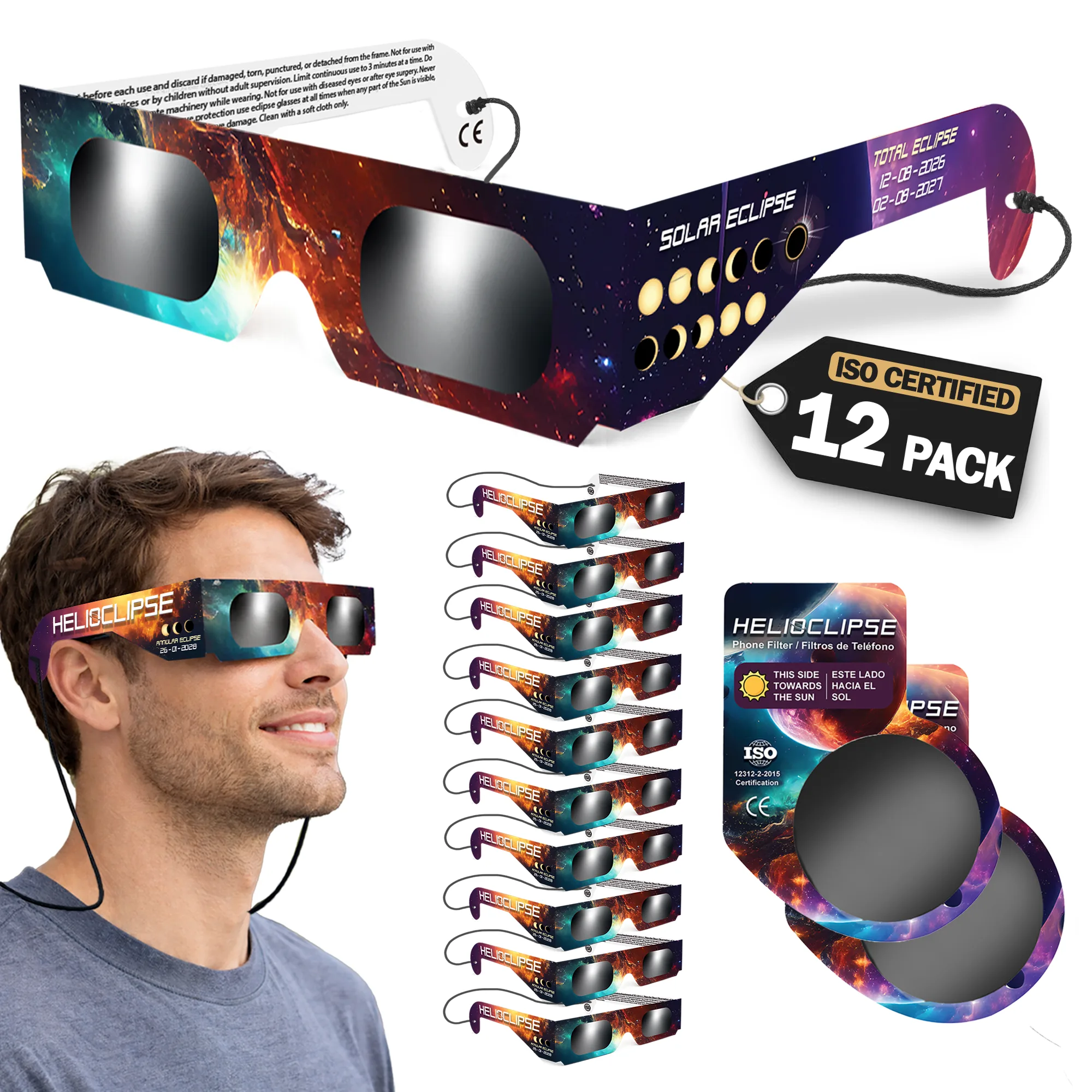
And do not leave eye protection to chance. If you are shopping for approved solar eclipse glasses or solar eclipse glasses iso 12312-2 certified, buy early from a source you trust and inspect them before use. You can browse Helioclipse eclipse viewing glasses and make sure everyone in your group has a safe plan for the partial phases.
The AAS safety guidance is clear: outside totality, and during all partial or annular phases, you need special-purpose solar filters that conform to ISO 12312-2. Ordinary sunglasses are not enough. During a total solar eclipse, you may remove your viewers only during the brief total phase, and only if you are actually inside the path of totality and the Sun's bright face is completely covered.
A practical decision checklist for eclipse morning
If you want one compact framework, use this.
- Check the path first. Are you inside totality, near the center line, or near the edge? Use the Helioclipse 3D map before you start chasing weather.
- Read the forecast discussion, not just the icon. Look for words like overcast, broken, cirrus, convective, timing uncertainty, and clearing line.
- Watch satellite loops. A moving broken field is different from a solid shield.
- Compare nearby options. A 30- to 90-minute move can be worth it if the cloud gradient is sharp.
- Protect totality if possible. Clear partial is not the same experience.
- Know when to stop moving. Once traffic risk outweighs weather gain, commit and enjoy the event you have.
That is the heart of any eclipse day weather cloud forecast 2026 guide, and honestly it applies just as well to future eclipses anywhere in the world.
Why weather uncertainty should make you plan better, not worry more
The most useful mindset is not “How do I guarantee clear skies?” You cannot.
The better question is: how do I give myself options?
That means choosing a region with sensible climatology, keeping your route flexible, understanding what cloud forecasts actually mean, and making peace with the fact that eclipse chasing always includes some luck. Even experienced observers sometimes win under a 60% forecast and lose under a prettier one.
If you have come across odd search phrases like eclipse weather fisch, treat them as a reminder of how messy eclipse-weather searching can get online. What matters is not the wording. What matters is whether the source explains uncertainty honestly and helps you act on it.
And if the sky does beat you? A clouded-out eclipse is still a real encounter with celestial mechanics, changing light, and a shared moment with everyone around you. But if you can add one smart move, one better forecast read, or one earlier decision, you may turn a gray disappointment into the day your whole group talks about for years.
Frequently asked questions
Can an eclipse change the weather around it?
No clear evidence in the excerpt says an eclipse changes the weather itself. The article focuses on the opposite problem: weather, especially cloud cover, can determine whether you can see the eclipse at all.
What is the safest way to watch a solar eclipse?
The excerpt does not give eye-safety instructions, so it does not support a specific safety method. What it does emphasize is choosing a location with the best cloud forecast and being ready to move if a short drive improves your odds.
What should first-time eclipse viewers avoid doing?
They should avoid treating a weather app as a simple yes-or-no answer and assuming a single cloud percentage tells the whole story. The article says forecast confidence, cloud thickness, and timing at your exact location matter more than a broad daily summary.
Which items are essential, and which ones are just nice to have?
The excerpt only clearly supports practical planning items like checking forecasts, planning a route, and being willing to relocate if needed. It also mentions charging a camera as optional preparation, but it does not say any gear is required for viewing.
On-site next steps
- Explore your viewing options in the Helioclipse Eclipse Explorer / 3D map. Compare locations inside versus outside totality, and keep a few backup spots in mind before eclipse morning.
- If your plan includes any partial phases, order Helioclipse solar eclipse glasses early so your family, school group, or travel crew is ready with certified viewers.
- Want more planning help? Browse the Helioclipse blog for safety, gear, and eclipse strategy guides.
Sources & further reading
- Eclipse Day Forecast: Cloud Cover Discussion — National Weather Service Burlington
- What’s the Cloud Forecast for Eclipse Day? See if the Weather Is on Your Side. — The New York Times
- Total solar eclipse cloud forecast: Will clouds spoil your view? — AccuWeather
- Eclipse day weather includes clouds, maybe rain, but “a lot is going to change with this forecast” — Texas Standard
- 2024 Eclipse path cloud cover forecast — KSDK
- How to view a solar eclipse safely — American Astronomical Society
- Eclipse basics — American Astronomical Society
- NASA Science — Eclipses
- National Weather Service — Weather Safety and Forecast Basics
- World Meteorological Organization — International Cloud Atlas