A Coruña in 2026: one city, one eclipse—Atlantic coast, marine layer risk, and real horizons
A Coruña is one of those rare places where eclipse planning gets intensely local. On August 12, 2026, this city is inside the path of totality, which means the total solar eclipse 2026 Spain story is not abstract here at all. It is personal, coastal, and a little unforgiving: the Sun will be low in the west-northwest, totality will be brief, and the Atlantic can decide to be dramatic in the worst possible way.
For readers searching a coruna eclipse 2026, a coruña eclipse 2026, or total solar eclipse 2026 a coruna spain, the headline fact is simple: yes, A Coruña gets totality on August 12, 2026, at about 8:27 p.m. CEST, with roughly 1 minute 15 seconds of totality and the Sun only about 12° above the west-northwest horizon. That is enough to be unforgettable. It is also low enough that buildings, cranes, headlands, haze, or a marine cloud deck can absolutely matter.
If you want to sanity-check your exact line of sight, neighborhood, and timing, start with our Eclipse Explorer / 3D map. For a city like this, the map is not a bonus feature. It is part of the plan.
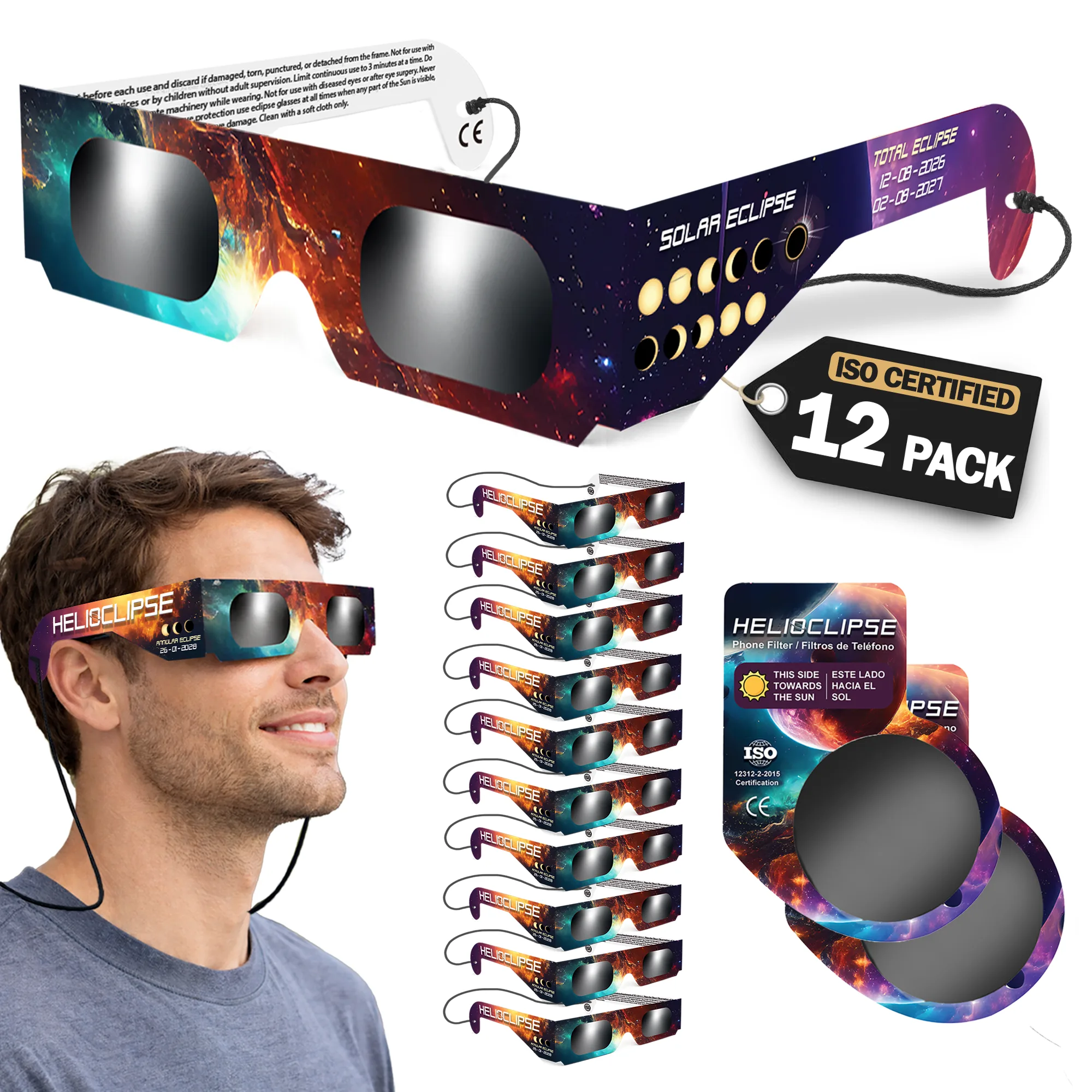
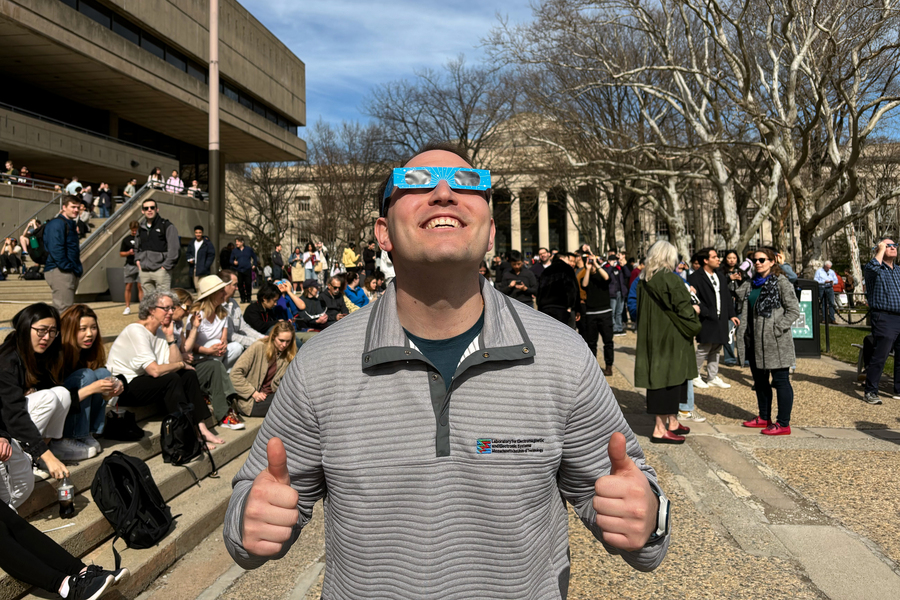
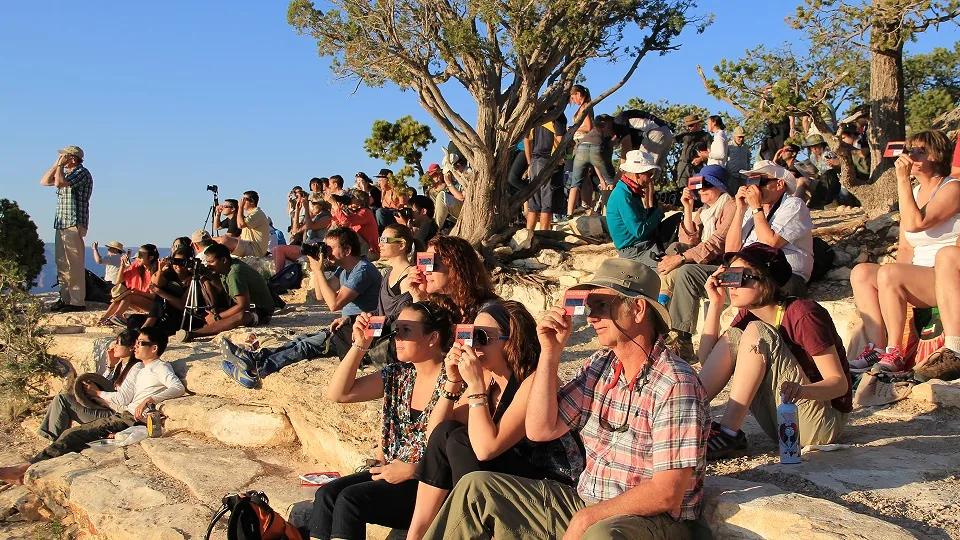
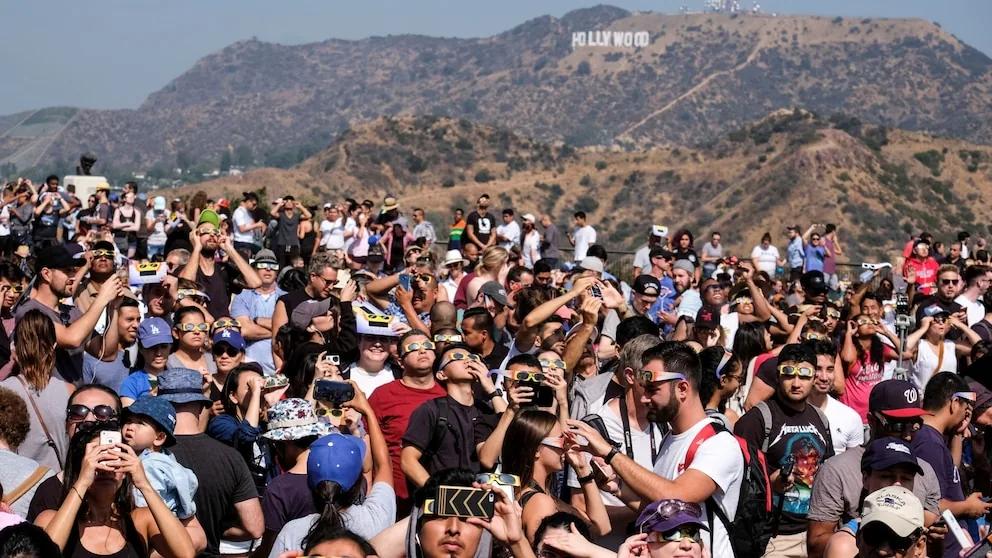
And because this is a real total eclipse, not a near miss, it is also worth getting your viewing rhythm right now: certified viewers on for the partial phases, off only during totality, then back on the instant the bright Sun returns. If you need a refresher, our guide to when glasses on, when glasses off: eclipse phases explained for first-time viewers is the fastest way to avoid the most common mistake.

The non-negotiable facts for A Coruña
The date is fixed: August 12, 2026. NASA lists it as a total solar eclipse visible in Spain, and city-level timing sources place A Coruña squarely in totality.
For a coruna spain eclipse 2026, the practical numbers are these:
- Maximum / totality window: around 8:27 p.m. CEST
- Totality duration: about 1 minute 15 seconds
- Sun altitude: about 12° above the west-northwest horizon
- What that means on the ground: you need a genuinely open low horizon, not just “some sky visible” between buildings
That low altitude is the whole personality of this event in the city. A midday eclipse lets you get away with a lot. This one does not. If a rooftop edge, apartment block, port structure, tree line, or elevated road cuts into your west-northwest view, you may lose the most important minute of the day.
This is why total solar eclipse 2026 path spain discussions can become misleading when they stay too broad. Yes, A Coruña is in the path. But within A Coruña, some viewpoints are much more honest than others. The city gives you sea horizons, harbor geometry, and exposed headlands—but also industrial silhouettes, urban clutter, and Atlantic cloud behavior that can change quickly near evening.
Why A Coruña is exciting—and risky in exactly the way coastal eclipses are risky
The phrase a coruña in 2026: one city, one eclipse—atlantic coast, marine sounds almost poetic, but the marine part is not decoration. It is the operational problem.
Northwest Spain’s coast can develop or hold low cloud and marine stratus even when inland areas look cleaner. In A Coruña, that means the eclipse can become a contest between three things happening at once: the Sun dropping lower, the sea horizon becoming more important, and a shallow cloud layer deciding whether to thin, break, or sit exactly where you do not want it.
Space.com’s 2026 coverage makes the broader point clearly: northern Spain’s coast is among the cloudier parts of the path, while Spain overall offers lower cloud risk than Iceland but a much lower Sun. For A Coruña specifically, that tradeoff is brutal and fascinating. You are not choosing between “good weather” and “bad weather.” You are choosing between a city with a real Atlantic horizon and a city where that same Atlantic can hide the show.
That is why we would not sell this as easy. We would sell it as worth planning properly.
If the sky cooperates, A Coruña could deliver one of the most cinematic urban-coastal eclipses in Europe: a darkening western sea, sharp silhouettes along the waterfront, and the corona hanging above the ocean-facing edge of the city. But if a marine layer sits low offshore, the same geometry that makes the view beautiful also makes it fragile.
What “real horizons” means inside the city
This guide stays inside A Coruña municipality on purpose. No Galicia road-trip dilution, no pretending another city is “close enough.” If you are committing to A Coruña, you need to think like a local observer with a horizon problem.
At roughly 12° altitude, the eclipsed Sun is not scraping the horizon, but it is low enough that “west-facing” is not the same as “usable.” You want:
- a clear west-northwest sight line
- minimal obstruction in the lowest 10–15° of sky
- enough open space that a crowd does not force you behind railings, lamp posts, or parked vehicles
- a fallback spot if your first choice turns out to be blocked more than expected
Open headlands beat pretty-but-cluttered waterfronts
Within city limits, exposed coastal points and broad seafront spaces are usually more trustworthy than enclosed urban quays. A postcard harbor view can still fail eclipse geometry if cranes, masts, terminal buildings, or layered infrastructure sit exactly where the Sun needs to be.
That does not mean port-side views are useless. It means you should treat silhouettes as part of the forecast. A dramatic industrial edge can make a superb foreground for photography and atmosphere, but only if it does not eat the last degrees of sky.
Elevation is not automatically better
People often assume “higher is better.” For this eclipse, higher is only better if it also preserves a clean azimuth toward the west-northwest. A viewpoint can be elevated and still be ruined by a nearer ridge, parapet, building line, or the geometry of the slope below it.
The sea is your friend until the cloud deck remembers it is the Atlantic
A fully open ocean horizon is the dream. It is also where marine haze or stratus can be most obvious. On eclipse day, you are not just asking, “Can I see west?” You are asking, “Can I see low west-northwest through whatever the coast is doing at sunset?”
That is the right question for total solar eclipse 2026 a coruna spain 2026 guide map planning. Use the map to inspect your exact line of sight, then compare it with same-day satellite and local forecast data.
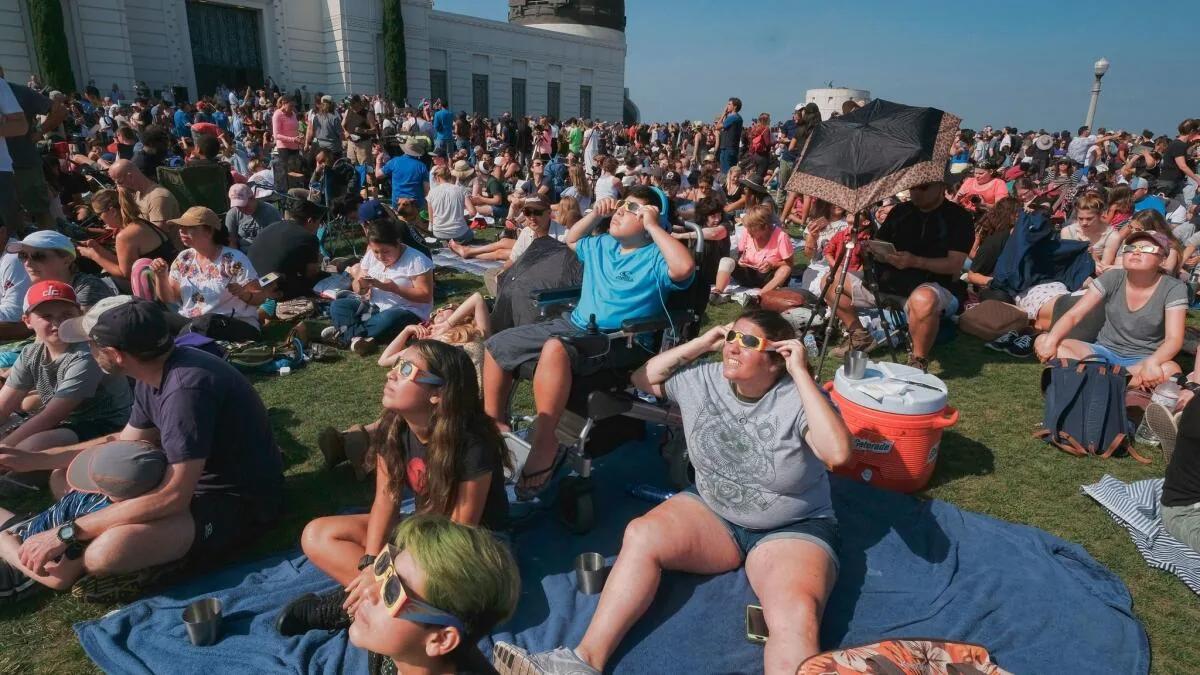
How A Coruña compares with other 2026 Spain locations
A Coruña is not the longest-duration city in Spain for this eclipse, and that matters. Space.com lists Gijón at about 1 minute 46 seconds of totality versus A Coruña at about 1 minute 15 seconds. That is a meaningful difference—roughly half a minute more in Gijón.
But duration is only one axis. A Coruña’s appeal is not “best in Spain, full stop.” It is that the city offers a major Atlantic urban setting with true totality and a potentially spectacular sea-facing horizon.
Compare a few places people will inevitably mix together:
- A Coruña: about 1m 15s, Sun around 12° high
- Gijón: about 1m 46s, Sun around 10° high
- Palencia: about 1m 42s, Sun around 9° high
- Burgos: about 1m 44s, Sun around 8° high
- Segovia: about 54s, Sun around 8° high
So A Coruña is not the longest, but it is also not one of the shortest totality experiences in Spain. It sits in an interesting middle ground: a respectable minute-plus of darkness, a slightly higher Sun than some inland Spanish sites, and a coastline that can either save your horizon or sabotage your cloud odds.
That is also why oviedo spain eclipse 2026 and A Coruña should not be treated as interchangeable search results. Even when two northern cities sound broadly similar on a map, eclipse experience changes with local path position, duration, and horizon geometry. “North coast” is not a single viewing condition.
For the wider national picture, our guide to 2026 totality in Spain: path basics, timing, and what “on the centerline” really means is the right companion piece.
Marine layer risk is not a footnote. It is the plot.
If you remember one planning idea from this article, make it this: in A Coruña, cloud strategy is not a last-minute add-on. It is the main event before the main event.
Marine stratus and low Atlantic cloud can behave differently from inland convective cloud. You may have a day that feels bright enough in town while the low western horizon stays milky or blocked. You may also get the opposite: a gray start that improves late. Coastal forecasting is full of these annoyingly human phrases—patchy, broken, thinning, locally persistent—and on eclipse day each one matters.
What should you actually watch?
1. Low cloud, not just total cloud cover
A weather app that says “partly cloudy” is not enough. You care about low cloud and the western horizon specifically.
2. Satellite loops in the late afternoon
Broad forecast confidence is useful the day before. On the day itself, satellite imagery becomes much more valuable. If the marine deck is fragmented offshore, small breaks can matter.
3. Wind direction and onshore flow
A slight onshore push can keep moisture and low cloud feeding the coast. A change in flow can improve things—or make them worse fast.
4. Haze versus opaque cloud
Thin haze may still allow a dramatic totality if the Sun remains visible into the final partial phase. A solid low cloud bank near the horizon is a different problem entirely.
If you want a broader framework for making weather calls without panicking, our cloud cover and eclipse day: how to read the sky and when to move guide is built for exactly this kind of decision.
What the eclipse will actually feel like in A Coruña
A total eclipse this late in the day has a different emotional texture from a high-noon event.
The light will already be warm and angled. As the Moon takes bigger bites from the Sun, shadows sharpen and the city’s color balance can start to feel subtly wrong—less like sunset, more like the world has been dimmed by a giant cosmic filter. Then, if the horizon is clear and the cloud gods are in a charitable mood, the last bright sliver disappears and the whole scene changes at once.
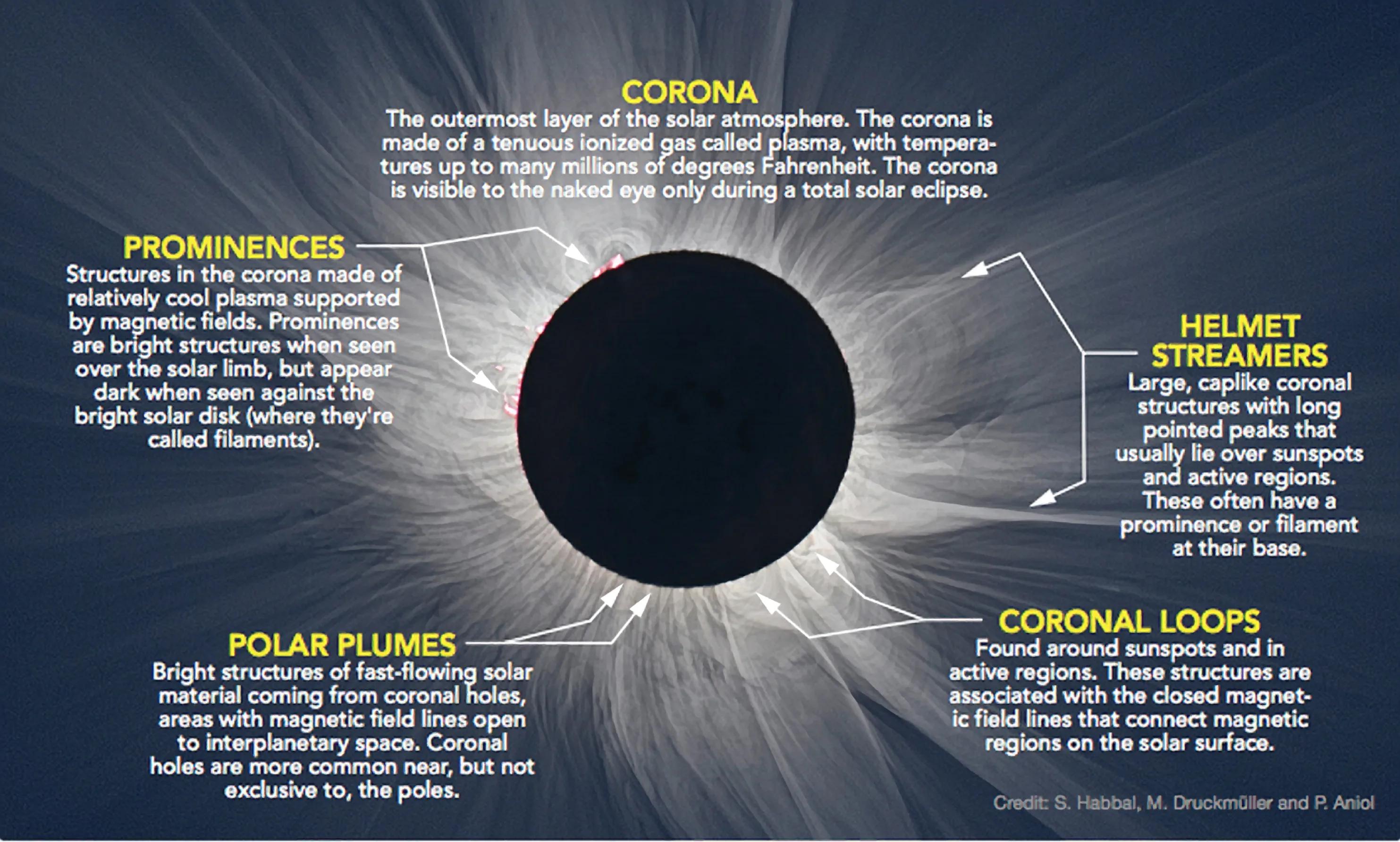
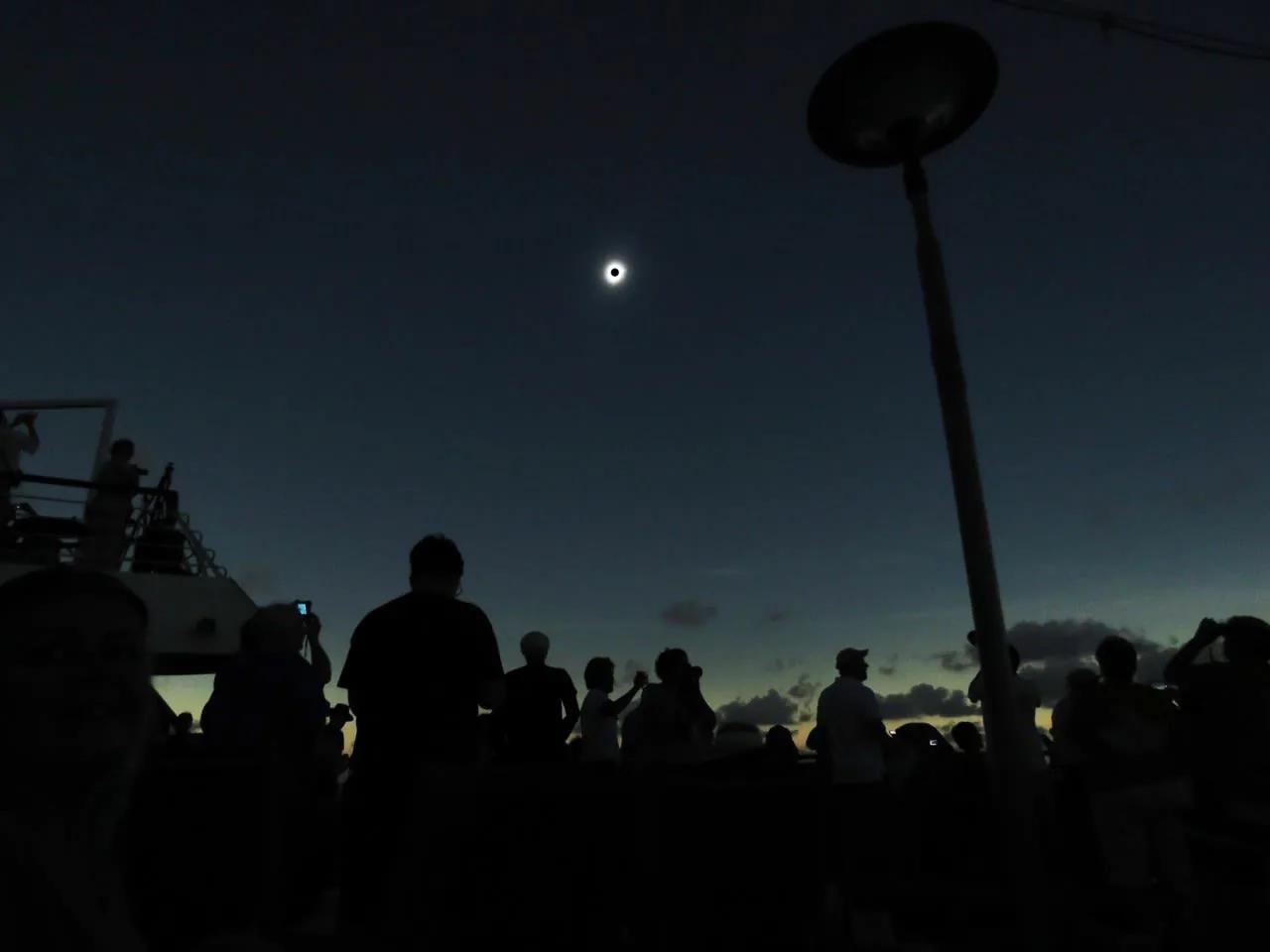
For about 1 minute 15 seconds, A Coruña gets the real thing: the corona visible around the black disk of the Moon, the sky darkened far beyond an ordinary sunset, and that unmistakable sense that the atmosphere has been edited out of normal time. This is the part a 99%-plus partial eclipse cannot fake. Madrid, for example, gets an extremely deep partial eclipse in 2026, but not totality. That difference is the difference between “the Sun is still painfully bright” and “the corona appears.”
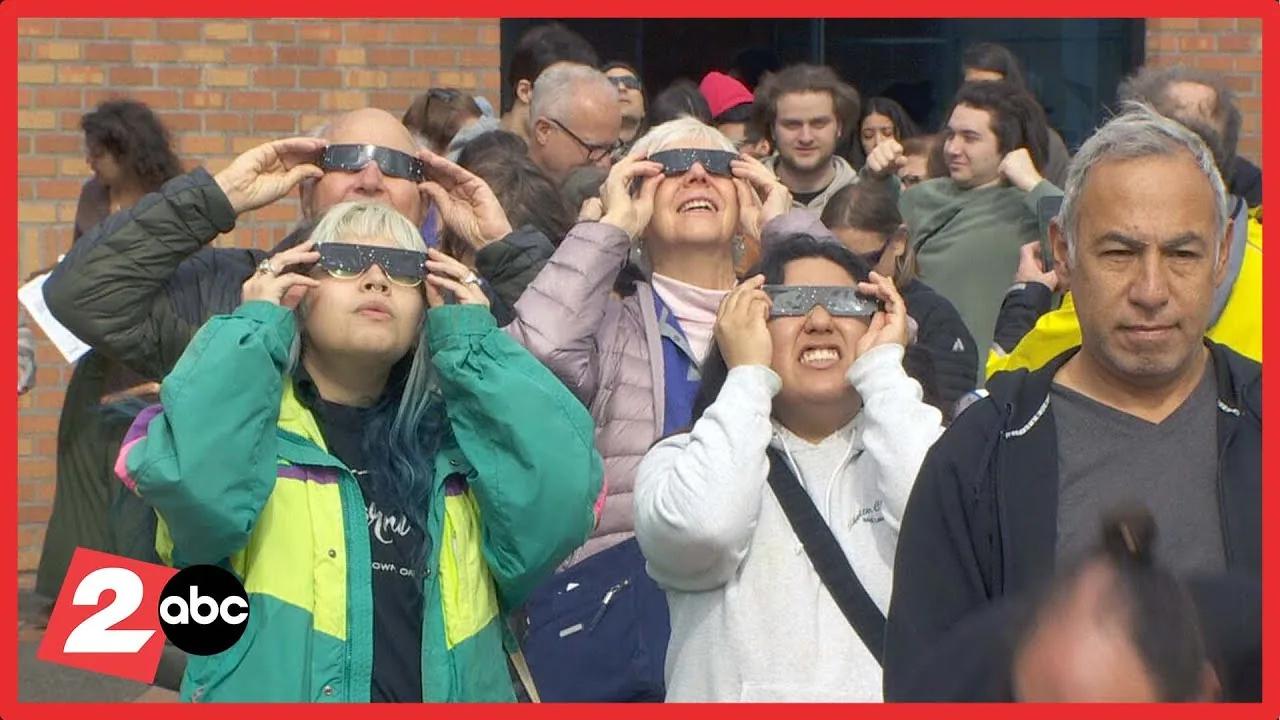
NASA’s safety guidance is blunt on this point for good reason: only during the brief total phase, when the Sun’s bright face is fully covered, is it safe to look directly without eclipse glasses. The instant even a tiny bead of bright Sun returns, glasses go back on.
If you are bringing children, grandparents, or first-time viewers, rehearse that rhythm before the day. It is easier to enjoy totality when nobody is arguing about what happens next.
Glasses, labels, and what to buy before August
A city guide still needs a safety section, because the partial phases last much longer than totality. Most of your eclipse watching time in A Coruña will still require proper solar viewing.
If you are shopping early, the useful language to understand is not marketing fluff but standards language. People often look for approved solar eclipse glasses, eclipse viewing glasses, or solar eclipse glasses iso 12312-2 certified. Those phrases all orbit the same core question: is the viewer actually intended and tested for direct solar observation?
The American Astronomical Society explains why ISO 12312-2 matters and also why packaging claims alone are not enough. NASA makes another important point that clears up a common misconception: eclipse glasses nasa approved is popular wording online, but NASA does not approve specific brands. What matters is that the viewer is genuinely compliant with the relevant standard and comes from a trustworthy source.
That is also why eclipse glasses iso 12312-2 should not be confused with ordinary sunglasses. The AAS notes that ISO 12312-2 is for direct observation of the Sun; regular sunglasses fall under a different standard and are nowhere near safe enough.
Before eclipse day:
- inspect viewers for tears, scratches, punctures, or loose filters
- test them indoors; you should not see normal room details through them
- supervise children closely
- never use eclipse glasses with binoculars, cameras, or telescopes unless those devices have proper front-mounted solar filters
If you need viewers for family or a group chat that is finally becoming a real plan, our shop eclipse glasses page is the straightforward place to start.
Should you stay put in A Coruña or be ready to move?
For a single-city monograph, this is the hardest question. We are not turning this into a Galicia chase guide, but we also should not pretend mobility is irrelevant.
Within the city itself, yes, you should absolutely be ready to move between city viewpoints if the horizon or cloud picture changes. That can mean shifting from a cluttered harbor edge to a cleaner seafront, or from a spot with a blocked azimuth to one with a broader west-northwest opening.
But there is a difference between “move within A Coruña” and “launch a heroic regional drive at the last minute.” The latter is where eclipse plans go to die in traffic, indecision, and bad timing.
For this article’s city-only logic, our advice is:
- choose a primary site inside the municipality
- choose a backup site inside the municipality
- visit both in advance if possible, at roughly the same time of evening
- check the actual west-northwest sight line, not just the vibe
- decide early on eclipse day which one wins
If you are thinking more broadly about crowd behavior, overnight stays, and why “we’ll just drive after work” is usually fantasy, our eclipse travel without the chaos: routes, crowds, and backup plans for 2026 guide is worth reading now, not in August 2026.
A Coruña is part of a bigger eclipse decade—but that should sharpen your plan, not blur it
Search interest around this event often spills into 2026 eclipse spain, total solar eclipse 2026 path, total solar eclipse 2027, and total solar eclipse 2030. That is understandable. Once people realize Europe gets a real total eclipse in 2026, they start building a whole mental timeline.
Here is the useful version of that timeline:
- August 12, 2026: total solar eclipse visible in Spain, including A Coruña
- August 2, 2027: another total solar eclipse 2027 crosses southern Spain and North Africa
- November 25, 2030: total solar eclipse 2030 is visible in southern Africa and Australia, not Spain
The practical takeaway is not “there will always be another one.” The practical takeaway is that A Coruña’s 2026 event is a specific, local, evening Atlantic totality with its own geometry and weather stakes. If you live there or can be there, plan for this eclipse on this coast.
And if you are comparing this with broad Europe search noise like total solar eclipse 2024 europe, remember that 2024 was not Europe’s big totality moment. For Spain, 2026 is the one that turns planning into action.
The best A Coruña plan is simple, disciplined, and a little obsessive
You do not need a complicated strategy. You need a realistic one.
A good A Coruña eclipse plan looks like this:
- Confirm that your exact viewing spot is inside totality using the Helioclipse map.
- Check the west-northwest horizon in person, at evening light, before eclipse week.
- Pick one backup spot within the city.
- Watch low-cloud forecasts and satellite imagery on the day.
- Arrive early enough that you are not improvising around crowds.
- Bring certified viewers for every member of your group.
- Rehearse the glasses-on / glasses-off rhythm before totality begins.
- Once totality starts, look up and actually experience it.
That last point sounds obvious, but it is where people fail. They spend the whole minute fiddling with phones, arguing about filters, or asking whether it is “really safe now.” A Coruña does not give you a long totality cushion. One minute and fifteen seconds is generous enough to feel profound, but short enough to vanish if you are disorganized.
This is exactly the kind of event worth telling people about early. Put it in the family calendar. Message the friends who always mean to do something memorable “someday.” Order viewers before the rush. A city eclipse with a sea horizon is not routine life.
The 2026 Total Solar Eclipse: Where to See it?
Starman
Frequently asked questions
Is A Coruña one of the best places in Spain to see the 2026 total solar eclipse?
Yes. The excerpt says A Coruña is inside the path of totality on August 12, 2026, so it is a real total-eclipse location rather than a partial-view site. The main challenge is that the Sun will be very low in the west-northwest, so an open horizon matters a lot.
What time does the eclipse reach totality in Spain in 2026?
In A Coruña, totality is expected at about 8:27 p.m. CEST on August 12, 2026. The total phase should last roughly 1 minute 15 seconds, with the Sun about 12° above the west-northwest horizon.
What should I know before planning to watch the 2026 eclipse in A Coruña?
The key point is that the viewing geometry is tight: the eclipse happens low in the sky, so buildings, cranes, headlands, haze, or a marine cloud deck can block the view. The excerpt recommends checking your exact line of sight with a 3D map and using certified viewers during the partial phases, then removing them only during totality.
What makes the A Coruña eclipse guide especially important for 2026?
It matters because this is a brief, low-altitude total eclipse in a coastal city, not a high-Sun event. The excerpt emphasizes that some viewpoints in A Coruña will be much better than others, and that local obstacles and Atlantic cloud behavior can change the experience quickly.
Why is A Coruña’s 2026 eclipse described as a coastal and horizon-sensitive event?
Because the Sun will be only about 12° above the west-northwest horizon, so a genuinely open low horizon is essential. The excerpt also notes that the Atlantic can be unpredictable, and marine cloud or urban obstructions could affect visibility right when totality occurs.
On-site next steps
- Explore your exact neighborhood, horizon line, and totality position with our Eclipse Explorer / 3D map. For total solar eclipse 2026 a coruna spain 2026 guide time and total solar eclipse 2026 a coruna spain 2026 guide date questions, the map is the fastest way to verify what applies to your specific spot.
- Get your family or group ready with Helioclipse solar eclipse glasses so you are covered for the long partial phases before and after totality.
- Browse more planning and safety explainers in the Helioclipse blog, especially if you are helping first-time viewers understand why totality and a 99% partial are not the same experience.
Sources & further reading
- August 12, 2026 — Total Solar Eclipse — A Coruña
- Total solar eclipse 2026 — Everything you need to know
- Spanish Total Eclipse Adventure 2026
- Eclipse chasers share insider tips, travel advice and skywatching secrets for the 2026 total solar eclipse
- Solar and Lunar Eclipses in 2026
- Eclipse Viewing Safety — NASA Science
- Eclipses — NASA Science
- Future Eclipses — NASA Science
- About the ISO 12312-2 Standard for Solar Viewers — AAS
- How Can You Tell If Your Eclipse Glasses or Handheld Solar Viewers Are Safe? — AAS