Valencia in 2026: one city, one eclipse—timing, horizons, and planning without the fluff
The total solar eclipse 2026 valencia spain story is simple in one sense and tricky in another: yes, Valencia is inside totality on 12 August 2026, and yes, that makes the city a legitimate place to experience the real thing. But this is not a noon eclipse high overhead. In Valencia, the Sun will be low in the west-northwest late in the evening, so your horizon matters almost as much as the sky itself.
That is why this guide stays stubbornly local. No detours into other Spanish cities, no vague “best place in Spain” filler, and no pretending every open space in town is equally good. If you want to check your exact line of sight before eclipse day, start with our Eclipse Explorer / 3D map. A good solar eclipse 2026 interactive map is not a luxury for Valencia; it is the difference between seeing totality and having a building, trees, haze, or urban clutter steal the last few degrees of sky.
For readers searching every variation of the same question — 2026 eclipse spain, 2026 valencia eclipse, valencia eclipse 2026, valencia solar eclipse 2026, or 2026 eclipse valencia spain — the practical answer is this: Valencia works, but only if you plan for a low Sun, a clean western view, and a city that will be busy.
What actually happens over Valencia on 12 August 2026
Valencia is expected to see a total solar eclipse on the evening of Wednesday, 12 August 2026. City-level timing from Time and Date puts first contact at about 19:38 local time, maximum at about 20:33, and the eclipse ending around 21:01 local time. The total phase itself is short: roughly 1 minute in Valencia.
That one minute is the whole reason people travel across countries for eclipses. During totality, the Moon fully covers the Sun’s bright face, the sky darkens abruptly, the corona appears, and the scene stops feeling like an ordinary sunset with a bite taken out of it. If you are inside the path and the Sun is not blocked by the local horizon, you get the real event.
The catch is geometry. Sources describing the broader 2026 eclipse spain setup emphasize that Spain’s eclipse will happen with the Sun relatively low, and the farther east you go, the lower it gets. Valencia is not dealing with a comfortable high-altitude Sun. You are dealing with a late-evening target close enough to the horizon that local obstacles become decisive.
So when people ask for total solar eclipse 2026 map time, what they really need in Valencia is not just a clock time. They need clock time plus azimuth plus a realistic look at what stands between them and the west-northwest sky.
The honest Valencia rule: western horizon beats romance
This is the part many city guides soften too much. We won’t.
For Valencia, a clear western or west-northwestern horizon matters more than whether a spot sounds iconic in a brochure. A beautiful plaza can fail. A famous beach can fail. A rooftop with the wrong parapet can fail. A tree line that seems harmless in daylight can fail.
Local Valencia guidance already warns against assuming the coast is ideal just because it feels open. That is exactly right. The Mediterranean is east of the city; the eclipsed Sun will be dropping in the opposite direction. If you stand on the beach and think “open horizon,” you may still be facing the wrong open horizon.
This is also why broad advice about the total solar eclipse 2026 path can mislead city viewers. Being inside the path is necessary, but inside a city it is not sufficient. Valencia is a case study in how micro-location matters. Two places a few kilometers apart can have the same eclipse on paper and very different outcomes in practice because one has a clean sight line and the other has apartment blocks, cranes, palms, haze, or a ridge of urban clutter exactly where the Sun needs to be.
If you are new to eclipse planning, pair this article with our guide to August 12, 2026 total solar eclipse: what to expect and how to plan ahead and then come back to Valencia-specific choices.
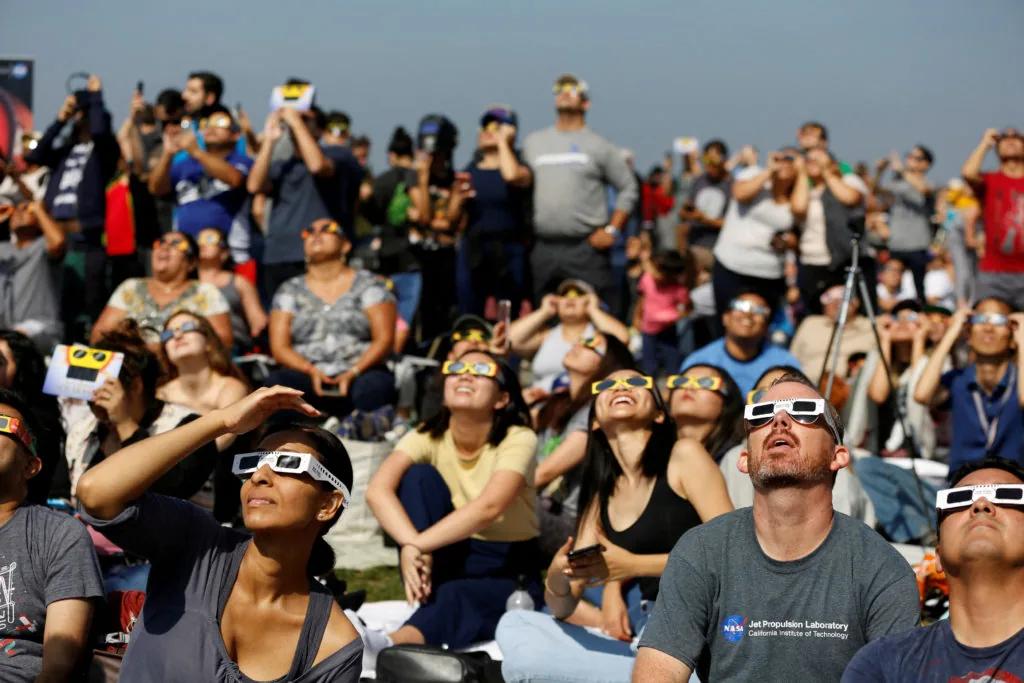
Timing in Valencia: what the evening will feel like
The city-level numbers matter because they tell you what kind of experience you are planning for.
- Partial eclipse begins: about 19:38 CEST
- Maximum eclipse: about 20:33 CEST
- Totality duration: about 1 minute
- Eclipse ends: about 21:01 CEST
That means you are not planning a midday park hang. You are planning a late-evening event with commuter patterns, dinner-hour movement, heat lingering from the day, and a Sun already descending into the murkier part of the atmosphere.
Low altitude changes the look of the eclipse. The light can feel warmer and stranger. Contrast near the horizon can be dramatic. But low altitude also increases risk from haze, thin cloud near the horizon, and simple obstruction. This is why some experienced eclipse planners say to “fixate on sky position” before you obsess over a few extra seconds of duration.
In Valencia, that advice is gold. A theoretically better duration means nothing if your chosen spot loses the Sun behind a roofline at the critical moment.
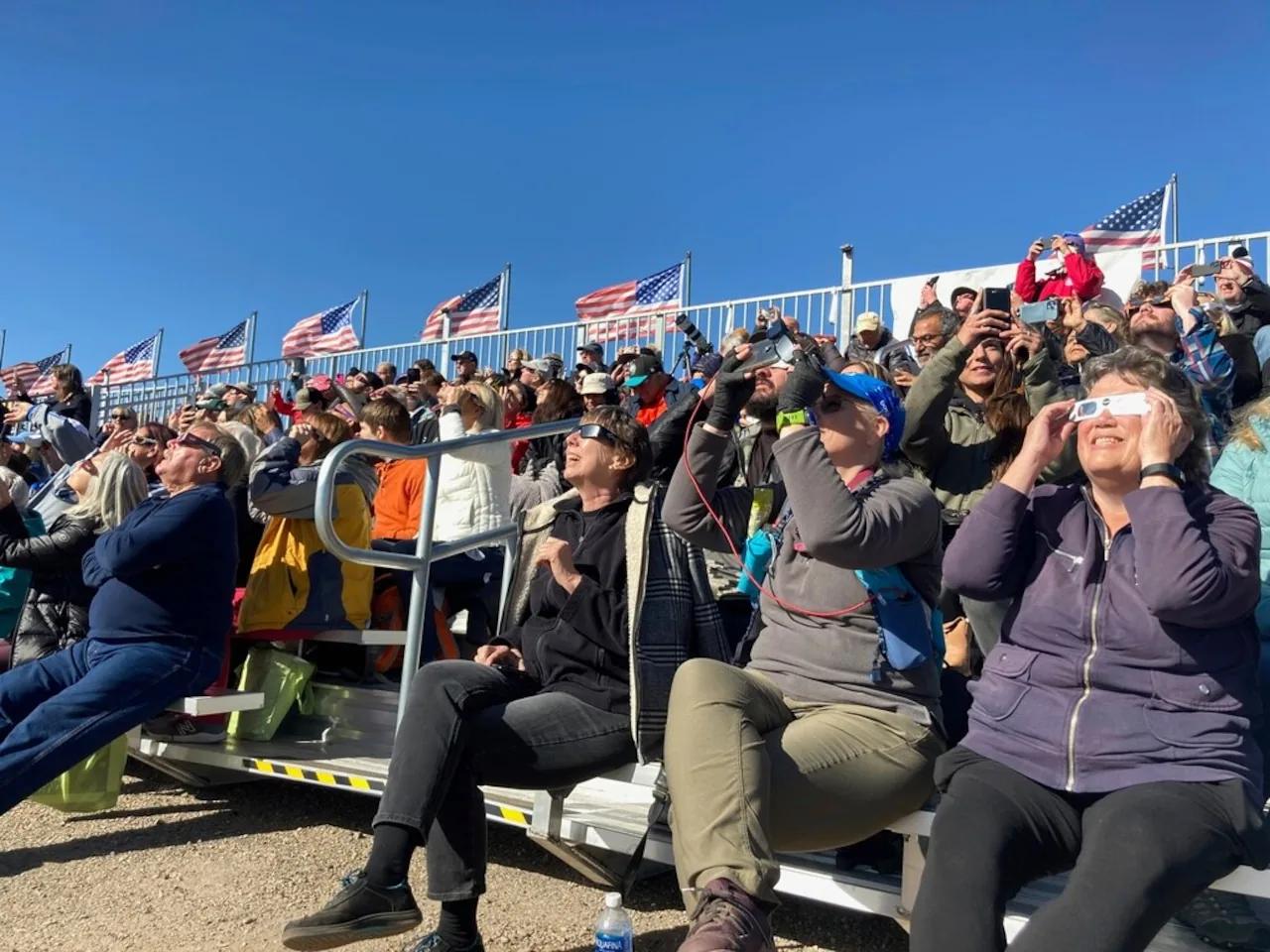
Three Valencia viewing zones worth thinking about
This is a single-city monograph: entire article stays inside valencia eclipse planning. So let’s keep it inside the municipality and talk about representative urban choices rather than fantasy road trips.
1) Beachfront and marina side: open space, wrong-direction trap
The beachfront, Malvarrosa side, and marina-adjacent areas will tempt a lot of people because they feel open, easy, and social. For a normal sunset event over the sea, that instinct would make sense. For this eclipse, it can mislead.
The problem is not crowd energy. The problem is geometry. Valencia’s coast gives you openness toward the east, while the eclipsed Sun will be low toward the west-northwest. From many beach positions, the sea does nothing for you. What matters is what lies inland in the direction of the Sun: buildings, hotels, palms, urban haze, and any elevated obstruction.
That does not make the coast automatically unusable. It means you must test exact sight lines. A promenade segment with a clean inland-facing corridor could work better than a prettier but more obstructed stretch. Use the Eclipse Explorer / 3D map to drop pins and inspect the horizon profile before you commit.
2) Ciutat Vella and central Valencia: convenient, but obstruction risk is real
Ciutat Vella, central squares, and older dense neighborhoods are excellent for atmosphere and terrible for wishful thinking. Narrow streets, irregular rooflines, church towers, apartment blocks, and ornamental trees can all matter when the Sun is only a few degrees above the horizon.
If your base is central — and for many visitors it will be, because central Valencia is walkable and well connected — do not assume that “an open square” is enough. You need a western opening that stays open low down, not just a patch of visible sky overhead.
A rooftop terrace can be superb if it truly clears the skyline in the right direction. It can also be a disaster if the parapet, neighboring block, or decorative structure clips the final approach to totality. If you have access to a rooftop, test it in advance at the same time of day on a nearby date.
3) Albufera-adjacent southern edges of the municipality: potentially cleaner horizons, but verify access and sight lines
The southern side of Valencia proper, toward the Albufera-adjacent urban edge, may offer some of the most interesting trade-offs. You are still within the city context, but in some spots you may get flatter sight lines and less dense vertical obstruction than in the historic core.
That does not mean “go anywhere near Albufera and you’re set.” It means some locations on the municipality’s southern or southwestern side may give you a more forgiving horizon if they open properly toward the west-northwest. Access, transit timing, and exact local obstacles still matter. So do marsh vegetation, roadside trees, and low structures that look irrelevant until the Sun is almost down.
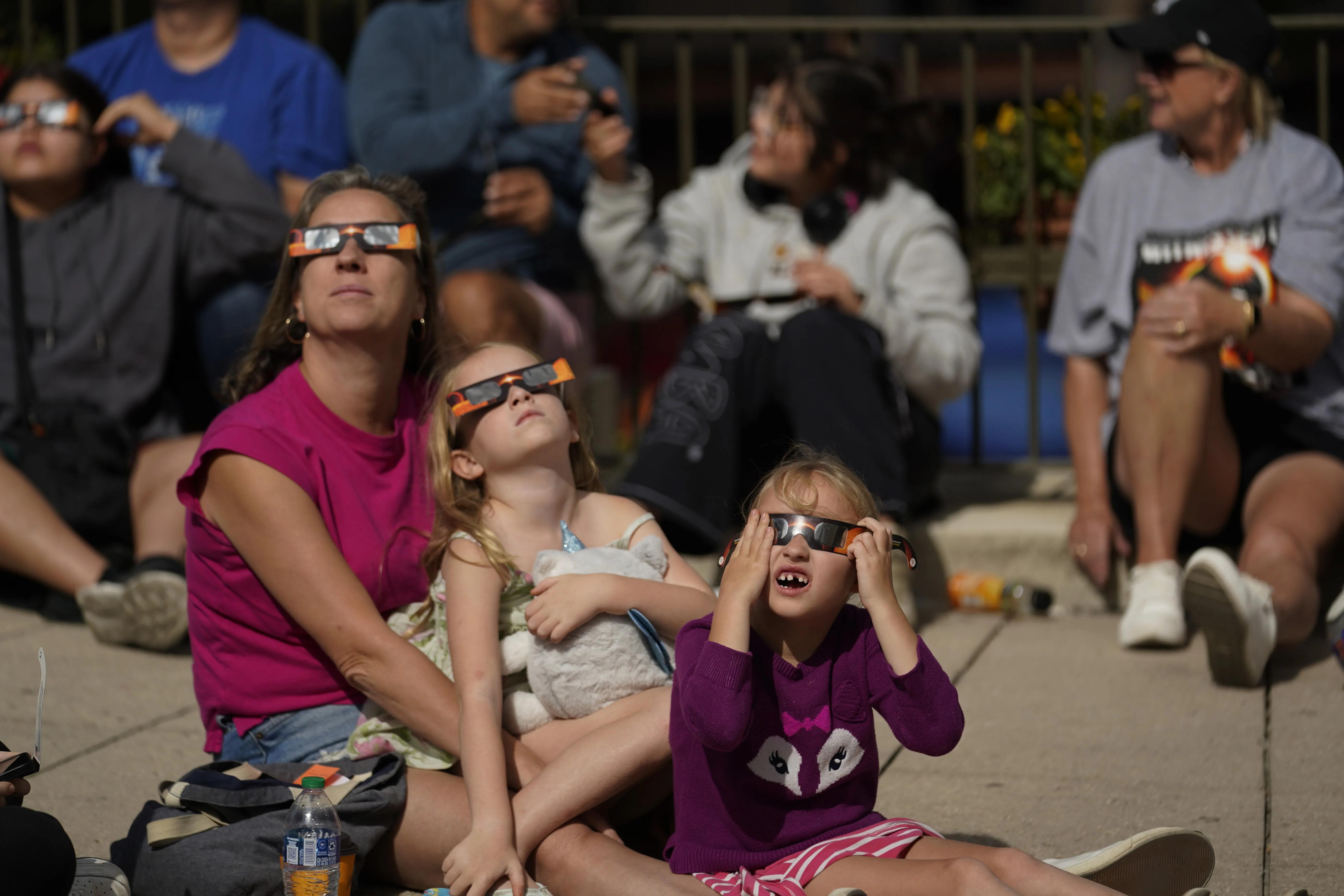
Is Valencia a good eclipse city, or just a famous city in the path?
Both. And the distinction matters.
Valencia is a real totality city, not a near-miss. That alone makes it important. A lot of places in Europe will see a deep partial eclipse on 12 August 2026 and still not get totality. Valencia does. That is why total solar eclipse 2026 valencia spain 2026 guide searches keep appearing: people want to know whether the city is genuinely worth planning around. It is.
But Valencia is not forgiving. Its challenge is not whether the eclipse is real; it is whether your chosen urban horizon is real. The city’s appeal — transit, food, beach culture, historic center, large visitor base — comes bundled with the exact urban density that can ruin a low-sun event.
So yes, Valencia is a good eclipse city if you treat it like an eclipse city first and a postcard second.
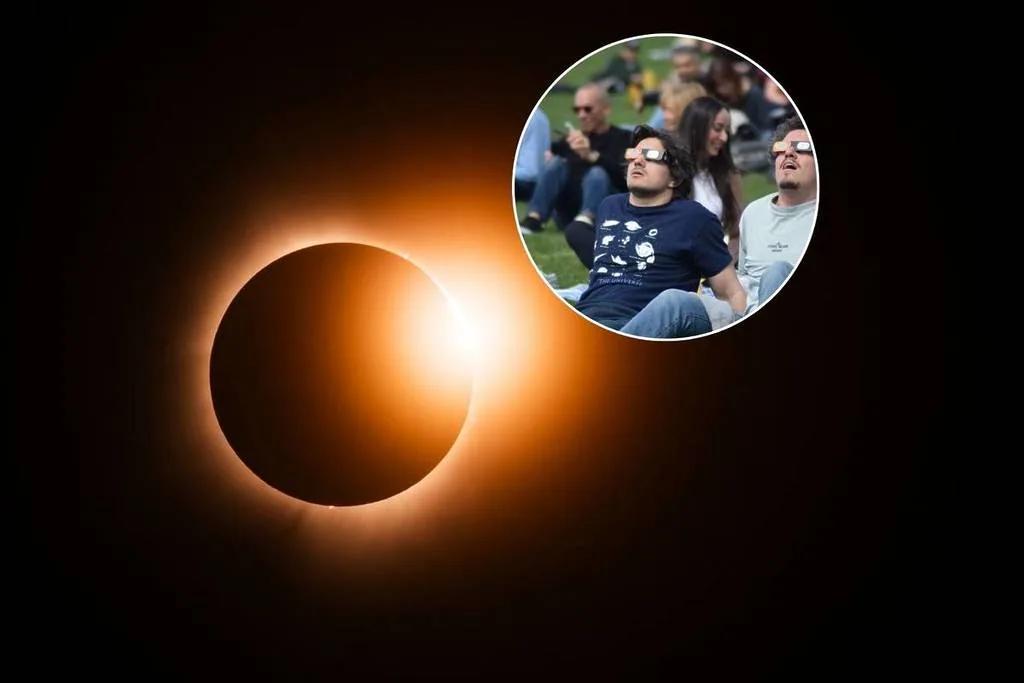
Safety in a city where totality is brief
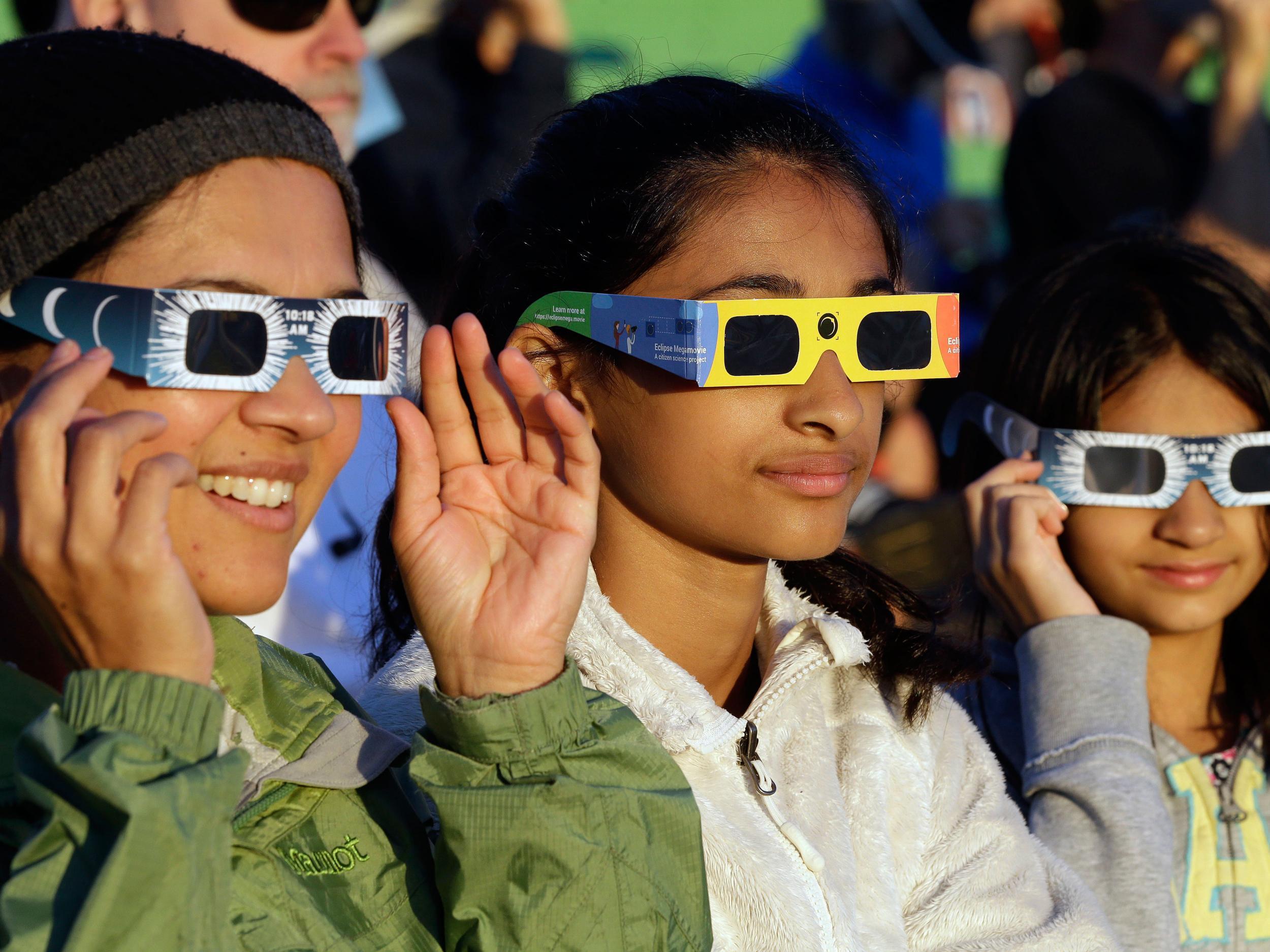
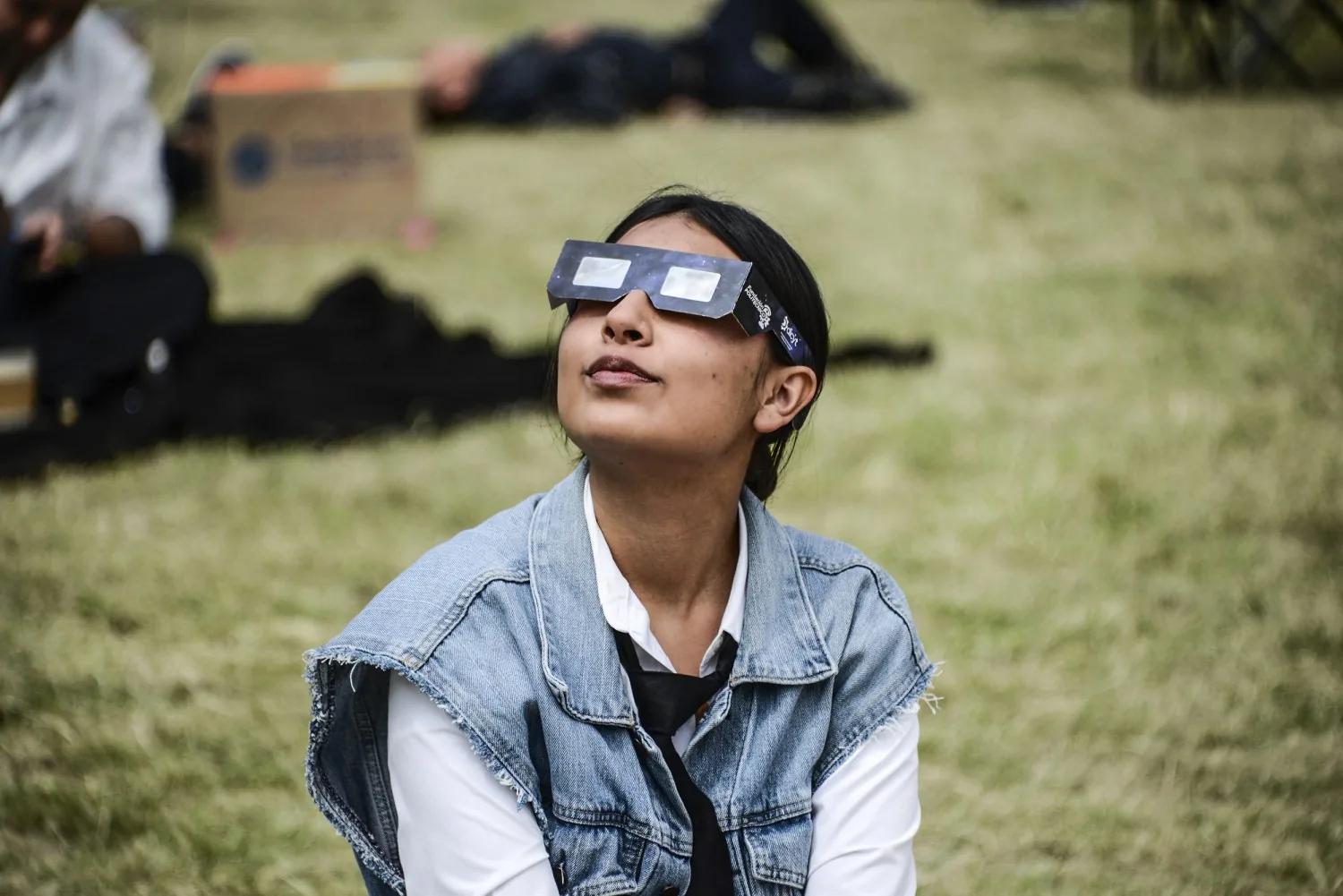
Because Valencia gets actual totality, the safety rule is precise, not vague. During the partial phases before and after totality, you need proper solar viewing protection. Only during the brief total phase — when the Sun’s bright face is completely covered — is it safe to look without eclipse glasses.
That distinction matters enormously, especially in a city where the event is short and people may be distracted by crowds, phones, rooftops, and the sunset feel of the evening. If you are bringing children, relatives, or first-time viewers, talk through the sequence before the event. We strongly recommend reading When glasses on, when glasses off: eclipse phases explained for first-time viewers.
For the partial phases, use viewers that conform to ISO 12312-2. Regular sunglasses are not enough. Neither are improvised filters. NASA and the AAS are explicit on this point, and so are we.
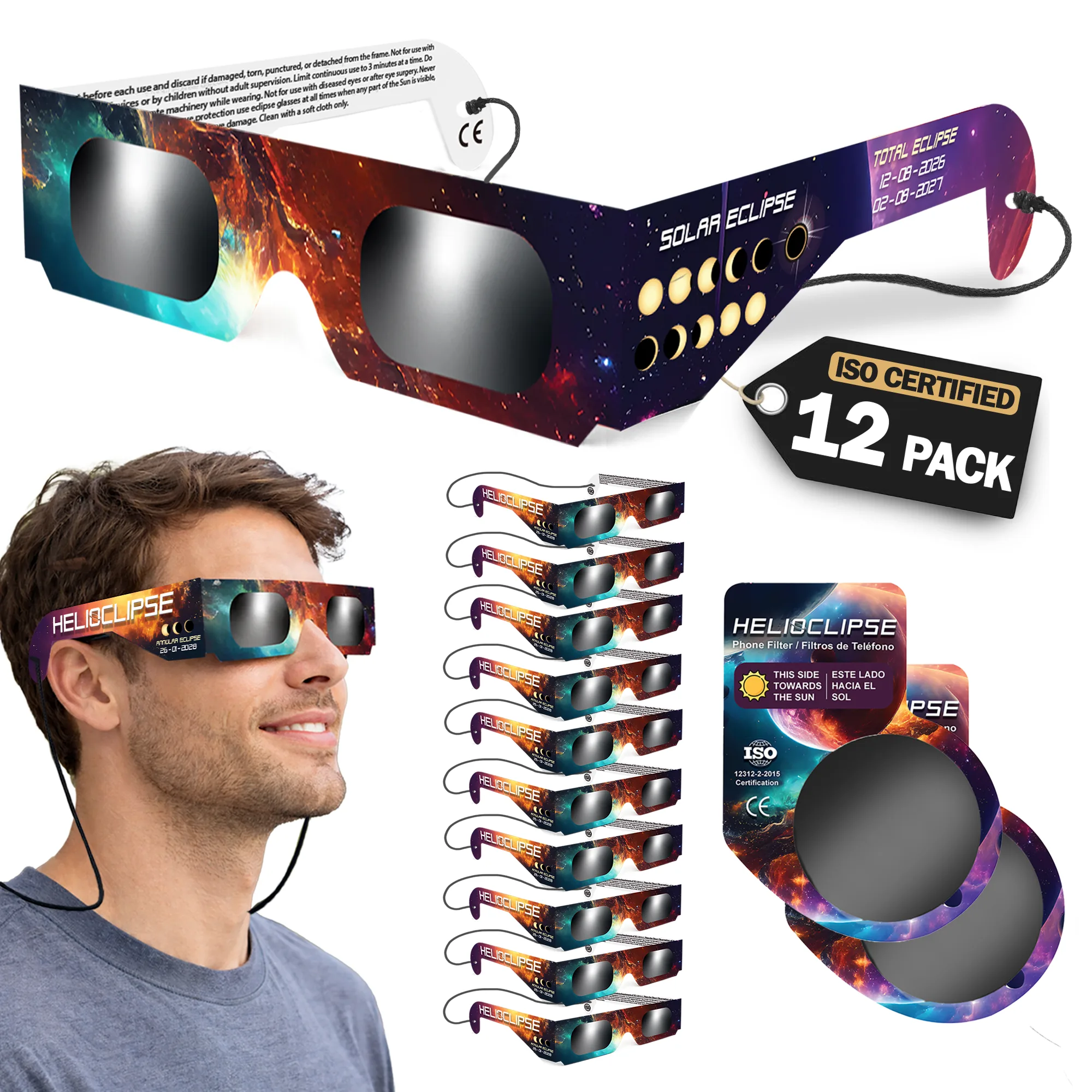
If you are shopping early, you will see people use phrases like approved solar eclipse glasses, eclipse viewing glasses, or solar eclipse glasses iso 12312-2 certified. The useful part is not the marketing language by itself; it is whether the product is clearly labeled, undamaged, and appropriate for direct solar viewing under the ISO 12312-2 standard. NASA also makes an important point: there is no such thing as eclipse glasses nasa approved as a NASA brand endorsement program. What matters is compliance and trustworthy sourcing, not a vague badge phrase.
If you need viewers for family or friends, our Shop eclipse glasses page is the straightforward place to start. And if you want the standards context before buying, read ISO 12312-2 and eclipse viewers: what the standard means for your family.
Phones, cameras, binoculars: the mistake people make in cities
Urban eclipses create a special kind of overconfidence. People think, “I’m just on a rooftop in Valencia, not in a field with a telescope, so I’ll improvise.” That is exactly how people make bad choices.
Do not look at the Sun through binoculars, a telescope, or a camera without a proper front-mounted solar filter. Do not put eclipse glasses in front of optics and assume that solves it. Concentrated sunlight can damage the filter and your eyes.
Phones are less dangerous to your eyes than binoculars because you are not looking through magnifying optics in the same way, but they are still easy to misuse. If you want a memory, take a few quick shots and then stop. Totality in Valencia is around a minute. You do not want to spend it fighting autofocus while the corona is hanging over the city.
The better plan for most first-timers is simple: watch with your own eyes, share the moment, and let the skyline be part of the memory.
Transit, crowds, and how early to move inside Valencia
Valencia will not be the only place in Spain drawing attention, but it is a major city with obvious appeal. That means local movement matters even if you never leave the municipality.
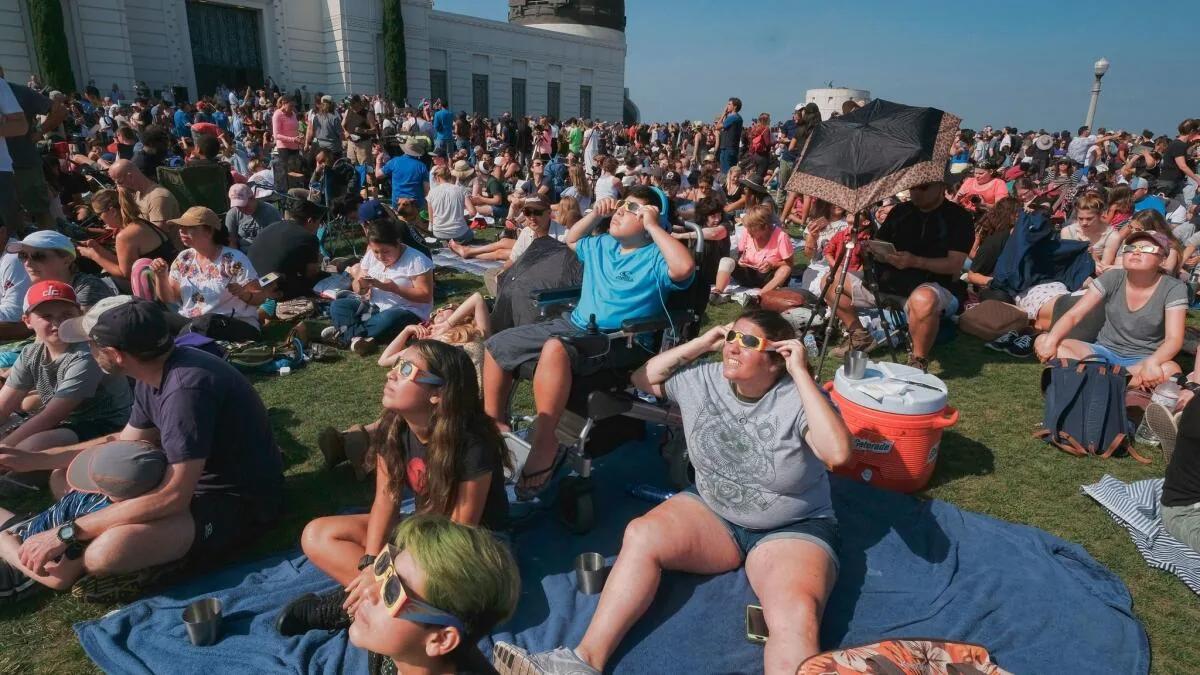
The good news is that this eclipse happens late in the day. You do not need a pre-dawn departure or a rural convoy just to get into position. The bad news is that lots of other people know that too. Beaches, rooftops, parks, bridges, and any public viewpoint with a plausible western opening may fill early.
Our practical advice is boring in the best way:
- Pick your primary site in advance.
- Pick a backup site within the city.
- Do a same-time horizon check on a nearby evening if possible.
- Arrive early enough that you are not still relocating at 20:20.
- Use public transport where it genuinely helps, but do not assume the nearest stop equals the best eclipse view.
If cloud or haze becomes the issue rather than buildings, mobility inside the city may still help. But Valencia is not a place where you want to be making your first horizon decision at the last minute. For broader crowd and contingency thinking, our eclipse travel without the chaos: routes, crowds, and backup plans for 2026 guide is worth reading.
Weather, haze, and the low-sun gamble
A low eclipse is always a negotiation with the atmosphere. Even on a mostly clear day, the lowest few degrees above the horizon can be softer, hazier, or more cloud-prone than the rest of the sky.
That is why Valencia planning should separate two questions that people often blur together:
- Will the sky be broadly clear?
- Will the specific horizon sector where the Sun sits be clear enough?
You can win the first and lose the second.
This is also where Valencia’s urban setting complicates things. Heat haze, distant building silhouettes, and thin cloud near sunset can all matter. A site that looks “open enough” at noon tells you almost nothing about what it will look like at 20:30 in August.
If the forecast is uncertain, keep checking conditions through the afternoon and use the map to understand which nearby alternatives preserve your west-northwest view. Our cloud cover and eclipse day: how to read the sky and when to move article goes deeper on that decision-making.
What not to obsess over in Valencia
A lot of eclipse content online encourages the wrong priorities for this city.
Do not obsess over squeezing out a few extra seconds if the trade-off is a worse horizon.
Do not assume the beach is best because it feels open.
Do not assume the old center is best because it feels historic.
Do not assume a rooftop is best because it is elevated.
And do not drift into unrelated planning fantasies just because they are trending in search, whether that is total solar eclipse 2026 cruise itineraries in the North Atlantic or looking ahead to total solar eclipse 2030. Those are real topics, but they do not answer the Valencia question in front of you.
The Valencia question is brutally local: from the exact place where you will stand, can you see the low west-northwest Sun at about 20:33 on 12 August 2026?
If yes, Valencia can deliver a memorable total eclipse over a major Mediterranean city. If no, being “in the path” will not save you.
A practical Valencia game plan for first-timers
If you want one clean plan for total solar eclipse 2026 valencia spain 2026 guide map style preparation, here it is:
First, use the Eclipse Explorer / 3D map to test a few representative sites: one near the beach, one in or near Ciutat Vella, and one on the Albufera-adjacent side of the municipality.
Second, visit your preferred site on a nearby August evening at roughly the same time. Stand still. Look low, not high. Ask what blocks the final few degrees of sky.
Third, get your viewing gear sorted early and keep it simple. If you are watching with family, buy enough certified viewers that nobody is improvising at the last minute.
Fourth, make peace with the fact that this is a one-minute totality city. That is not a flaw. It is the event. A one-minute total eclipse is still a total eclipse.
And finally, tell your people now. Valencia is the kind of place where friends will assume they can “just figure it out on the day.” Some will. Some will end up behind the wrong building.
Total Solar Eclipse 2026 in Spain: Don't Miss This Moment
Natural Portraits Global
Frequently asked questions
Where should I stand in Valencia to have the best chance of seeing totality in 2026?
Choose a spot with a clear view toward the west or west-northwest, because the Sun will be low near the horizon in Valencia. The article stresses that local obstacles like buildings, trees, haze, and urban clutter can block the last degrees of sky, so checking your exact line of sight matters.
Is Valencia actually a good place to watch the 2026 eclipse?
Yes, Valencia is inside totality on 12 August 2026, so it is a legitimate place to see the real event. The main limitation is that the eclipse happens late in the evening with the Sun low in the sky, which makes horizon conditions especially important.
What are the eclipse times for Valencia on 12 August 2026?
City-level timing in the excerpt puts first contact at about 19:38 local time, maximum at about 20:33, and the eclipse ending around 21:01. The total phase in Valencia is short, at roughly 1 minute.
What is the key thing to understand about the Valencia eclipse in 2026?
The key point is that timing alone is not enough: Valencia’s eclipse will be low in the west-northwest, so the horizon is just as important as the clock. A clear western view can make the difference between seeing totality and missing it behind local obstructions.
What should I keep in mind when planning for the Valencia eclipse in 2026?
Plan around a low Sun, a clean western or west-northwestern horizon, and the fact that the city will be busy. The excerpt also recommends checking your exact line of sight with a 3D eclipse map, since that can help you avoid buildings, trees, haze, or other urban obstacles.
On-site next steps
- Explore your exact Valencia sight lines with our Eclipse Explorer / 3D map. For this city, pin-drop testing matters more than generic advice.
- Get your viewers sorted early at our Shop eclipse glasses, especially if you are planning for family or a group.
- If you want more safety and planning help before 12 August 2026, browse the blog hub.
Sources & further reading
- Total Solar Eclipse in Valencia (August 12, 2026)
- August 12, 2026 — Total Solar Eclipse — Valencia
- 10 tips for planning your 2026 solar eclipse trip
- Spanish Total Eclipse Adventure 2026
- Total solar eclipse 2026 — Everything you need to know
- Future Eclipses - NASA Science
- Eclipse Viewing Safety - NASA Science
- How to View a Solar Eclipse Safely | Solar Eclipse Across America (AAS)
- About the ISO 12312-2 Standard for Solar Viewers | Solar Eclipse Across America (AAS)
- Why Do Eclipses Happen? - NASA Science