Eclipse travel without the chaos: routes, crowds, and backup plans for 2026
The August 12, 2026 total solar eclipse is the kind of event that can turn an ordinary road trip into a story you tell for years. It will bring totality to parts of Greenland, Iceland, Spain, a tiny part of Portugal, and remote Russia, while a much wider partial eclipse will be visible across large parts of Europe, Africa, the Atlantic, and beyond. But great eclipse memories are not made by enthusiasm alone. They are made by getting the logistics right before everyone else is stuck in the same queue.
That is the real heart of 2026 eclipse travel: not just where the shadow goes, but how you move around it without losing the day to traffic, blocked horizons, or a last-minute weather panic. If you have not yet opened a Helioclipse Eclipse Explorer / 3D map, do that early. A good map is the fastest way to see the difference between being inside totality and being just outside it, which is the difference between seeing the corona and seeing only a deep partial bite out of the Sun.
This guide is our practical answer to 2026 eclipse travel tips crowds, route choices, and backup planning. Think of it as a 2026 eclipse travel tips crowds 2026 guide for people who want the real thing without the usual self-inflicted chaos.
First, know what kind of trip you are actually planning
A lot of bad eclipse planning starts with a fantasy version of the day: perfect weather, empty roads, a scenic overlook no one else has discovered, and a hotel five minutes from the centerline. That is not how major eclipses behave.
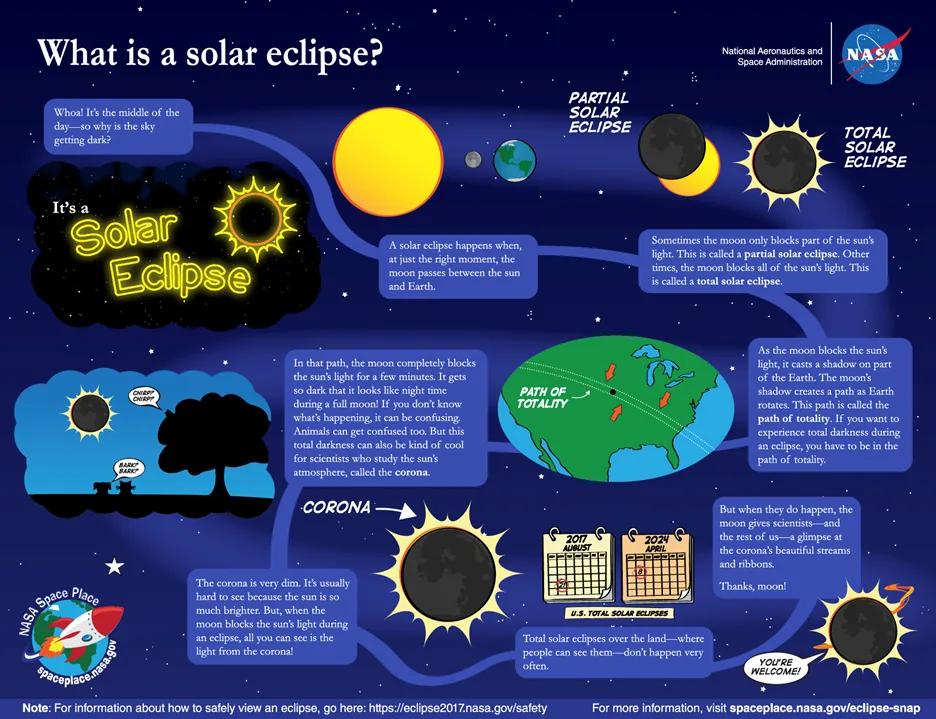
The 2026 event happens on August 12, 2026. Totality is narrow, and totality is everything. NASA’s eclipse material is blunt on this point: a 99% partial eclipse is still not totality. If you are outside the path, even by a little, you do not get the darkened sky, the corona, or the same emotional punch. That is why route planning matters more than shaving a few seconds off your drive.
The path geometry also changes the travel problem from place to place. In eastern Greenland, some observers will aim for expedition-style ships or remote Arctic access points, with totality around 2 minutes 17 seconds in places like Scoresby Sund. In western Iceland, the eclipse is higher in the sky and land access is more straightforward, with the longest totality on land reported around 2 minutes 13.7 seconds. In Spain, where most travelers are likely to focus, totality is shorter—roughly up to about 1 minute 44 seconds along favored parts of the track—but the bigger issue is that the Sun will be low in the western to northwestern sky late in the day, close to sunset in many locations. That makes horizon planning just as important as cloud planning.
So before you book anything, decide which trip you are taking:
- a fixed-base trip with one main observing site
- a mobile chase with a rental car and weather flexibility
- a ship-based plan where mobility is part of the strategy
- or a family trip where comfort, toilets, food, and easy exits matter more than squeezing out the last 15 seconds of totality
Those are all valid. They just require different decisions.
The map is not optional: route planning starts with sky geometry
When people look for a solar eclipse 2026 map, what they often really need is not a pretty line across a country. They need three practical answers:
- Am I in totality or only partial?
- How long does totality last where I am standing?
- Where will the eclipsed Sun be in the sky from that exact spot?
That is why a static overview is only the beginning. A 2026 eclipse travel tips crowds map should help you compare centerline versus edge, inland versus coast, and high-horizon versus blocked-horizon sites. Our Helioclipse 3D eclipse map is built for exactly that kind of planning.
For Spain in particular, this is where many first-time travelers underestimate the problem. The eclipse arrives late in the day. On the Galician coast, the Sun is already low; farther east, it gets lower still. Space.com’s planning coverage notes that from parts of the Balearic region the eclipsed Sun can be only a few degrees above the horizon. Sky & Telescope’s Mallorca planning page gives a vivid example: from Port de Sóller on Mallorca, mid-eclipse is around 8:31:32 p.m. local time with the Sun only about 2.5° above the western horizon, and totality lasts about 1 minute 34 seconds. That is spectacular if your horizon is clean. It is disastrous if a ridge, building, haze layer, or coastal cloud bank sits in the wrong place.
This is why the 2026 solar eclipse map is not just a where-to-go tool. It is a where-not-to-stand tool.
Spain will draw huge attention, so plan for roads, not just rooms
Most readers thinking about a 2026 eclipse trip are really thinking about Spain, and that makes sense. Spain is the most accessible totality destination for a large share of European travelers, and it combines road access, major airports, and a wide diagonal track across the country.
But accessibility cuts both ways. If a place is easy for you to reach, it is easy for everyone else too.
The eclipse path crosses northern Spain from Galicia toward Catalonia, narrowly missing Madrid and Barcelona as totality locations but remaining close enough that both metro areas can feed large same-day road traffic into the path. Experienced eclipse observers quoted by Space.com make the same point we would: do not plan to watch the eclipse and then immediately drive back to Madrid or Barcelona. That is exactly how you turn a magical 100-second event into an all-night traffic jam.
A better Spain strategy looks like this:
Pick a corridor, not a single pin
Instead of obsessing over one village, choose a drivable corridor with multiple observing options. For example, the Valladolid–Burgos zone is often discussed because of relatively favorable cloud prospects in some analyses and because major roads make repositioning possible. Space.com notes a useful duration comparison here: Burgos, near the centerline, gets about 1 minute 44 seconds, while Valladolid, farther from the centerline, still gets about 1 minute 29 seconds. That 15-second difference matters far less than a clear sky, a safe turnout, and a clean horizon.
That is one of the most important lessons in best places and timing for 2026 eclipse travel tips crowds: do not sacrifice mobility for tiny gains in duration.
Stay overnight in or near the path
If you can, sleep inside the path the night before and the night after. The eclipse occurs late enough in Spain that you do not need to wake up under the centerline to make the day work, but you do want to avoid the worst inbound and outbound surges. Staying nearby gives you time to react to forecasts and removes the pressure to sprint home after sunset.
Check the western horizon, not just the weather app
A location can have perfect cloud forecasts and still fail if the Sun drops behind terrain. Northern and eastern Spain include mountainous and hilly areas where local sight lines matter. A low-elevation eclipse is unforgiving. If you are considering coastal or island sites, verify the actual azimuth and horizon openness, not just the town name.
Expect local traffic from holidaymakers, not only eclipse chasers
August is peak vacation season. That means your competition for roads, parking, and accommodation is not just astronomy people. It is families on holiday, day-trippers, and locals deciding at lunch that they should drive into the path.
If you are building a zaragoza eclipse 2026 plan, for example, the city is attractive because it is a recognizable hub in northeastern Spain and is mentioned in weather-oriented eclipse discussions as one of the places with comparatively promising sky odds. But “Zaragoza” is not itself the whole answer. You still need to know whether your exact site is in totality, how low the Sun will be there, and how you will get in and out without joining every other car on the same ring road.
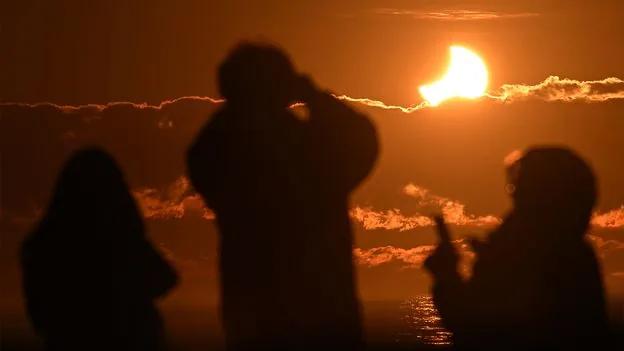
Iceland offers longer land totality, but mobility is the real challenge
Iceland is tempting for good reason. It offers the longest totality on land—about 2 minutes 13.7 seconds in the best locations cited by Space.com—and the eclipse is much higher in the sky than in Spain, around 25° above the southwest horizon in favorable areas. That removes the low-Sun horizon problem and makes the visual experience simpler to stage.
But Iceland replaces that problem with another one: road capacity.
Only western Iceland is in the path, including parts of the Reykjanes Peninsula, Snæfellsnes, and the Westfjords. The path also includes the Reykjavík area, which sounds convenient until you remember that convenience attracts people. Space.com’s reporting cites roughly 290,000 people in the populated areas touched by the path, and local observers expect heavy traffic, especially if residents decide to leave work early and drive toward clearer skies.
That means your Iceland plan should be built around time buffers.
- Be in the path early.
- Fuel up early.
- Pack food, water, layers, and toilet supplies early.
- Do not assume a short drive will stay short on eclipse day.
The weather argument for Iceland is more nuanced than the stereotype suggests. August is not automatically hopeless. Experienced eclipse meteorology sources emphasize the difference between climate and weather: historical cloudiness matters, but real-time forecasts matter more. Iceland can change fast, and that is exactly why a mobile plan can work there. If forecasts improve two hours north of your lodging, that may still be a realistic move—if you started the day early enough.
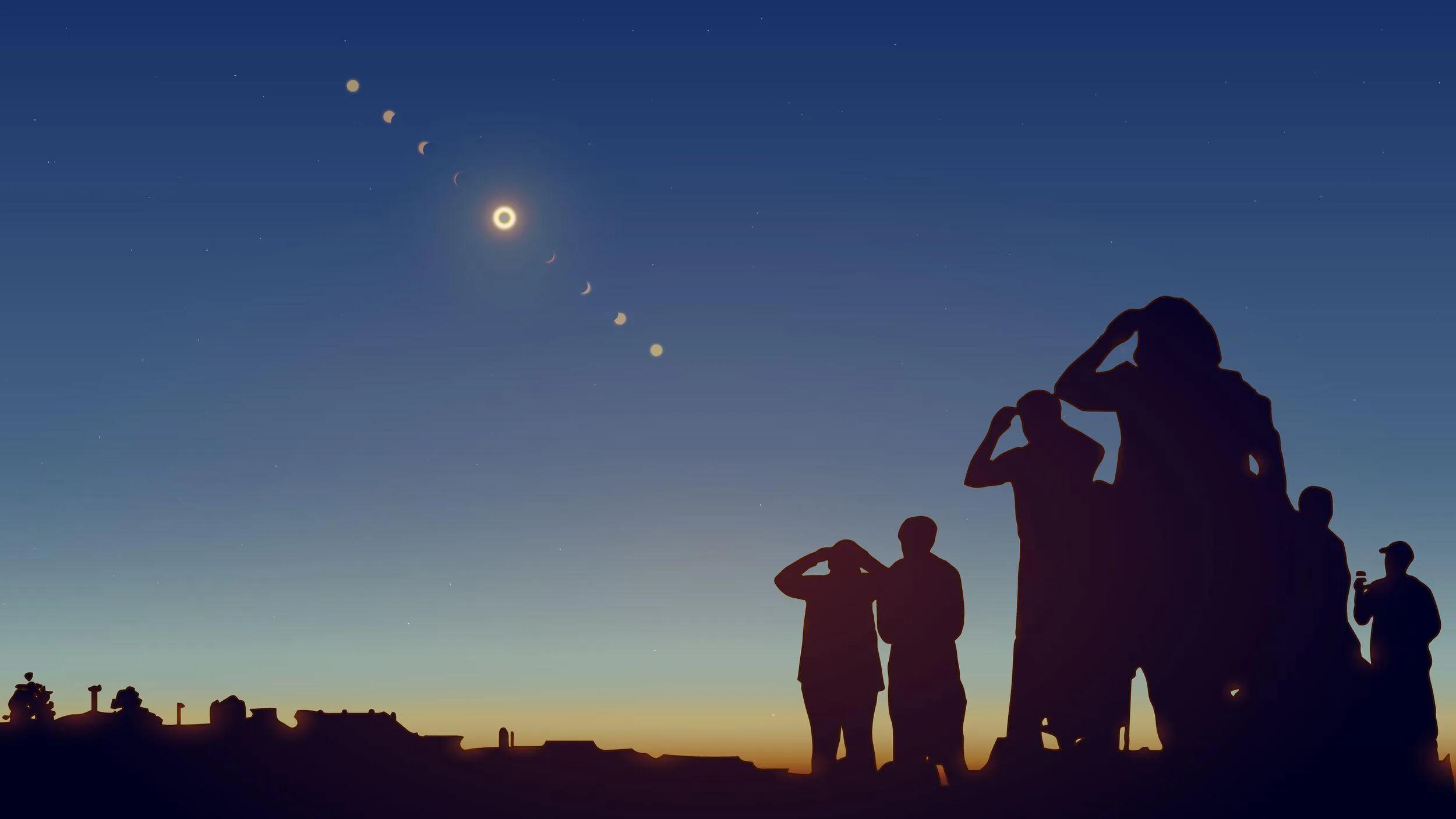
Greenland and ship-based viewing: flexibility can be a feature, not a luxury
For some travelers, the most realistic way to see totality in Greenland is not a road trip at all. It is a ship. That is why phrases like solar eclipse 2026 cruise and solar eclipse cruise 2026 keep appearing in travel searches.
A ship-based eclipse plan can be excellent, but only if you understand what you are buying. The advantage is mobility. Experienced eclipse observers interviewed by Space.com make this point clearly: a vessel that can reposition for better weather is fundamentally different from a cruise that merely happens to be in the path on eclipse day. If the ship will not move when clouds threaten, you are not really buying flexibility.
This is where readers often get seduced by glossy 2026 eclipse travel packages language. Packages are not automatically bad; some are well designed. But the right question is not “Is this a package?” It is “What problem does this package solve?”
A good package or organized trip should answer practical questions such as:
- Are you guaranteed to be in totality, not just near it?
- Is weather mobility built into the observing plan?
- Is the eclipse the primary operational priority that day?
- Are horizon direction and deck access clear?
- Is there a realistic plan for crowd control on board or on shore?
That is true whether you are comparing expedition-style Arctic options, land tours, or broader 2026 eclipse trips sold around the event. A memorable eclipse trip is about operational clarity, not brochure adjectives.

Your backup plan should be geographic, not emotional
A lot of people say they have a backup plan when what they really have is hope.
A real eclipse backup plan has at least three layers.
Plan A: your preferred observing zone
This is your best mix of totality, access, weather odds, and comfort. Maybe that is inland northern Spain with a broad western horizon. Maybe it is western Iceland with a drivable weather window. Maybe it is a ship in Greenland’s fjord country.
Plan B: a second zone you can reach in time
This must be concrete. Not “somewhere else nearby.” Name it. Put it in your map. Time the drive. Know the fuel stops. Know whether the Sun angle still works there.
In Spain, a Plan B might mean shifting from one inland corridor to another rather than clinging to a single village. In Iceland, it might mean choosing between peninsulas based on same-day cloud forecasts. On a ship, it means understanding whether the captain truly has room to maneuver.
Plan C: a psychologically acceptable fallback
This matters more than people admit. If weather wins, what outcome can you still live with? A shorter totality? An edge-of-path site with 30 to 60 seconds? A partial eclipse from a scenic, social location with family and a livestream backup? You do not want to invent this answer while stressed in traffic.
The AAS weather-and-climate guidance puts it well in spirit: climate is what you expect; weather is what you get. That is not pessimism. It is freedom. Once you accept that the sky is not bookable, you start making better decisions.
Crowd strategy: arrive absurdly early, leave deliberately late
If we had to reduce eclipse travel without the chaos: routes, crowds, and backup plans to one operational rule, it would be this: front-load the pain.
Get where you need to be earlier than feels necessary. Then stay later than the impatient crowd.
For a late-day eclipse in Spain, that may mean reaching your observing zone by late morning or early afternoon, even though totality comes much later. Use the extra time to scout the horizon, test your gear, eat, rest, and watch forecast updates. If you arrive at the last minute, every small problem becomes a crisis.
After totality, resist the instinct to sprint for the car. The eclipse itself is not over immediately; partial phases continue, the light changes are still beautiful, and in Spain the post-eclipse evening can be part of the experience. Space.com also notes a fun bonus for Spain in 2026: the Perseid meteor shower peaks around Aug. 12–13, and the new-moon timing means dark skies later that night if you are in a rural area. That is a much better reason to stay put than to sit in brake lights.
A few practical crowd rules help almost everywhere:
- Avoid single-access dead-end sites unless you are staying overnight.
- Prefer places with multiple exit routes.
- Park legally and in a way that does not trap you.
- Bring your own water, snacks, shade, and chargers.
- Download maps offline.
- Tell your group the exact meeting point before the partial phases begin.
Families should add one more rule: choose a site with a bathroom plan. Children do not care that totality lasts only 90 seconds.
Do not confuse “best” with “centerline”
One of the most useful pieces of eclipse-chaser wisdom is that the centerline is not sacred.
Yes, totality lasts longest there. But the gain is often modest compared with the risks you take to reach it. If moving 30 or 40 kilometers gives you a cleaner horizon, easier parking, or better cloud odds, that can be the smarter move.
The 2026 eclipse is a perfect example. In Spain, the difference between a centerline site and a slightly off-center site may be measured in seconds, while the difference in traffic, terrain, or visibility can be enormous. In Iceland, the difference between a famous viewpoint and a less glamorous roadside pull-off under a clear patch may be the difference between seeing totality and seeing clouds.
When readers ask for the “best” site, we think the better question is: best for what?
- Best for longest duration?
- Best for easiest family logistics?
- Best for weather flexibility?
- Best for photography with landmarks?
- Best for avoiding the worst crowds?
Those are different answers. A smart 2026 eclipse trip starts by choosing the right definition.
What to buy, what to pack, and what not to improvise
Travel planning is not only transport. It is also making sure the one item you absolutely need is already in your bag before the week gets hectic.
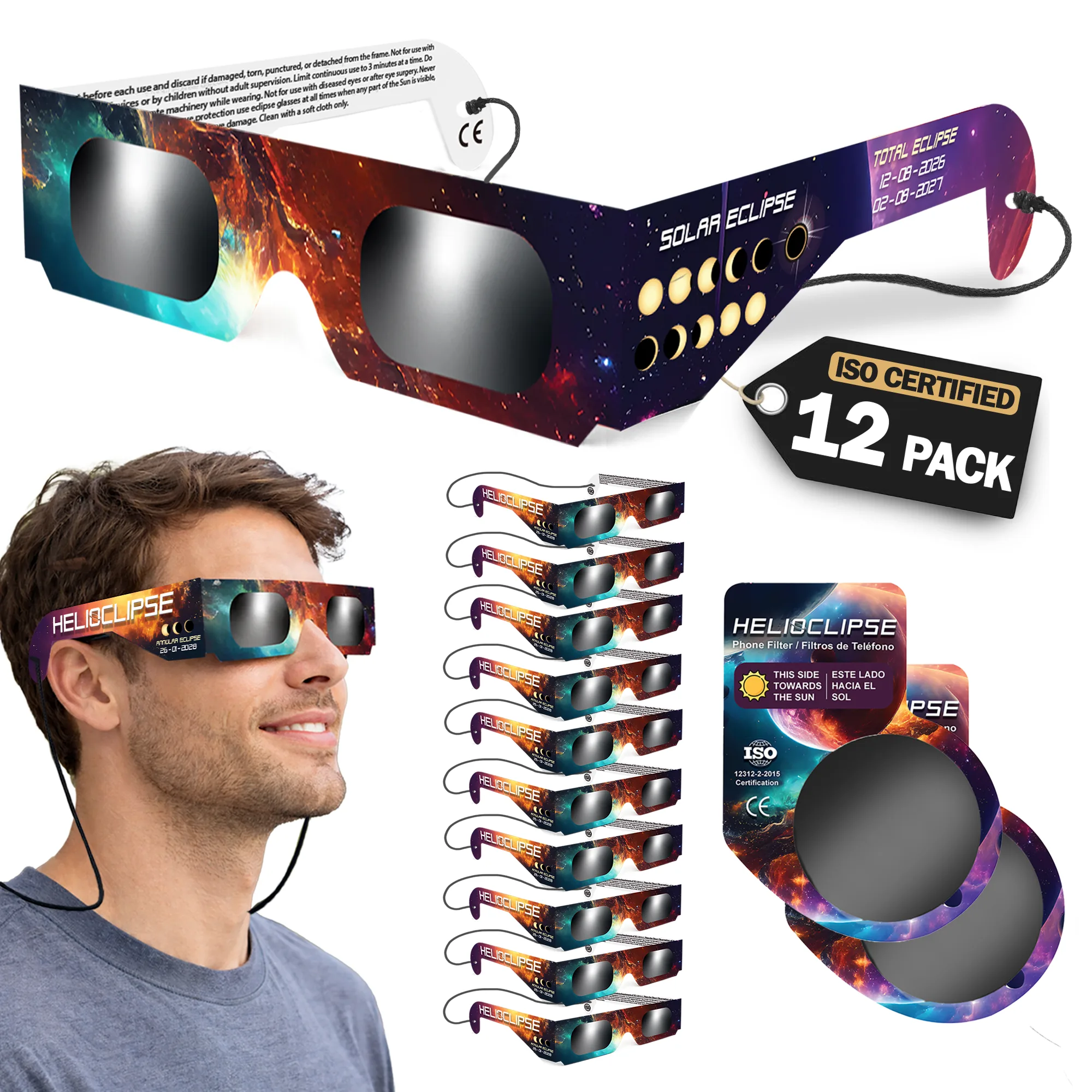
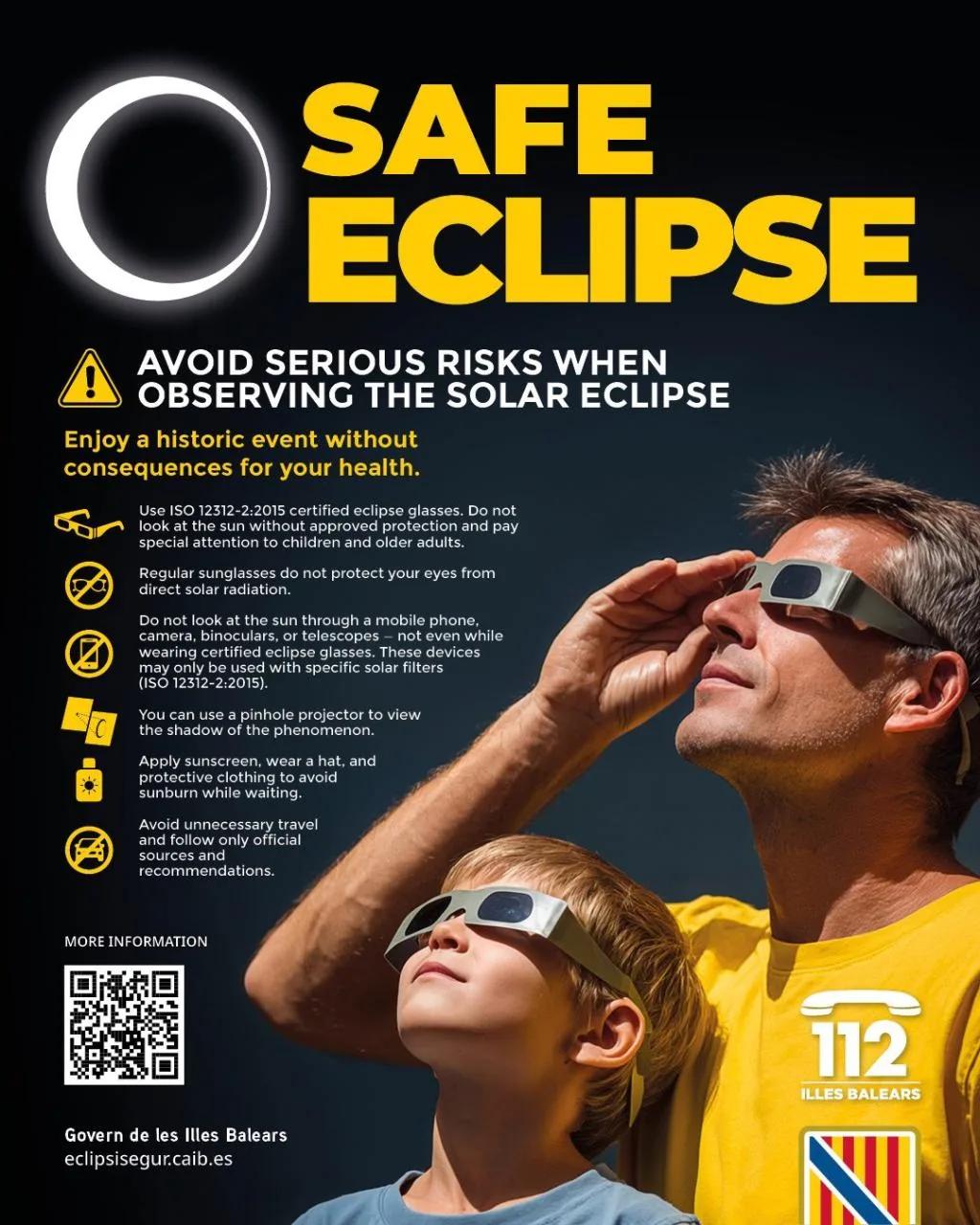
For direct solar viewing outside the brief period of totality, use certified solar viewers that meet the ISO 12312-2 standard. NASA’s safety guidance is explicit: regular sunglasses are not safe, and NASA does not approve any particular brand. What matters is proper certification, intact filters, and correct use.
That is why we recommend ordering your viewers early from our shop for eclipse glasses, especially if you are planning with friends, family, or a school group. Readers often shop using phrases like approved solar eclipse glasses, eclipse glasses nasa approved, or solar eclipse glasses iso 12312-2 certified. The important distinction is that “NASA approved” is common marketplace language, but NASA itself says it does not approve specific brands; what you should verify is compliance with ISO 12312-2 and the condition of the viewer when it arrives.
Pack more than you think you need. A good eclipse day kit includes:
- certified viewers for every person, plus extras
- water and food for several hours
- hats, sunscreen, and light layers
- a power bank and charging cable
- paper map backup or offline navigation
- any medications you need that day
- a simple indirect viewer or pinhole setup for kids
And one more thing: if you are using binoculars, a telescope, or a camera, eclipse glasses alone are not enough. Those devices require proper front-mounted solar filters. Never look through optics with only eclipse glasses on.
If you are traveling with other people, assign jobs now
The best group eclipse trips feel relaxed because the decisions were made before the stress started.
If you are traveling with friends or extended family, assign roles:
- one person monitors weather
- one person handles navigation and parking
- one person keeps the viewing gear organized
- one person manages food, water, and child logistics
That sounds almost silly until the final hour, when everyone is excited and no one remembers where the spare viewers went.
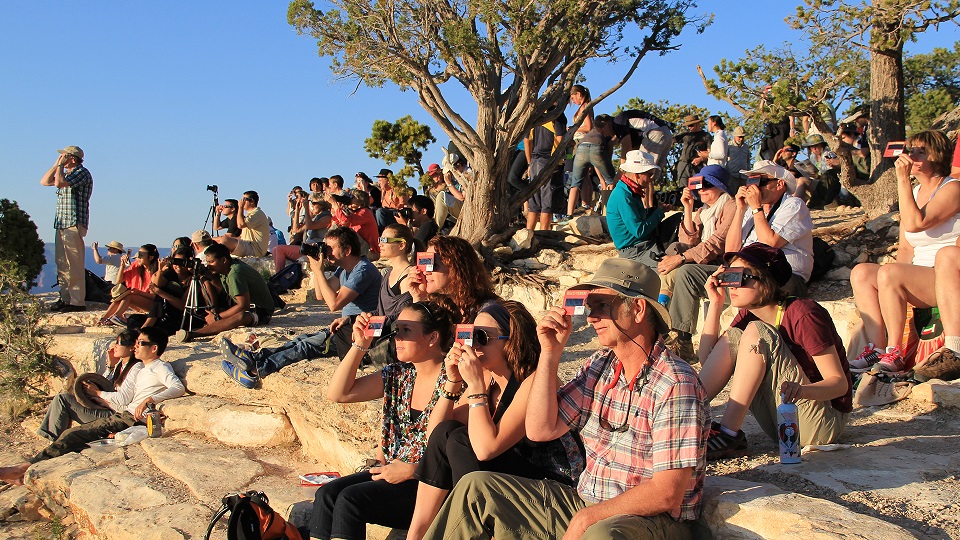
This is also the moment to tell people why totality is worth the effort. If someone in your group says, “We’ll be close enough outside the path,” correct that gently now, not on eclipse day. NASA’s eclipse basics make the distinction clear: only people inside the Moon’s inner shadow get a total eclipse. Outside it, you are watching a partial eclipse, no matter how dramatic the percentage sounds.
A calm decision framework for the final 72 hours
The last three days before the eclipse are when planning becomes operational.
Here is the framework we recommend:
72 hours out
Lock your broad observing region. Stop doom-scrolling every possible destination. Confirm lodging, fuel strategy, food, and gear. Check whether your chosen site has a clean horizon in the correct direction.
48 hours out
Watch forecast trends, not single model runs. If you are in Spain, compare inland and coastal options carefully because low-angle haze and local cloud can matter as much as general cloud cover. If you are in Iceland, start identifying realistic alternate drives.
24 hours out
Choose Plan A and Plan B. Download maps. Charge everything. Put the viewers in the car, not by the door. If you are on a ship, confirm the eclipse briefing and deck access plan.
Morning of eclipse day
Leave early. Top up fuel early. Eat early. Arrive early. Then stop trying to optimize every last second.
That is the real version of best eclipse travel without the chaos routes crowds and backup plans. Calm beats clever.
The emotional truth: the best trip is the one that gets you under the shadow
There is a lot of noise around 2026 eclipse travel packages, premium tours, and dream itineraries. Some of them will be wonderful. Some independent trips will be wonderful too. But the core experience is still simple.
You need to be in totality.
You need a clear enough sky.
You need a safe way to watch the partial phases.
And you need to avoid making the day harder than it has to be.
That is why we keep coming back to the same tools: a real solar eclipse 2026 map, a route plan with options, an honest weather backup, and certified viewers ordered before the rush. Whether your 2026 plan is a self-drive in Spain, a weather-flexible Iceland run, or a 2026 eclipse trips conversation with your family that turns into a once-in-a-decade holiday, the goal is not perfection. The goal is to be ready when the light changes and the world suddenly looks impossible.
Frequently asked questions
Where should I go if I want the best chance of seeing totality in 2026?
The best place is anywhere inside the narrow path of totality on August 12, 2026, not just near it. The excerpt highlights Greenland, Iceland, Spain, a tiny part of Portugal, and remote Russia as places where totality will be visible, but the right choice depends on whether you want remote access, land-based viewing, or a shorter but more accessible stop in Spain.
Can I use anything other than eclipse glasses to watch the eclipse safely?
The excerpt does not list any substitute for eclipse glasses. It does make clear that being outside totality, even by a little, gives you only a partial eclipse, so you should not assume a near-total view is the same thing as totality.
How should I plan for crowds and traffic on eclipse day?
Plan early and assume the obvious routes and viewing spots will fill up. The article says the real challenge is moving around the eclipse without getting stuck in the same queue, so route planning matters more than trying to save a few minutes on the drive.
What is the most useful advice in this 2026 eclipse travel guide?
The most useful advice is to decide what kind of trip you are actually taking before you book anything. The excerpt recommends using a detailed eclipse map early, because it quickly shows the difference between being inside totality and being just outside it, which is a major difference in what you will see.
What should I keep in mind when planning 2026 eclipse travel?
Keep in mind that totality is narrow, the Sun’s position changes by location, and weather or horizon issues can affect what you actually see. The article also notes that Spain’s eclipse will be low in the western to northwestern sky near sunset in many places, so horizon planning is just as important as cloud planning.
On-site next steps
- Explore the Helioclipse Eclipse Explorer / 3D map to compare totality versus partial coverage, check path position, and build your Plan A and Plan B.
- Order Helioclipse solar eclipse glasses early so your group is covered with ISO 12312-2 certified viewers before travel week gets busy.
- Browse the Helioclipse blog for more planning and safety guides if you are deciding between Spain, Iceland, Greenland, or a flexible backup strategy.
Sources & further reading
- Eclipse chasers share insider tips, travel advice and skywatching secrets for the 2026 total solar eclipse
- 10 tips for planning your 2026 solar eclipse trip
- Best total solar eclipse 2026 cruises for the ultimate adventure
- Mallorca Sunset Eclipse 2026
- Guide to the 2026 Total Solar Eclipse
- NASA Science: Future Eclipses
- NASA Science: Eclipse Viewing Safety
- NASA Science: Types of Solar Eclipses
- AAS: Solar Eclipse Climate & Weather Data
- AAS: Eye Safety