Corona, diamond ring, and Baily’s beads: what you’ll see in 2026 (and why it matters)
A total solar eclipse is not just “the Sun goes dark.” The most dramatic part is a fast, layered sequence: tiny beads of sunlight, a blazing flash that looks like jewelry, and then the sudden reveal of the Sun’s ghostly outer atmosphere. If you want to understand why people cross countries for a few minutes of totality, this is the reason.
For the August 12, 2026 eclipse, the exact view depends completely on where you stand. Inside the path of totality, you can see the corona with your own eyes during the brief fully covered phase. Outside it, you will only get a partial eclipse, which means eclipse viewers stay on the whole time and the corona never appears. Our Eclipse Explorer / 3D map is the easiest way to check whether your location is inside totality, how the solar eclipse 2026 path crosses your region, and what your local circumstances look like.
That distinction matters because many of the phrases people search for — from solar eclipse baily's beads to corona diamond ring solar eclipse — describe phenomena that are real, brief, and easy to misunderstand. They are not decorative extras. They are clues to the geometry of the eclipse, the rugged shape of the Moon’s edge, and the exact moment when direct sunlight vanishes or returns.
The big rule first: totality changes everything
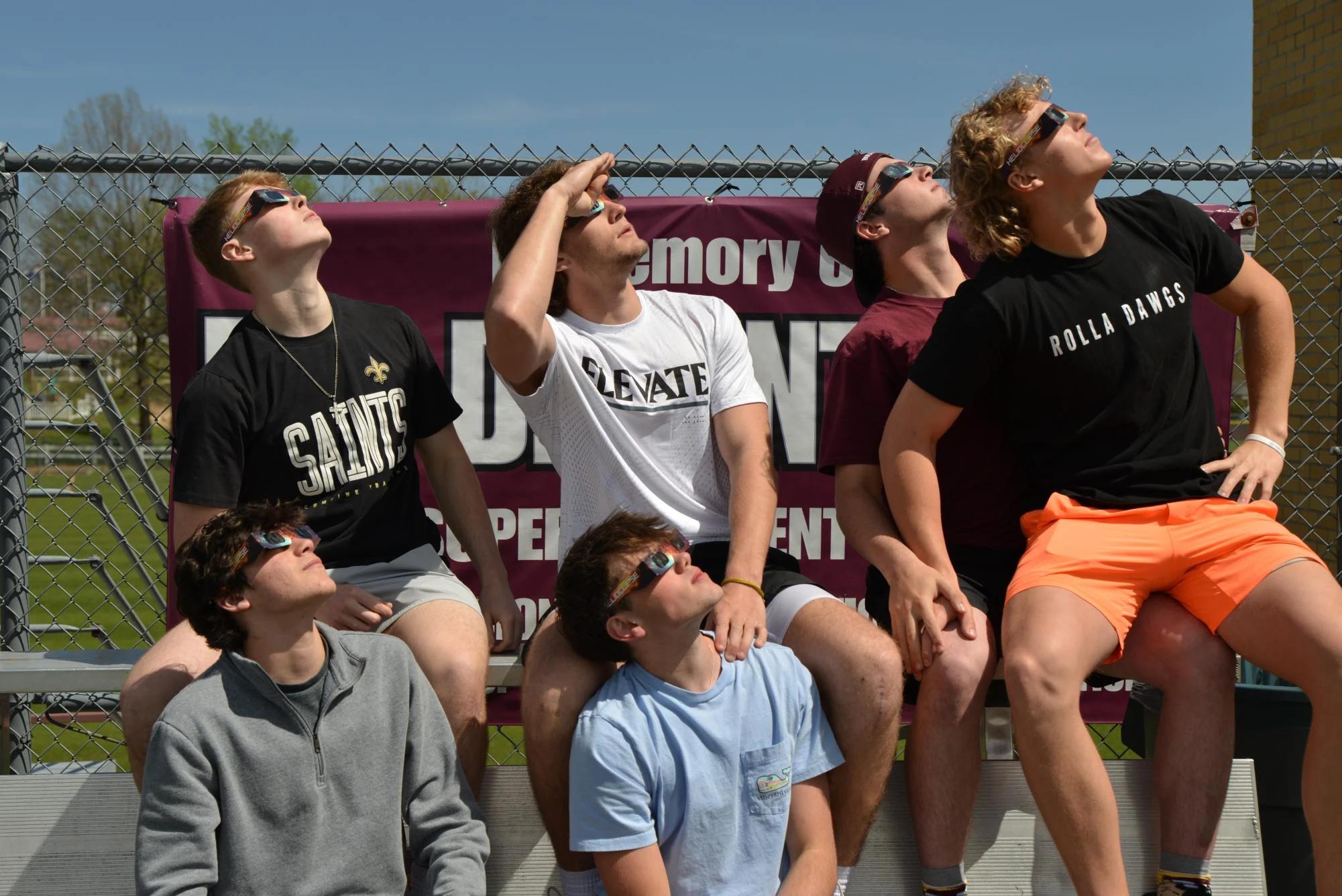
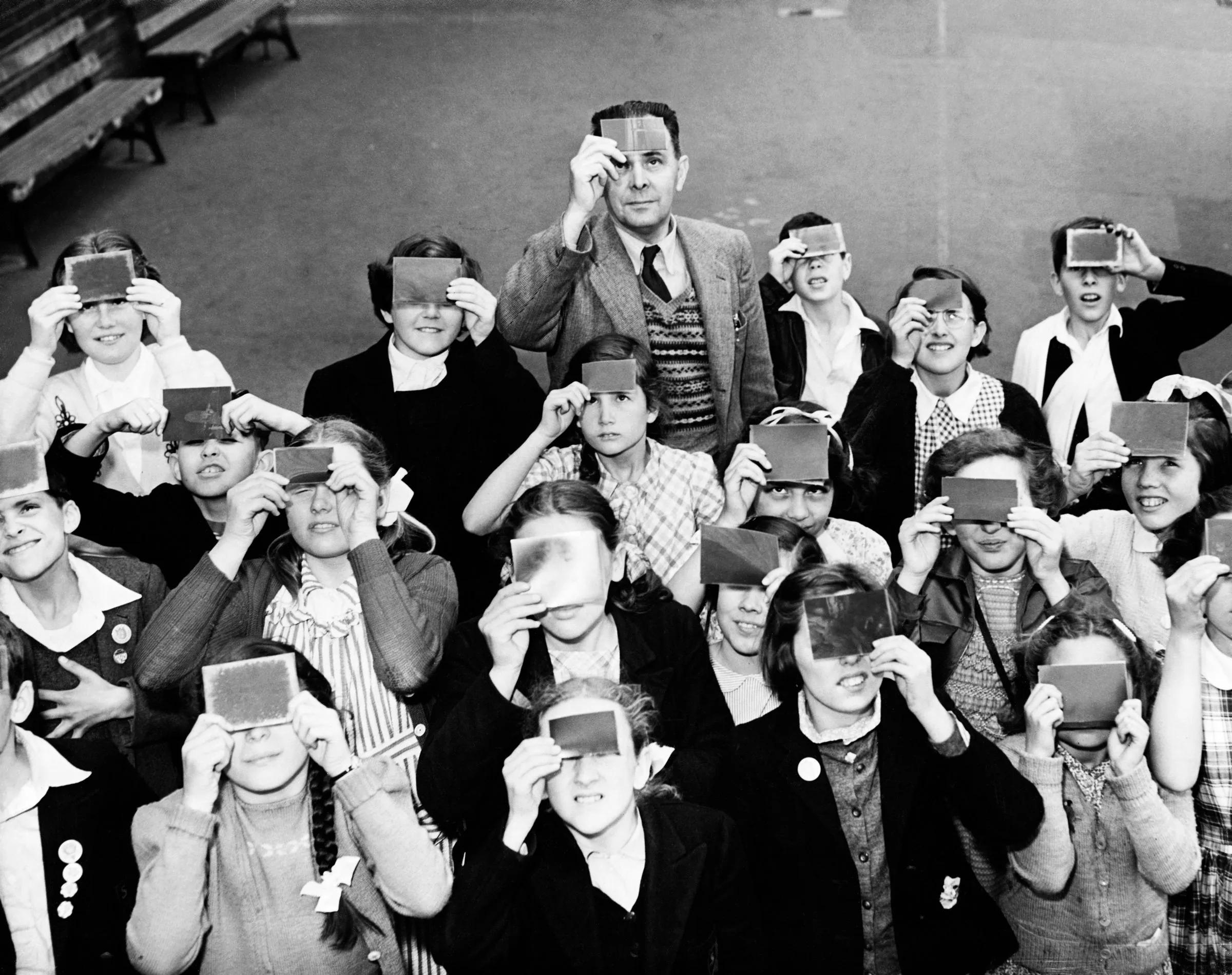
Before we get poetic, we need to be precise. During every partial phase of a solar eclipse, the Sun is still dangerously bright. You need proper solar viewers that meet the ISO 12312-2 standard. Ordinary sunglasses are never enough.
The one exception is totality itself — and only if you are actually inside the path where the Moon completely covers the Sun’s bright photosphere. That is why a total eclipse is fundamentally different from an annular solar eclipse. In an annular event, the Moon appears slightly too small to cover the Sun, leaving a bright ring of fire. Because some of the Sun’s surface remains visible the entire time, viewers stay on throughout annularity. No naked-eye corona. No safe glasses-off interval.
For 2026, this means your planning should start with location, not just date. If you are checking total solar eclipse 2026 time or total solar eclipse 2026 map time, the answer is always local: your city, your position relative to the centerline, and whether you are in the umbra or only the penumbra. Broadly, the August 12, 2026 total eclipse crosses parts of the Arctic, Greenland, Iceland, and northern Spain before ending over the western Mediterranean. In Spain, places in the path can get totality near sunset, while many locations outside the narrow track will see only a deep partial eclipse.
If you are planning with family or friends, this is the moment to sort out who is traveling into totality and who is not. It changes what you will experience, how long it lasts, and when you can safely remove eclipse glasses.
What Baily’s beads actually are
The phrase solar eclipse baily's beads sounds almost quaint, but the effect is pure orbital precision. The Moon is not a smooth circle. Its edge is jagged with mountains, crater rims, and valleys. In the final moments before totality, the last rays of the Sun shine through low spots along the lunar limb, creating a row of bright points.
Those points are Baily’s beads. The American Astronomical Society defines them as shafts of sunlight shining through deep valleys on the Moon’s edge, and NASA’s eclipse guides describe them as one of the last visible signs before totality begins. They can also reappear just after totality ends.
This is one reason modern eclipse predictions are so good. NASA notes that detailed lunar topography from missions such as the Lunar Reconnaissance Orbiter helps predict where the first and last bits of sunlight will appear. In other words, beads are not random sparkle. They are the visible imprint of the Moon’s terrain.
From a human point of view, though, they feel startlingly alive. One second the Sun is a narrowing crescent. Then the edge seems to break into bright droplets. If you are near the center of the path, the bead phase is often very short — just seconds. Near the edge of totality, it can stretch longer because the geometry is more grazing. That is part of why different observers describe the same eclipse differently.
You may also see people use phrases like corona beads eclipse or simply corona beads. Strictly speaking, the beads are not the corona. They are direct sunlight from the photosphere leaking through lunar valleys. But in real viewing, the transition happens so fast that people often remember the whole sequence as one blended burst of light and atmosphere.
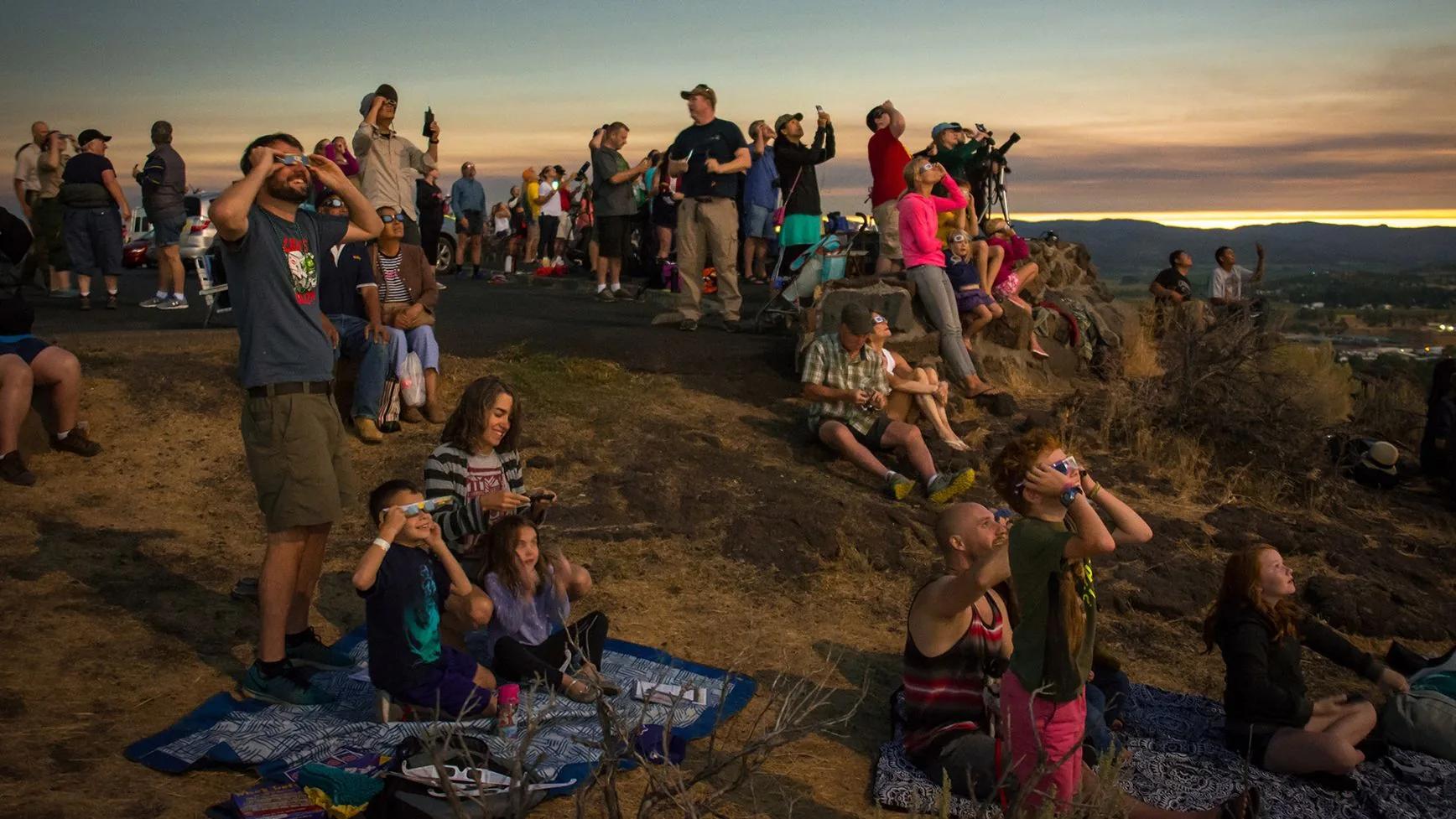
The diamond ring: not a metaphor, but a moment
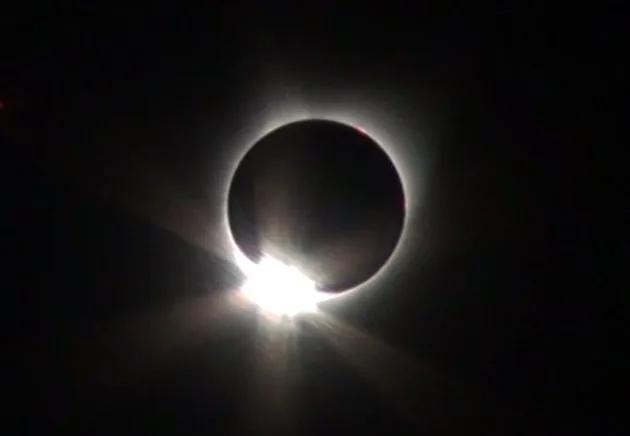
The diamond ring is the stage most people remember even if they do not know the name beforehand. As the separate beads dwindle, one brilliant point can remain on the Moon’s edge while the faint white corona begins to show around the dark disk. That combination creates the famous ring-with-gem appearance.
The AAS glossary defines the diamond ring as a single Baily’s bead shining like a brilliant diamond set into the pale ring of the corona. Sky & Telescope points out that observers and photographers do not always use the term in exactly the same way. With magnification, you may resolve multiple beads. To the naked eye, the whole effect often reads as one dazzling jewel.
That is why search phrases such as corona diamond ring eclipse, diamond corona eclipse, corona diamond ring eclipse, and corona diamond ring solar eclipse all circle the same experience from slightly different angles. The “diamond” is the last or first intense bit of photosphere; the “ring” is the corona becoming visible around the Moon.
Safety is the crucial part. Just before totality begins, keep your eclipse viewers on. The diamond ring before second contact is beautiful, but it is also the final flash of direct sunlight. Once that bright photosphere is fully gone, totality has started and you may look safely with the naked eye. At the end of totality, the reverse happens fast: the returning diamond ring is your warning that direct sunlight is back and eye protection must go on again immediately.
If you watched the total solar eclipse 2024 diamond ring sequence in person or in photos, you already know how emotionally outsized a few seconds can feel. The 2026 event will produce the same physics, but with its own geometry, local weather, solar activity, and horizon conditions.
The corona is the prize
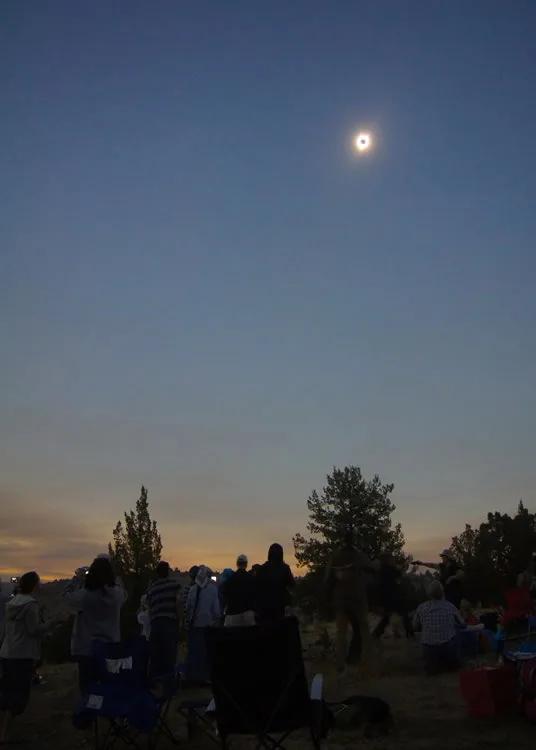
The corona is the Sun’s outer atmosphere, normally hidden by the overwhelming brightness of the photosphere. During totality, when the bright face of the Sun is completely blocked, the corona appears as a pearly white halo with streamers, brushes, and asymmetries shaped by the Sun’s magnetic field.
This is the part that changes people’s relationship with eclipses. Photos help, but they flatten the experience. In person, the corona does not look like a neat graphic. It looks structured, delicate, and improbably large — a living atmosphere extending away from a black hole in the sky.
Its shape also tells you something about the Sun. The AAS notes that the corona can appear more elongated or more rounded depending on the sunspot cycle. Around solar maximum, it often looks more symmetrical and busy; at quieter times, longer equatorial streamers can dominate. So when we talk about the total solar eclipse corona diamond ring, we are not just naming pretty effects. We are talking about visible evidence of solar magnetism.
That is the “why it matters” part. A total eclipse briefly turns the sky into a lab for naked-eye astronomy. The corona is scientifically important because it reveals structure in the Sun’s atmosphere that is otherwise hard to see from the ground without specialized instruments. Historically, measurements of beads and rings from different locations also helped refine eclipse predictions and even probe small variations in the Sun’s apparent diameter.
For most of us, though, the meaning is simpler and just as valid: totality lets you see the Sun as a star with an atmosphere, not just a bright disk.
What the sequence feels like in real time
The run-up to totality is not a single switch. It is a cascade.
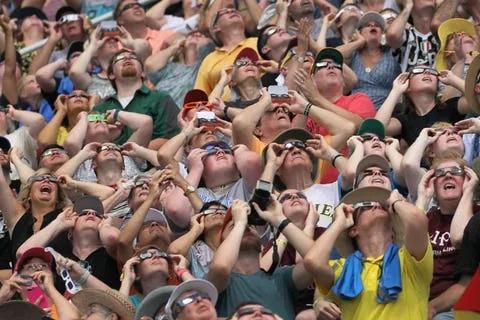
First, the partial eclipse deepens. Through safe viewers, the Sun becomes a thinner and thinner crescent. Around you, the daylight starts to feel wrong — flatter, cooler, more metallic. NASA says the partial phase often lasts 70 to 80 minutes before totality, so there is time to settle in, share viewers, and notice the world changing.
Then the environment joins in. Shadows sharpen. If you project sunlight through leaves or a colander, you may see dozens of tiny crescents on the ground. In the last minutes, some observers notice shadow bands: faint rippling lines of light and dark caused by atmospheric turbulence acting on the thin solar crescent.
Seconds before totality, the pace suddenly accelerates. Baily’s beads appear. The diamond ring flares. Then the bright photosphere is gone.
And totality is not just darkness. NASA describes it more like deep twilight. You may see a 360-degree sunset glow around the horizon. Bright planets or stars can pop out. The air can cool by around 5°C, though the exact drop depends on cloud and humidity. People often gasp, cheer, or go completely silent.
That emotional reaction is not hype. It is a normal response to a sky event that combines scale, speed, and rarity in a way almost nothing else does.
What 2026 adds to the experience
The 2026 eclipse is especially interesting because many viewers in Europe will be dealing with low-Sun geometry. In northern Spain, totality occurs late in the day, with the Sun dropping toward the western horizon. That can be spectacular if the sky is clear: a darkened landscape, low-angle light before totality, and the corona hanging above a sunset-colored horizon.
It also raises the stakes for site choice. A place with an obstructed western horizon could ruin the final minutes. A coastal overlook, open plateau, or elevated inland site may matter more than it would for a midday eclipse. If you are using a solar eclipse 2026 interactive map or checking a total solar eclipse 2026 map time tool, do not stop at the centerline. Check Sun altitude, local terrain, and whether a mountain ridge, buildings, or haze could interfere.
For example, northern Spain’s path is expected to include parts of Galicia, Asturias, Cantabria, Castile and León, the Basque Country, La Rioja, Aragón, and the Balearic area near sunset geometry farther east, but exact local circumstances vary sharply over short distances. A city just inside totality may get only a brief total phase, while a location closer to the centerline can gain precious extra seconds. In many eclipses, that center-versus-edge difference is the difference between a rushed glimpse and a more settled look at the corona.
Iceland and Greenland offer a different version of the event: higher-latitude viewing, different weather risks, and a path where cloud strategy may matter as much as raw duration. This is where planning becomes social. Tell your group early, compare backup sites, and decide whether you are optimizing for longest totality, best weather odds, easiest logistics, or the most dramatic horizon scene.
Why these effects matter beyond spectacle
It is easy to dismiss eclipse vocabulary as enthusiast jargon. But each term points to something real and teachable.
Baily’s beads show that the Moon has topography and that eclipse geometry is exact enough for mountains and valleys to matter.
The diamond ring marks the threshold between unsafe direct sunlight and the safe naked-eye interval of totality. It is beautiful, but it is also operationally important.
The corona reveals the Sun’s outer atmosphere and magnetic structure. It is not a decorative halo added by cameras. It is the visible edge of solar physics made accessible to ordinary observers.
That is why a good total solar eclipse corona diamond ring 2026 guide should do more than define terms. It should help you connect what you see to what is happening. The best total solar eclipse corona diamond ring 2026 guide pdf would still need the same core message: know whether you are in totality, know when totality begins and ends at your exact location, and treat those seconds with respect.
And yes, this also helps with future eclipses. If you learn the sequence in 2026, you will be much better prepared for total solar eclipse 2027 and later events. Once you understand the logic of beads, diamond ring, chromosphere, and corona, every eclipse becomes easier to read.
How to watch the 2026 sequence safely without fumbling it
The safest way to enjoy the drama is to simplify your plan before eclipse day.
First, verify your location. Do not assume a nearby city is “close enough.” For a total eclipse, a few kilometers can be the difference between totality and a partial. Use our Eclipse Explorer / 3D map to confirm whether you are inside the path and to check your local total solar eclipse 2026 time.
Second, decide how you will actually observe. If you are watching with the naked eye, the rule is straightforward: viewers on during all partial phases, off only during totality, back on the instant bright sunlight returns. If you are using binoculars, a telescope, or a camera, the rules are stricter because optics concentrate sunlight. Filters must be properly mounted on the front of the instrument, and you should not improvise.
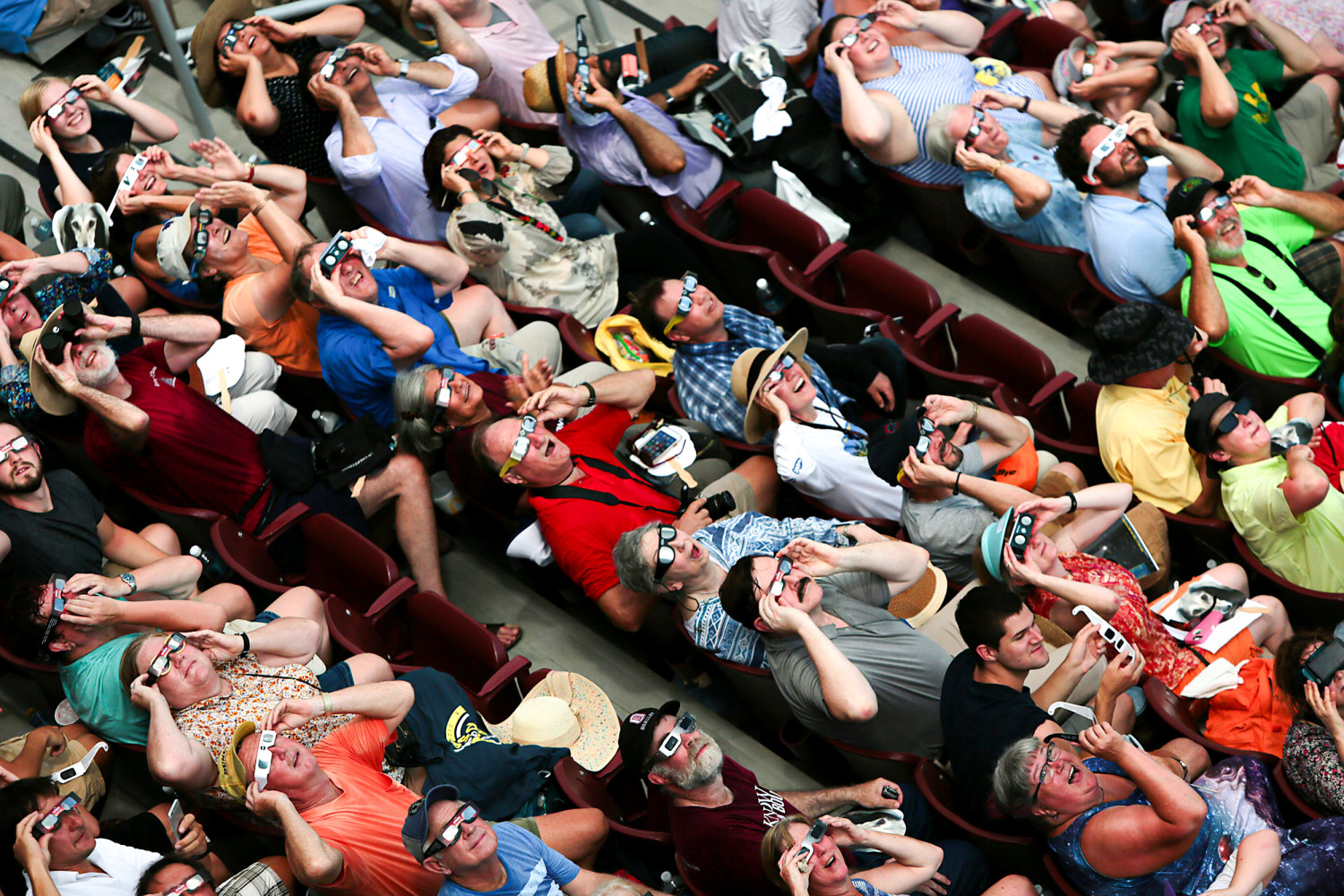
Third, rehearse the human side. If you are with children, assign one adult to call out the safety transitions. If you are with friends, agree in advance that nobody removes viewers early just because the sky looks dark. The sky can dim dramatically before totality while the remaining sliver of Sun is still dangerous.
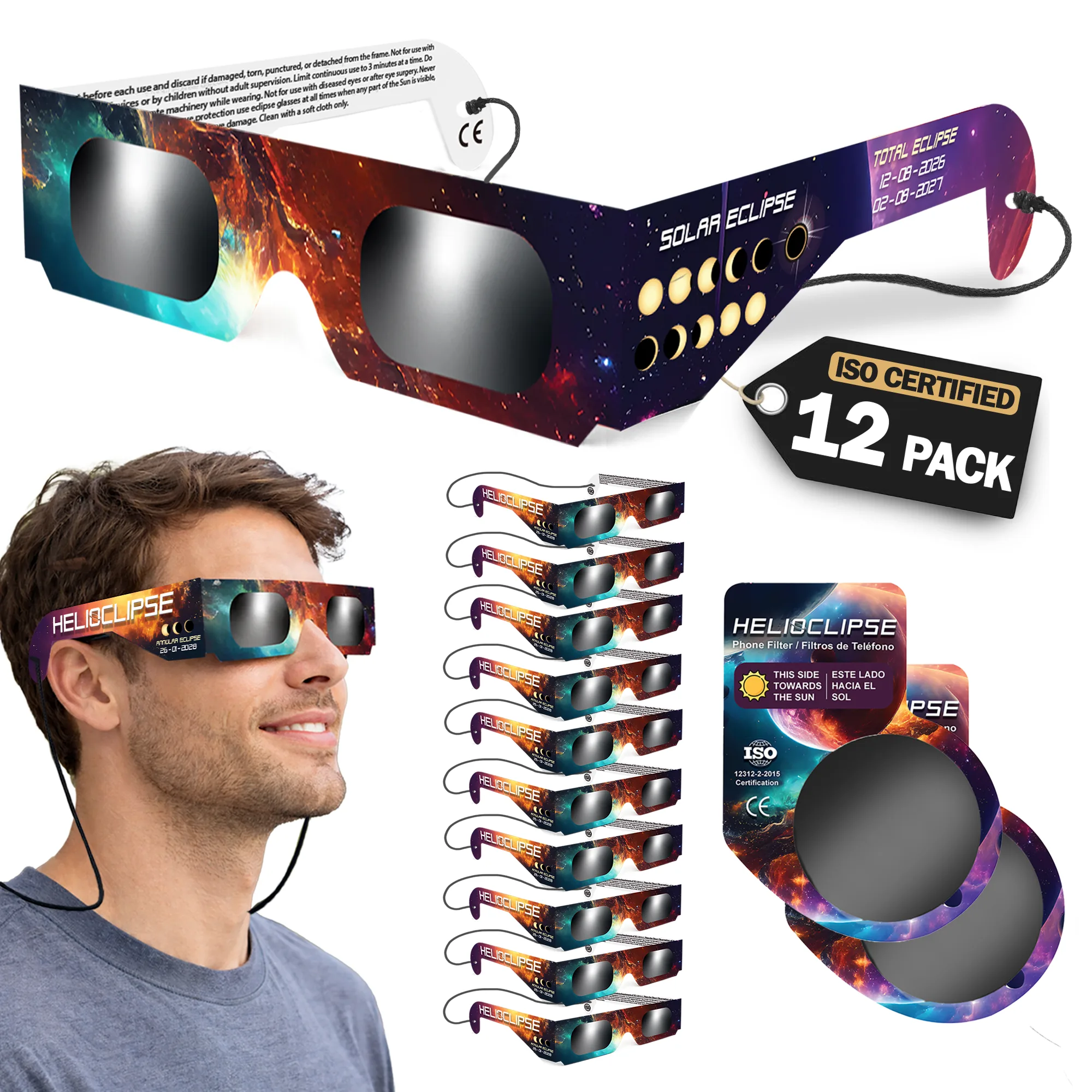
And finally: get your viewers early. When people shop for approved solar eclipse glasses, eclipse viewing glasses, or solar eclipse glasses iso 12312-2 certified products, what matters is not a marketing phrase but whether the viewer genuinely conforms to the ISO 12312-2 standard and is in good condition. You can browse our Shop eclipse glasses if you want a simple on-site option for planning ahead with your household, classroom, or travel group.
A quick note on wording: phrases like eclipse glasses nasa approved or nasa certified solar eclipse glasses are common in shopping searches, but NASA does not certify or approve individual consumer brands. The safer habit is to check for ISO 12312-2 compliance, inspect the viewers for damage, and buy in time rather than panic-buying close to eclipse day.
A few things people often get wrong
One: “If I see 99% coverage, that’s basically totality.” It is not. Even a tiny remaining sliver of photosphere is bright enough to keep the corona hidden and to require eye protection.
Two: “The diamond ring is the same as totality.” Not quite. It is the transition into or out of totality. Think of it as the threshold, not the room itself.
Three: “Baily’s beads only matter to photographers.” Also false. They are visible evidence of the Moon’s uneven edge and one of the most thrilling visual cues that totality is seconds away.
Four: “An annular eclipse is close enough.” In terms of public excitement, maybe. In terms of what you can see, no. An annular solar eclipse can be wonderful, but it does not reveal the corona the way a total eclipse does, and there is no safe glasses-off interval.
Five: “I’ll just look up the day before.” Please don’t leave it that late. The best eclipse experiences are usually the ones where someone in the group checked the map early, picked a site with a clear horizon, packed water and layers, and made sure everyone had safe viewers ready.
Why you should care now, not the week before
The most memorable eclipse moments are over in seconds, but the difference between a stressful day and a great one is decided much earlier.
If 2026 is your first total eclipse, tell your people now. Pick a likely viewing region. Check whether you want a centerline site for longer totality or a more convenient location with a shorter duration. Think about weather backups. If you are in Spain or traveling there, pay special attention to the low western Sun and horizon clearance. If you are farther north on the track, think about cloud strategy and mobility.
Then make the simple purchases early and forget about them. Safe viewers are not the glamorous part of eclipse planning, but they are the part that lets everyone in your group enjoy the long partial phases without anxiety. The dramatic stuff — the beads, the diamond ring, the corona — is much easier to appreciate when you are not scrambling.
Frequently asked questions
What does the bright “diamond” effect mean during a total solar eclipse?
It is the brief flash of sunlight that appears just before or just after totality, when one last bit of the Sun is still visible. The article explains that this is part of the layered sequence of tiny beads of sunlight, a blazing flash, and then the corona becoming visible. It is a sign that the eclipse is at the edge of totality, so timing and location matter.
How can I tell whether I’ll see the 2026 total eclipse or only a partial one?
The key is whether your location is inside the path of totality. Inside that path, the Moon fully covers the Sun’s bright photosphere and the corona can be seen during totality; outside it, you only get a partial eclipse and the corona never appears. The article says your view depends completely on where you stand, so checking your local position first is essential.
Will the 2026 eclipse have a ring-of-fire phase?
No, not if you are talking about the total eclipse described in the excerpt. A ring of fire happens in an annular eclipse, when the Moon is too small to cover the Sun completely, but the article says the 2026 event is a total solar eclipse in the path of totality. In that case, the Sun is fully covered for a brief time and the corona can be seen.
Where is the 2026 eclipse path of totality expected to go?
The article says the August 12, 2026 total eclipse crosses parts of the Arctic, Greenland, Iceland, and northern Spain before ending over the western Mediterranean. It also notes that places in Spain on the path may experience totality near sunset. Locations outside the narrow track will see only a deep partial eclipse.
What are Baily’s beads in a solar eclipse?
They are the tiny beads of sunlight that appear in the fast sequence leading into or out of totality. The article says they are real, brief, and tied to the rugged shape of the Moon’s edge and the exact moment when direct sunlight vanishes or returns. They help show that the eclipse is reaching totality, which is why location and timing are so important.
On-site next steps
- Check your exact location in our Eclipse Explorer / 3D map to see whether you are inside totality, how the solar eclipse 2026 path crosses your area, and your local timing.
- If you are planning for family, school, or a travel group, get your solar eclipse glasses sorted early so you are ready for every partial phase.
- Want more planning and safety help? Browse the Helioclipse blog for eclipse guides, viewing tips, and gear explainers.
Sources & further reading
- NASA — What to Expect
- NASA — Total Solar Eclipse FAQ
- NASA — Total Solar Eclipse 2024: The Moon’s Moment in the Sun
- Sky & Telescope — How to See the Diamond Ring Effect During a Total Solar Eclipse
- Space.com — Eclipse Phenomena: What to Watch For
- American Astronomical Society — A Solar Eclipse Glossary
- American Astronomical Society — How to view a solar eclipse safely
- NASA — What to Expect: A Solar Eclipse Guide
- Space.com — How to observe the sun safely (and what to look for)